The Ultimate Guide to Succession Sowing Flowers
For months of blooms in your flower garden, succession sowing is essential. Gardening expert Madison Moulton explains how to stagger your flower sowings for blooms from early summer through the first frost.

Contents
There’s a point in every flower garden, usually around mid-August, where you think the show is probably over. The zinnias might still be holding on, but they probably don’t look as great as they did earlier in summer. This is also the point where my cosmos is dried up and, although I do want them to set seed, the overall look is not very appealing.
Luckily, there is a way to avoid this issue and keep the flowers going from spring into fall (and it’s not just picking species that flower at different times). Sowing the same flowers in rounds, a few weeks apart, keeps something always coming into bloom while something else is winding down.
Succession sowing isn’t reserved for the vegetable garden. It works just as well in a single raised bed as it does in a cutting bed.

What is Succession Sowing?
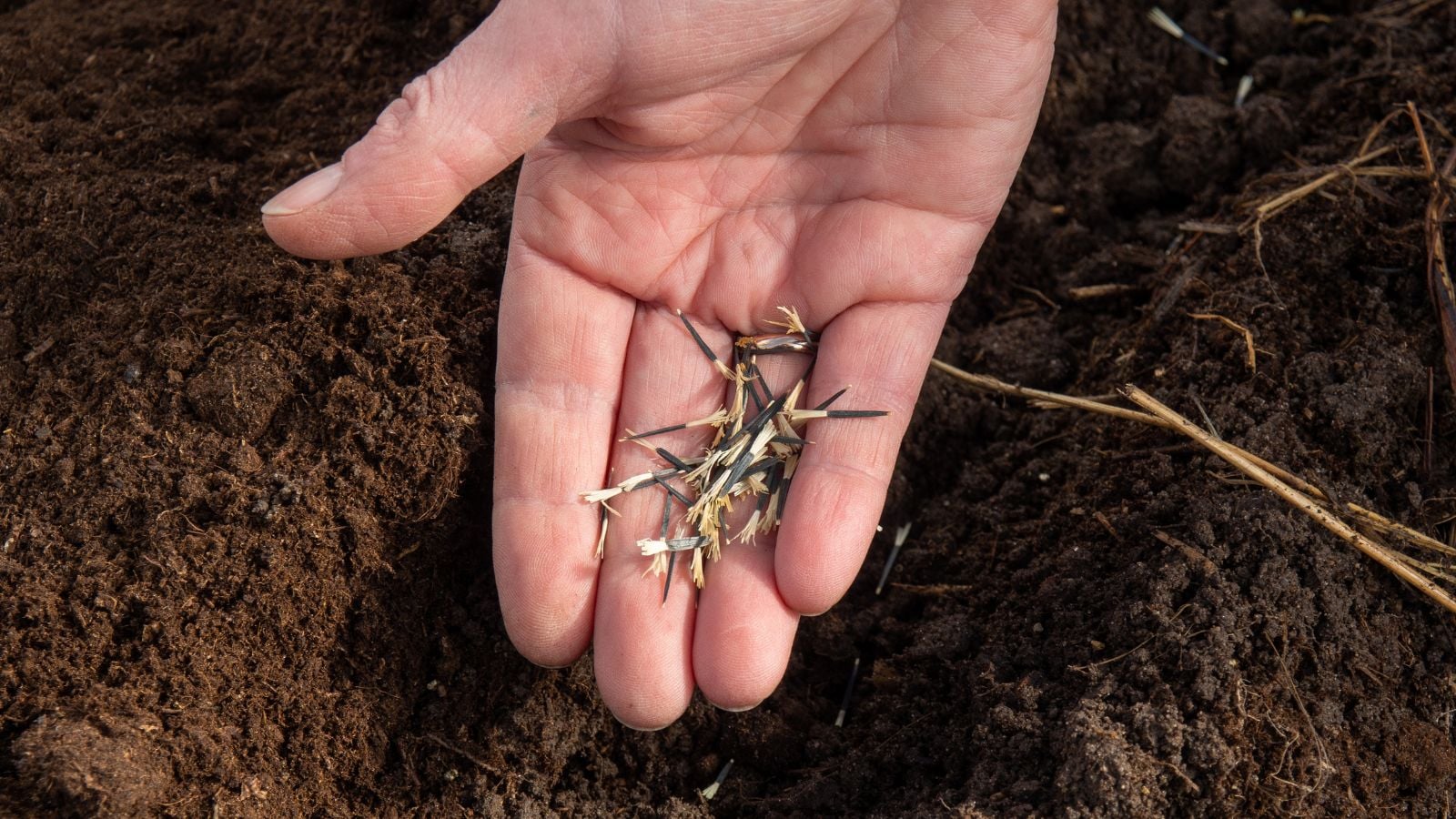
The idea behind succession sowing flowers is to plant the same variety (or varieties with similar growing requirements) in rounds, typically two to three weeks apart, so you always have plants at different stages. By the time the first sowing is tired and producing fewer or smaller flowers, the second is coming into bloom. And so on.
For most annuals, two to three successions through the season is enough. Fast-growing flowers like sunflowers and zinnias can handle more (some growers do five or six rounds). Slower-maturing flowers like snapdragons usually only need two plantings, one early and one mid-season.
Perennials don’t really fit into this system, so succession sowing is mainly an annual flower strategy.
Work Backwards From Your First Frost

The planning anchor for succession sowing flowers is your first fall frost date. That’s the point you’re trying to reach with flowers still in production.
Count backwards from that date using the days-to-bloom figure on the seed packet, and you’ll have the latest possible sowing date for that variety. Anything sown after that probably won’t bloom before frost kills it. For most annuals, the last useful sowing date falls somewhere in mid to late July, but this shifts depending on your zone.
From there, work your way forward. Your first sowing goes in after the last spring frost (for most flowers), and additional rounds follow at two to three week intervals until you hit the cutoff.
Choose Your Interval Based on the Flower
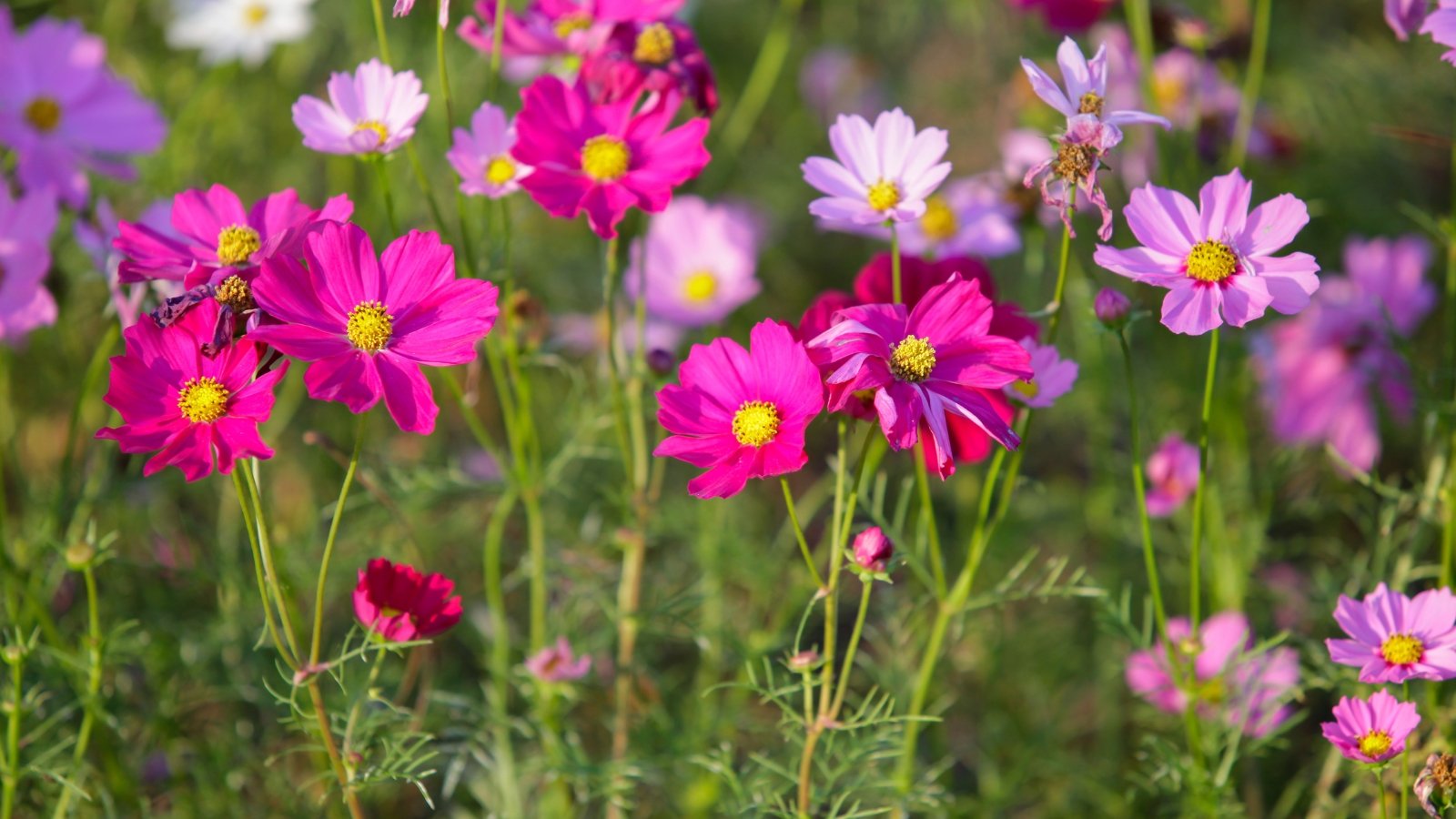
Different flowers need different spacing between sowings.
Every two weeks works well for fast-producing annuals with a relatively short useful life, like zinnias, cosmos, and sunflowers. These start to slow down after about six to eight weeks of heavy cutting, so you want the next round ready to step in.
Every three weeks is better for plants that produce longer from a single sowing, like snapdragons, strawflowers, and gomphrena. You don’t need to replace them as often, and sowing too frequently just crowds your space.
Monthly intervals work for slower-maturing flowers. Three batches a month apart through spring gives you blooms from early summer into fall from a single species.
Pick the Right Flowers

Not every flower is ideal for succession sowing. The best candidates share a few traits: they bloom within 60 to 80 days of sowing, and they produce heavily over a shorter window (a few weeks to a couple of months).
Zinnias are the obvious starting point. They bloom in about 60 days, produce abundantly, and the more you cut, the more they branch. ‘Benary’s Giant Blend’ is the flower farmer’s standard, with six-inch blooms in a wide range of colors. Sow every two weeks from your last frost date through mid-July (or later in some climates).
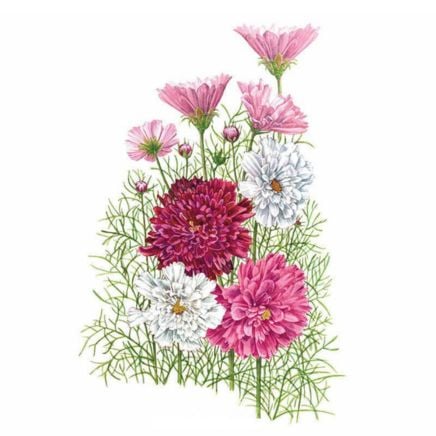
Cosmos work on a similar rhythm and are even easier to grow with fewer problems (at least in my experience). They germinate fast and produce airy, wildflower-style blooms that are essential for bouquet fillers. ‘Apricotta’ and ‘Double Click’ are both reliable. Two to three successions covers the whole summer.
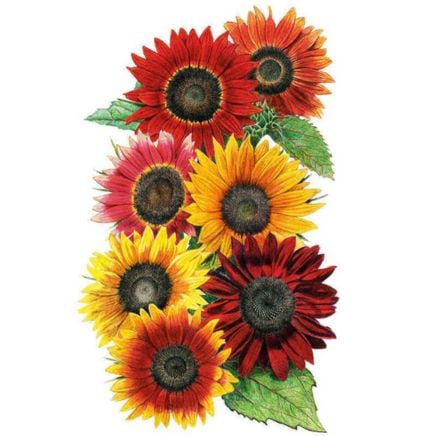
Sunflowers are the classic succession crop. Single-stem varieties produce one flower per plant over about ten days, so if you want a steady supply, you sow a new batch every 10 to 14 days. ‘Mammoth’ works differently (one giant head grown as a garden ornamental or for seeds rather than for cutting), so succession sowing matters less with those.
Snapdragons and stocks are cool-season annuals that fade in high summer heat. They benefit from one spring sowing and one late-summer sowing for fall blooms rather than continuous rounds.
Other reliable candidates include gomphrena, celosia, amaranth, scabiosa, and nigella (love-in-a-mist). All respond to cutting and all handle staggered sowing well.
Direct Sow or Transplant?

Most of the flowers on this list can be either direct-sown or started indoors and transplanted. Direct sowing is simpler and avoids root disturbance (which matters a lot for certain species like cosmos or sunflowers). Starting indoors gives you a head start and more control, which matters more for slower germinators and when you’re trying to get early blooms.
A common approach is to start the first succession indoors four to six weeks before your last frost, transplant it out once the soil warms, and then direct sow all subsequent rounds. By the time the second round needs to go in, the soil is warm enough that direct sowing works just as well, and you save yourself the tray-juggling.
Prepare the Bed Between Rounds
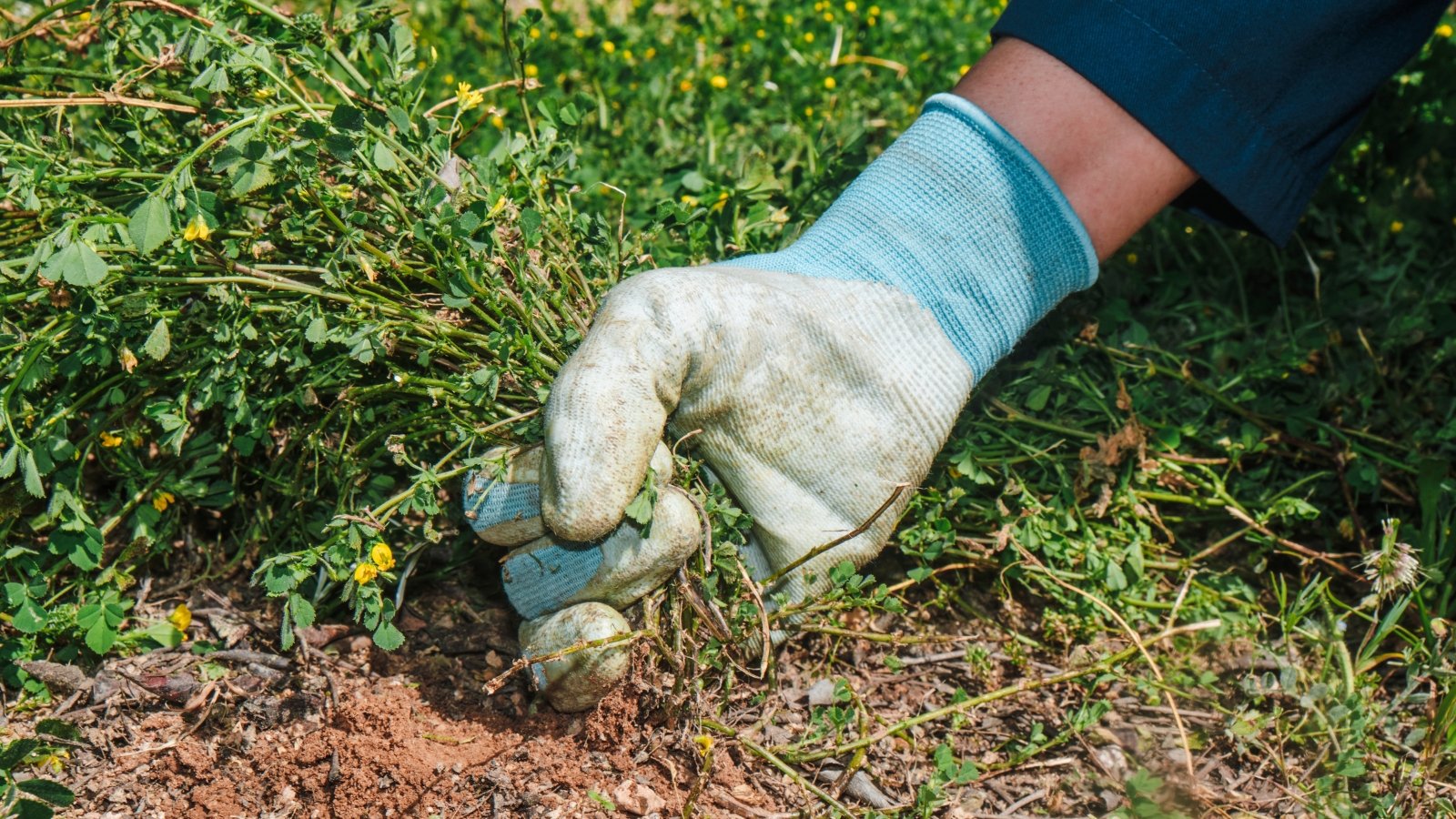
Once you’ve had the excitement of the first round of sowing, it’s easy to treat the second and third rounds as an afterthought. But continuous care gives you better results in the long run.
Before sowing each new round, check the soil and water the area well. If the previous crop was a heavy feeder, a light dose of balanced fertilizer helps too. Pull any weeds you spot that might compete with new flowers. If you’re planting in the same space over and over, rotate flower families where you can. Back-to-back sowings of the same plant in the same soil can increase the risk of disease.
Keep Track of What You Sow

Every gardener thinks they’ll remember which variety went in on which date. By August, nobody does. In my case, I usually forget within a week of the seeds going in the ground. If you’re sowing randomly (mixing and spreading seeds in open beds), this isn’t much of a concern. But if you’re growing for cutting or have a particular look in mind, it’s vital to know what you’re growing and where. It also makes care and maintenance much simpler.
I’m a fan of a simple notebook, but a note on your phone or labels pushed into the ground are great. To get more technical, you can also keep track using our garden planner. Record the variety, the sowing date, and when it started blooming. After a season or two, you’ll have a reliable picture of what works in your specific garden, and your planning gets easier every year.
This is also where you’ll start noticing patterns. Maybe your second round of cosmos always outperforms the first because the weather suits them better. Maybe your July sunflower sowing consistently fails because the soil gets too hot. This shapes next year’s plan, meaning your garden gets better and better over time.