7 Zinnias That Butterflies and Hummingbirds Can’t Resist
Because there are so many to pick from, you can easily grow zinnias for butterflies and hummingbirds. These generous flowers are great for your winged friends, and they’re a confidence booster, no matter your skill level. Experienced gardener, Sarah Jay, discusses seven of the best to grow, and why hummingbirds and butterflies love them so much.

Contents
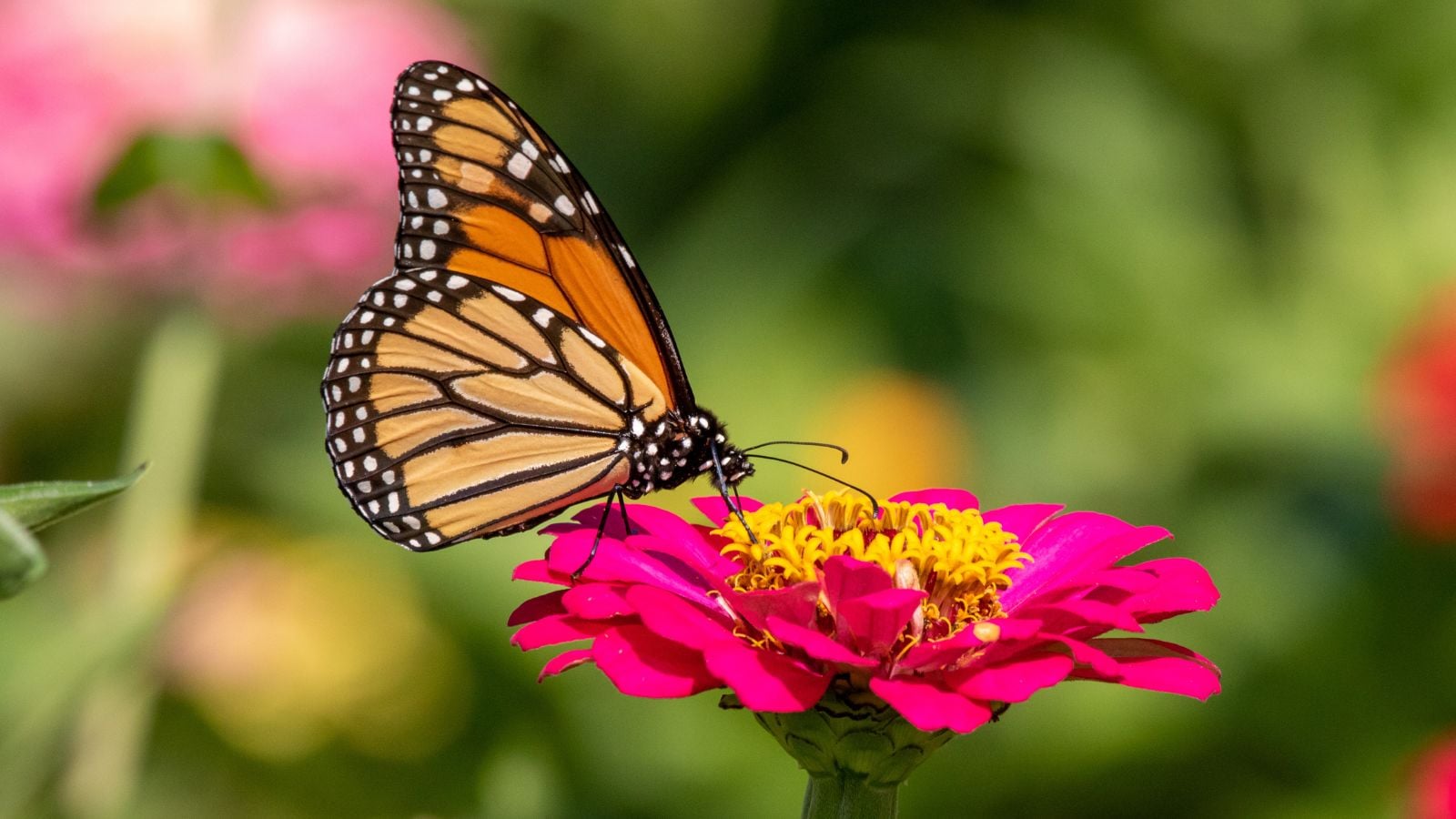
Every year, I love to grow zinnias for butterflies. It just so happens they’re attractive to the hummingbirds that migrate through my area in spring and fall. In the height of summer, zinnias just keep going, which supports winged friends in the times when other plants slow their flowering.
While almost any zinnia works to feed them, some are more appropriate for hummingbirds and butterflies. What sets these apart is their botanical structure, with an open center that makes nectar and pollen accessible. Bright red and red-adjacent blooms bring in the hummingbirds, but they’ll feed on any plant with enough nectar.
The rest of the colors zinnias usually present, or the yellows, oranges, whites, pinks, and purples, are highly attractive to butterflies. If you’ve ever planted a mass of zinnias, you’re probably aware of how active a patch can get at the height of pollinator activity. If you’re still planning your pollinator garden, consider these varieties and throw them in the mix.


Benary’s Giants


|
botanical name Zinnia elegans ‘Benary’s Giant’ |
|---|---|

|
sun requirements Full sun |

|
height 3-4′ |

|
hardiness zones 2-11 |
The large blooms of ‘Benary’s Giants’ reach up to six inches wide. The colors of these awesome zinnias are all over the map and create a rainbow wherever they’re planted. Even though they have dense petals, their centers are open and accessible to pollinators.
This variety won the 1999 Cut Flower of the Year award from the Association of Specialty Cut Flower Growers. Because these are so prolific, you can enjoy them in cut flower arrangements and still have zinnias for butterflies and hummingbirds in your garden. In mild areas, these last through fall, and they seed out on their own, emerging again next spring.
Peruvian Blend
|
|
botanical name Zinnia peruviana |
|---|---|
|
|
sun requirements Full sun |
|
|
height 2-3′ |
|
|
hardiness zones 2-11 |
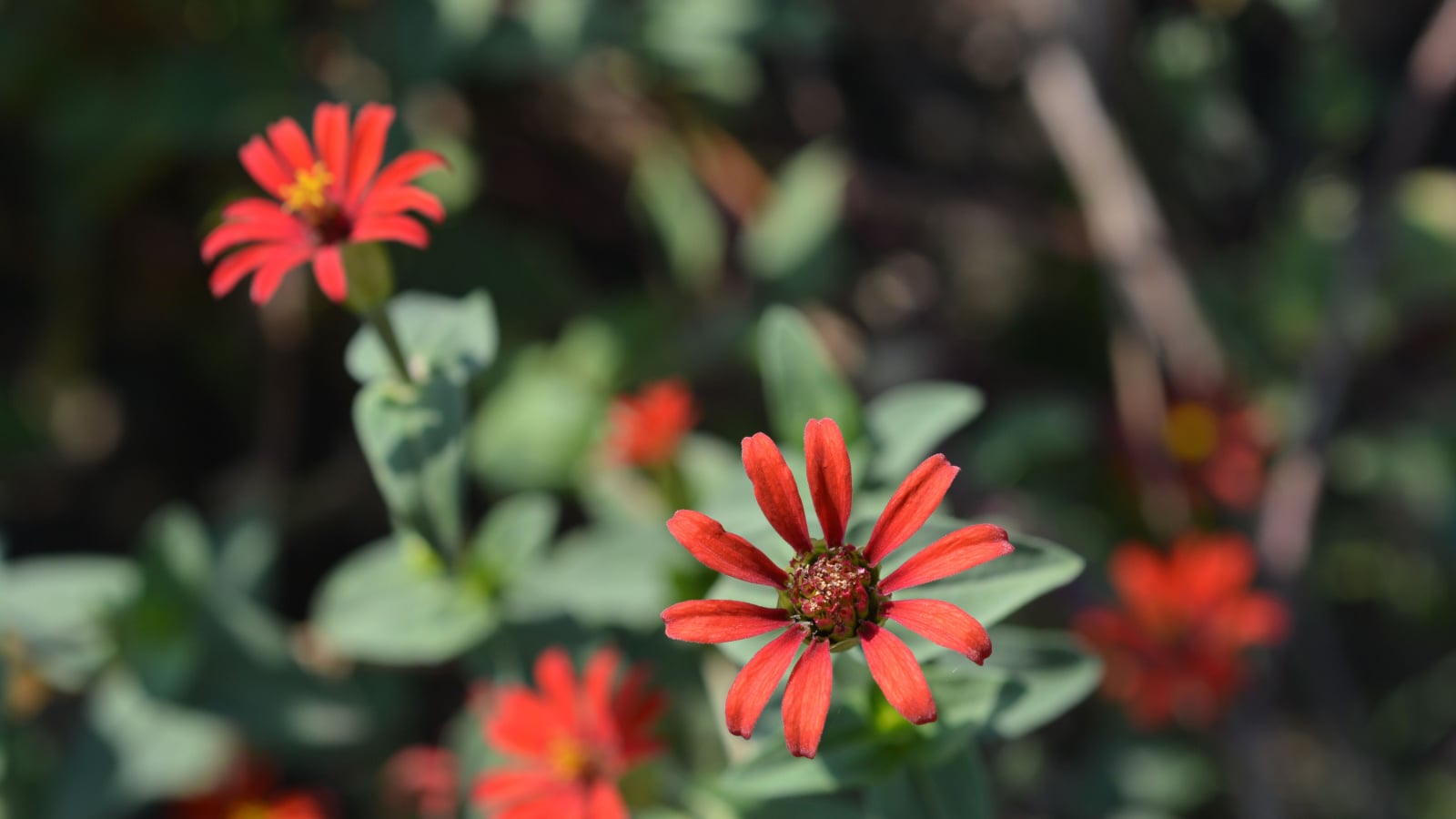
With easy access to the flower’s center, ‘Peruvian’ zinnias are excellent for pollinators. These are some of the harder-to-find zinnias out there, and seeds that grow true to the wild type are even more difficult to find. They’re smaller-statured than some others, and make great container plantings where raised and in-ground beds aren’t possible.
The blooms produced by this variety are much smaller than the more cultivated types people are used to seeing. Instead of giant blooms, you get one to two-inch ones in red and yellow. They bloom for a long time, and just like other zinnias seed out and multiply on their own.
Persian Carpet

|
|
botanical name Zinnia haageana ‘Persian Carpet’ |
|---|---|
|
|
sun requirements Full sun |
|
|
height 12-16″ |
|
|
hardiness zones 2-11 |
With a look that varies from wildflower to cultivated masterpiece, ‘Persian Carpet’ flowers are zinnias for butterflies and hummingbirds. This diverse blend of Zinnia haageana contains flowers with pronounced stamens that bloom with central compound yellow flowers, which butterflies cannot resist.
Among these reddish, brown, and yellow petaled blooms are more cactus-like double flowers. Some align with the color palette of their counterparts, but others take on pinkish hues. These are much smaller than other zinnias as well, topping out at 16 inches. Plant these if you want a unique zinnia in your garden that brings in pollinators.
Profusion
|
|
botanical name Zinnia elegans ‘Profusion’ |
|---|---|
|
|
sun requirements Full sun |
|
|
height 1-2′ |
|
|
hardiness zones 2-11 |
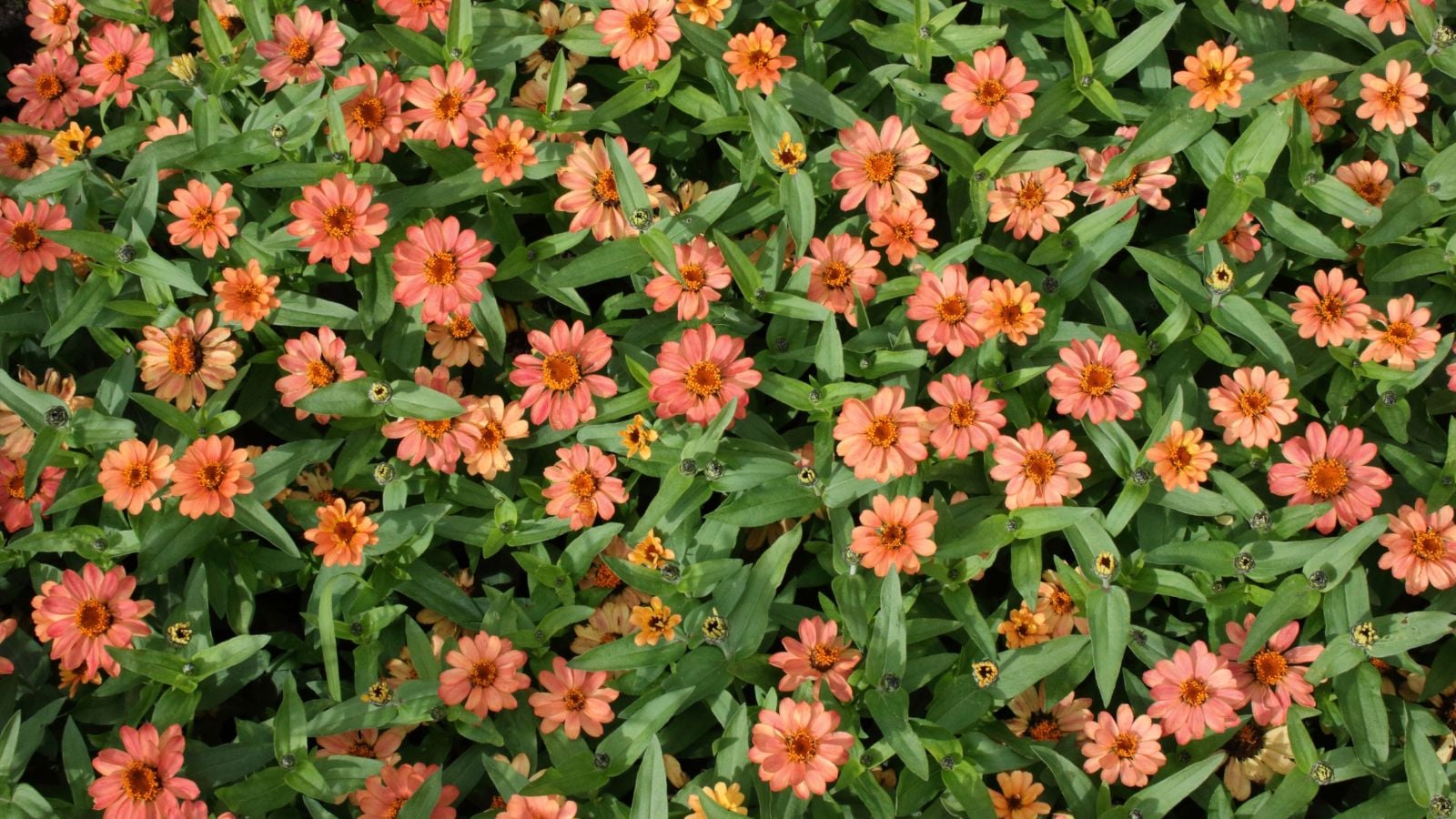
Single-petaled varieties are the best zinnias for butterflies and hummingbirds, and the ‘Profusion’ series has just that. These easy-access flowers come in pale yellow, peach, bright pink, orange, and white. Multiple cultivars within this series have won awards, most likely due to their prolific blooming habit. This makes up for the smaller flowers that max out at two inches.
You might wonder if the dense stand of flowers produced by these plants is prone to mildew (generally common with overcrowding). And you’ll be happy to know these are highly resistant to powdery mildew. They bloom over and over again from late spring through fall, and don’t require any deadheading. These are plant-and-forget-it zinnias.
Cut and Come Again
|
|
botanical name Zinnia elegans ‘Cut and Come Again’ |
|---|---|
|
|
sun requirements Full sun |
|
|
height 18-30″ |
|
|
hardiness zones 2-11 |
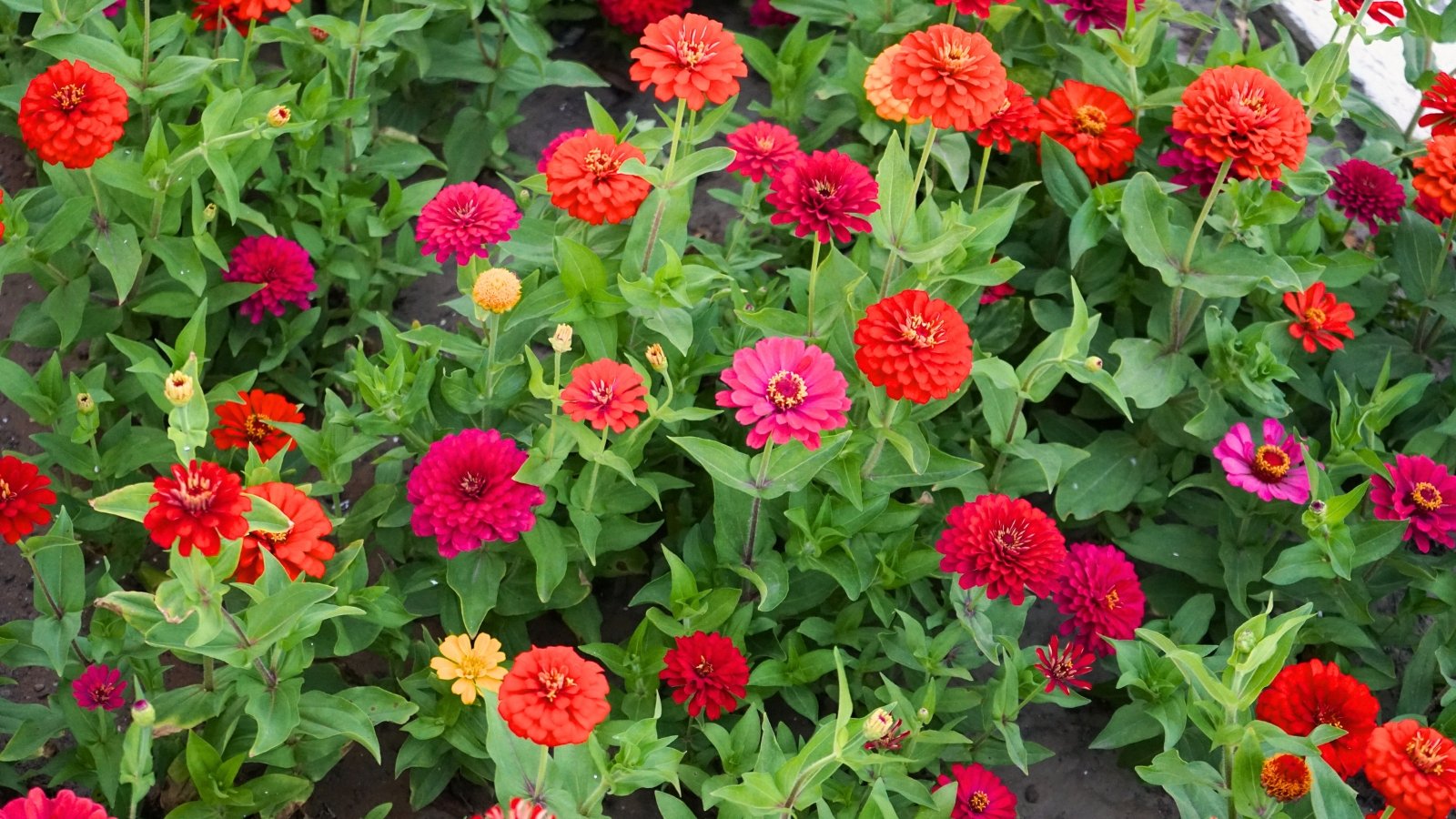
The old-fashioned look provided by ‘Cut and Come Again’ zinnias has the bonus of being great for all kinds of pollinators. They’re named for their tendency to bloom even more when they’re cut. So plant away when it comes to having zinnias for a dual pollinator and cut flower garden.
This mid-height zinnia has a long vase life, and each bloom lasts on the plant for a long time, too. The blooms are also mid-sized, reaching up to two and a half inches wide. They carry the same color array as Benary’s Giants and California Giants, with a slightly smaller form.
Zowie!™ Yellow Flame
|
|
botanical name Zinnia elegans ‘Zowie!™ Yellow Flame’ |
|---|---|
|
|
sun requirements Full sun |
|
|
height 2-3′ |
|
|
hardiness zones 2-11 |
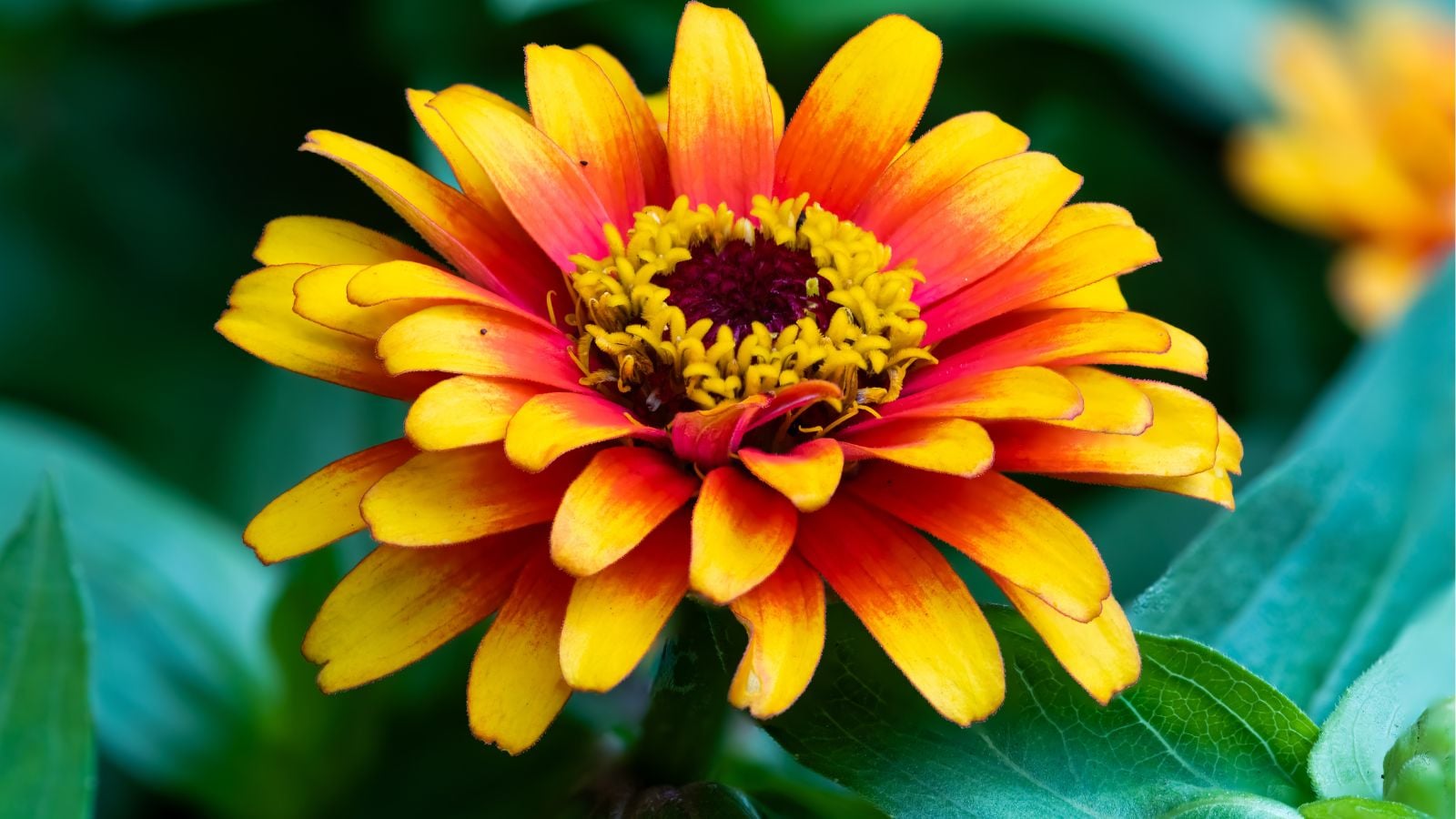
‘Zowie!™ Yellow Flame’ has blooms that are similar to ‘Persian Carpet’, but with multilayered petals that look like a sunset or roaring bonfire. These slightly taller plants bloom prolifically, making them good zinnias for butterflies and hummingbirds. Unlike others on this list, these are touted as excellent bedding plants, though they can take on powdery mildew. Space them appropriately.
In that regard, they’re perfect for containers, and if you want to cut them for arrangements, they will last up to two weeks in a vase. Their tall stamens with tiny compound flowers bloom continuously through the season, offering up nectar and pollen for the hungriest pollinators.
California Giants

|
|
botanical name Zinnia elegans ‘California Giants’ |
|---|---|
|
|
sun requirements Full sun |
|
|
height 2-4′ |
|
|
hardiness zones 2-11 |
In the last entry of our zinnias for butterflies and hummingbirds, we have the ever-popular ‘California Giants‘. These are large in height (up to four feet) and flower size (up to six inches wide). These have been around for a long time, since 1926, and never fail to produce glorious, long-lasting blooms.
If you need a backer in your garden bed, the tall stems of these giants are perfect. They’ll go away in winter, but in spring, they re-emerge in higher numbers. In that regard, feel free to harvest them often for flower vases, as they can also be susceptible to powdery mildew.