How to Plant, Grow, and Care for Supertunia ‘Tiara Blue’
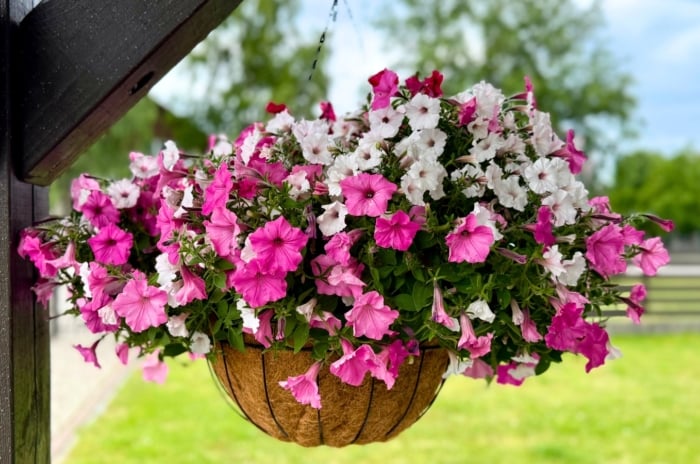
Supertunias are beloved for their prolific blooming, and 'Tiara Blue' is no different. Gardening expert Madison Moulton explains how to grow these beautiful blue blooms.

Contents
I’ve always had a soft spot for blue flowers in the garden, even though most of them aren’t really blue. But this one has blue in the name, and that’s enough for me.
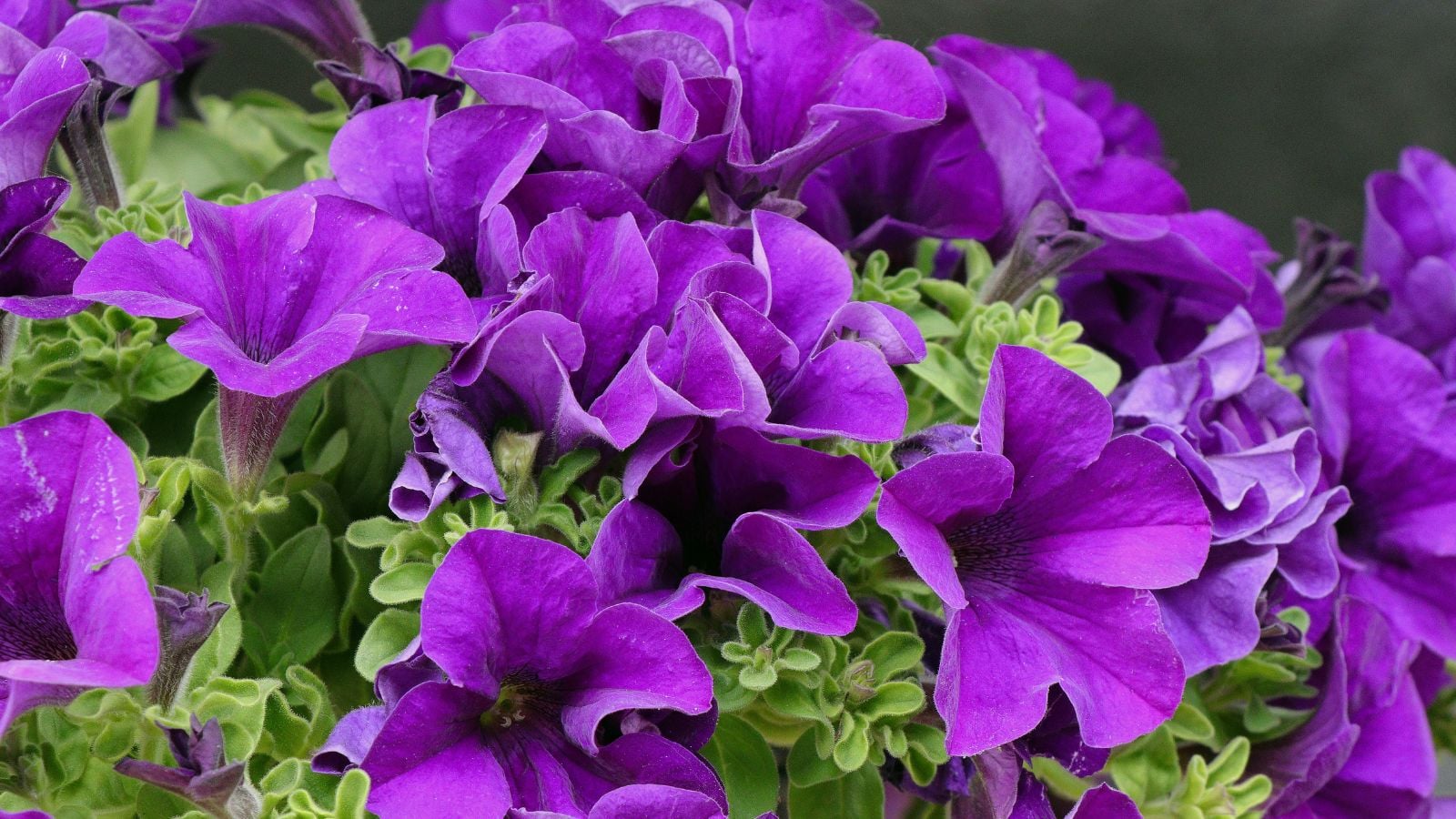
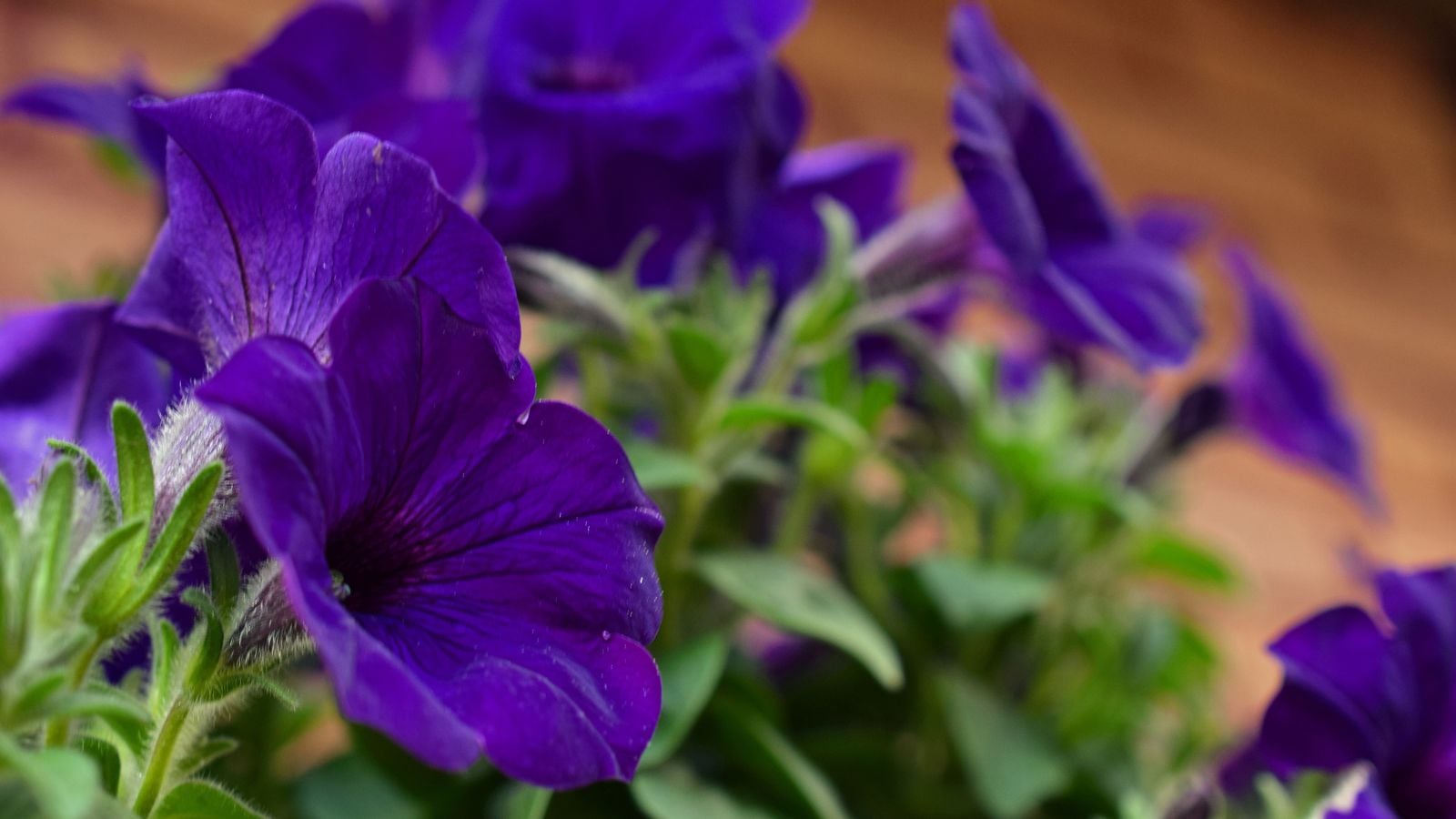
Supertunia ‘Tiara Blue’ has a stunning violet blue all season, with a lighter lilac center that adds depth to each bloom. It’s part of the Supertunia series, and it earned attention quickly after its release for its impressive blooming and adaptability.
That said, Supertunias aren’t quite as hands-off as some marketing might suggest. They’re heavy feeders, they need consistent sun, and they benefit from an occasional trim to stay full. But none of that is difficult. If you understand what the plant wants, you’ll have no trouble growing it.
Petunia hybrid ‘INPETTIABL’ PPAF Supertunia® Tiara™ Blue

|
Plant Type
Annual
Family
Solanaceae
Genus
Petunia
Species
Hybrid
|
Native Area
Hybrid
Exposure
Full sun
Height
12”
Watering Requirements
Moderate
|
Pests & Diseases
Aphids, powdery mildew, blight
Maintenance
Low
Soil Type
Moist, well-draining
Hardiness Zone
2-11
|
What Is It?
Supertunia ‘Tiara Blue’ is part of the Supertunia series. It grows as an annual in most climates and is only technically perennial in zones 10 and 11. For the vast majority of gardeners, it’s a one-season plant, but the amount of bloom it produces in that single season makes it worthwhile.
Characteristics
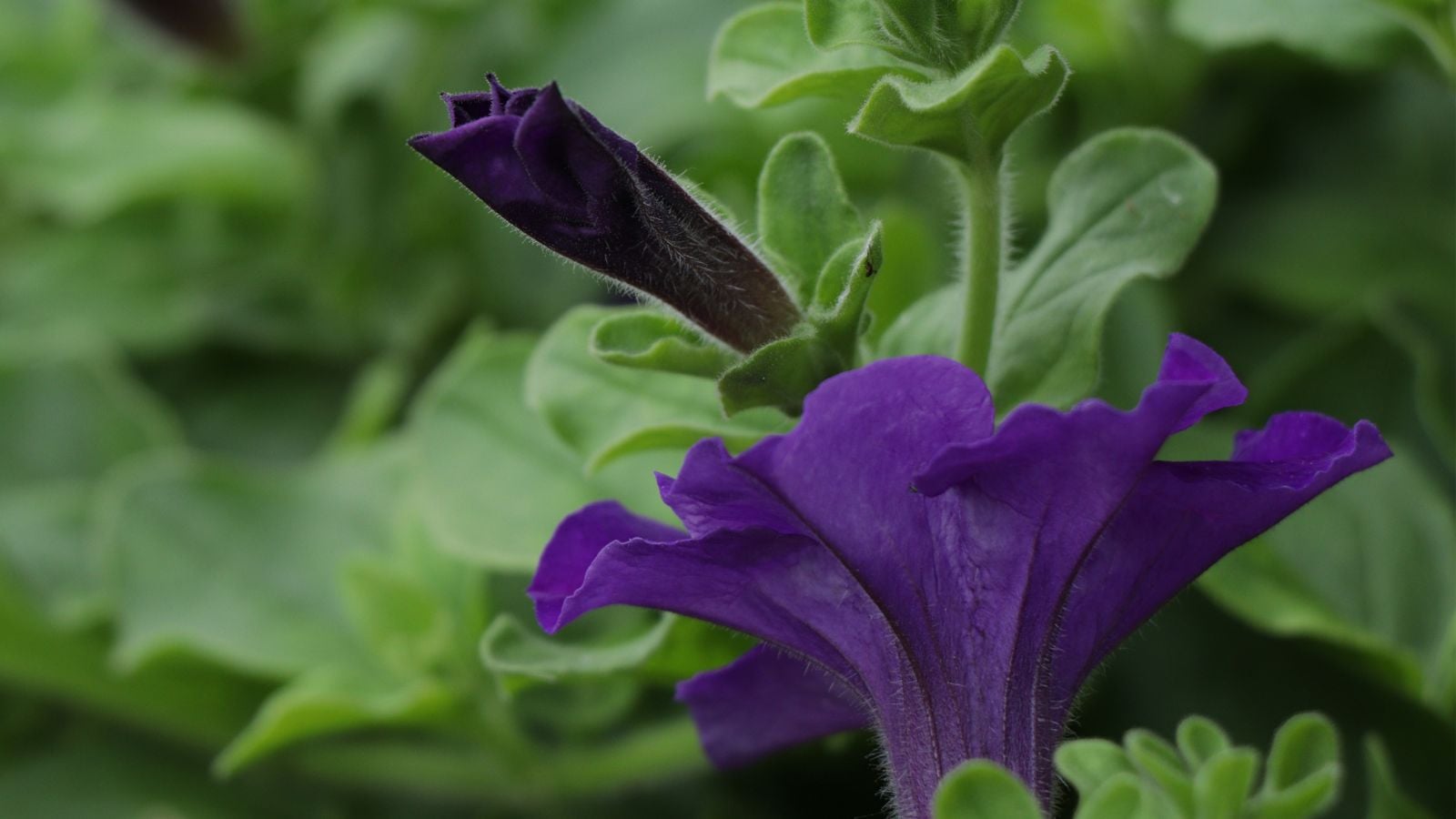
The flowers are medium to large with deep violet-blue petals that fade to a soft lilac at the center. They’re produced continuously from planting until the first hard frost, and the plant drops spent blooms without deadheading.
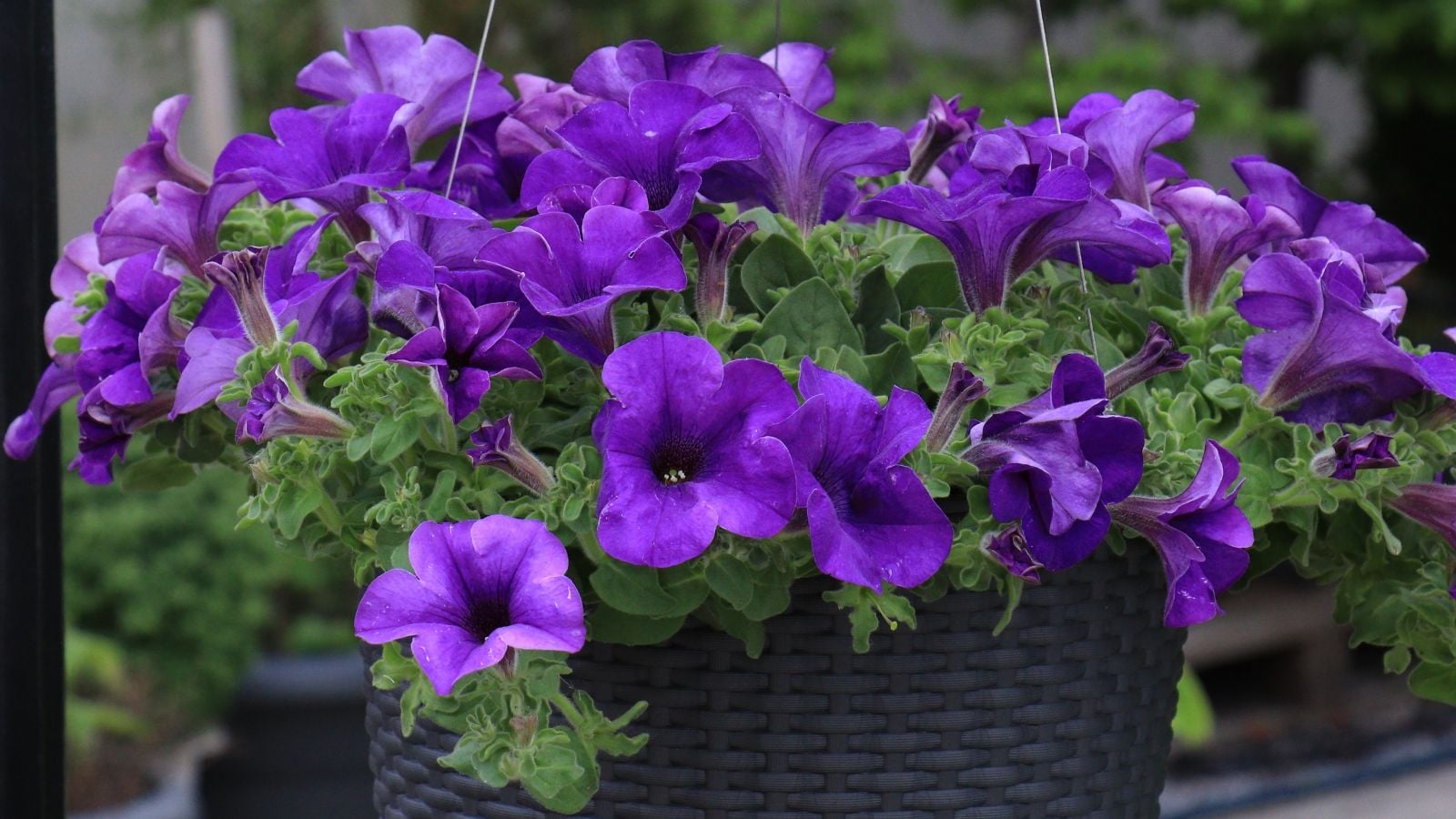
Plants reach up to 12 inches tall and spread 18 to 24 inches, with stems that spill over the edges of containers and hanging baskets. This dual habit makes ‘Tiara Blue’ useful as both a filler and a spiller in combination plantings. In landscape beds, it works well along the front edge where the trailing stems can spread without being crowded by taller plants behind.
It attracts butterflies and hummingbirds, and is both heat and drought-tolerant once established. The combination of low maintenance requirements and season-long color is why the Supertunia series has become as popular as it has.
Planting

Plant ‘Tiara Blue’ Supertunia outdoors after all risk of frost has passed and air temperatures are reliably above 45°F (7°C). The soil should be at least 60°F (16°C) for the roots to establish well. Mid to late spring is ideal.
Space plants 12 to 24 inches apart in beds. In containers, a 12-inch pot comfortably holds one plant, or you can combine it with other annuals in a larger pot where it will fill and spill naturally. For hanging baskets, one ‘Tiara Blue’ supertunia can fill a standard basket on its own once it’s had a few weeks to grow in.
At planting time, mix a controlled-release fertilizer into the soil or potting mix. This gives the plant a steady baseline of nutrients and is especially important for container plantings where nutrients leach out with every watering.
How to Grow
These plants are remarkably easy to grow. With minor attention, they’ll look good all season long.
Light
Six hours or more of direct sunlight is the minimum, and more is better. Plants grown in part shade will produce fewer flowers and tend to get leggy, with long stems and sparse blooms. If you only have a spot that gets four to five hours of sun, the plant will survive but won’t look anything like the photos on the tag.
An east or west-facing position works well for containers. South-facing is ideal in most regions, as long as the plant has adequate water to handle the extra heat.
Water

‘Tiara Blue’ Supertunia is listed as drought-tolerant, which is true in the sense that it recovers well from brief dry spells. But for continuous flowering, it needs consistent moisture.
In the ground, water when the top inch or so of soil is dry. In containers and hanging baskets, expect to water more frequently, potentially every day during the hottest weeks of summer. Hanging baskets in particular dry out fast because they’re exposed to wind and sun on all sides.
Water at the base of the plant when possible. Wet foliage sitting overnight invites fungal problems.
Soil

Any well-draining potting mix works for containers. In the ground, moderately fertile soil with decent drainage is all it needs. Supertunias aren’t picky about soil type, but they won’t tolerate soggy roots. If your garden soil stays wet after rain, raised beds or containers are a better option.
Temperature & Humidity

‘Tiara Blue’ Supertunia handles heat well. It’s one of the more heat-tolerant petunias available, which is useful in the South where many varieties struggle during the worst of summer. It won’t set flowers as prolifically when night temperatures stay above 75°F (24°C), but it pushes through and picks up again as conditions moderate.
There’s no overwintering this plant outdoors in most of the country, as frost will quickly kill it. In zones 10 and 11, it may persist as a short-lived perennial, but even there it’s typically treated as an annual and replaced each spring.
Average humidity is fine. High humidity combined with poor air circulation can encourage fungal issues, which is why spacing and overhead watering matter.
Fertilizer

These plants are heavy feeders. A controlled-release fertilizer at planting time provides the base, but for the best flower production, supplement with a water-soluble fertiliser every two weeks throughout the growing season. Use a bloom-boosting formula (one that’s higher in phosphorus than nitrogen) to encourage flowers over foliage.
In landscape beds with a long season, a second application of controlled-release fertilizer mid-season may be worth it. Container plants almost always need more feeding than in-ground plants because nutrients wash out with every watering.
If your ‘Tiara Blue’ Supertunia has plenty of green growth but not many flowers, insufficient feeding is the most likely cause.
Maintenance
Supertunias don’t require deadheading. What they do benefit from is an occasional trim. By midsummer, the stems can get long and sparse-looking, with flowers concentrated at the tips and bare stems closer to the center of the plant.
When that happens, cut back up to a third of the plant’s volume with sharp scissors or shears. Pair the trim with a dose of liquid fertiliser to kickstart recovery. The plant will look rough for about a week, then push out bushy new growth with more blooms than before.
You can trim more often if the plant is getting away from you, but never remove more than about a third at a time.
Propagation

Supertunia ‘Tiara Blue’ is a patented variety (officially written as Supertunia®), which means propagating it isn’t technically permitted for resale. It’s produced commercially from cuttings. It is possible to do this at home, but you’ll get far better flowers if you buy new plants each year.
If you want to give it a try, start by taking a cutting that’s six inches long. Leave a few leaves on the tip but remove leaves toward the bottom of the cutting. Plant that in well-draining soil and wait for roots to develop.
Common Problems
The most common issue with ‘Tiara Blue’ (and Supertunias generally) is poor flowering on a plant that otherwise looks healthy. This is almost always a feeding problem. These plants need more fertilizer than most annuals. If you’re feeding them like you’d feed a geranium, it’s probably not enough.
Other than that, there are a few pests and disease concerns to watch out for.
Pests
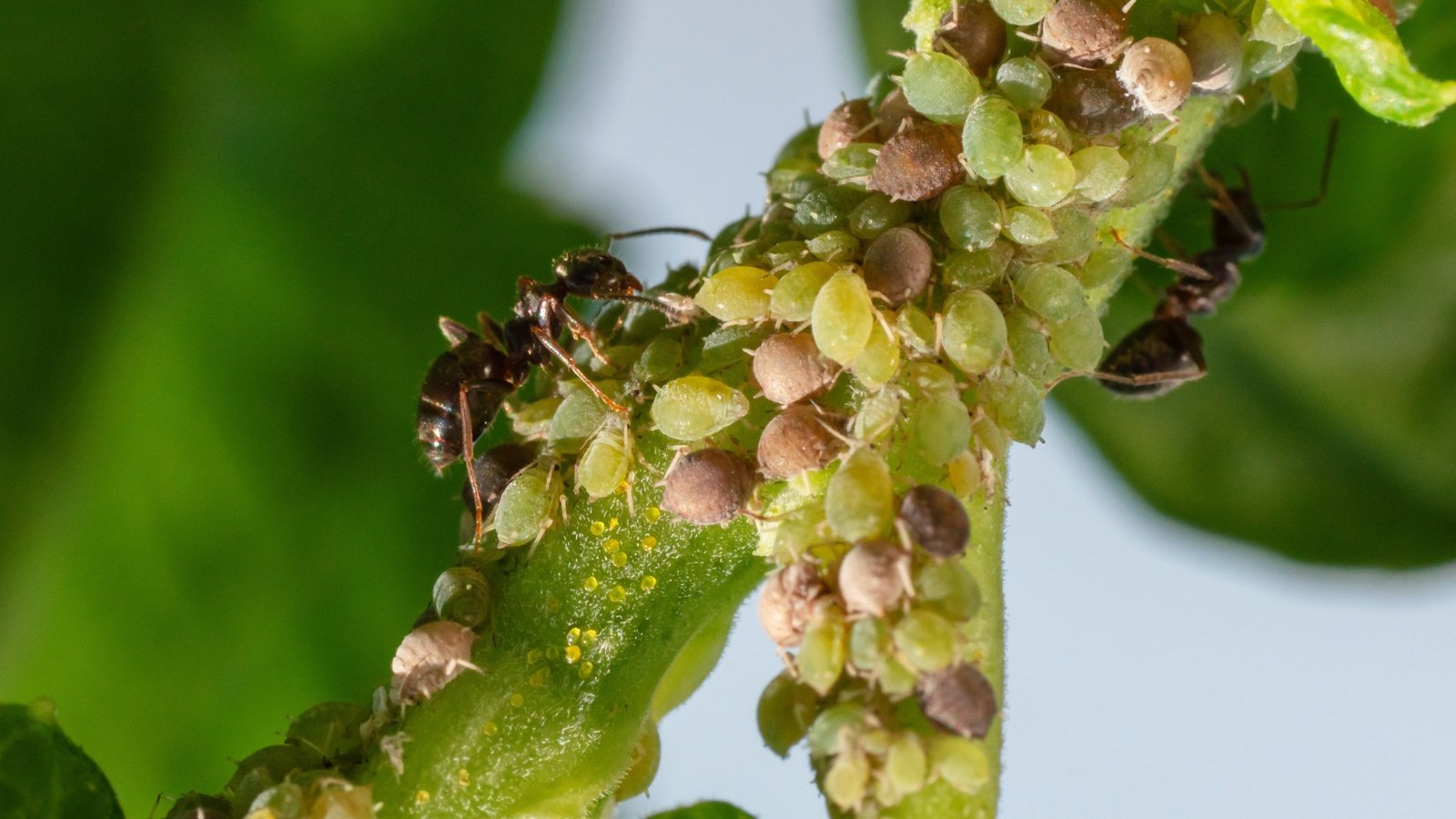
Aphids cluster on new growth and suck sap, leaving behind sticky honeydew that can lead to sooty mold. A strong spray of water from the hose usually knocks them off. For persistent problems, insecticidal soap or neem oil works well.
Tobacco budworm is the more serious threat. These small caterpillars bore into unopened flower buds and eat them from the inside, so you’ll notice buds that fail to open or have holes chewed through them. Handpicking is effective if you catch them, but the caterpillars are well camouflaged.
Bacillus thuringiensis (Bt) applied as a spray can help, though budworms are notoriously resistant to it compared to other caterpillars. Spinosad is a more reliable organic option for heavy infestations.
Thrips and spider mites can appear in hot, dry conditions. Both cause stippled or discolored foliage. Neem oil or insecticidal soap treats either, and improving air circulation helps prevent them.
Diseases
Botrytis blight (gray mold) is the most common disease and shows up as fuzzy gray-brown spots on flowers and foliage, usually in cool, damp conditions. Improve air circulation, avoid overhead watering, and remove any affected plant parts promptly.
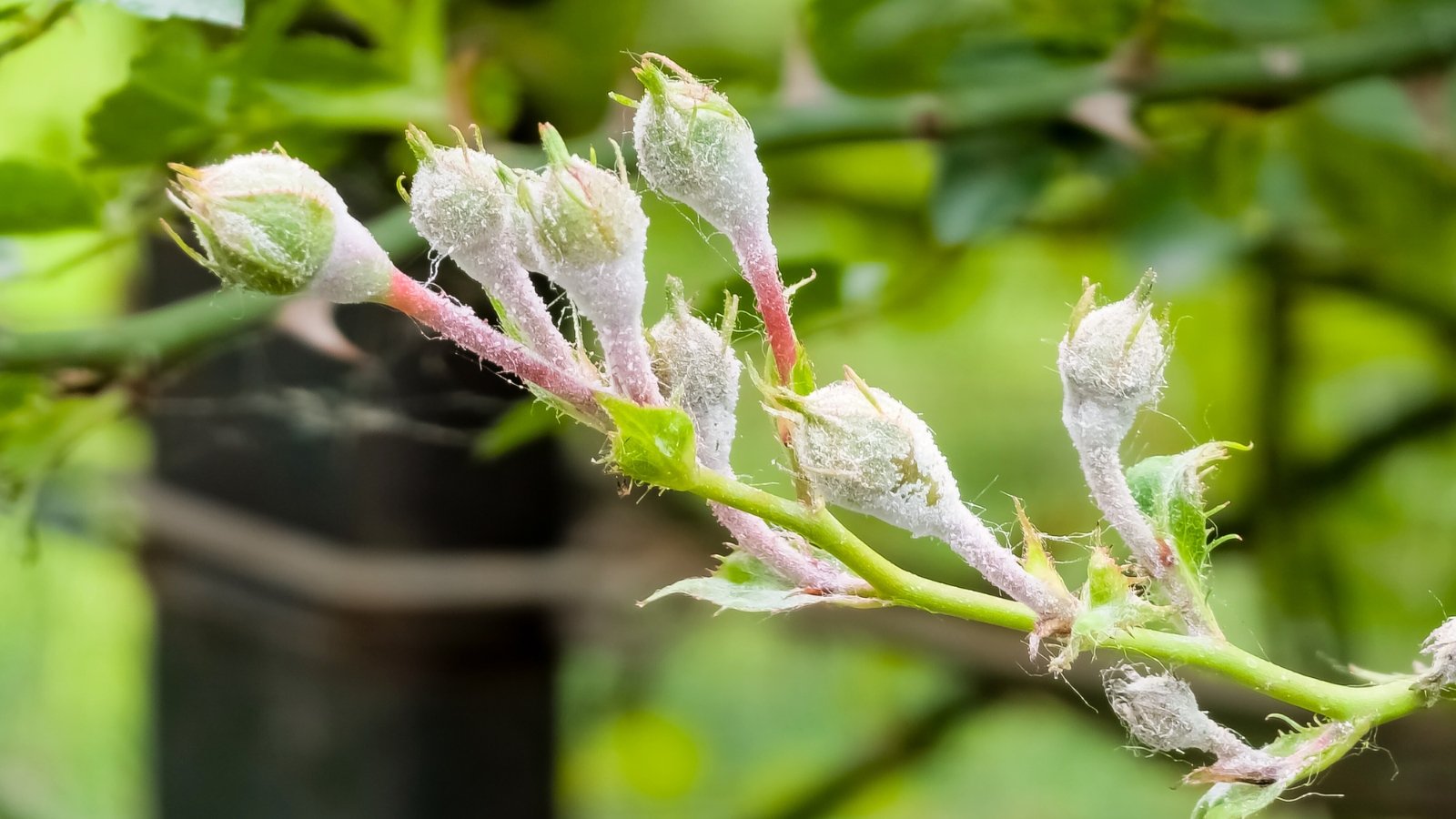
Powdery mildew appears as white, powdery patches on leaves. It’s more common when plants are spaced too closely or in humid conditions with poor airflow. Neem oil can treat it, but correcting the conditions that encourage it is the better long-term fix.
Root and crown rots happen when the soil stays too wet for too long. There’s no real cure once the roots are compromised. Prevention is the answer: well-draining soil, containers with drainage holes, and watering practices that let the soil dry slightly between waterings.
Frequently Asked Questions
Do I need to deadhead Supertunia ‘Tiara Blue’?
No. The flowers drop on their own. This is one of the advantages of the Supertunia series over traditional petunias.
Why is my plant producing lots of leaves but not many flowers?
Almost certainly a fertiliser issue. Supertunias are heavy feeders and need weekly liquid feeding on top of a controlled-release base. Switch to a bloom-boosting formula with higher phosphorus if you’re using a balanced feed.
Will it come back next year?
Not in most climates. It’s grown as an annual everywhere except zones 10 and 11. Plan on buying new plants each spring.
Can I bring it indoors for winter?
You could try, but petunias generally don’t perform well as houseplants. The light levels indoors are too low for sustained flowering, and the plant tends to decline. It’s simpler and more reliable to start fresh in spring.