

How to Grow Milkweed Without It Taking Over the Garden
Milkweed is essential for monarch butterflies, but some species can spread aggressively. Gardening expert Madison Moulton explains how to choose the right type, manage the spread, and keep milkweed where you want it.

Contents
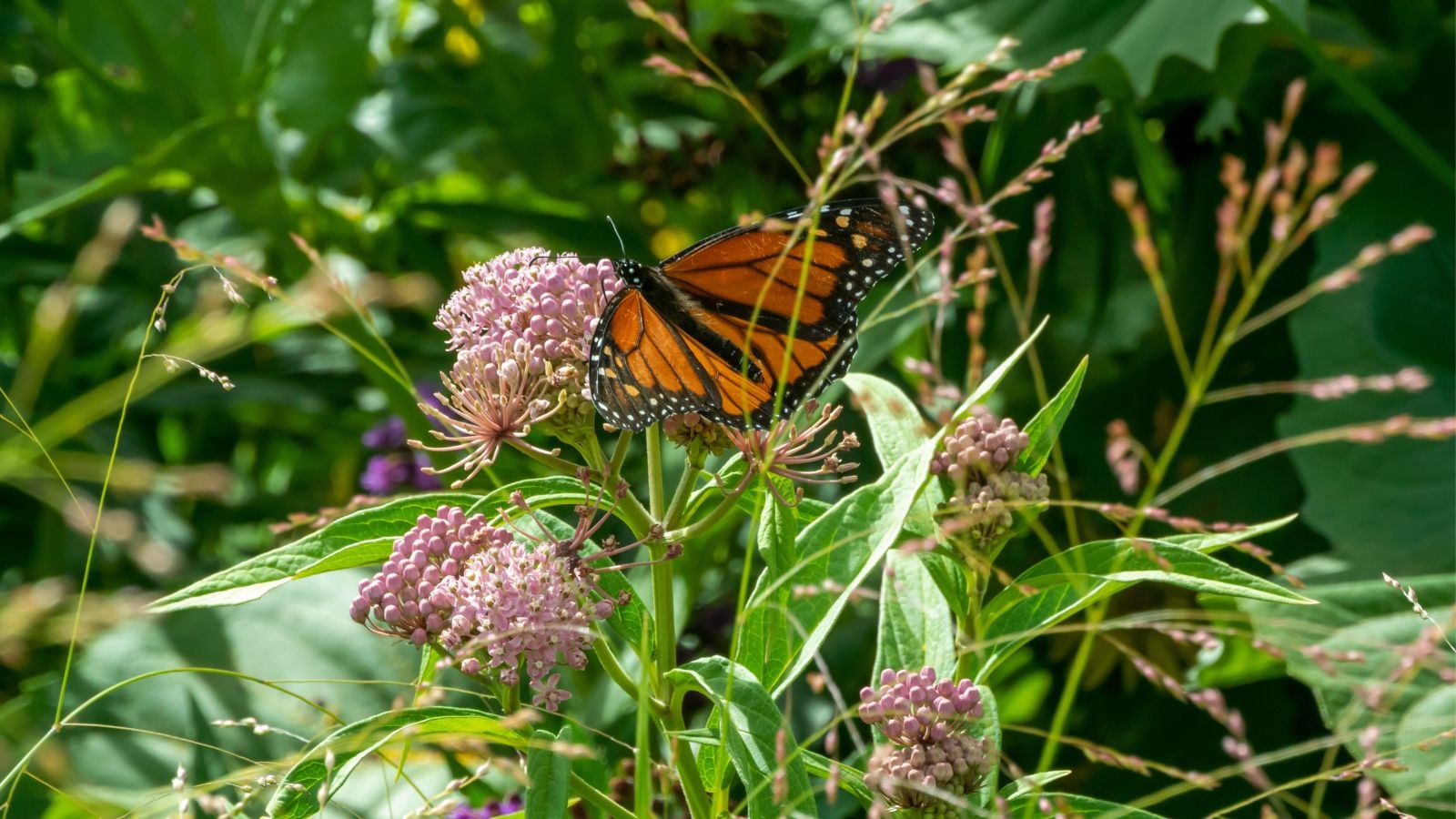
Many gardeners know the benefits of milkweed. Monarch butterfly populations have declined sharply over the past two decades, and milkweed is the only plant their caterpillars can eat. Planting it is one of the most direct things you can do to help.
But if you’ve ever seen common milkweed take over a garden bed, you also understand the hesitation. It spreads by underground rhizomes and seeds, and once it’s established, removing it is a serious project.
There are over 100 milkweed species native to North America, and many of them are well-behaved garden plants that stay where you put them. If you don’t want milkweed taking over, the key is choosing the right one for your space and managing the spread before it becomes a problem.
Common Milkweed/ Butterfly Flower

Common Milkweed/ Butterfly Flower Seeds

Irresistible Blend Milkweed/ Butterfly Flower

Irresistible Blend Milkweed/ Butterfly Flower Seeds
Start With the Right Species
Common milkweed (Asclepias syriaca) is the one most people think of, and it’s the one that often causes problems. It spreads through deep underground rhizomes that send up new shoots several feet from the parent plant. In a perennial border, this milkweed will be taking over within a few seasons.
For garden beds, two other native species are better choices. Butterfly weed (Asclepias tuberosa) is a clump-forming perennial with bright orange flowers that stays put. It grows in a tidy mound about two feet tall.
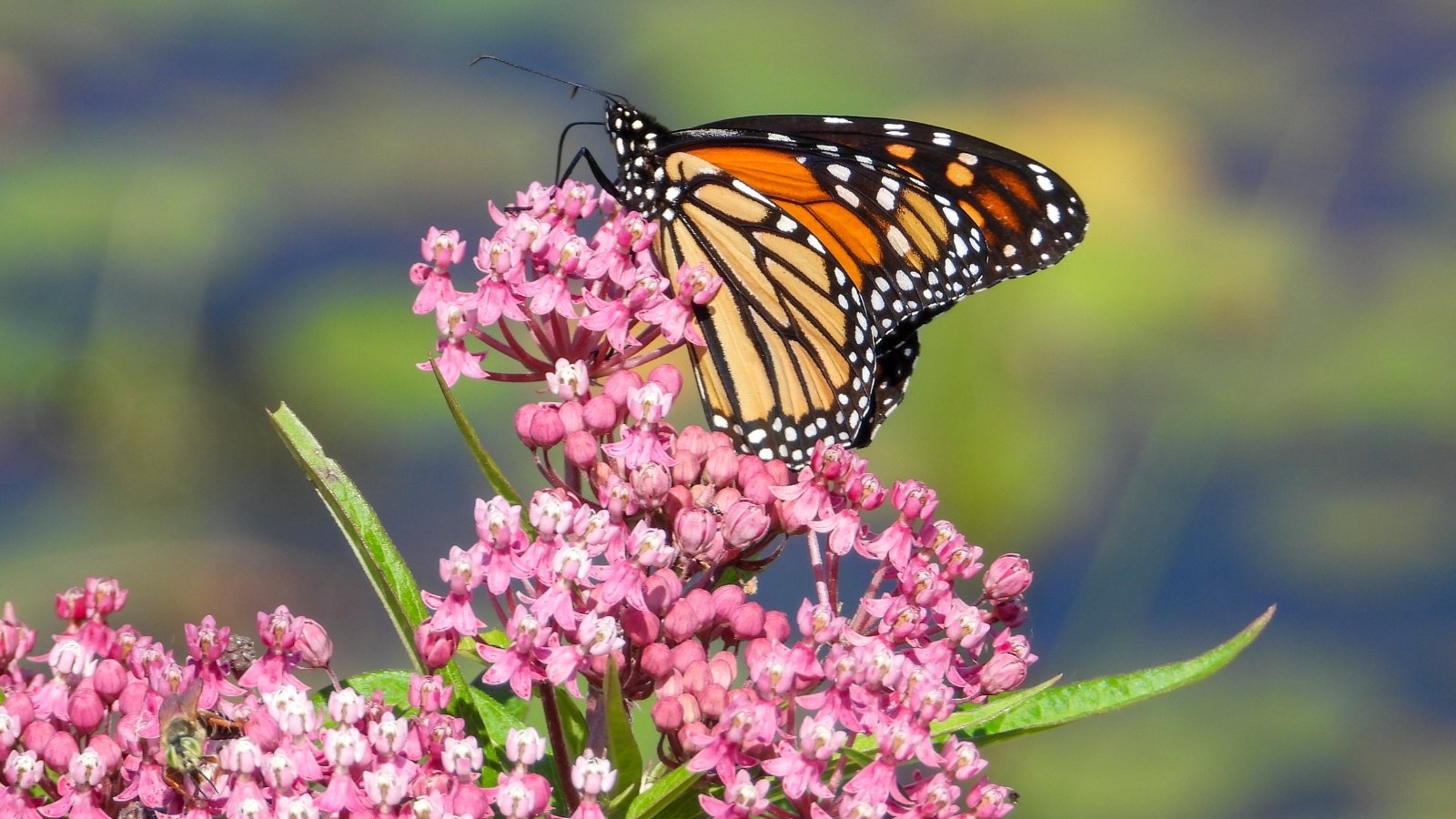
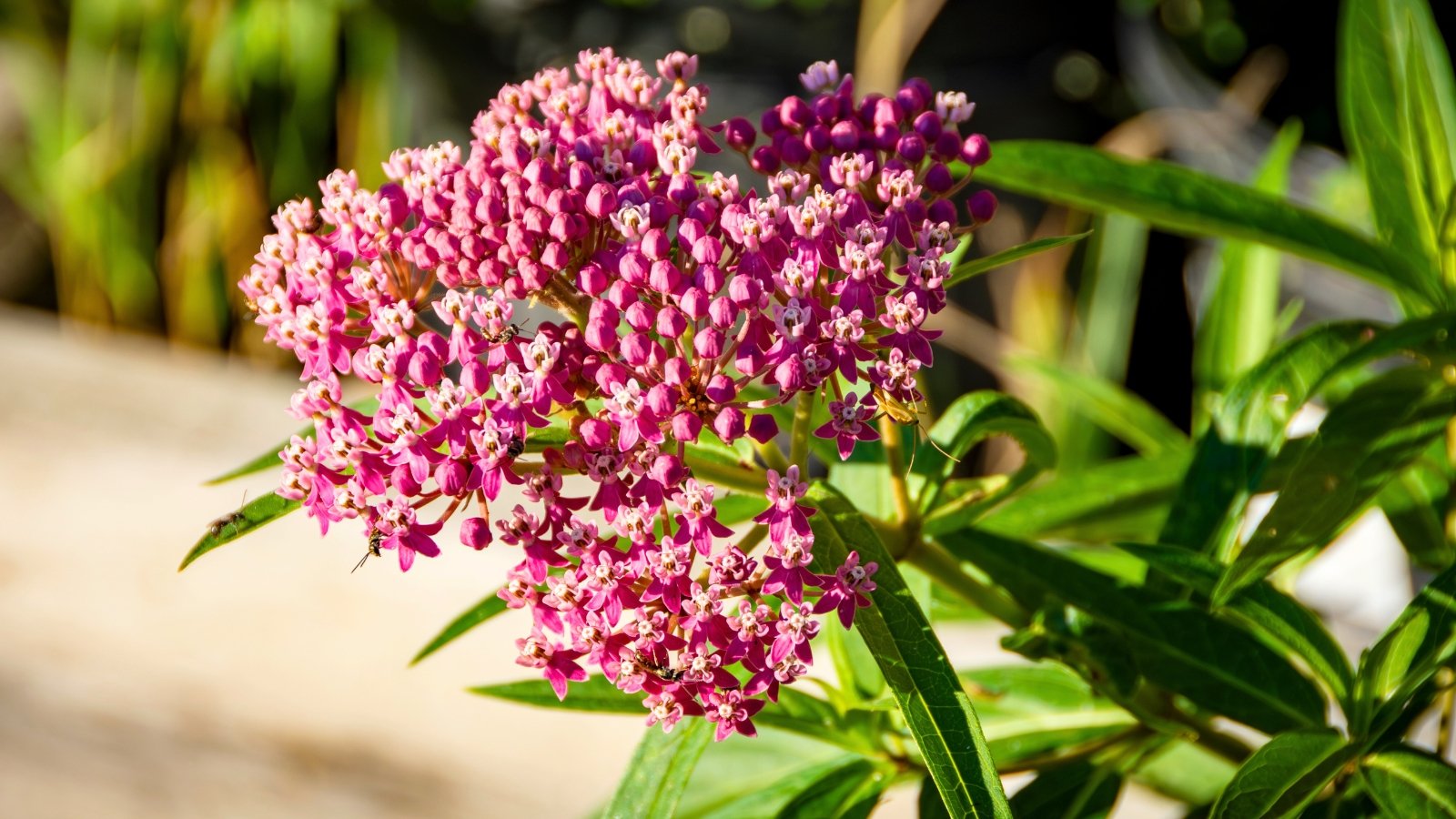
Swamp milkweed (Asclepias incarnata) is another more well-behaved option. It grows taller (three to four feet) with clusters of pink to mauve flowers and a light vanilla scent. It prefers moist soil, which makes it a good choice near rain gardens, pond edges, or low spots where other perennials struggle. Like butterfly weed, it forms clumps rather than spreading by runners.
Both species are native, support monarchs, and attract a wide range of other pollinators. They’re also considerably more ornamental than common milkweed, which tends to look a bit rough in a maintained garden.
The species you should always avoid is tropical milkweed (Asclepias curassavica), as it is not native and listed as invasive in several states.
Remove Seed Pods Before They Open
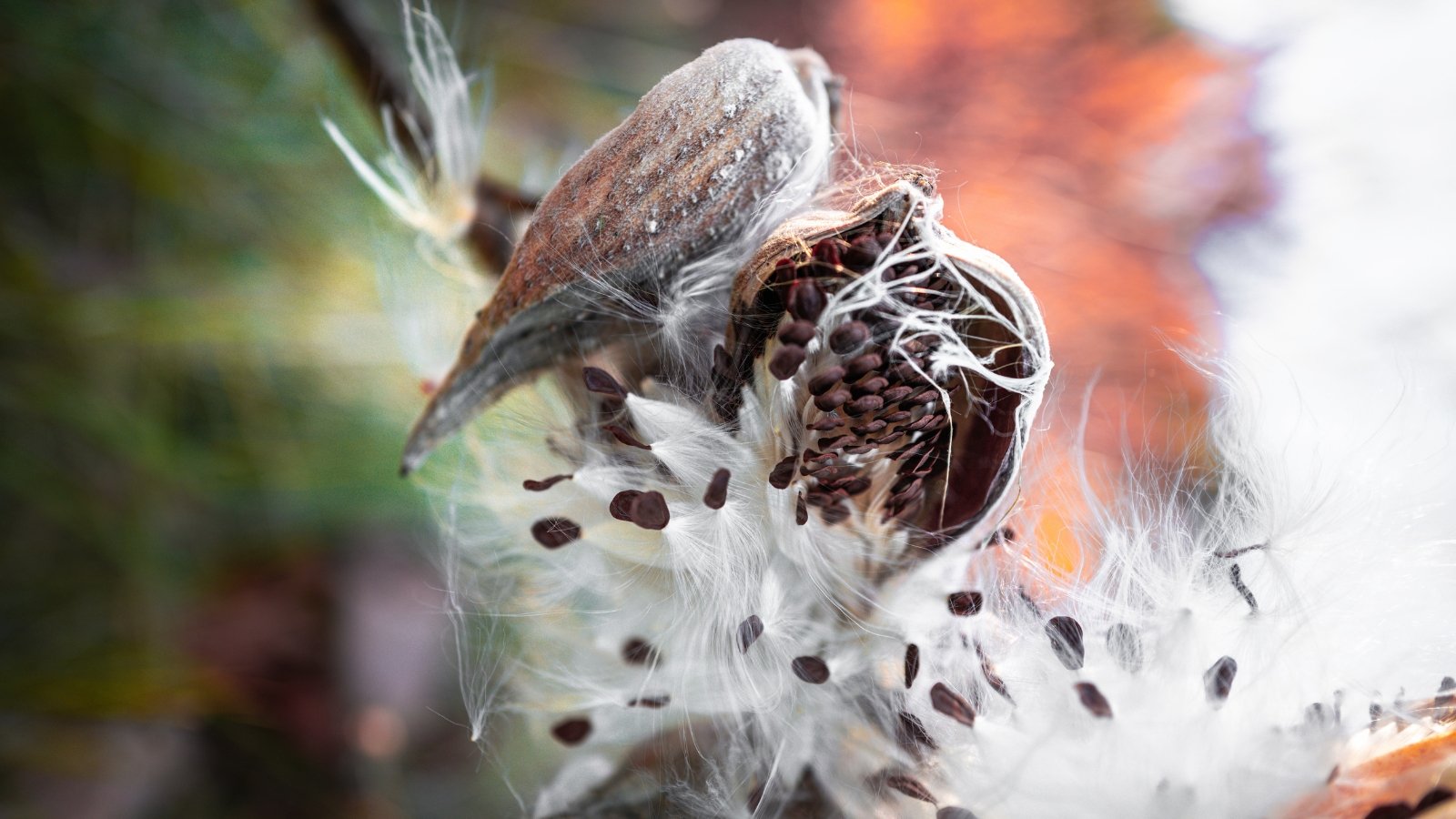
Even well-behaved milkweed species produce seed pods, and if those pods split open, the seeds travel on silky parachutes that can carry them across the yard. For clump-forming species, this is usually a minor issue because the seedlings are easy to pull and don’t appear in overwhelming numbers. But if you want to stop milkweed taking over, removing the pods before they split is the simplest solution.
Check the plants in late summer and fall as the pods start to develop. Cut them off while they’re still green and firm. If you wait until the pod has started to dry and crack, you’re probably too late. The seeds inside are ready to disperse the moment the pod opens, and once they’re airborne, containment isn’t realistic.
If you want to collect seed for planting elsewhere (or for sharing), harvest the pods just as they start to brown but before they split. Let them dry indoors, then open them and separate the seeds from the silky floss.
Contain Aggressive Species
If you want to grow common milkweed specifically (and there are good ecological reasons to, since it produces more leaf surface for caterpillars than most other species), you can contain it with some effort.
Growing it in a large pot sunk into the ground limits rhizome spread. Use a container with drainage holes and bury it to the rim so it looks like a ground planting. The pot walls block the rhizomes from spreading into the surrounding bed. You’ll still need to remove seed pods to prevent aerial spread, but the underground runner problem is solved.
Another option is planting common milkweed within a dense planting of other native perennials and grasses. When the surrounding soil is already occupied by established root systems, the rhizomes have less room to colonize. This doesn’t eliminate spreading entirely, but it slows it down considerably.
The most practical approach for most gardeners is to give common milkweed its own dedicated space, separate from your maintained beds. A strip along a fence line, the edge of a meadow area, or an unmowed corner of the yard are all good fits. It can do its job for the monarchs without interfering with the rest of the garden.
Pull Unwanted Seedlings Early

Regardless of which species you grow, some self-sowing is likely. The seedlings are easy to identify (they have the same opposite leaf arrangement and milky sap as the mature plants) and easy to pull when they’re small. The key is catching them before they develop the deep root system that makes established plants difficult to remove.
Walk through the garden in late spring and early summer and pull any milkweed seedlings that have appeared where you don’t want them. At this stage, they come out cleanly with a gentle tug. By midsummer, the roots are deeper and the plant is harder to remove without leaving behind pieces that can regrow.
For common milkweed that has already established itself through rhizomes, pulling individual shoots is a temporary fix. The rhizome network underground will keep producing new growth. If you want to stop milkweed taking over, you’ll need to dig out as much of the root system as possible and stay on top of any regrowth for a season or two.
Leave Room for the Caterpillars

One thing worth keeping in mind when you’re managing milkweed: the caterpillars are the whole point. Monarch females lay their eggs on milkweed leaves, and the caterpillars feed on the foliage as they grow. A well-used milkweed plant can look ragged by midsummer, with chewed leaves and visible frass.
That’s a sign the plant is doing its job. Resist the urge to tidy up plants that are actively hosting caterpillars. The plants recover quickly once the caterpillars pupate, and most milkweed species will put out fresh growth after being defoliated.
If you’re cutting back seed pods or pulling unwanted shoots to stop milkweed taking over, check the leaves first. Monarch eggs are tiny (about the size of a pinhead) and are usually laid one per plant on the underside of the leaves. The striped caterpillars are easier to spot but can still be missed on the stems. A quick inspection before you start cutting prevents you from accidentally removing the wildlife you planted the milkweed to support in the first place.


