Weed or Emerging Perennial? How to Tell the Difference
If you planted seeds in the fall, you may wonder if the sprouts you’re seeing are those of a weed or perennial. While the easy answer is just to know your perennial seedlings, there are other, easier ways to know the difference. Experienced gardener and master naturalist Sarah Jay discusses the ways to differentiate them.

Contents
If you’re like me, and you sow native wildflowers in fall, you may wonder if your spring beds are growing weed or perennial seeds. It can be difficult to tell, as many weeds are perennial, and our familiarity with weed seeds is likely more developed than with perennials.
Of course, with established perennials, you likely know where they’re planted, and there’s probably some stem remaining from winter to tell you where new leaves will emerge. But here, we’re talking about the very first stages of perennial growth: the seedling phase.
Aside from simply knowing where you planted seeds, there are botanical ways to tell the difference between your intentional plantings and the ones that are there to fill a natural vacuum. Please forgive me if these first two sections seem like gaslighting. They’re not! Over time, they tend to be the best way to tell the difference. We’ll discuss alternate ways as well.

Know Your Seedlings

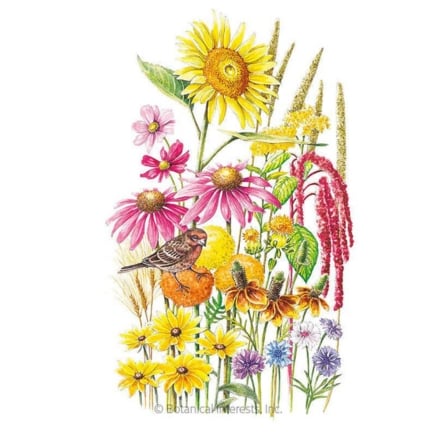
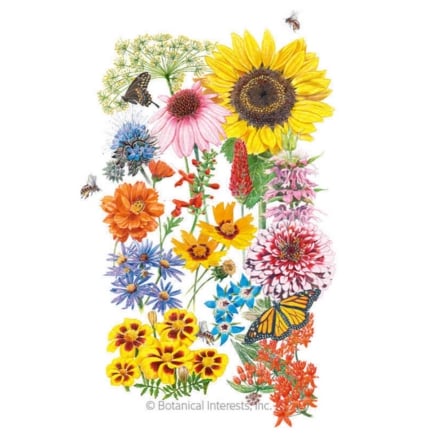
To start, you can make a note of the perennials you’re planting as you plant them and label them. After they’ve emerged, take a look at photos of the seedlings online. If you’re growing Botanical Interests seeds, there’s always a handy drawing of the seedling on the packet that gives you an idea of what to look for.
But if you sowed flowers you collected from the wild, you don’t have this reference. Thankfully, search engines make it possible to look up what a seedling looks like. You will have the best luck searching for the plant by botanical name. There are so many good resources, but even your most basic image search will help you start to tell the difference.
Know Your Weeds

Again, this is not gaslighting! We’ll get to the more general ways to tell the difference. If you want to determine whether you’re looking at weed or perennial seedlings, check out a guide from your local extension office. This will give you the best understanding of what the most common weeds in your area are, and what they look like at the seedling stage.
You can always resort to the first method and look up the seedling based on what you think it is in an image search. There are also apps you can use to identify the seedling with your smartphone.
Understand Monocots and Dicots
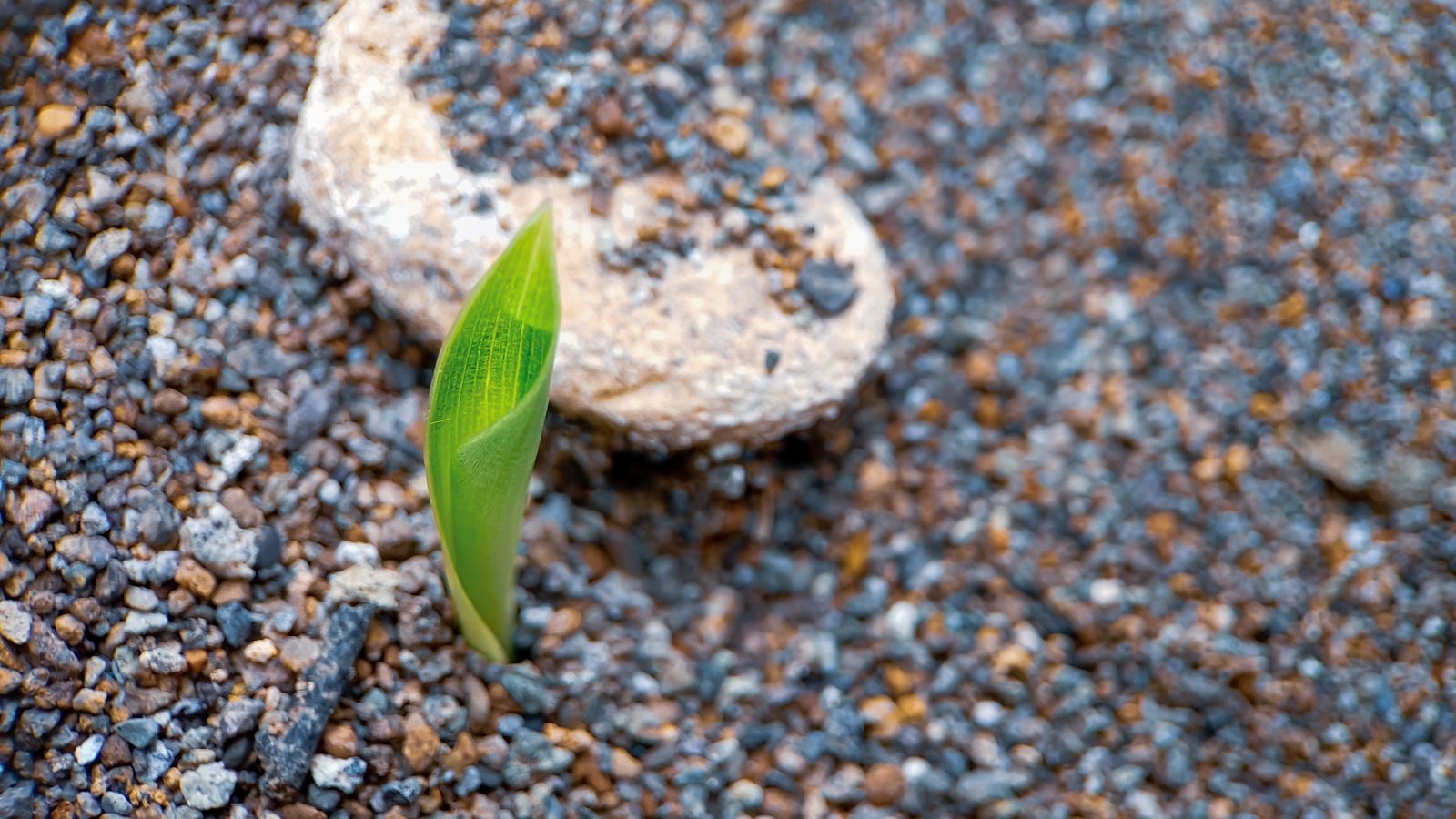
When we talk about monocots and dicots, we’re referring to the type of plant that’s growing in an area. In both instances, you can identify either based on the seedling that emerges. Monocots have one first leaf (also called a cotyledon), whereas dicots emerge in sets of two.
Grasses are almost exclusively monocots, so if you see a single spike emerging, you’re likely looking at a grass seedling. In areas where you didn’t plant grasses, simply pull these. However, if you planted wildflowers, chances are you planted dicots. It may be difficult to tell at the earliest stages whether or not you’re seeing perennial or weed seedlings.
Observe Patterns

Take a look at the bed as a whole. If it’s large, look at it in sections. Do you see the same types of seedlings repeated over the entire bed? If you didn’t label the area after you broadcast your seeds, telling the difference can be difficult. However, if you planted little groups of seeds, and you’re noticing bunches of the same seedlings, you could be looking at a perennial.
If you see the same type of seedling over a huge section of the garden, and you’re noticing the same seedlings popping up in raised beds and containers, it’s more likely that you’re dealing with weeds.
Examine True Leaves
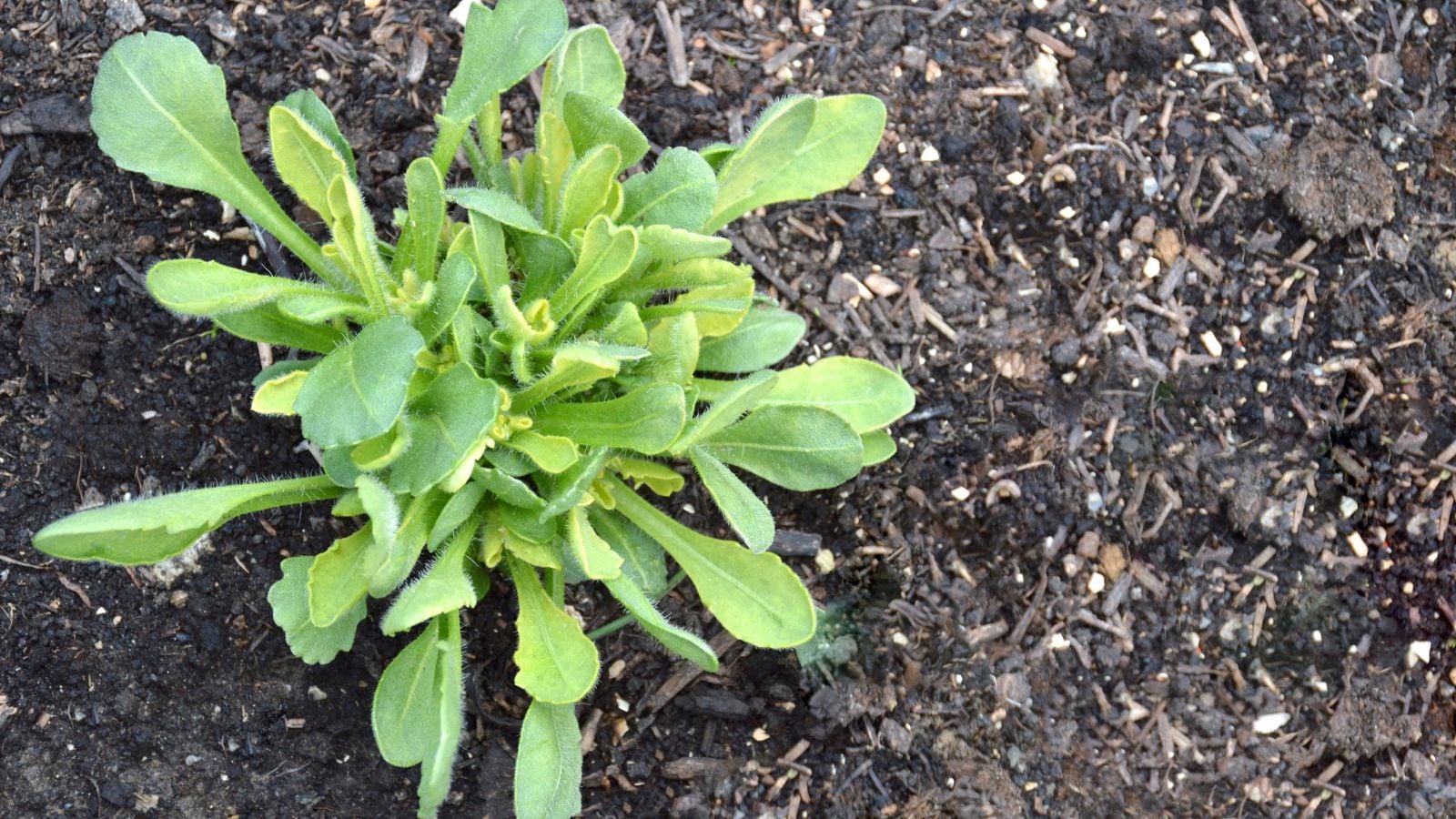
While the just-emerged seedling is much harder to identify, those that have developed their first set of mature leaves, or true leaves, are easier to pinpoint. If you already know the leaf shape of the perennials you planted, wait for a bit and then decide if they’re the ones you meant to grow.
This can be a dicier option, as weeds mature beyond what is known as the “white thread” stage. At this point, some develop stronger roots, and they’re harder to pull.
Wait, Don’t Pull!
If you’ve exhausted all the methods listed above and you’re still unsure whether you’re dealing with weed or perennial seedlings, your best bet is to wait until you can tell for sure what is growing. This prevents you from pulling all the seedlings that developed from the seeds you planted.
Time and hard work went into prepping the bed and sowing them. It took time for the seeds to sprout, too. So wait until the plant is mature enough for you to scan with a plant ID app, or to cross-compare with a search engine image. Consult a local extension office or wildflower organization if you’re still unsure. This gives you plenty of info to inform whatever actions you take.
Key Takeaways
If you still don’t know whether you’re dealing with weed or perennial seedlings, don’t fret. Before you pull, remember to go through your checklist and use the following methods:
- Consult expert sources concerning the varying forms of perennial seedlings and common weed seedlings. Compare these to what you’re seeing.
- If you’re growing a Botanical Interests perennial, the packet will have a botanical drawing of the seedling on it. This is a great resource!
- Use a search engine to correlate the seedlings in your garden bed with the seedlings you meant to plant. Similarly, look up weeds in their seedling phase.
- Employ plant ID apps to help you identify the plants growing in the bed.
- Understand the monocot/dicot binary, and if you’re sure you didn’t plant any monocots (commonly grass seedlings), pull those.
- Wait to see which true leaves emerge, and see if they contrast with what you expect to grow there.
- If you’ve done everything here and you’re still unsure, wait to pull until the plants are more mature and you can positively ID them via any of the methods above.