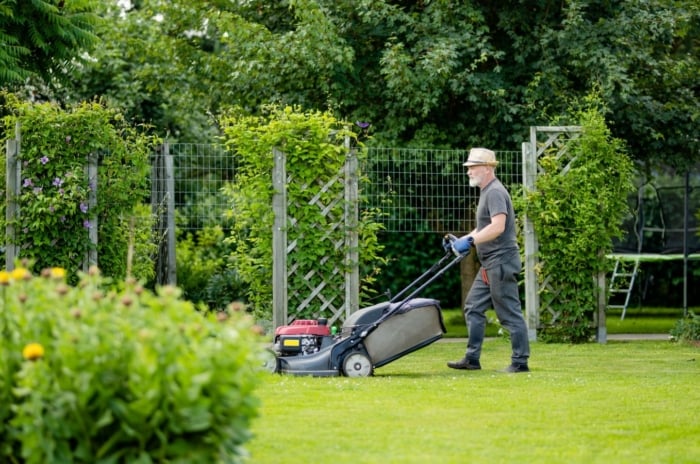
The April Lawn Care Checklist Every Homeowner Needs
April is when most lawns start growing again in earnest, and a little attention now tends to pay off for the rest of the season. Gardening expert Madison Moulton walks through the tasks that matter most this month, from the first mow to weed prevention.

Contents
Lawn care seems incredibly complicated, and if you spend any time online seeing all the jokes and forums, you’d think you need a degree just to keep your grass green. But most lawns are more forgiving than people give them credit for. With a little bit of prep in spring, a green lawn doesn’t have to be out of reach or require hours of meticulous maintenance.
In April, grass is waking up, weeds are getting started, and the decisions you make this month tend to set the tone for the whole growing season. Here’s what you should be doing now as part of your April lawn care routine.
The First Mow
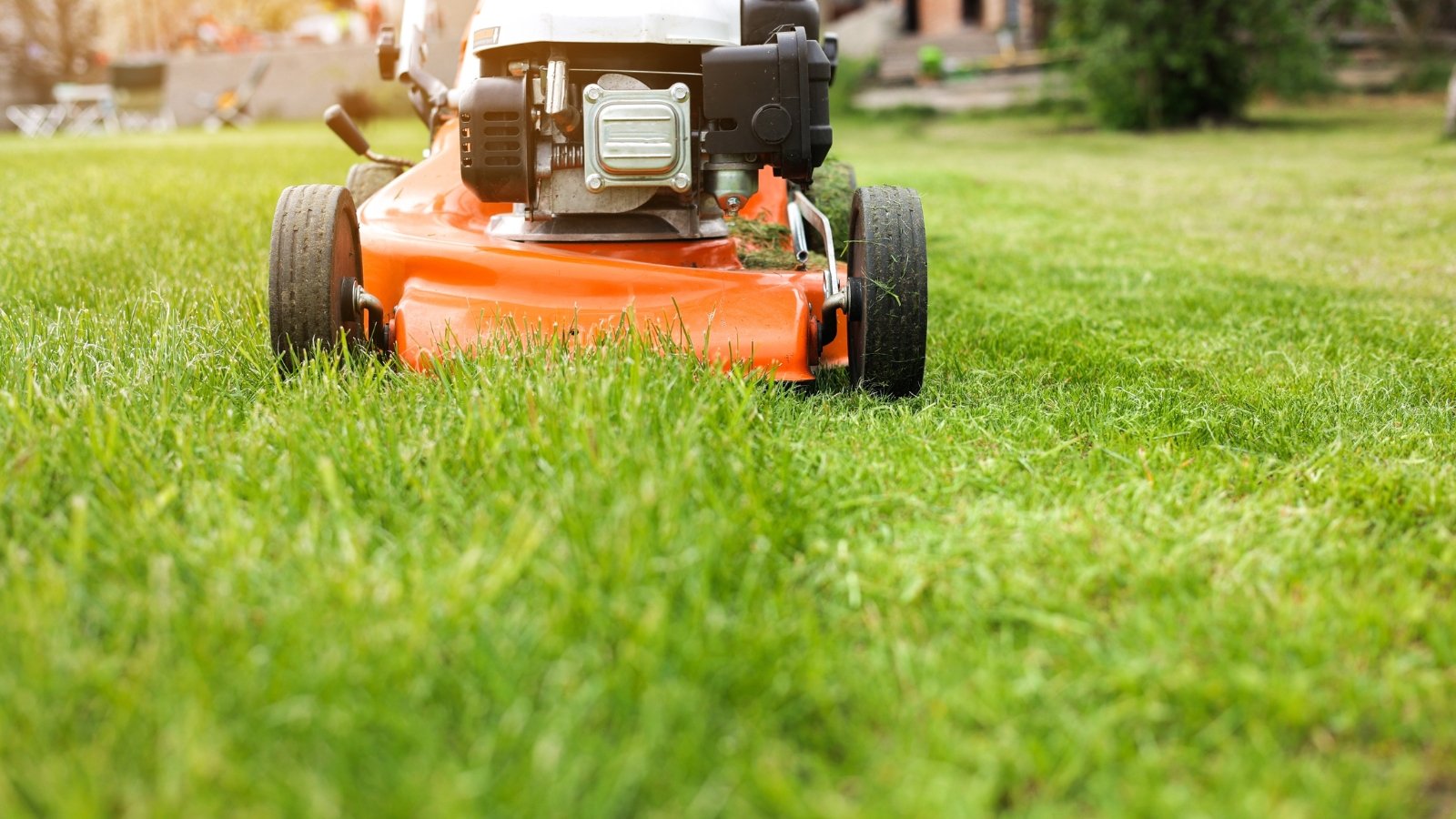
The most common mistake with the first mow of the season is cutting too short. Removing too much at once stresses the grass just as it’s trying to establish new growth, and it tends to open up bare patches where weeds move in.
Set the mower higher than you normally would for that first cut. For most cool-season lawns, about three inches is a good starting point. You can lower it slightly over the next few mows as the grass thickens up. The general rule is to never cut more than a third of the blade height at a time, and it’s worth sticking to that in spring especially.
Before you mow, make sure the blades are sharp. Dull blades tear the grass instead of cutting it cleanly.
Deal With Bare Patches
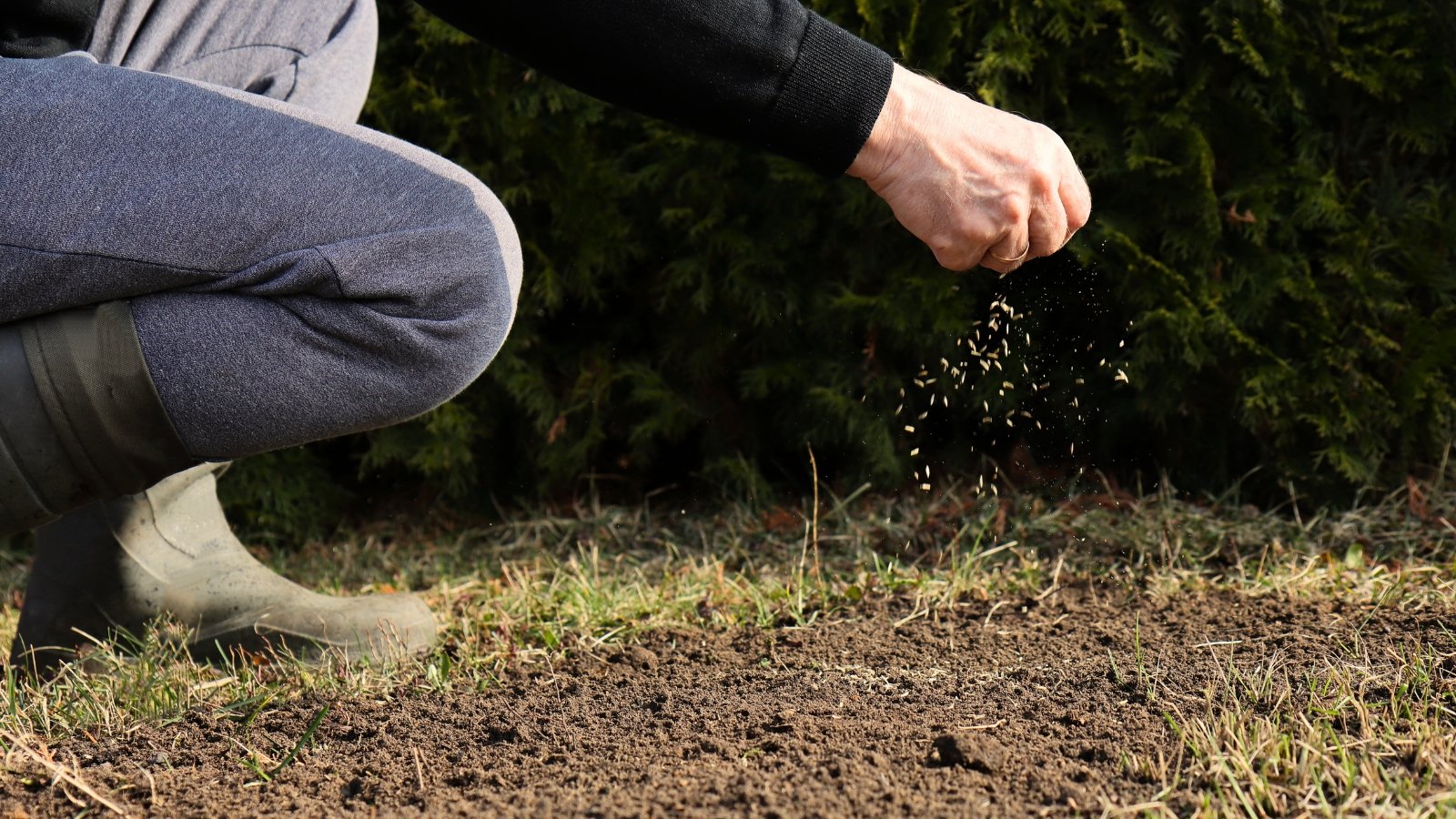
If your lawn came through winter with thin spots or bare areas (and most do, to some degree), early April is a good time to overseed them. The soil is warming up but the weather is still mild enough that new grass seedlings aren’t competing with summer heat.
Scratch up the soil lightly in the bare area, scatter seed, and press it into contact with the soil. Keep it consistently moist until the seedlings establish. That usually takes about two weeks for germination and another few weeks before the new grass can handle regular mowing. If you’re in a warm-season lawn region, hold off on this until late spring or early summer when your grass type is in its active growing phase.
Feed, But Don’t Overdo It
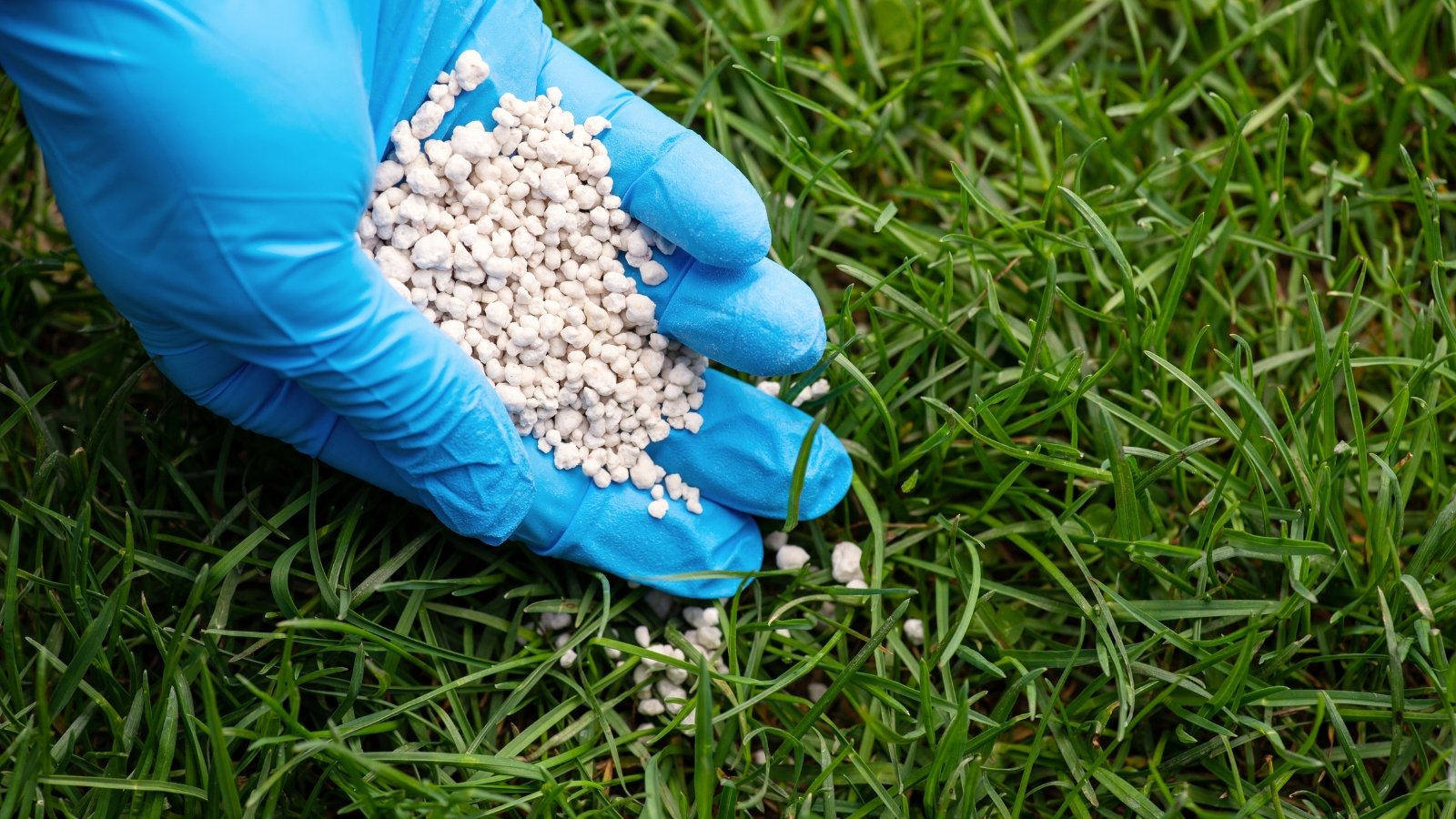
There’s a temptation to dump fertilizer on the lawn as soon as it greens up, but pushing heavy nitrogen in early spring tends to cause more problems than it solves. You get a flush of soft, fast growth that’s more susceptible to disease and needs mowing far more often.
A light application of a slow-release fertilizer is enough for most lawns in April. The goal is to support steady growth, not force it. If you only fertilize once in spring, late April to early May is probably the better window for cool-season grasses. For warm-season lawns, wait until they’re fully out of dormancy before feeding.
Clean Up Winter Debris
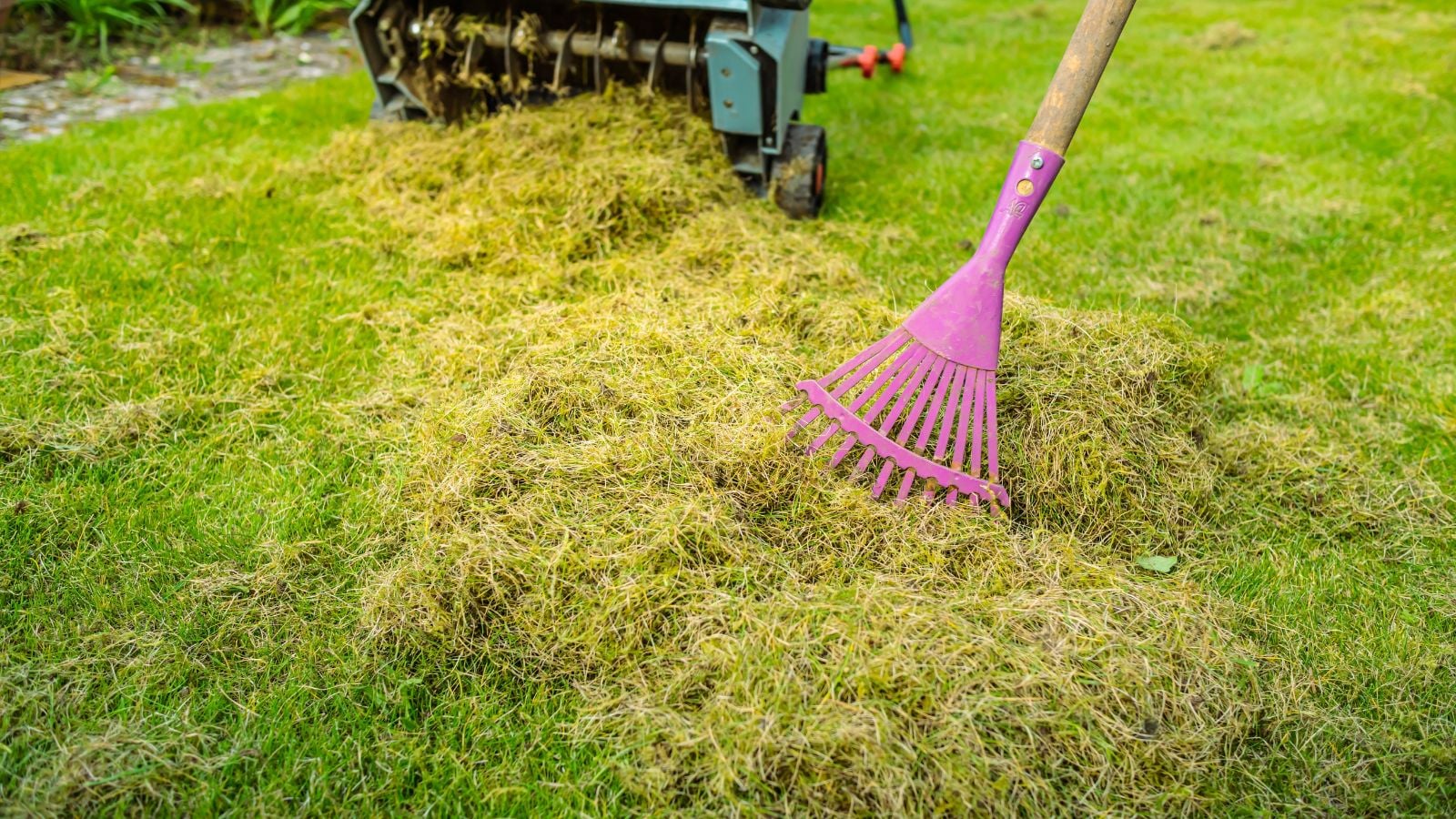
Leaves, sticks, and matted-down grass from winter can smother new growth if they sit too long. A thorough raking during April lawn care helps air and light reach the soil, and it gives you a clearer picture of what the lawn looks like underneath.
If the lawn feels spongy when you walk on it, there’s probably a layer of thatch building up. A thin layer (under half an inch) is normal and even beneficial. But if it’s thicker than that, it can block water and nutrients from reaching the roots.
Light dethatching is usually enough to deal with it in April. Heavy dethatching or power raking is better left for fall when the lawn can recover more easily.
Adjust Your Watering
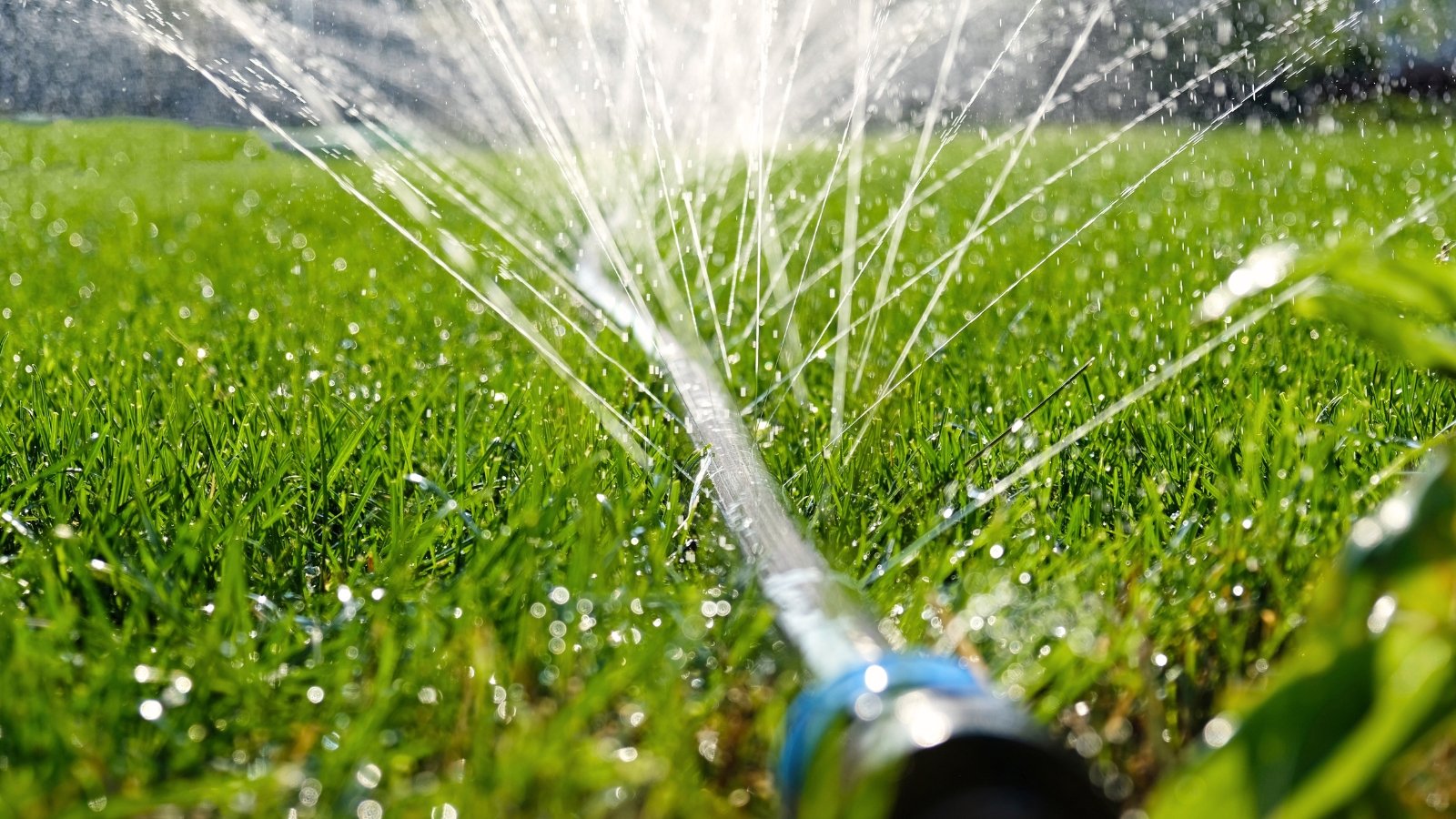
Most lawns don’t need supplemental watering in early April. Spring rain and cooler temperatures usually provide enough moisture, and overwatering at this stage tends to encourage shallow root growth and fungal problems.
If you’re in a drier region or the rain hasn’t been cooperating, water deeply but infrequently. About an inch per week is a good target, including rainfall. Watering in the morning is best if you can manage it.
Fix Borders
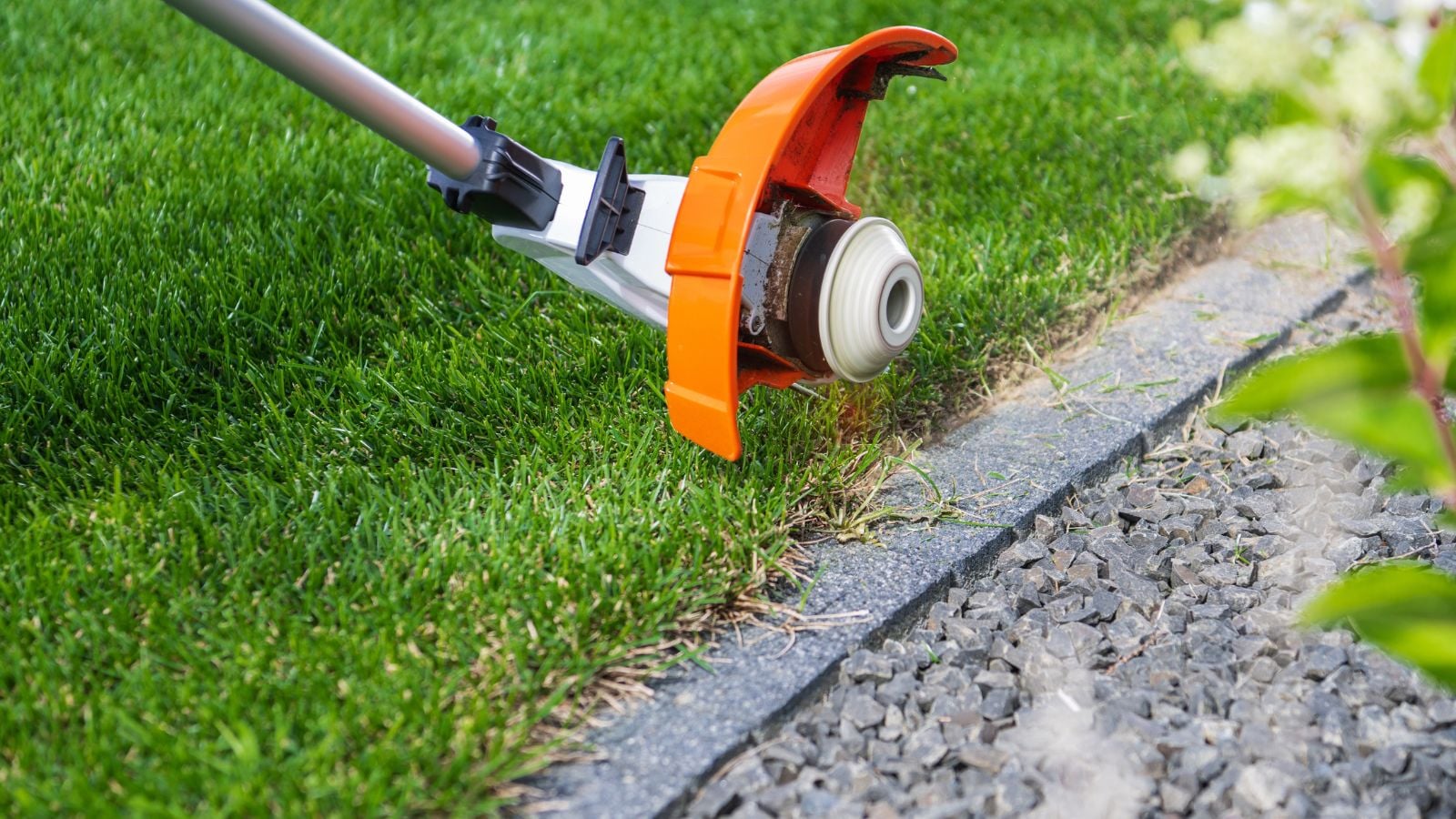
This is the April lawn care task that probably makes the biggest visual difference for the least amount of effort. A clean edge along sidewalks, driveways, and garden beds makes even a mediocre lawn look amazing. And April is a good time to re-establish those lines before the grass starts creeping into places it shouldn’t be.
A manual edger works fine if you’re only doing it once in spring to set the line. After that, a trimmer can maintain it through the rest of the season. If you think your garden looks messy and you want a quick fix, this is the step I would start with.