Native Wildflower Seeds That Need Winter Stratification
If you're adding native wildflowers to your garden this year, there's something important that you need to know. Join Florida gardener Melissa Strauss to talk about native wildflower seeds and the purpose of stratification.

Contents
Native wildflowers are incredibly valuable in the garden. They help to build a healthy and thriving ecosystem and cut back on the amount of work for the gardener. For the most part, planting and growing these seeds is surprisingly simple. But there is one important factor that you should know about before you sow those wildflower seeds.
Many native wildflowers require something called cold stratification or vernalization. This is a period of cold weather that helps trigger germination and blooming in your tiny seeds. This doesn’t apply to all seeds, but there are many that need it.
Without native wildflower stratification, two things could happen. First, you’re unlikely to have a good germination rate. Secondly, the seeds that do germinate may not bloom well in their first year. So this is an important factor that deserves some attention.
There are two ways that you can make this happen. The first method of native wildflower stratification is fall planting. Planting your seeds directly in the ground in the fall means they are naturally exposed to cold winter temperatures. This most closely mimics the natural process, as plants tend to drop their seeds in the fall.
Another method of stratification is one that is more controlled. If you’ve missed your fall window and need to expose your seeds to cold, you can. You simply prepare them in a way that meets their needs for moist or dry stratification. Then place them in the refrigerator for a period of one to three months, depending on the plant.
While natural stratification is certainly easier, sometimes seeds scatter over the winter. They may end up in undesirable places. The advantage of artificial stratification is that your wildflower seeds will typically pop up where you want them.
Here are some common native wildflowers whose seeds benefit from stratification.


Milkweed


|
botanical name Asclepias spp. |
|---|---|

|
sun requirements Full sun to partial shade |

|
height 1’-6’ |

|
hardiness zones 3-10 |
Milkweed is one common native wildflower that needs moist stratification. Different species require a different amount of time, but for most, 30 to 60 days is ideal. They should spend this time at temperatures between 34 to 40°F (2 to 4°C).
Place your seeds in a bag with damp sand, vermiculite, or a paper towel. Seal it and label it if you are dealing with more than one type of seed. Refrigerate them for one to two months.
Milkweed seeds require light to germinate, so don’t plant them too deep. Just lightly press them into the surface of the soil. It takes one to three weeks for them to germinate.
Coneflowers

|
|
botanical name Echinacea spp. |
|---|---|
|
|
sun requirements Full sun |
|
|
height 18”-5’ |
|
|
hardiness zones 3-9 |
Coneflowers are a native wildflower that don’t always require stratification, but will germinate more reliably with it. They do best after 30 to 60 days of cold, moist stratification in the range of 34 to 40°F (2 to 4°C).
Purple coneflowers are the most forgiving, while rarer species are fairly dependent on that cold period. Hybrids are typically ok without it.
Coneflowers also germinate more easily with light. Surface sow these and lightly press them into the soil. You can also scatter them in disturbed soil, and you should get decent results. It takes 10 to 20 days between 65 to 70°F (18 to 21°C) for germination to occur.
Joe Pye Weed

|
|
botanical name Eutrochium spp. |
|---|---|
|
|
sun requirements Full sun to partial shade |
|
|
height 4’-13’ |
|
|
hardiness zones 3-9 |
Joe Pye weed is an excellent addition to the native wildflower pollinator garden. It’s a wonderful, late-season bloomer and ample nectar source. It needs between 30 and 90 days of cold, moist stratification for optimal germination.
Spotted Joe Pye needs closer to 60 days, while other species will usually do with 30. They require sun to germinate, so surface sow or scatter them in disturbed soil. It takes about two to four weeks for these to sprout, so they require some patience. Germination rates are generally low with Joe Pye weed as well.
Aster
|
|
botanical name Symphyotrichum spp. |
|---|---|
|
|
sun requirements Full sun to partial shade |
|
|
height 6”-8’ |
|
|
hardiness zones 3-8 |
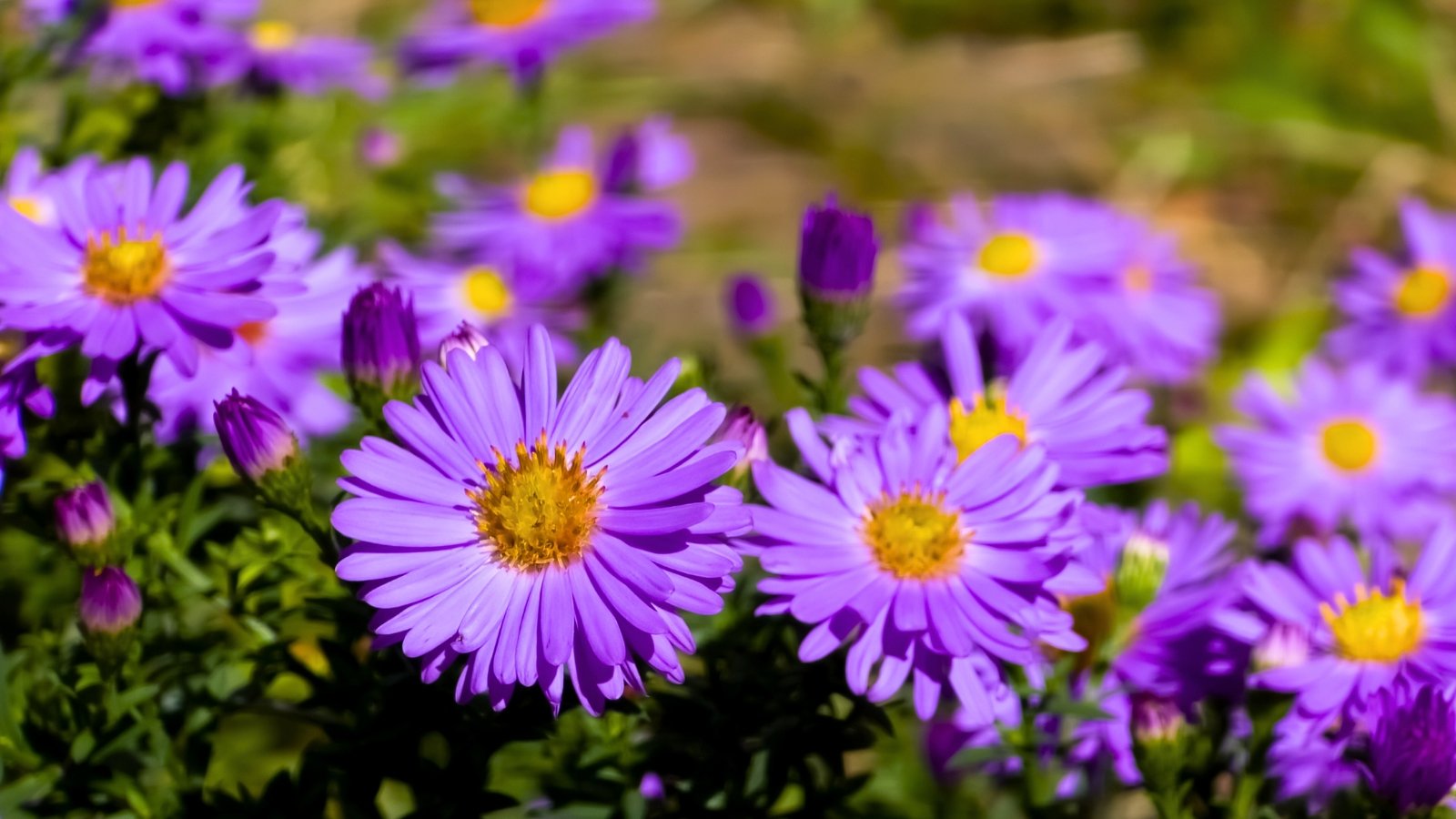
Asters are another native wildflower that blooms in late summer and fall. It’s important to pollinators as this is a time when few flowers are blooming. They provide valuable pollen and nectar as pollinators prepare for winter.
Some types, like calico and heath aster, will germinate without stratification. Others need 30 to 60 days of cold, moist exposure. They require light to germinate, and it takes 10 to 20 days for them to sprout. Surface sow, and lightly press seeds into the soil.
Rudbeckia
|
|
botanical name Rudbeckia spp. |
|---|---|
|
|
sun requirements Full sun |
|
|
height 1’-7’ |
|
|
hardiness zones 3-9 |
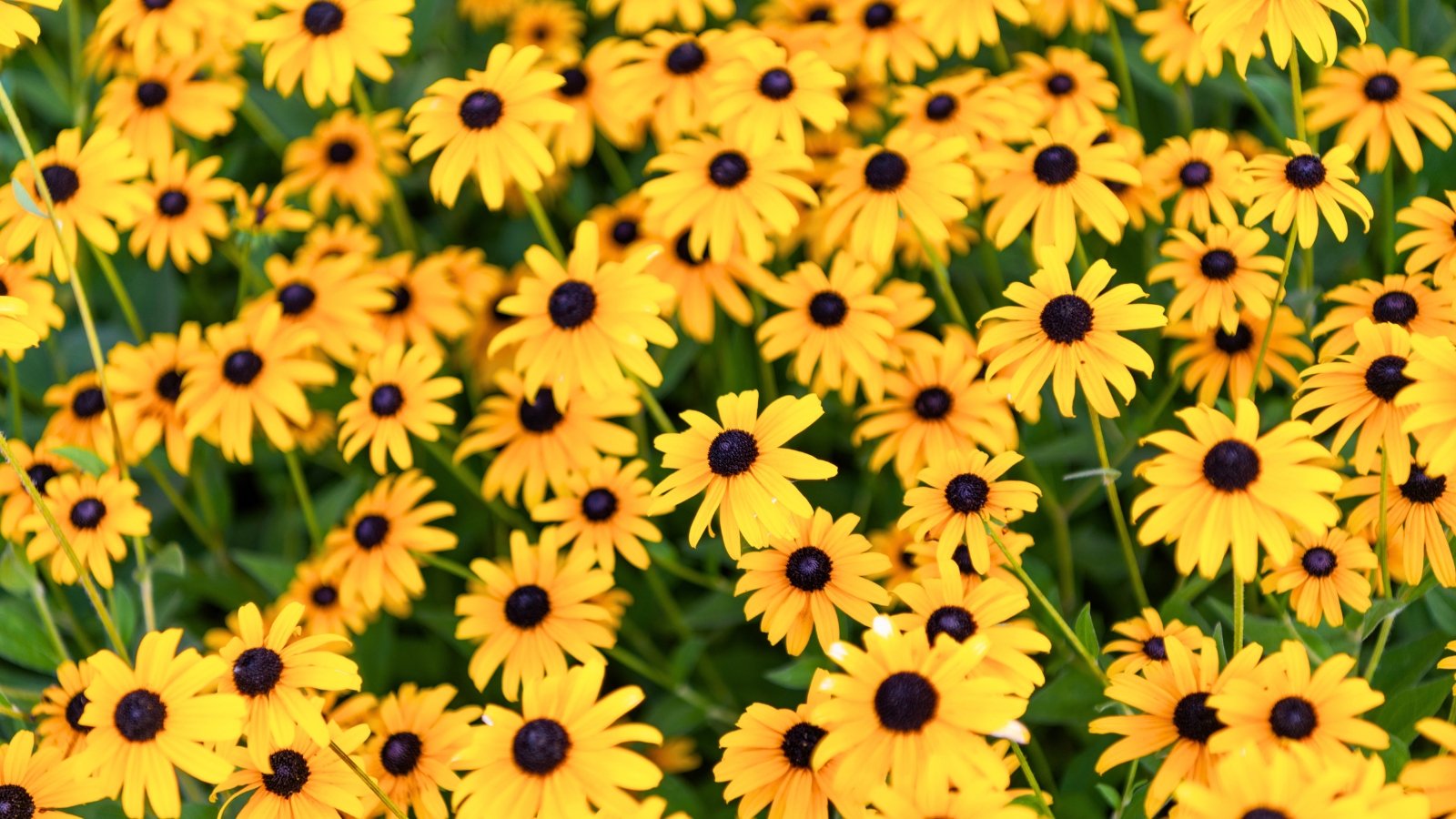
Rudbeckias are important native wildflowers that bloom in summer and sometimes fall. You might know the most common species by the name black-eyed Susans. These cheerful flowers are prolific bloomers and wonderful pollinator attractors.
Most types of rudbeckia require only 30 days of cold, moist stratification. R. fulgida and R. maxima perform better with 60 days. The seeds need light to germinate, so press them lightly into the soil. A light dusting of fine soil is fine for moisture retention.
Most types of rudbeckia take one to two weeks to germinate. R. hirta is quick and easy. Some others can take up to three weeks at temperatures between 65 to 75°F (18 to 24°C).
Goldenrod
|
|
botanical name Solidago spp. |
|---|---|
|
|
sun requirements Full sun |
|
|
height 2’-6’ |
|
|
hardiness zones 2-11 |
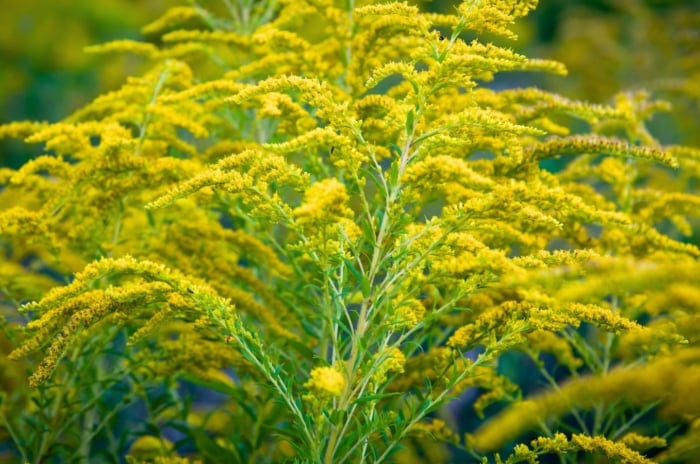
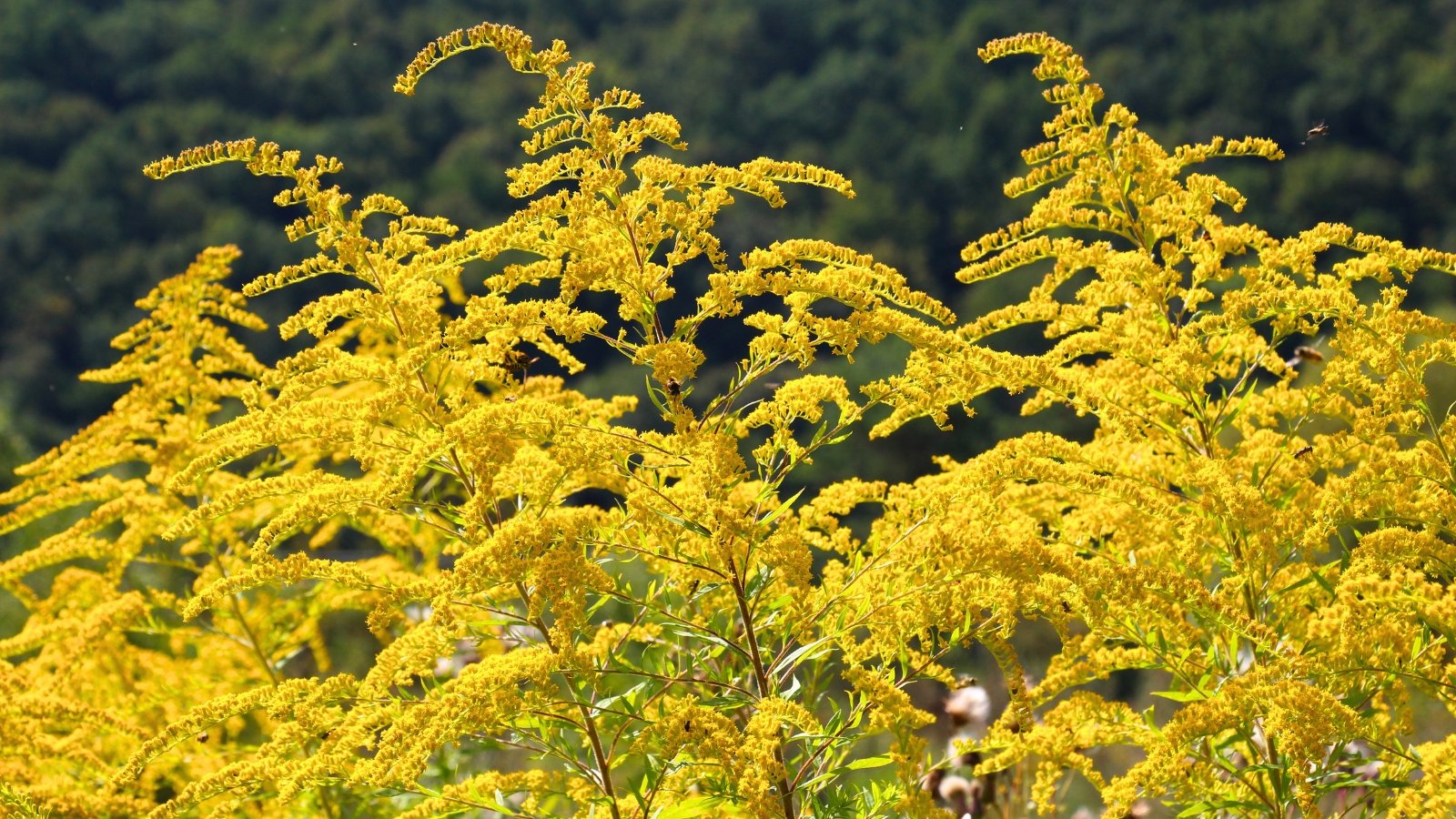
Everyone recognizes this dramatic native wildflower. Goldenrod is spectacular in the fall, and an important plant for wildlife. They require 30 to 60 days of cold, moist stratification for optimal performance.
Goldenrod seeds are tiny, and they need light to germinate. Press them into the soil or scatter them for best results. Even with stratification, expect between 60 and 80% germination within one to three weeks. They will sprout in temperatures between 65 and 75°F (18 to 24°C).
Lobelia
|
|
botanical name Lobelia spp. |
|---|---|
|
|
sun requirements Full sun to partial shade |
|
|
height 6”-5’ |
|
|
hardiness zones 3-11 |
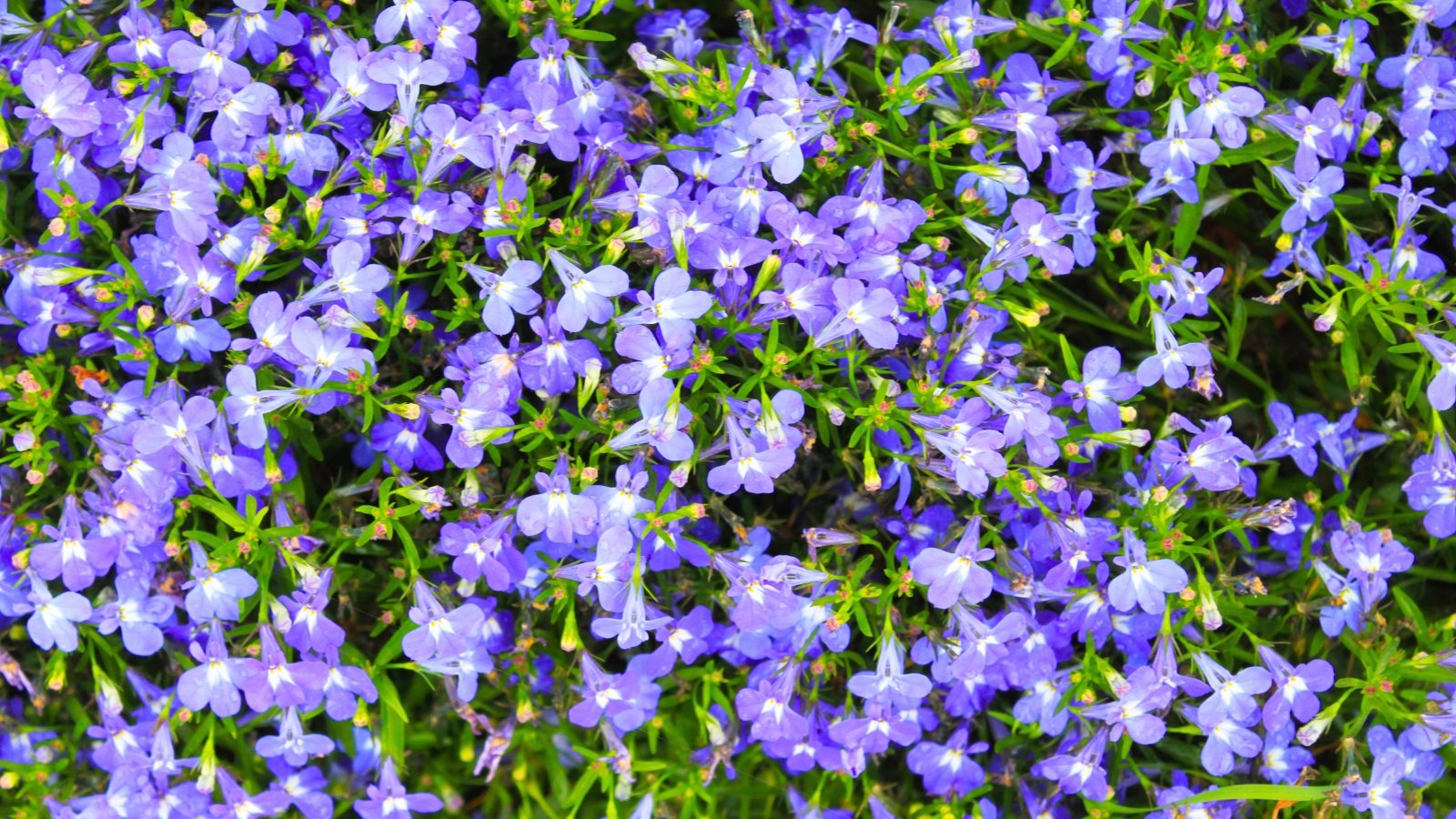
When it comes to lobelia, there are perennial and annual types. The perennial species need native wildflower stratification, while the annuals typically do not. This is a beautiful, ornamental wildflower and a pollinator magnet. The tubular flowers are particularly popular with hummingbirds.
The perennial lobelias require 30 to 60 days of moist stratification. They need light to germinate, so surface sow, lightly cover, or gently press into the soil. They germinate at 65 to 70°F (18 to 21°C), and it takes two to three weeks for them to sprout.
Columbine

|
|
botanical name Aquilegia spp. |
|---|---|
|
|
sun requirements Full sun to partial shade |
|
|
height 6”-3’ |
|
|
hardiness zones 3-9 |
Columbine is a highly recognizable native wildflower. It’s known for its backwards-facing spurs that hold a bounty of nectar. These are attractive to hummingbirds. They’re truly beautiful and unique in appearance, and they grow well in partially shaded spaces.
These also need moist, cold stratification for about 30 to 60 days. Surface sow or scatter the seeds. Like most native wildflowers, they require sunlight exposure to germinate. It takes about two weeks to a month for columbine to sprout.
Virginia Bluebell

|
|
botanical name Mertensia virginica |
|---|---|
|
|
sun requirements Partial to full shade |
|
|
height 1’-2’ |
|
|
hardiness zones 3-9 |
Virginia bluebells are different from most of the native wildflowers on this list. They are spring ephemerals, so they start and finish their growth and flowering cycle all before the summer heat sets in. They’re wonderful for shaded places in the garden where many flowering plants won’t thrive.
These pretty wildflowers need slightly longer in the cold. They require two to three months of moist, cold stratification. They don’t need light to germinate, so sow the seeds about one quarter inch deep. Germination is tricky, even with stratification. They may not sprout until the following spring. They’re worth the wait, though.
Ironweed

|
|
botanical name Vernonia spp. |
|---|---|
|
|
sun requirements Full sun to partial shade |
|
|
height 3’-12’ |
|
|
hardiness zones 3-9 |
Ironweed is a native wildflower that is a must in any wildlife garden. The bright purple flowers stand out boldly from late summer into fall alongside goldenrod and Joe Pye weed. Pollinators adore this one, especially butterflies. The seed heads provide food for small birds in fall and winter.
For best germination, ironweed needs about 60 days of moist, cold stratification. These need some light to germinate, so surface sow or cover lightly. In temperatures between 65 and 75°F (18 to 24°C), they take about two weeks to a month to sprout.
Clarkia

|
|
botanical name Clarkia spp. |
|---|---|
|
|
sun requirements Full sun to partial shade |
|
|
height 1’-4’ |
|
|
hardiness zones 3-11 |
Clarkias are lovely native wildflowers related to primroses. They’re native to the Western United States, and bloom in late spring to early summer. This habit earned them the nickname farewell-to-spring. They’re nectar-rich, so they’re great for pollinators and other beneficial insects. They also perform well in partial shade.
These seeds don’t require an exceptionally long stratification. But a period of cold can improve your germination rate. Give them about two to four weeks of moist, cold stratification. These prefer cool soil to germinate. Press them lightly into the soil when it’s between 55 and 65°F (13 to 18°C).
Lupine

|
|
botanical name Lupinus spp. |
|---|---|
|
|
sun requirements Full sun to partial shade |
|
|
height 1’-10’ |
|
|
hardiness zones 3-9 |
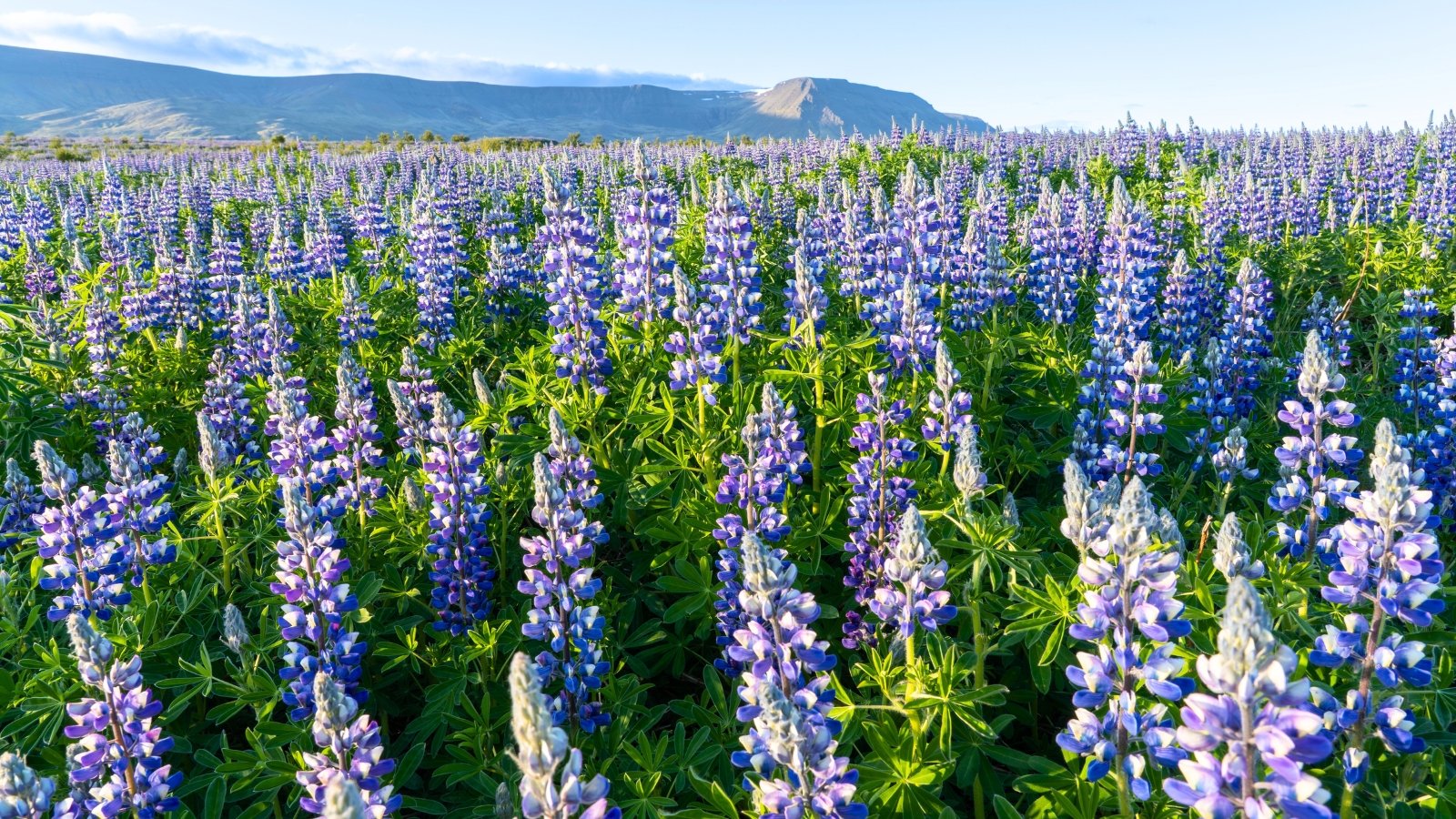
Lupines are ornamental legumes that are native wildflowers and also popular in cultivated gardens. Their dense spikes of flowers come in a variety of colors, and some bi-colored hybrids also exist. Bumblebees love these, and some species serve as hosts for butterflies.
These seeds need more than just stratification, though a period of 10 to 30 days will improve germination. More importantly, they need scarification. Lupines have hard seeds, and they will take in water faster for better germination if you nick the outer shell.
Wild Geranium

|
|
botanical name Geranium maculatum |
|---|---|
|
|
sun requirements Partial to full shade |
|
|
height 24” |
|
|
hardiness zones 3-9 |
Wild geranium is a lovely late-spring-to-early-summer bloomer. This native wildflower hails from the eastern United States, where it feeds pollinators from April to June. It behaves nicely in dappled sun, as it’s a woodland perennial.
This native wildflower does require a slightly longer cold stratification. It needs two to three months at 34 to 40°F (2 to 4°C). These don’t need full light or darkness to germinate (they are flexible in that way). Lightly cover them with soil. It can take several weeks for these to sprout.
Trillium
|
|
botanical name Trillium spp. |
|---|---|
|
|
sun requirements Partial to full shade |
|
|
height 8”-20” |
|
|
hardiness zones 4-9 |
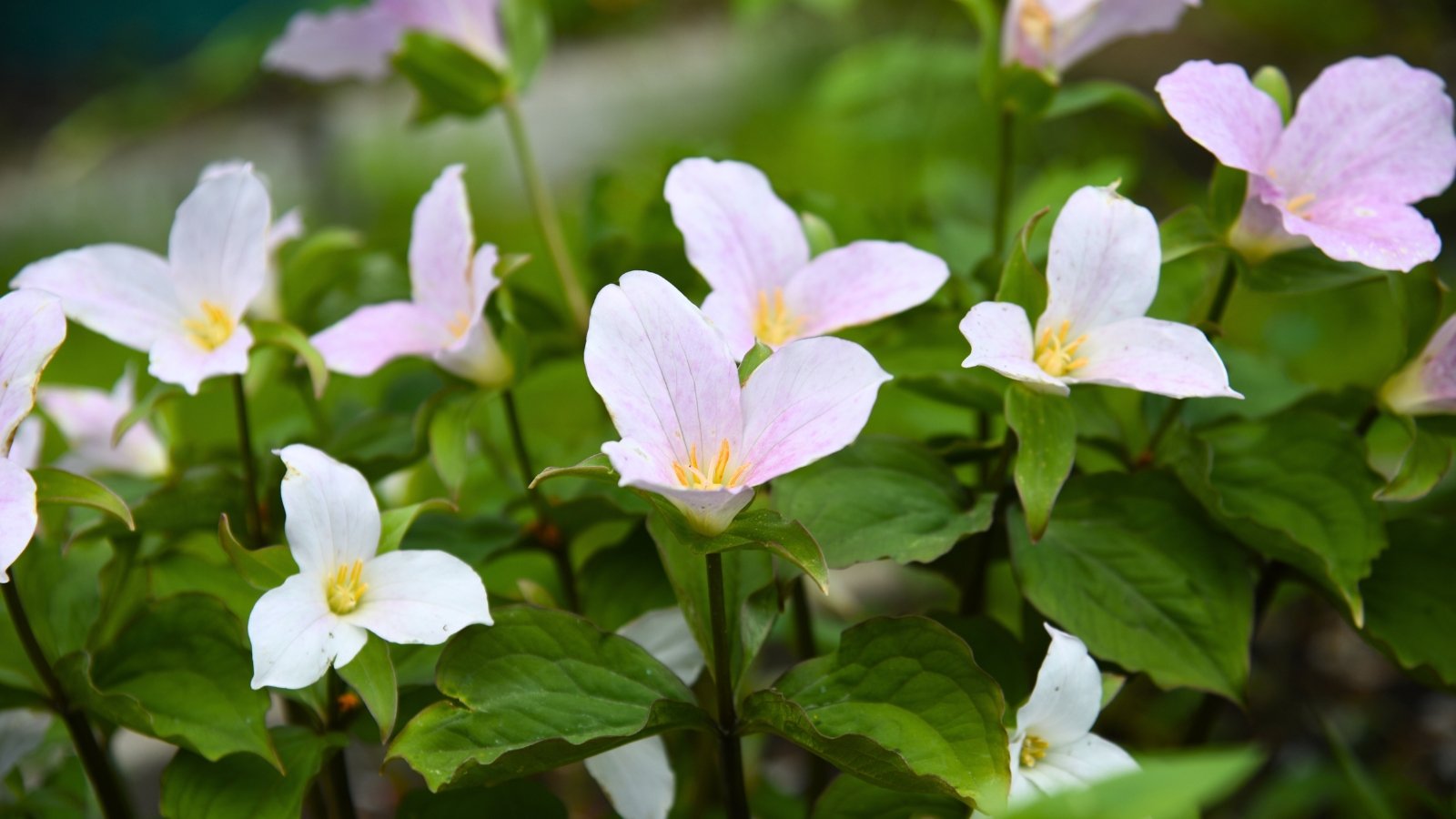
Trilliums are beautiful spring ephemeral wildflowers that bloom alongside Virginia bluebells. They both prefer some shade, so these two make great neighbors. They get their name from their flowers, which each have three petals.
Now, when it comes to stratification, trilliums have a complicated situation. They need a warm period to develop roots, and then a cold period to trigger shoots. Germination can take as long as two years in some cases. It’s best to plant your seeds in late summer, so they get their warm period. Then they will chill in the fall and winter.
It takes a long time for trilliums to germinate and to flower. These are delightful, but they do require quite a lot of patience.
Penstemon

|
|
botanical name Penstemon spp. |
|---|---|
|
|
sun requirements Full sun |
|
|
height 10”-6’ |
|
|
hardiness zones 3-10 |
Finally, penstemons, also called beardtongues, are native wildflowers that are native to different parts of North America. There are over 250 species, so there are many native to most parts of the country. They’re sturdy plants with beautiful flowers that provide nectar for hummingbirds and other pollinators.
Penstemons need a period of one to two months of moist, cold stratification. Some need less, but I would err on the safe side and stratify for two months. These need light to germinate, so surface sow, or press lightly into the soil. They germinate in two to four weeks.