Spring Garden Pests Are Coming. Here’s How to Stop Them Early
The best time to deal with spring garden pests is before you see damage. Gardening expert Madison Moulton covers the most common early-season pests and shares practical strategies for keeping them under control.

Contents
Most pest problems in the garden don’t start with an overwhelming invasion. They start with a few insects you don’t notice, which can quickly get out of hand (especially in spring).
Thankfully, spring garden pests tend to be predictable, giving you plenty of time to prepare. The same ones show up at roughly the same time every year, and most of them can be managed without chemicals if you catch them early. Although it’s not the most fun gardening task, waiting until you see heavy damage means the population has already established itself, and they’re far tougher to get rid of by then.
These are the spring garden pests most likely to cause problems, and what to do about each of them before they get ahead of you.
Aphids
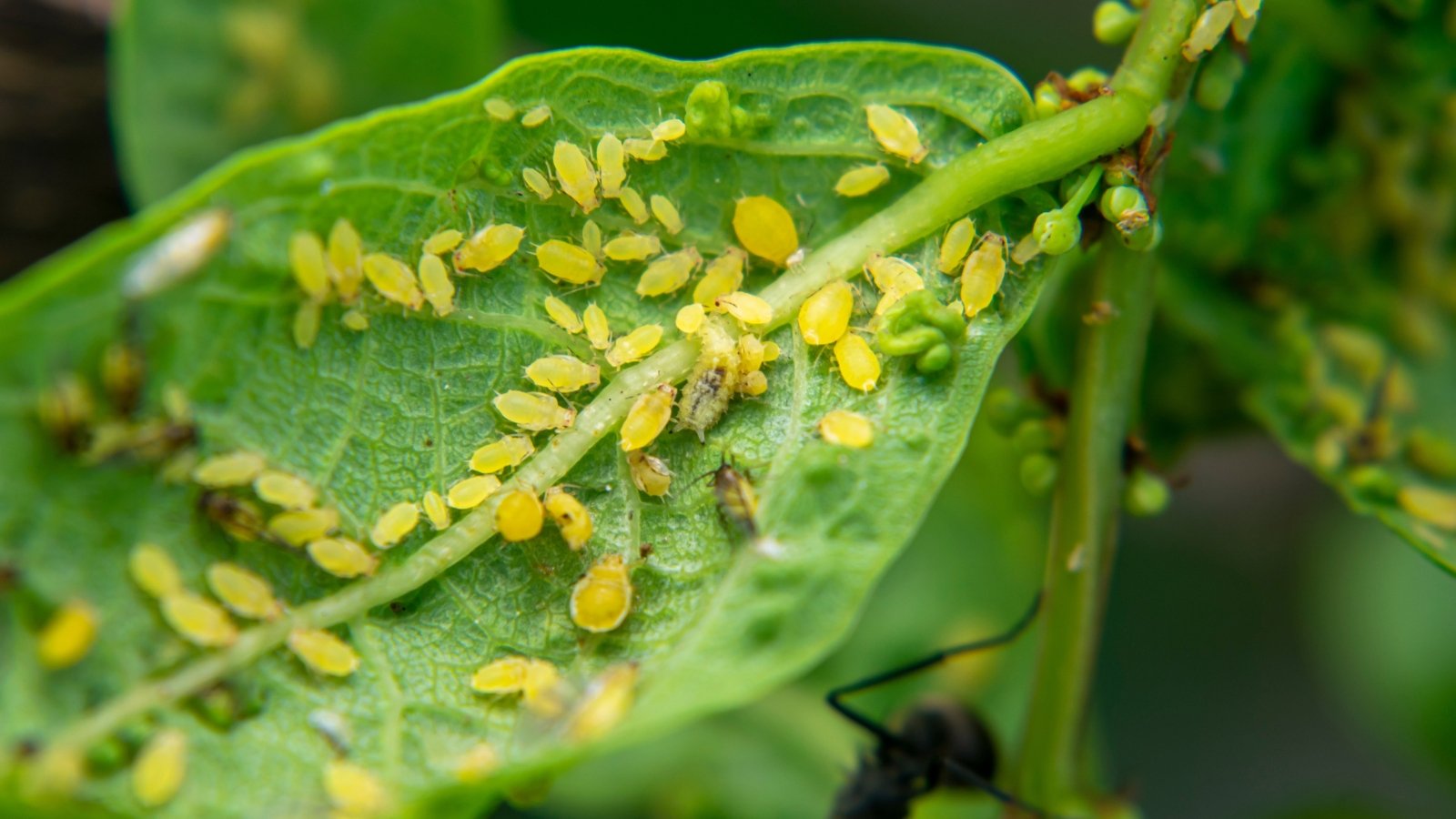
Aphids are probably the most common garden pest at all times of the year, including spring. They’re small, soft-bodied insects that cluster on the undersides of leaves and feed by sucking plant juices. Any gardener will recognize them and know they’re pretty much unavoidable.
A few aphids on an otherwise healthy plant aren’t worth worrying about. The problem is that their populations can build quickly, and a small cluster can become a serious infestation by late spring if left unchecked.
The simplest control is a strong spray of water from the hose. It knocks them off the plant and disrupts their reproduction. For heavier infestations, insecticidal soap works well, but it has to make direct contact with the aphids to be effective.
The longer-term strategy is encouraging their natural predators (ladybugs, lacewings, and parasitic wasps) by avoiding broad-spectrum pesticides and planting a mix of flowering species nearby. A minor aphid population provides food for beneficial insects that also prey on other pests, so the goal doesn’t have to be zero aphids. Just keep them at a level where they don’t cause visible plant decline.
Slugs and Snails

These garden pests tend to be the worst in spring because the cool, damp conditions they love are exactly what early-season gardens provide. They feed at night, hiding under mulch, boards, and debris during the day, and they’re drawn to young, tender seedlings. Lettuce, cabbage, and strawberries are favorites.
Lay boards or overturned pots in the garden as traps. Check underneath each morning and remove any slugs or snails you find.
Reducing their habitat helps too. Clear away debris and fallen leaves near your beds in early spring. If you mulch heavily, be aware that it can create ideal slug conditions, especially around new transplants. Holding off on mulching until plants are a few inches tall gives seedlings a better chance to establish before slugs move in.
Cutworms
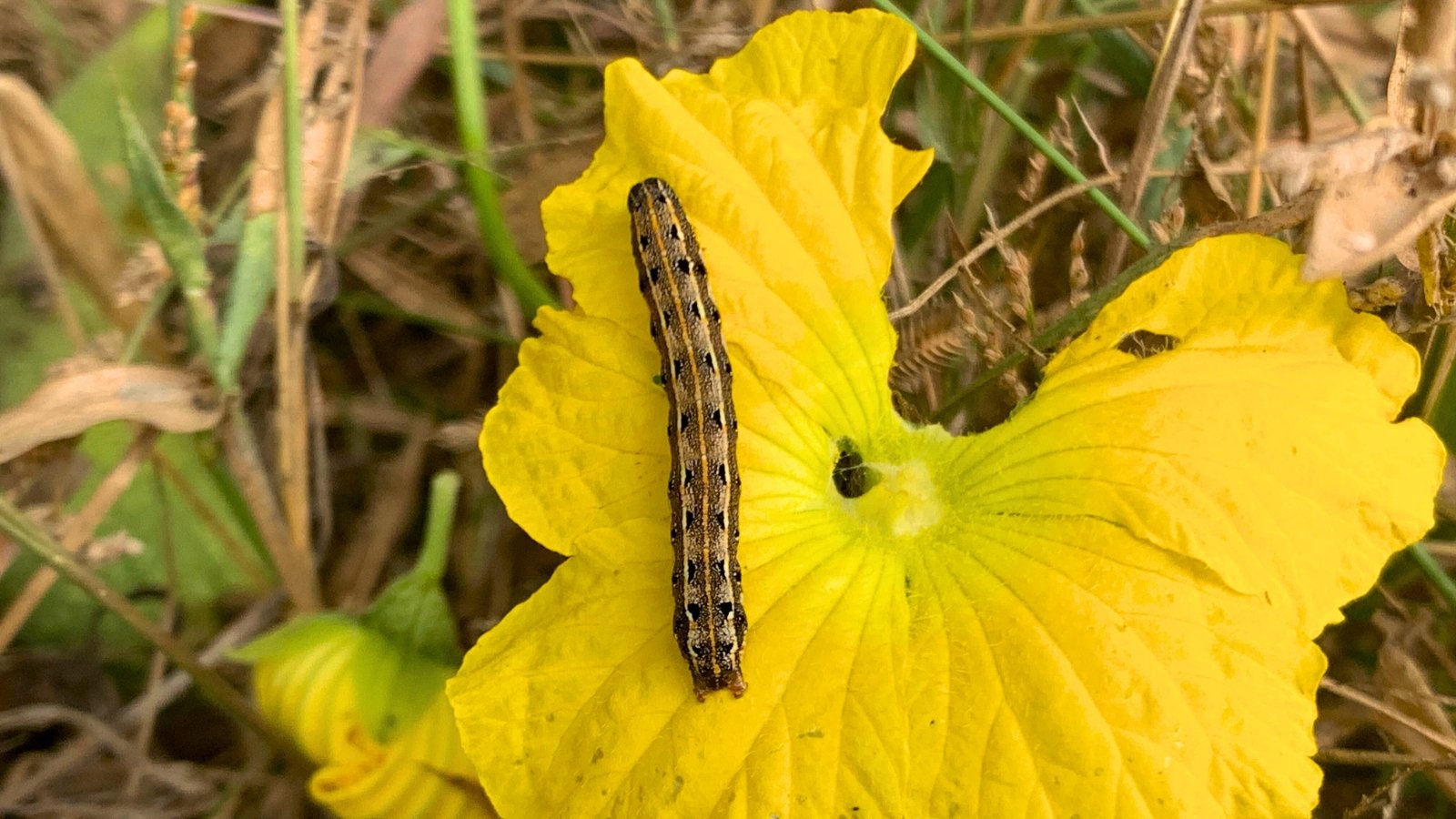
If you find a perfectly healthy transplant lying flat on the ground, severed at the soil line, you’re probably dealing with cutworms. They’re caterpillars that curl up in the soil during the day and come out at night to chew through stems. They tend to work through a row methodically, which makes them especially frustrating in a newly planted bed.
The most effective prevention is a physical barrier around each transplant. A short section of cardboard tube (a toilet paper roll works) pressed an inch into the soil and extending an inch above creates a barrier. It’s a low-tech solution, but it works.
If cutworms are already active, go out with a flashlight after dark and pick them off by hand. They’re usually right at the base of the plant they’ve been feeding on. Bt (Bacillus thuringiensis) is also effective if applied while the caterpillars are still small.
Flea Beetles
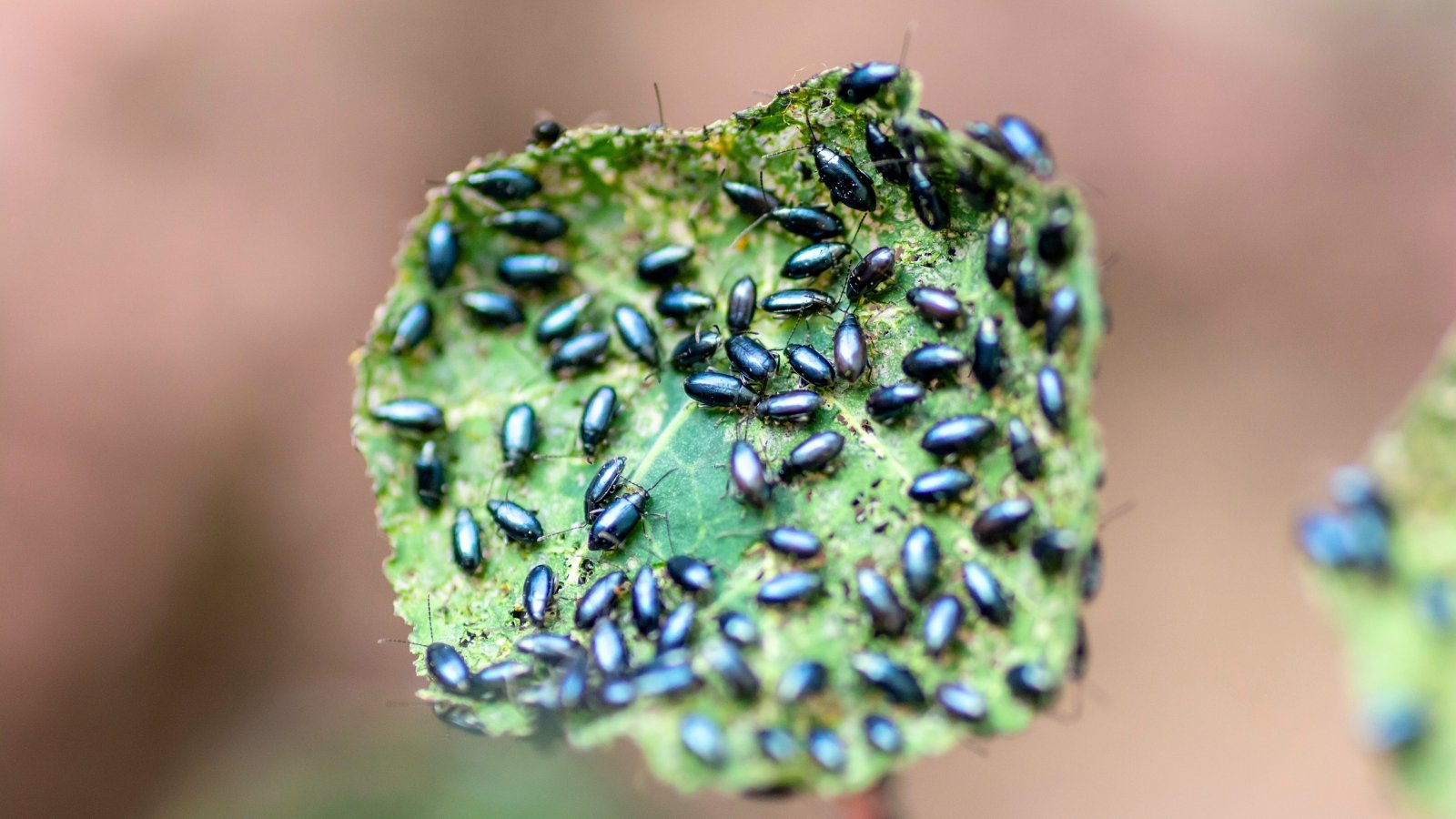
These tiny, fast-moving beetles leave behind a distinctive pattern of small, round holes. They’re most active in spring on young plants, and they tend to target brassicas, beans, eggplant, and radishes. Established plants can usually tolerate the damage, but seedlings and new transplants can be set back significantly or killed.
Floating row cover is the best defense. Place it over beds at planting time and seal the edges to keep the beetles out. It lets light and water through while creating a physical barrier. For plants that need pollination (like beans), you’ll need to remove the cover once flowering starts. But by that point, the plants should be large enough to handle some flea beetle pressure.
Cabbage Worms

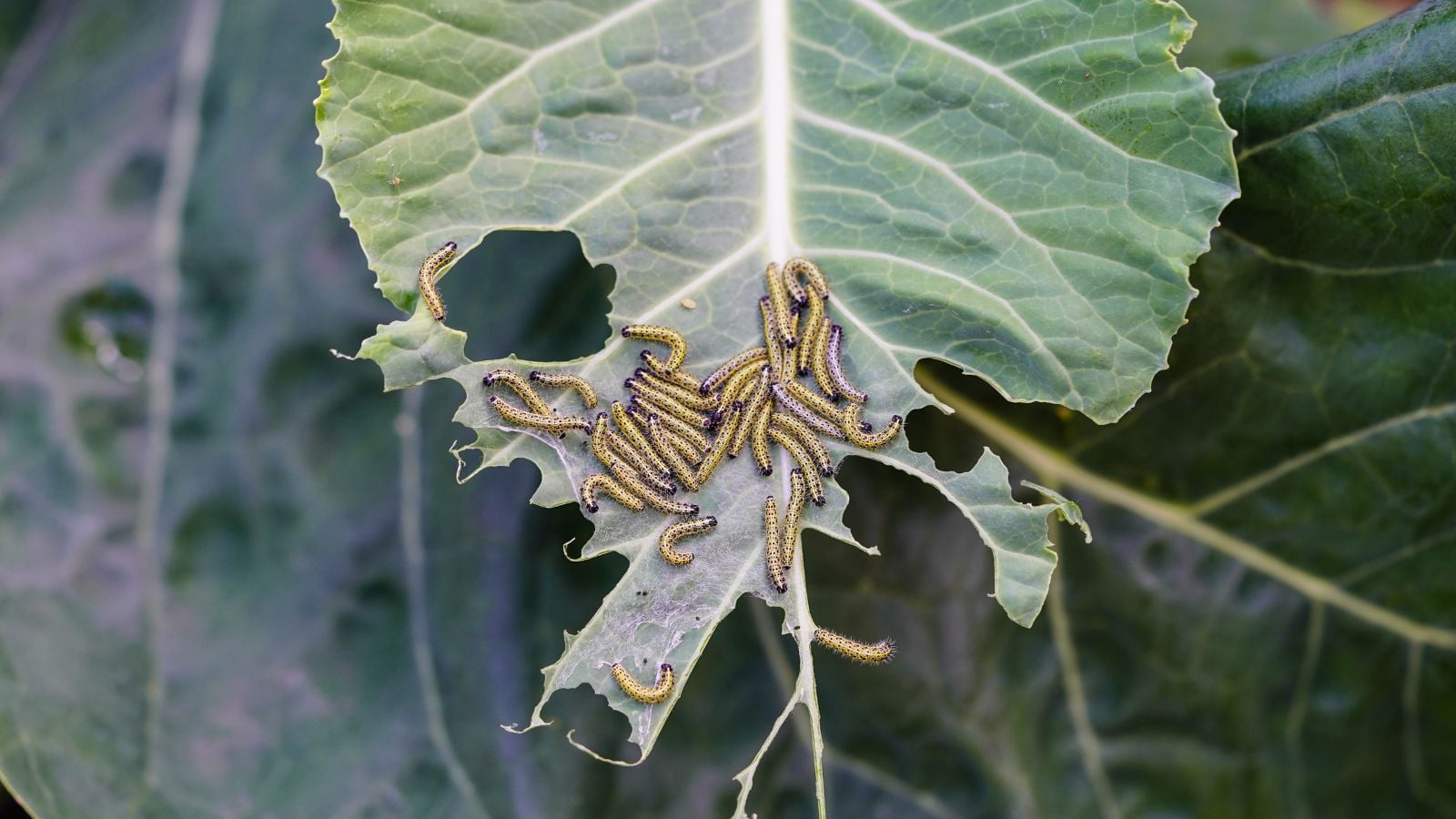
The small white butterflies you see fluttering around your brassicas in spring look harmless. But the green caterpillars that hatch from those eggs can defoliate a young cabbage, broccoli, or kale plant surprisingly fast. You’ll usually notice the damage (ragged holes in the leaves and dark droppings) before you spot the worms themselves, since they’re well camouflaged against the foliage.
Bt is the most targeted and effective organic control. It’s a naturally occurring soil bacterium that kills caterpillars when they ingest it. Spray it on the leaves when the worms are still small. It’s safe up to the day of harvest, which makes it practical for leafy crops you’re eating regularly.
Avoid using it near plants where butterfly larvae you want to keep (like monarchs on milkweed) might be feeding.
A row cover works here too, and it’s the better option if you’d rather prevent the problem altogether. Cover brassicas immediately after transplanting to keep the butterflies from laying eggs in the first place.
Cucumber Beetles
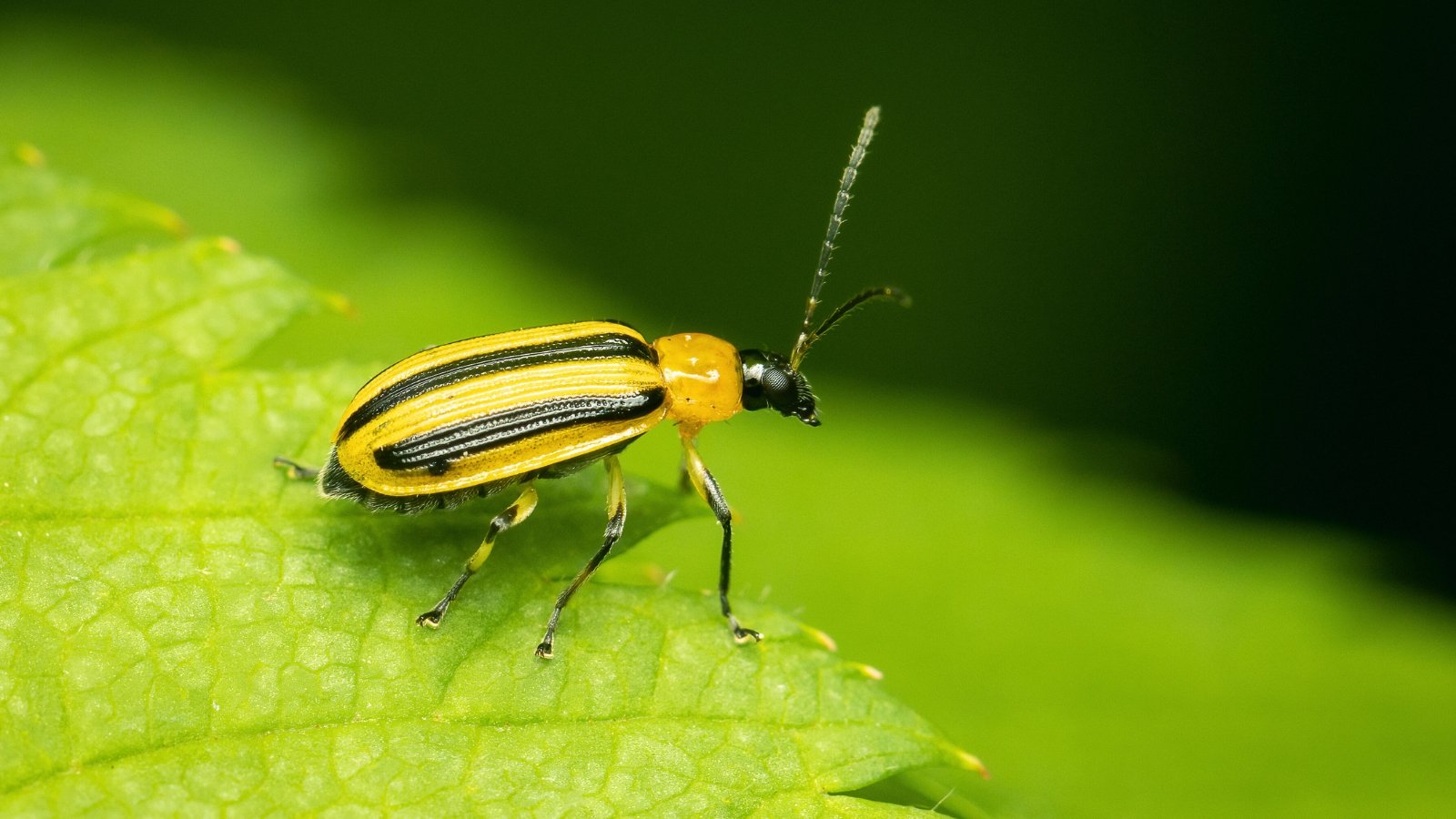
Cucumber beetles are a warm-season pest that tends to show up just as your cucumbers, squash, and melons are getting established. The beetles themselves chew on leaves and flowers, but the real threat is the bacterial wilt disease they spread as they feed.
Once a plant is infected with wilt, there’s no treatment. The leaves go limp and the plant dies within days.
Row cover is the most reliable prevention, placed over beds and left on until the plants begin flowering and need pollinator access. After that, inspect plants regularly and pick beetles off by hand. They’re distinctive (yellow-green with black stripes or spots, about a quarter inch long) and tend to hide inside flowers in the morning.
Crop rotation helps reduce populations, since the beetles overwinter in garden debris and emerge near their preferred host plants. Moving cucurbits to a different part of the garden each season disrupts that cycle.
Carrot Fly

This pest targets carrots, parsnips, celery, and other members of the Apiaceae family. The adult fly lays eggs near the base of the plant, and the larvae tunnel into the roots. You usually don’t know it’s there until you pull a carrot at harvest and find the damage.
Row cover is again the best prevention. Place it over the bed immediately after germination and leave it on for the entire growing season. Carrots don’t need pollinator access, so there’s no reason to remove the cover until harvest.
Avoid planting carrots or their relatives in the same spot year after year, and don’t plant them near other Apiaceae family members like dill and parsley, which can attract the same flies.
Leaf Miners

Leaf miners are the larvae of small flies that lay eggs on the surface of leaves. When the larvae hatch, they tunnel between the upper and lower leaf surfaces, leaving behind winding, pale trails. Beet greens, spinach, and chard are common targets in spring.
The damage is mostly cosmetic on large, established plants. But on young seedlings, it can stunt growth. If you spot the trails early, you can sometimes squish the larvae inside the leaf between your fingers. Removing and destroying heavily mined leaves slows the spread.
A row cover at planting time prevents the adult flies from reaching the leaves to lay eggs. For crops like beets where you’re harvesting the root, leaf miner damage is annoying but doesn’t affect the part you’re eating. For spinach and chard, where the leaves are the crop, prevention matters more.