How to Start a Garden From Scratch This Spring (Even If You’ve Failed Before)
Starting a garden doesn't have to be complicated or expensive. Gardening expert Madison Moulton walks through the five steps to getting your first garden in the ground this spring, with practical advice for keeping it simple.

Contents
If you’ve tried gardening before and it didn’t go well, you’re probably not as bad at it as you think. Most first-garden failures come down to starting too big, choosing the wrong plants for the conditions, or not knowing when and how much to water.
The other thing that tends to trip people up is the feeling that you need to have everything figured out before you begin. The perfect raised bed. The right soil amendments. A detailed plan for companion planting and crop rotation. None of that is necessary in your first season.
A garden can be as simple as a sunny patch of ground, a few plants you want to grow, and a willingness to learn. This guide focuses on the basics of starting a spring garden from scratch, keeping it simple and accessible for beginners. It’s largely based around edible plants since that’s where I (and many gardeners) started, but the general principles apply to anything you want to grow.


Choose a Location

Sun is the most important factor in starting a garden from scratch in spring. Most vegetables need at least six hours of direct sunlight per day, and more is better.
If you’re not sure how much light a spot gets, watch it throughout the day before committing to see how the sun moves. I have two raised beds right next to each other in my garden, but because the one is shaded by a wall slightly earlier in the day, veggies perform far worse in that bed than the one next to it.
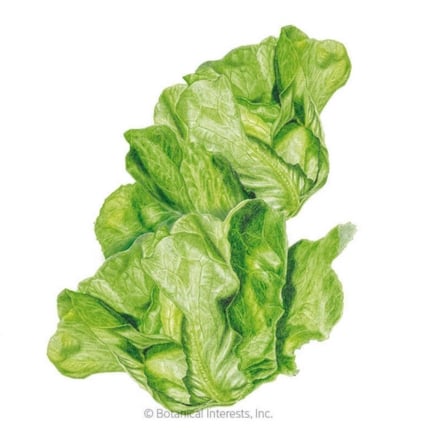
If you don’t have a spot with six hours of sun, you can still grow some things. Lettuce, spinach, herbs like parsley and cilantro, and some root crops will tolerate partial shade. But tomatoes, peppers, squash, and cucumbers need full sun to produce well.
The other thing to look for is drainage. If a spot stays soggy after rain, most vegetables will struggle there. Raised beds solve this problem, but you don’t necessarily need one. A slight slope or a spot where water drains away within a few hours after a heavy rain is usually fine.
Pick Your Plants
My advice for beginner gardeners is always to start with fewer plants than you think you need. One of the most common mistakes is planting too many things in the first year and getting overwhelmed by the maintenance. Three or four crops you’re excited to eat are a better starting point than 15 different varieties you can’t manage.
Also, grow things you’ll use. If you don’t cook with eggplant, don’t grow eggplant. If you eat salad every day, lettuce and herbs should probably be on the list. The garden should reflect your kitchen to make the most of the space.
For a first garden, it’s hard to go wrong with a combination of something fast (like radishes or lettuce), something productive (like zucchini or bush beans), and something you’re excited about (like fun varieties of tomatoes or cucumbers).
Get Basic Supplies
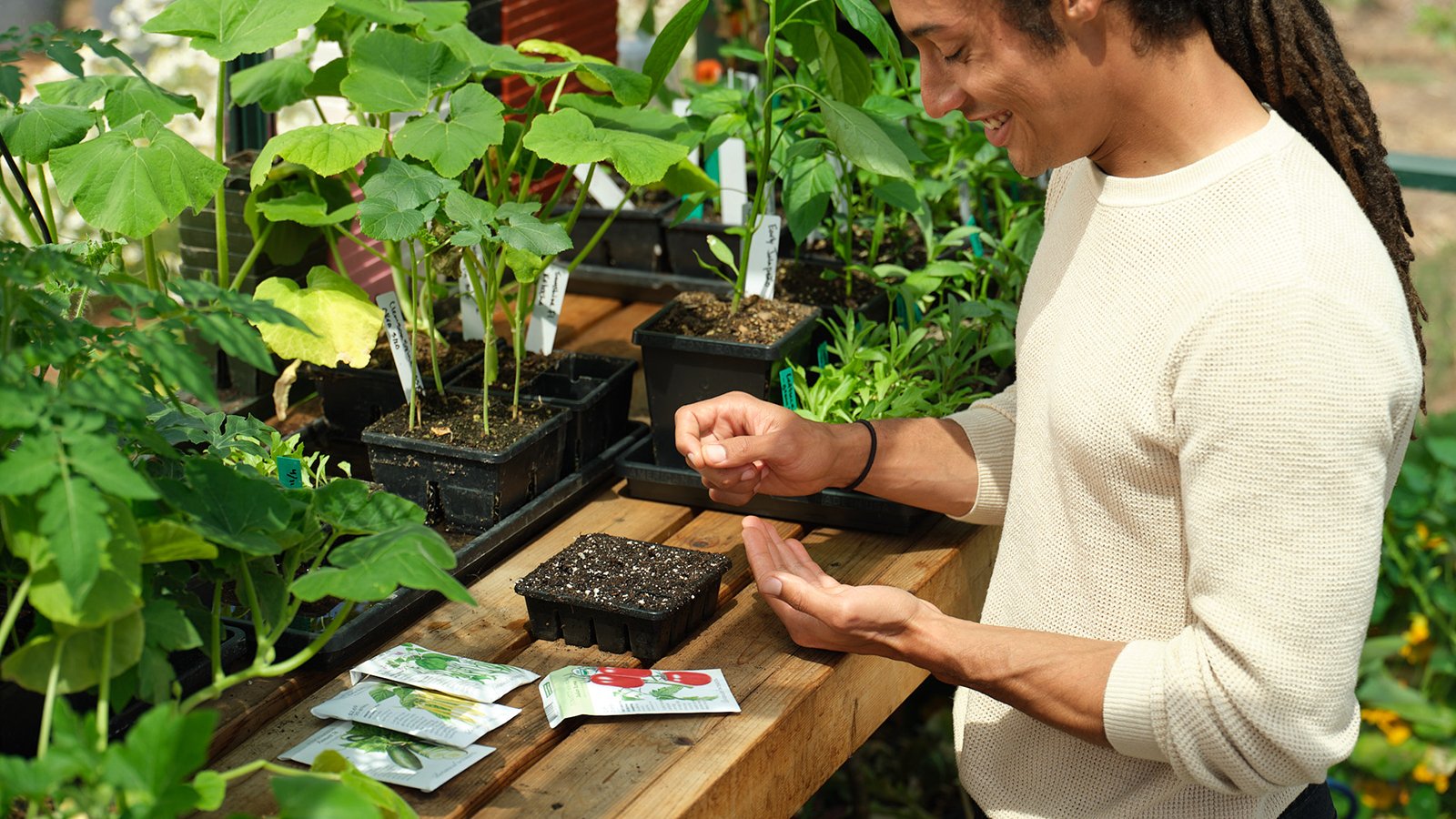
You don’t need much to start a garden from scratch in spring. Seeds or transplants, something to water with, and decent soil are the essentials. Everything else is optional in your first year.
If you’re planting in the ground, work compost into the top few inches of soil before planting. Most garden soil benefits from the added organic matter, and compost improves both drainage in heavy soil and moisture retention in sandy soil. You don’t need a soil test in your first season, though it’s worth doing eventually if you plan to keep gardening.
If you’re growing in containers or raised beds, use a quality potting mix. Don’t fill containers with soil from the yard. It compacts, drains poorly, and can introduce problems you don’t want to deal with in your first year.
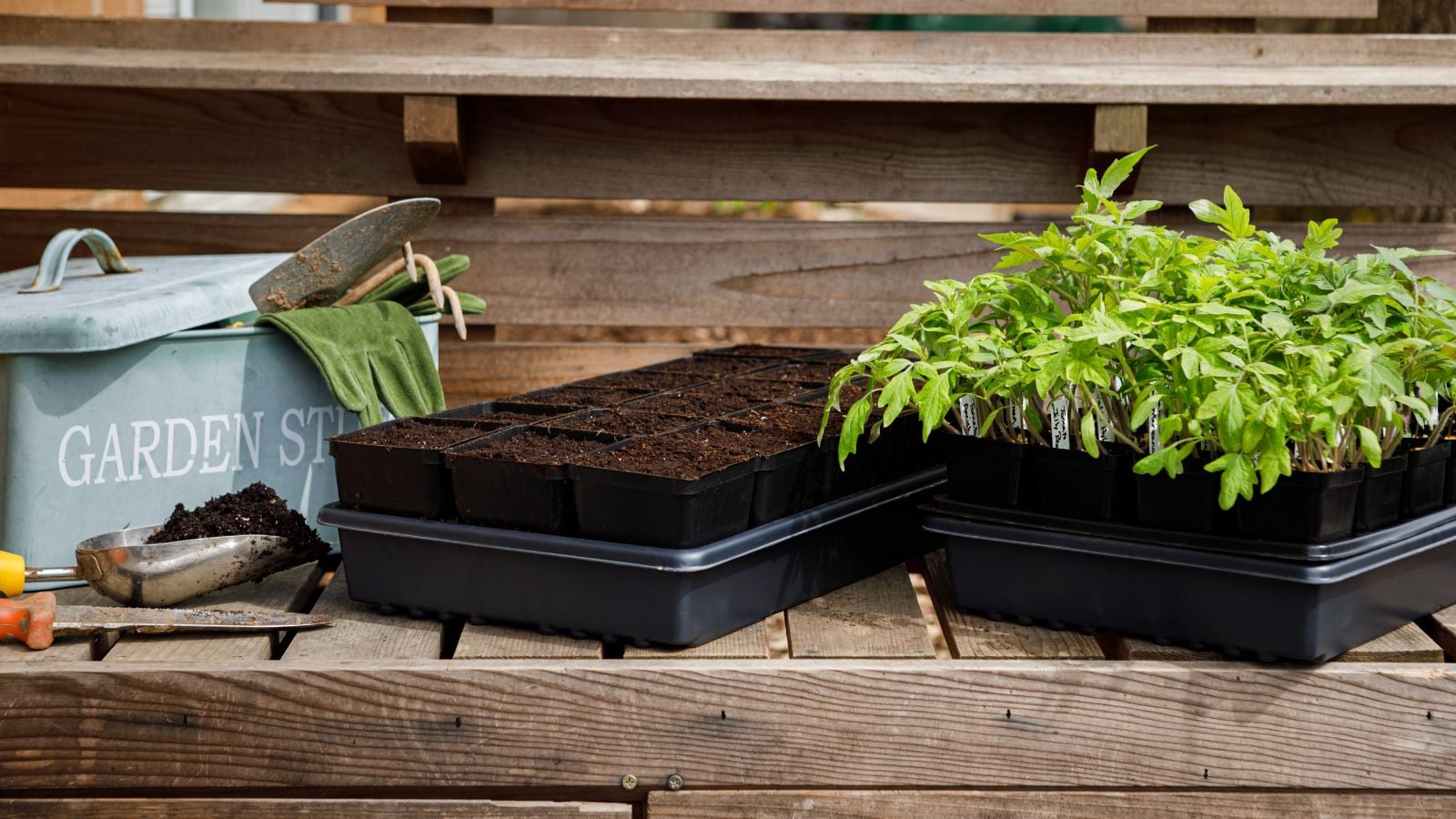
A hand trowel, a watering can or hose, and some labels for identifying what you planted are about all the tools you need to start. Resist the temptation to buy a shed full of equipment before you’ve grown your first tomato.
Sow Seed or Transplant
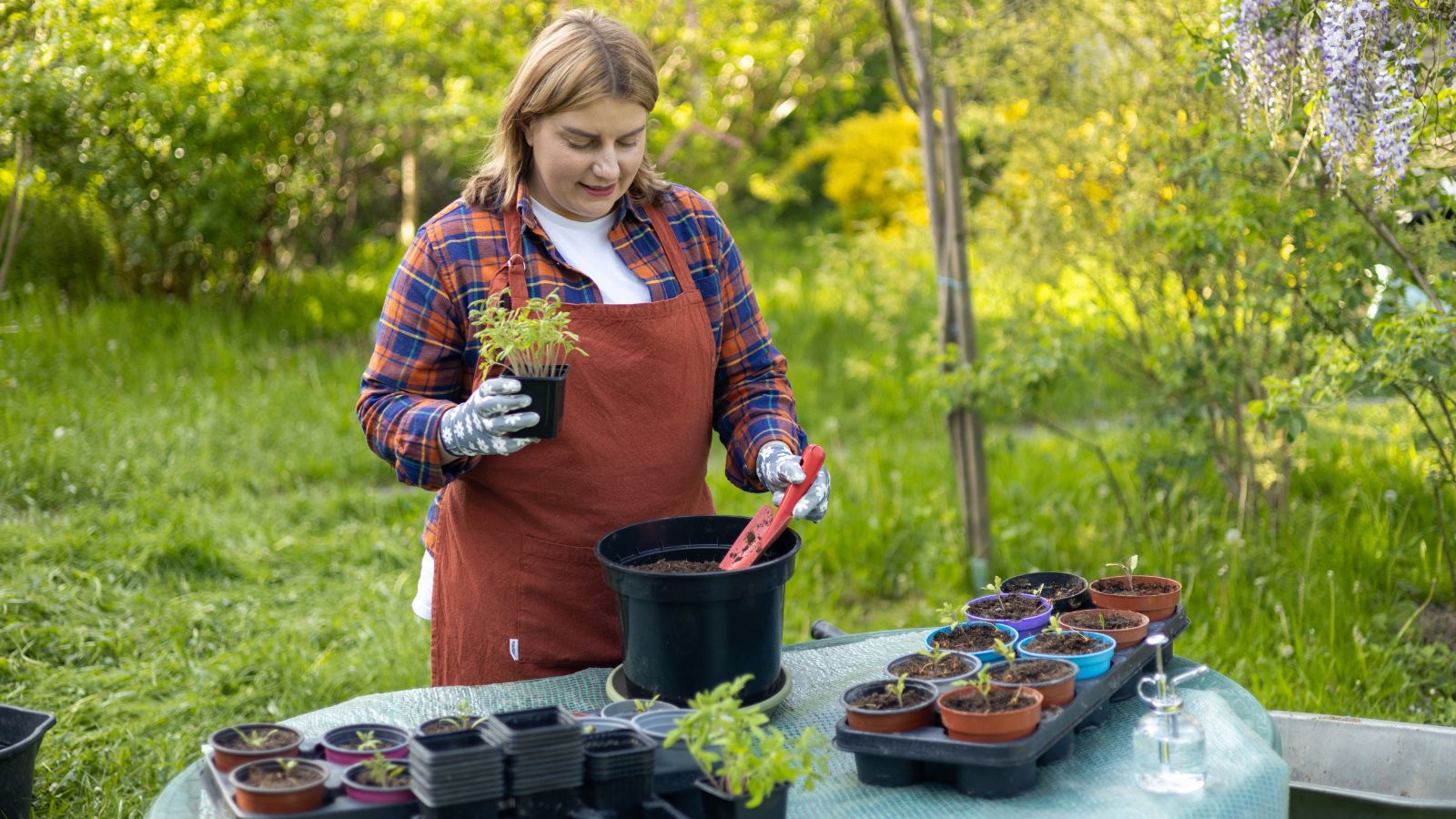
Some crops do best sown directly in the ground (carrots, radishes). Others are easier to buy as transplants from a nursery, especially if you’re starting late in the season or don’t want to deal with indoor seed starting.
If you’re not sure, transplants are the simpler option for a first garden because they skip the germination stage and give you a head start. But seed starting isn’t complicated either, and all the instructions you need come on the packet.
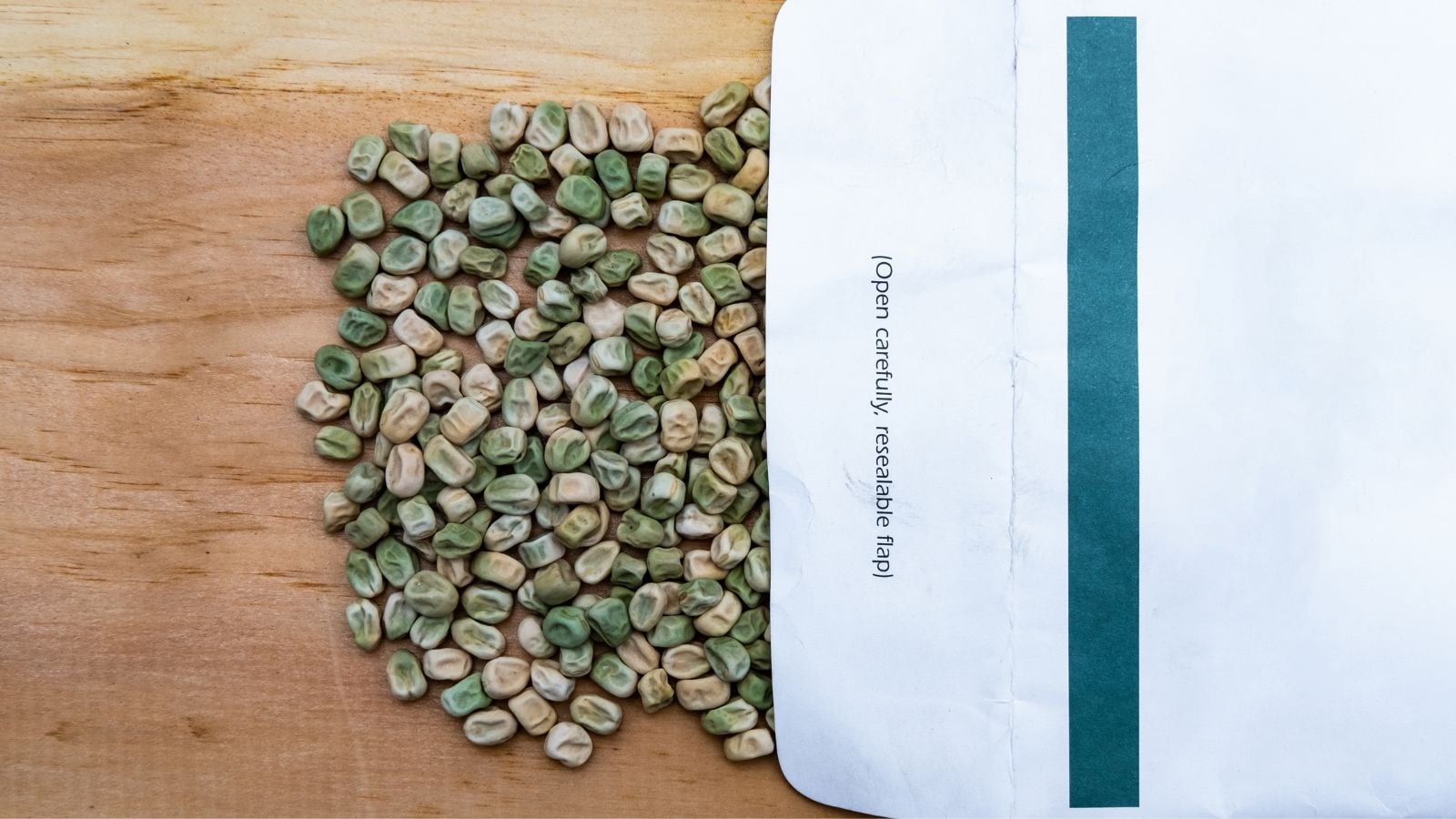
If you’re sowing seeds, seed depth, spacing, and timing relative to your frost date all matter, and the packet tells you exactly what each variety needs. It’s the single most useful piece of gardening information you’ll get, and it comes free with the seeds.
If you’re planting transplants, dig a hole about the same depth as the pot, gently remove the plant, set it in, and backfill with soil. Water well right after planting to help your transplants settle in.
Simplify Maintenance

The two things that matter most in the first season are watering and weeding. Everything else (fertilizing, pruning, pest control) is important eventually, but consistent water and clean beds will generally carry you through your first year, depending on what you’re growing.
Most established vegetables need about an inch of water per week, but that varies with temperature, soil type, and whether you’re growing in containers or in the ground. Water when the soil is dry an inch below the surface. Stick your finger in the dirt. If it’s dry at that depth, water. If it’s still moist, wait.
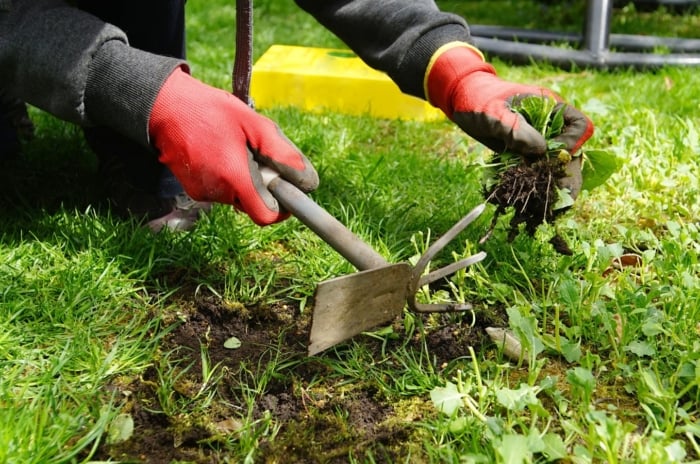
Weeding is easier if you do it often rather than waiting until the weeds are established. Pulling a small weed takes seconds. Pulling a large one that’s rooted itself into the middle of your vegetable bed takes effort and risks disturbing the plants around it.
A layer of mulch (straw, shredded leaves, or wood chips) around your plants helps suppress weeds and hold moisture in the soil, which means less watering and less weeding overall.
Beyond that, just watch your plants. Check on them regularly. Notice what’s growing well and what’s struggling. Gardening is mostly observation, and the more attention you pay in your first season, the better your second one will be.