7 Shade Perennials That Spread (But Won’t Take Over)
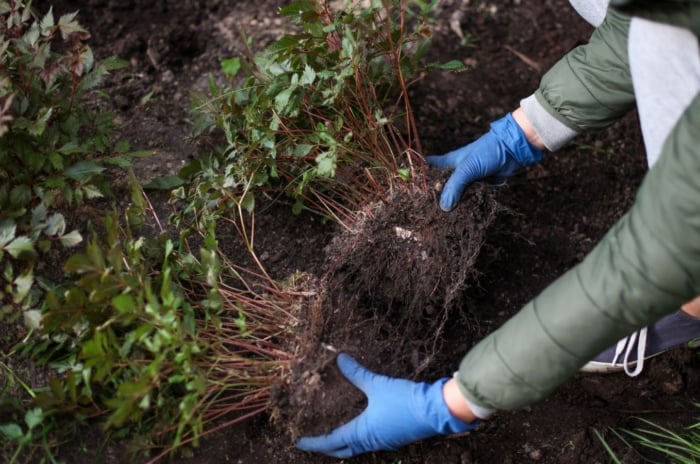
If you have bare patches in lower light areas, you need shade perennials that spread and fill in those spots. While it may seem difficult to locate them, many shade-loving plants cover the ground without taking over. Experienced gardener, Sarah Jay, covers seven you can plant now.

Contents
I had no idea until I got into gardening, but shade perennials that spread are not uncommon. However, it’s important to find plants that won’t take over entire spaces and invade natural areas. Thankfully, there are multiple well-behaved ground covers, shrubs, and herbaceous plants to choose from.
Many of the best plants for gardens in North America are native to specific regions. Some of the plants on this list are native, and many have wide ranges across the continent. If they’re not native to your specific area, check to see if they’re adapted to your climate. If so, they’ll fill in the shade garden without damaging the local ecosystem.
To adequately cover these shady spaces, tend your perennials well. Weed the area around them to eliminate competition and to help them spread out. Divide them in spring and fall to give them more room to grow. Who doesn’t love a smattering of attractive foliage or flowers under the canopy of a tree?
Made in the Shade Flower Mix Seeds
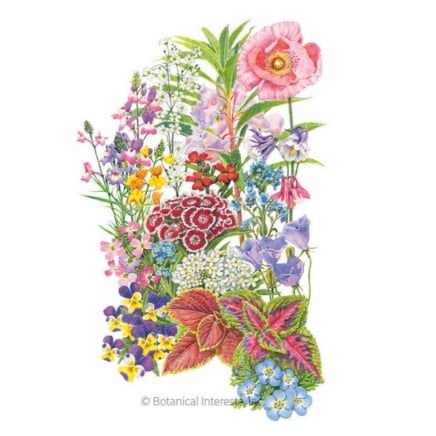
Provide interest for areas with dappled shade or as little as four hours of sun with this brightly colored mix that attracts pollinators.
Buy at Botanical Interests ShopWild Ginger


|
botanical name Asarum canadense |
|---|---|

|
sun requirements Partial to full shade |

|
height 6-12” |

|
hardiness zones 4-6 |
While wild ginger has a very small hardiness range, it’s a great plant for shady woodland gardens. It’s a host for the pipevine swallowtail butterfly, and provides the garden with slightly wrinkled, heart-shaped leaves in warmer seasons. In winter, the foliage dies back, but the interesting bell-shaped flowers that emerge in spring make it worth the wait.
In areas where soils are rocky and acidic, wild ginger thrives. The plant spreads via fruits produced by its self-pollinating flowers and rhizomatic roots. It’s not an aggressive plant, and it has few pests and diseases. It’s perfect in areas where soil erosion needs a remedy.
Bluebells
|
|
botanical name Mertensia virginica |
|---|---|
|
|
sun requirements Partial to full shade |
|
|
height 18-24” |
|
|
hardiness zones 3-9 |
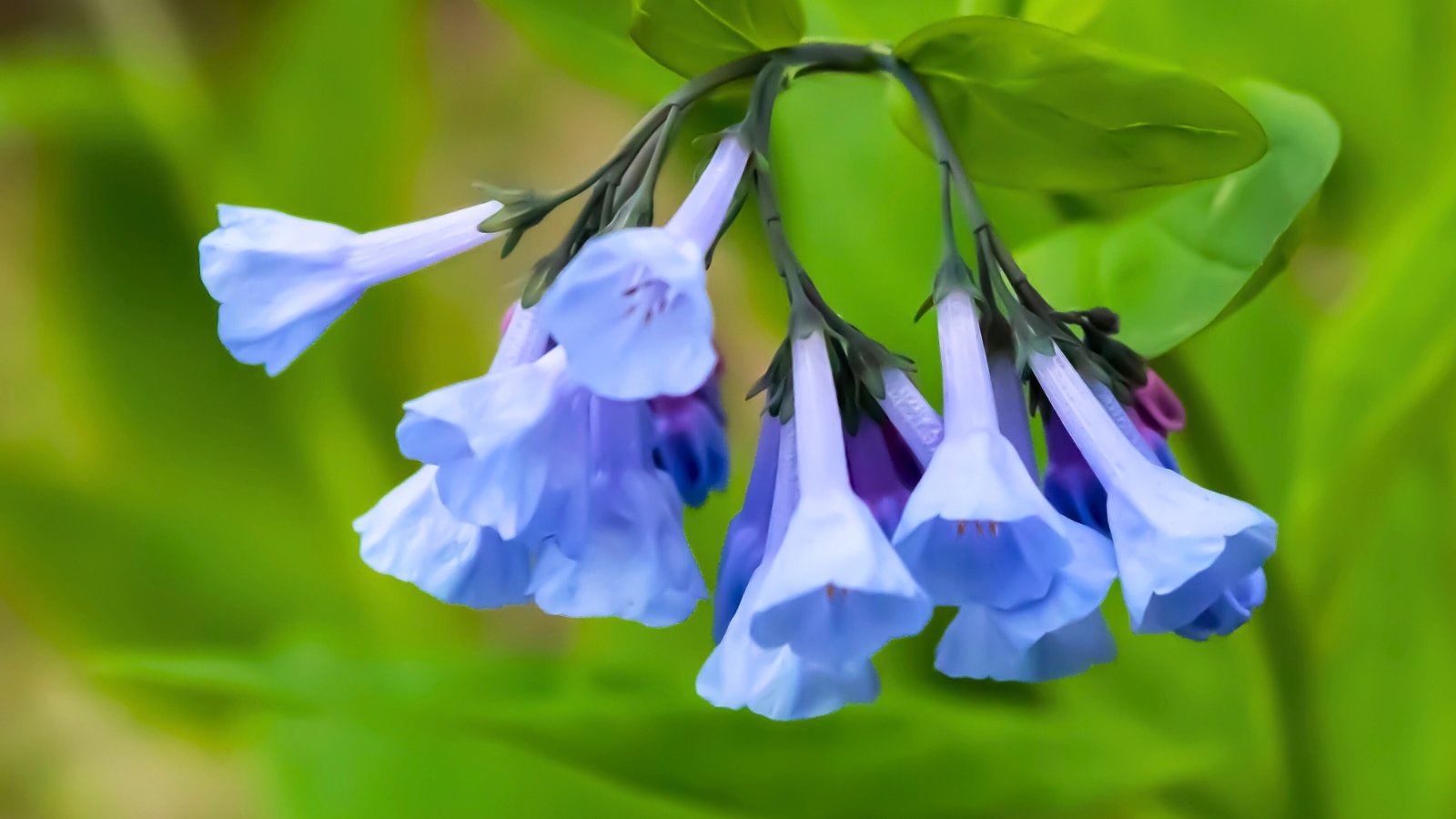
Growing bluebells is one of the most rewarding ways to garden in low-light areas. These are shade perennials that spread, but don’t take over. These have a wide hardiness range and a wide native range that spans almost the entire eastern portion of the continent.
In spring, the leaves emerge reddish and gently turn bluish-green as the season goes on. Then small, pink buds form and bright lavender to azure bell-shaped blooms open, facing downward. When these flowers are pollinated, they seed out and colonize the places where they are planted.
Oak Sedge
|
|
botanical name Carex pensylvanica |
|---|---|
|
|
sun requirements Full sun to full shade |
|
|
height 1-8” |
|
|
hardiness zones 3-8 |
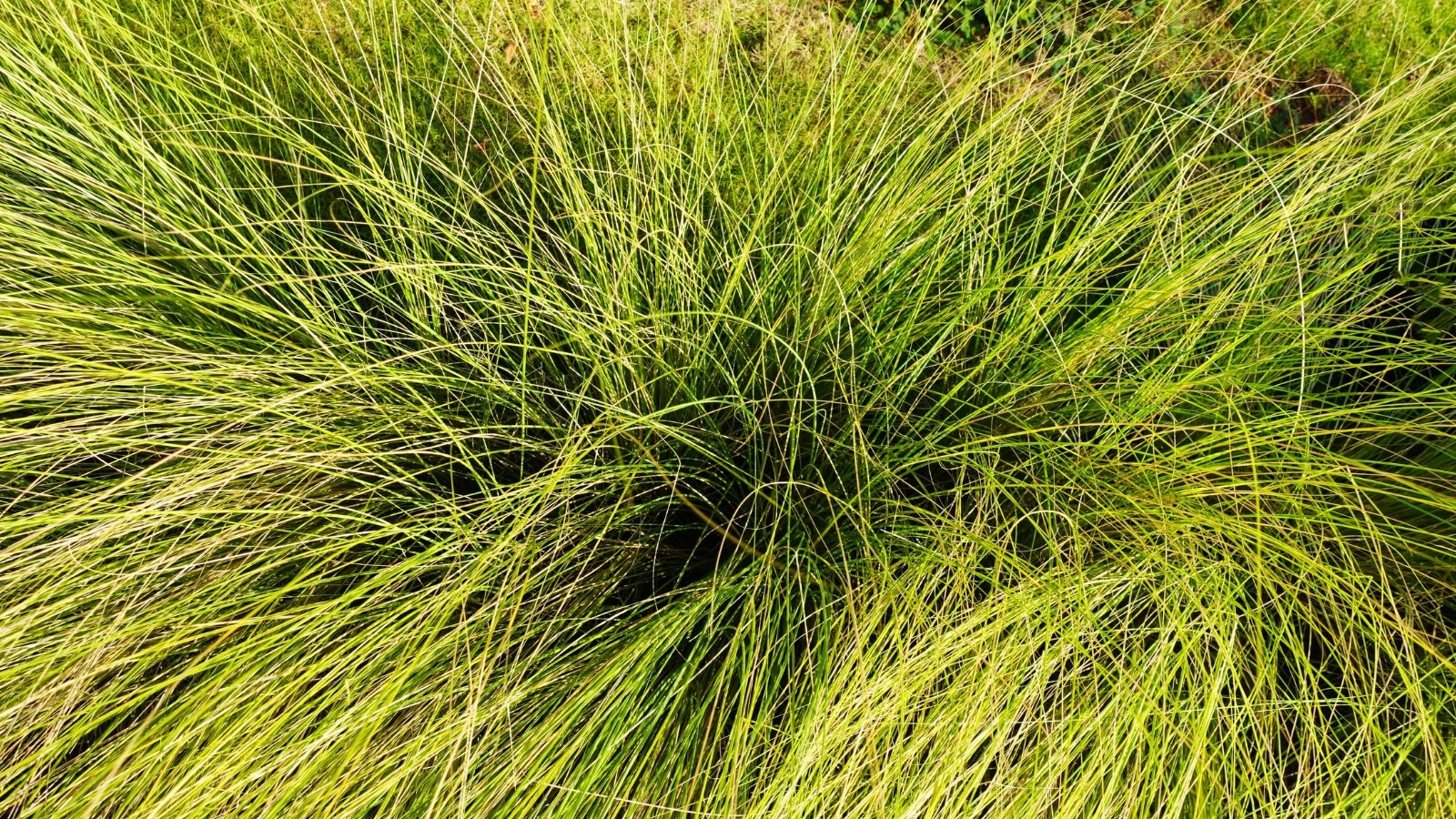
If you’re more into a grassy texture, oak sedge, also called Pennsylvania sedge, is an excellent choice. This sedge forms small clumps in wooded areas across eastern North America. Its flowers are more pronounced than those of other sedges, and they appear with both male and female anatomy in spring.
While these sedges are shade perennials that spread, they don’t tolerate foot traffic. Plant them along pathways or garden borders, where feet won’t trample them. If you live in an area with constantly moist or even wet soil, this plant thrives in those conditions.
Eastern Blue Phlox
|
|
botanical name Phlox divaricata |
|---|---|
|
|
sun requirements Partial to full shade |
|
|
height 6-12” |
|
|
hardiness zones 3-8 |
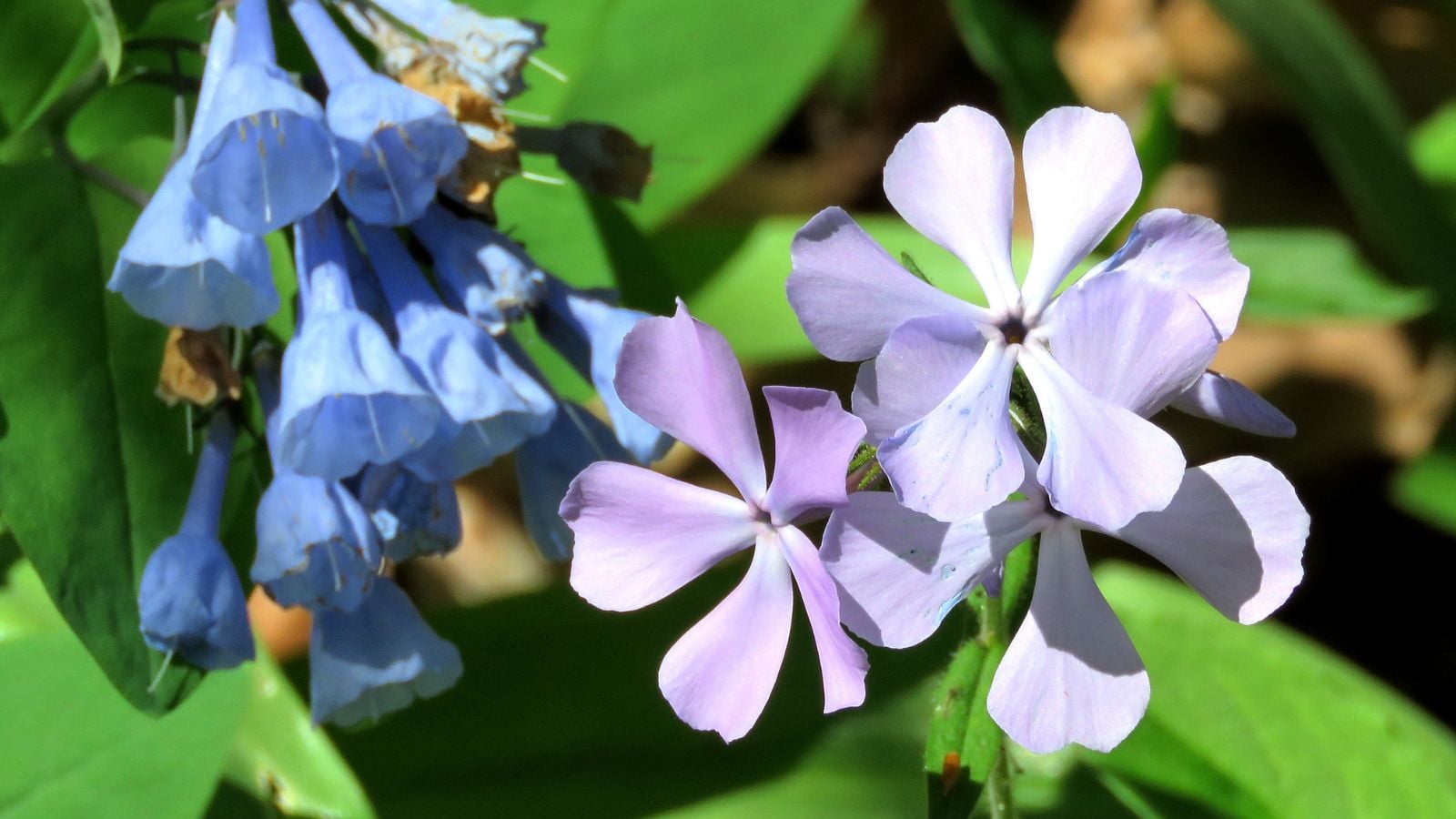
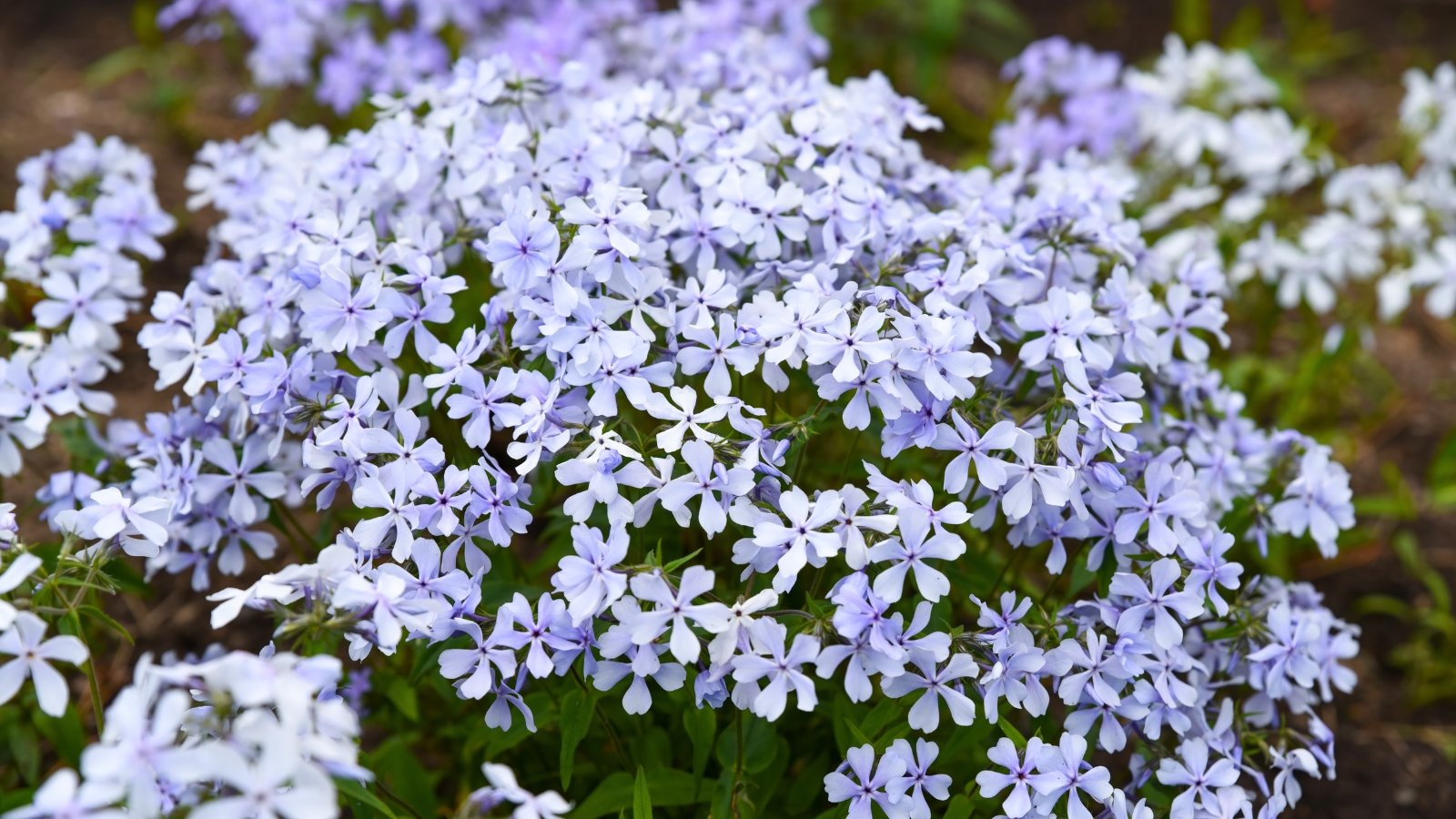
Lovely light blue phlox growing in the shade is almost like a dream. This clumping, spreading perennial species is native to most of the eastern coast, down to the South as well. Its flowers are attractive to bees, butterflies, and hummingbirds. These bloom in spring and cover the entire growing area with dazzling purple-blue blooms.
These blooms continue through summer, offering a lovely display that other ground covers don’t. It’s common to plant this one among spring and summer bulbs to provide cover in seasons when they’re not blooming. Divide yours annually, and you’ll have even more flowers.
Yerba Buena

|
|
botanical name Satureja douglasii |
|---|---|
|
|
sun requirements Partial to full shade |
|
|
height 4-7” |
|
|
hardiness zones 7-10 |
We’ve covered a lot of eastern natives, but what about the shady areas of the West? Enter yerba buena, a relative of savory, which also has leaves with intensely concentrated herbal oils. It’s one of those shade perennials that spread without completely consuming an area. It takes light foot traffic as well.
The leaves of this plant are supple, and its habit is mat-forming, spreading over shade-covered areas with ease – especially in the areas west of the Rocky Mountains. It’s an excellent candidate for rock gardens, and it blooms with small white flowers from spring through fall. This is a highly tolerant plant that deters deer and handles clay and sand with ease.
Creeping Snowberry
|
|
botanical name Symphoricarpos mollis |
|---|---|
|
|
sun requirements Partial shade |
|
|
height 12” |
|
|
hardiness zones 7-10 |
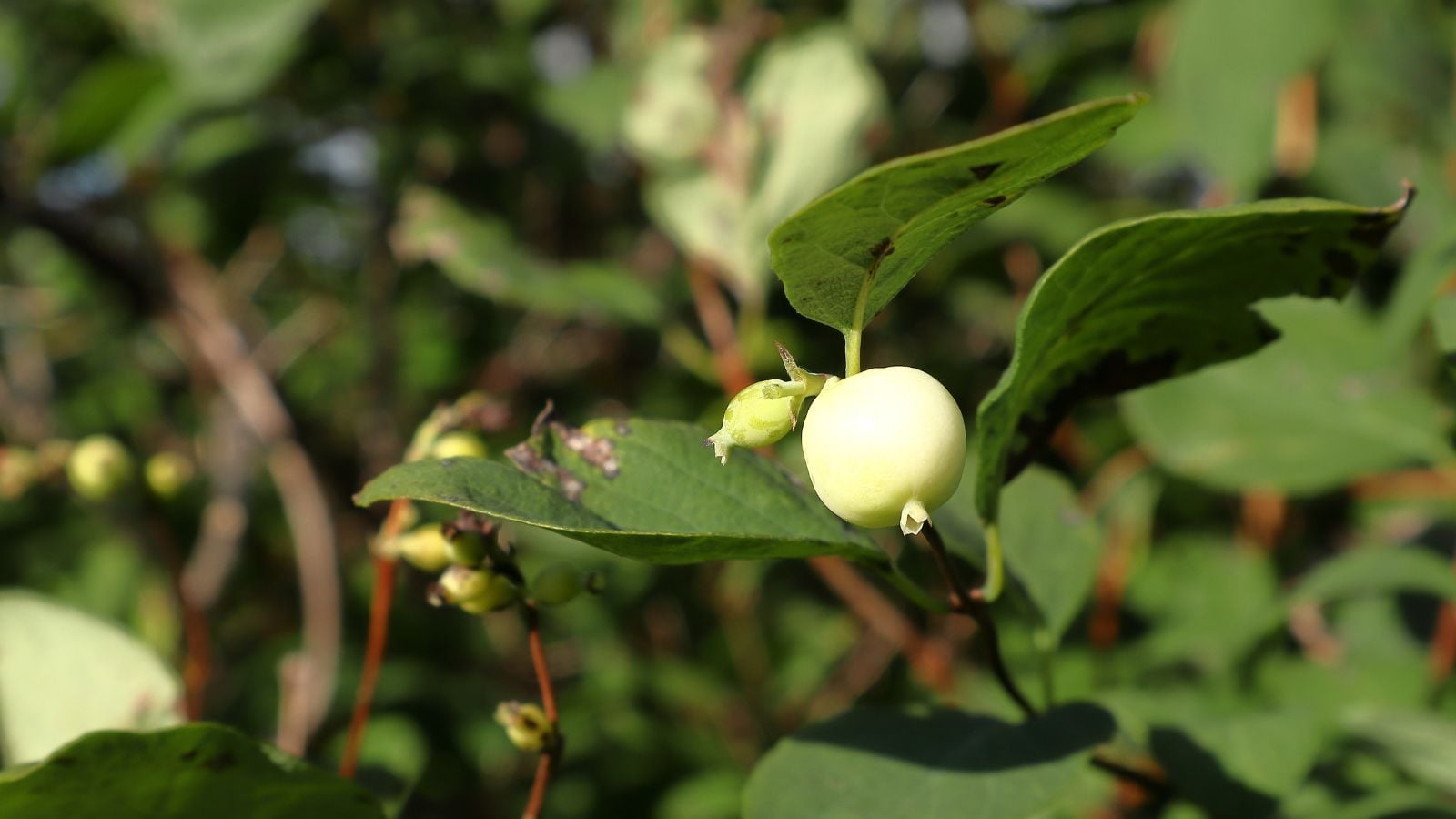
If you want a ground cover for the shady spots in your garden that forms berries, Symphoricarpos mollis is the plant for you. This sub-shrub grows under one foot and spreads out three to four feet over time. It develops tiny pink flowers that form attractive white berries when they’re adequately pollinated.
It’s a great plant for slopes and wildlife gardens, where hummingbirds can visit the flowers, and songbirds can dine on the berries. It’s relatively cold-hardy, down to 0°F (-18°C), and its rounded leaves are resistant to feeding by deer. You probably don’t want to walk through this one, so plant it along pathways and borders instead.
Epimedium
|
|
botanical name Epimedium spp. |
|---|---|
|
|
sun requirements Partial to full shade |
|
|
height 8-12” |
|
|
hardiness zones 4-8 |
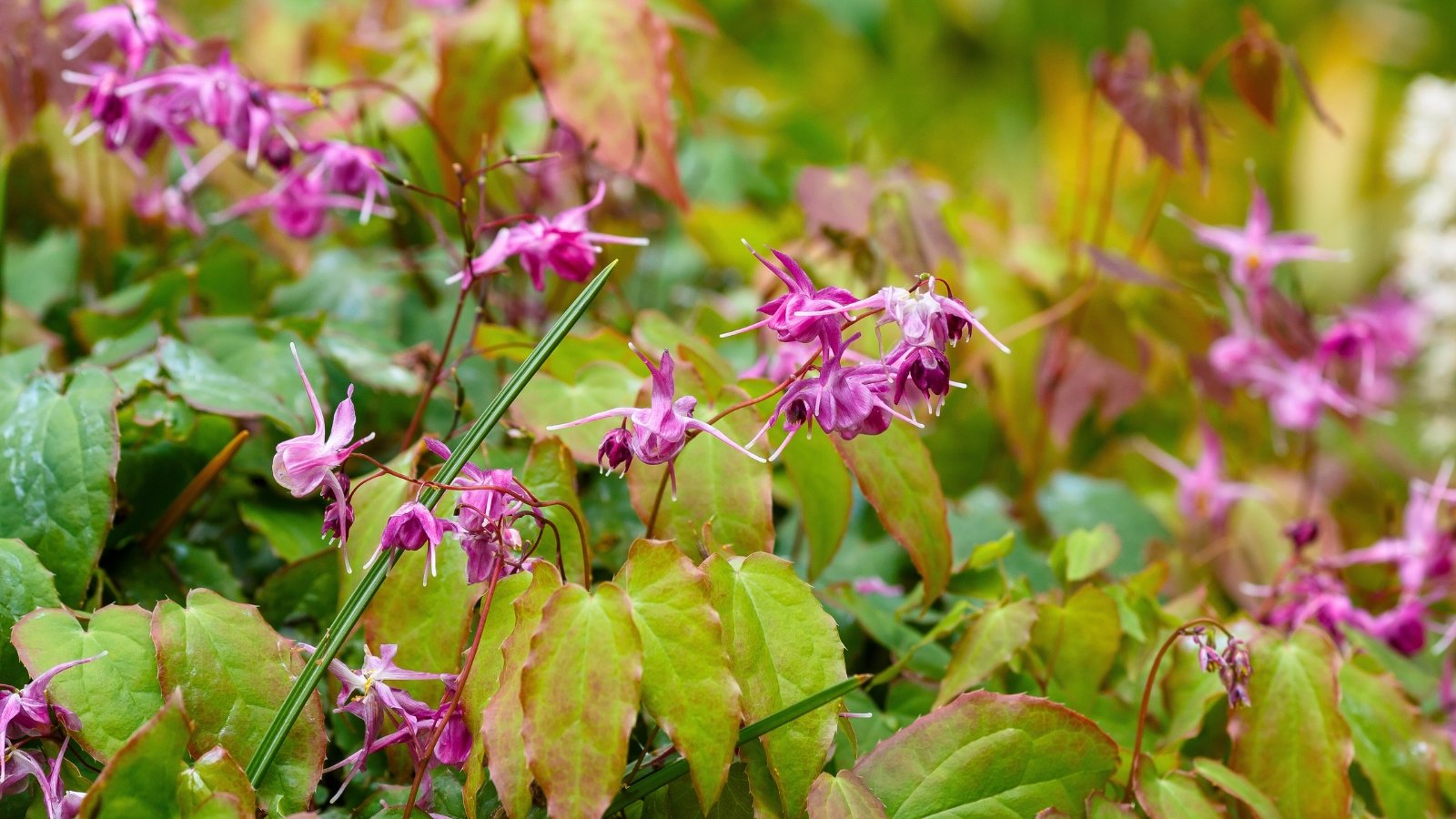
We haven’t touched on flowering shade perennials that spread enough in this piece, so we’re ending it with one. Commonly called barrenwort or bishop’s hat, this rhizomatic non-native (but well-adapted to many areas) plant produces the most interesting spurred flowers in spring. They bloom all at once, providing quite the impact.
To add to that, the foliage starts green and changes to autumnal coloring as cooler temperatures arrive. The color change is specific to the species you’ve chosen. These are also drought-tolerant plants that tend to be unpalatable to deer and rabbits. They’re great for woodland borders.