7 Herbs to Plant in April
April is one of the best months for getting herbs in the ground, whether you're starting from seed or planting transplants. Gardening expert Madison Moulton shares which herbs to plant now for fresh harvests all season long.

Contents
Herbs are one of the most satisfying things you can grow. Not only can you use them constantly, but they also take up almost no space. A few pots on a patio or a short row in a raised bed can keep your kitchen stocked from spring through fall, and most of them require very little attention once they’re established.
April is an ideal planting window for most herbs. Cool-season types can go directly into the ground now, while warm-season herbs can be started indoors or planted out after your last frost. These herbs cover a range of flavors, growing habits, and timing, so there should be something here for you no matter where you are in the season.
Long Standing Santo Cilantro / Coriander

Long Standing Santo Cilantro / Coriander Seeds


Cilantro
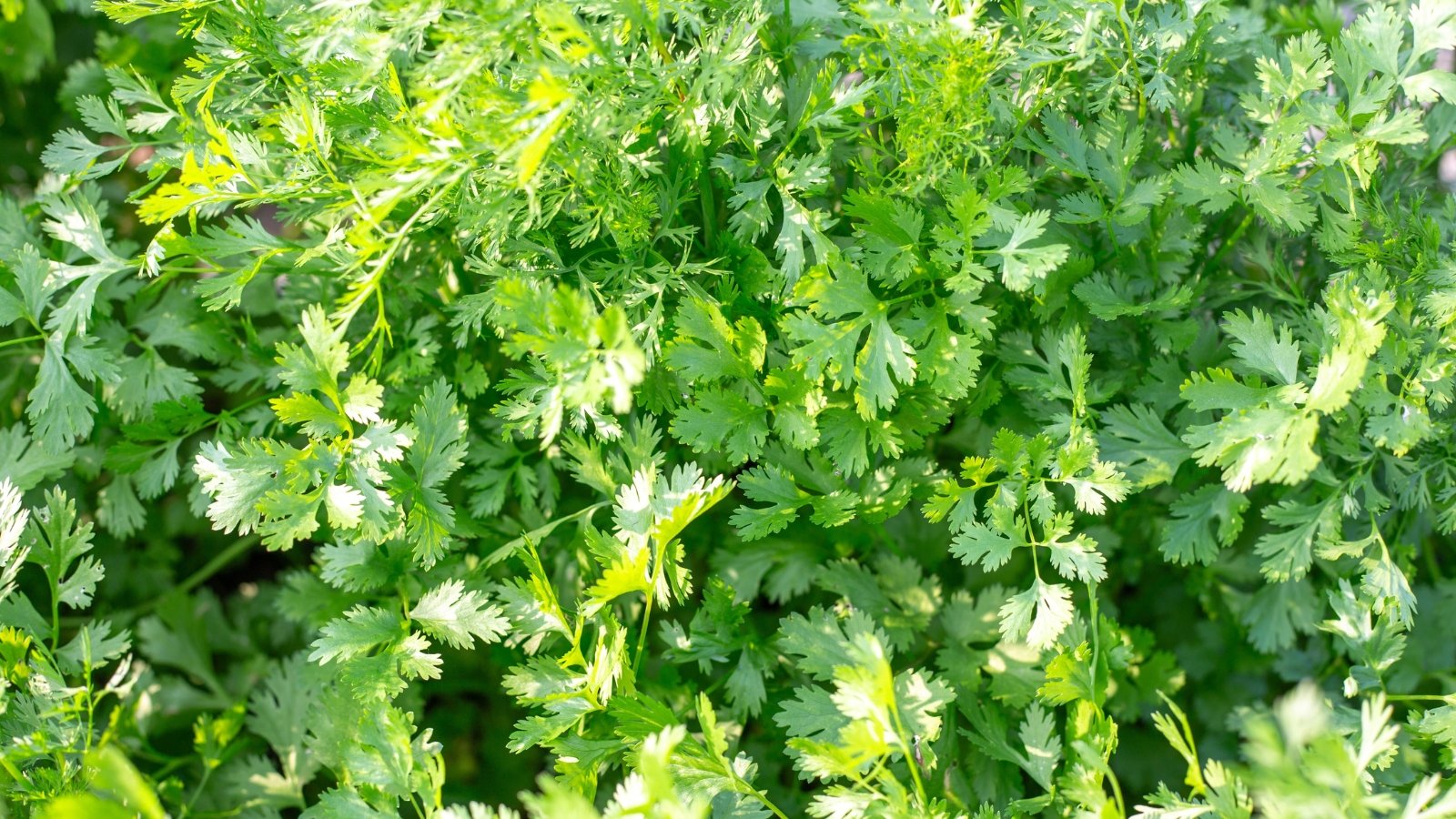
Cilantro bolts super quickly, which is why April is your last chance to plant these herbs. It thrives in cool weather and starts producing leaves quickly, but once temperatures climb, it sends up flower stalks and stops producing the flavorful leaves you’re after.
Direct sow seeds about a quarter inch deep in a spot with full sun to partial shade. Succession sow every two to three weeks through spring to extend the harvest. If you let some plants go to seed, you’ll get coriander (the dried seeds are a different flavor entirely) and a round of self-sown seedlings that tend to pop up in late summer or fall when temperatures cool again.
Dill
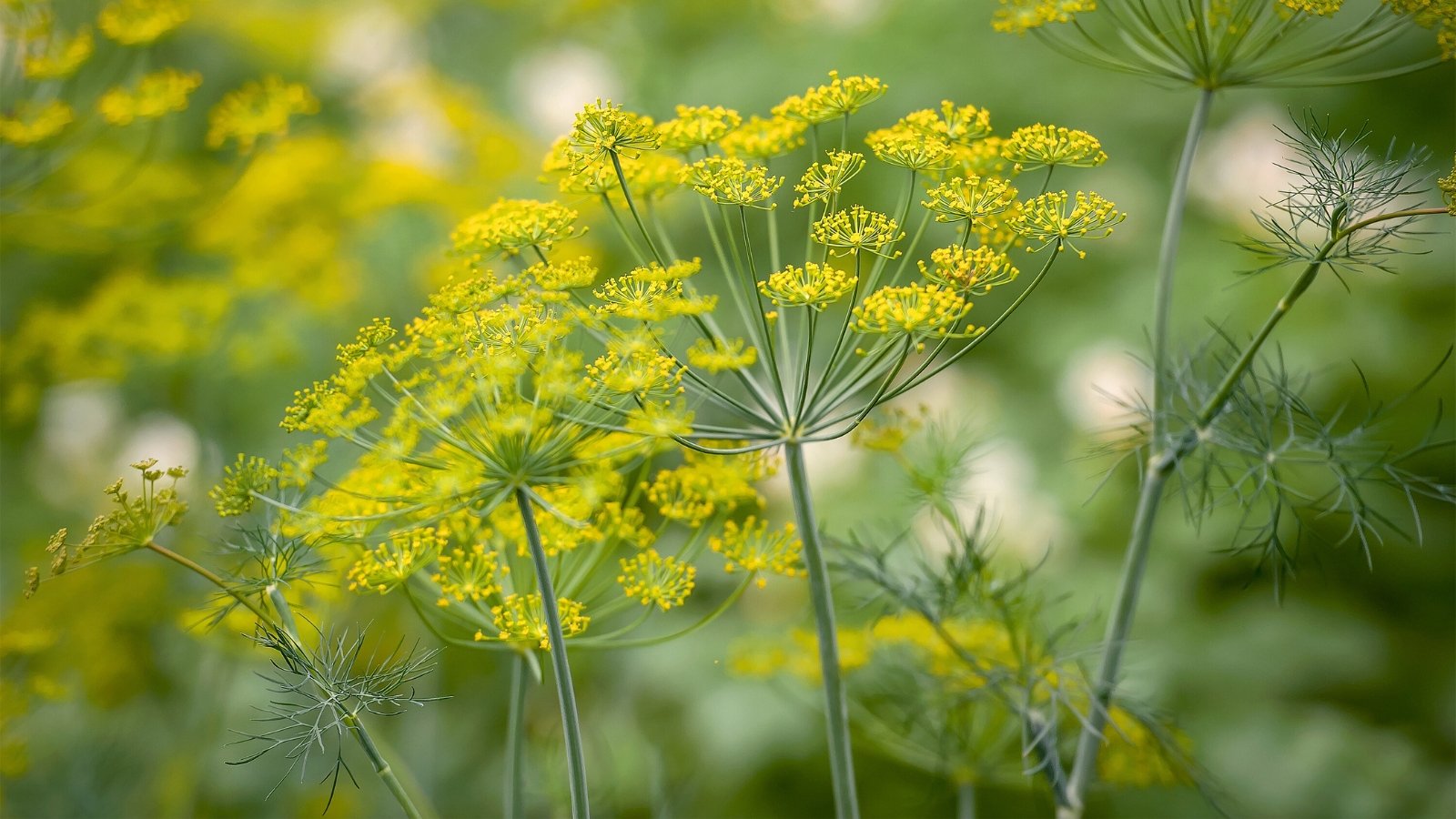
Like cilantro, dill prefers cool weather and goes to seed in heat. But it’s worth it to plant these herbs in April for more than just the feathery leaves. The flower heads attract beneficial insects (particularly parasitic wasps and lacewings) and the seeds are essential for pickling. A single planting gives you three useful things: fresh dill, dried seeds, and a pollinator magnet.
Plant these herbs in April where you want them to grow. Dill has a taproot and doesn’t transplant well, so starting it in pots and moving it later tends to set it back. Scatter the seeds thinly and cover lightly with soil. The plants grow two to three feet tall, so give them a spot toward the back of a bed or where they won’t shade shorter herbs.
Chives

This is one of the lowest-maintenance herbs you can plant in April and one of the first to appear in spring. If you planted chives in a previous year, they’re probably already up. If you haven’t, April is the time to start. You can sow seed directly, but buying a small transplant and dividing it gives you a producing plant much sooner.
The hollow, grass-like leaves have a mild onion flavor that’s delicious on scrambled eggs or baked potatoes. The purple flowers that appear in late spring are edible too, with a light onion bite and enough color to liven up any plate. I love picking the flowers and tossing them in a light batter to fry as a snack.
Plant in full sun to partial shade. Chives aren’t fussy about soil and tend to do well in containers as long as they’re not bone dry.
Basil

Basil can’t handle cold. Even a light frost will kill it, and temperatures below 50°F (10°C) can stunt its growth. If April is too early to plant these herbs outdoors in your region, it’s the right time to start seeds indoors so you have strong transplants ready to go after your last frost.
Sow seeds in trays indoors, keep them warm (around 70°F), and provide plenty of light. Transplant outside once nighttime temperatures are reliably above 50°F. Basil needs full sun and consistent moisture to perform well, and it rewards frequent harvesting. Pinch the growing tips regularly to encourage bushy growth.
If you only grow one variety, a standard Italian type (like Genovese) covers most kitchen needs. But Thai basil, lemon basil, and purple basil are all worth trying if you want to branch out.
Thyme

Thyme is a perennial that, once established, tends to take care of itself. It’s drought-tolerant and actually produces more flavorful leaves when it’s not fussed over. If you’ve ever struggled with herbs that need constant watering and feeding, thyme is the solution.
Plant transplants in April in a sunny, well-drained spot. You can grow thyme from seed, but germination is slow and the seedlings are tiny, so a transplant is the faster route if you plant these herbs in April. Space plants about eight inches apart, or grow a single plant in a small pot near the kitchen door where you can snip a few sprigs whenever you need them.
Thyme holds its flavor well when dried, which means a single summer harvest can season your cooking through winter. Harvest just before the plant flowers for the strongest flavor.
Rosemary

In warmer climates (roughly zone 7 and above), rosemary is an evergreen shrub that grows year after year with minimal attention. In colder areas, it’s best treated as a potted plant that comes indoors for winter (which is trickier than it sounds because rosemary dislikes the dry, heated air inside most houses).
If you’re in a climate where rosemary overwinters outside, April is a good time to plant a new shrub. Choose a spot with full sun and well-drained soil. Rosemary doesn’t like wet feet, and heavy or clay soil is a more common cause of failure than cold. The plant prefers lean conditions and produces more aromatic oils when it’s not over-fertilized.
Harvest by snipping three- to four-inch stem tips, which also keeps the plant bushy. Avoid cutting into bare woody stems.
Oregano

Poor soil, hot sun, and dry spells don’t bother oregano. In fact, it tends to produce more intensely flavored leaves when growing conditions are lean rather than lush. If your garden soil is rocky or sandy and you’ve struggled to grow other things there, oregano is worth trying in that spot.
Plant these herbs in April in full sun. A single plant fills out quickly and produces enough leaves for regular harvesting within a few weeks. Cut stems back by about a third once the plant is well established to keep it compact and productive.
Oregano dries exceptionally well, so if you end up with more than you can use fresh, bundle the stems and hang them in a dry spot. The dried leaves are as useful in the kitchen as the fresh ones.