Feed Your Family on a Budget With These 11 Garden Plants
If you want to save money and have delicious, fresh food at the same time, growing your own food is the answer. Gardening expert Madison Moulton lists the crops you should grow if you want to feed your family on a budget.

Contents
The honest answer to “does growing your own food save money?” is that it depends on what you grow. A carefully planned vegetable garden can genuinely reduce your grocery bill. But plenty of crops cost more in time, space, and effort than they’re worth when the same thing is sitting on the supermarket shelf for next to nothing.
Potatoes, onions, and corn all fall into that category for most home gardeners. Cheap to buy, space-hungry to grow. They’re still worth it, but if budget and yield are your main consideration (especially with limited room to grow), there are better options out there.
The plants on this list earn their spot because they meet at least two of these criteria: they’re expensive or poor quality at the store, they produce heavily from a small investment, they keep producing over a long season, or they store well so you’re not scrambling to eat everything at once. A few of them check all four boxes, making them ideal for a garden designed to feed a family.
The biggest savings come not from any single crop but from reducing food waste. When you grow lettuce, herbs, and greens, pick exactly what you need for tonight’s dinner. No more buying a whole bag of spinach for one recipe and watching the rest go slimy in the fridge.

Tomatoes
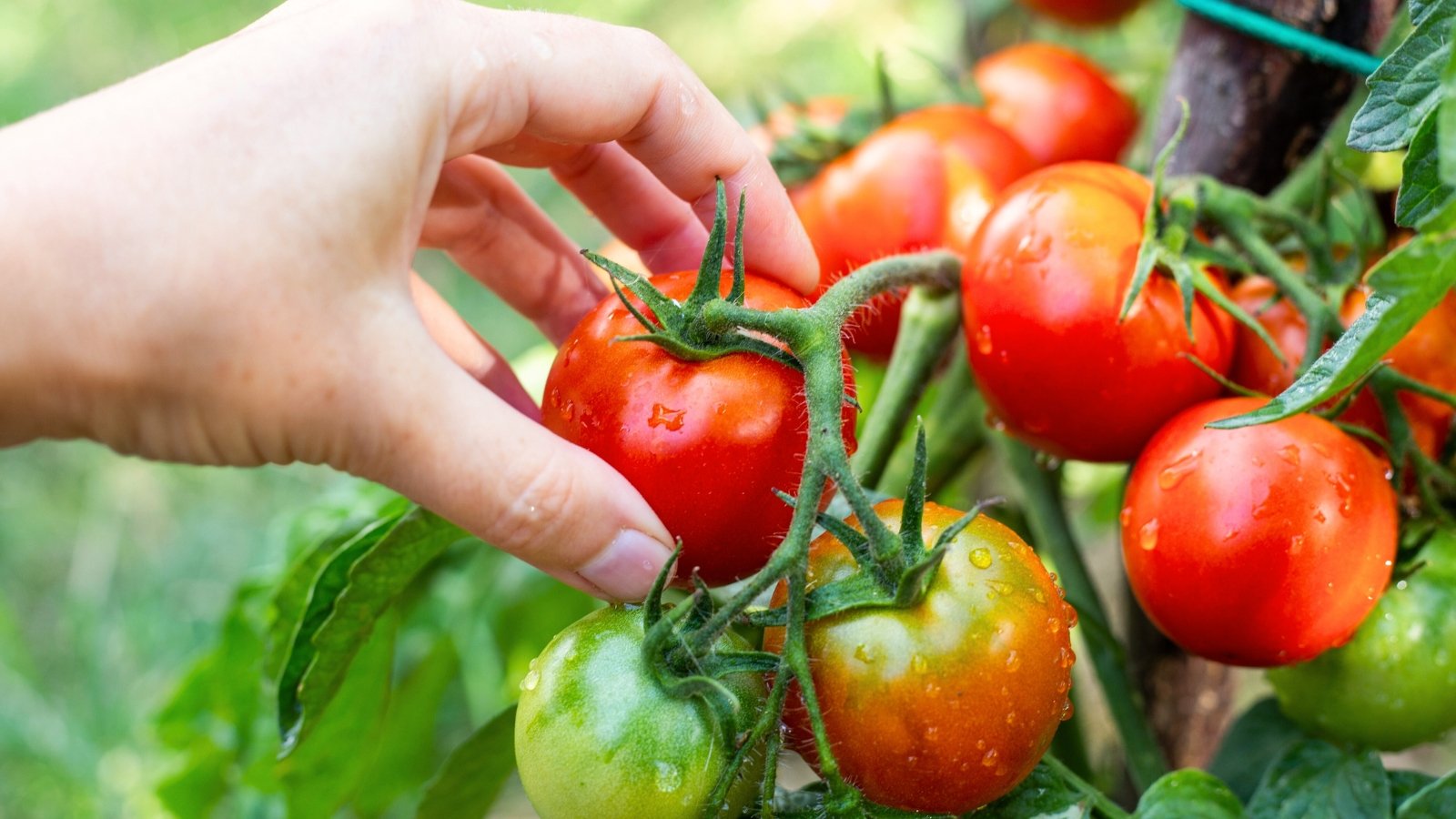
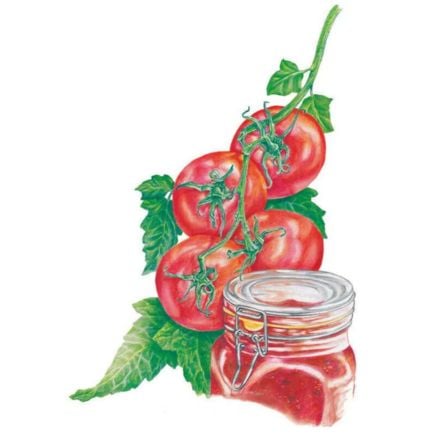
The gap between a homegrown tomato and a supermarket tomato is wider than for almost any other vegetable. Store-bought tomatoes are bred for shipping, not flavor, and the good ones cost a lot more.
A single well-cared-for plant can produce ten to 30 pounds of fruit over the season. Even accounting for the cost of seeds, supports, and some fertiliser, the return is hard to beat. They’re the perfect garden crop to feed a family.
Grow a mix of types to make the most of your money. A cherry tomato for snacking and salads, a paste variety for sauce-making, and a large slicer for sandwiches. And if you have more than you can eat fresh, freeze them whole or cook them down into a sauce that stores for months.
Herbs

Fresh herbs at the supermarket feel inexpensive when you’re buying in small quantities, but if you use them often, growing your own is far more cost-effective. Plus, once you use a little, the rest is usually already half-wilted by the time you get it home.
A single basil plant costs about the same as one of those packages and will produce handfuls of leaves all summer. The returns are even better when you grow from seed. Parsley, chives, rosemary, thyme, and mint are all similarly productive and low-maintenance.
Perennial herbs like rosemary and thyme come back year after year, which means your initial investment keeps paying off with zero additional cost. The savings per square foot are probably the highest of any edible garden plant. Although these garden additions may not feed your whole family, they will undoubtedly be useful in every meal that does.
Zucchini

One or two plants will produce more zucchini than a family of four can reasonably eat, and they keep coming for weeks. The plants take up some room, but the sheer volume of food they generate from a single seed packet (which costs a couple of dollars at most) makes them one of the best returns in the garden.
Zucchini also freezes well, shredded or sliced, for bread, soups, and stir-fries later in the year. The versatility matters when you’re trying to actually use your garden to feed a family rather than wasting it.
Lettuce and Salad Greens
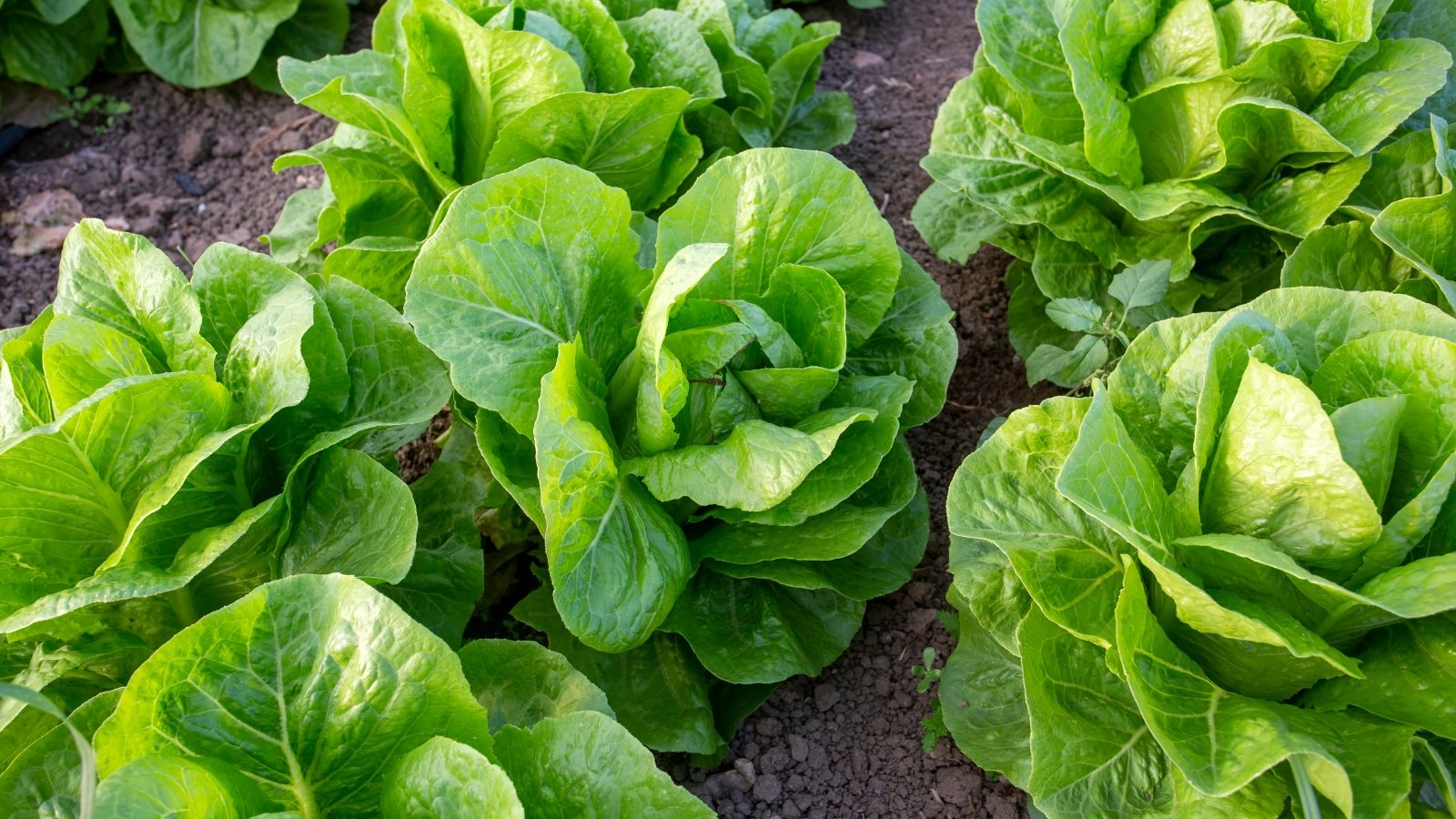
Bagged salad mixes are expensive and go bad within days. A row of loose-leaf lettuce, arugula, and spinach in the garden costs almost nothing to grow from seed and can be harvested leaf by leaf over weeks, so you only ever pick what you need.
This is where the food waste savings really add up. Instead of buying a bag, using half, and throwing out the rest, you can walk outside and cut a handful of fresh leaves. Sow small amounts every couple of weeks for a continuous supply rather than one big planting that bolts all at once. In cooler weather, greens can produce for months from a single sowing.
Green Beans
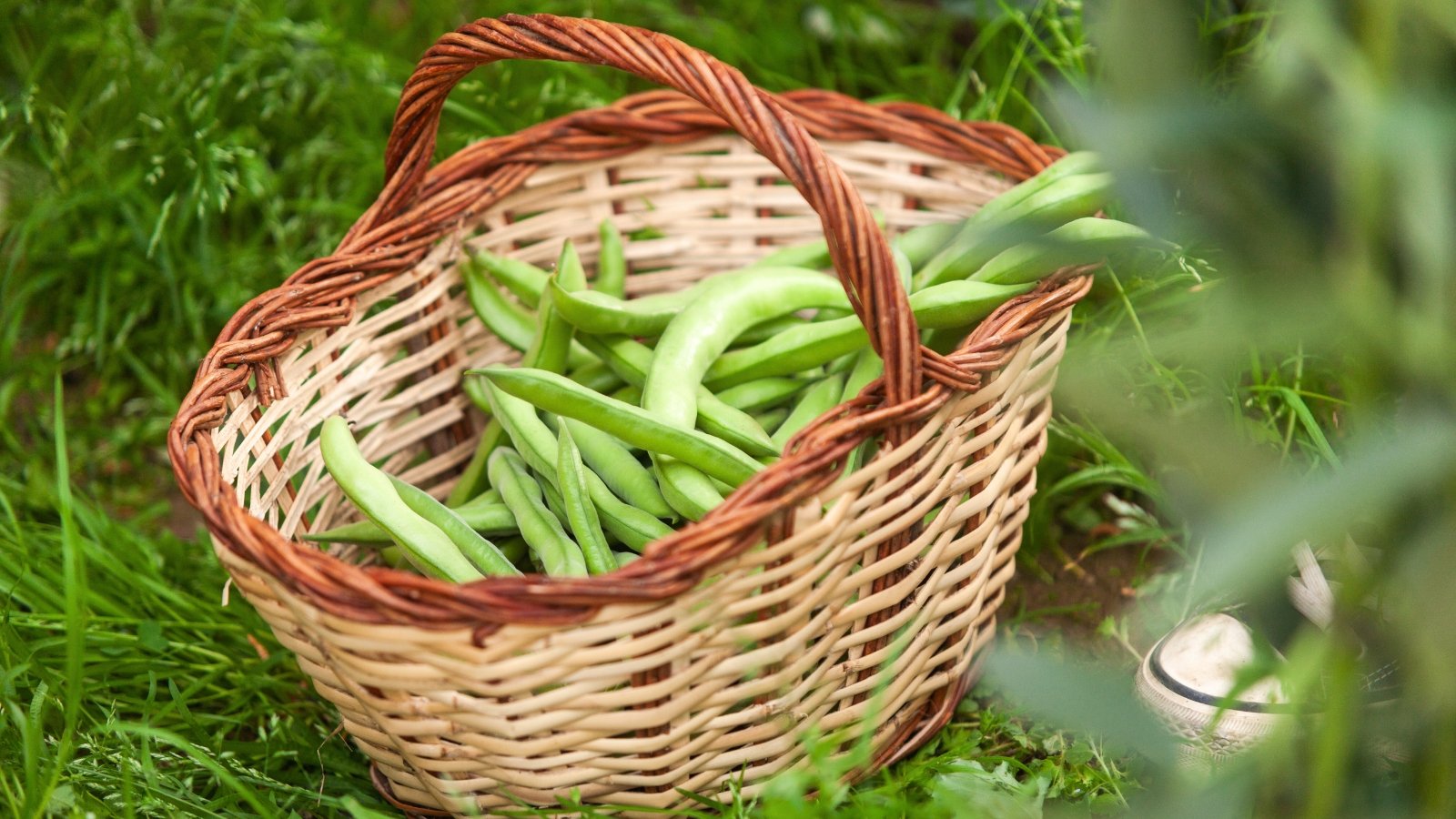
Fresh green beans at the store are often expensive and frequently past their best. They don’t keep well, which is why canned and frozen options tend to be cheaper. But growing your own gives you access to beans at their absolute peak, when they snap cleanly and haven’t developed that leathery texture.
Pole beans are the better choice for a garden to feed a family because they produce over a longer period than bush varieties, giving you a steady harvest rather than one big harvest. They grow vertically, so they don’t take up much ground space. And whatever you can’t eat fresh freezes well.
Peppers

Bell peppers, especially the colored ones, are consistently some of the most pricey vegetables per pound at the grocery store. But they are also one of the most versatile, great for eating fresh or roasted. That’s why these are a perfect garden addition to feed a family on a budget.
A single pepper plant typically produces six or more fruits over the season. Let some ripen past green to yellow, orange, or red for the sweetest flavor (and the biggest cost savings, since those color stages are what you pay a premium for at the store). Hot peppers are even more productive. One jalapeno plant can produce dozens of peppers, enough to use fresh, pickle, freeze, and still have surplus for hot sauce if you’re inclined.
Because you don’t get many fruits per plant, it’s good to grow a couple of different varieties. They don’t take up much space, so you can often mix them in with other crops.
Garlic

Garlic is cheap to buy in bulk, so this one isn’t about saving a fortune per bulb. It’s about quality and the varieties you can access.
Supermarket garlic is almost always the same soft-neck type, often imported and sometimes treated to prevent sprouting. When you grow your own, you can choose hard-neck varieties with bigger, more flavorful cloves that you simply can’t find in stores.
Plant cloves in fall and they’ll be ready to harvest the following summer with very little maintenance in between. Each clove produces a full bulb. Save some of your best bulbs to replant the next year and you never need to buy seed garlic again. The cost drops to essentially zero.
Kale and Swiss Chard
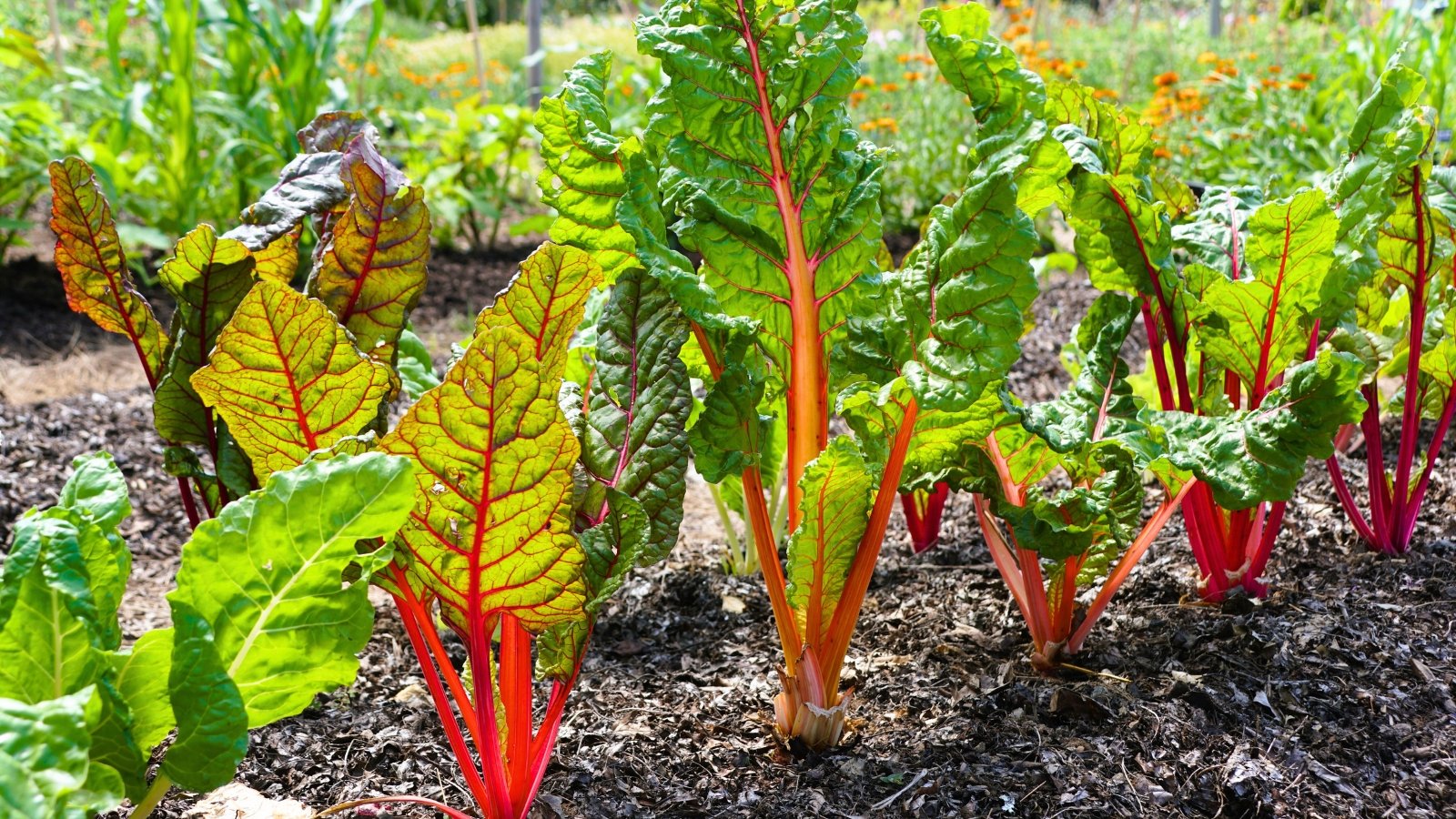
Both of these are cut-and-come-again crops, which means you harvest outer leaves and the plant keeps producing from the centre. A single sowing can keep you in cooking greens well into fall, and sometimes through winter in milder climates.
The budget value here is in the longevity. One planting replaces months of buying bags of greens. Kale in particular is almost absurdly hardy. It handles frost, heat, neglect, and still keeps pushing out leaves. If you’ve ever bought a bag of pre-washed kale at the store (expensive and often tough), growing your own delivers a completely different product. Young, tender leaves picked fresh are milder and more versatile than anything you’ll find in plastic packaging.
Winter Squash
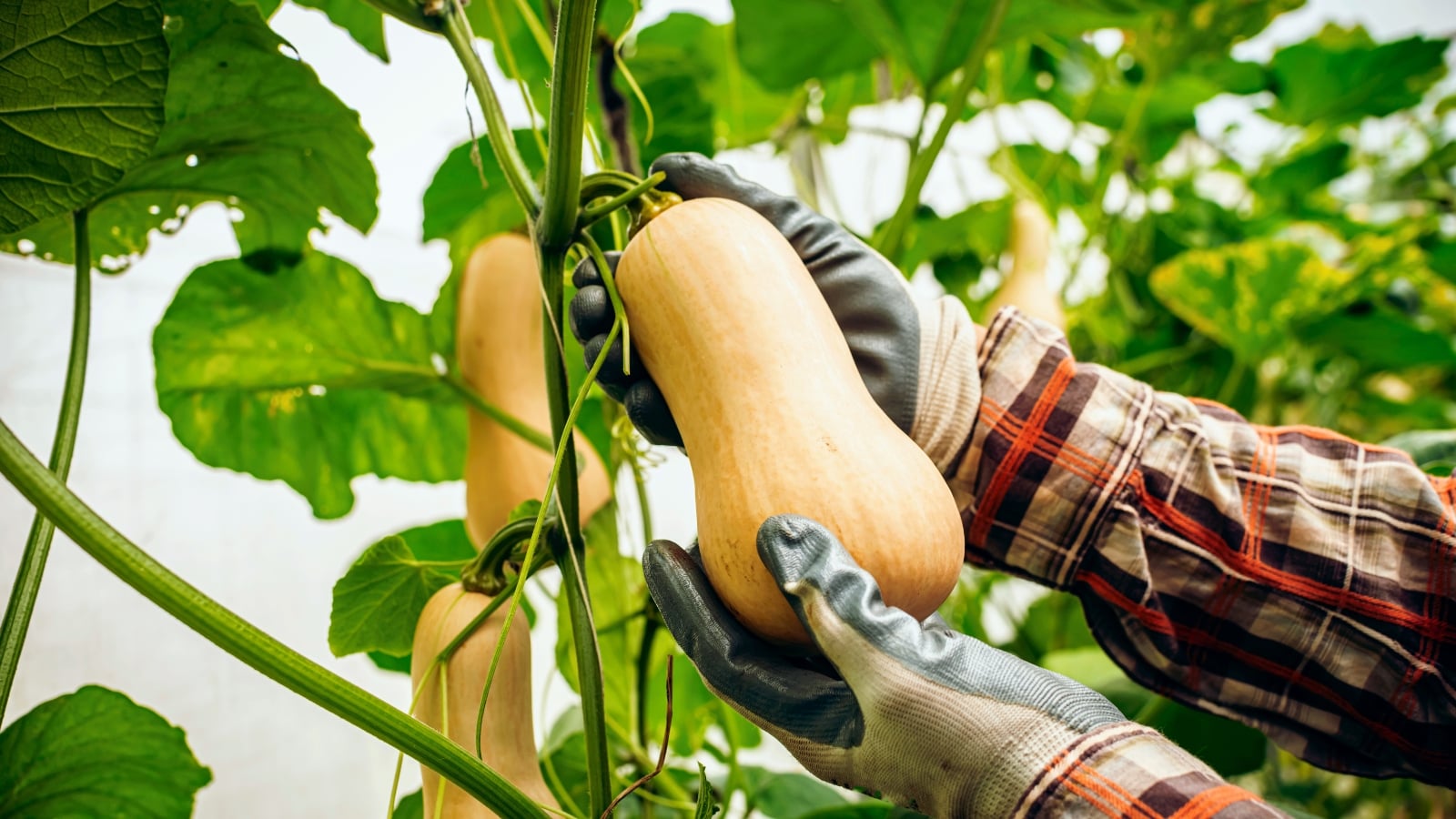
Unlike zucchini, winter squash takes its time. But what you get in return is a crop that stores for months in a cool, dry spot without any processing at all. No canning or freezing needed. Just whole squash sitting on a shelf, ready to cook whenever you want them.
Butternut, acorn, and delicata are all reliable choices. Four or five plants can produce 20 to 40 squash depending on the variety and conditions, which is enough to carry you through winter. The vines do need room to sprawl, so this isn’t ideal for small spaces. But if you have a patch of garden that isn’t doing much, winter squash will fill it productively.
Cucumbers

Cucumbers produce heavily from just a few plants, especially when grown on a trellis where the fruits hang down and stay clean and straight. Expect ten to 20 cucumbers per plant over the season, which adds up quickly.
The real value beyond fresh eating is in pickling. If you grow a pickling variety alongside a slicing type, a productive season can give you enough to put up jars of pickles that last through winter. A few dollars in seed plus some vinegar and spice turns into something you’d pay several dollars per jar for at the store.
Strawberries
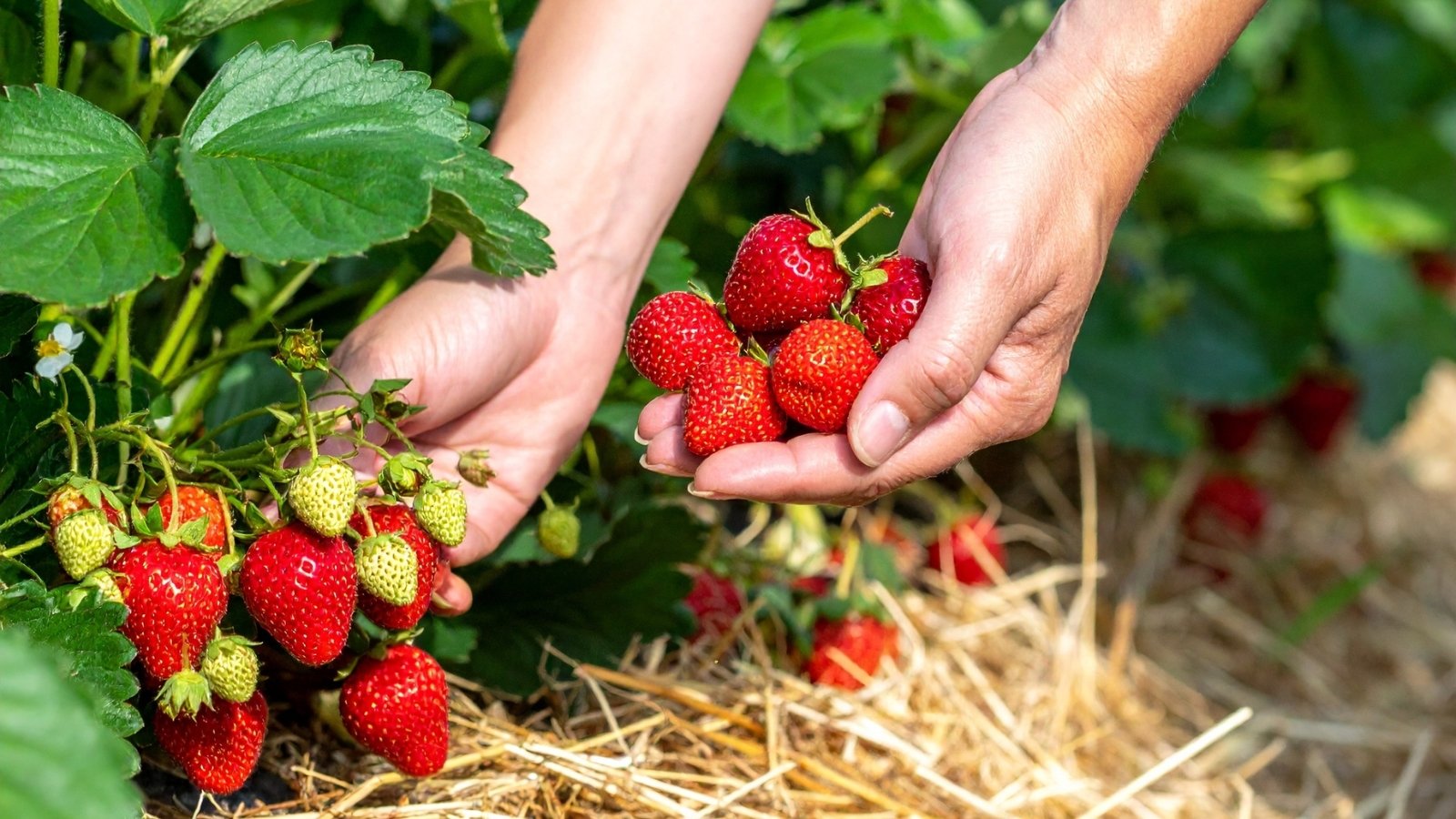
Strawberries are a longer play than the other crops on this list, but they earn their spot. A well-maintained strawberry patch produces year after year, and the fruit is expensive to buy, especially if you want organic. The price of all berries (not just strawberries) seems to keep going up year after year.
June-bearing varieties give you one large harvest in early summer. Everbearing types produce smaller flushes from spring through autumn. Either way, once the plants are established (which takes a season), the ongoing cost is minimal.
The runners they send out create new plants for free, so your patch expands naturally over time. A bed that starts with a dozen plants can double in a year or two without spending anything more.