9 Garden Plants to Start From Seed in April
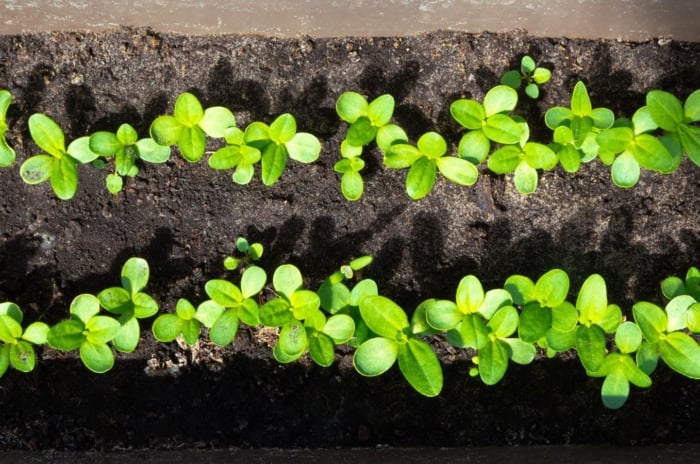
April is prime sowing time for many garden plants, both indoors and out. You have plenty to choose from if you want to start growing this month. Gardening expert Madison Moulton lists a few garden plants you can sow now.

Contents
Every sowing decision in April hinges on your last frost date, whether you want to plant vegetables or flowers. It tells you what can go in the ground now, what needs another few weeks indoors, and what’s safe to direct sow without protection.
For most of the United States, April falls somewhere in the window between “soil is workable but still cool” and “frost risk is almost gone.” It might be your last chance to plant cool-season crops, while warm-season crops can start indoors or, in milder climates, go straight outside. And a handful of flowers and herbs are ready to sow the moment conditions cooperate.
If you haven’t started sowing yet, or you want to continue what you started in March, here is a list of plants to start from seed in April. Always start with your zone to decide what to plant and how.


Eggplant

Eggplant needs a long, warm growing season, which is why April is the last time to start seeds if you haven’t already. The seeds need warmth to germinate, ideally 75 to 85°F (24 to 29°C), so a heat mat makes a real difference. Without one, germination is slow and patchy.
Transplant outdoors one to two weeks after your last frost, once nighttime air temperatures stay above 60°F (16°C). Eggplant is even more cold-sensitive than tomatoes, so rushing it outside almost always backfires.
Harvest while the skin is still shiny. Once it turns dull, the seeds inside are overdeveloped and the flesh turns bitter. ‘Black Beauty’ is a reliable choice that’s been around since the early 1900s, producing glossy, deep purple fruit on productive plants.
Zinnias

Zinnias are one of the easiest flowers to grow from seed, and one of the most rewarding. They germinate fast and bloom within two months, a great choice for impatient gardeners. Direct sow one to two weeks after your last frost. There’s usually no major benefit to starting them early indoors, and they perform much better when direct sown anyway.
Water at the base, not overhead. Wet leaves are an open invitation for powdery mildew, which is the one problem zinnias consistently develop by late summer. Good spacing helps too.
If you’re growing them for cut flowers, ‘Benary’s Giant Blend’ produces blooms up to six inches across on long, sturdy stems in a wide range of colors.
Cucumbers
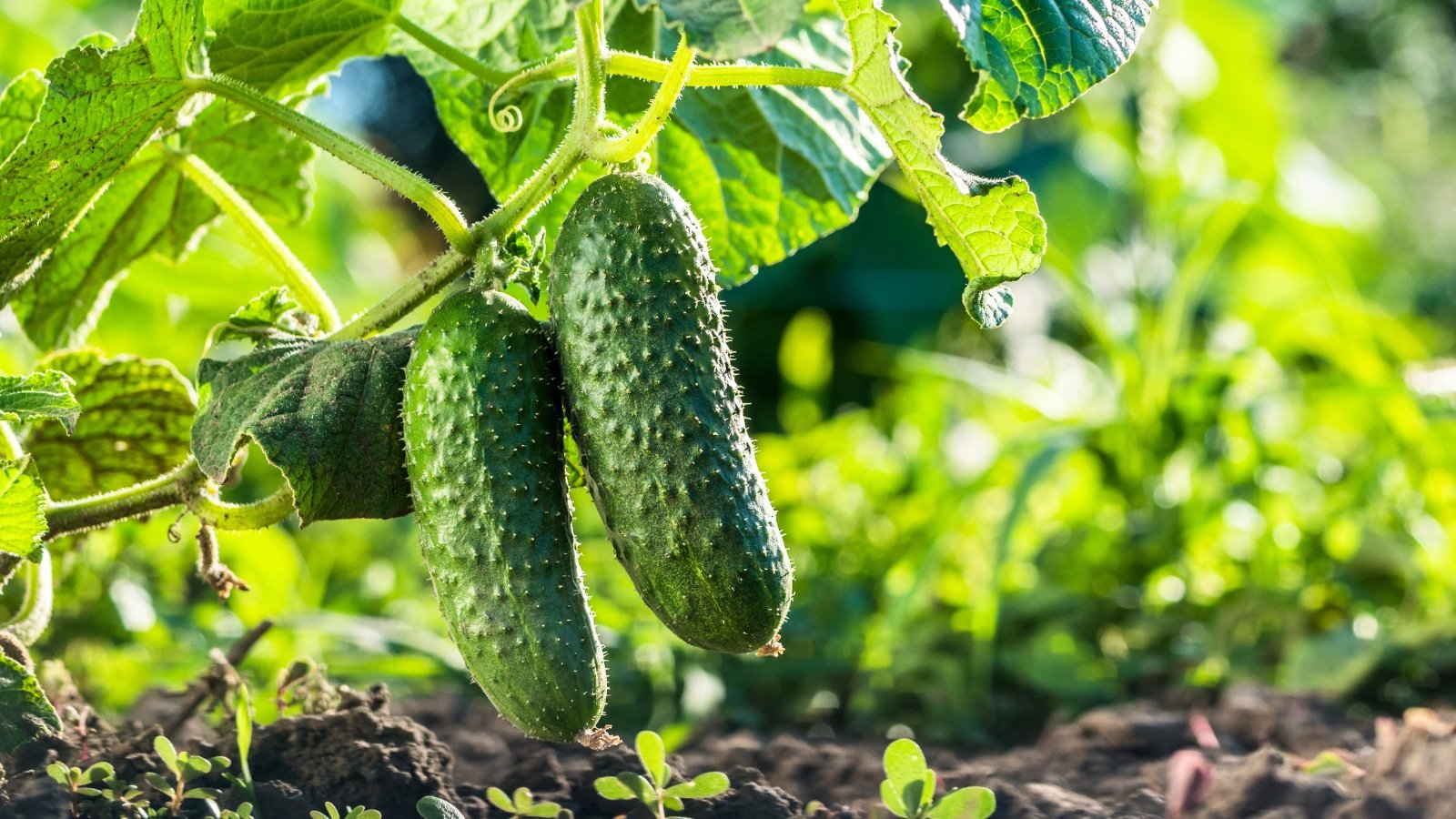
Cucumbers are warm-season crops that go in the ground after your last frost, once the soil temperature is at least 60°F (16°C). They grow fast once conditions are right and can produce heavily over a long season if you stay on top of harvesting. Leaving mature fruit on the vine signals the plant to slow down, so pick frequently.
The roots are sensitive to disturbance, which makes direct sowing the better option for most gardeners. If you want a head start in a short-season climate, start seed in April indoors two to four weeks before transplanting, but use biodegradable pots you can plant directly in the ground. A trellis saves space and keeps the fruit clean.
‘Lemon’ is an heirloom worth growing. The round, yellow fruit is mild, sweet, and has almost no bitterness.
Basil
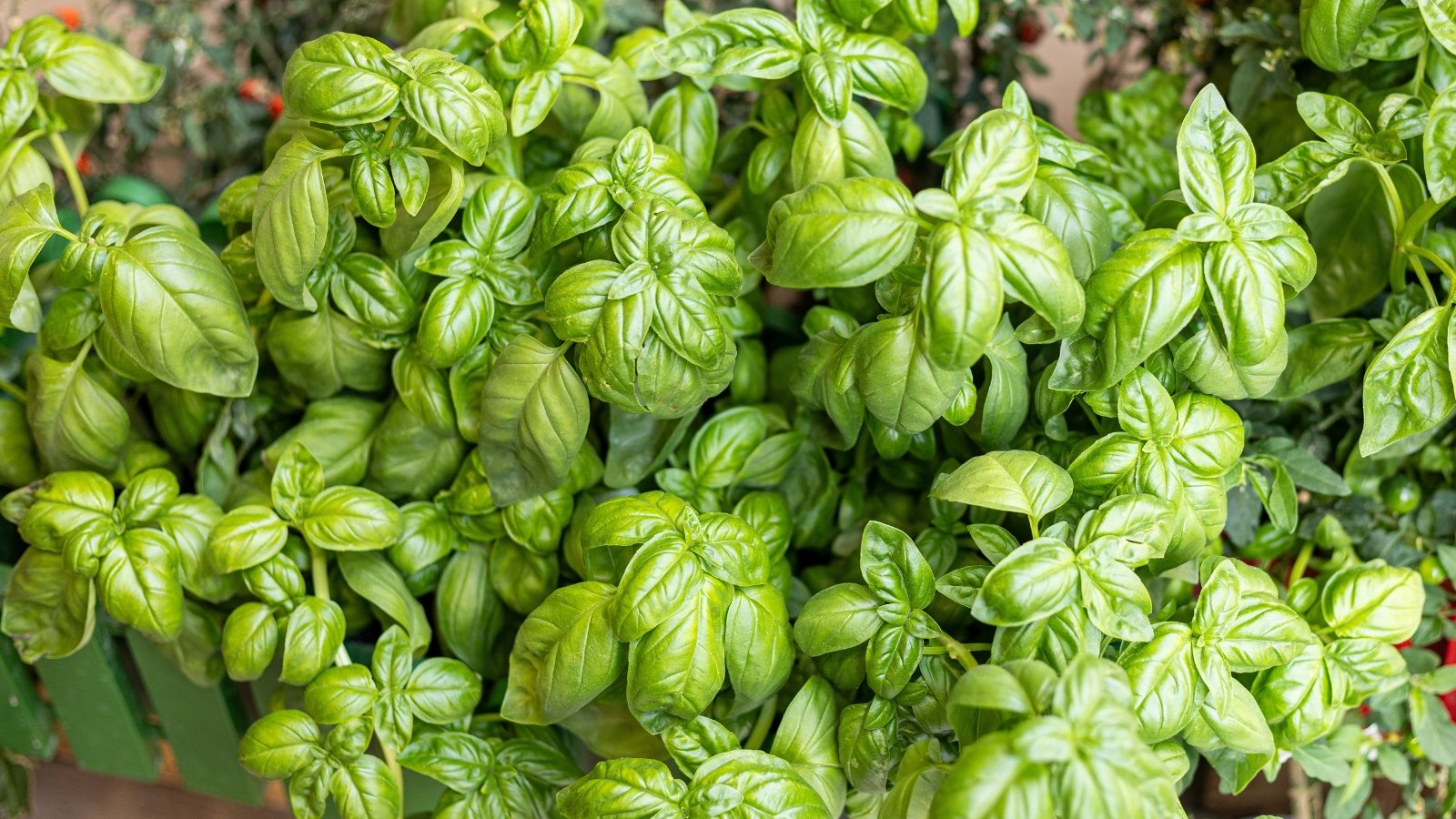
April is a good month to start basil indoors. It needs warm soil to germinate and can’t go outside until nighttime temperatures are reliably above 50°F (10°C). Even a few cool nights can stall growth. Start seeds four to six weeks before you plan to transplant.
In warm climates where April nights are already mild, direct sow once the soil is warm. Sow successive batches every three weeks to keep a fresh supply going into fall, since basil declines in quality once it flowers. Harvest up to a third of the plant at a time, cutting just above a leaf pair to encourage branching.
‘Italian Genovese’ is the classic pesto basil, with large, aromatic leaves and the deep flavor that other varieties get measured against.
Summer Squash

Growing summer squash will give you a bigger harvest than you know how to use, so it’s a great choice to feed a family on a budget. Direct sow one to two weeks after your last frost. Plant seeds an inch deep, and give smaller types at least three to four feet of space since even the compact varieties spread.
Check plants daily once they start producing. Squash go from perfect to oversized overnight, and harvesting regularly keeps the plant producing new fruit.
For a standard zucchini, ‘Black Beauty’ is a compact, reliable heirloom that’s been a garden staple since the 1920s. If you want something with more personality, ‘Costata Romanesco’ is an Italian heirloom with ribbed, gray-green fruit and a richer, nuttier flavor.
Nasturtiums

Nasturtiums perform better in poor soil than rich. Fertile ground produces lush leaves and very few flowers, which is the opposite of what you want. If you have a thin, unremarkable patch that nothing else seems to thrive in, nasturtiums will love it there.
Direct sow after your last frost. The seeds have a thick coat, so soaking overnight or nicking with a nail file before planting speeds up germination. Don’t start them indoors — they don’t transplant well and grow quickly enough from direct sowing that there’s no need.
The flowers, leaves, and seed pods are all edible, with a peppery bite similar to arugula, and they work well as companion plants in the vegetable garden for drawing aphids away from your crops. ‘Jewel Blend’ is a compact, mounding variety with semi-double blooms in a warm range of reds, oranges, and yellows.
Carrots
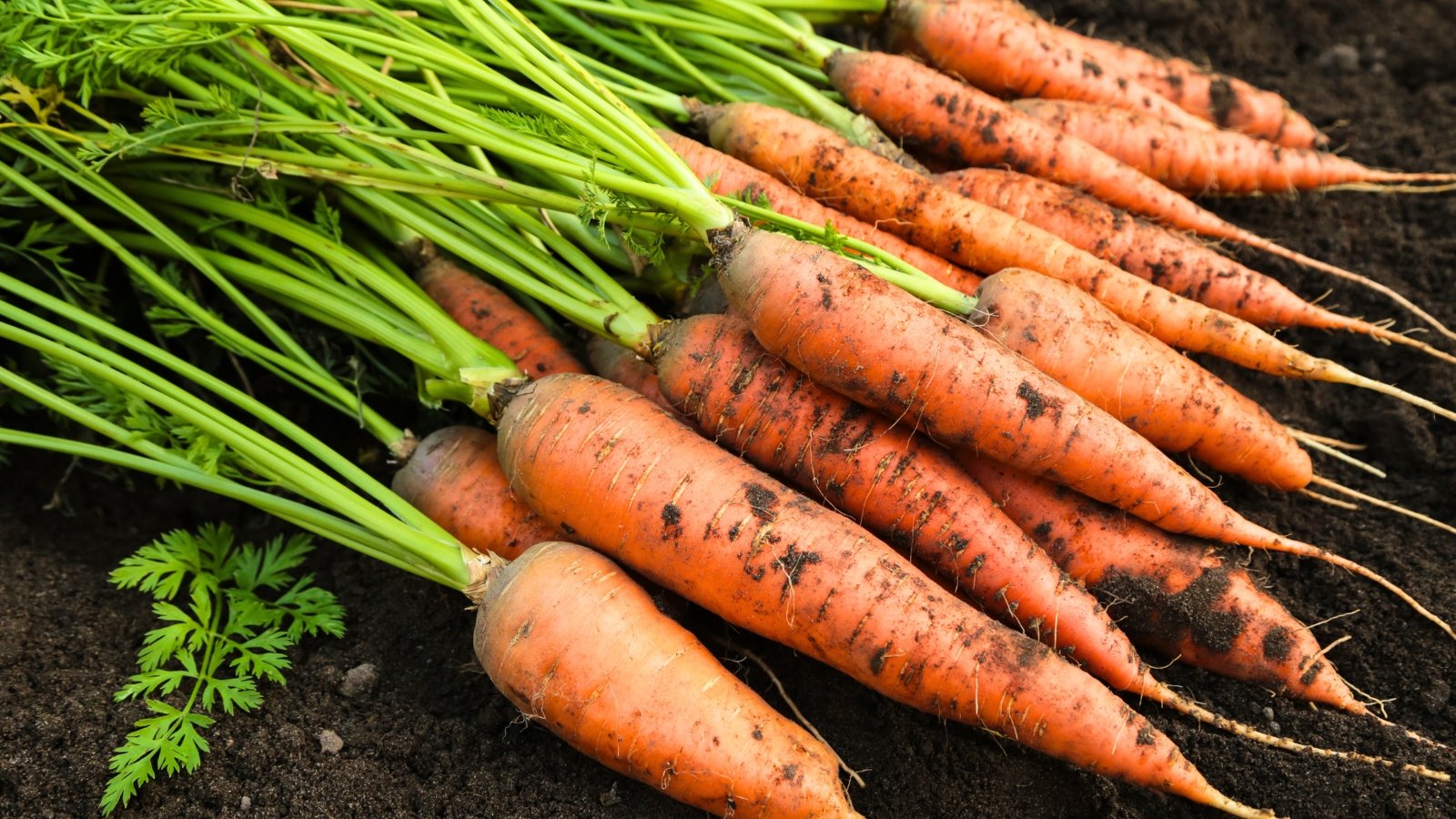
Carrots are a cool-season crop ready to sow two to four weeks before your last frost date, as soon as the soil is workable. The seeds are tiny and slow to germinate, so keep the soil consistently moist during that period. If the surface dries out and crusts over, the seedlings won’t push through.
Thin to two inches apart once the seedlings are about an inch tall. Crowded carrots produce undersized roots, and this is the step most people skip. Loose, well-drained soil gives the best results, especially for long-rooted varieties.
If your soil is heavy or rocky, ‘Tonda di Parigi’ is a good option. It produces small, round roots about two inches across that don’t need deep soil to develop properly, making it one of the better choices for containers and clay soil.
Sunflowers

Sunflowers are fast, dramatic, and genuinely one of the easiest things you can grow from seed. Direct sow one to two weeks after your last frost. Plant seeds an inch deep and about two feet apart in the sunniest spot you have. They’ll germinate quickly and grow visibly day by day once the weather is warm.
Beyond the display, the seeds are worth harvesting for eating. Once the back of the flower head turns brown and the petals drop, cut the head and hang it upside down in a dry spot to finish.
‘Mammoth’ is the classic giant variety, reaching 9 to 12 feet tall with flower heads up to a foot across. In windy areas, staking helps once they hit full height, but the stems are thick enough that most plants hold up on their own.
Cosmos

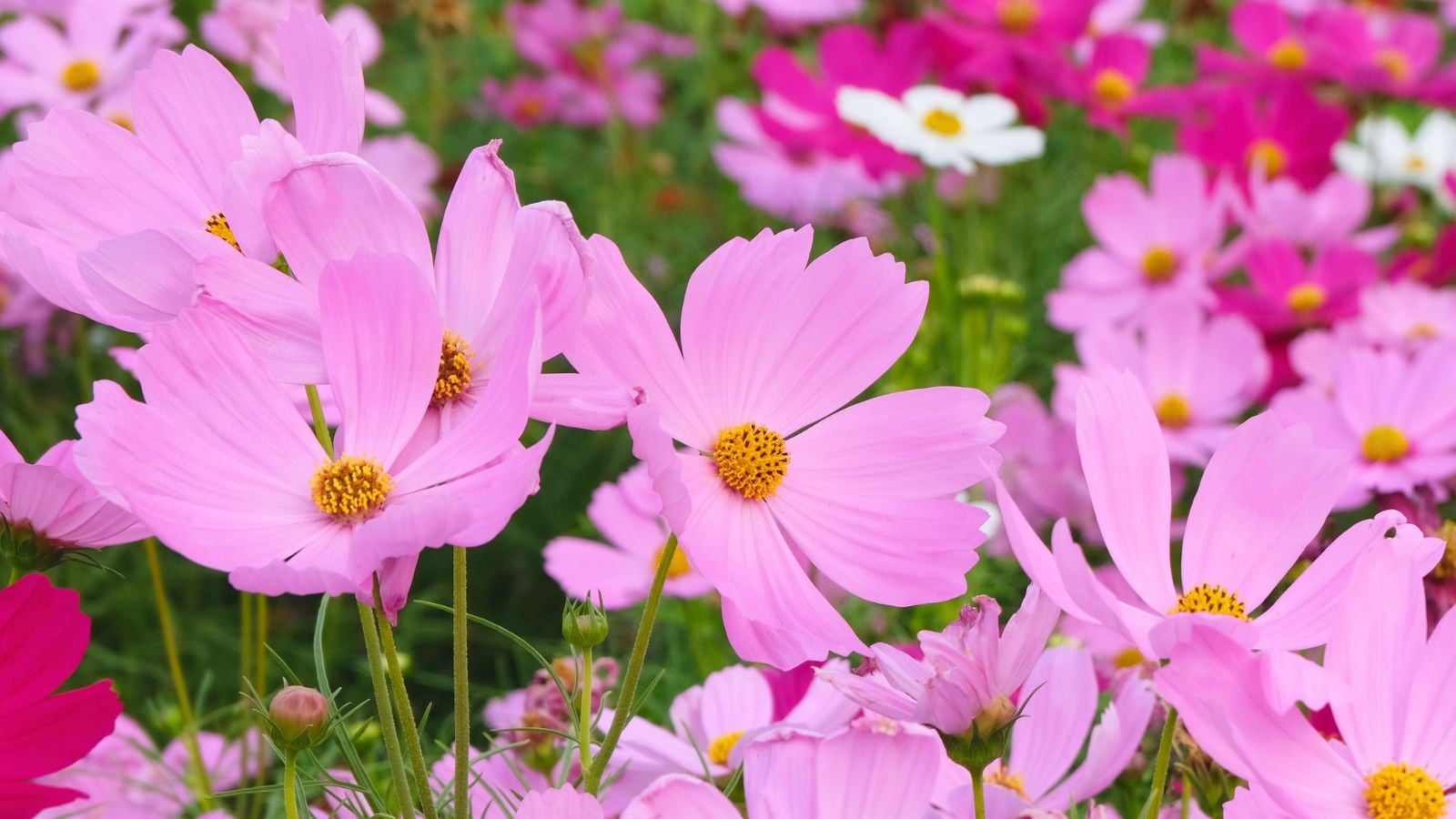
Cosmos are the flowers for people who forget to water. They prefer lean soil and infrequent irrigation, blooming more heavily in poor ground than in a well-amended bed. Overfeeding produces tall, floppy plants with plenty of foliage and disappointingly few flowers.
Direct sow one to two weeks after your last frost. Barely cover the seeds, as they need some light to germinate. That’s about all the instruction you need. They grow fast, bloom from midsummer until frost, and self-sow reliably enough that you may only need to buy seeds once.
The lacy foliage and daisy-like blooms attract butterflies and beneficial insects, and they make excellent cut flowers with a long vase life.