Plant These Seeds Directly in the Ground in April
April is a great time to direct sow many popular crops. If you don’t want to go to the effort of sowing indoors first, simply pop these seeds directly in the ground now and wait for them to emerge.

Contents
You can start plenty of seeds indoors every year, but some of the most productive plants never have to see a seed tray. They go straight into the ground, and they’re better for it.
Root crops that don’t like having their roots disturbed need to be direct sown. Fast growers catch up to transplants within a couple of weeks and don’t benefit from the extra work of indoor sowing. For all of these, the indoor start is more of a hindrance than a help.
April gives you a wide window for direct sowing. Cool-season crops can go in the ground right now, even before your last frost. Warm-season crops follow a few weeks later, once the soil has warmed up. Between those two categories, there are plenty of seeds to plant in the ground in April.

Long Standing Santo Cilantro/ Coriander
Long Standing Santo Cilantro/Coriander Seeds
Peas

Peas are a cool-season crop. Once daytime temperatures consistently hit 80°F (27°C), most varieties stop setting pods. That makes April the sweet spot in most climates, because it’s warm enough for good germination, but cool enough for a long harvest window.
Sow about an inch deep and two inches apart, two to four weeks before your last frost date. Even a light frost won’t bother them. They’ll need something to climb as they grow, but it doesn’t need to be elaborate.
Pods left on the vine too long signal the plant to stop producing, so harvest as soon as they’re plump. If you’re not sure where to start with varieties, ‘Sugar Snap’ is a solid all-purpose choice with thick, sweet pods you can eat whole, shell, or toss straight into a stir-fry.
Radishes
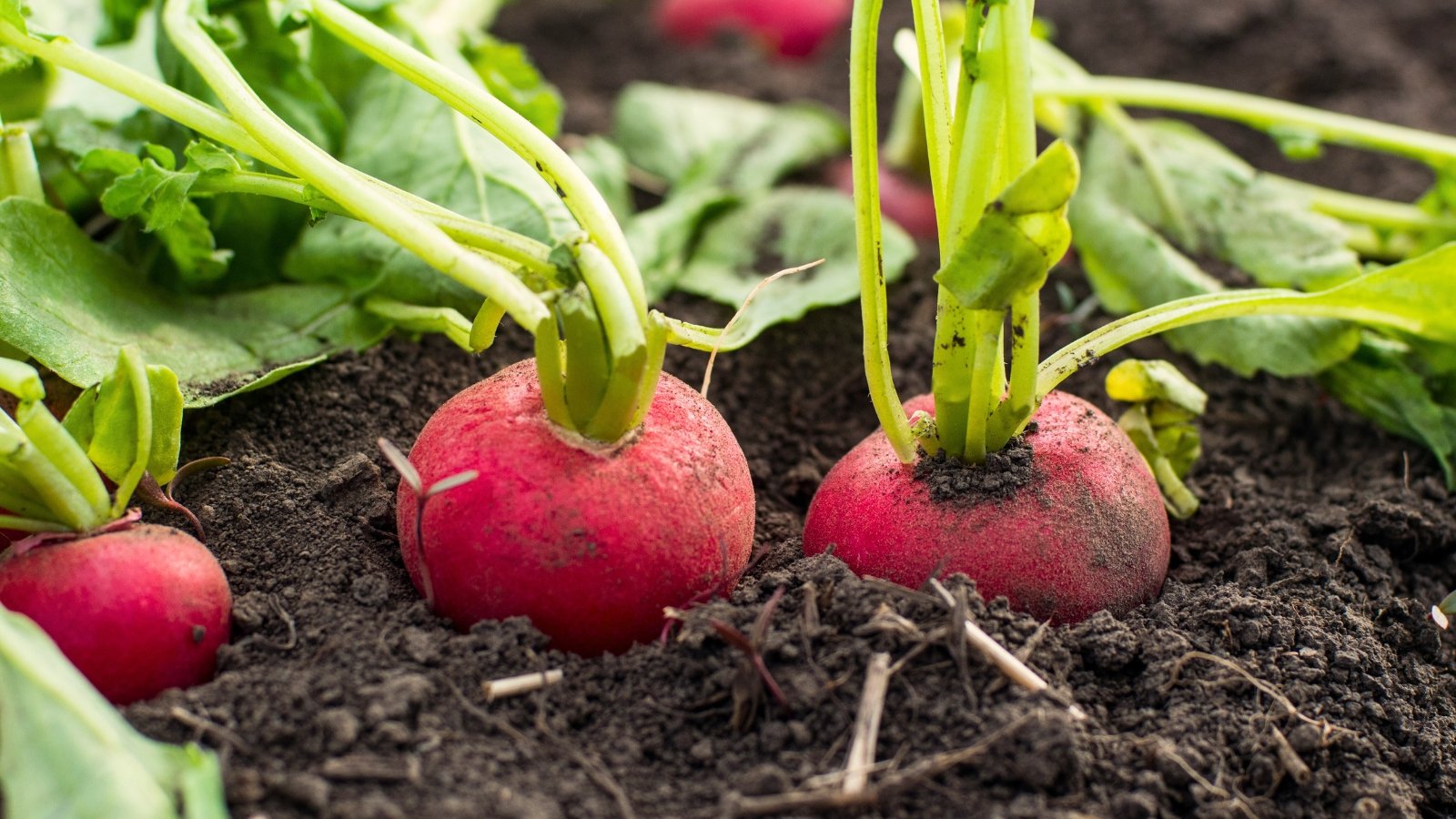
Spring radishes are the fastest crop you can grow from seed, roughly four weeks from sowing to harvest. That speed makes them useful for filling gaps between slower crops or marking rows of seeds that take longer to germinate, like carrots.
Sow a quarter inch deep in any open space and thin to about two inches apart once the seedlings are up. The one thing to watch is timing your harvest. A radish that’s a perfect, crisp bite at three weeks can turn woody and unpleasantly hot a week later. Pull them while they’re still on the small side and sow a fresh batch every couple of weeks.
Carrots
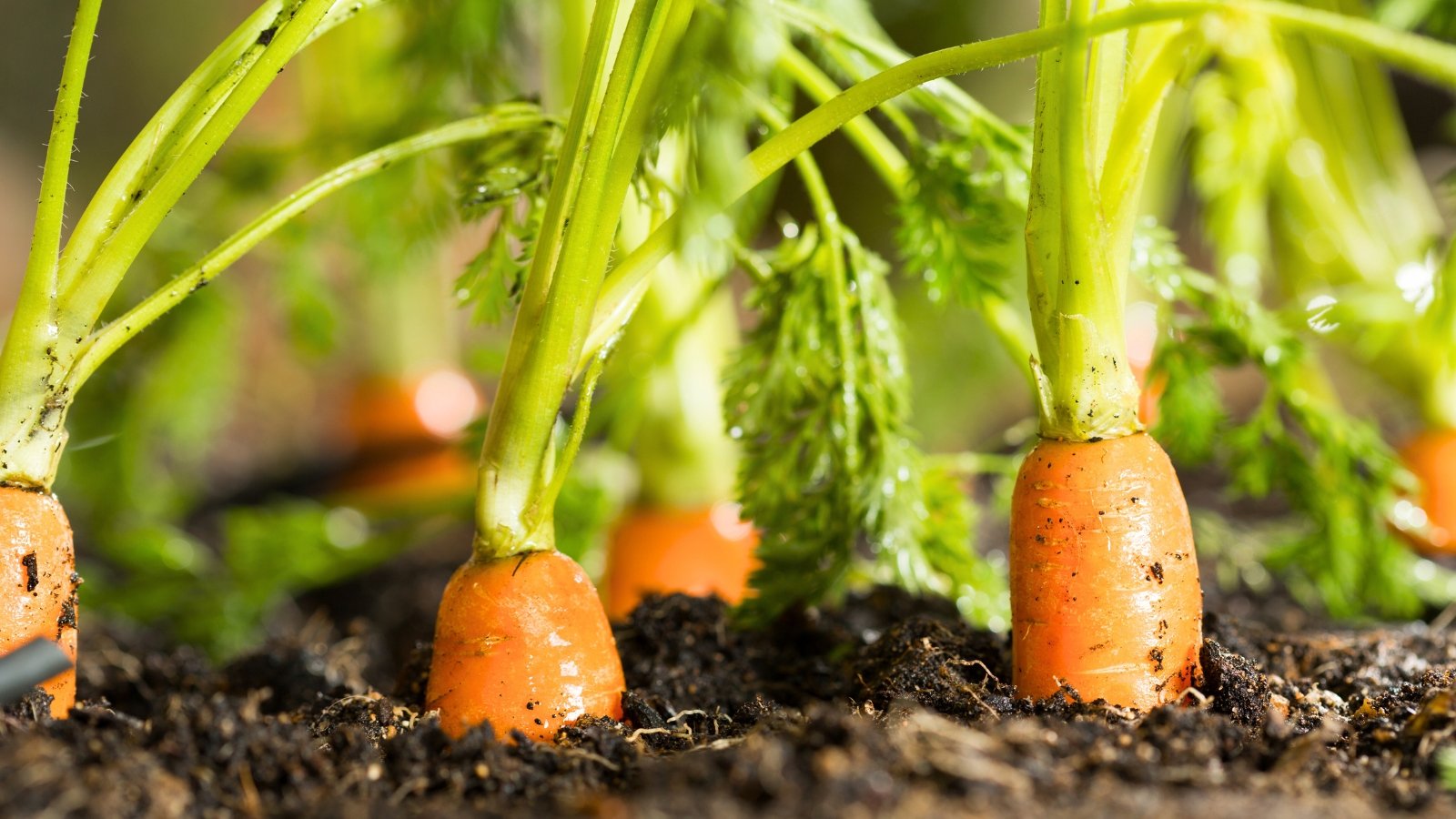
Carrots are one of the most well-known crops that don’t transplant well. The taproot is the harvest, and any disturbance to it tends to produce forked, stunted, or deformed roots. Direct sowing is really the only reliable option.
Plant seeds in the ground in April, two to four weeks before your last frost. Once they’ve germinated, thin to two inches apart by snipping the extras at soil level. Pulling disturbs the roots of the ones you’re keeping.
If you’re dealing with heavy or rocky soil that makes growing long varieties frustrating, a round-rooted type like ‘Tonda di Parigi’ avoids the depth issue entirely. It produces golf-ball-sized roots that develop just below the surface.
Lettuce
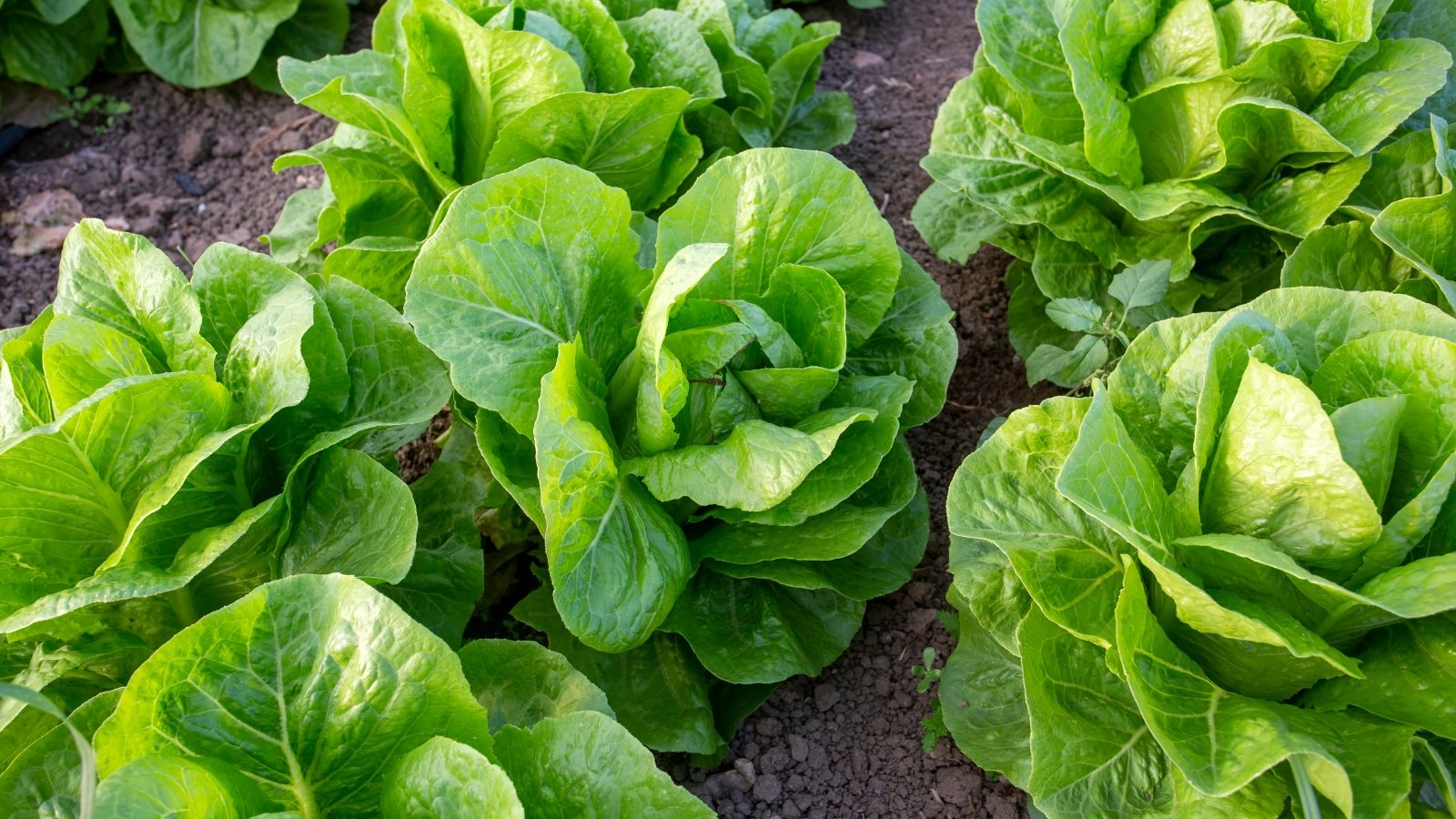
Lettuce is one of the earliest crops you can sow outdoors, and succession planting is the key to getting the most from it. A single sowing gives you about two weeks of good harvesting before the plants either get eaten up or bolt. If you sow a short row every 10 days starting as early as the soil is workable, you’ll have fresh salad greens continuously from spring into early summer.
The seeds need light to germinate, so press them into the soil surface rather than burying them. Keep the bed moist until they sprout, which usually only takes about a week. If you’re in a warmer climate where lettuce tends to bolt early, look for bolt-resistant varieties and provide some afternoon shade to stretch the harvest further into the season.
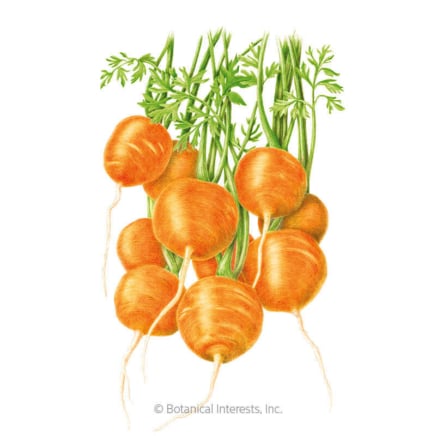
Cilantro
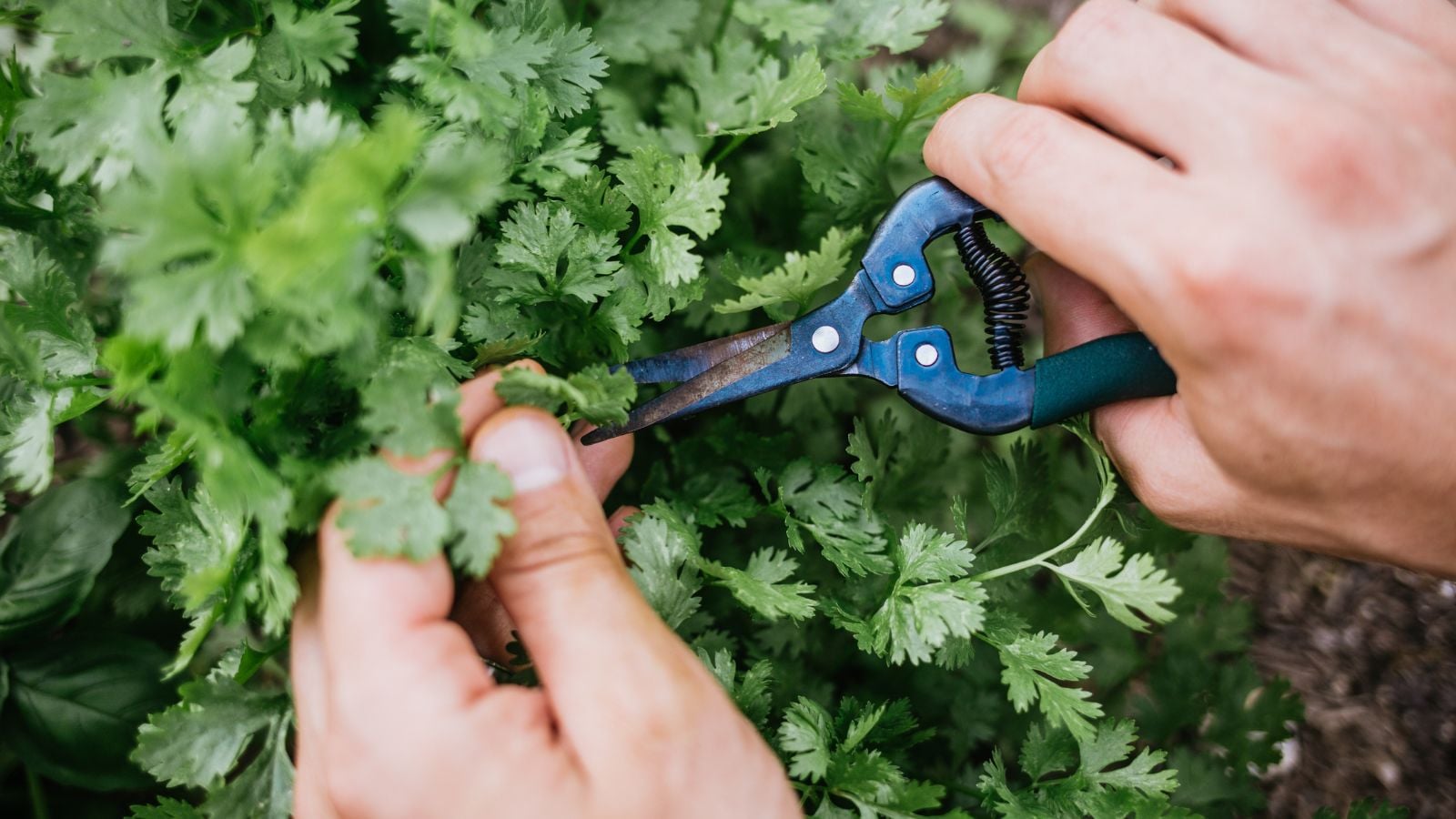
Cilantro is one of those herbs that does better sown directly outdoors than started indoors. The temperature shock from a warm growing environment to cool garden soil tends to trigger bolting, and once it flowers, the leaf flavor declines. Sow directly in the ground a few weeks before your last frost and let it come up in the cool conditions it prefers.
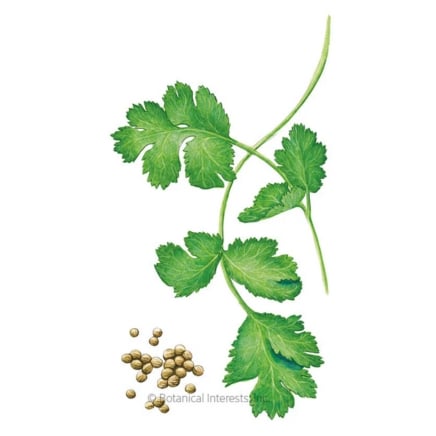
Harvest leaves early and often to extend the productive window. When it inevitably bolts (and it will, usually within a few weeks of consistent warm weather), let it go. The dried seeds are also worth collecting.
The plant will also self-sow for a second crop in fall without any help from you, so you don’t need to worry about sowing again season after season.
Bush Beans

Bush beans won’t tolerate cold, wet soil. Seeds planted too early tend to rot in the ground before they ever germinate. Wait until one to two weeks after your last frost, once the soil has warmed to at least 65°F (18°C), and germination should be fast and even.
Plant an inch deep, three to four inches apart. The seedlings don’t handle transplanting well, and the plants grow so quickly from direct sowing that any head start from a tray is lost within a week or two anyway. Sowing a new batch every couple of weeks extends the harvest season.
‘Contender’ has been a reliable performer since 1949, with good heat tolerance and resistance to powdery mildew. It’s a great choice for both beginners and experienced gardeners.
Summer Squash

Summer squash is one of the most productive crops you can grow, to the point where two plants are probably enough for most families. Sow one to two weeks after your last frost, once the soil temperature reaches about 70°F (21°C). Plant seeds in the ground in April and give each plant at least three feet of space, as they need room to spread.
Harvest when the fruit is still on the small side. The skin is more tender, and the seeds are less developed at that stage.
If you’ve only ever grown standard green zucchini, it’s worth trying ‘Costata Romanesco’ at least once. The ribbed Italian heirloom has a nuttier, denser flavor than typical zucchini, and it produces large blossoms that are excellent for stuffing.
Sunflowers
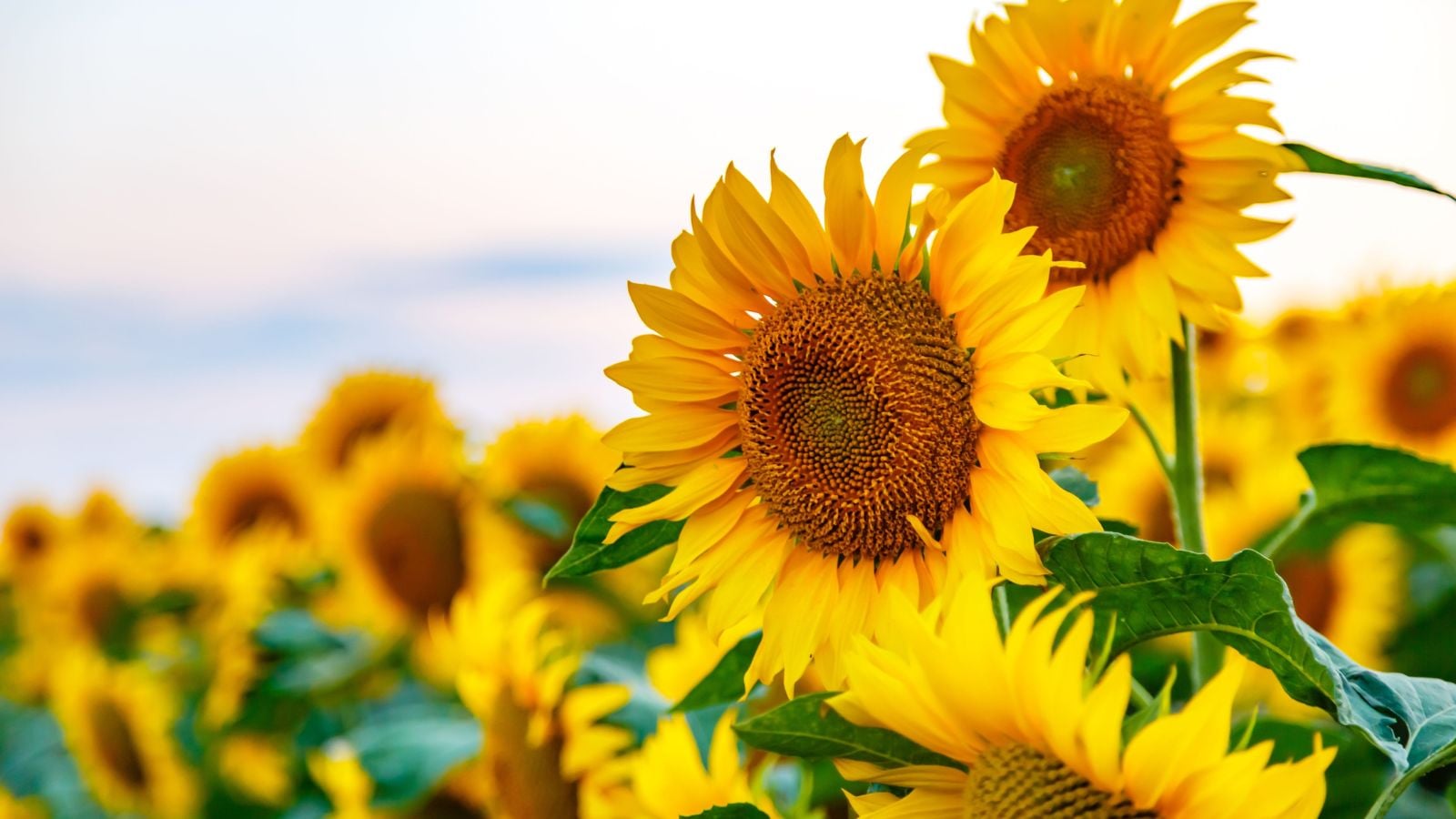
Sunflowers are among the easiest flowers to direct sow, and one of the most rewarding. Germination takes less than a week in warm soil, and the plants grow fast enough that you can practically watch it happen.
In exposed spots, staking taller varieties can help keep them upright, though most stems are sturdy enough on their own. If you’re growing for seed harvest, cut the head once the back turns brown and the petals have dropped, then hang it upside down somewhere dry to finish.
‘Mammoth’ produces the biggest heads, often reaching a foot across on plants that top nine feet. These are ideal if going big is the goal.
Nasturtiums

Nasturtiums are one of the few garden plants that perform best in poor soil. Rich, well-amended ground produces plenty of foliage but very few flowers. If you have a thin, dry spot in the garden where other plants struggle, plant these seeds in the ground in April.
Sow after your last frost. The seeds are large but have a thick coat, so soaking them overnight helps speed things up. These don’t transplant well, and they grow fast enough from direct sowing that there’s nothing to gain from it.
Everything on the plant is edible (flowers, leaves, and seed pods), with a peppery kick that works well in salads. ‘Jewel Blend’ stays low and mounded if you want something compact.