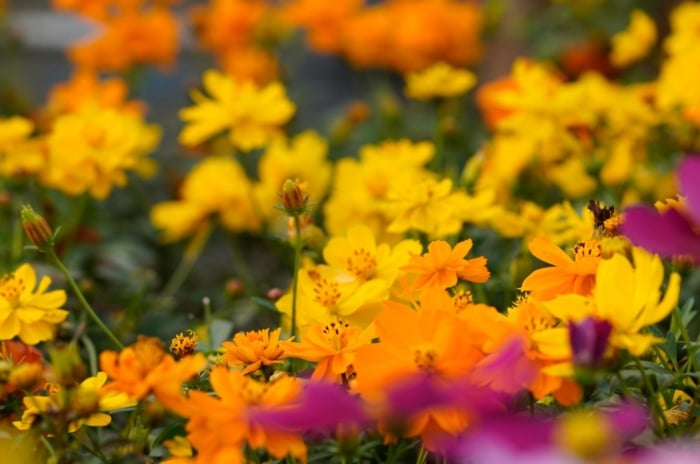
How to Mix Sunflowers and Zinnias for a Pollinator Paradise
They’re both attractive to pollinators, so it makes sense to want to mix sunflowers and zinnias in your garden. Do this, and you’ll create a paradise for bees, butterflies, hummingbirds, and more. Experienced gardener Sarah Jay discusses how to combine these two beautiful blooms effectively.

Contents
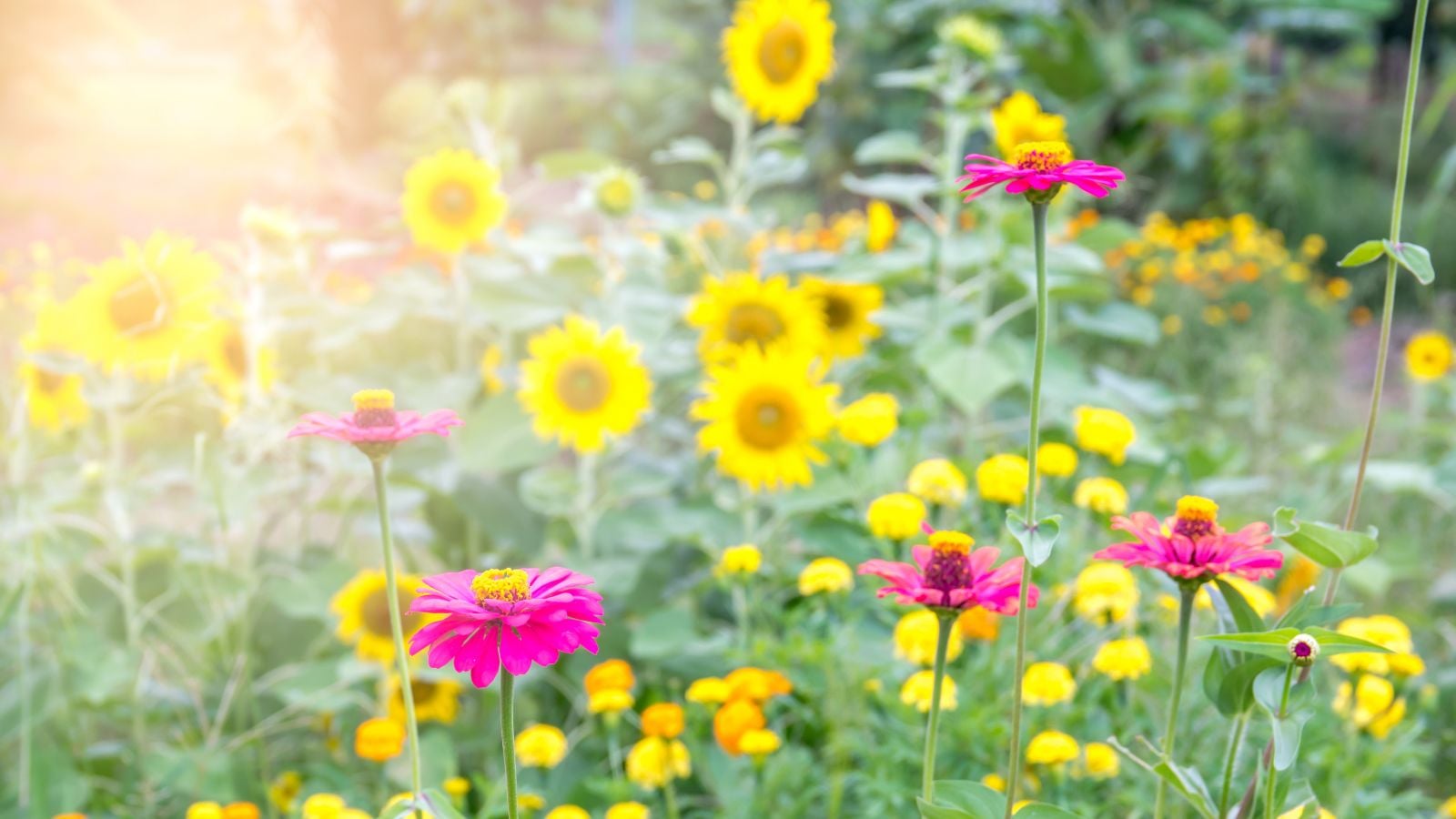
Mix sunflowers and zinnias, and you’ll have a pollinator haven. The composite blooms of both are perfect food for bees, wasps, butterflies, and hummingbirds, who sometimes swoop down for nectar. Plenty of other insects love both plants, and they’re a staple in the summer garden.
You could just scatter some seeds and cover them with soil, but if you plant more intentionally, your flower garden will really thrive. A little planning ahead of time, and some upkeep, will make it possible to have these blooms through summer, until the frost arrives in fall. Thoughtful variety selection helps, too!
Before you throw out some seeds, let’s cover a few particulars for a more intentional approach. If you do this once, you can let them seed out at the end of the season, and you’ll have next year’s garden already set up. Get them from seed to full bloom, and you’ll be happy you took the time to plan it out.

Zinnia Cut and Come Again Seed Shaker

Zinnia Cut and Come Again Seed Shaker

Step 1: Pick a Site

First things first: note how much space you have. We harp on this all the time here at Epic, but it really is the first thing you should do before you select plants and plant them. If you’re working with a large plot, you can grow more flowers than if you’re gardening in containers. If you have multiple beds to plant out, you may need a couple of seed packets of each type of flower. Make a note of the amount of space you have.
Aside from assessing the space, you should prep it for the area where you’ll mix sunflowers and zinnias. Both appreciate a loose, well-draining soil that’s relatively rich. I prep beds for cultivated flowers by removing any weeds or sod, and covering them with a good, well-draining potting soil or a mix of compost and grit. Perlite or agricultural sand are both great for drainage.
Ensure containers are filled with a good-quality potting soil. If you want to give your flowers a boost, add a handful of compost, worm castings, and azomite. These aren’t essential, but they’ll help the soil retain moisture more easily, and they’ll slowly feed the soil as your flowers grow.
Step 2: Choose Varieties

You assessed the space, and you prepped the site. Now it’s time to choose varieties suited to your growing area. If you’re growing in containers, select smaller varieties. For small sunflowers, look for an ‘Elves Blend’ or a ‘Sunspot’, both of which top out at two feet. In medium-sized containers, ‘Teddy Bear’ is a great choice, as it grows to three feet.
Larger sunflowers like ‘Earthwalker’, ‘Mongolian Giant’, and ‘Mammoth’ need at least two feet between each planting to thrive. The same goes for zinnias. Smaller types include ‘Thumbelina’ and smaller-statured plants like ‘Persian Carpet’. Larger varieties, such as ‘California Giants’, are better for areas where you can plant over multiple feet.
Consider the spacing you’ll need as you peruse varieties. One 12-inch container can probably handle one dwarf sunflower and one small zinnia. Most larger zinnias need at least a foot of space between each plant. Large sunflowers need two feet between plants. Use this as a metric to guide you.
Step 3: Plant Some Seeds
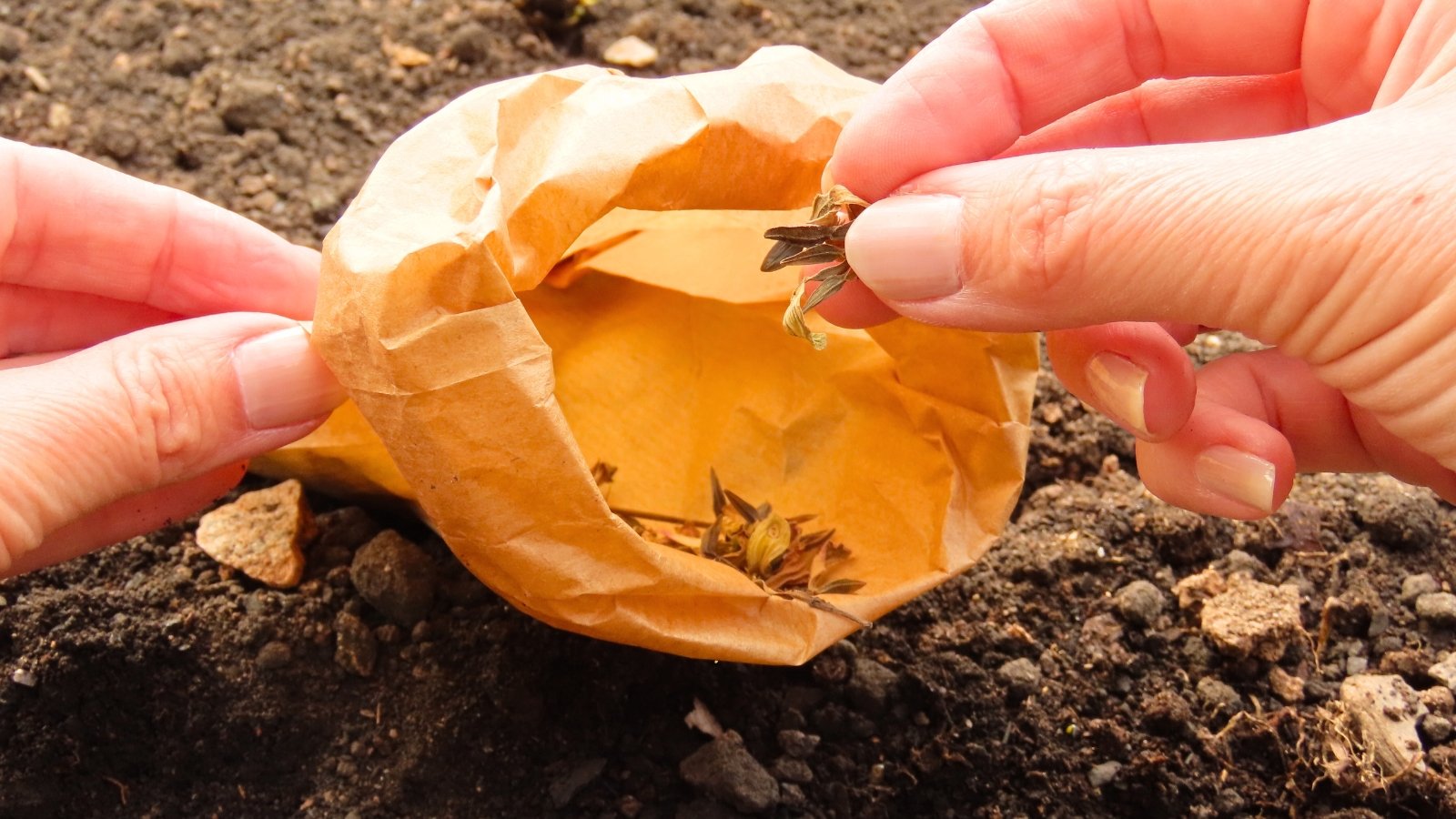
Once you purchase and receive your seeds, it’s time to mix sunflowers and zinnias in your planting area and get them growing. Thankfully, both can be sown at the same time. Wait for at least one to two weeks after your last frost to plant them in the ground. They can both be planted around the same depth, too, at ½ to ¼ inch.
Pay attention to your placement if you’re working in raised beds or in the ground. Whereas containers can be adjusted easily after planting, you won’t be able to change the orientation of the plants in larger beds. Therefore, keep taller plants at the backs of beds, and shorter ones toward the front.
Similarly, think about light exposure. Both plants need lots of sunlight to do their best in summer. So don’t shade out your zinnias by planting sunflowers in front of their light source. Once you get the placement right, plant those seeds and water them in. Both should sprout within a few days to a little over a week.
Step 4: Thin Them Out

Once they emerge, they need to be thinned. This is a very important step, as sunflowers are hungry, thirsty plants. If you plant them too closely to your zinnias or one another, their growth could be stunted. If you followed your Botanical Interests seed packet, you already planted at the correct spacing.
All you need to do is select the more viable seedlings and remove the others. Do this when your sunflowers are a few inches tall. When your zinnias are a couple of inches tall, thin them to one seedling each. I have personally found that zinnias are better about sharing resources, so a tighter spacing or less thinning is probably ok for them. Not sunflowers, though.
Step 5: Keep It Up

At this point, keep weeding your beds or containers if necessary. Water to keep the soil relatively moist. Once established, your mix of sunflowers and zinnias can handle some dry soil. But they’ll need regular watering if rain is scarce and it’s hot outside. The cool thing about growing taller sunflowers next to zinnias is that the larger plants shade out the soil, keeping it moist longer.
A little organic mulch locks in moisture through hot seasons, so don’t skip this step if you’re growing somewhere warm. Mulch also prevents weed growth, which cuts down on the work you have to do to keep up your patch. Scout for pests and diseases, knowing that there will certainly be insects in the mix. Chances are, there will be songbirds to help you with any harmful insects.
At the end of the season, you can let all the flowers seed out, and you’ll have plenty sprouting next spring. If you do this, be prepared to pull unwanted seedlings as they grow outside the bounds of your bed or container. You can also deadhead as the season goes on to collect ripe seeds and prevent unwanted spread. This promotes more blooms.