

7 Best Flowers to Plant for Pollinators in March
When it comes to planting pollinator flowers, March is a great time to get started. Whether you’re growing them from seed, or you have transplants to place in established beds, this time is optimal for helping them establish strong root systems and supporting pollinators through summer and into fall. Master Naturalist, Sarah Jay, covers 7 of the best ones to plant now.

Contents
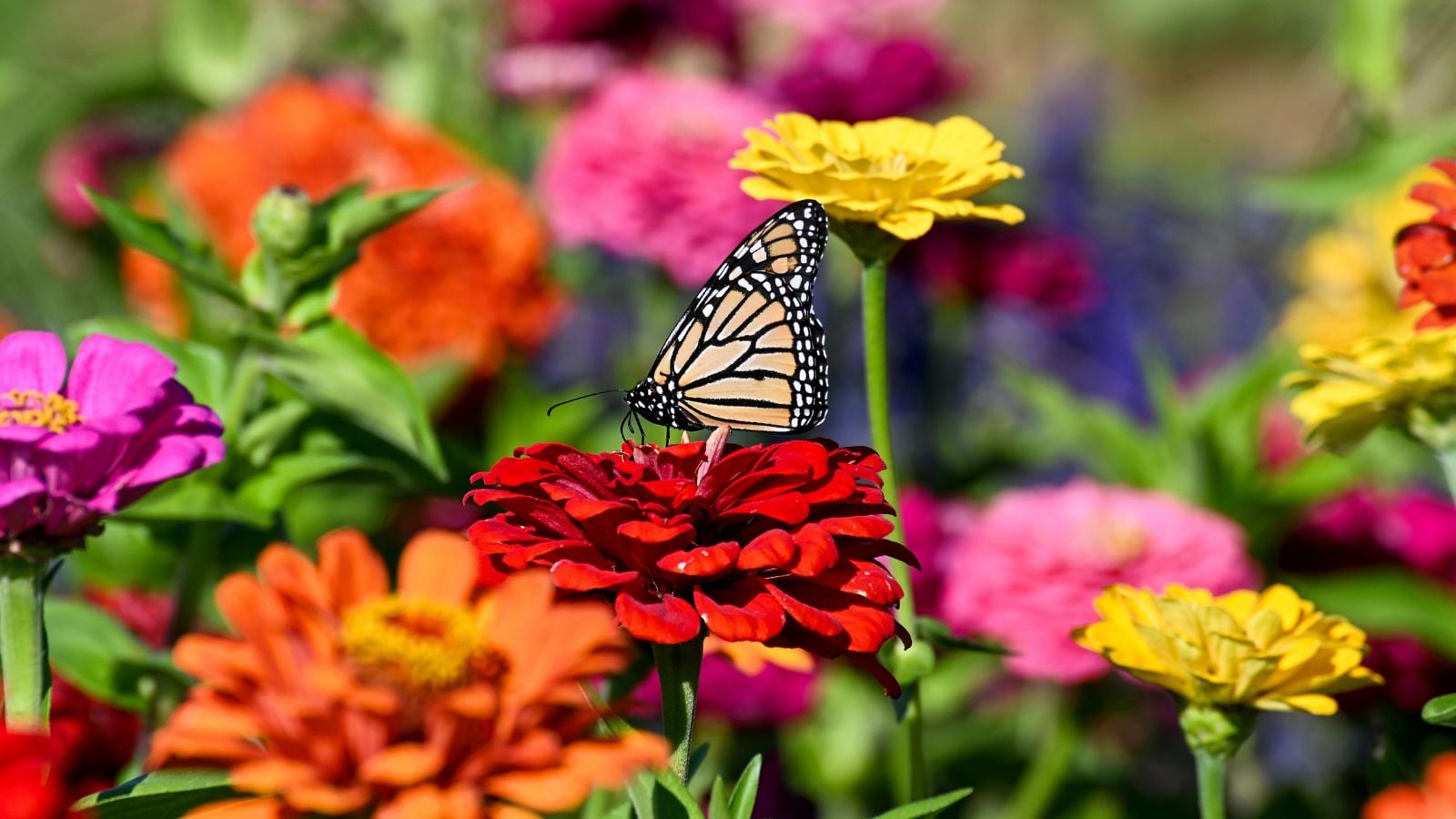
Every garden bed needs a wide variety of pollinator flowers. March is a great time to plant several of the flowers that bring in the birds, bees, butterflies, moths, beetles, flies, and other animals that are part of a biodiverse ecosystem. It’s worth mentioning how important pollinators are when it comes to the cultivated garden as well.
There are tons of natives you can include in your garden this year, and every year. Many are perennials, or readily seed themselves annually, giving you blooms season after season. Some of the plants that are great for pollinators are adapted to the local environment, too. Including a bit of each will improve the garden tenfold, boosting your morale and improving veggie and fruit yields.
On this list, we’ve included several native pollinator flowers for March that fit into multiple parts of North America. These wide-ranging genera include regional species that you can find and plant. But if you can’t find them, no problem. All the plants on this list are adapted to North America, meaning they work well in multiple climates and don’t invade natural areas.


Yarrow


|
botanical name Achillea millefolium |
|---|---|

|
sun requirements Full sun |

|
height 1-3′ |

|
hardiness zones 3-9 |
Including yarrow in the garden has multiple benefits. If you like to grow veggies and pest-prone ornamentals, yarrow supports with its beneficial insect-attracting powers. It brings in native bees, and covers ground, protecting soil even in cold, as it remains semi-evergreen. The straight species is white, but there are cultivars with varying colors, from yellow to red and pink.
I’m a personal fan of the ‘Colorado Blend’, which includes all the colors mentioned above. Yarrow is perennial in its hardiness range, and it self-seeds with ease in areas where it doesn’t last winter. It’s a great container plant as well, establishing easily and self-replicating. Give away yarrow rosettes to friends if yours multiplies plentifully.
Coreopsis
|
|
botanical name Coreopsis spp. |
|---|---|
|
|
sun requirements Full sun |
|
|
height 1-3′ |
|
|
hardiness zones 4-10 |
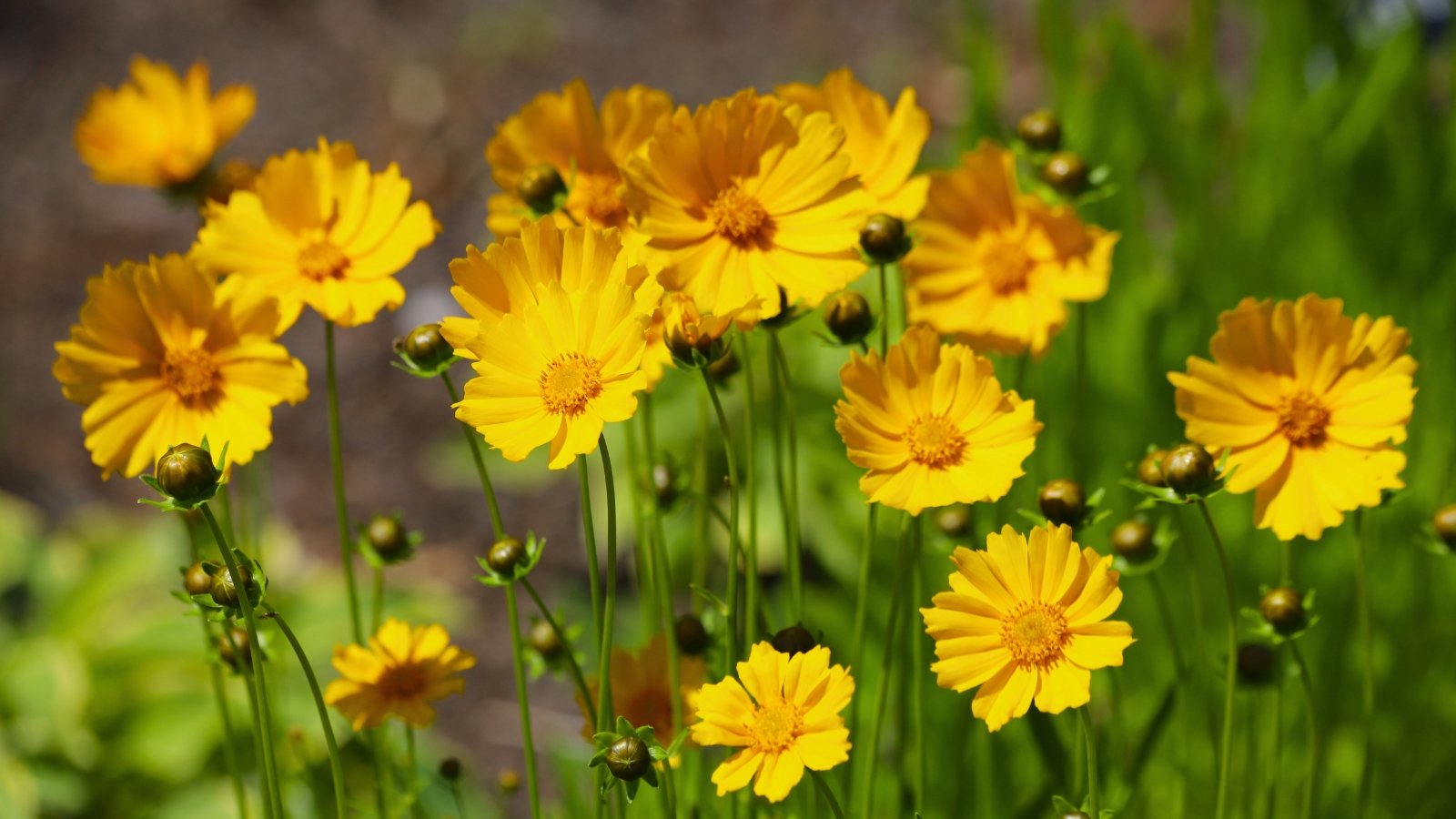
Plant coreopsis in your garden with other pollinator flowers. March is the ideal time for gardeners in temperate areas to plant their favorite species. You can seed annual species now as well. Do so directly in the garden or container, as this plant develops a taproot sensitive to disturbance.
Multiple species thrive in gardens all over, and they attract pollinators when in bloom, and feed birds after the flowers fade. If you like a true-to-type plant, go for ‘Plains’ coreopsis. For a more floriferous and sunny look, ‘Double Sunburst‘ is a wonderful choice with its double blooms.
Cut flower gardeners get so much from ‘Incredible! Swirl‘, which has the same form as the straight species, with a maroon and white coloring.
Columbine

|
|
botanical name Aquilegia spp. |
|---|---|
|
|
sun requirements Full sun to partial shade |
|
|
height 1-3′ |
|
|
hardiness zones 3-8 |
For hummingbirds, columbine is a real treat. Choose this shade-living southeast North American native to support hummingbird populations that nest in your area, and also those that migrate through. For eastern growers, Eastern red columbine (Aquilegia canadensis) covers a lot of ground.
In the western regions of North America, ‘Rocky Mountain Blue’ columbine is one of the best options. There are numerous species native to various areas, so if you find one, pair it with your other pollinator flowers. March is the ideal time to transplant, as most regions won’t provide the cold, moist conditions needed for good germination after direct sowing. However, the seed bank may remain long enough for you to see good growth next year.
Echinacea

|
|
botanical name Echinacea spp. |
|---|---|
|
|
sun requirements Full sun to partial shade |
|
|
height 2-4′ |
|
|
hardiness zones 3-9 |
Multiple species of echinacea are endangered in North America. If you have room for sunny, butterfly-attracting coneflowers, consider including one that has an endangered or threatened status in your state. If you can’t find one of those, know that Echinacea purpurea, known commonly as purple coneflower, thrives all over the continent.
I’ve been on the lookout for E. paradoxa, which is rare but native to my region. If you need an easy source for coneflower seeds, our sister company, Botanical Interests, sells multiple varieties that are lovely and support pollinators from spring through fall. ‘Alan’s Pride’ is a beautiful option, with green-tinted and dense petals. The ‘Paradiso Dwarf Blend‘ is a pretty blend of blooms that reach no taller than two feet.
Much like other plants on this list, if you’re growing from seed, cold stratification improves germination. However, some cultivars will germinate just as well without cold treatment.
Milkweed

|
|
botanical name Asclepias spp. |
|---|---|
|
|
sun requirements Full sun |
|
|
height 2-6′ |
|
|
hardiness zones 3-10 |
We’ve talked about plants that feed pollinators, but we haven’t touched specifically on the best host out there: milkweed. The members of the Asclepias genus are among the best of the pollinator flowers. March plantings of milkweed should be transplants, as most seeds need cold to sprout.
For the best hosting capabilities, choose a milkweed native to your region. Monarch butterflies come through in summer and fall, and lay their eggs on milkweed plants. These eggs hatch, and caterpillars get to work, feeding on the leaves and stems. This is natural and an important part of monarch migration, so it’s best to let them do their thing, and your milkweed will recover.
Common milkweed has a wide range throughout the continent, with butterfly weed coming in at a close second. Whatever you do, don’t plant tropical milkweed outside its native range, as doing so can disrupt the migration and spread diseases to monarch populations.
Zinnias

|
|
botanical name Zinnia spp. |
|---|---|
|
|
sun requirements Full sun |
|
|
height 8″-4′ |
|
|
hardiness zones 3-10 |
Recently, I learned about the multiple species of zinnias native to North America and South America. I’ve been growing Z. peruviana in my garden for a couple of years, and I’d love to find a regional natives, Z. acerosa, grandiflora, or anomala somewhere at a native plant nursery.
While I’m looking for those, I grow the standard zinnia, which has numerous cultivars, all of which are beautiful. While I love the cactus and dahlia types, I look for single or double-petaled varieties when I’m hoping to support the local butterflies, bees, and wasps. The ‘Peruvian Blend‘ is perfect for nectar access, as is the ‘State Fair Mix‘.
Salvia
|
|
botanical name Salvia spp. |
|---|---|
|
|
sun requirements Full sun |
|
|
height 1-3′ |
|
|
hardiness zones 5-10 |
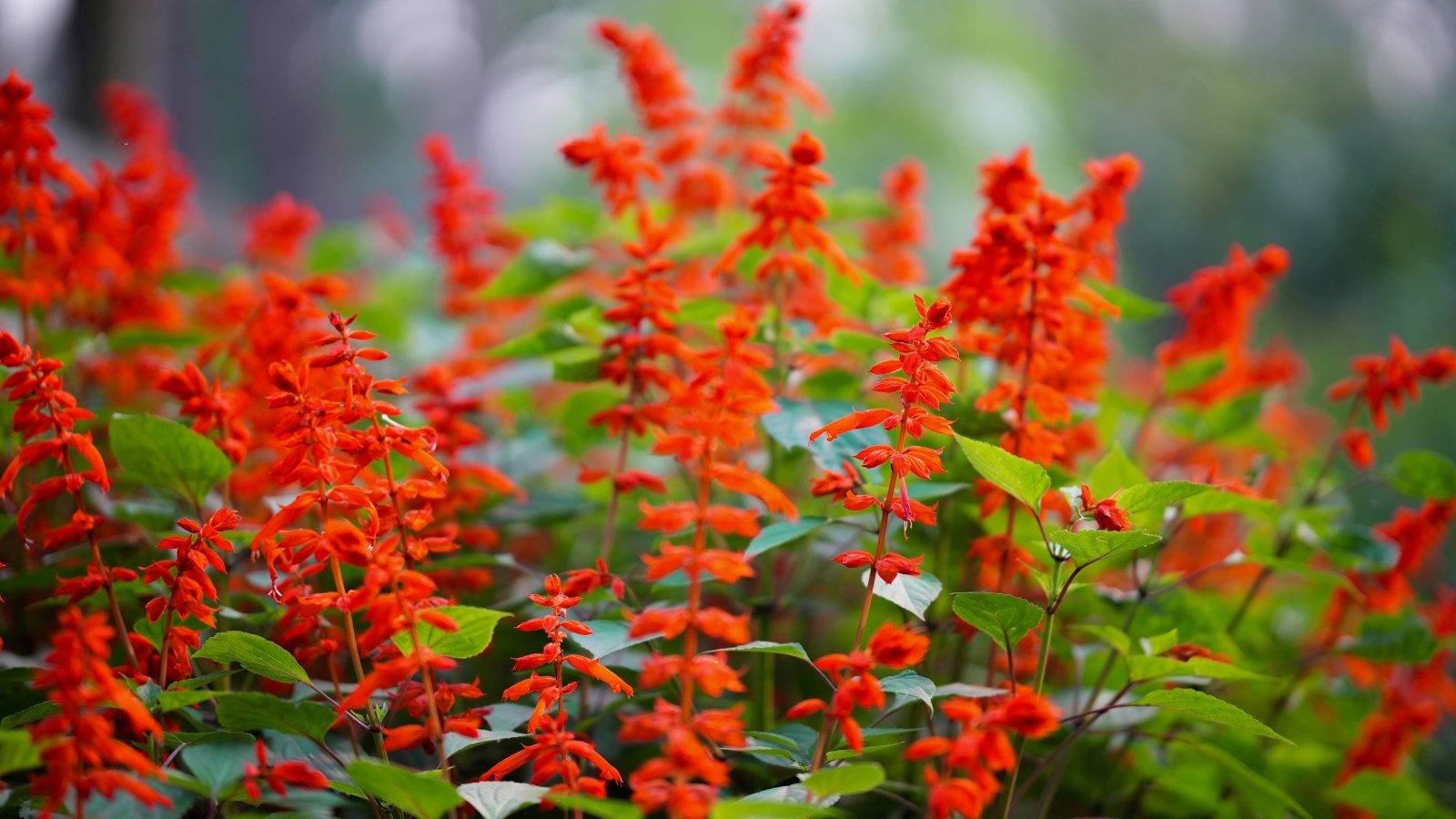
Hummingbirds like columbine, and they love salvia too. Like zinnias and coneflowers, the Salvia genus is chock full of species and varieties suited to all parts of the world. Red and orange flowers are perfect for attracting hummingbirds, but they’ll dine on purple and blue flowers too.
Blue flowers are the bees’ favorite, though. Stunning purple and yellow species can be planted all over the continent, too. Because this mint relative takes a long time to mature from seed, transplant your salvia now, and expect it to thrive on neglect.


