When to Start Zinnia Seeds: A Regional Guide
When it’s time to start zinnia seeds, start as many as you can! These lovely blooms offer a boost to your veggies, color to the garden, and food for pollinators. The most important part about starting zinnias is getting the timing right, and experienced gardener Sarah Jay provides some tips on this very subject.

Contents
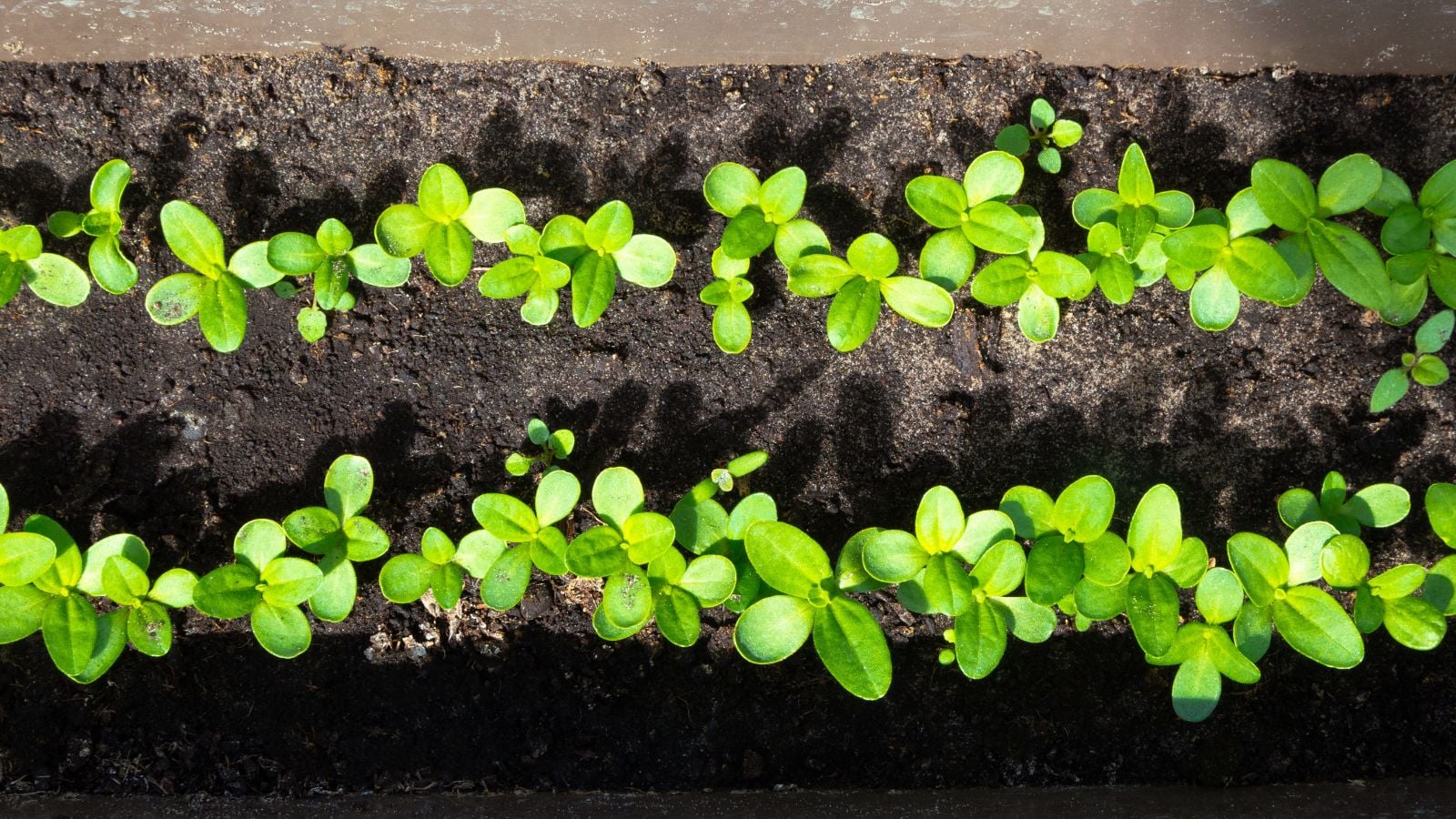
Every spring, I can wait to start zinnia seeds. But if I jump the gun and start too early, my seedlings can succumb to a late frost. If I start them too late, their ability to flower is limited by summer’s heat. So over time, I’ve learned to start them at just the right moment.
Zinnias are important plants in the veggie garden. Growers all over can start these plants from seed and bring in the butterflies, bees, and wasps that pollinate fruiting plants. They’re a boon to flower gardeners, who look to zinnias for their many forms and colors.
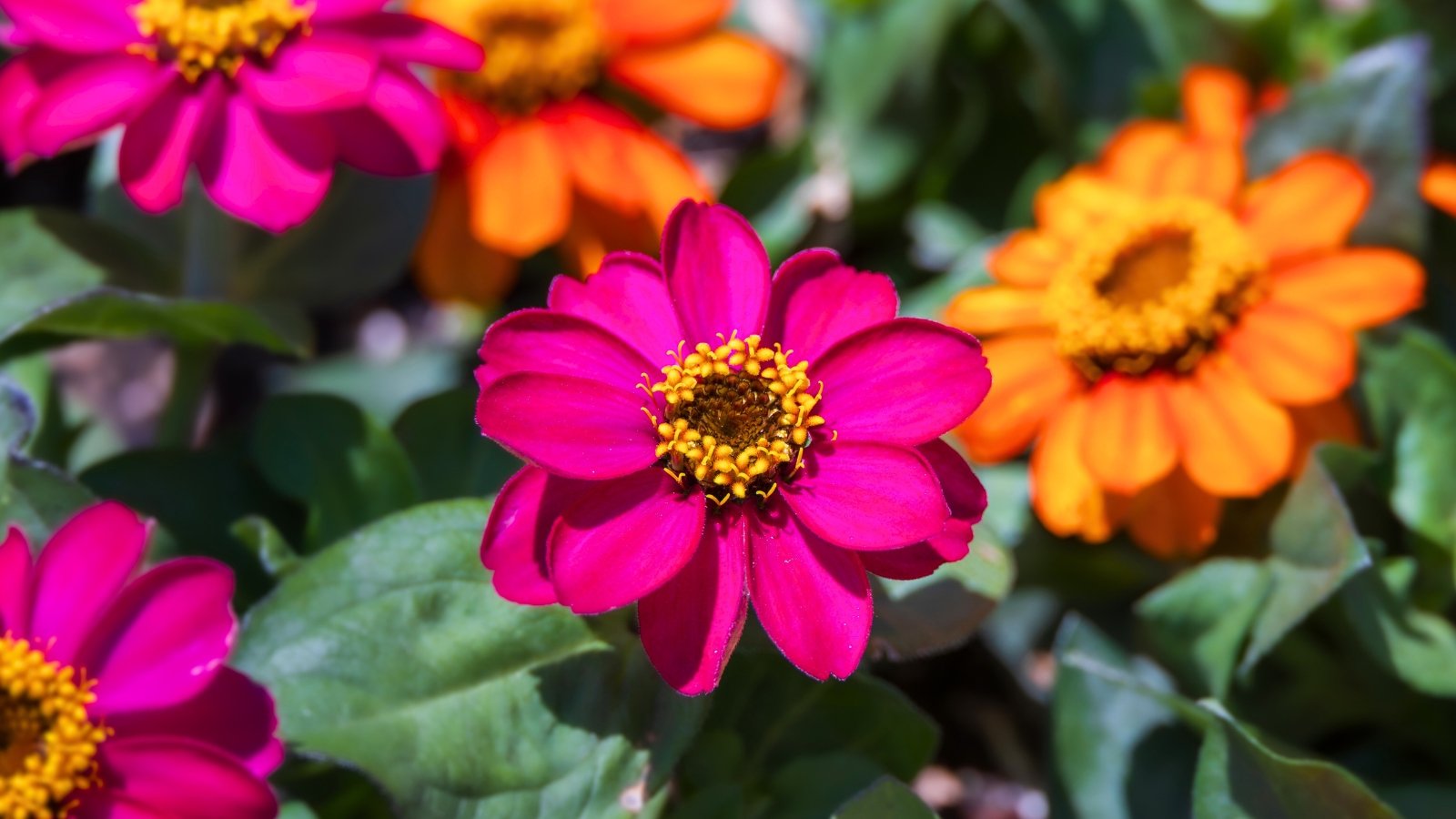
If you want to grow zinnias for pollinators, stick to single or double-petaled varieties. Outside these limits, there’s so much to enjoy. Dahlia and cactus types offer interest to gardens, growing tall and strong through the season. They seed out as the first frost rolls in, and re-emerge in spring in the same spot in most regions.


The Bottom Line
Use your last frost date and your season length to guide your timing. In general, gardeners in all zones should start zinnia seeds directly in the garden one to two weeks before their last frost. It takes roughly two months for zinnias to reach their blooming stage.
Most zinnia varieties emerge within a few days and up to a little over a week after planting. After they bloom, deadhead them for another flush of flowers. They’ll continue to bloom into fall in areas where the cold comes slowly. In colder areas, frost tends to kill them off.
A Regional Guide

Now that we’ve covered the basic rules for when to start zinnia seeds, let’s discuss some of the regional nuances. Note that the last frost dates we provide here are approximate. You should always search for your average last frost date based on your zip code. Even that date is approximate, given today’s weather extremes.
One more thing! In zone 1, the season isn’t long enough to directly sow your seeds. You can start them indoors under a grow light. Use a heat mat and sow them in paper pots to ensure the plants don’t succumb to transplant shock, and get them in the ground outdoors ASAP to enjoy the blooms before it gets cold again.
Zones 2-4

In zone 2, the projected last frost is in mid to late May, from the 15th to the 22nd. Therefore, plant your zinnia seeds early in the month, preferably in the first week. Zone 3 isn’t far behind with last frosts occurring between the 1st and 15th. Zone 4 has frosts occurring from April 24th to May 1st.
In zones 3 and 4, you don’t have to get your zinnias in the ground immediately. Both have roughly four months of growing season, so as long as you get them in the ground within a week or two after your last frost, you’ll have plenty of blooms before the first frost rolls through. But don’t wait too long, or you’ll miss out!
Zones 5-8

In zones 5, 6, and 7, the last winter frost occurs between April 7th and March 22nd. Just as zones 3 and 4 have well over the two months needed to grow a zinnia from seed to flower. Zones 5 and 6 have five months, and zone 7 has six. Start zinnias in these zones at the beginning of April, or in the last week of March.
Here in zone 8, I’m about to start zinnia seeds. It’s a dicey endeavor, though, as our last frost – though projected to occur in mid to late March – can sometimes occur in the first or second week of April. Here is a case in point about last frost dates. They’re very localized.
So other gardeners in zone 8 could start their zinnia seeds now, but they’ll need to provide some cover in case of a snap freeze.
Zones 9-12

If you live in zones 9, 10, 11, or 12, you can start your zinnias now, and you may have already started them. In these zones, frost is rare, and it makes sense to maximize your zinnia enjoyment by sowing as soon as you can.
Even if you have some leftover from summer, protect them in a frost to see if you can continue to grow them when conditions improve. Day length does lessen in winter, but the temperatures and potential rain allow for tons of lovely flowers.
Key Takeaways

Remember, your season length and your last frost date are the keys to the right timing. Use your zip code to determine a more accurate but still approximate date, and sow your zinnias one to two weeks before your last frost.
When you’re deciding how long to wait to start zinnia seeds, consider this chart.
| USDA Hardiness Zone | When to Start Zinnia Seeds |
| 2 | 1st week of May |
| 3 | 1st week of May |
| 4 | Last week of April |
| 5 | 1st of April, or in the last week of March |
| 6 | 1st of April, or in the last week of March |
| 7 | 1st of April, or in the last week of March |
| 8 | Mid March |
| 9-12 | Any time; February is a good starting point |
Note that you can start your zinnia seeds before your official last frost date, but if you live in a zone where snap freezes can occur after that date, keep a cover handy to protect seedlings through the freeze.