

How to Start a Victory Garden in 9 Easy Steps
Victory gardens helped take the pressure off the food supply chain during war times. They also made everyday American gardens more sustainable and productive. In this article, horticulture expert Matt Dursum shows you how to start a victory garden the easy way.


Contents
Victory gardens are home gardens that use all available space for edibles like vegetables and fruits. They have been around for over a century and are still popular today. They’re perfect for families, foodies, and gardeners looking to make the most out of their harvests.
As fun and rewarding as they are, they were created for a serious purpose. During WWI, President Woodrow Wilson pleaded for gardeners to plant the first victory gardens to reduce the risk of food shortages. During both world wars, millions of people transformed yards, school playgrounds, and car lots into thriving food gardens.
The movement helped spawn the American seed industry and by 1943, victory gardens gave Americans around 40% of their annual produce. Thankfully, the wars ended, but many gardeners continued the tradition.
If you’re looking to save money, grow sustainable crops, and produce a ton of food, why not start a victory garden? They’re easy to do, even if you’ve never gardened before. Follow the 9 steps below to start your beginner-friendly victory garden.


Step 1: Find a Space
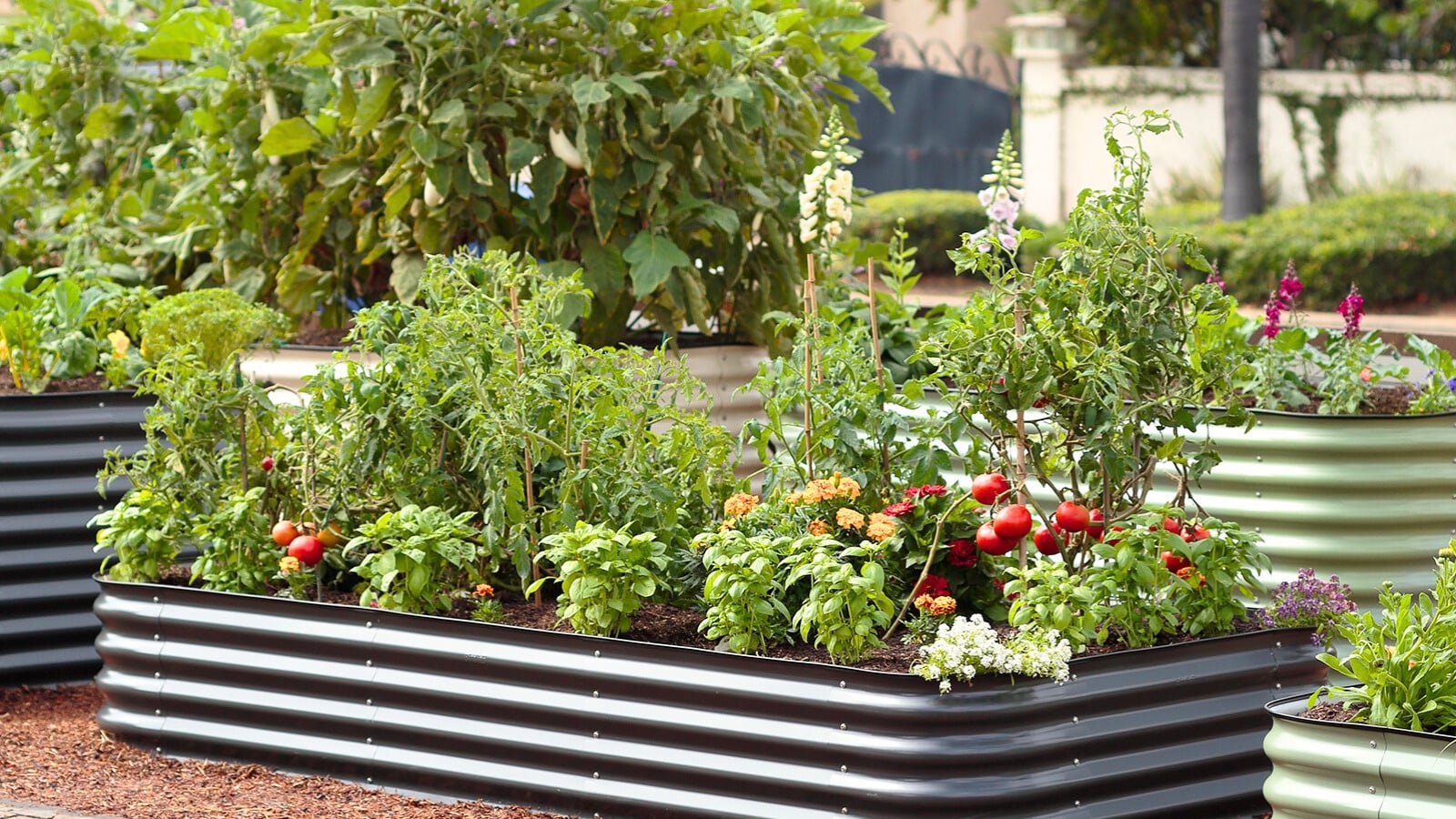
No matter if you live in a giant mansion or a tiny apartment, any amount of space will work! The whole point of these war-time plots is creating as much produce as you can in whatever space you’ve got.
Find a space that gets plenty of sun or, better yet, has sections of full sun and sections with partial shade. Find a plot of well-drained soil, meaning the soil is porous and allows water to drain without becoming soggy.
Any space will work, especially front yards, back yards, and patios. If you don’t have space in the ground, use containers and raised beds instead. Start small and give yourself plenty of room to learn and make mistakes!
Step 2: Prepare Your Raised Beds
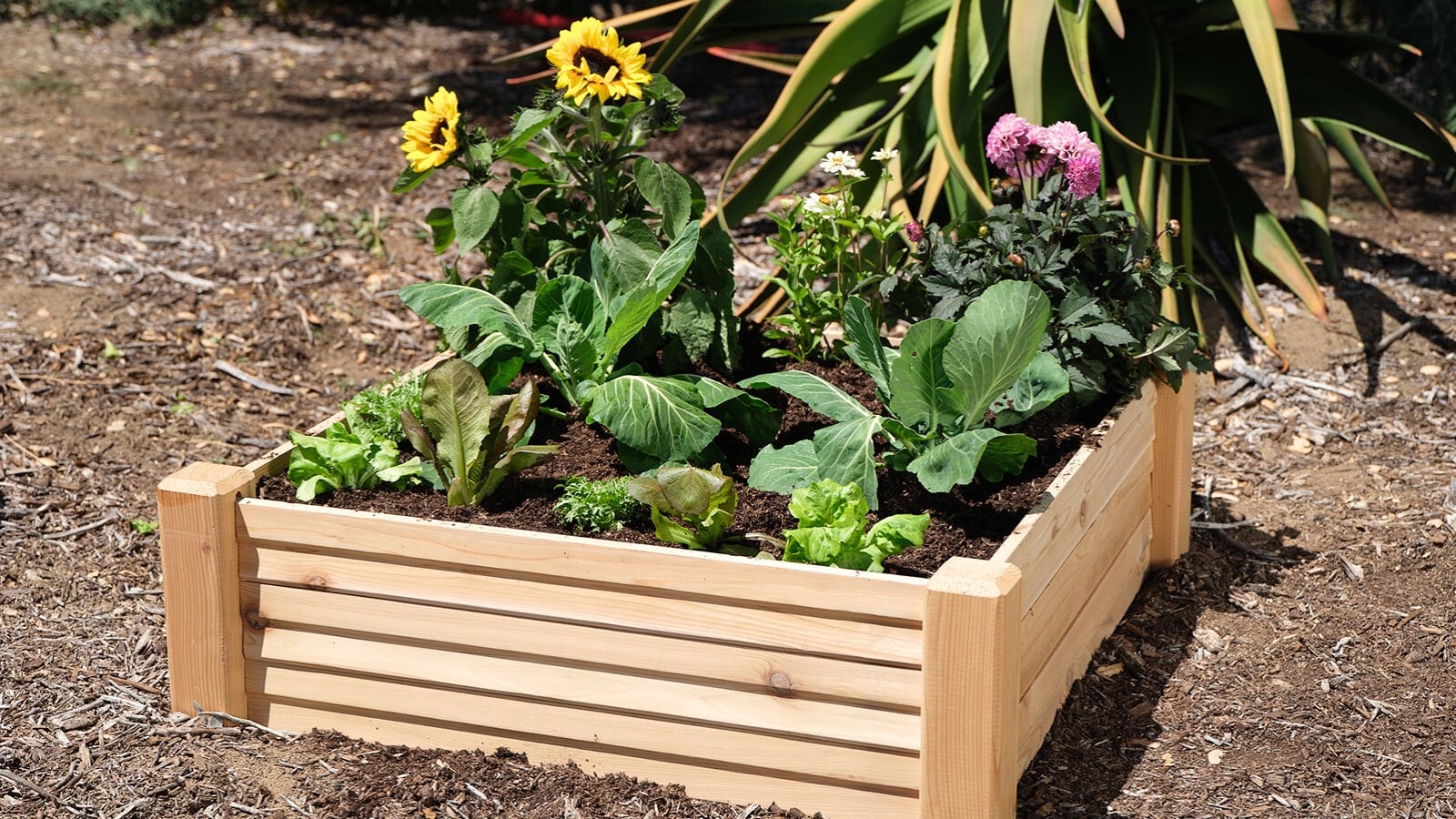
If you’re not using containers, try building or buying raised beds. These beds are easier to maintain than growing your plants directly in the ground.
For starters, it’s easier to keep the weeds out. They also make amending soil and keeping it well-drained easier. They also elevate your garden so it’s easier to work on and enjoy.
You can buy raised beds online or at your local nursery. They’re also easy to make yourself if you have the tools.
Step 3: Prepare Your Soil
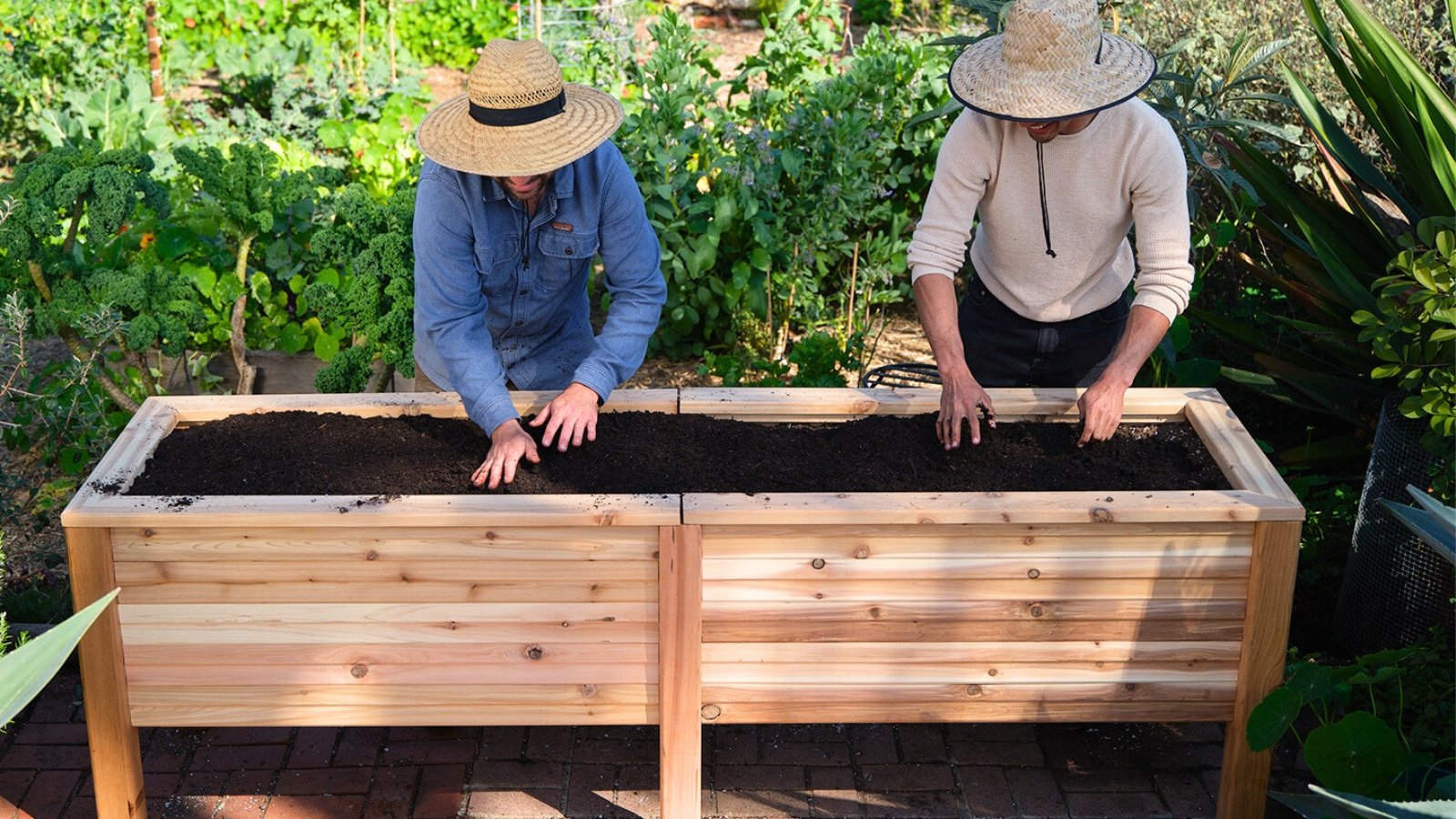
Next to sunlight and water, soil is the most important component of gardening. While you can use the soil that’s already in your yard, it’s probably poor quality.
The best option is filling your raised beds or containers with organic raised bed soil that you made yourself or purchased. These soil mixes combine the right amount of nutrient-filled material with well-drained materials such as perlite and coconut coir.
Once you have your soil ready, it’s time to fill your beds or containers! Fill them to the top and even them off.
Step 4: Understand Your Hardiness Zone
In 1960, the United States Department of Agriculture, or USDA, published a map of the US divided into zones. These zones separated the country based on the average lowest temperatures in a ten-year period.
They then divided the country into zones of 10° differences and labeled them numerically. Zone 1 is the coldest, and zone 13 is the warmest. To help gardeners even further, they added 5° increments labeled as the letters a and b. Today, gardeners in the warmest parts of the world enjoy 13b growing conditions while the coldest brave 1a conditions.
Look at the USDA Hardiness Zone map and find out which zone you live in. This will tell you what you can and can’t grow in your region. Then use your frost dates to determine the length of your growing seasons.
Step 5: Choose Your Plants!
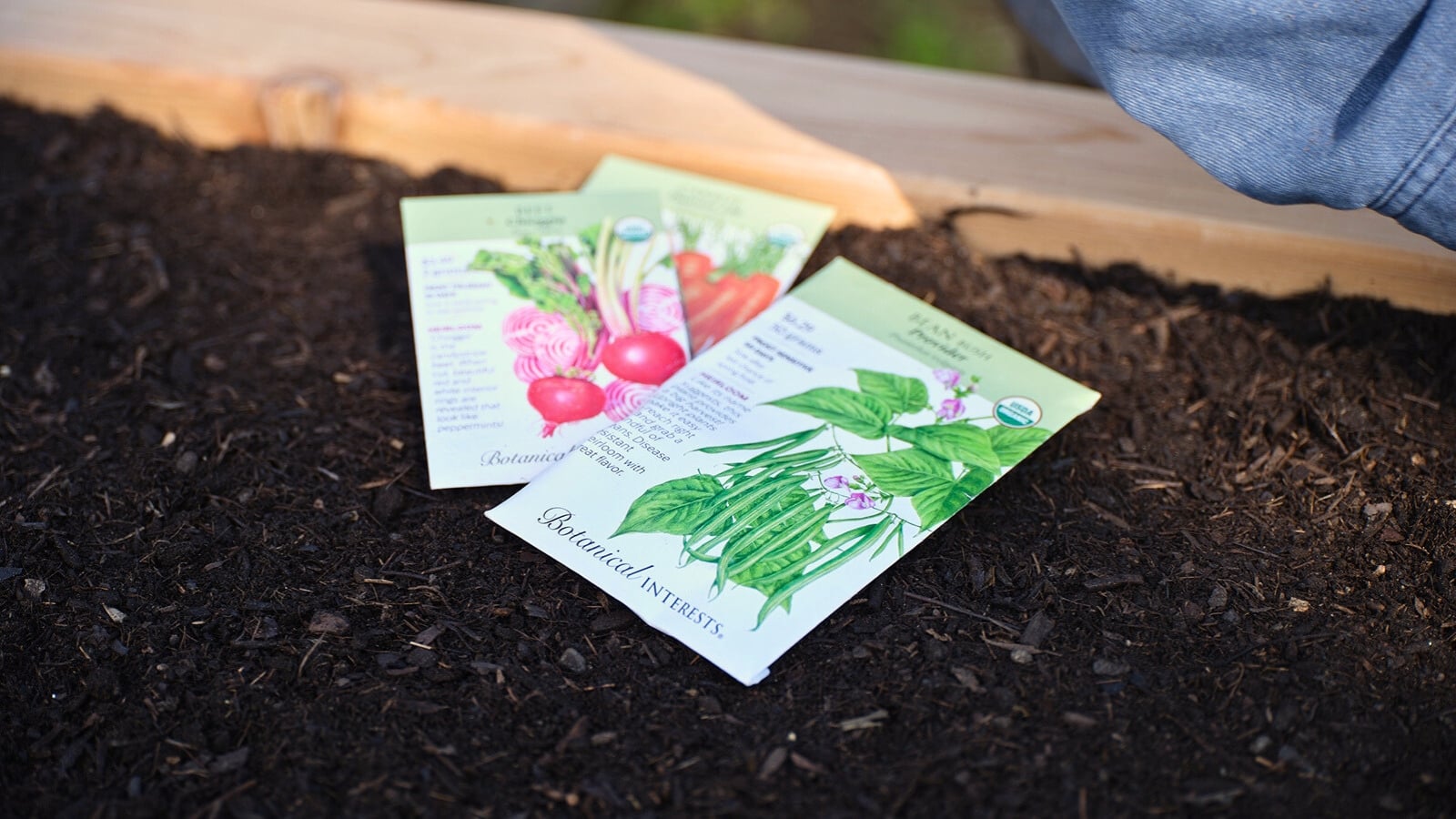
Once you know your hardness zone, you’ll know what grows in your region. You can buy starters at your local nursery or buy seeds online.
One of the best ways to grow whatever you want is to start your seeds indoors. This lets you get any seed started several weeks or months ahead of the growing season.
The core of your garden will probably be vegetables. Perennials keep growing through several seasons, and annuals complete their lifecycle in a year. Herbs, fruits, leafy greens, and lettuce are all great options. Below are a few easy-to-grow suggestions.
Root Vegetables
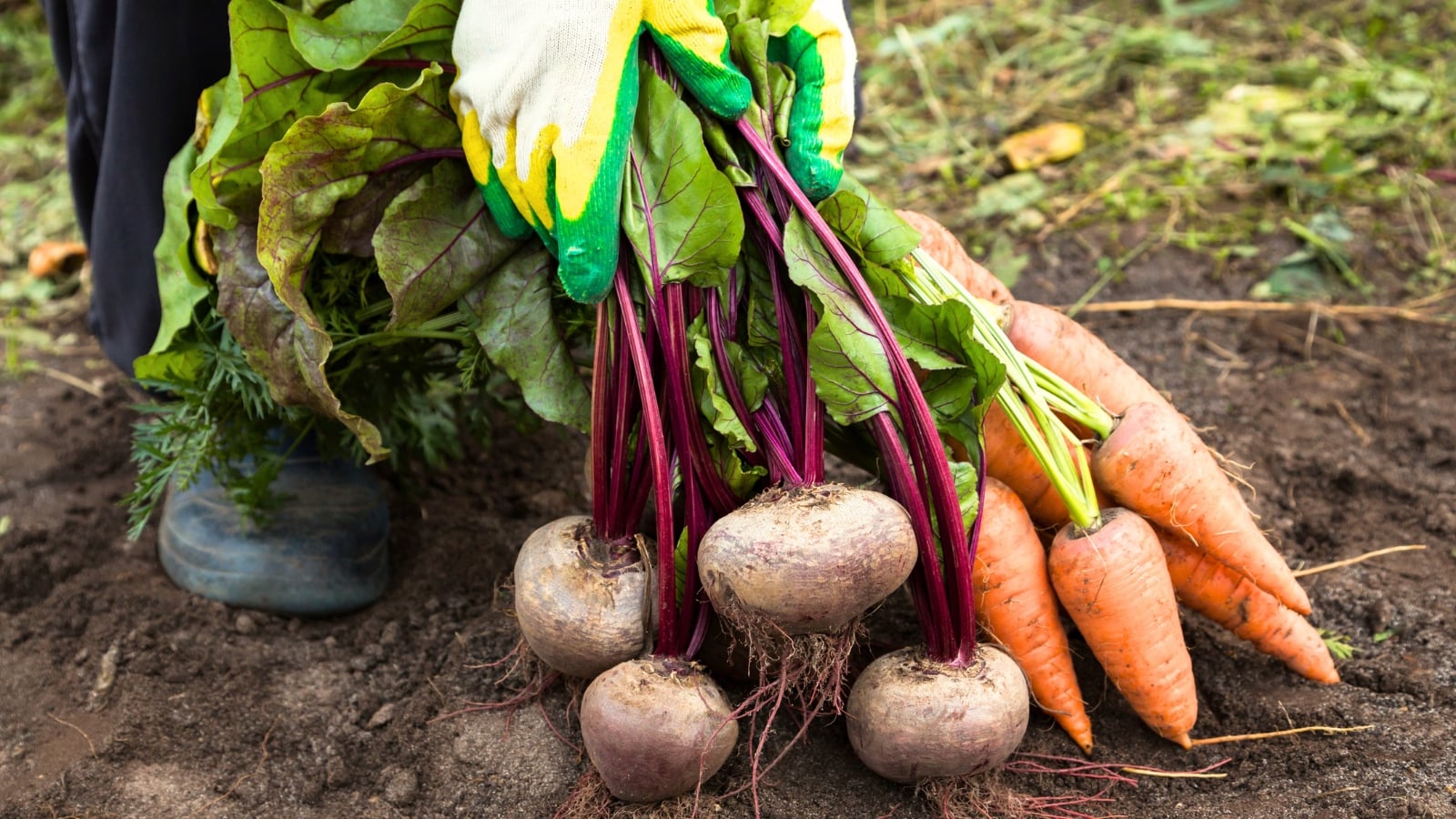
The core of your garden will likely be vegetables. There are perennials that keep growing through several seasons and annuals that complete their lifecycle in a year.
Try growing root vegetables, such as beets. You can eat their leaves and roots. They are great for pickling and adding to soups and salads. Plus, they are super easy to grow!
Carrots are also easy and useful. Besides their nutritious and flavorful roots, they use their leaves in pestos, salads, and soups.
Cruciferous Vegetables

Cruciferous vegetables include broccoli, bok choy, and cauliflower. These leafy greens are packed with nutrients such as vitamins, fiber, and potassium. They’re also full of flavor and add color to many dishes.
They contain glucosinolates, which are compounds that may fight cancers. Several studies have pointed to these vegetables having a positive effect on cancers such as pancreatic, lung, breast, and prostate.
Besides being nutritious and flavorful, they come in a wide range of varieties. Below are some of the most common and easy-to-grow cruciferous vegetables to choose from.
- Broccoli
- Cauliflower
- Bok Choy
- Daikon radish
- Collard greens
- Chard
- Cabbage
- Brussels sprouts
- Turnips
- Watercress
- Arugula
- Mustard greens
Three Sisters
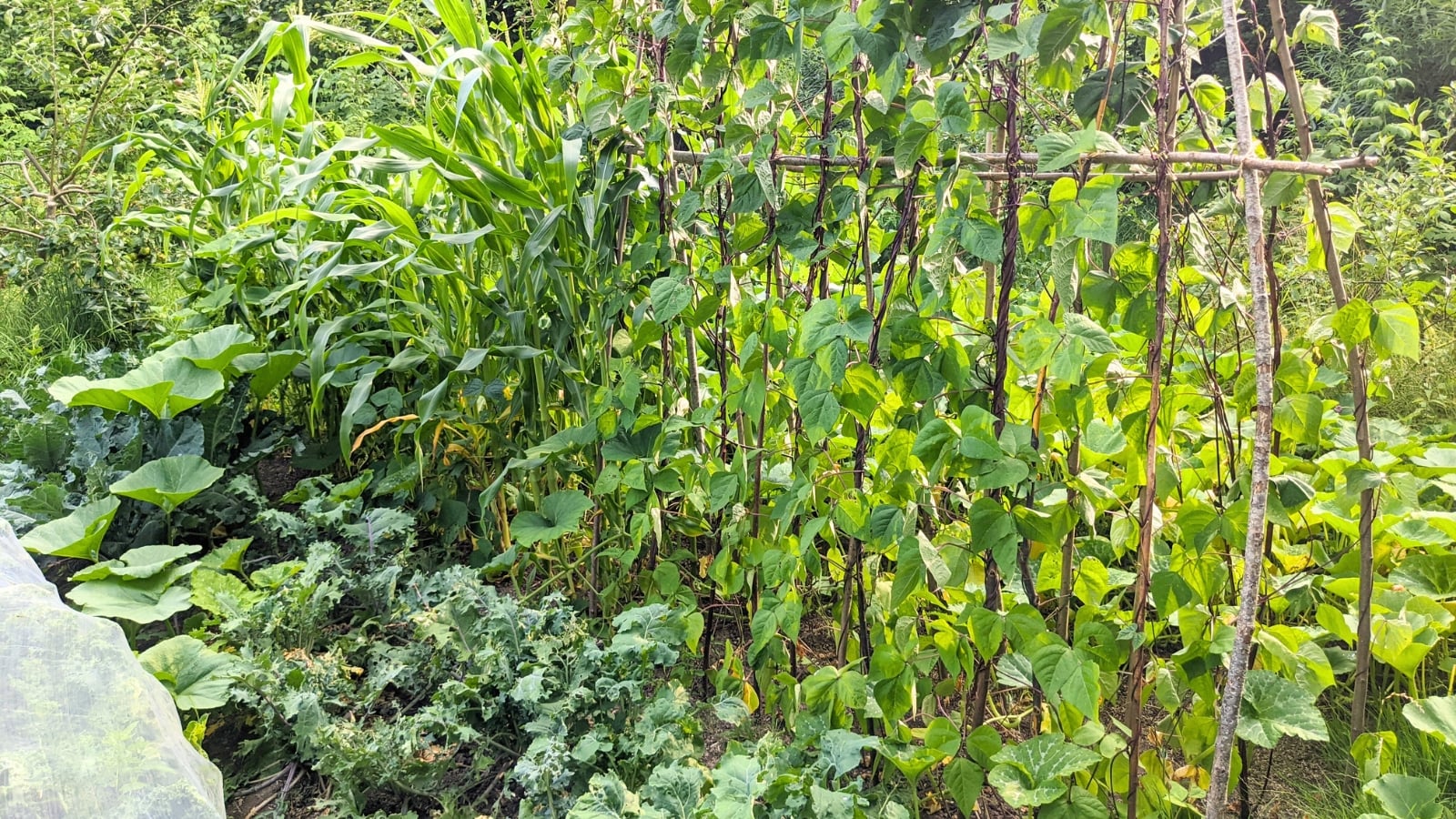
One of the best combinations for victory gardens is the three sisters: corn, beans, and squash. When you plant these all-American crops together, they improve soil health and mutually benefit each other.
Corn works as a natural trellis for the beans to climb on. The beans add nutrients to the soil. The squash provides ground cover which suppresses weeds and keeps moisture from evaporating.
Native Americans have used this farming technique for centuries. The term ‘three sisters’ comes from the Iroquois of Northeast US and Canada.
Climbing Vegetables

Climbing vegetables such as cucumber and green beans are incredibly easy to grow and produce huge harvests. They will thrive in containers, garden beds, or on the side of buildings.
They are also easy to preserve, something the early victory gardeners valued during wartime. Pickle cucumbers with vinegar and spices, or prepare your green beans for canning.
Onions
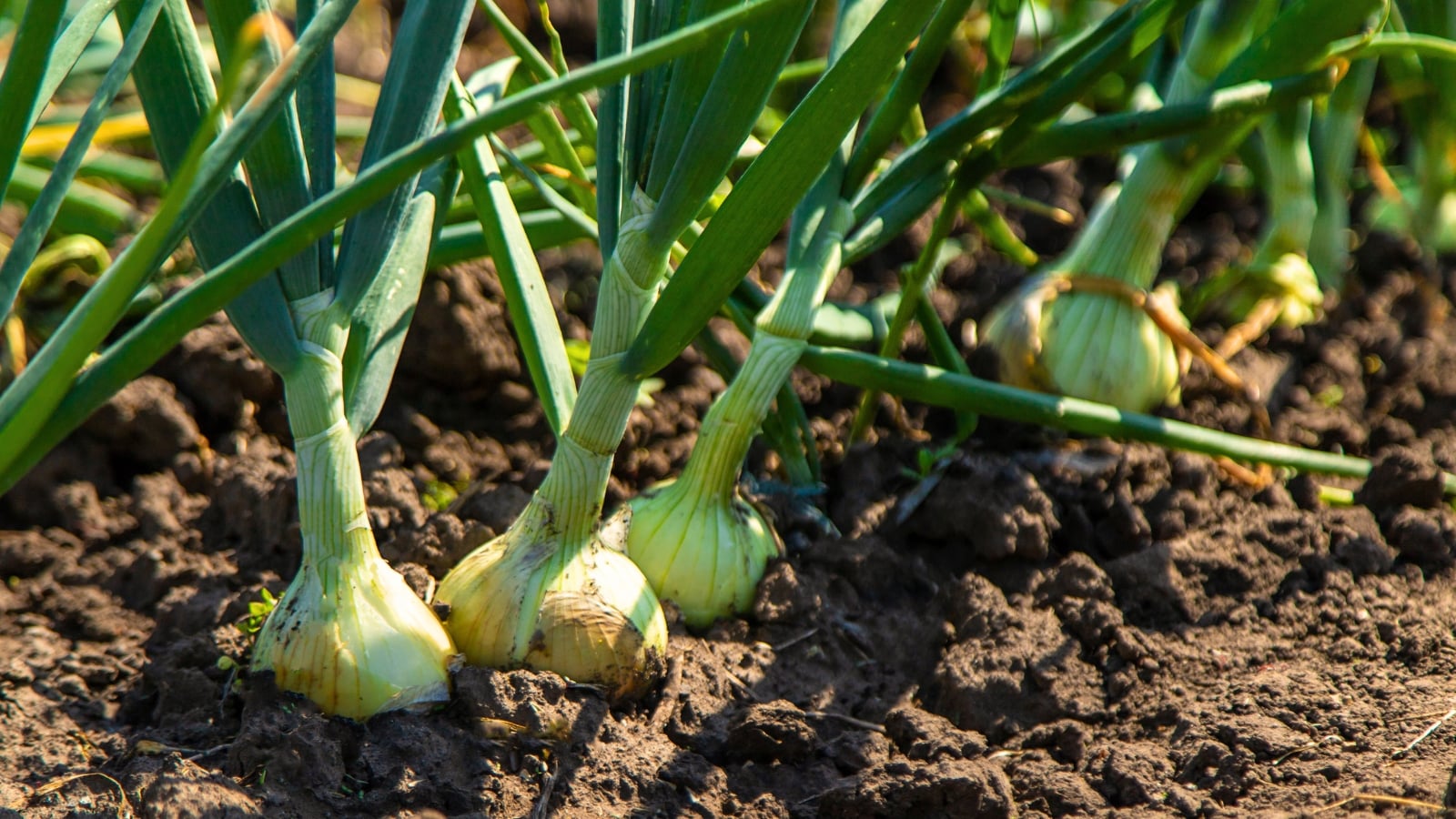
Onions are a little trickier to grow than the other plants on this list, but they are worth the challenge. They’re packed with flavor and nutrients. Plus, they produce delicious greens you can use in salads, stir-fries, and soups.
Lettuce
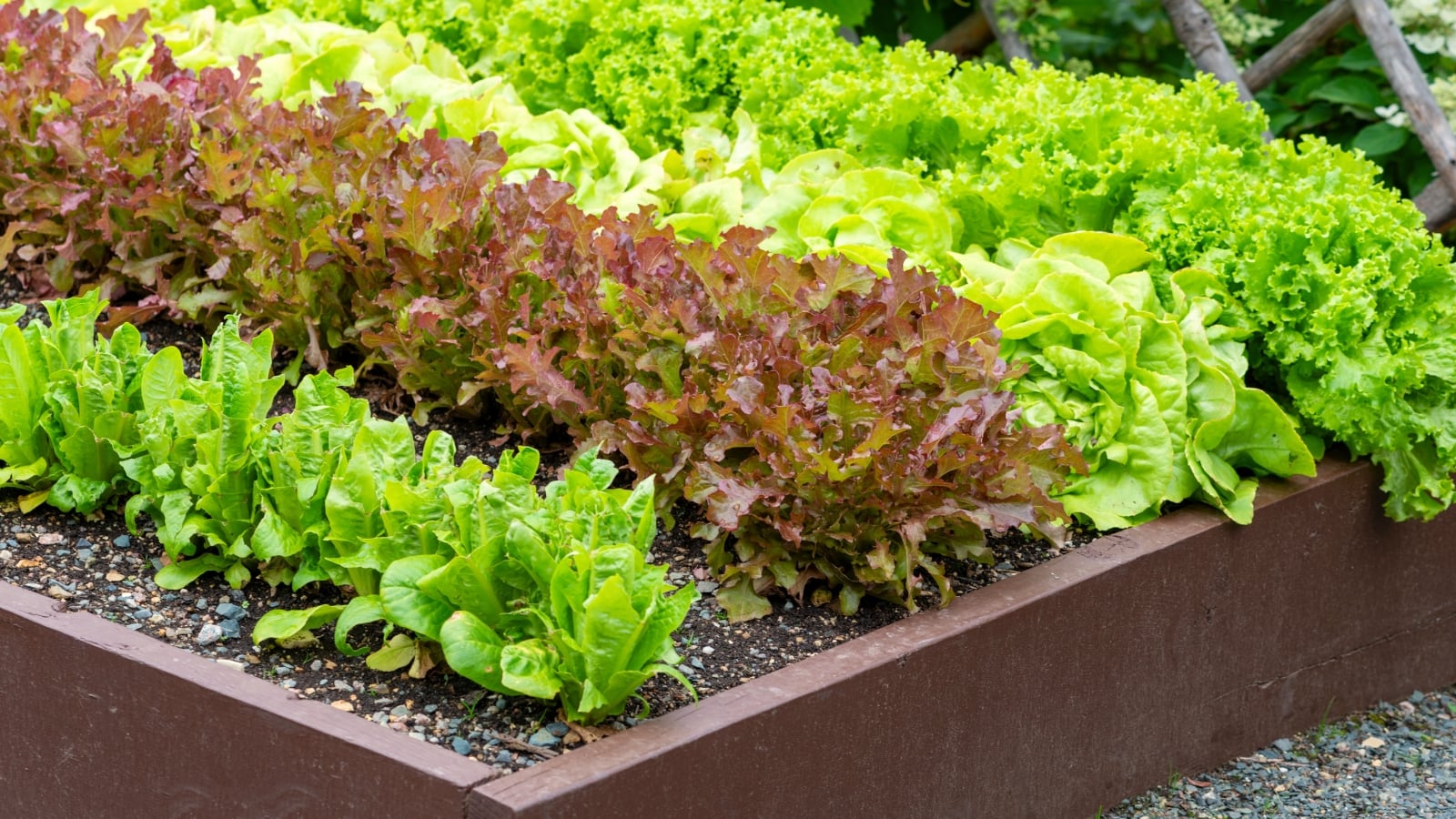
Lettuce comes in diverse shapes and sizes. They are easy to grow and can handle cool weather. This makes them great early-season crops.
Lettuce usually prefers full sun. Plant them in the sunniest corners of your victory garden in the cooler months to enjoy a bountiful harvest.
Nightshades
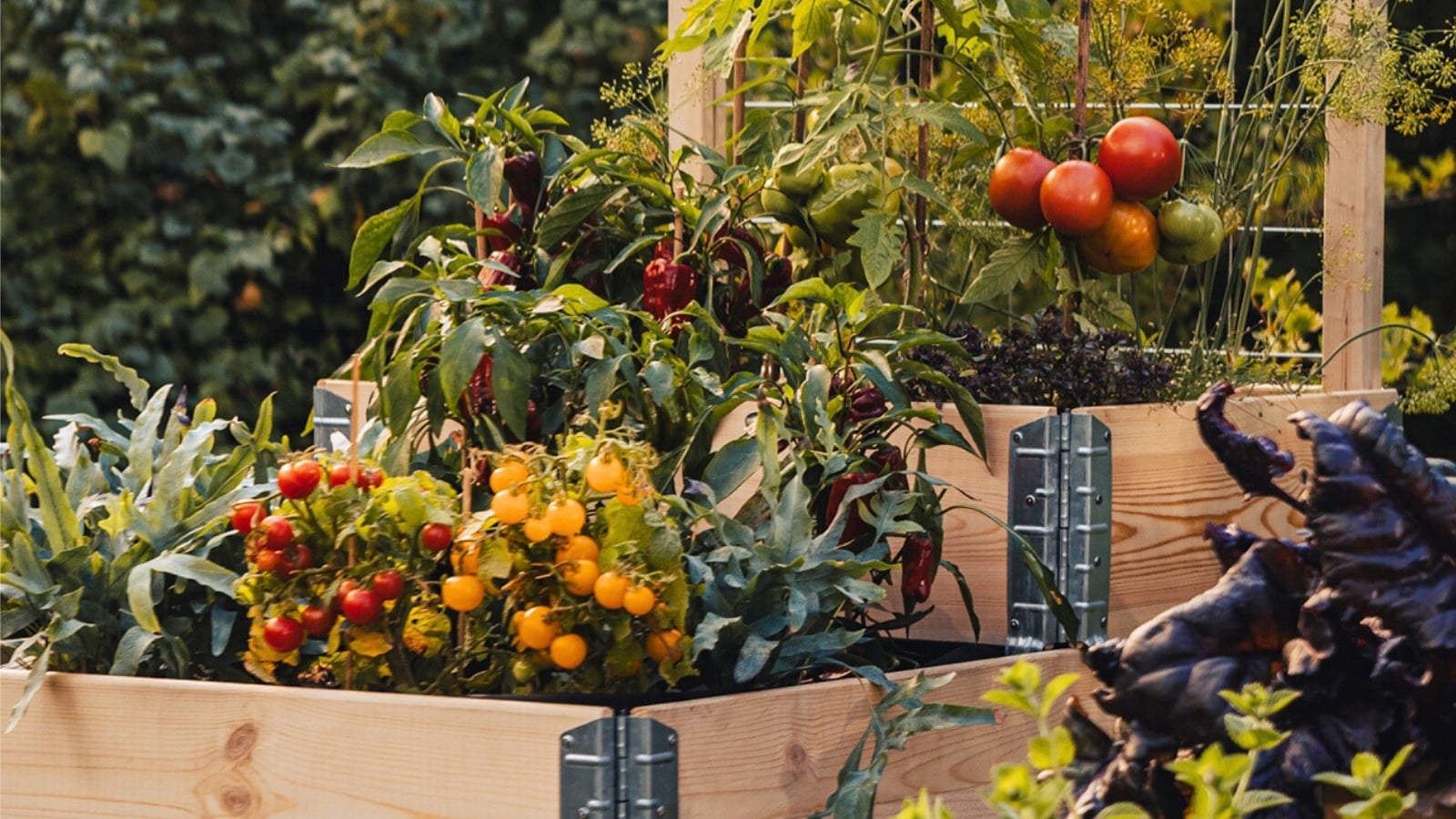
Nightshades come in all sizes, shapes, and colors. They technically produce fruits which are classified as vegetables in the US.
These plants include peppers, eggplants, potatoes, and tomatoes. It’s hard to imagine a victory garden without them!
They love full sun and are easy to grow in containers or beds. The best part is the endless variety! Potatoes, peppers, and tomatoes all have hundreds of easy-to-find heirlooms that are fun to grow.
Herbs
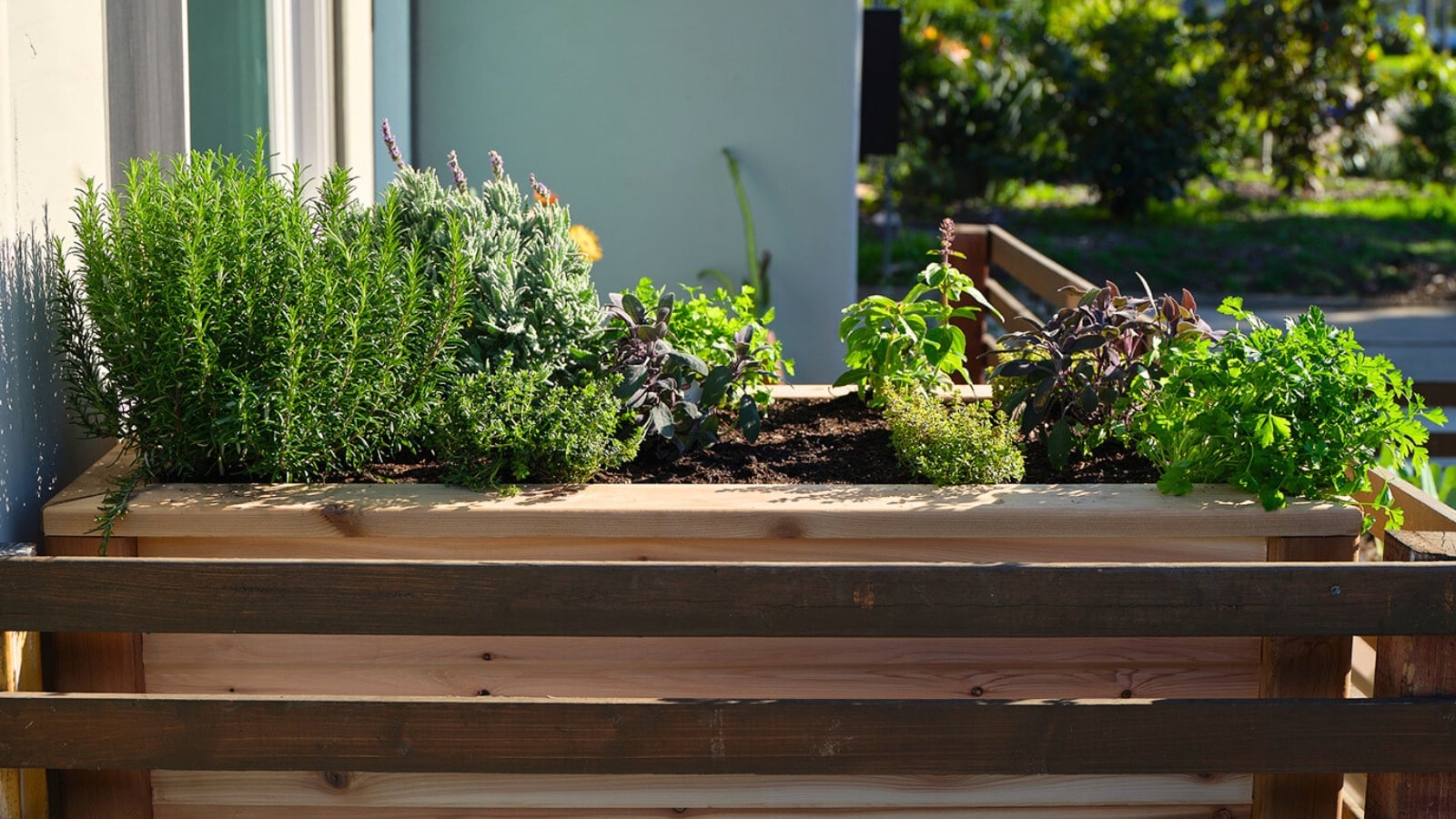
Herbs add a ton of benefits to your beds or containers. They are easy to grow and smell amazing. Many herbs contain chemicals and oils that deter pests, such as lavender, rosemary, and peppermint.
These plants have flowers that attract pollinators. They thrive in tight spaces and make wonderful companion plants. Plus, their culinary and medicinal uses are endless!
Watermelon

What would a victory garden be without watermelons? They’re diverse, delicious, and easy to grow.
Though they take up lots of space, once they mature, their leaves shade the ground, creating a natural mulch that keeps moisture in the ground. Plant them in areas with full sun and well-drained soil.
Berries
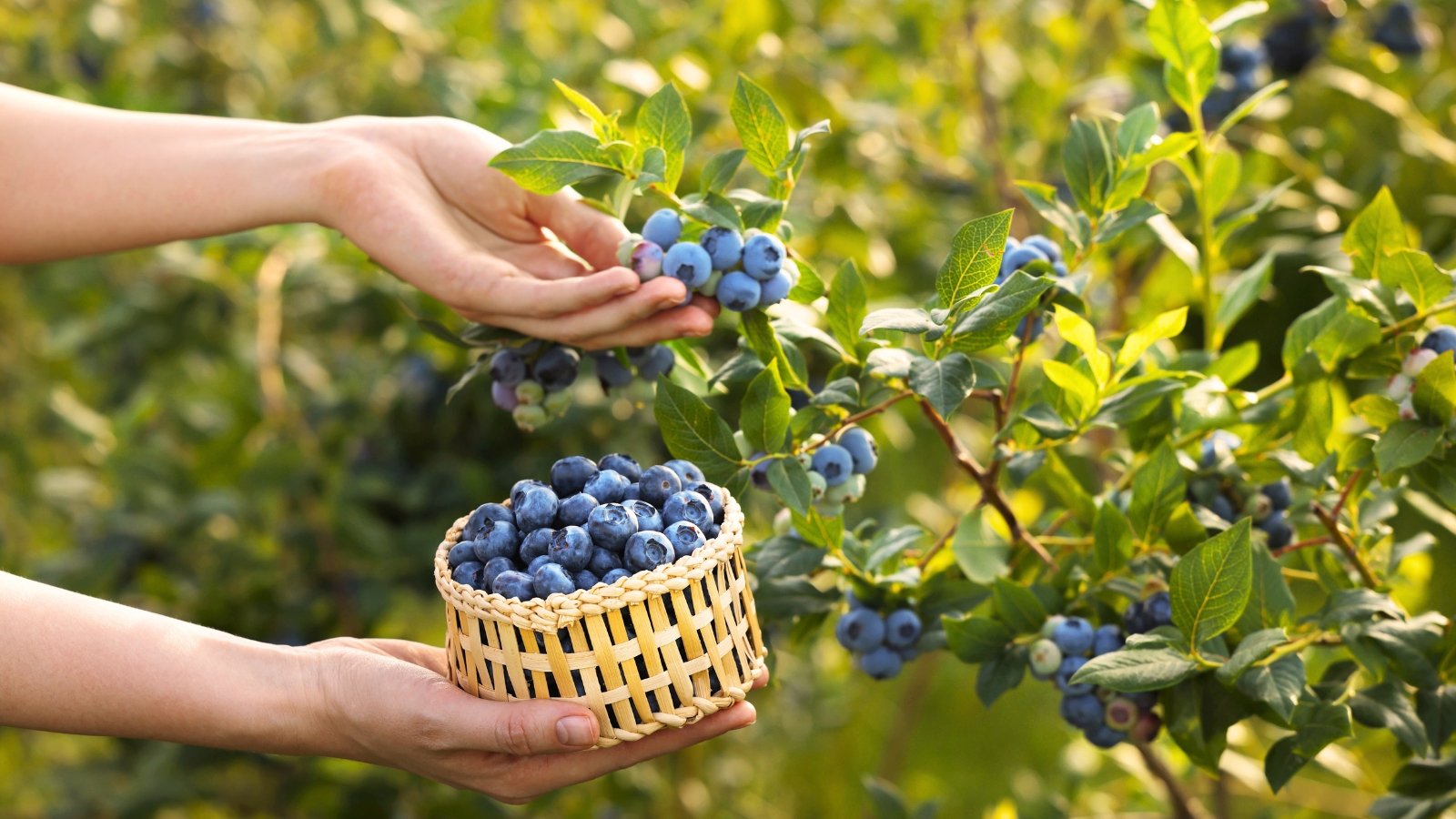
Berries are easy to grow and many are perennials that will come back each year. Blackberries and raspberries are both easy to grow and provide tons of healthy and delicious fruit. Use them as natural fences around your victory garden.
Strawberries need very little space. Choose June-bearing varieties for early-season crops and everbearing varieties for multiple crops per season.
Plant blueberries in the ground near your containers or beds. They’ll become perennial shrubs that will last for several years. Plus, you can plant several varieties to increase your harvest and encourage cross-pollination.
Flowers
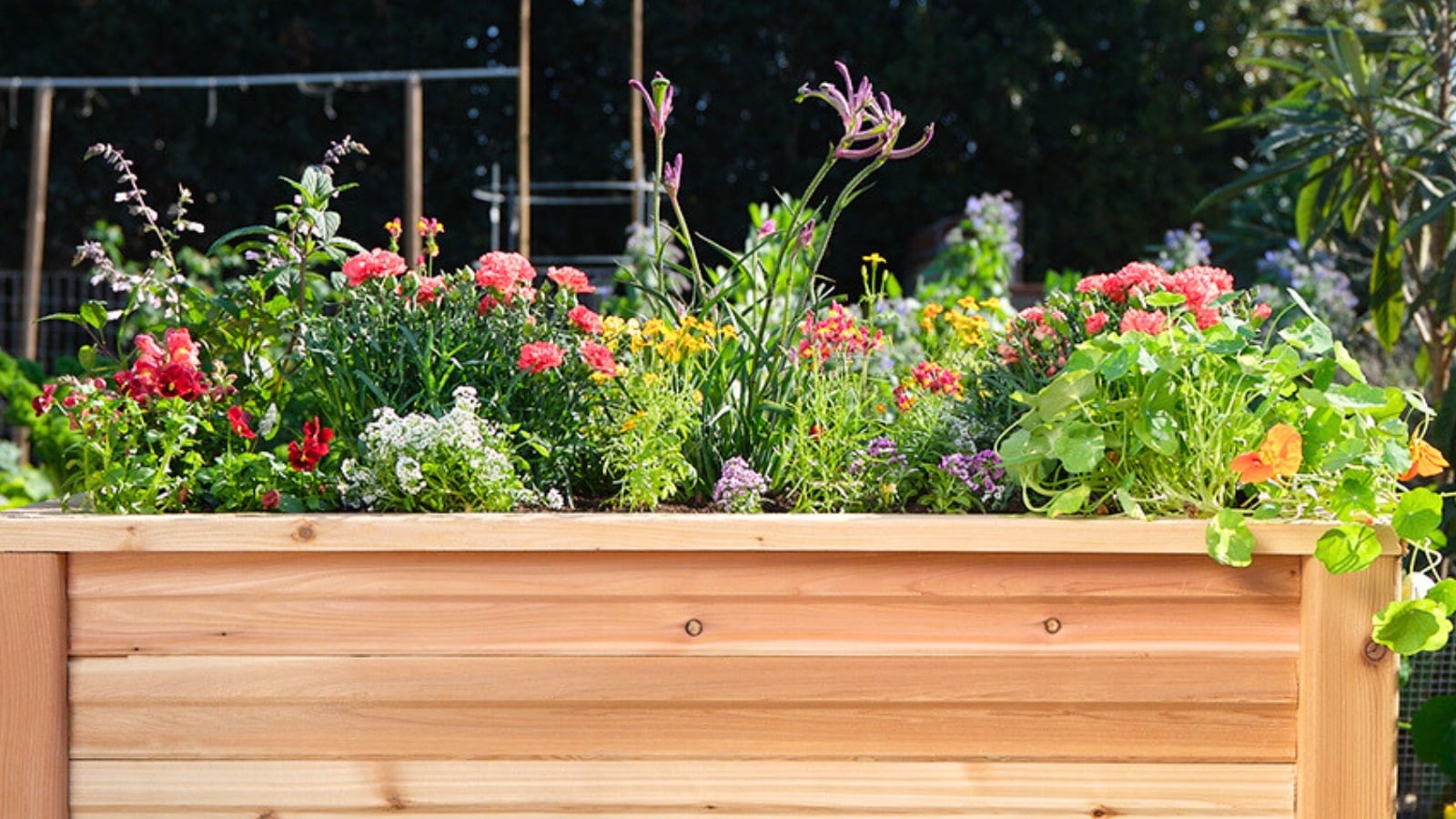
Flowers are a must for a vibrant and healthy victory garden. They bring a ton of color and beauty to your space. They also attract beneficial pollinators, such as hummingbirds and bees.
Several species of flowers are edible, including nasturtiums. These multi-colored flowers taste like a cross between watercress and garlic. Almost every part of the plant is edible, including the leaves and stems.
Sunflowers are other great options for starting a summer victory garden. They grow quickly and provide shade for shade-loving vegetables. Once they mature, enjoy their seeds and tasty florets.
Step 6: Start Planting!
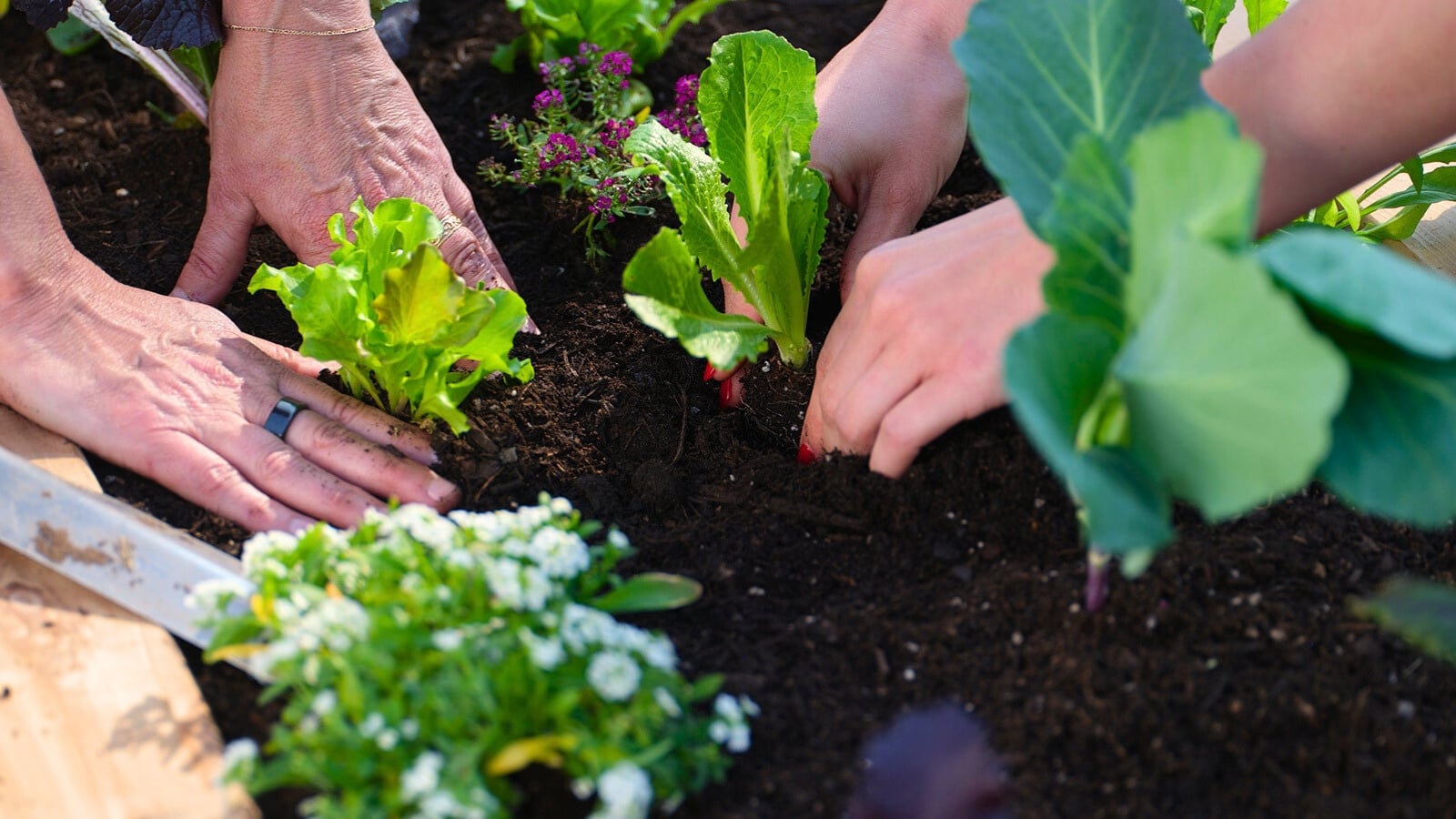
Once you have your seedlings or starters ready, it’s time to plant. Dig holes deep enough to hold the root balls and bury the plants to their crowns. Give them enough spacing so they don’t overcrowd each other.
Lettuce, herbs, arugula, and strawberries only need a few inches apart. Larger plants such as corn, peppers, and eggplants need at least 12 inches or more.
After you’re done planting your crops, consider adding a layer of mulch between them. This will keep moisture in the soil and encourage beneficial insects such as earthworms to flourish.
Step 7: Start Composting
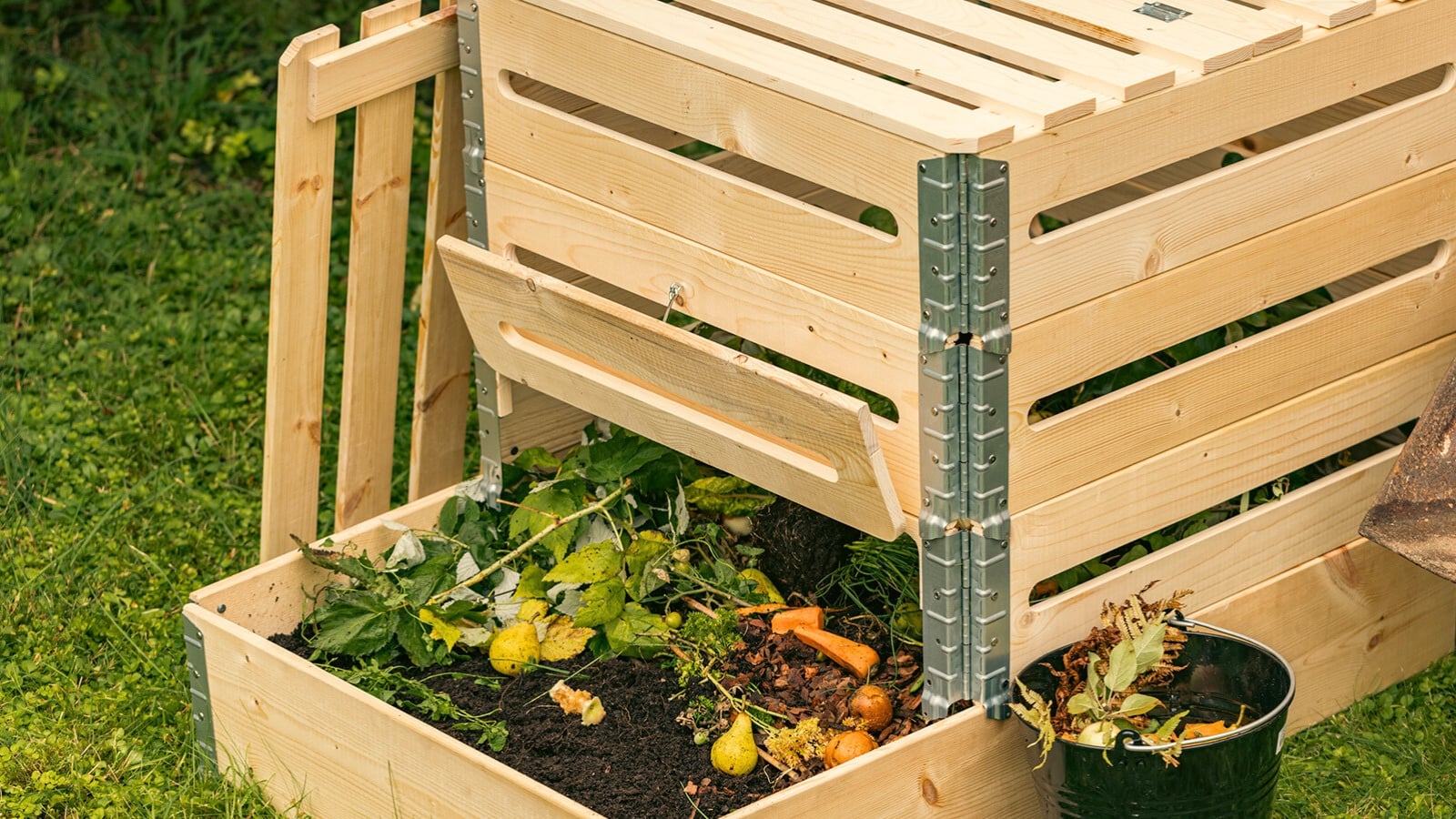
Start composting as soon as you build your victory garden or before. Compost is an easy way to turn your organic waste into nutrient-dense soil.
Start by purchasing or making a bin, compost tumbler, or starting a pile. Next, start adding your ingredients. Getting the right balance is key to creating a compost that smells nice and has a healthy texture.
Start by adding carbon-rich ‘browns’ which include dry leaves, straws, and small branches. Then, add your greens, which include grass clippings and organic plant waste from your kitchen or garden. As your compost grows, circulate air by turning the pile. Make sure it stays moist but not soggy.
Step 8: Maintain Your Victory Garden
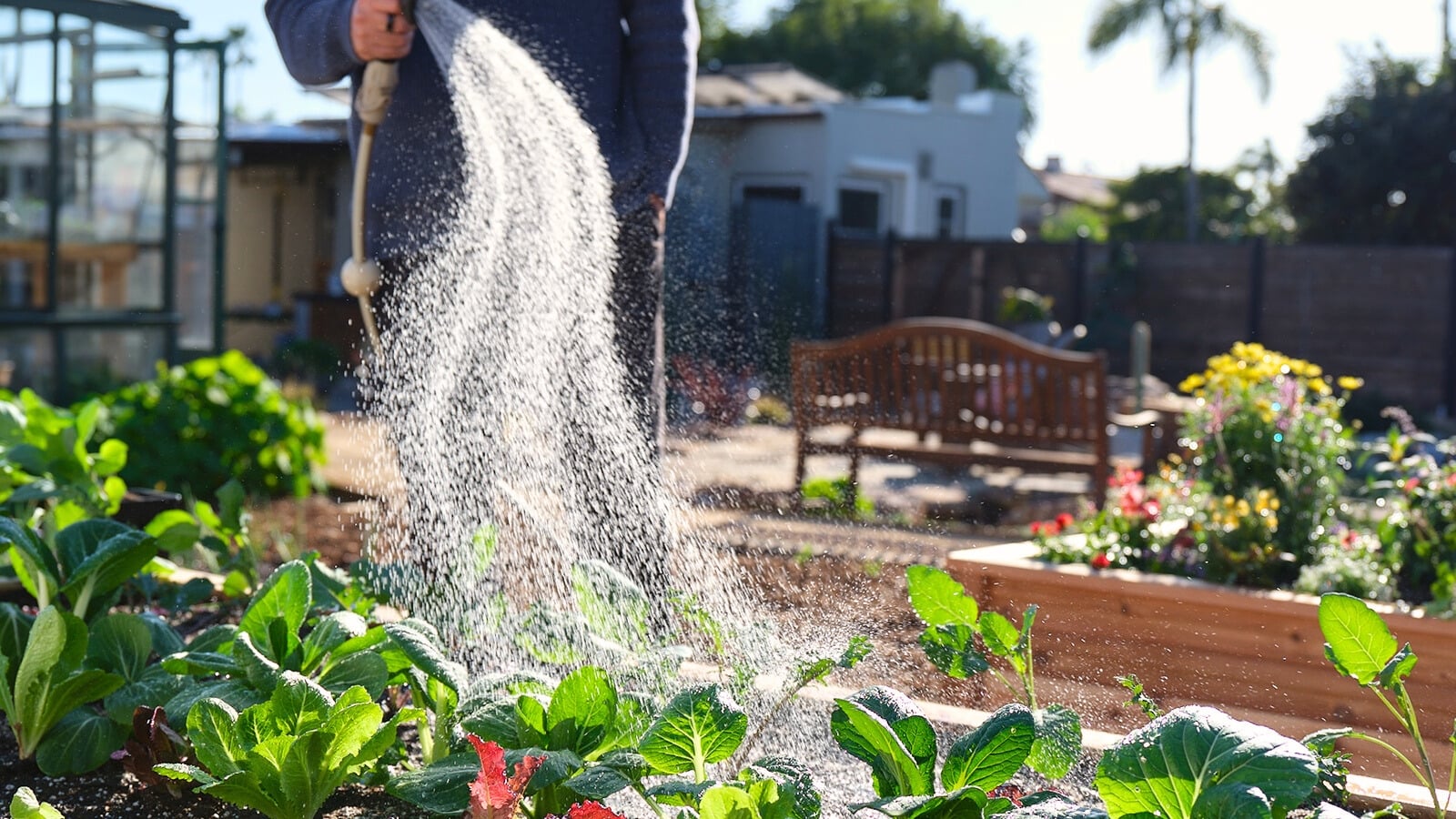
As your plants grow, they’ll need some maintenance. The most important task is watering your victory garden. Keep the soil moist but not soggy or waterlogged. Too much water will encourage diseases such as root rot, while too little will dehydrate your plants.
The next most common task is feeding your plants. Try using fresh compost or an organic vegetable fertilizer. Add the plant food directly to the soil around your vegetables, flowers, and fruits.
As your garden grows, check for pests and infestations such as aphids and scales. Look for signs of diseases such as browning or yellowing leaves or stunted growth. If you see these signs, don’t worry. Most garden problems are easy to solve by following a few guidelines.
Step 9: Enjoy the Bounty!
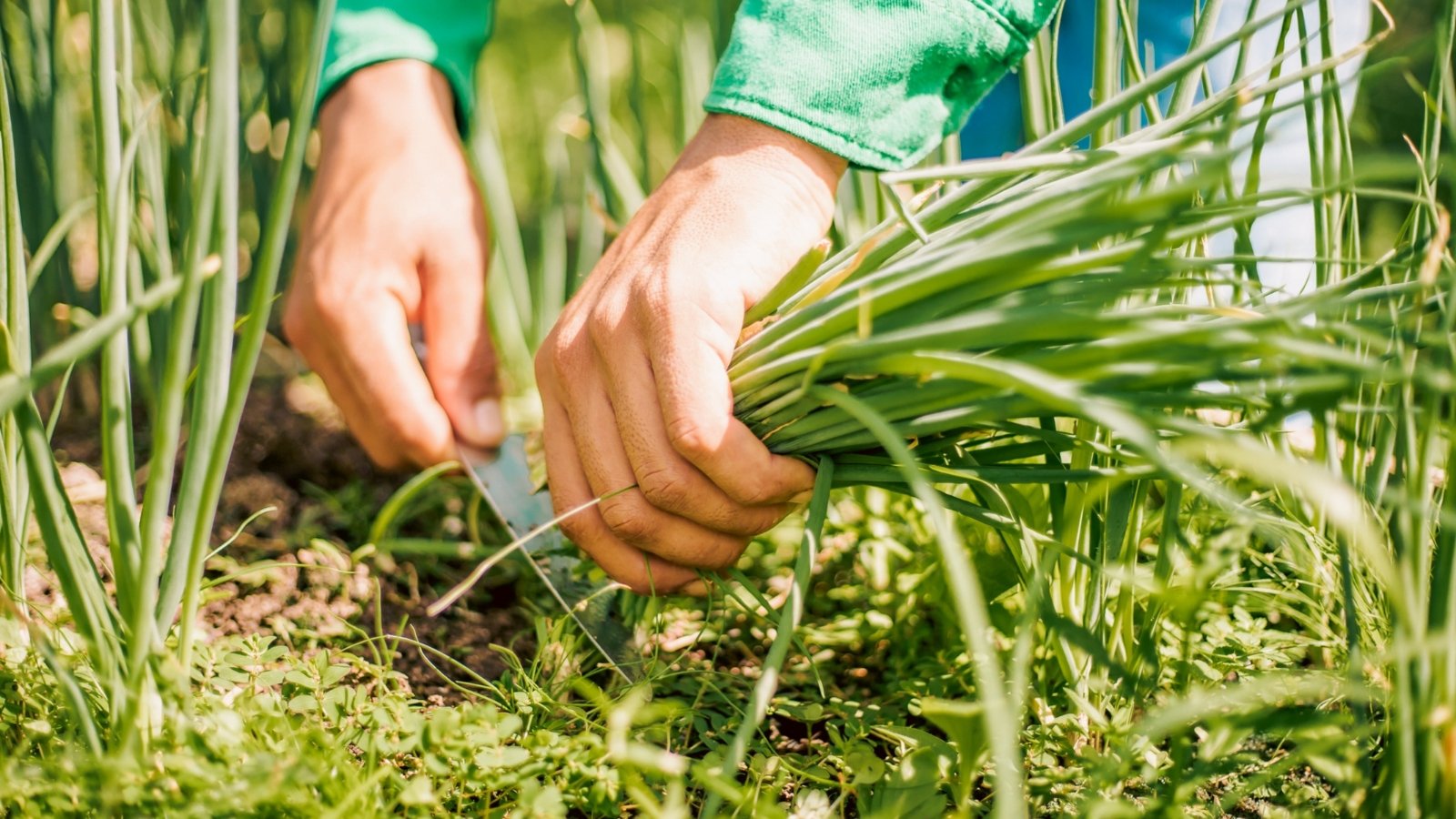
Now that your victory garden is flourishing, it’s time to start enjoying your harvests. With so many diverse crops to enjoy, you’ll have endless food to cook, preserve, or give away.
When you harvest your fruits, vegetables, and flowers, always use disinfected clippers or pruners. This will prevent the spread of disease and keep your garden healthy.
Key Takeaways
Creating a victory garden is super easy and fun! Even if you’re a complete beginner, you can create a vibrant food system at home.
After your first year, make a list of the plants that did well, and those that didn’t. Start making the ultimate blueprint for next year’s victory garden.


