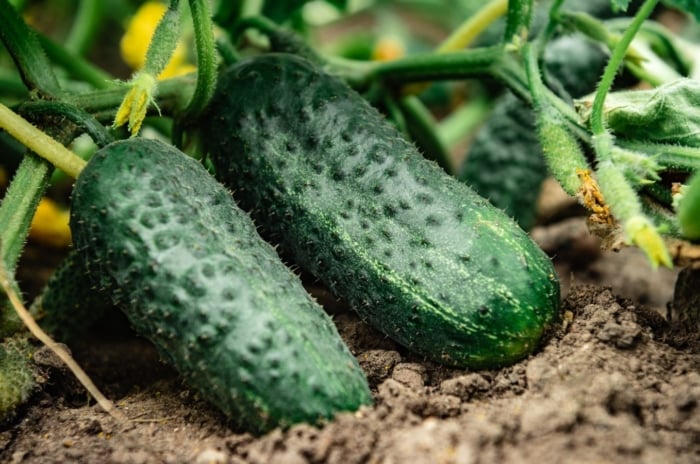
Our Favorite Cucumber Varieties for 2026
Cucumbers are an incredibly rewarding crop to grow. If you’re looking to try them this year, here are our top cucumber varieties for the 2026 growing season, covering everything from classic slicers and pickling powerhouses to compact container options and heat-tolerant standouts.

Contents
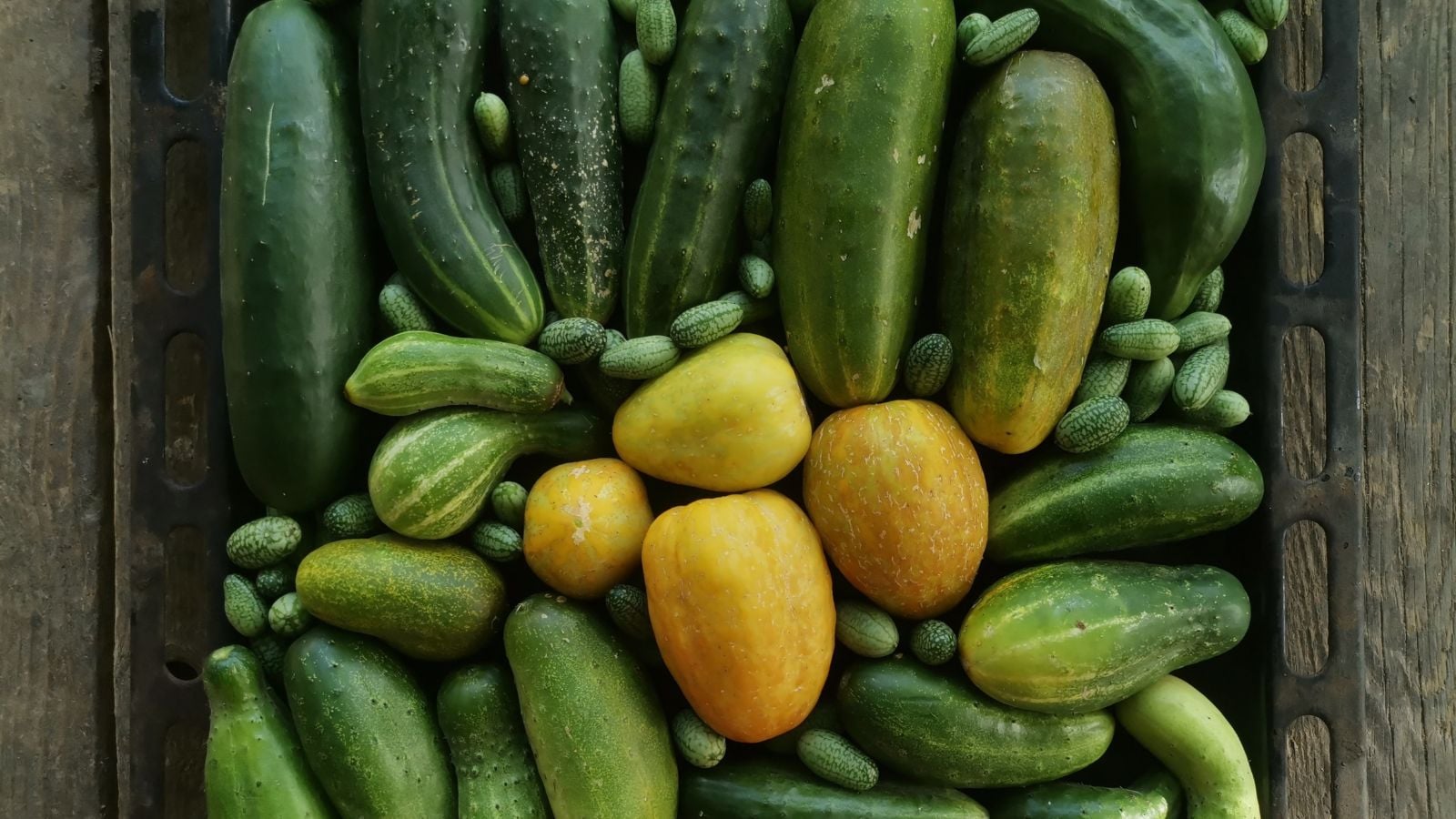
One of the best reasons to grow cucumbers from seed is access to varieties you’ll never find at a grocery store or even most farmers’ markets.
You can grow round yellow cucumbers that look like lemons, or tiny snacking cucumbers, or seedless gherkins perfect for cornichons. The options feel almost endless, and the hardest part tends to be choosing which one (or better, ones) you want to grow.
There is a world of shapes, sizes, flavors, and growing habits that store-bought cucumbers can’t touch. Some are bred for serious disease resistance, while others handle heat better than conventional varieties. This list covers the cucumber varieties in 2026 that we’re most excited about across all these categories.


Marketmore

‘Marketmore’ was developed at Cornell University and introduced in 1968, and it’s remained a go-to slicer for home gardeners ever since. The fruits are dark green, smooth-skinned, and ready to pick at about seven inches long.
The fruits keep their size and shape even under less-than-ideal weather conditions, where other varieties tend to curl or become misshapen. The vines are vigorous (expect four to six feet of growth) and keep producing as long as you keep picking. It’s also resistant to cucumber mosaic virus.
Tasty Green

Japanese cucumbers have thin, sweet skin and very few seeds. If that sounds good to you, ‘Tasty Green‘ is one of the best examples of the type. The fruits are slender and best picked at about nine inches, before they start to bulk up.
The standout trait here is disease resistance. ‘Tasty Green’ is resistant to powdery mildew and tolerant of downy mildew, which are the two fungal diseases most likely to cut a cucumber season short. In hot, humid climates where mildew pressure is heavy, that resistance is super helpful.
Grow it on a trellis for the straightest fruit and the best use of space. The skin is thin enough to eat without peeling, and there’s no bitterness.
Muncher
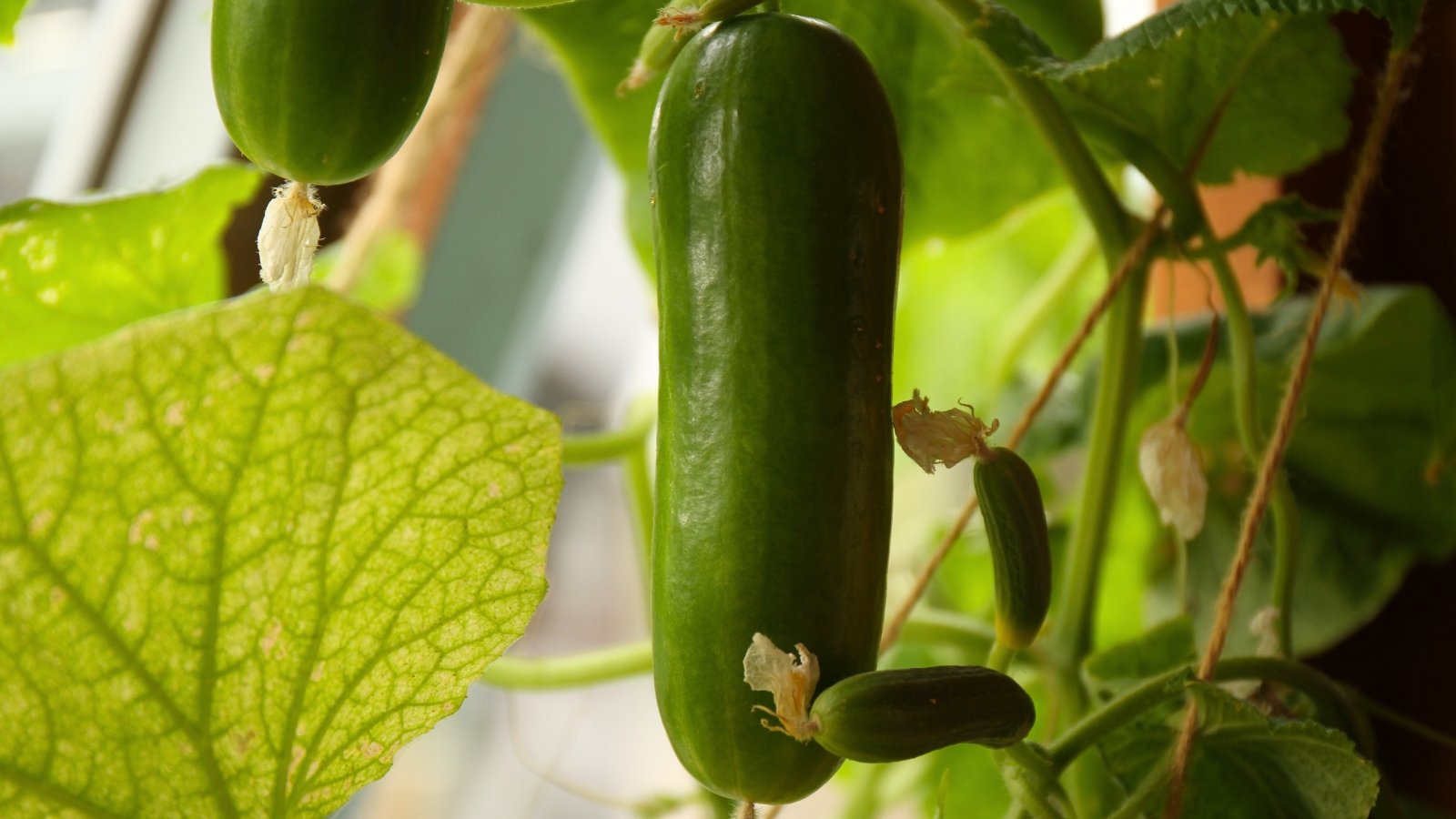
Persian cucumbers are mild and just the right size for snacking. ‘Muncher‘ is a burpless Persian type that produces nearly spineless fruit, ready to eat at about five inches but good at any stage of growth.
The disease resistance list on this one is impressive: cucumber mosaic virus, powdery mildew, alternaria leaf spot, and anthracnose. For a variety that looks delicate, it’s surprisingly tough. The fruit has thin skin and a satisfying crunch that makes it ideal for eating fresh.
Homemade Pickles

The name tells you exactly what this variety is for. ‘Homemade Pickles‘ is a dedicated pickling cucumber with drier flesh and a firm interior texture that absorbs brine beautifully. Pick the fruits anywhere from an inch and a half to six inches long, depending on how you want to use them.
The vines are compact, making them manageable in smaller gardens or containers, but the yield is impressive. The disease resistance is strong too, covering anthracnose, angular leaf spot, cucumber mosaic virus, and both downy and powdery mildew.
If you’ve been buying pickling cucumbers at the farmers’ market because you assumed growing your own was complicated, this variety should change your mind. They’re just as easy to grow as any slicer, and a couple of plants will keep you stocked for an entire summer of canning.
Lemon

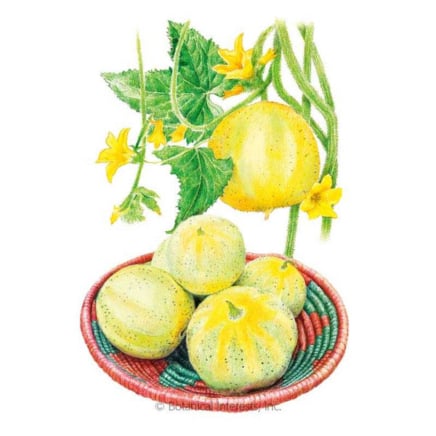
‘Lemon’ cucumbers are round, about the size of a tennis ball, with pale yellow skin that deepens as they mature. They look nothing like a conventional cucumber, but the flavor is mild and completely free of bitterness.
‘Lemon’ is a popular Australian variety that made its way to American gardens and never left. Eat it fresh like you’d eat an apple, slice it into salads, or pickle small fruits whole.
This cucumber is more drought-tolerant than most cucumber varieties, which makes it a smart pick for gardeners in drier climates or anyone who struggles to keep up with watering during the peak of summer. The plants are prolific producers, so two or three plants should be plenty for a household.
Spacemaster 80

Container gardeners and anyone working with limited space should have this variety on their radar. ‘Spacemaster 80‘ produces compact vines (two to three feet) that fit comfortably in a large pot or a small raised bed. The cucumbers themselves are full-sized slicers.
For gardeners in very hot climates (consistently above 90°F), ‘Spacemaster 80’ may benefit from a little afternoon shade. Alternatively, ‘Tasty Green’ or ‘Armenian’ might be better choices. But for most growing conditions, this is one of the best compact cucumber options available.
Armenian
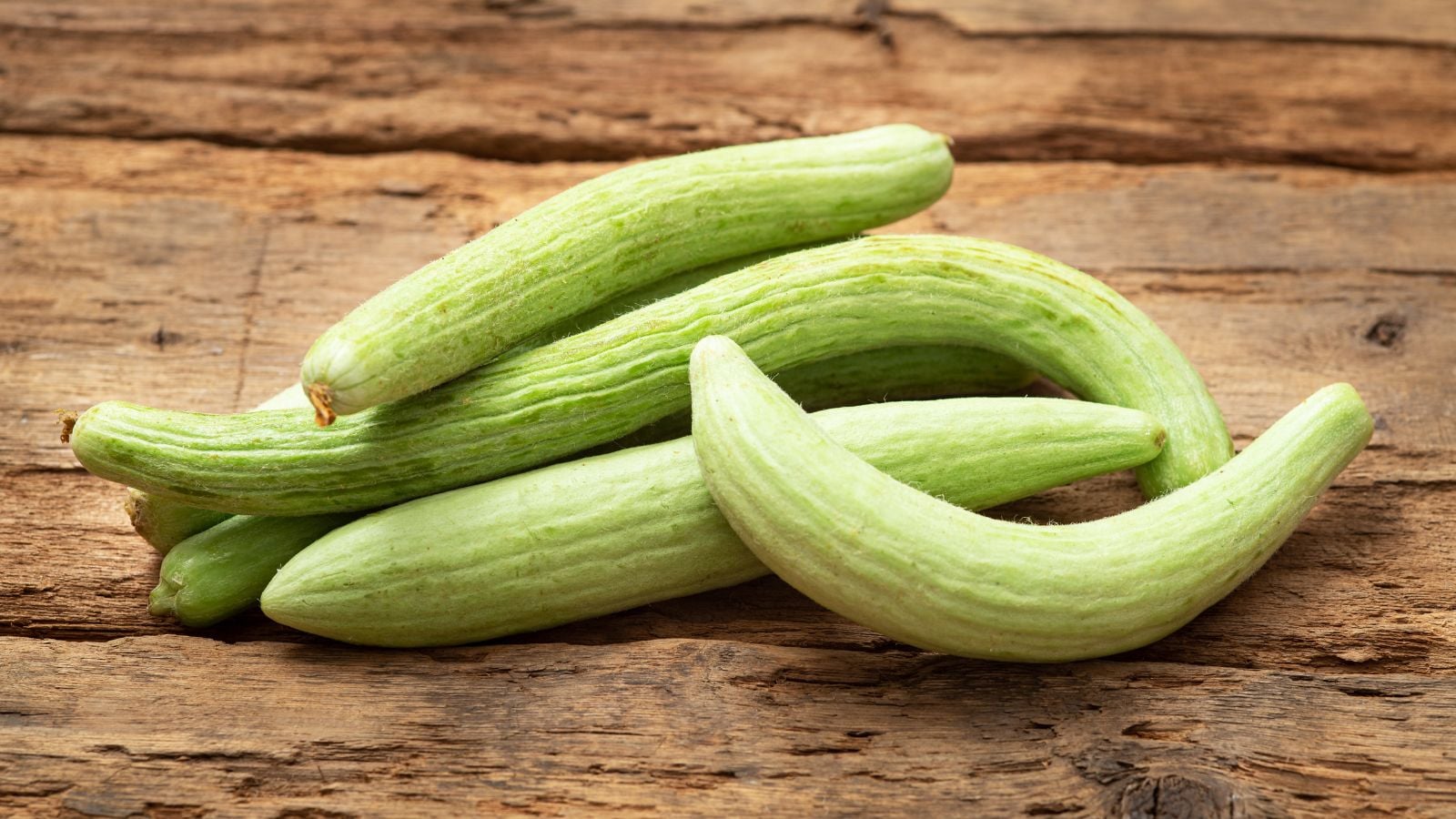
This is technically a melon, not a cucumber, but you’d never know it from the flavor. Armenian cucumbers produce long, pale green, ribbed fruit with thin skin, almost no seeds, and zero bitterness. They’re more tolerant of heat than most true cucumbers, which makes them a standout choice for warm-climate gardeners.
The fruits can grow impressively long (up to three feet if you let them), but they’re most tender and flavorful when picked between 12 and 18 inches. The production period extends well into fall, which is unusual for cucumbers and a welcome trait when most other varieties are winding down.
‘Armenian‘ does need room to sprawl or a sturdy trellis to climb. These are vigorous plants.
Telegraph Improved
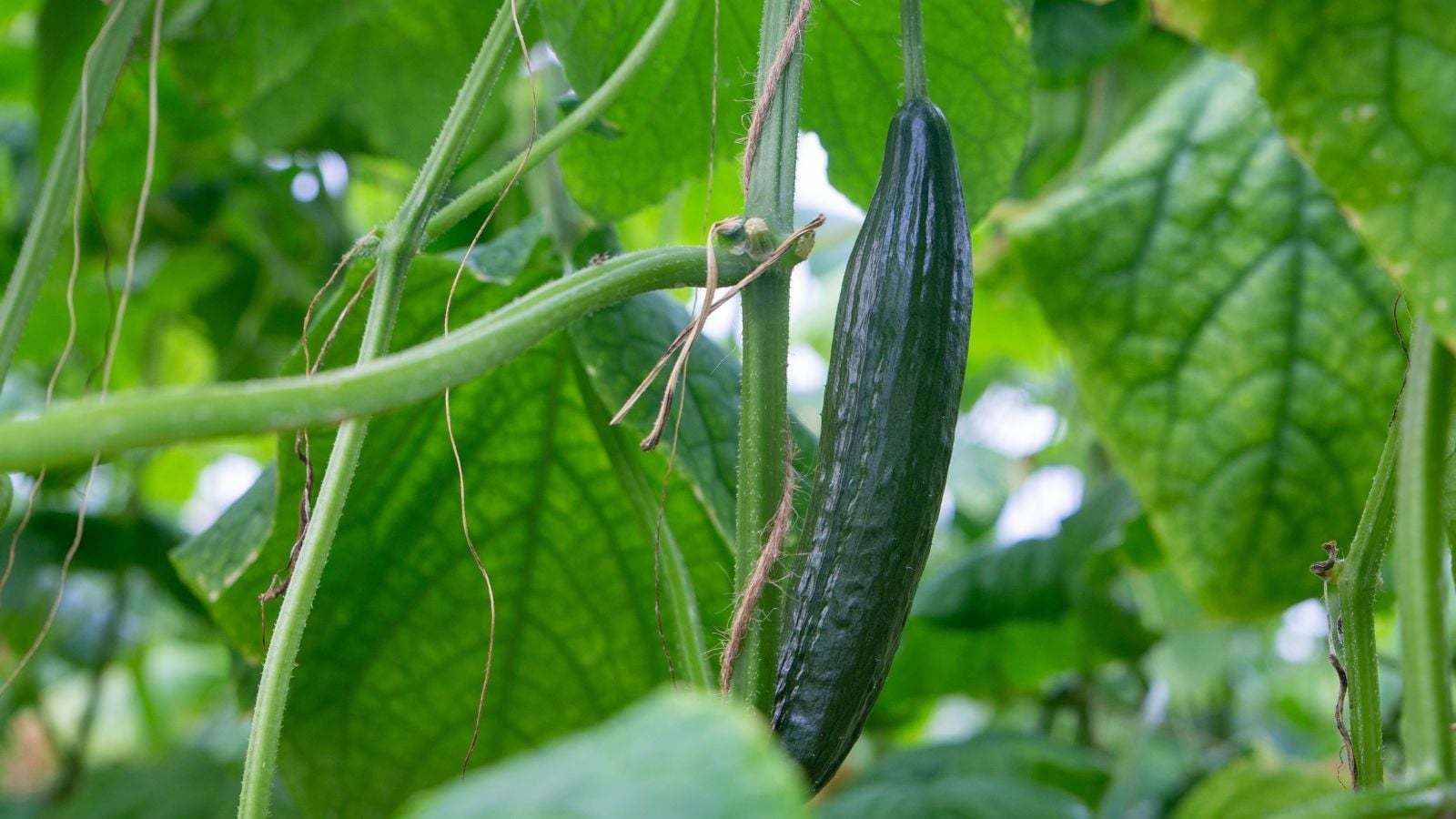
English cucumbers are the long, thin-skinned, virtually seedless type you find shrink-wrapped in grocery stores. ‘Telegraph Improved‘ is the home garden version, and the flavor is considerably better than anything you’ll buy at the supermarket.
Developed in the 1800s for greenhouse growing, it’s now widely grown outdoors by home gardeners. The fruits reach up to 18 inches, with sweet flesh and a mild, clean crunch. Vines can extend to eight feet, so a trellis is essential. Growing vertically produces the straightest, most uniform fruit. This variety does best with consistent moisture during fruit development.
Hokus

If you’re serious about making pickles, ‘Hokus‘ is the variety to grow. It produces small, seedless cucumbers with a satisfying crunch and no bitterness. Pick them as small as an inch and a half for classic cornichons, or let them grow up to four inches for sweet pickles or fresh eating.
‘Hokus’ is a parthenocarpic variety, meaning it sets fruit without pollination. That’s helpful if you’re growing under row cover for pest protection, or in a greenhouse where pollinators might not have access. The vines reach about six feet and benefit from a trellis or fence for support.
Quick Snack
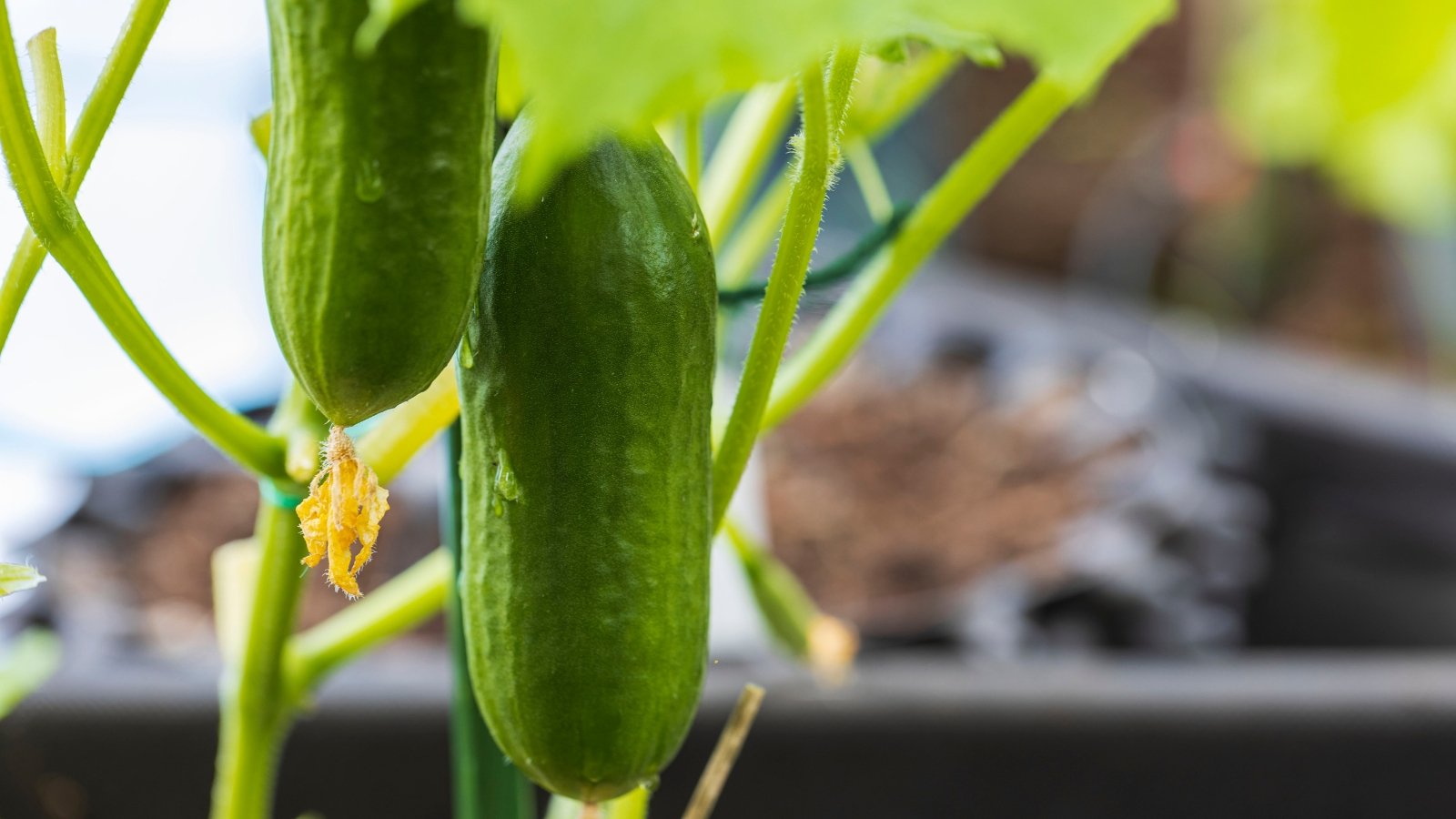
If you like the bags of mini snacking cucumbers from the grocery store, you can grow your own with ‘Quick Snack’. The fruits are tiny (pick them at about two inches) and perfectly proportioned for eating whole, right out of the garden.
Like ‘Hokus,’ ‘Quick Snack’ is parthenocarpic, so it sets fruit without a pollinator. That makes it an excellent candidate for indoor growing. In a sunny window or under grow lights, you can produce seedless mini cucumbers almost all year-round. This is the variety to grow if you have kids who like to graze in the garden, or if you want a cucumber that doesn’t need to be sliced or prepped before eating.