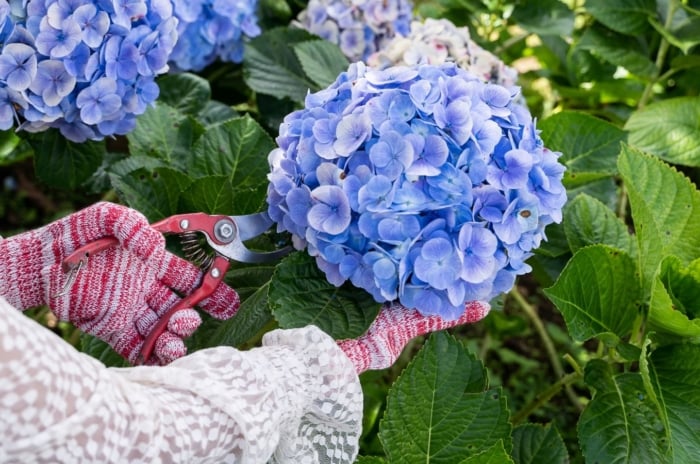
Spring Perennial Pruning Done Right: Our Best Tips
Before you take care of spring perennial pruning, there are a few things you should know. Certain tips will guide your pruning process, and ultimately, they’ll help you understand your garden more. Experienced gardener Sarah Jay covers five basic pointers to help you with your snip sesh.

Contents
Spring perennial pruning is an important task that improves overall performance. By snipping at the right time in the right way, your perennials bloom more. They are healthier, and they have a more pleasing look when they’re cared for properly. All it takes is some practice to learn the best ways to prune your plants.
Depending on what you’re growing, there are specific timings and ways to make cuts that truly benefit certain forbs and shrubs. This is the basis of your most effective regimen, as is knowing when they tend to bloom, die back, and when they leaf out. Noting these moments is important.
Even if you make a mistake, most perennials can handle it. One snip at the wrong point of the season may result in no blooms for that year, but as long as you provide basic care, you get to try again next year. But here at Epic, we want to help you do the best you can for your garden. So note these tips as you’re deciding when and how to prune.
Understand Your Plants

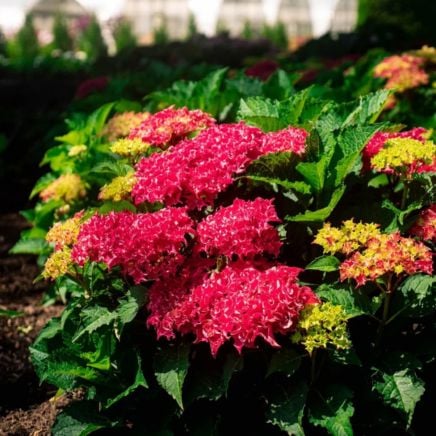
Before you get started on spring perennial pruning, you should understand the basic cycles your perennials go through. Know when they bloom, and when they produce fruit (if that’s something you’re interested in). If the above-ground parts of the plant die back in winter, but they remain root hardy, make a note of this.
You may grow perennials that have stems through the winter, and it’s best to wait to prune them until new leaves sprout at their base in spring. Maybe your pruning task should be accompanied by a feeding of compost or fertilizer. These are all important considerations.
You can keep a list somewhere that gives you a heads-up about the kinds of pruning you need to do. I like to take time in winter while I’m seed starting to calendar when different garden tasks need to happen. Your plans don’t have to be this regimented, though. Whatever works for you is best.
Keep Your Shears Clean and Sharp
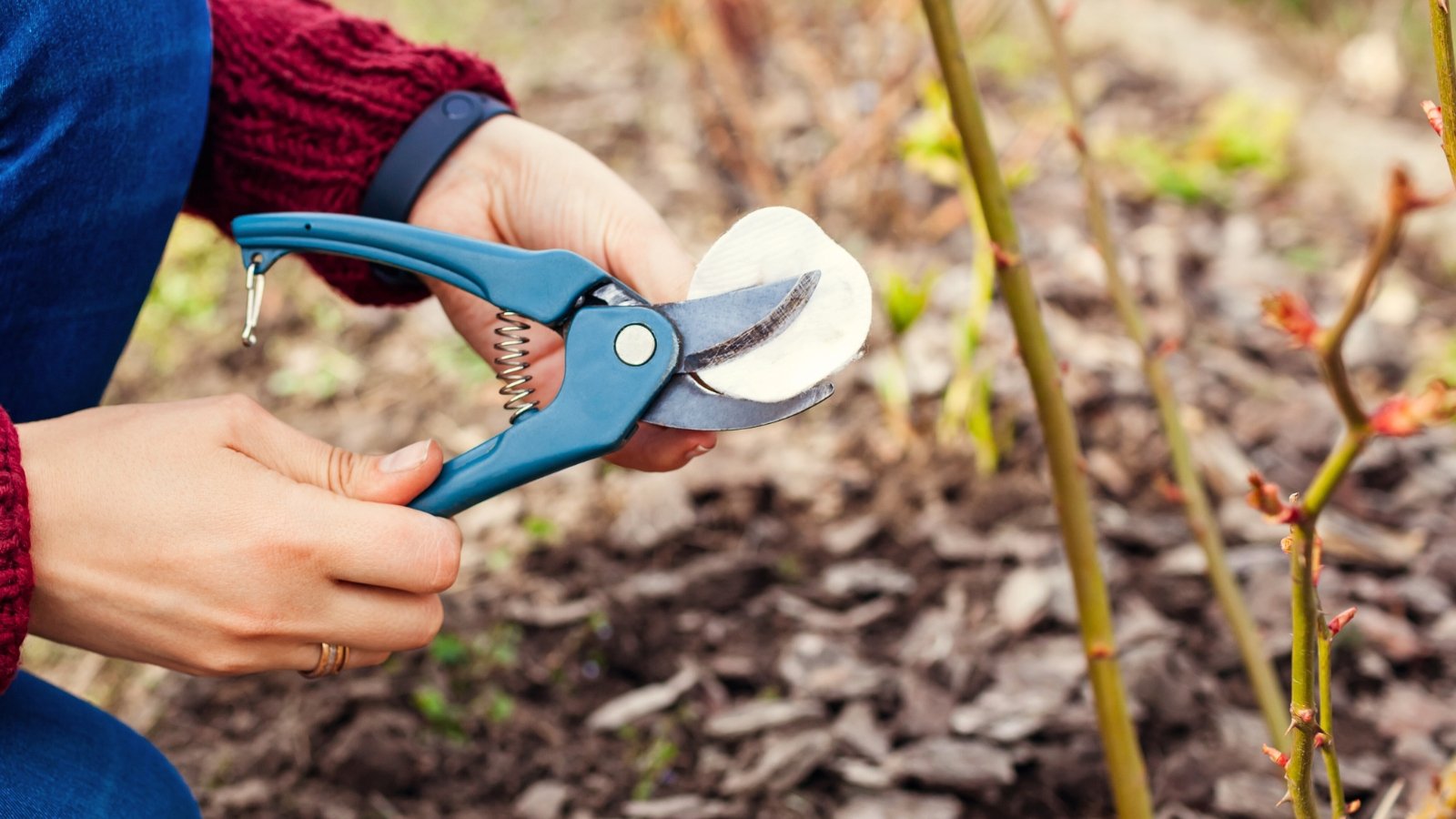
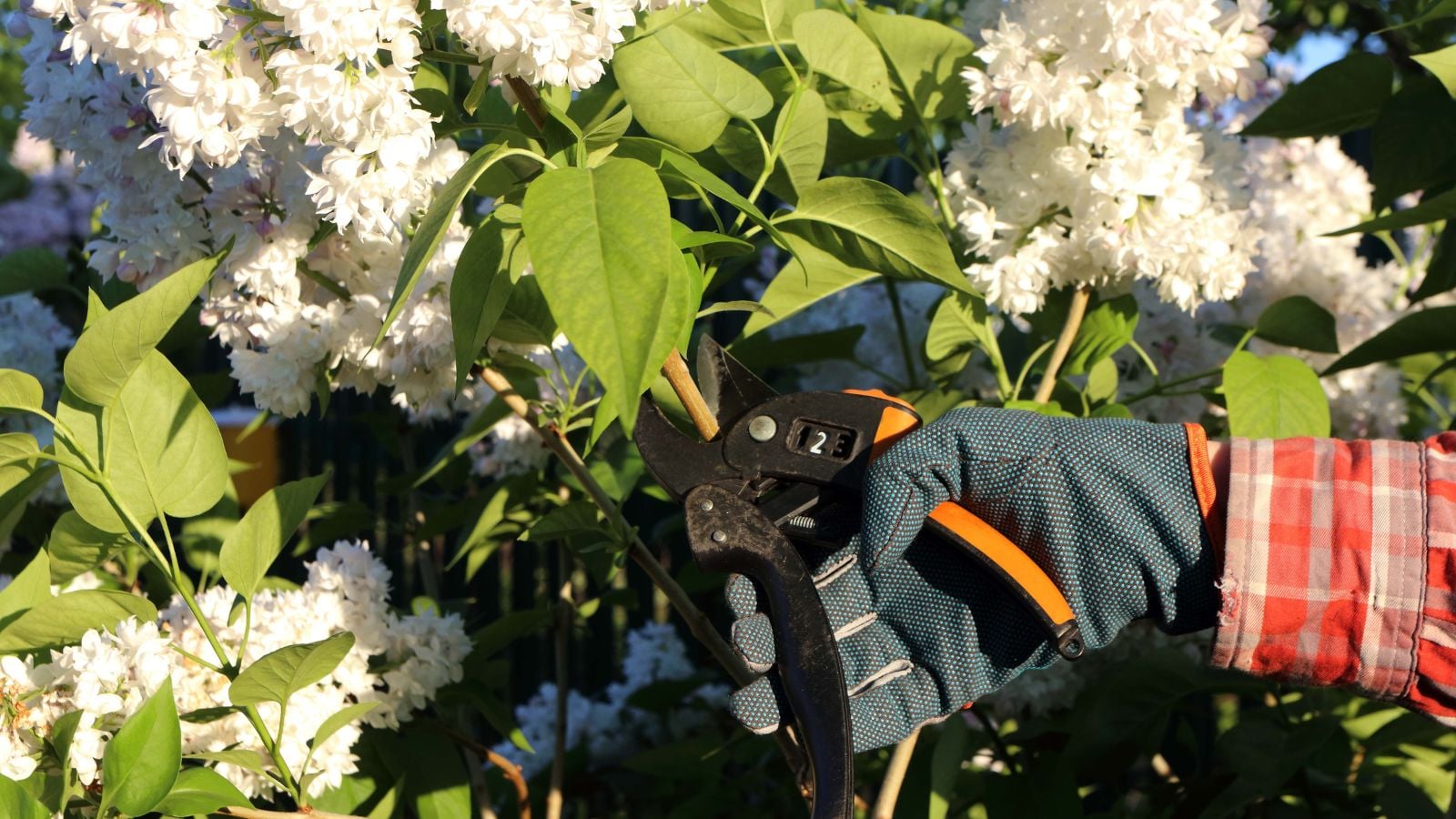
If you use dirty, rusted, and dull blades when you’re taking care of spring perennial pruning, most likely your plants will suffer. Especially because pruning is often for removing diseased materials, it’s very important to sanitize between plants. Sharp shears and loppers allow for better healing, as clean cuts seal over more easily.
Rust can make the pruning process harder on you, which in turn makes it tiring. You’re more likely to make a mistake if you’re struggling to cut each time. So before you prune, take some time to adequately clean, derust, and sharpen your blades. Then keep some kind of sanitizing solution around to wipe blades between snipping each plant. Hydrogen peroxide is a good option, and so is any kind of isopropyl alcohol. Let the blades dry, and then commence.
Differentiate Blooms
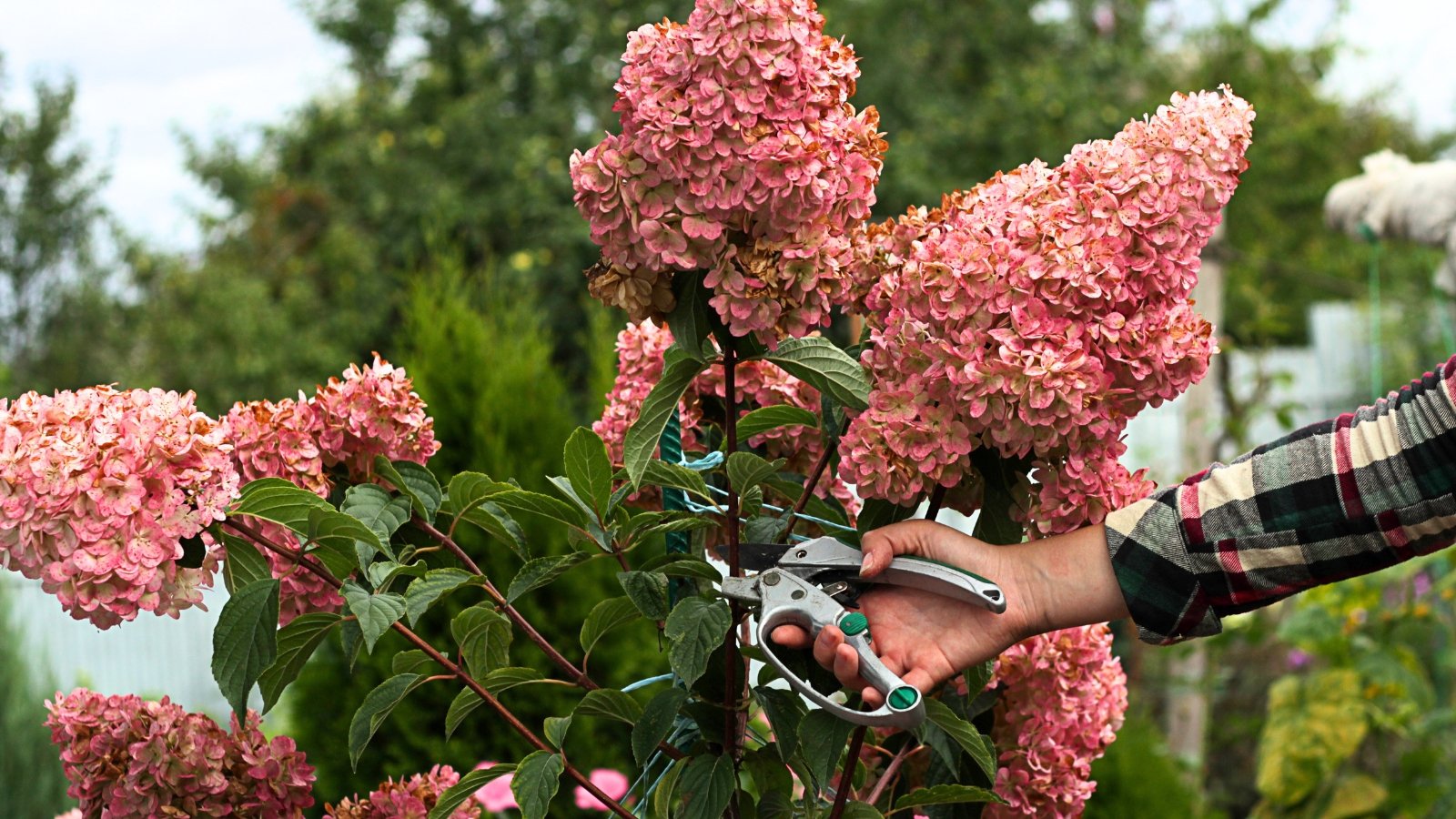
Knowing when your perennials bloom is probably the most important thing to note before you do spring perennial pruning. Some shrubs bloom on new wood, and some on old wood, from last year’s growth. Some bloom on both, so it’s good to know which of these you’re dealing with before you prune. Otherwise, you could remove branches that form this year’s flowers.
Note where buds form as well, as you often should prune above buds, even if you’re lightly shaping.
Deadhead When Necessary
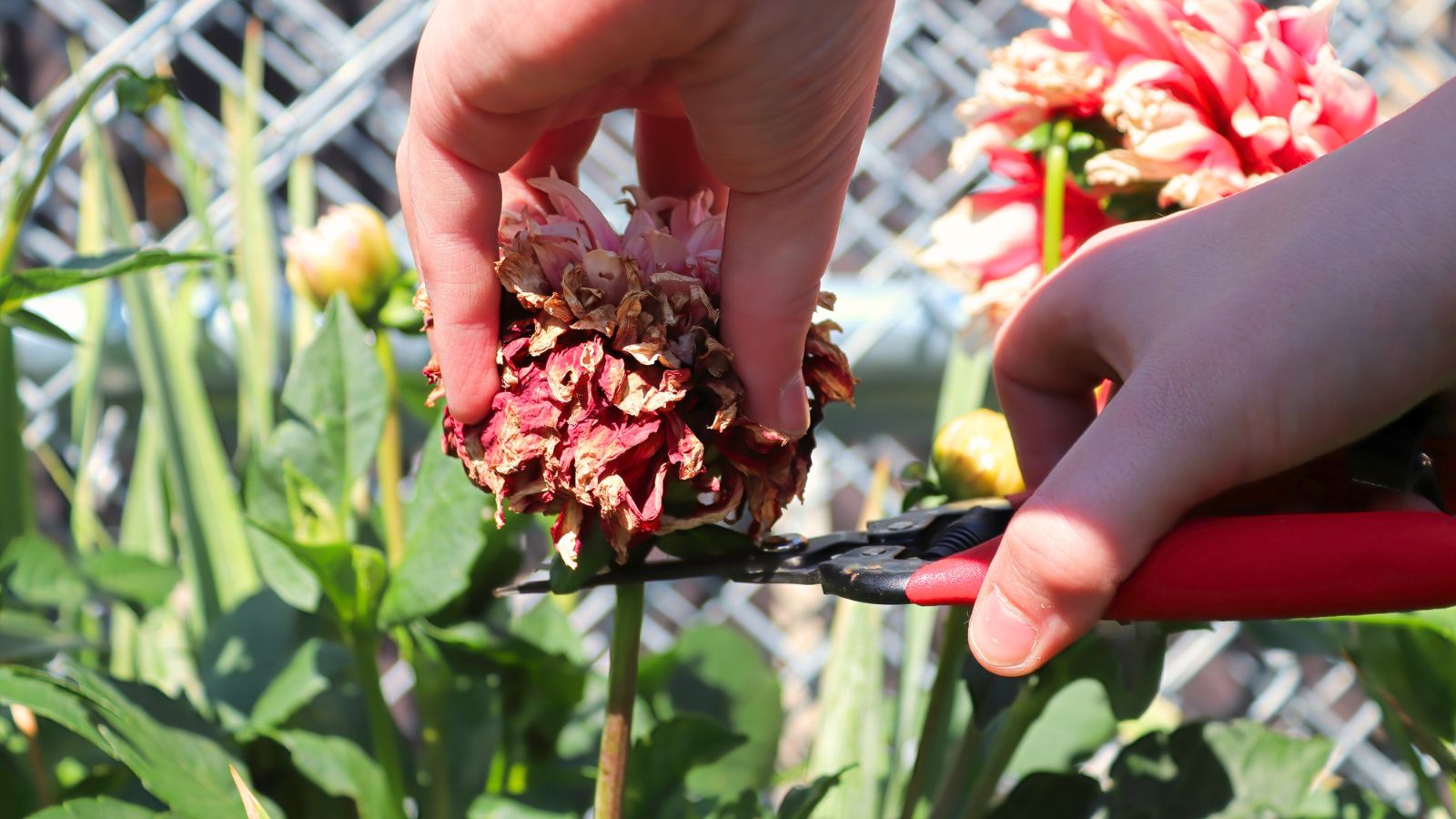
If you’re dealing with flowering perennials, deadheading has multiple benefits. For those with long bloom times, deadheading reverts energy into upcoming blooms, which means more flowers. If you have a perennial that will seed out significantly and take over, deadheading prevents that plant from going to seed.
You can even remove blooms to enjoy indoors. This is a good idea if you’re dealing with plants that tend to have a long vase life. If you’re not worried about unwanted spread or repeat blooms, let the plants go to seed. The stems and seedheads of many perennials feed and house wildlife over winter.

Remove the Three D’s
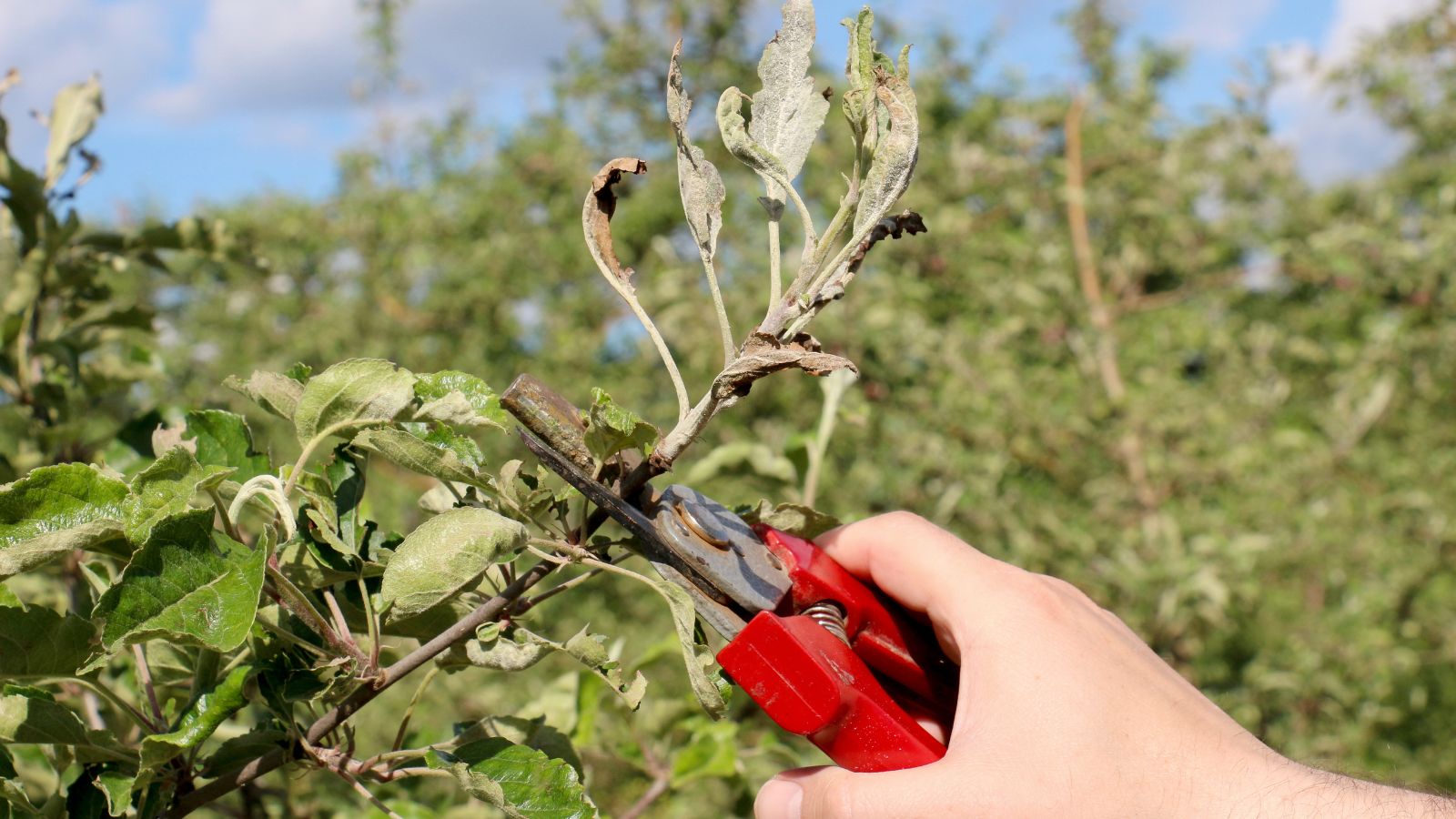
This is the easiest thing to remember as you get going on your spring perennial pruning regimen. The three D’s are dead, diseased, and damaged areas of your shrubs and herbaceous perennials. Make these your first cuts, as they’re not doing anything for your plants, and they could be harboring proliferating fungi or bacteria.
While these are spring pruning tips, you don’t have to wait to remove them. Instead, take them out at any point in the season. Your plants will be more productive as a result. When you remove these parts, don’t compost any diseased material, and toss it in the trash instead. This prevents diseases from taking hold of your compost pile and, in turn, your garden.
Key Takeaways
So, as you prepare to enact your spring perennial pruning, remember the basics:
- Get a sense of the cycles of each perennial in your garden. When do they bloom? Do they leaf out after they bloom or before? Do you leave stems over winter or take them out?
- Always sharpen, clean, and derust your pruners before you snip any plants. Keep a sanitizing solution handy to clean between each plant.
- Note where buds form on your plants, and whether they bloom on new or old growth (or both). This is the key to the right time for pruning.
- Deadhead plants that spread by seed, and remove spent flowers to promote more blooms. Or, leave seedheads on less vigorous plants to allow them to spread and feed wildlife over winter.
- At any time in the season, remove dead, diseased, or damaged wood. Don’t compost diseased plant material.