The Ultimate Shrub Pruning Guide
With so many different timings and ways to maintain shrubs, we’ve developed a shrub pruning guide. Covering nine of the most popular shrubs, we discuss when to prune them and how to do it. Experienced gardener, Sarah Jay, takes you through the process here.

Contents
If you want to know the best time to prune your shrubs, check out this shrub pruning guide. This guide is designed to give you a heads-up about the timings and types of pruning you should do for nine of the most popular shrubs out there. And knowing when and how to cut each shrub is important!
Even within a single category of shrubs, there are variations about when to prune based on when each one blooms. Old wood bloomers typically need maintenance directly after they bloom. Those that bloom on new wood often rely on pruning in dormancy to produce tons of lovely flowers and foliage.
Some of the wilder shrubs don’t need much pruning at all. These are best suited to areas where the space can be filled solely by the shrub. Some put off a lot of extra growth when they’re pruned too often. So make a note of what each shrub needs and take it to your garden, or use this guide to determine which one is best suited to your gardening style.
It goes without saying (but just in case) that you should always use sterilized pruners for every pruning session. Sharpen them ahead of pruning for the best cuts, and snip at a 45° angle.
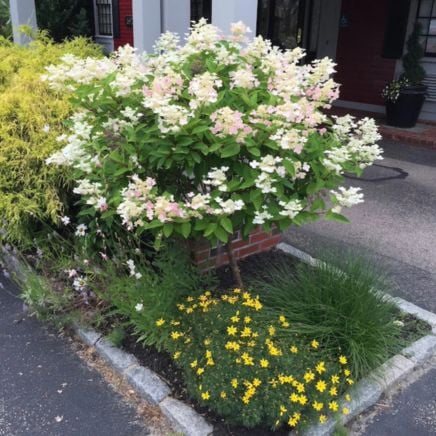
Hydrangea

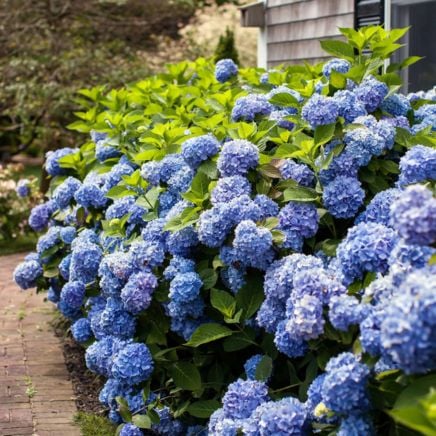
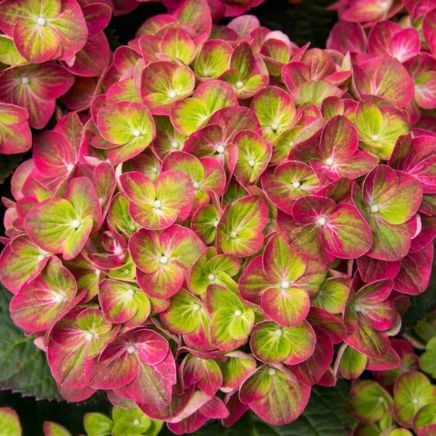
So many gardeners love hydrangeas, and it’s easy to see why. They offer bunches of lovely blooms in white, pink, or blue – you can even change pink flowers to blue and vice versa based on soil composition. No matter the type, hydrangeas have beautiful, broad leaves and domed or slightly spiked inflorescences. They are perfect in woodland and cottage gardens alike.
There’s a difference between hydrangeas that bloom on old and new wood. As mentioned above, those that develop flowers on last year’s growth should be pruned just after blooming. Those that bloom on new wood need late-winter to early-spring pruning.
Bigleaf, mountain, oakleaf, and climbing hydrangeas bloom on old wood. Panicle and smooth hydrangeas bloom on new wood. So plan for a dormant prune for this second set, and observe new wood-blooming shrubs to know when to prune them.
In this shrub pruning guide, know that the way you prune most hydrangeas is the same. Always focus on diseased, damaged, and dying wood first. Then thin out the interior to provide proper air circulation, which promotes flowering. Deadhead your shrubs after they flower to a pair of healthy buds or lateral branches.
Boxwood

As foundation plantings, boxwoods are some of the most commonly grown. This is largely due to their uniformity and the ease of caring for them. Unless you’re in a particularly wet area, boxwoods handle other conditions like champs. They’re evergreen and hold their form year-round.
When it comes to pruning them, shoot for the dormant period of late winter to early spring. Remove any of the three D’s you notice, and shape them as needed. You can use hand pruners here, as boxwoods have thin branches. Loppers work where branches are thick, and hedge trimmers can help you prune a row of boxwoods quickly.
If you’d like to shear the shrub or change its shape significantly, wait for the late spring to do so. You should accompany the shearing with thinning and remove the outer edges of the plant. Do not take more than ¾ of the outer edges of the plant. This prevents dieback.
Shrub Roses

A rosarium is a wonderful thing, especially when roses are in full bloom. At the height of spring and summer, they pop off, offering up their scent to happy gardeners, feeding bees, and blooming some of the most coveted cut flowers.
Shrub roses are perhaps the most popular of the rose types that people grow. They’re adaptable and hardy, blooming repeatedly throughout the season. With that being said, deadhead them as flowers fade, or harvest them at any phase. They’ll continue to bloom after being cut.
Late winter to early spring is the best time for a dedicated pruning session. Always cut at a 45° angle to promote the best healing. If you can cut above an outward-facing bud, do so about ¼ inch above. Take out underproductive canes, then cut the entire shrub back by ⅓ its height. Remove any suckers forming at the base of the shrub.
Weigela

Floriferous weigela shrubs bloom on both old and new wood. There is an initial flowering period in spring, which represents buds that formed on last year’s growth and earlier. Then in summer, weigelas burst with another set of blooms. Because they’re so popular, we’ve added them to this shrub pruning guide to give you an understanding of the nuances involved in maintaining them.
While many guides will say not to prune in dormancy, that’s only partially correct. You don’t want to take out productive canes, as this will remove all the upcoming spring flowers. Instead, take out dead wood in late winter to early spring. Remove ¼ to ⅓ of the largest branches to promote better blooms on new ones. Leave several large, mature branches behind.
After your plant blooms in late spring, give it a snip at the tips. In general, prune to a bud or to a natural growth point. This gives weigela a more natural look in the landscape, and it helps next spring’s buds set and form with ease.
Flowering Dogwood

The shrubs and small trees in the Cornus species are highly beloved, though they’re the lowest maintenance of any on this shrub pruning guide. With some species native to North America, many of the dogwoods people plant hail from other parts of the world. They’re lovely pollinator attractants, and their flowers are mostly white with some that have red blooms.
Prune in late fall to early winter, or just after the dogwood finishes blooming. Start with waterspouts, which are branches that grow completely vertically and are not productive. These will not flower in spring, lessening the effect that most people plant dogwoods for.
Then focus on any branches that lean into walkways. Prune them all the way to the collar. There are no specific ways to prune dogwoods, as they tend to be very vigorous and don’t respond well to shaping. Never top them, as they will produce tons of watersprouts in response.
Spiraea
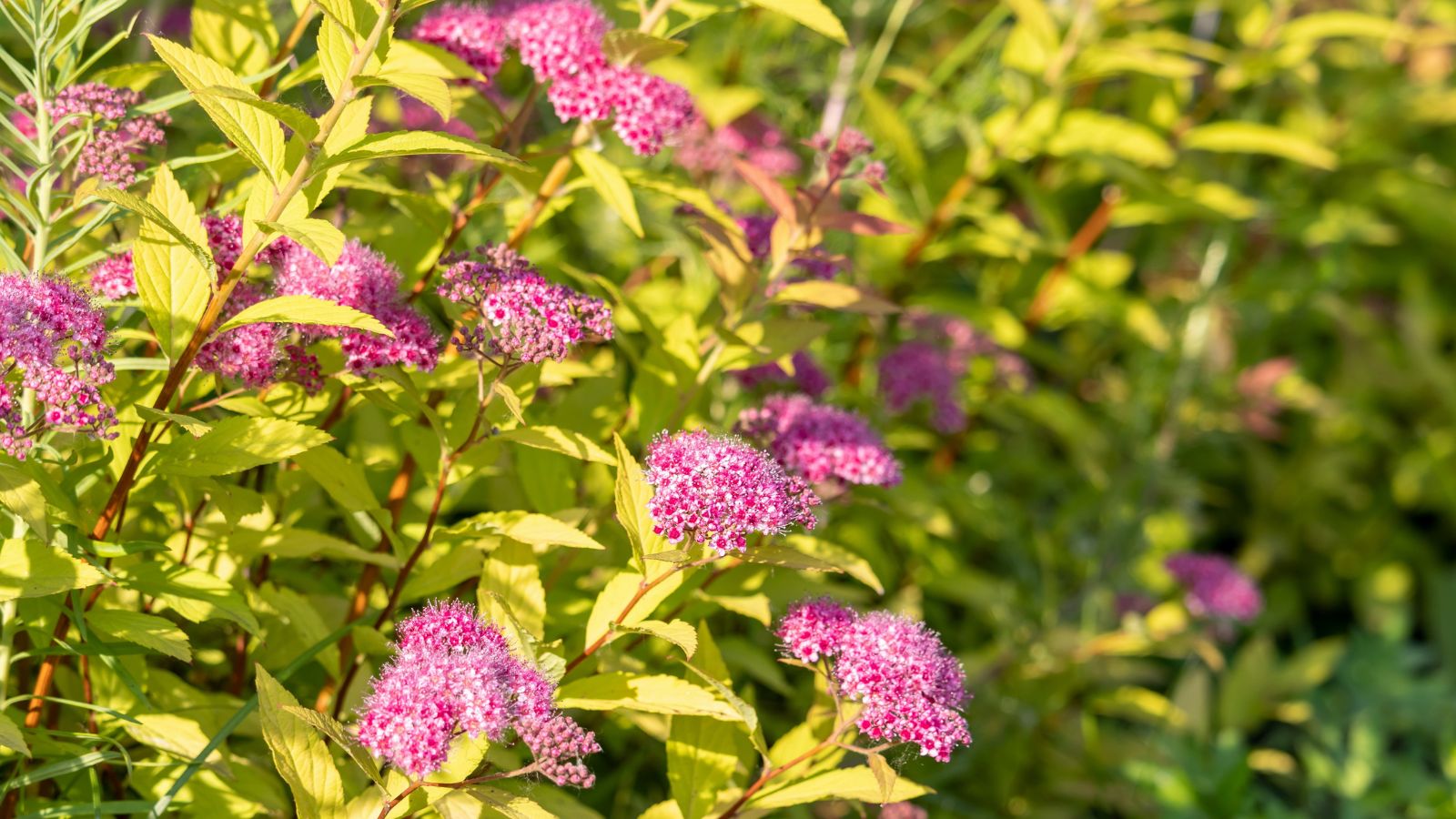
There are two types of spiraea shrubs: those that bloom in spring and those that bloom in summer. While these are divergent blooming times, the way to prune these shrubs is basically the same. Follow the tips we provide here in this shrub pruning guide, and you’ll have abundant blooms, no matter which season.
Rejuvenation pruning can be done in dormancy, in late winter through early spring. This is best for overgrown shrubs that have shown reduced flowering. This reduction in blooms is due to too many canes that choke each other out.
In spiraea that have just begun to decline, remove all the older canes. In those that have shown reduced vigor for multiple years, take out all the canes. Use your best judgment to determine how to thin these less productive branches, depending on the crowding as you see it. Note that those that have been cut down will take one to two years to bloom again. But it’s worth it for the lovely blooms your shrub produces.
Use loppers for canes over ½ inch wide, and hand pruners for smaller ones. Of course, loppers are fine for any size below ½ inch, but pruners are easier to control. There is one other kind of pruning to do for spiraea: renewal pruning. This involves removing ⅕ to ⅓ of the oldest canes. Do this every few years.

Lilac

The scent of lilacs is the stuff of legends. Sadly, this scent is hard to extract from the shrub. In that regard, pruning is an important step for ensuring you have the most lilac flowers possible every year. To start, don’t prune newly planted shrubs for at least two years. They are still developing the capability to flower. Wait for two to three years before you prune your lilac shrubs.
For specimens at least a few years old, deadhead spent blooms through the flowering period to promote better bud set for the next season. After this, renewal prune ⅓ of the thickest canes at their base to promote better air circulation and, in turn, more blooms. Do this annually until all larger branches are removed.
If you’re growing a smaller variety, you can cut it to the ground in late winter. They won’t bloom as much or at all for a year or two, but they will be healthier and happier once they surpass the next couple of years.
Daphne

The waxy, sometimes variegated leaves of daphnes are evergreen, providing color to the garden year-round. Their blooms are shades of pink, purple, and white, and bloom in spring and winter, depending on the species and variety. Daphne odora is one of the most commonly planted of the genus.
These shrubs don’t need pruning. Therefore, choose a daphne whose mature size will fill the intended space without outgrowing it. Too much pruning can result in dieback. The only exception is removing dead, diseased, or damaged wood.
Always wear gloves when pruning daphnes, as the branches contain a sap that can irritate skin. If you have space, feel free to layer branches to help your daphne spread out. Just pin a lower branch with new growth to the ground next to your shrub. When it roots, you can detach it and plant it elsewhere, or let it spread into the new area.
Viburnum
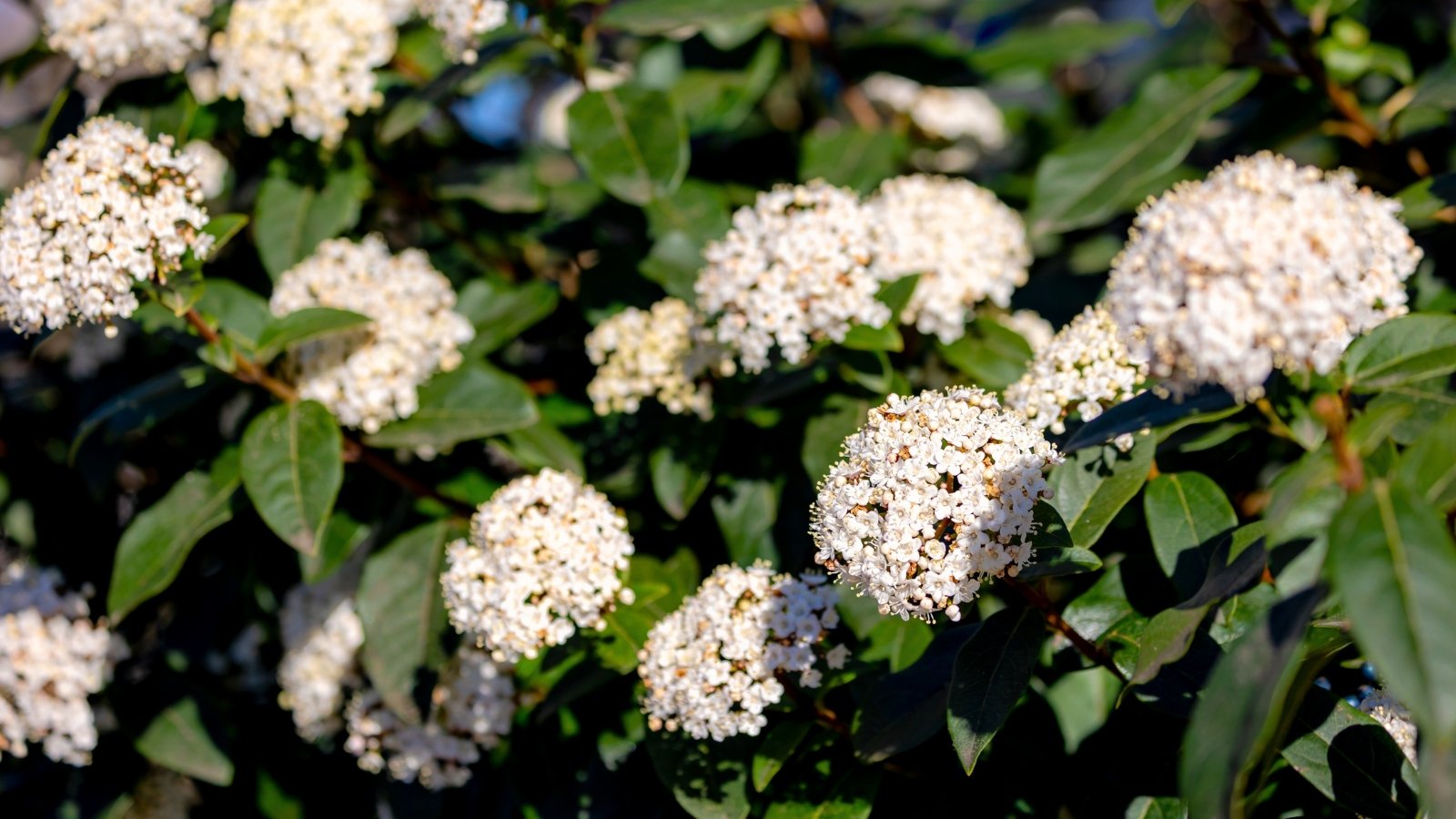
I love coming across a viburnum in the wild. The ones here flower with dome-shaped, white blooms that are truly stunning. But other species are lace-capped or snowball-shaped. Some are cream-colored, rather than bright white. There is a lot to get from these wilder plants, and they bring many beneficial insects – including pollinators – to the garden.
The viburnum is the easiest of the plants on this shrub pruning guide. Like daphne, viburnums don’t need heavy pruning. The only reasons to prune are for shaping and reviving overgrown shrubs. These bloom on old wood, so prune for shape immediately after they finish blooming in early spring.
If you need to promote more vigor in older plantings, you can do some revival pruning, but do so judiciously and do not carry this out every year. Revival pruning should be done during dormancy. Simply cut the shrub to the ground during this time. Expect flowers to return in a couple of years.