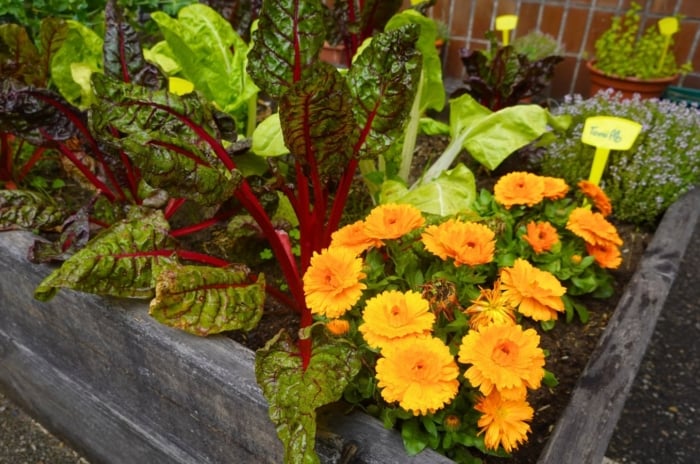
7 Shade Flowers That Bloom All Summer Long
Can flowers in the shade bloom all summer? Yes, they certainly can! There are plenty of perennials that show off in summer, even where full sun isn’t present. Experienced gardener Sarah Jay has seven of the most stunning shade flowers you can grow in your garden this year.

Contents
It’s true that some flowers in the shade bloom all summer. You just have to know which ones to plant for a stunning display through the warm season. Shade gardens can be difficult to tend if you’re not sure what to plant. And summer woodland gardens may turn to just green without the right plants and planning.
But when it comes to summer shade blooms, there are options. If the plants on this list don’t suit your climate, go to your nearest woodland this summer and check out the plants that flower then. Chances are there’s a species in your region that can handle some shade. Even dry shade areas host flowering plants in summer.
Note that some of these plants may be specific to a particular region, but they can perennialize in areas outside that region. If you know one of these is invasive in your region, however, try not to plant it in your garden – or at least plant it in a container. Then enjoy the show in the shade.
Eastern Goat’s Beard

|
botanical name Aruncus dioicus |
|---|---|

|
sun requirements Full sun to partial shade |

|
height 3-6′ |

|
hardiness zones 3-7 |
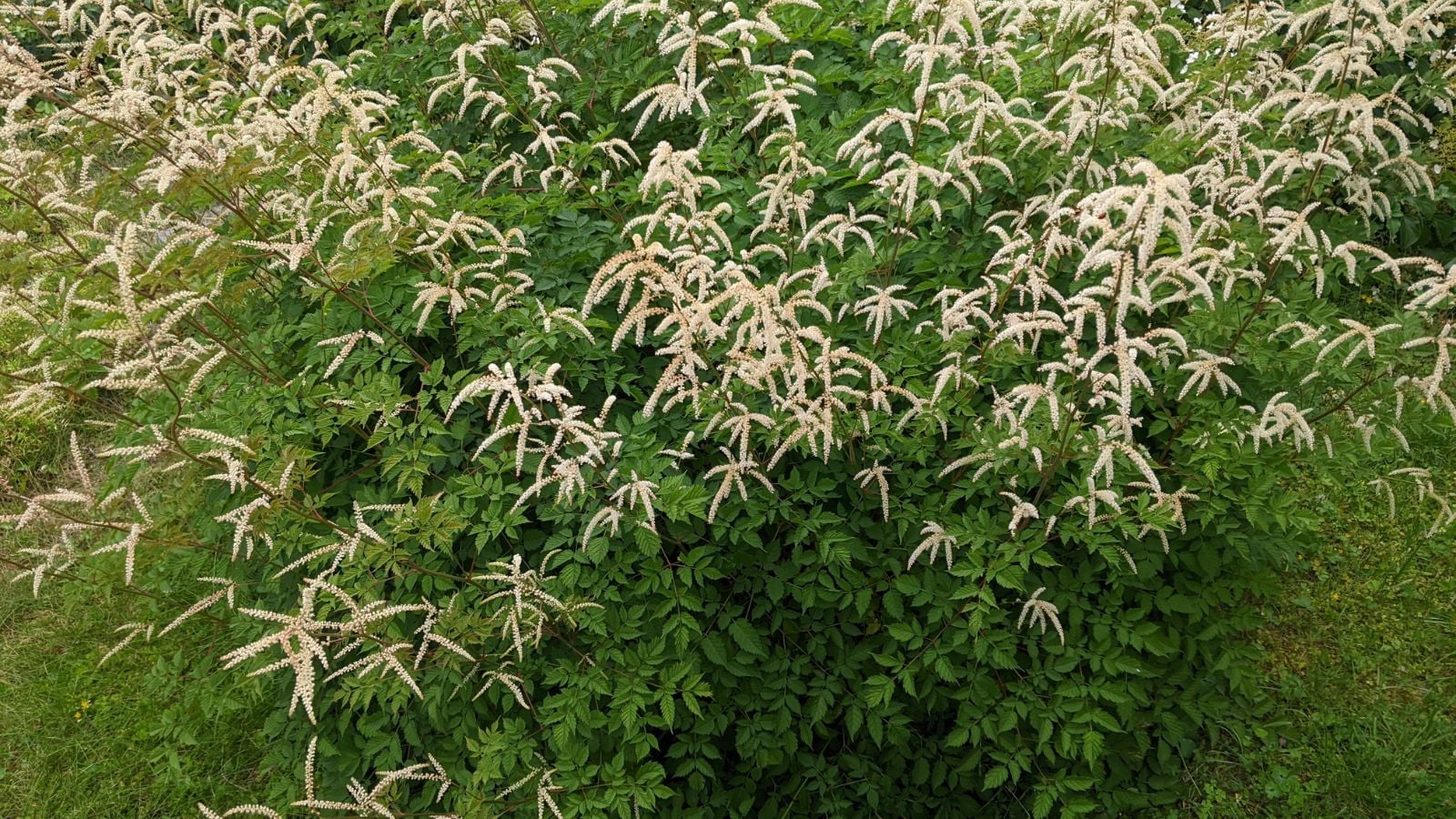
Also called Bride’s Feathers, eastern goat’s beard is a showstopper in the summer shade. Its white to cream panicles emerge in spring and last through summer, attracting Dusky Azure butterflies, which use the plant to raise their young. Especially in warm regions, this plant needs shade to thrive, but it can handle some full sun.
If you live along a creek or there’s a stream nearby, this is a great plant for your garden. It’s resistant to deer and rabbits, so plant it along areas where you don’t want them to enter. Planting multiple is a great idea as well, as these are dioecious plants that are either male or female. Planting both ensures you can produce viable seeds.
Tussock Bellflower

|
|
botanical name Campanula carpatica |
|---|---|
|
|
sun requirements Full sun to partial shade |
|
|
height 4-12″ |
|
|
hardiness zones 3-8 |
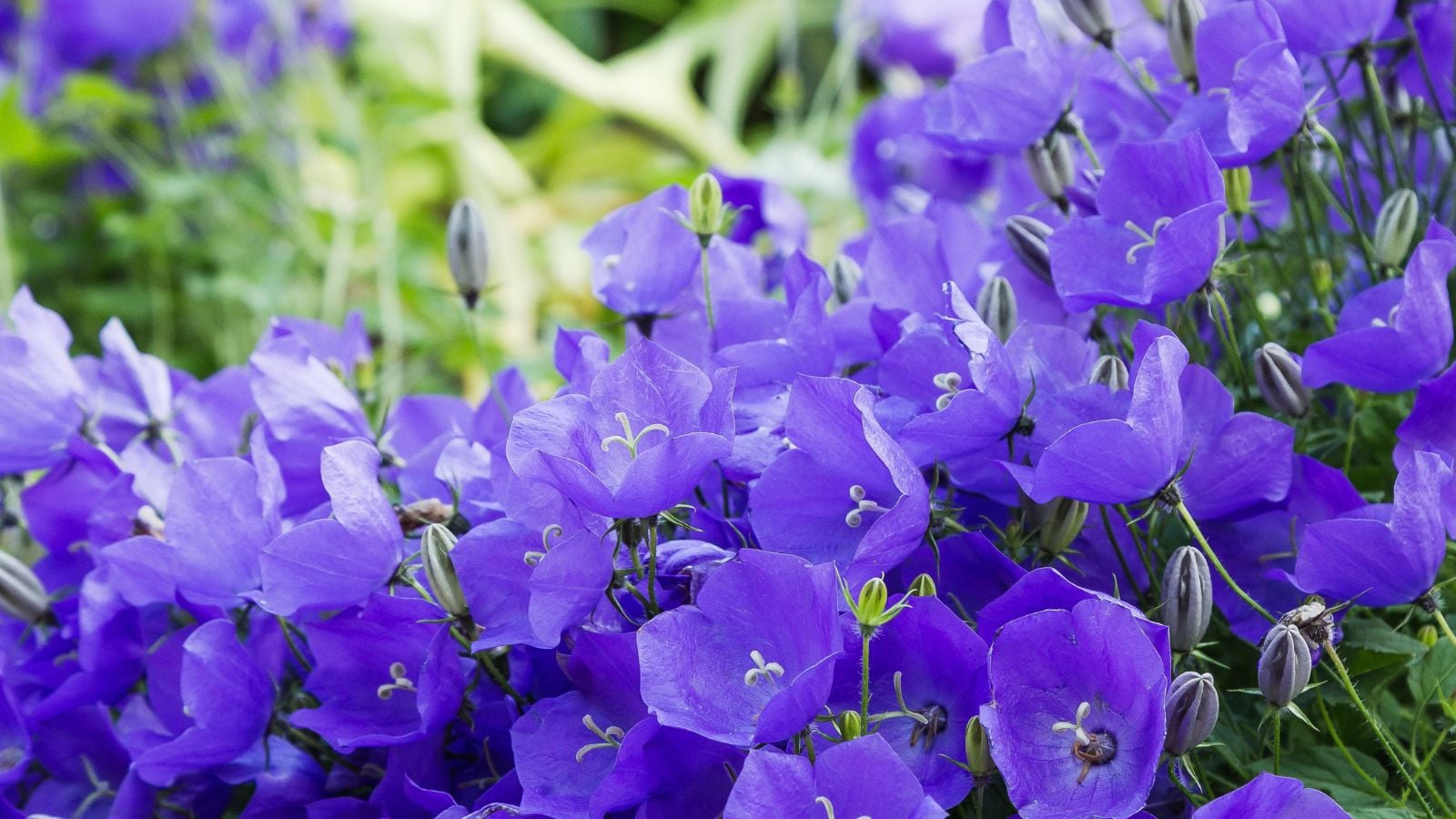
Bellflowers bring such beauty to the garden, with their cup-shaped flowers and bright green, heart-shaped foliage. Carpathian bellflowers are full sun to partial shade plants that start blooming in spring and last through summer. Their soft purple or white blooms bring in bees, butterflies, and hummingbirds throughout the warm seasons.
These grow best under dappled sunlight, but can handle some full sun. In warmer areas, it’s best to keep them in the shade. With numerous cultivars, these prove that flowers in the shade bloom all summer. If you like smaller-statured, no more than one foot tall flowers for your pollinator pathways, look for one of the MINI MARVELS™ cultivars.
Black Snakeroot
|
|
botanical name Actaea podocarpa |
|---|---|
|
|
sun requirements Partial to full shade |
|
|
height 3-8′ |
|
|
hardiness zones 3-9 |
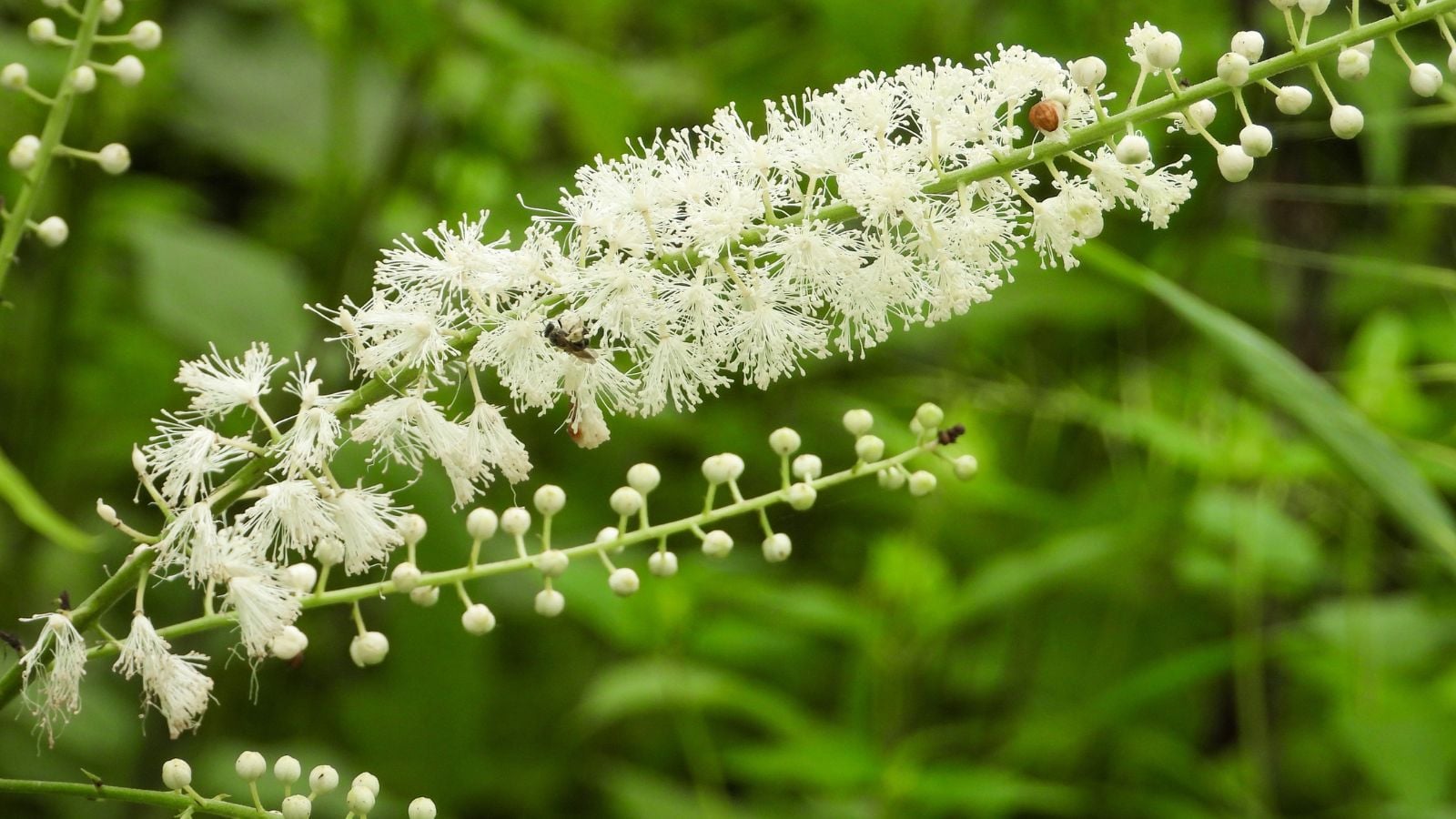
For tall plants that love rich, moist soil, there’s the stunning black snakeroot. It’s a plant that takes a few years to establish itself in the landscape, but the effort you make helping it settle in is so worth it. Its foamy blooms attract native solitary bees and the Appalachian Azure butterfly.
The brush-shaped flowers emerge in summer and last through fall, blooming when other plants have already finished. Deer and rabbits leave this one alone, too. It’s a perfect candidate for naturalized areas, where it can spread out and do its own thing unhindered. As a large plant, multiple plantings make a great hedge.
Heuchera x ‘Blondie’

|
|
botanical name Heuchera x ‘Blondie’ |
|---|---|
|
|
sun requirements Partial to full shade |
|
|
height 5-9″ |
|
|
hardiness zones 4-9 |
If you want copper-blonde foliage and a plant with flowers in the shade that bloom all summer, try ‘Blondie’ coral bells. This stunning variety is showy, attractive to butterflies, and requires little to no maintenance, aside from division every couple of years. The charming yellow blooms emerge from the foliage mound in spring and last through fall.
If you can’t find ‘Blondie’, look for ‘Caramel’. Heuchera species are almost exclusively native to the woodlands of North America. These carefree plants are perfect in the shade and do well in dappled sunlight areas. Plant them under trees or along forest borders for the best show. You can deadhead this one and expect another set of blooms through the flowering phase.
Common Blue Violet

|
|
botanical name Viola sororia |
|---|---|
|
|
sun requirements Full sun to full shade |
|
|
height 6-10″ |
|
|
hardiness zones 3-7 |
Common violets are the perfect ground cover for shady areas. These plants grow happily under trees, along forest edges, and near stream banks. They handle sometimes wet soil with ease, and replicate on their own, more and more every year. Their heart-shaped leaves are truly lovely, even without flowers.
But in spring, expect your rosettes to bloom with sweet, fresh-smelling purple flowers. If you like interesting blooms, try ‘Freckles’, which offers mostly white petals with paint splashes of deep blue. If you’re looking for flowers that bloom in shade all summer, the common violet is one of the best examples.
Thimbleweed
|
|
botanical name Anemone virginiana |
|---|---|
|
|
sun requirements Partial to full shade |
|
|
height 2-4′ |
|
|
hardiness zones 2-8 |
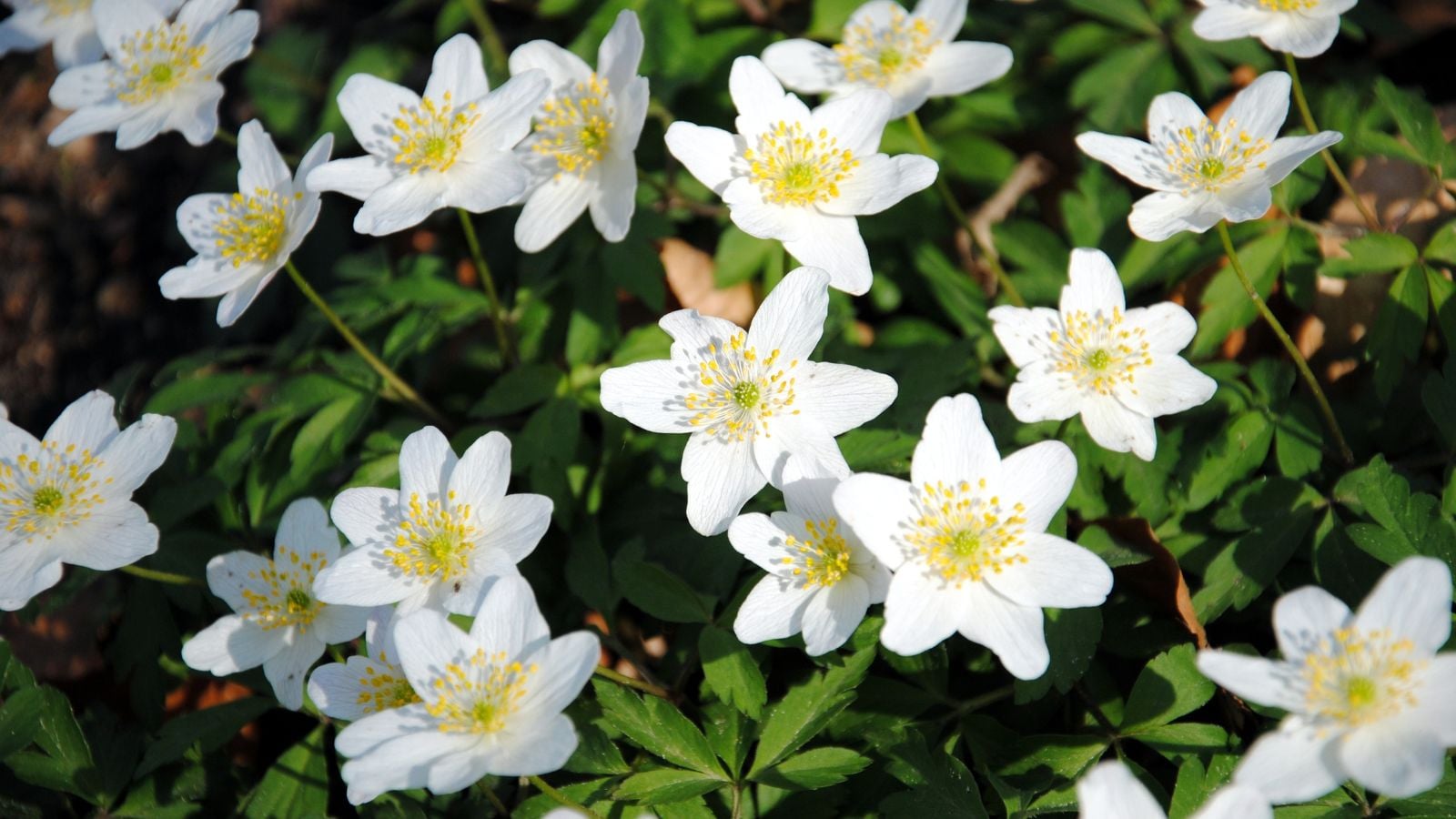
Anemones are some of the first to bloom in spring, but this tall anemone blooms in late spring and lasts through the summer season too. If you have a shady prairie or cottage garden area, plant this one there. Then watch the beautiful white, star-shaped flowers with stunning yellow stamens pop off as the warm seasons begin.
If you like bees, this is the plant for you. The nectar and pollen offered by thimbleweed feed them in both spring and summer. Once the blooms fade, the interesting seed heads take on a cottony look, providing winter interest and food for birds. They replicate via their rhizomatic roots and the wispy seeds.
Lizard’s Tail
|
|
botanical name Saururus cernuus |
|---|---|
|
|
sun requirements Full sun to partial shade |
|
|
height 1-4′ |
|
|
hardiness zones 3-9 |
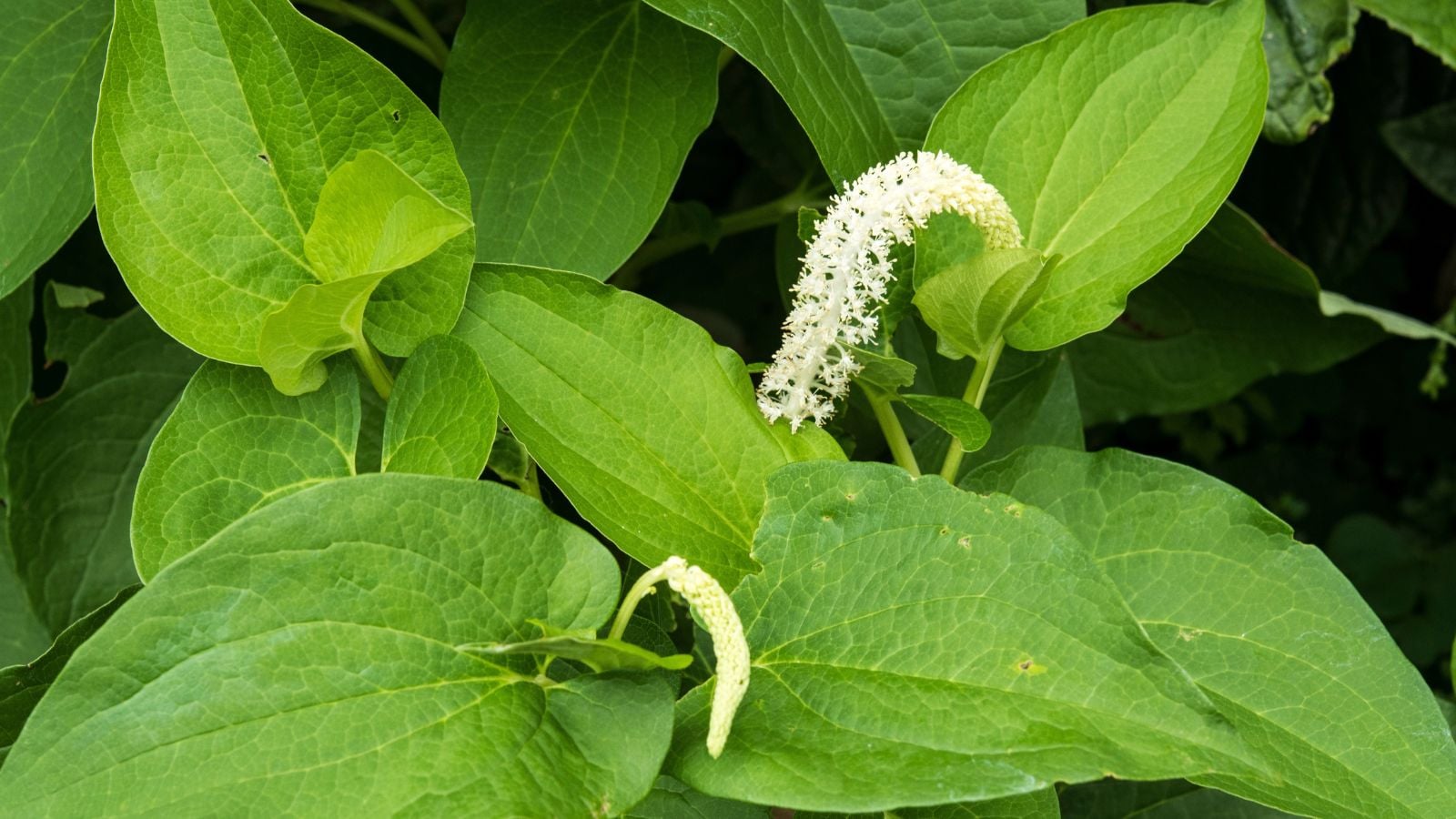
For drooping white spiked flowers that show off in spring and summer, the lizard’s tail is your plant. This flower shape is what gives this swamp-dweller its common name. This is the perfect plant for growers who live on waterway edges and in areas that tend to flood occasionally. Where other plants rot, lizard’s tail thrives, displaying green, lance-shaped leaves practically all year.
If you have wood ducks nesting near your home, know that this plant offers them some shelter. It’s really magical to hear them calling, especially when you can’t see who is making the noise. Grow this plant to invite their high-pitched whistle to your growing space, and help them hide from predators.