How to Plant, Grow, and Care for Rockapulco® Impatiens
If you want to grow rose-like blooms without the same level of commitment, Rockapulco® impatiens are a great option. These annuals are perfect in spring and summer gardens, and thrive in the shade. Experienced gardener, Sarah Jay, discusses how to cultivate them here.

Contents
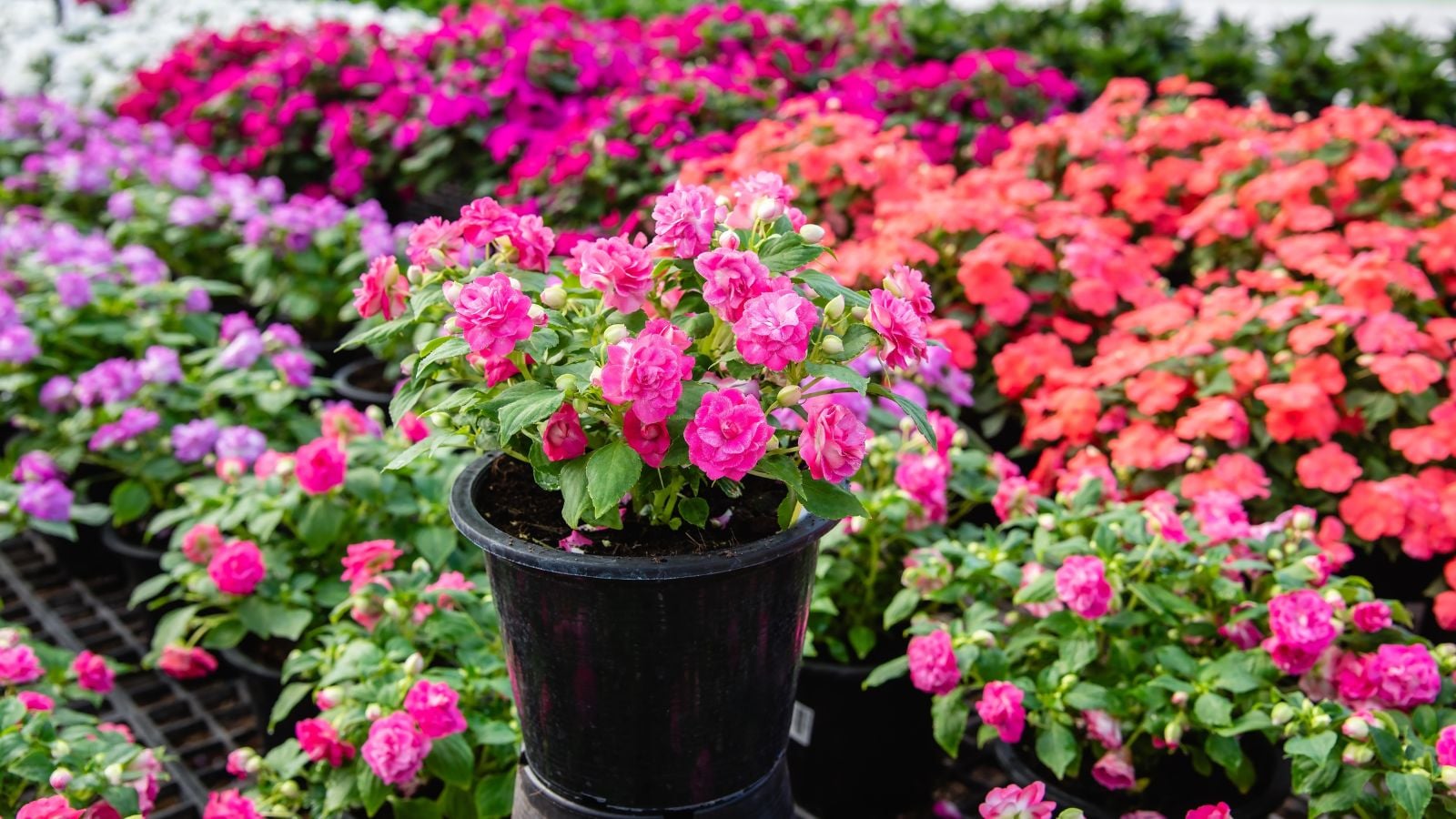
Rockapulco® impatiens bring a profusion of double blooms to any garden they’re planted in. They’re perfect for hanging baskets, bed borders, and they perennialize in tropical regions. These disease-resistant plants are award-winning and uniform, making them an excellent choice for many gardeners.
They also come in numerous colors, which adds to their versatility. Their fullness is akin to a carnation or a rose, and they bring that same sense to the growing space. These are high performers that you can find in many nurseries all over the continent, especially where standard annuals like impatiens and petunias are sold.
While it’s easy to grow them, it’s good to know what they need to thrive. You may find yourself planting these every spring to enjoy through the summer. In mild areas, they’ll even pop off in fall. Read on to learn how to grow these simply stunning impatiens.
Rockapulco® Impatiens Overview

|
Plant Type
Flowering annual
Family
Balsaminaceae
Genus
Impatiens
Species
walleriana
|
Native Area
Africa
Exposure
Partial to full shade
Height
10-24”
Watering Requirements
Average
|
Pests & Diseases
Aphids, nematodes, spider mites, slugs, and wilt
Maintenance
Low
Soil Type
Chalk, clay, loam, or sand
Hardiness Zone
10-11
|
What Is It?
The Rockapulco® impatiens is a variety of Impatiens walleriana bred by Proven Winners in the late 2000s. The focus on their breeding project was to develop a full-flowered variety that would thrive in the most humid, warm conditions. What resulted is an impatiens that handles humidity and heat like a champ as long as there is moisture in the soil.
Characteristics
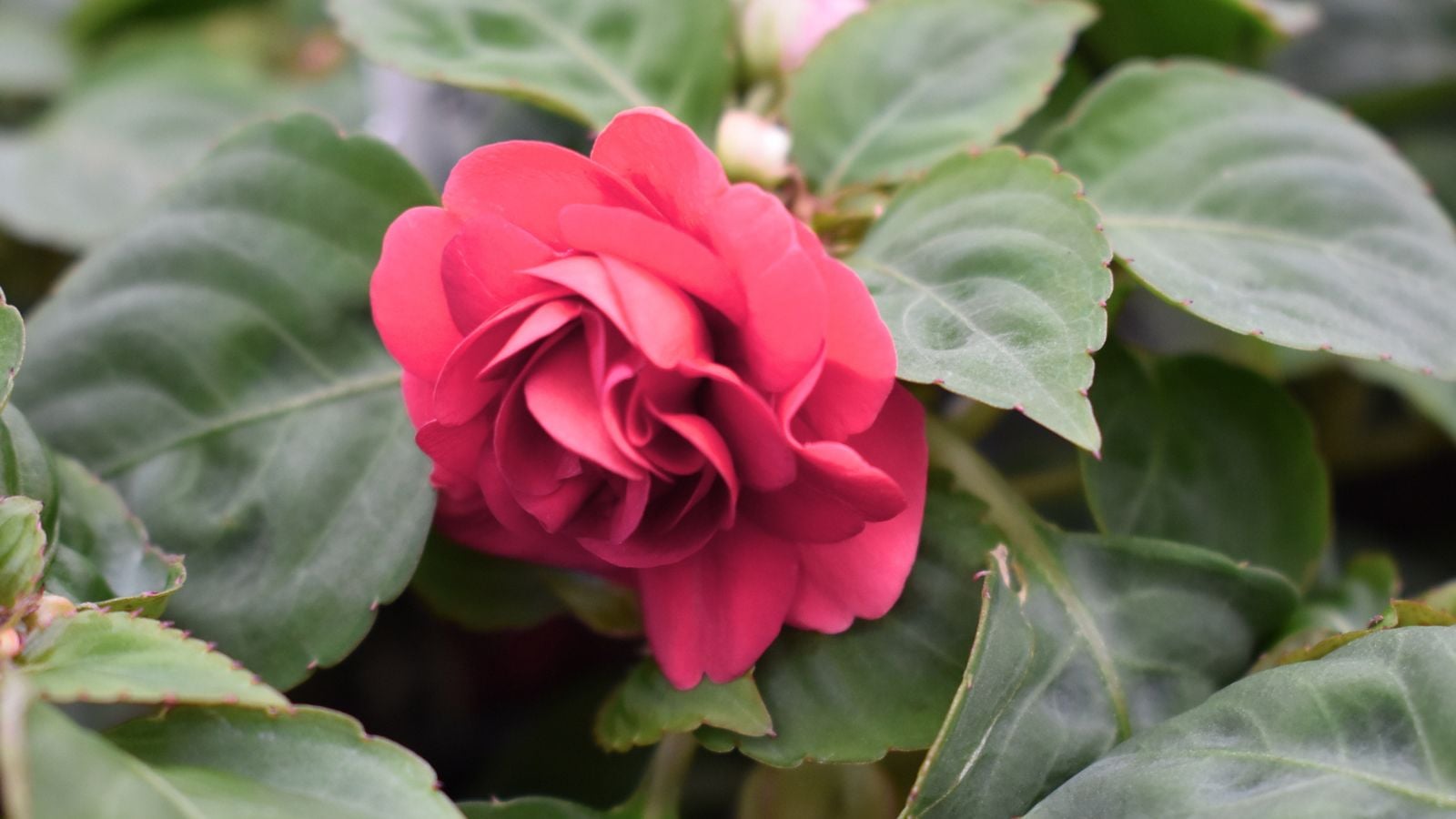
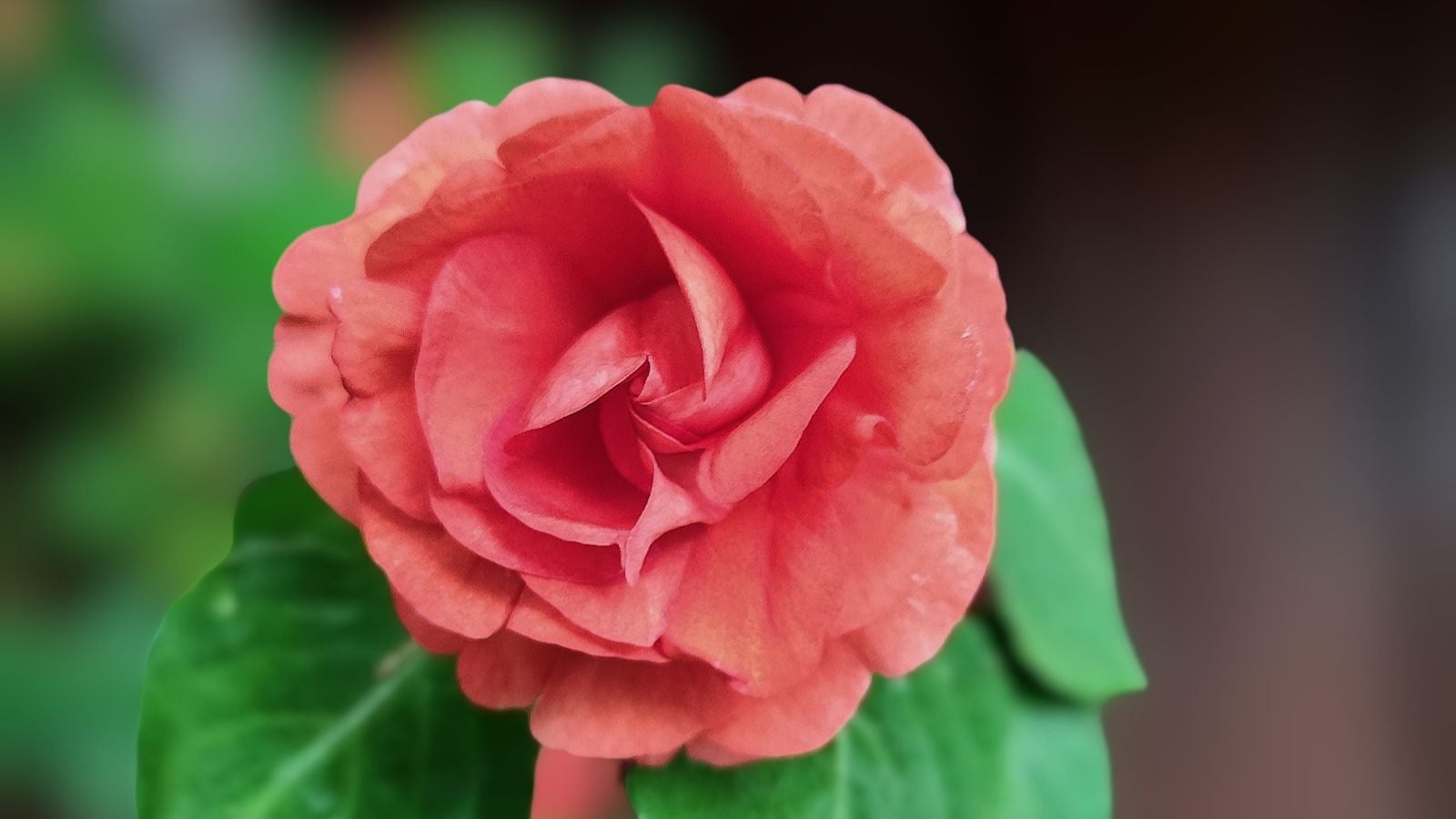
The double, almost rose-like blooms are the most pronounced feature of Rockapulco® impatiens. These come in white, reds, pinks, and shades of orange. Other than that, they share the rest of their features with their parent, Impatiens walleriana. The leaves are oval, arranged alternately, and have serrated edges.
The roots of this plant are shallow, thin, and branching. Due to this, they require moisture to thrive. They reach heights of ten inches to two feet tall.
Native Area
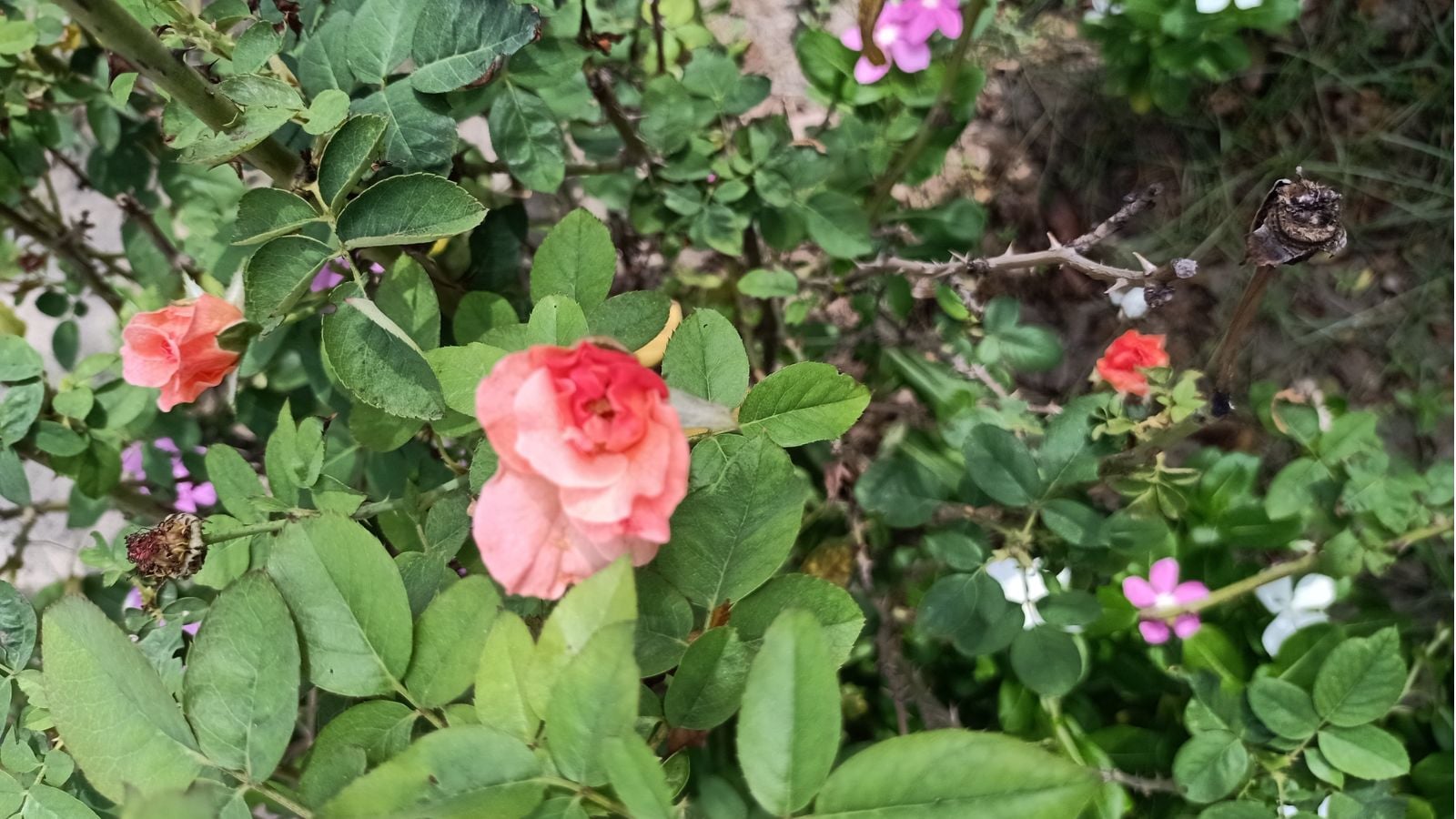
Impatiens walleriana is native to Kenya, Mozambique, Tanzania, and Zimbabwe. They’re found growing in shady, tropical areas in these countries. The environment where this parent species is found is typically moist year-round.
The Rockapulco® impatiens is of garden origin and was developed at the Proven Winners HQ in Illinois.
Planting
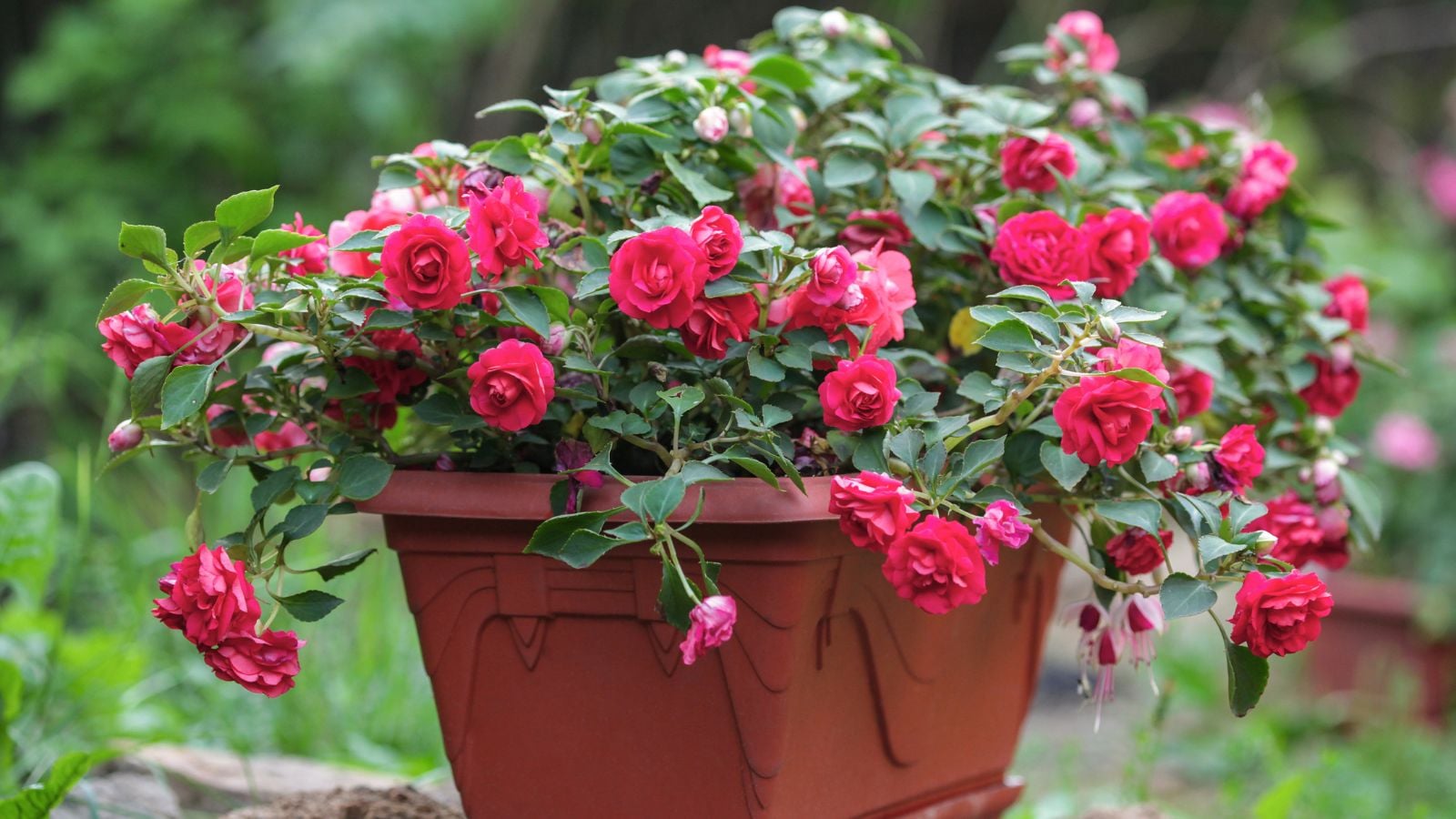
Because these are patented, you won’t find seeds for Rockapulco® impatiens on the market. They’re commonly sold in nursery pots at multiple retailers. All you have to do is locate a good hanging basket, container, raised bed, or in-ground bed in a shady area to plant them.
Simply remove the plant from its nursery pot, and gently massage the roots. Place the entire root ball in your preferred planting area at the same level it was in its prior container. Then gently press around the base of the plant to make contact with the soil. Water it in and top it off with soil if any depressions develop as a result of that watering.
How to Grow
As long as your lighting conditions are shady and your soil is moist, you’re really going to love Rockapulco® impatiens. They’re as easy to grow as any other impatiens variety.
Light
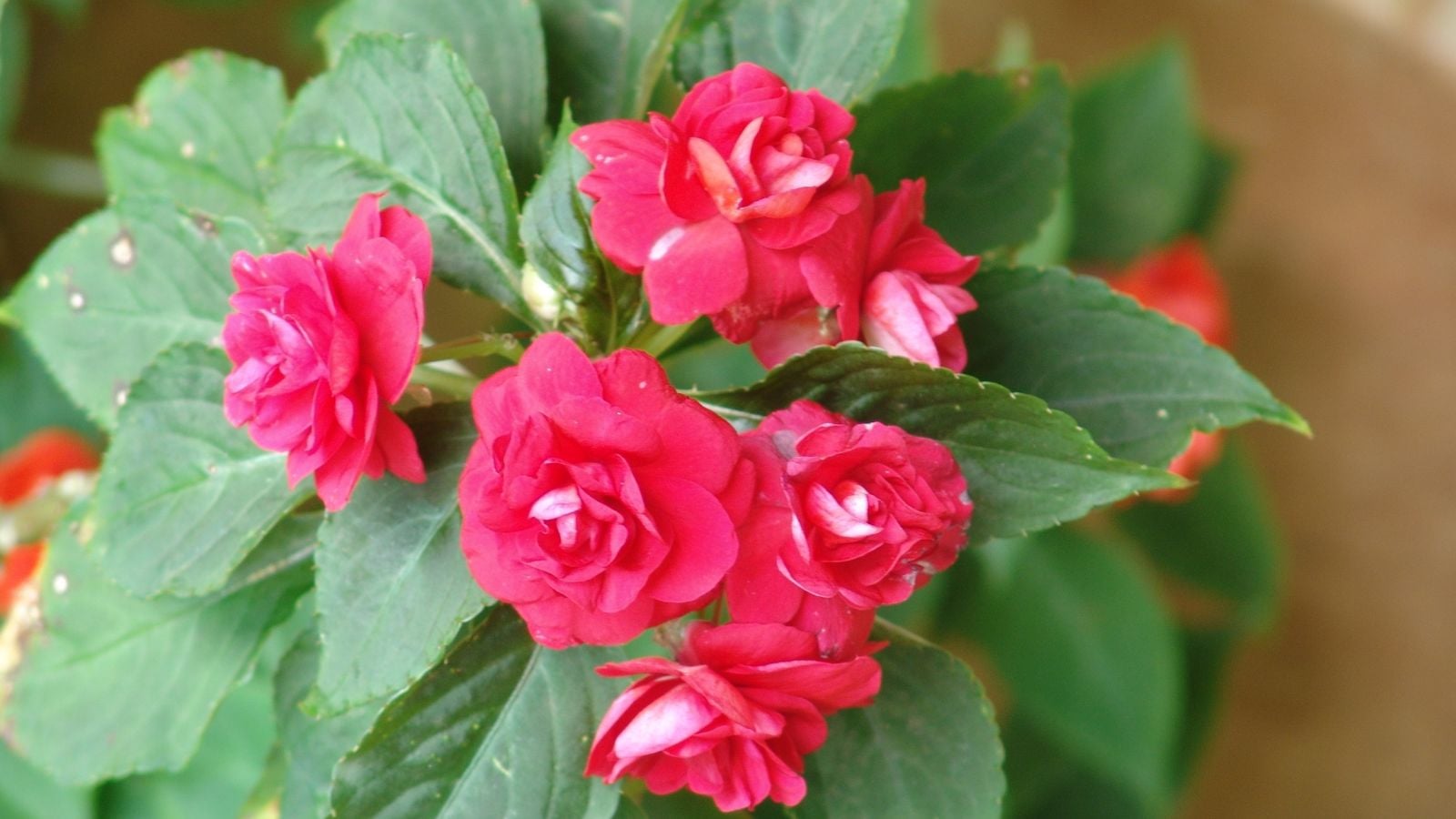
In their native habitat, I. walleriana grows on the forest floor, under the dense cover of trees. There is little to no direct sunlight there, and often full shade. So partial to full shade is optimal for these plants. If you’re growing in a hanging basket, ensure it’s shaded from direct sunlight.
Adjust containers if needed to keep yours in more shade. Plant in-ground and raised bed plants in areas where structures and taller plants provide shade.
Water

Moisture is key for growing all impatiens, and Rockapulco® needs plenty. If you live in a hot region, it will likely be easier to keep the soil moist consistently in a planter of some kind. In the ground, water daily when it’s hot, unless there is adequate rainfall to keep the soil consistently moist.
Some drying is okay, as the native area of the parent of Rockapulco® is subject to some dryness throughout the year. However, these periods of dryness are brief, meaning make it no more than a day or two. Too much dryness causes leaf scorch.
Soil

Rich, well-draining soil is best for this plant. A basic potting soil is perfect for containers. In the ground or in raised beds, amend heavy soils with lots of well-rotted compost and drainage materials, like perlite or agricultural grit.
Sandy soils need extra fertility in the form of compost. Amend clay with a good garden soil or potting soil. Ensure amendments cover at least a two to three-foot spread for each plant you’re growing. The plant breeder recommends leaching potting soil one to two times in the season to prevent saline accumulation in the container.
Temperature and Humidity
These are tropical plants. They’re hardy in zones 10 through 11, and will perennialize in these zones where frost isn’t present. They are annuals elsewhere. Heat isn’t a problem for them, as long as they get enough moisture. Cold below 50°F (10°C) will damage them.
When temperatures are consistently at this level, these plants die back. You can move them indoors when this occurs to overwinter them. Humidity isn’t an issue for Rockapulco® impatiens, and they are resistant to the mildew associated with their parent species. They prefer humid areas.
Fertilizing

While fertile soil will be enough, if you’d like to give your impatiens a boost, apply a liquid organic fertilizer diluted to half strength every four to six weeks during spring and summer. If you have a mild climate that stays above 50°F (10°C) during fall, you can continue to feed at quarter strength until temperatures drop.
Do not feed in late fall and winter, as the plant will be dormant and unable to absorb nutrients from fertilizers.
Maintenance

Another really great aspect of Rockapulco® is that it doesn’t require maintenance. You can prune yours at any time to your desired shape, but it’s not necessary. If you notice any wilting branches or pest infestations, remove the entire branch. Most of the maintenance needed here is simple monitoring.
Propagation
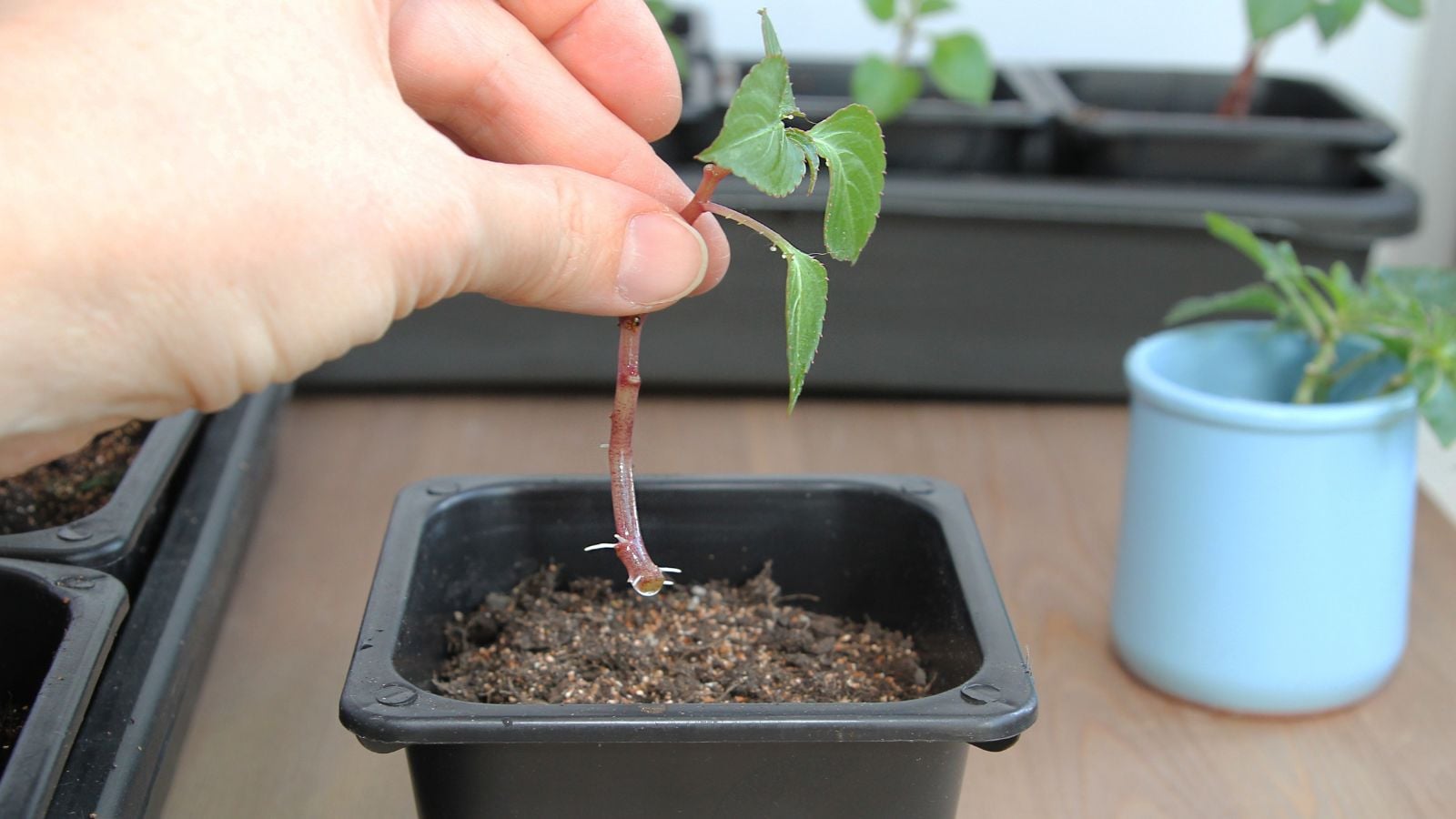
While it may be tempting to propagate this one, it’s better to practice propagation on other impatiens that aren’t patented. If you want to experiment unofficially, you can try to root cuttings. But don’t give them to friends or take them outside your garden. Most importantly, do not sell them. It’s illegal to do so.
Popular Varieties
While you can’t propagate these, there are tons of cultivars to choose from. They have the same form, but multiple variations in the flower color and style. Here are a few of the standouts.
Rockapulco® Wisteria
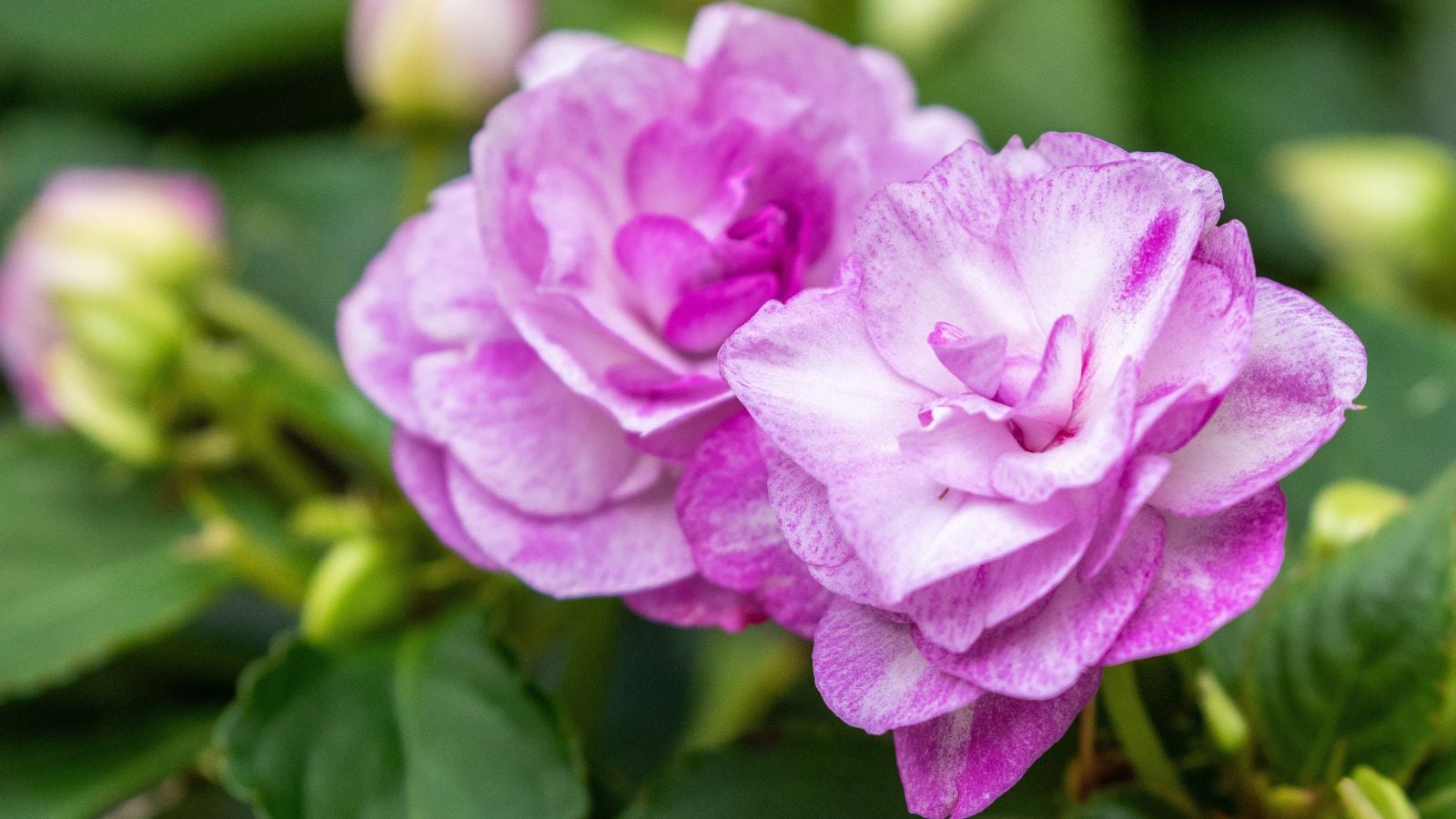
This variety features flowers the same color as wisteria, with white petals shaded with lavender-pink. These are excellent thrillers for expert-level container arrangements, and they work perfectly when offset by peachy and orange hues.
Rockapulco® Rose
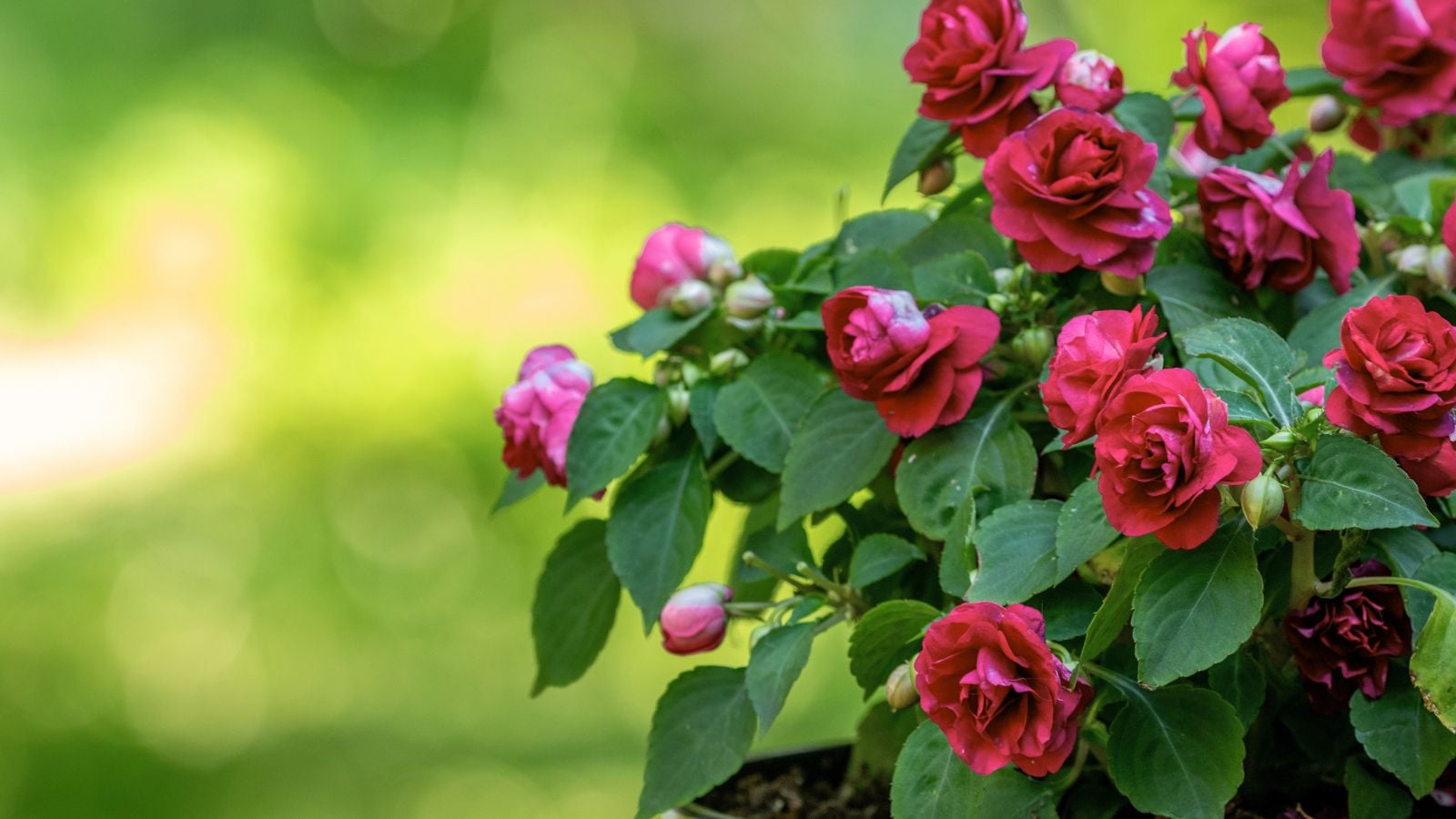
This top-selling variety merges the habit of impatiens with the blooms of roses. The coloring looks like a standard Rosa species, but it thrives in the shade just like its counterparts. Similar to wisteria, the coloring is mostly from white petals shaded with pink.
Rockapulco® White
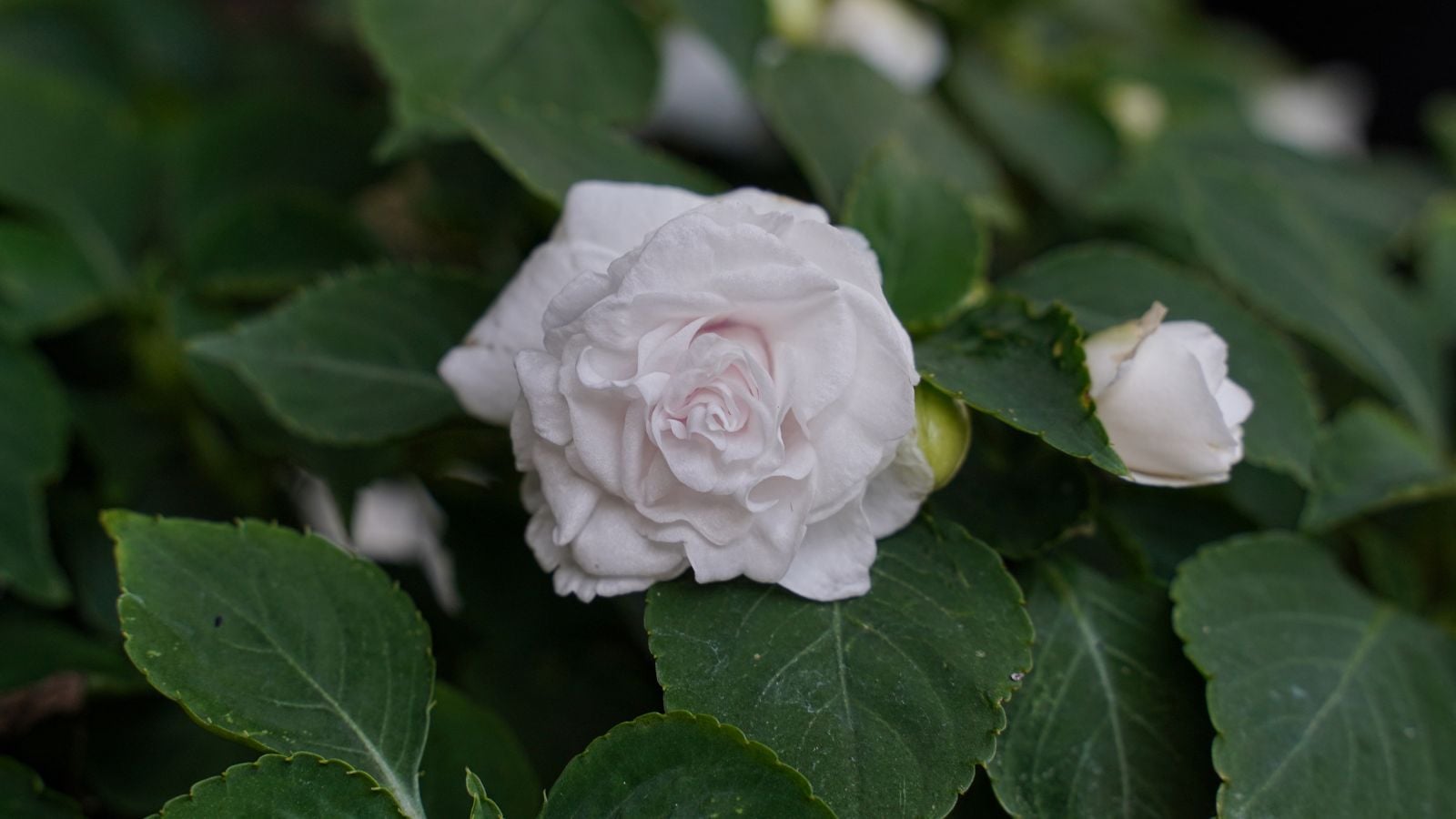
For a more muted color palette in areas that need neutral tones, this white variety is a great choice. Instead of shaded petals, they’re a bright, clear white. These blooms look much like gardenias.
Common Problems
While Rockapulco® impatiens are resistant to mildew, they do have some issues with pests and diseases. Thankfully, most of the problems that arise are easy to deal with.
Pests
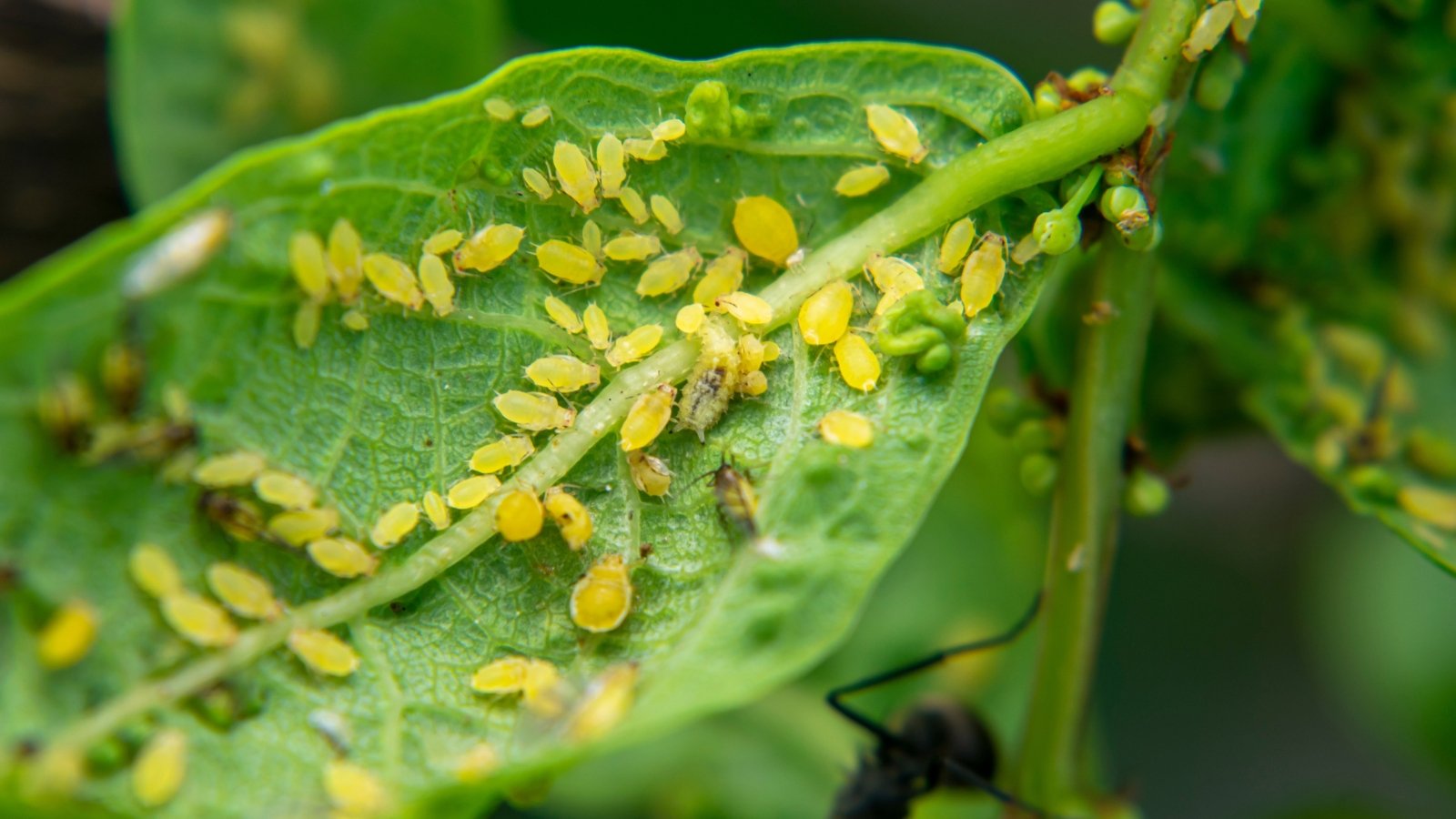
Your standard pests are at play here. Aphids, spider mites, slugs, and snails may feed on them, but they aren’t huge problems for the plants. If you notice an infestation of aphids or mites taking place, blast the plants with a strong stream of water from a hose. Prune away heavily infested areas.
Slugs and snails are easy to hand-pick at dusk, or you can trap them with homemade beer traps. Typically, they stay out of hanging baskets and areas without leaf litter and weeds. Nematodes aren’t a problem in containers either, but they will congregate in areas where these plants are grown year after year. Rotate out your impatiens every year or so to prevent them.

Diseases

The only disease you’ll deal with is verticillium wilt. It’s not a pervasive issue with these. Proper watering and fertility typically prevent the disease from taking hold. If you notice scattered yellowing or browning and wilting branches, you’re dealing with it.
Don’t plant in the ground where it was present for at least a year, and remove whole plants that are affected. In containers, sanitize well before planting another plant in the same planter.
Frequently Asked Questions
Are Rockapulco® impatiens annual or perennial?
They are annuals in most areas, and perennial in zones 10 and 11.
How tall do Rockapulco® impatiens get?
They range from ten inches to two feet tall.
How do you care for Rockapulco impatiens?
They’re pretty easy! As long as you keep their soil moist and place them somewhere in partial to full shade, they’ll do well during the growing season.
How long do potted impatiens last?
In most regions where frost is a common aspect of winter, they grow from spring through fall. In tropical areas, they will survive multiple years.