

How to Design a Four-Season Pollinator Garden
If you’ve dreamed about growing a four-season pollinator garden, it’s never a bad time to start planning for one. If you’re lucky enough to plan in mild spring or fall seasons, you can even plant it out. Experienced gardener Sarah Jay provides guidelines for cultivating a garden that attracts pollinators.

Contents
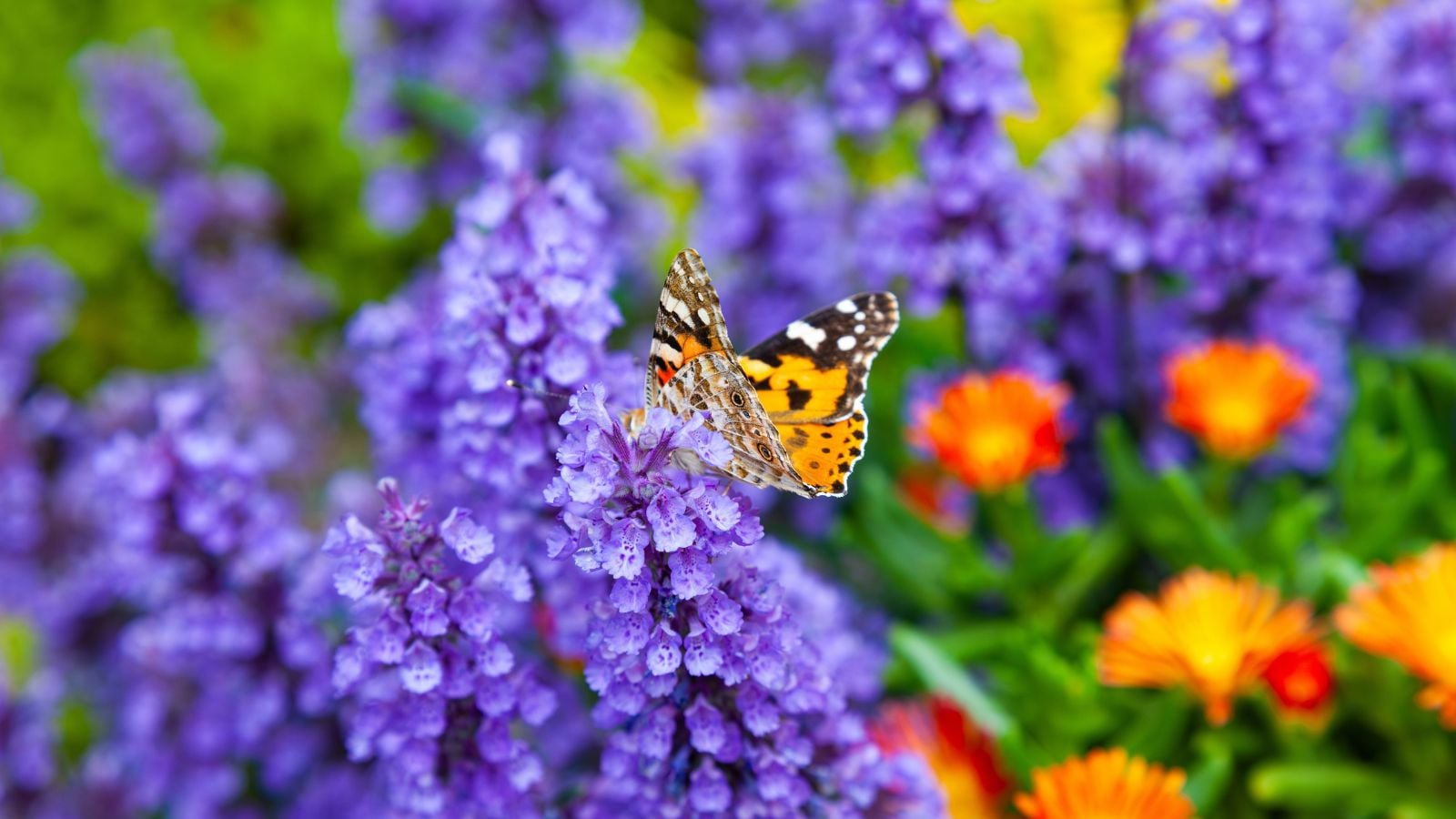
If you want a four-season pollinator garden, include the basics: food resources, habitat, and a generally chemical-free environment. You don’t have to have a sweeping, acres-wide garden to make it a welcoming space for bees, butterflies, wasps, flies, hummingbirds, beetles, and more.
A systemic look at your garden is the best way to approach effective plantings that keep pollinators happy. Start from the most basic, thinking about what already exists in your garden, and go from there. How can you fill in gaps where the flowers and plants that attract pollinators aren’t already present?
Then all you have to do is contemplate the ways to help pollinators find habitat in your space. You might think that only wild spaces are good for pollinator gardens, but even a porch or patio garden can be a good space for local insects and birds. Abandoning the helicopter gardener mentality will do them some good as well.


Step 1: Fill In the Gaps

One great way to plan for your four-season pollinator garden is to start with what you have. If you have an established garden, note when each of your plants blooms. Year-round pollinator gardens have flowers through the seasons where flowering is possible. Remember, you don’t have to have a large garden to do this. You can simply plan for a few containers on your patio.
If you only have summer bloomers, make a list of spring and fall flowering plants to include. Throw one or two long-flowering-period plants on your list as well. A good diversity of blooming plants is needed to attract the greatest variation of pollinators, so throw in as many as you want, as long as they fit the aesthetic of your garden. You’re doing PR for the pollinators!
One of the most important ways to adequately support pollinators is to plant mostly ecotype natives, or those specific to your region. Adapted plants are a close second best. If you’re growing invasive plants, you can remove them and plan to fill the space with something native. We’re still in the planning stages, though, so these are things to think about as you build your garden.
Step 2: Consider Seasonality

While we’ve thought about bloom times, we can also think about plant growth stages, and how long it takes for them to emerge after spring, or how they remain through winter. Pollinators love to use empty and dried seed cavities to overwinter. Hummingbirds migrate in spring and fall, so having plants that bloom when they arrive makes them want to use your garden as their home.
Another way to think about this is to examine the different types of plants you can include. Trees and shrubs that bloom first thing in spring are great for early pollinators. They offer shelter to other wildlife, too. Prolific native vines handle feeding from pollinator larvae with ease.
Also, think about how the sun shines in the different seasons, as this will guide what will grow best in your garden. This goes for in-ground beds, containers, or raised beds. Whatever you’re growing in counts here.
Step 3: Host and Feed

While it’s definitely worthwhile to include plantings that provide nectar and pollen to pollinators, it’s even better to have host plants around. You’re probably aware that milkweed is one of the best plants for monarch butterflies, as they’ll lay their eggs on the plants. These eggs hatch, and young larvae feed on the leaves until they’re ready to pupate and become butterflies themselves.
Milkweeds native to your region are not the only host plants. There are so many natives (and some non-natives) that host various butterflies, bees, and more. The Xerces Society has extensive regional lists that include highly pollinator-friendly and native plants. These will support your winged friends, and they’ll be easier to cultivate as they’re already adapted to your climate.
Step 4: Leave Wild Areas

If your garden is somewhat large, it’s a good idea to leave areas semi-wild. Leave the leaves in fall to protect burrowing pollinators, like ground-nesting bees and sphinx moths. Bare patches are great for wasps and bees that like to live underground as well.
Plant a smattering of native seeds in fall to develop into a wild prairie patch. A small, wild patch of native plants provides so much to pollinators who are often relegated to highly cultivated areas that aren’t as habitable. The diversity of species in a truly native wildflower mix brings in tons of beneficial insects that consume common garden pests, too.
Step 5: Add a Water Feature
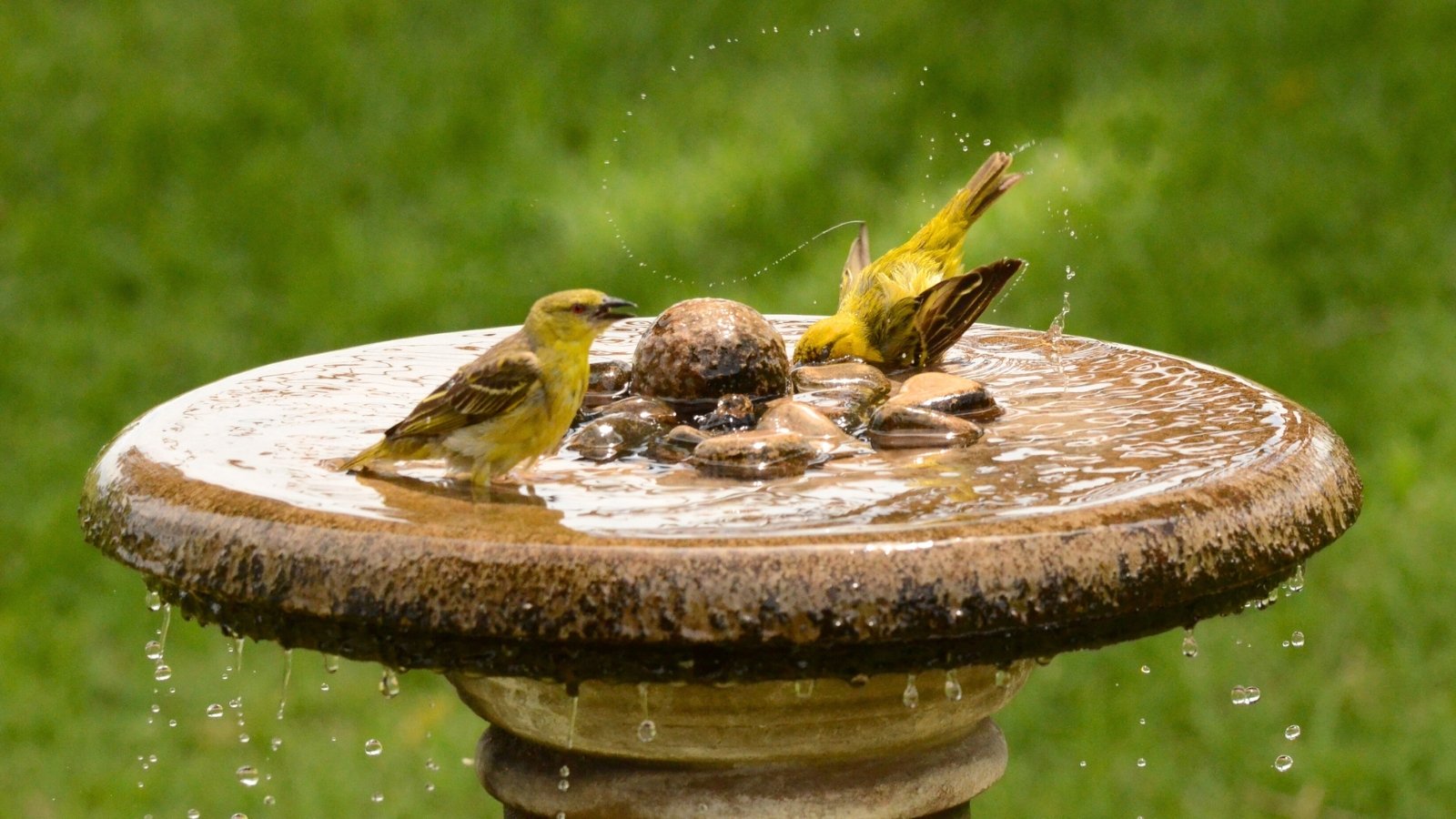
A water source is an important part of your four-season pollinator garden. Your water feature does not have to be a full-sized pond, planted out with native aquatics. If you can do that, excellent. It will be a source of hydration for local pollinators and entertainment for you and your family, as you watch all different kinds of wildlife stop by for a quick bath or drink.
However, you can simply include bee bathing stations on a patio or sprinkled throughout a smaller garden. Change these out every day or so. Bird baths with small solar-powered fountains are great, and should be replenished daily. A small terracotta basin works just fine in a pinch.
Step 6: Let the Garden Sleep

In the fall, after the first frost, most plants are in their seeding phase, and the leaves die back. Herbaceous plants may turn brown. They don’t look as pretty as they did in spring and summer. However, resist the urge to cut things back and clean up the garden. Instead, tuck it in with some mulch and put it to sleep.
In the dead and dried stems of your plants, adult and baby bees nest and overwinter, waiting to emerge again in spring. Wasps may sleep in leftover seed heads, and in areas where hummingbirds are there year-round, they feed on insects that remain. You need this leftover plant matter to have pollinators every season.
Step 7: Limit Chemicals

The key to a healthy, thriving garden that is hospitable to pollinators is not using chemicals as much as possible. While organic pesticides are often touted as the best option for eliminating garden pests, they can harm pollinators as well, especially if they’re not used correctly.
Instead, use an integrated pest management approach that leaves chemicals as a last resort. Personally, as soon as I started incorporating a diversity of native plants in my garden, I did not have to use any chemicals to control pests. Beneficial insects do it for me now, as they appreciate the nectar and pollen that the natives have.
A diversity of flowering plants, especially those that are native, is a good start. Then, resort to barriers that keep pests out, and cultivate a hygienic garden where weed hosts that harbor diseases and pests are eliminated. Chemicals should be your last-ditch effort.


