The Secret to Growing Tulips That Come Back Every Year
Most tulips fade after a year or two, but it doesn't have to be that way. Gardening expert Madison Moulton explains how to choose and grow tulips that reliably come back every spring.

Contents
If you’ve ever planted tulips in the fall, enjoyed a gorgeous spring display, and then watched them produce nothing but leaves the following year, you’re not alone. Most gardeners treat tulips as annuals for exactly this reason. You buy new bulbs, you plant them, you get one good season, and then you do it all over again.
But many tulips are technically perennials. In their native habitat, they come back reliably year after year, thriving through cold winters and dry summers. The reason most garden tulips don’t do the same comes down to variety selection, soil conditions, and a few aftercare mistakes that are easy to fix once you know what to look for.
There is one major secret to growing tulips that come back every year, but other care factors also help the process along.
The Secret: Choose Perennial Tulips

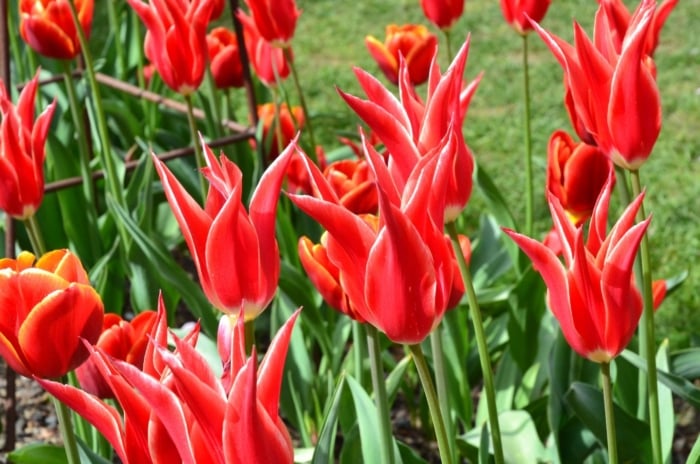
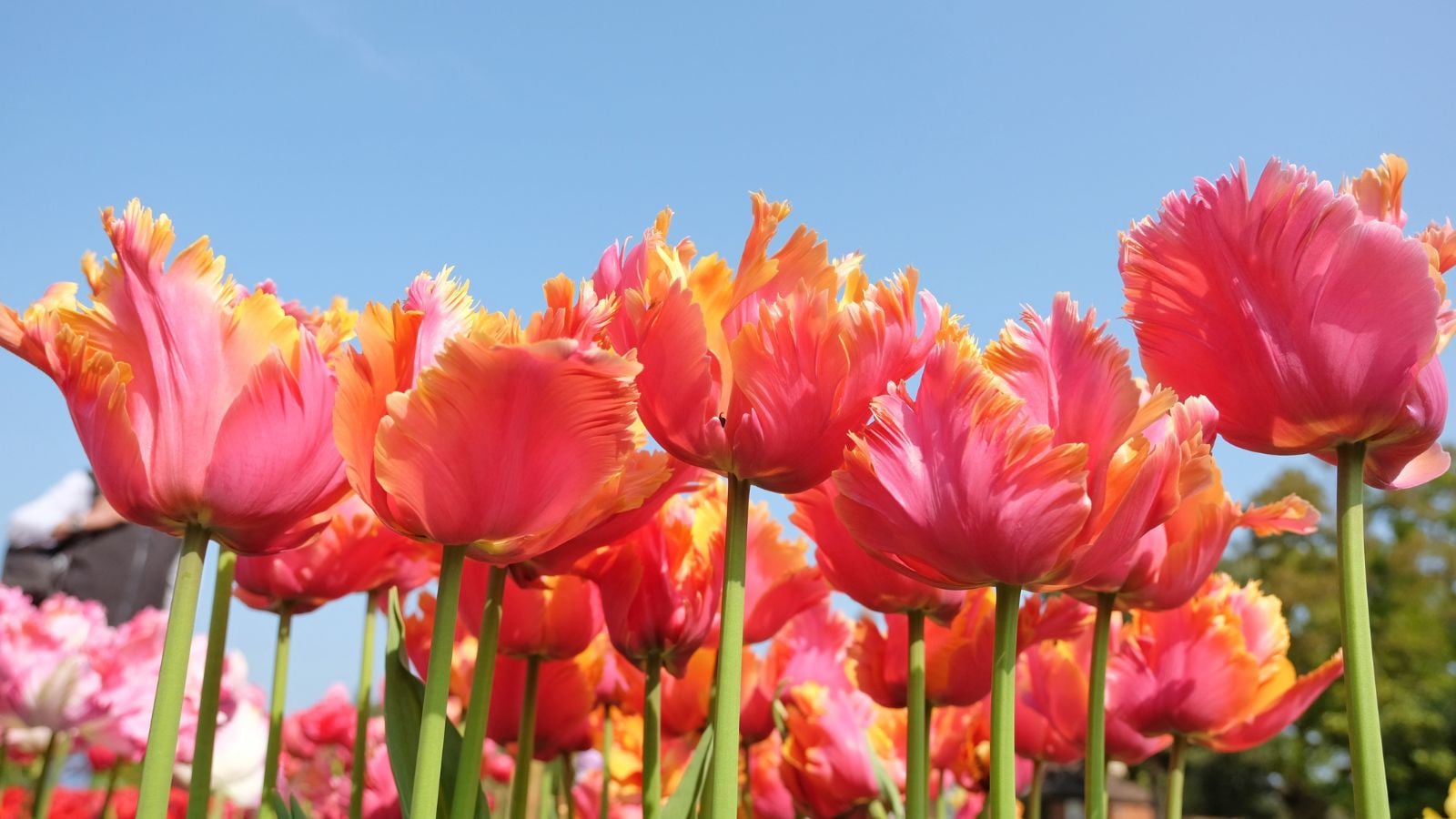
Not all tulips are created equal when it comes to returning year after year. The highly bred, large-flowered hybrids (Parrot, Double Late, Fringed, and most Triumph tulips) tend to put all their energy into one spectacular season and then decline.
The tulips that reliably perennialize fall into a few specific groups. Darwin Hybrid tulips are probably the best-known perennial type. They produce large, classic blooms on tall, sturdy stems and tend to return for several years when planted in the right conditions.
Fosteriana tulips (also called Emperor tulips) are another strong choice, blooming early with big, bold flowers. Kaufmanniana tulips are shorter and earlier, with a distinctive waterlily-like shape when open.
Species tulips are the most reliably perennial of all. These are the closest to the wild tulips of Central Asia, and while they’re smaller and more delicate than the big hybrids, they naturalize and multiply over time in a way that most cultivated tulips simply don’t.
When you’re shopping for bulbs, look for packaging that mentions naturalizing or perennializing. If there’s no mention of it, the variety probably isn’t a strong returner. We also have a list of perennial tulips here if you’re looking for ideas.
Check Your Climate
Beyond the right variety, understanding your climate is also essential. Tulips need a cold winter to reset their growth cycle. Without a sustained period of temperatures below about 45°F (7°C), the bulbs don’t get the chill they require to trigger spring growth. This is why tulips perform best as perennials in colder climates and tend to be treated as annuals in warmer ones.
If you’re in a mild winter climate, you can still grow tulips, but you’ll probably need to pre-chill the bulbs in the refrigerator for six to eight weeks before planting. It works, though the results tend to be less consistent than in regions where the cold happens naturally.
The other climate factor that matters is summer moisture. Tulips evolved in dry-summer climates, and bulbs that sit in wet soil through the summer months tend to rot. If you’re in a region with humid summers or heavy summer rainfall, well-drained soil is essential. More on that next.
Amend the Soil

Drainage is the most important soil factor for perennial tulips. Bulbs sitting in waterlogged soil rot, and this is probably the most common reason tulips don’t come back after the first year. If your soil is heavy clay or stays wet after rain, you’ll need to improve it before planting.
Work compost into the planting area to improve the structure. Raised beds are another option if your native soil just doesn’t drain well enough. The goal is soil that lets water pass through rather than pooling around the bulbs, especially during summer dormancy when the bulbs are resting and most vulnerable to rot.
Another tip is to plant the bulbs slightly deeper than the standard recommendation. About eight inches deep tends to produce better results for perennializing than the more common six inches. Deeper planting keeps the bulbs cooler in summer, protects them from squirrels, and encourages stronger root development.
Eliminate Competition

Tulips store energy in the bulb to fuel next year’s growth, and anything that competes for that energy reduces the chances of a strong return.
Overcrowding is one factor. If you’ve packed bulbs tightly together for maximum visual impact (which is tempting), the plants are competing for water, nutrients, and root space. Giving each bulb four to six inches of breathing room improves long-term performance.
Weeds are the other drain. Keep the area around your flowers clean during the growing season so the bulbs aren’t losing resources to competition they don’t need.
Planting tulips in a spot where other plants fill in after the bulbs go dormant is a good strategy for both aesthetics and bulb health. Perennials that fill out in late spring and summer shade the soil, keep it from getting too hot, and don’t interfere with the tulips during their active growth period.
Don’t Cut Back After Flowering
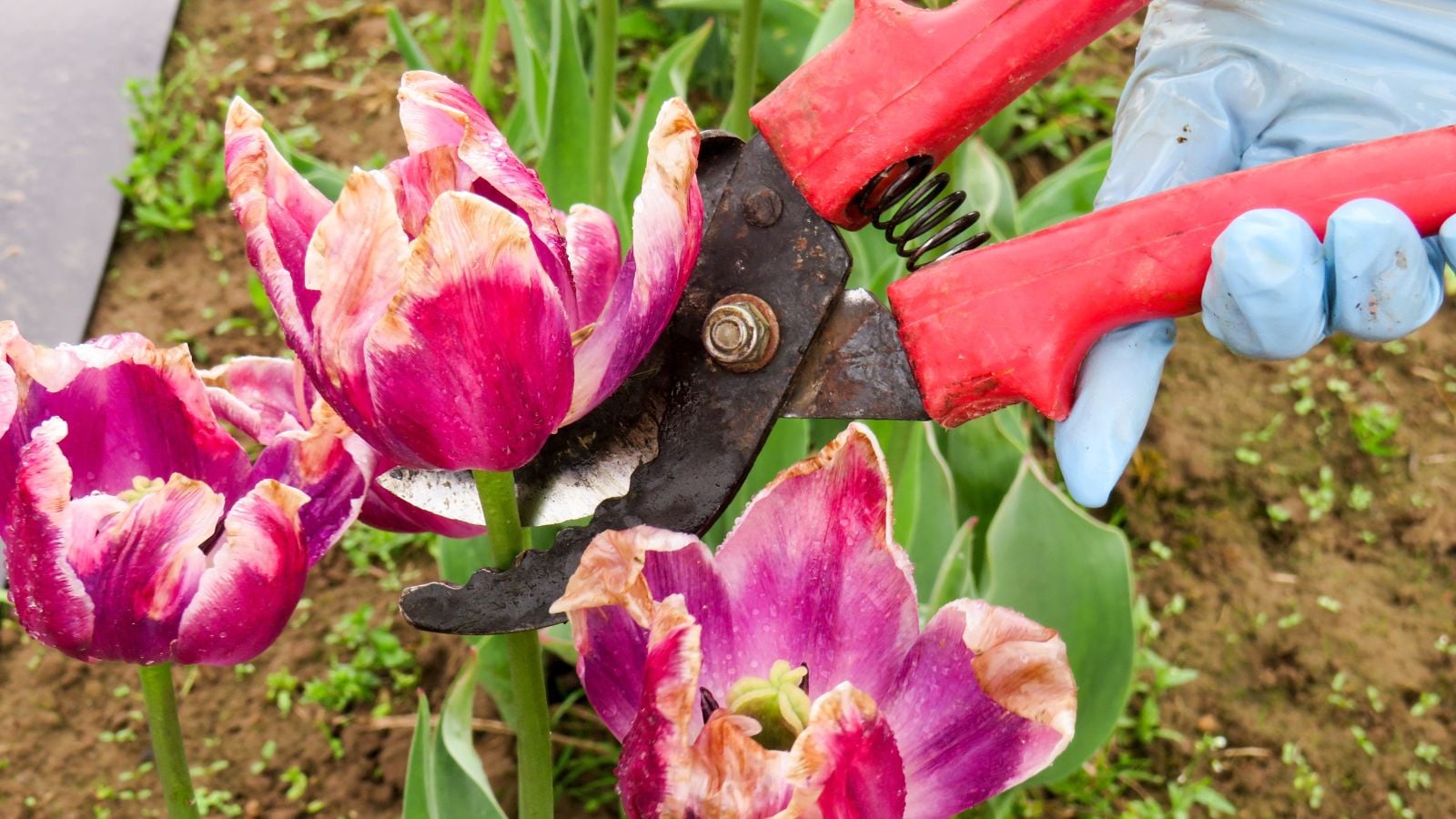
This is the mistake that kills more perennial tulips than anything else. Once the flowers fade, the foliage looks messy, and the temptation is to cut it back. But the leaves are doing critical work. They’re photosynthesizing and sending energy back into the bulb for next year’s growth. Cutting them back early starves the bulb.
Deadhead the spent flowers so the plant doesn’t waste energy producing seed. But leave the foliage completely alone until it turns yellow and dies back on its own, which usually takes about six weeks after flowering. Only then should you remove it.
If the dying foliage bothers you (and it’s not the prettiest sight), plant your tulips behind or among perennials that will grow up and hide the leaves as they fade. Daylilies, catmint, and hardy geraniums all work well for this. The foliage gets to do its job, and you don’t have to look at it.