The Ultimate Fall Tulip Planting Guide
Fall is the best season to plant tulips. The bulbs will grow roots and establish themselves so they can brave the oncoming winter. Learn how to plant your tulips with this ultimate guide from backyard bulb grower Jerad Bryant.

Contents
I’ll confess, I used to be more of a daffodil fan than a tulip one. That all changed when I began growing tulips in my backyard. Now, I look forward to their cup-shaped blooms in all sorts of colors.
Tulips are a longtime favorite of home gardeners. They were so popular in the 1600s that the Dutch used them for trading! Rare cultivars brought more money, and they were prized possessions, indeed.
Join the craze and plant tulips in your own backyard this fall. They’ll thrive underground through the winter, and you’ll see them poke above the soil in spring. Select choice hybrids and cultivars, or go for dependable and perennial tulip species. Follow this fall tulip planting guide to get it right.


When to Plant Tulips
When to plant tulips depends on your growing goals. Most growers plant them outdoors for springtime flowers. Some choose to force the blooms early indoors. Outdoor growing is the easier method, though forcing tulips indoors is a fun project for the curious.
Outdoor Blooms

Fall tulip planting needs to be done before the ground freezes. The goal is to get them underground after the heat of summer has passed, but before the hard freezes of winter arrive. This planting date falls between September and November for most growers.
If a hard freeze is approaching, it’s best to plant the tulips before the date arrives. Look at your weather forecasts to sense how warm or cold the fall season is. If it’s particularly cold, plant early; if the weather is warm late into autumn, plant the bulbs later in the year.
If you live in a hot climate without winter frosts, you’ll need to refrigerate the bulbs before planting. Put them in a paper bag with moist sawdust in late summer, and keep them in the fridge for three to four months. Then, take them out and plant them during the coolest months of the year.
Forcing Indoors

Forcing tulips indoors makes them bloom earlier than they would outdoors. With some manipulation, you may force them to bloom as early as November or December! As with planting in warm climates, you’ll give the bulbs cold temperatures to trick them into growing.
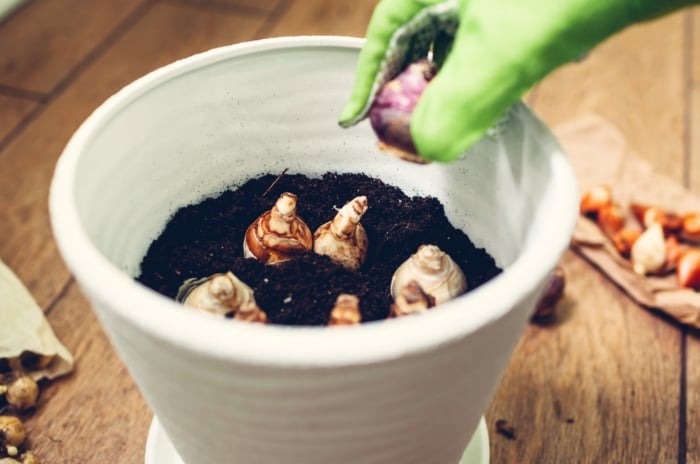
Start by preparing pots for planting. Fill them with well-draining potting soil, and place the tulip bulbs inside with their tops poking out. Cover the bulbs with soil and leave their tips exposed, then water them well.
You’ll need a dark and cold location for forcing. Use your fridge if you have room; if you don’t, try the cellar, an unheated garage, or outdoors under cover. Keep the bulbs in the cold for three to four months, and begin taking them out a month before you’d like tulip flowers.
Keep the pots in a cool location, like an unheated, brightly lit room. When the shoots turn green, move the pots to a warm windowsill to encourage the blooms to form. Rotate the pots to encourage straight shoots, and keep the soil moist while the flowers develop.
How to Plant Tulips
Fall tulip planting outdoors is an easy process with the right tools. You’ll need a shovel or hand trowel, compost, and the varieties you’d like to plant. Start in the fall when temperatures are cooling and the days are shortening.
Preparation

A successful fall tulip planting session relies on proper preparation. Tulip plants appreciate loamy, well-drained soil that’s rich in nutrients. They’re adaptable, though they prefer to grow in loose, crumbly garden soil.
If the site is dense with clay or full of sand, consider amending the area with compost. Compost feeds the soil with nutrients and introduces microbes, worms, and beneficial critters that live in the earth. The more compost you add, the healthier your garden will be.
Add a layer two to three inches thick to the planting site a month or two before the date. Rake the compost in lightly, then water it and let it settle.
If weeds are growing, pull them and clear the site. Even hills and dips with compost, and use a rake to level out the site.
Planting

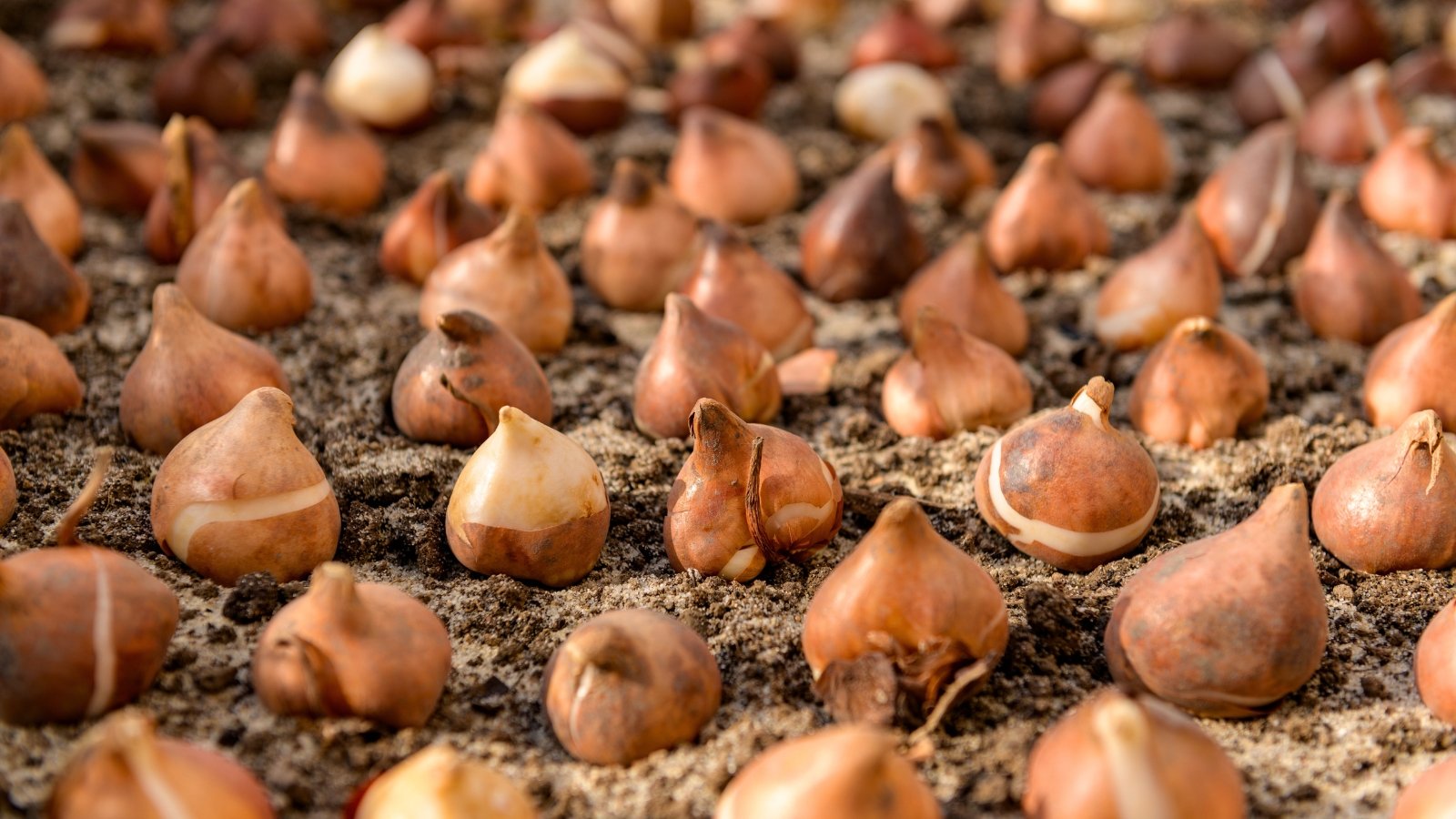
Tulips are big bulbs! They appreciate a deep planting. Bury them six to eight inches deep in the fall, and space them six inches apart. Ensure each one has the rounded tip pointing upwards and the flat end on the bottom.
Cover each tulip with the garden’s native soil. Then, place compost on top of the ground. If you added some earlier in the fall, add a small layer to replenish the area. Otherwise, add a layer two to three inches thick.
Water the site well after planting and ensure it stays moist, but not soggy. Watch for squirrels, mice, and voles, as they like digging up the bulbs for a tasty snack.
Aftercare

The compost on top of the soil will insulate the bulbs, keeping them warm through the winter. New shoots will poke above it in spring, and they’ll extend into full-sized tulip blooms.
Ensure the site stays moist in spring when new growth occurs. Natural rainfall tends to keep them well-watered, though rainfall differs from state to state. With a watchful eye, you’ll be able to see when the ground is dry and in need of irrigation.
Leave the tulips to grow, then snip off the spent blooms once the petals fade. This will encourage energy to go into bulb formation, which leads to bigger blooms next year. Wait until the leaves yellow and wither before removing them. Or, let them decay in place.
Which Tulips to Plant
Not all tulip plants grow the same. Centuries of tulip breeding have led to the creation of hundreds of cultivars and varieties. Find the right one for your garden, and match its colors to your other perennials and spring-blooming bulbs.
Hybrids and Cultivars

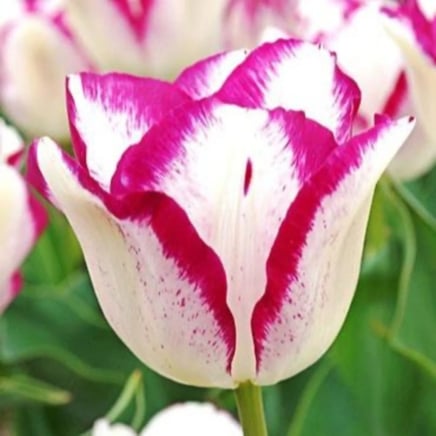
Tulip hybrids and cultivars are especially showy. They have multicolored petals, lacey edges, and tall or dwarf sizes. New ones come out annually from tulip sellers worldwide, but mainly from growers in Holland.
Though beautiful, hybrid varieties tend to be short-lived. They’ll flower for a year or two after fall tulip planting, and they’ll begin to lose vigor shortly after. You’ll have to buy new ones after they die out.
Species Tulips

Tulip species are kinds that grow in the wild. Growers propagate them in nurseries and sell them for planting in gardens. These species types are hardy and long-lived, and they tend to create tight clumps of growth over the years.
The tradeoff with tulip species is their bloom shape and color. Most sprout flowers of a single color, and they tend to stay on the smaller side. If you like the understated beauty of small blooms and you’d like a long-lived tulip, then species types may be the ones for you.
Key Takeaways
Don’t worry if this is your first year of fall tulip planting! Follow this ultimate planting guide, and remember these short pointers:
- Plant tulip bulbs in the fall before the ground freezes.
- Add compost after planting to insulate and feed the plants through the winter.
- Tulip hybrids and cultivars are gorgeous but short-lived; tulip species are long-lived, but their blooms are small.
- Force tulips indoors for early blooms. Use refrigeration and darkness to trick them into growing.