
5 Signs Your Bulbs Need to Be Lifted and Divided
While fall is prime time to plant spring-flowering bulbs, it’s also an opportunity to divide established colonies. Gardening expert Katherine Rowe outlines how to tell if your bulbs need to be divided to rejuvenate the crop and as a way to expand the collection.


Contents
Spring-flowering bulbs bring a bright welcome to the season, beginning in late winter and continuing through the spring season. Different types flower at different times, creating a staggered display of color.
Snowdrops and crocus bring the early blooms, followed by waves of sunny daffodils, hyacinths, and tulips. Add in later-flowering selections like fritillaria, ornamental alliums, and gladiolus, and the easy show continues.
With perennial selections, we can plant once and enjoy nearly effortless care as bulbs gently expand their colonies. While they can live for years without dividing, some bulbs benefit as they spread over time.
There are several signs bulbs need to be divided, from overcrowding to a lack of flowers. They propagate easily through division, continuing the color when lifted and transplanted. We’ll explore the best seasonal timing to dig, split, and replant the bulbs to rejuvenate them and keep the sweet blooms coming.
About Perennial Bulbs

Perennial bulb combinations are nearly endless, from the earliest selections in late winter to the late season bloomers that last into summer. Spring-flowering bulbs are easy to grow, and while each type has certain cultural conditions for the best growth, they often overlap.
For bulbs to establish and colonize, they must be hardy to our growing zones. Many bulbs are cold-hardy and perennialize in USDA zones 3-8. With the exception of tulips, which perform best the first year, many are long-lived (snowdrops, daffodils, crocus) as they develop offsets that keep the population going in their optimal growing conditions.
Top-performing hardy spring bulbs include:
- Amaryllis
- Bluebells
- Crocus
- Daffodils
- Glory of the dawn
- Hyacinth
- Ornamental allium
- Snowdrops
- Tulips
- Windflower
- Winter aconite
For years of successive color, the goal is to maximize energy storage in the bulb post-bloom for it to survive dormancy. Following a few techniques to promote strong bulbs, they will naturalize in the landscape. Dividing is one method to boost continued vigor as the group expands.
Signs Your Bulbs Should Be Divided
Before dividing, check your bulbs to determine whether it’s the right time. Some signs relate to growing conditions, others are up to personal preference.
Timing

If your established bulb colony has been growing for a few years, it may be time to divide it. Daffodils can grow for years without lifting and dividing, while shorter-lived specimens like hyacinths may perform better when divided earlier. In addition to mature colonies, the time of year is essential in determining when to divide bulbs.
As fall is the optimal time to plant spring and summer flowering bulbs, it’s also ideal for division. Divide them in early fall when soil temperatures begin to cool. Ideal nighttime temperatures are in the 40s and 50s (around 4 to 10°C). Transplanting bulbs in these mild temperatures allows roots to develop before freezing conditions. Plant them in the fall or as late as winter, as long as the soil is workable.
Because many require a necessary chill period to grow and flower, a fall transplant provides natural cold exposure over the winter. To grow bulbs in containers outdoors or to “force” them for indoor flowering, October is a good time to pot them up.
In addition to a fall division, we can dig and divide the bulbs after they finish flowering in spring. Divide when leaves are still green, and plan to replant them right away to settle before dormancy.
Weak Growth

Sometimes, our garden conditions change, and bulbs need transplanting to a site that better meets their growing requirements. Ample sunlight and well-draining soils are essential for bulb health and the best flowering.
Most of our favorite selections grow best in full sun to partial shade (four or more hours of sun). They benefit from winter sun exposure through a deciduous tree canopy, followed by cooling shade in summer after leaves emerge. Sunlight during active growth promotes the best vigor.
Well-draining soils, especially during the bulbs’ dormancy period, preserve their integrity. Prolonged soggy conditions in the summer or winter make them susceptible to bulb and root rot. Consistently moist soils with good drainage are best during the growing season, while drier conditions in the warm season mimic their natural habitat.
Overcrowding

In the right conditions, bulbs may become crowded over several years. Cramped bulbs mean less room for root growth and for expansion through offsets. They may experience competition for nutrients, moisture, and sunlight.
If growing in a bounded bed, inspect the group after a few seasons. If the edge of the group has reached the boundary, consider lifting and dividing the clump. Relocate some to other garden areas while increasing the space between bulbs in the existing site.
Fewer Flowers
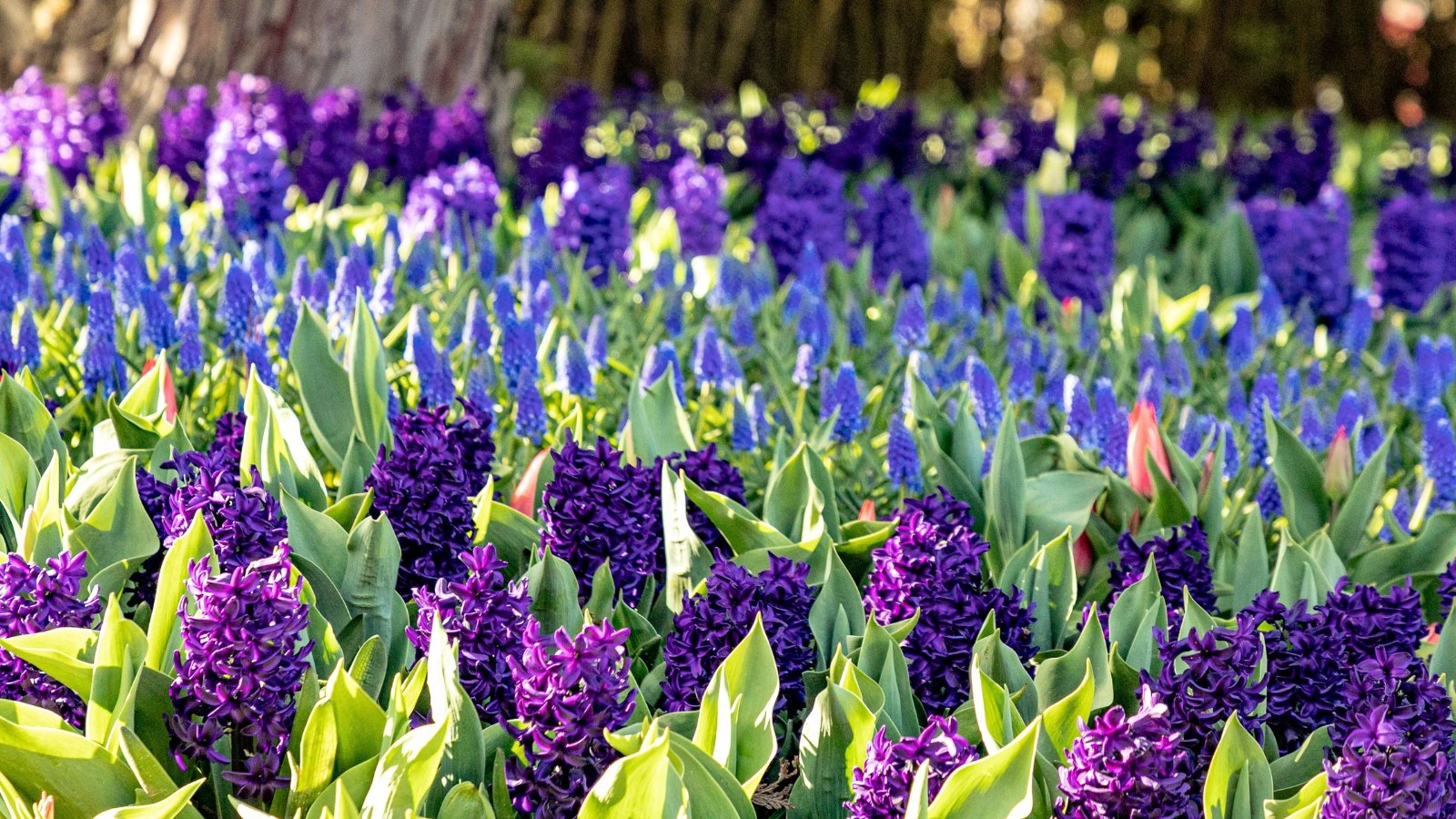
If you observe a less floriferous seasonal display of spring or summer bulbs, it may be time to divide. They may be less vigorous either due to overcrowding or because they need a better growing location.
Less leafy growth and sparser flowering are signs that bulbs need dividing. Break up the pack to increase root space, air circulation, and access to moisture and nutrients. In this case, dividing rejuvenates the central colony for a resurgence the following season.
Propagation
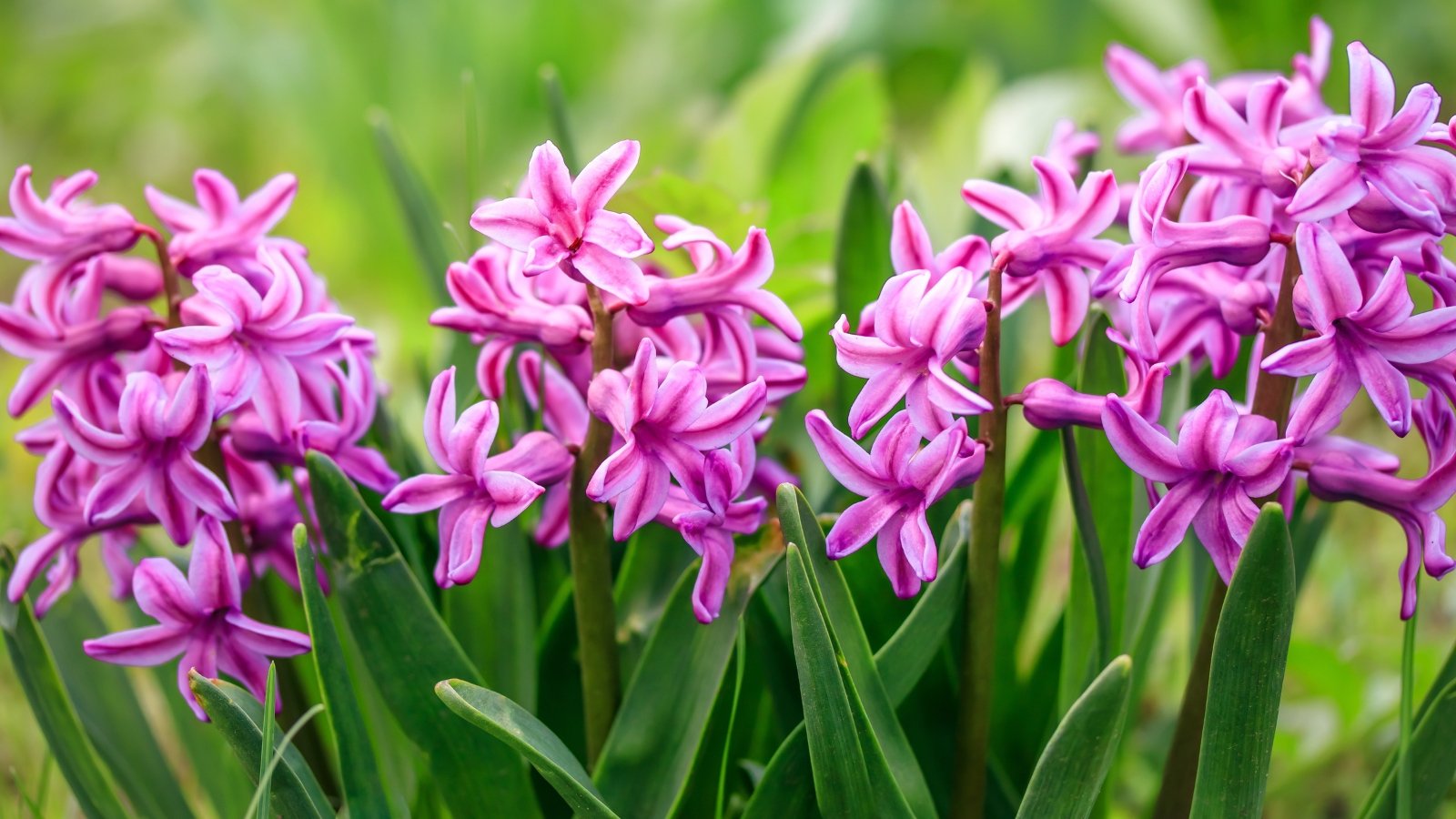
Mature clumps are easy to divide, giving you free bulbs to spread around the garden. This expands your collection and rejuvenates crowded clumps that have stopped blooming well.
Repeat pockets in the border, add to existing drifts, and enjoy the breadth of blooms. The more bulbs, the better, when it comes to ushering in the warm season with a burst of color.
How to Divide

Dividing bulbs is a straightforward process. To divide and transplant, dig about six inches away from the bulb cluster. Stick a shovel, spade, or fork deep enough to lift the bulbs with a push. Separate them into singles or smaller clusters for transplanting.
Mother bulbs may have small baby bulbs attached. If the little offsets are ready to grow independently, they’ll separate easily with a tug. If not, leave them attached to continue developing and plant the pair together.
Site Preparation

Choose a new site in plenty of sun according to the species’ requirements. Make sure the area is weed-free. Cool-season weeds can encroach and compete with bulbs, especially as they emerge in spring.
Most of our hardy bulbs grow best in organically rich soils, but tolerate various types (including clay) as long as they drain well. To amend lean or heavy soils for transplanting divisions, topdress with a healthy layer of compost.
Incorporate it as you tuck in the bulbs. The organic material increases aeration and drainage while adding nutrients. A generous layer over the entire area at fall planting provides insulation and soil improvement as bulbs are dormant.
Transplanting

Specific planting requirements vary according to the type of bulb and size. Mirror the planting of your successful, newly divided group. A good rule of thumb is to plant the bulbs two to three times the size of the bulb in depth and spacing.
Dig a hole two to three times the bulb’s diameter, or dig out an area at the proper depth to replant a cluster. Space bulbs according to size and variety.
Plant the bulbs flat-end down and pointy (stem) end up. This way, the stems and roots won’t have to work harder to reach the sun or absorb moisture and nutrients.
Water the bulbs after replanting divisions, but avoid regular irrigation. Overly saturated soils lead to bulb rot during dormancy. Average fall and winter seasonal moisture is sufficient for dormant bulbs.
Add Mulch or Compost
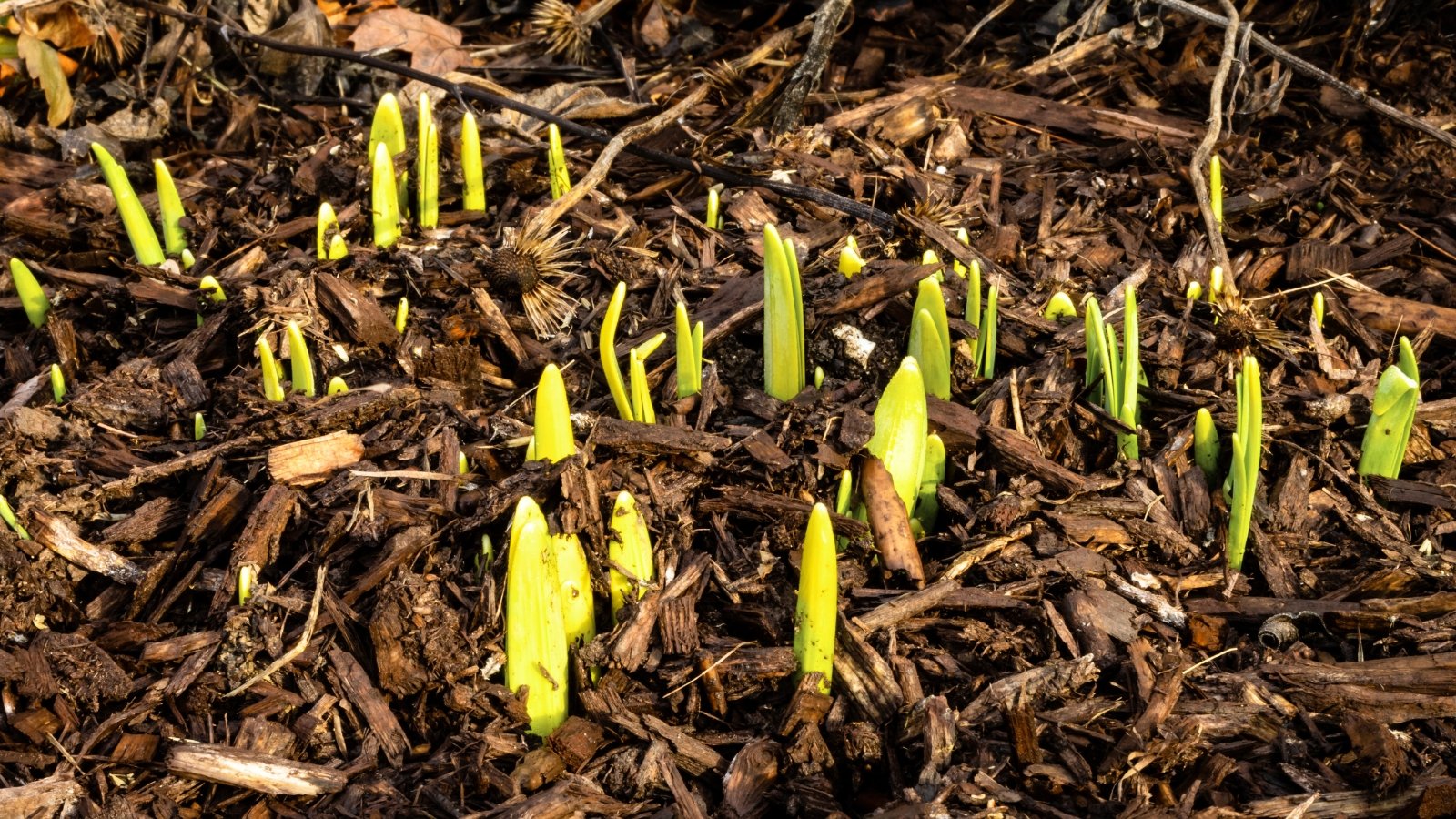
When replanting, add a layer of compost or mulch to help regulate soil temperatures, retain moisture, and suppress weeds. This protects new transplants in areas with cold winter climates. It also keeps leaves from popping up too early in warm spells.
In late winter or early spring, pull back the mulch layer from the crown as new growth emerges in spring, keeping a layer atop the roots.


