How to Plant, Grow, and Care for ‘Summer Beauty’ Ornamental Allium
If you want to grow an ornamental that does all the work of an edible, minus the edibility, grow ‘Summer Beauty’ allium. This lovely onion relative offers the garden beautiful blooms at the height of summer, and perennializes in a wide range. Experienced gardener Sarah Jay walks you through how to grow it.

Contents
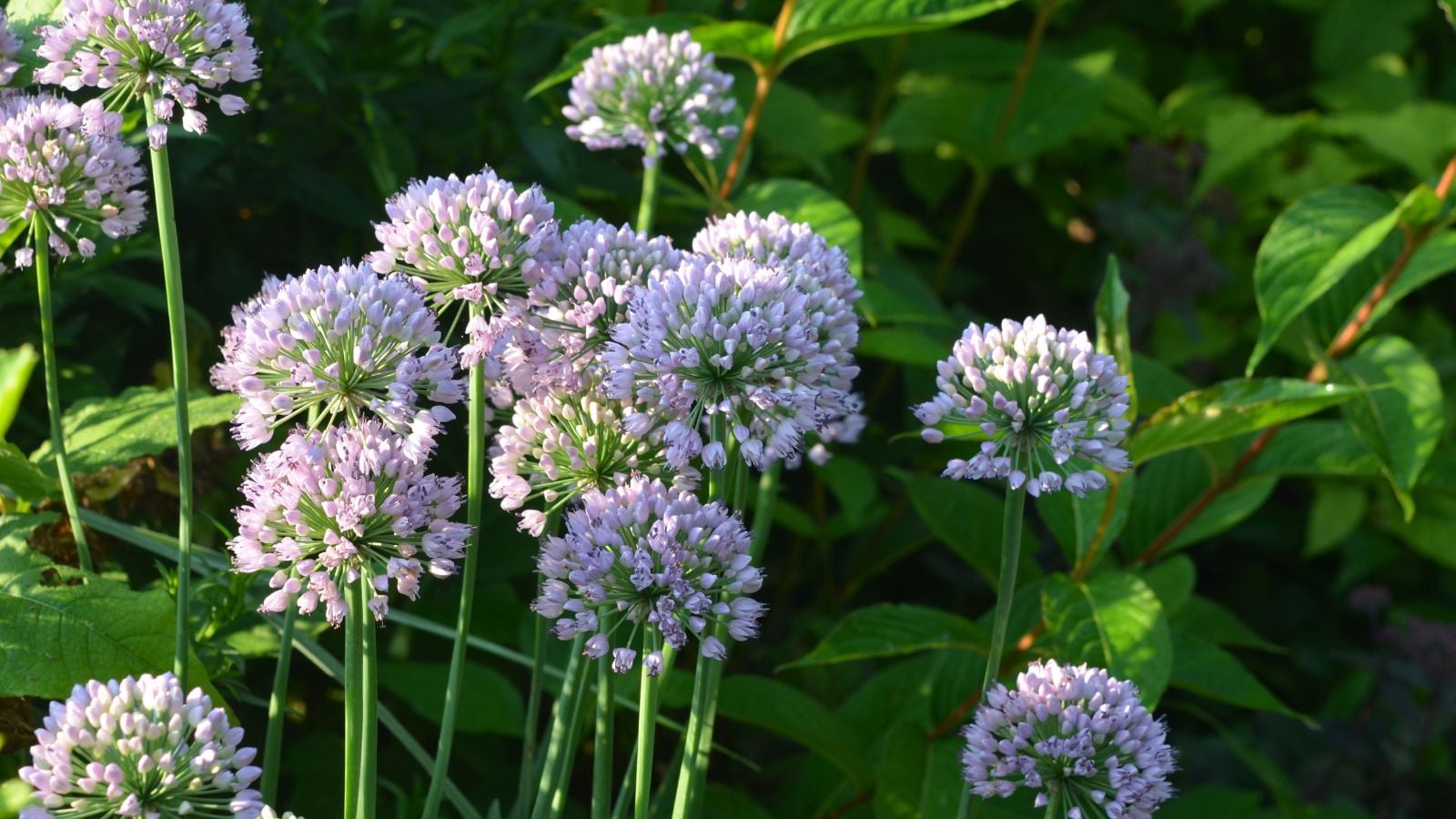
If you like large, globe-shaped purple flowers that really stand out in the summer garden, try growing ‘Summer Beauty’ allium. This ornamental plant is related to edible onions, but works best as a cut flower or garden accent. Its short stature and long-blooming habit make it well-suited for both purely ornamental and edible gardens.
While you can’t eat it, it will offer the veggie garden companionship just as other alliums do. Allium roots deter nematodes, and the blooms bring in the bees (especially the bumblebees). Keep them away from beans, and they’re a huge boon to your edible garden.
Aside from vegetables, these alliums are beloved for what they bring to cut flower gardens, cottage gardens, and wild gardens, too. They offer big, bulbous blooms that last long in arrangements, and they bloom while other plants may have a hard time in the heat.
Epic ModernBox

Epic ModernBox
Built from sustainable Nordic softwood with sleek, black metal sides, this raised planter really blends style and function, making it an easy, beautiful addition anywhere you want to place it—whether it’s headed for your balcony, porch, patio, dock, or yard.
Buy at Epic Gardening Shop‘Summer Beauty’ Allium Overview

|
Plant Type
Bulbous perennial
Family
Amaryllidaceae
Genus
Allium
Species
Lusitanicum
|
Native Area
Ukraine to Northern Portugal
Exposure
Full sun to partial shade
Height
1-2’
Watering Requirements
Average
|
Pests & Diseases
No serious issues
Maintenance
Low
Soil Type
Chalk, clay, loam, sand
Hardiness Zone
4-10
|
What Is It?
This lovely bulbous perennial is a variety of the European Allium lusitanicum. It’s an exuberant cultivar that was discovered in a garden by Roy Diblik of the Northwind Perennial Farm in Wisconsin. He took bulbs from one of his clients’ gardens and propagated them at his nursery. The result is the lovely lavender globe he called ‘Summer Beauty’.
It has since won the Gold Medal Award from the Pennsylvania Horticultural Society in 2016.
Characteristics
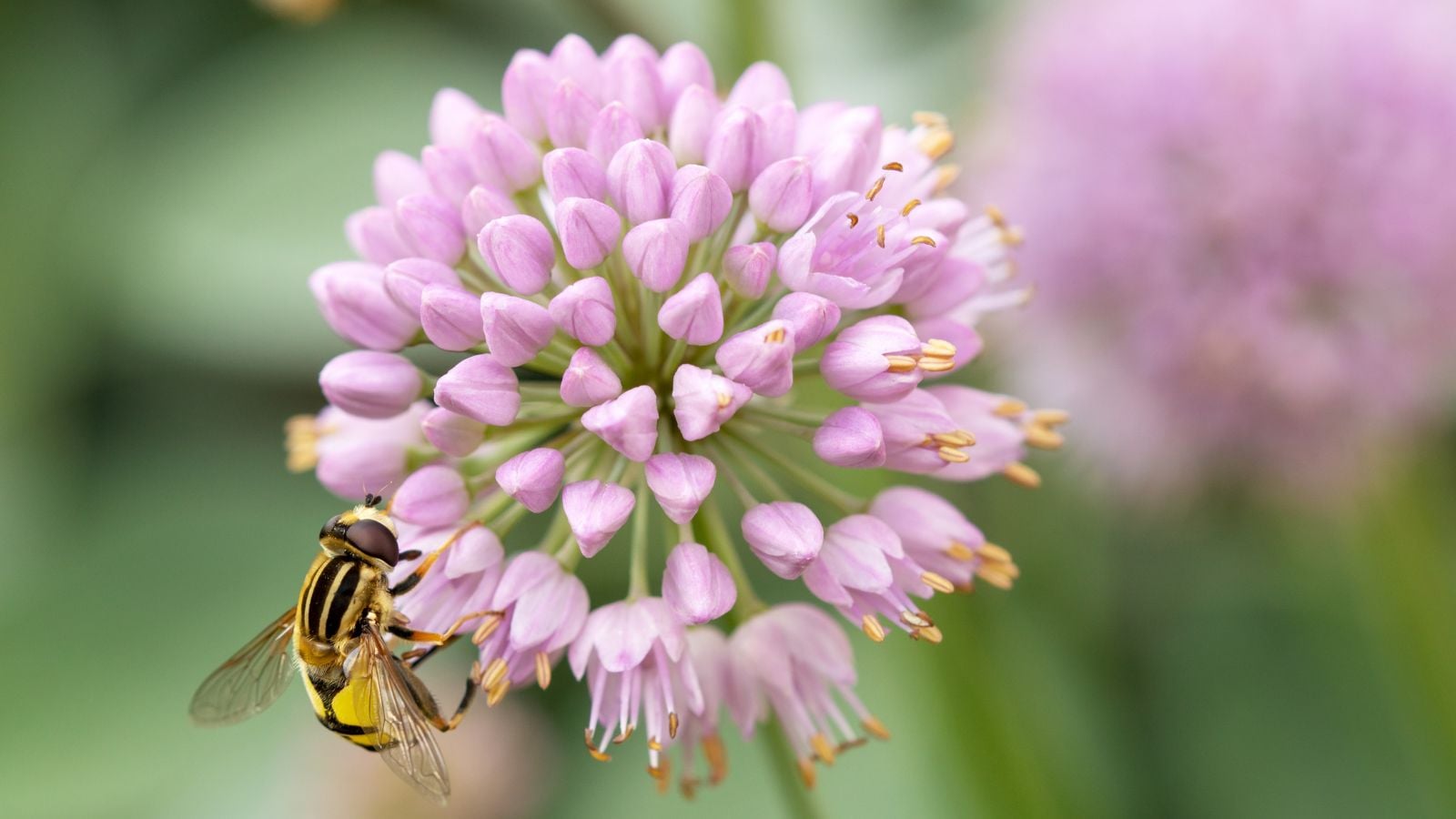
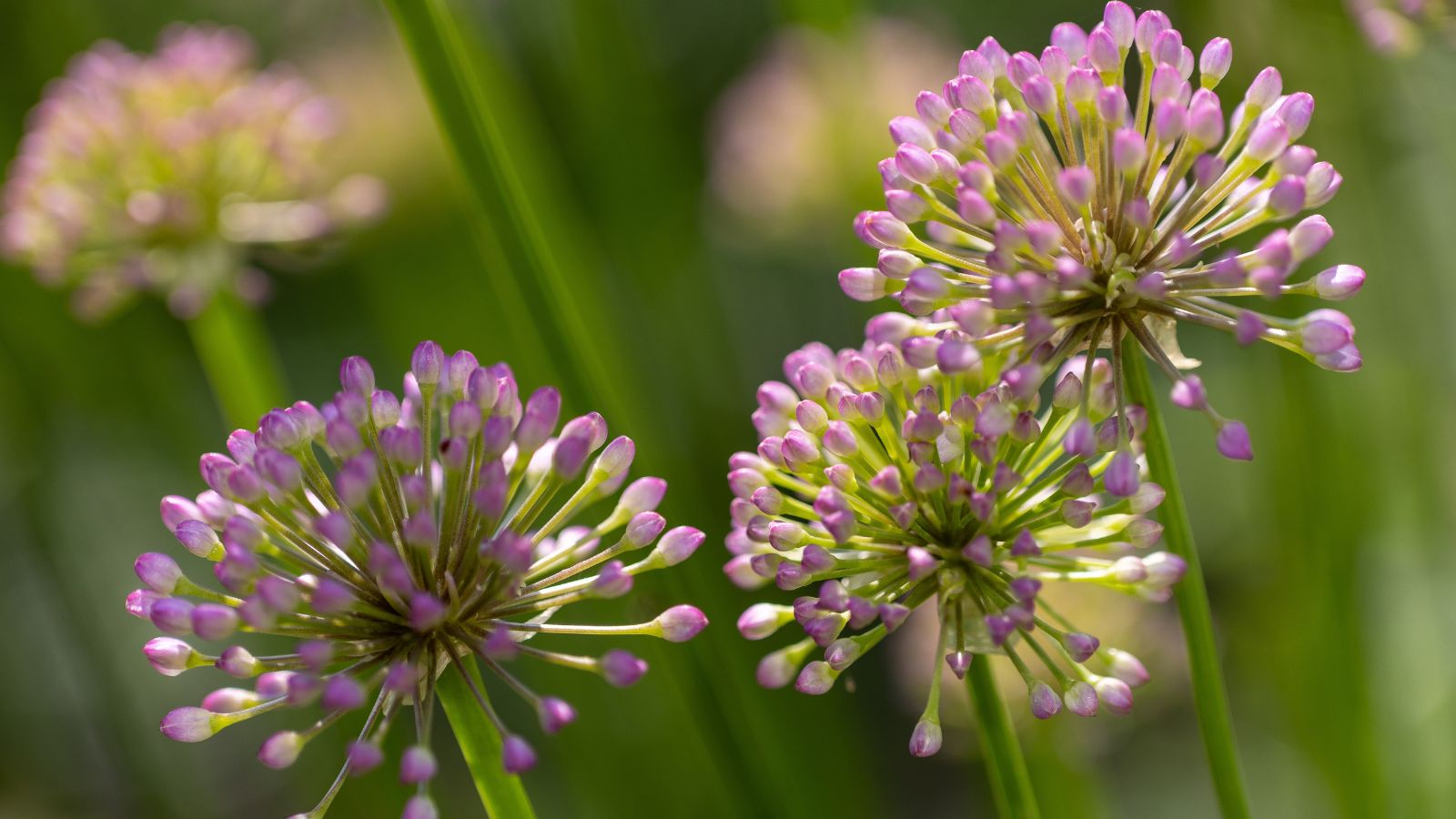
Unlike giant alliums, this one is smaller, topping out at two feet. But just like other alliums, it has bulbous roots, thin, lance-shaped green leaves, and strong, sturdy stems. The flowers are composite and ball-shaped, and take on stunning pink to lavender hues. These attract butterflies and bees throughout the season.
The ‘Summer Beauty’ allium blooms in early summer and lasts through the season, sometimes lasting into fall. It’s often used in perennial borders and makes a great cut flower. It self-seeds readily, and its bulbous rhizomes multiply within its hardiness range. It’s an easy plant to naturalize in the garden.

Native Area

Allium lusitanicum is the parent of this variety. It is native to Europe, and occurs in mountainous regions in most countries. You’ll find it growing from Portugal to Ukraine, but it does not occur naturally in Iceland, Ireland, the United Kingdom, the Netherlands, Belgium, Luxembourg, Denmark, Finland, Albania, or Greece.
The ‘Summer Beauty’ variety was separated and bred for its beautiful lilac colored flowers and vigorous habit.
Planting
You’ll find ‘Summer Beauty’ alliums in three forms: seeds, bulbs, and transplants. All are very easy to plant in your garden. Find a sunny to partially sunny spot with sandy to somewhat fertile soil, whether that’s in a garden bed or in a container.
Transplanting

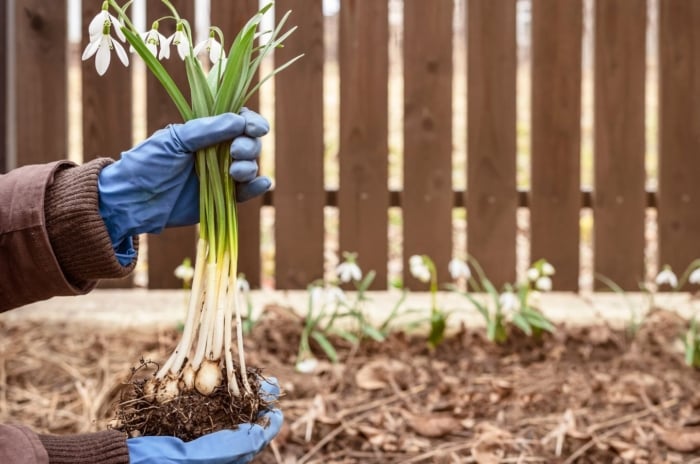
Whether you’re working with young plants or simply bulbous rhizomes, find a mild spring or fall day to plant. Locate an appropriate area in the garden, and dig a hole. Plant bulbs three to four inches deep and six to 12 inches apart. The same spacing should be applied to young plants, but simply plant the transplant at the same level it is in its nursery pot. Use that same pot to determine how large to dig your transplant hole.
Growing from Seed

You can grow this one from seed, but you’ll need patience, as plants take up to one year to mature to the point of flowering. Sow your seeds directly in the garden before your first frost in fall, or sow them indoors a few weeks before spring. You can sow them in seed cells or in small pots, depending on what you have on hand or what you prefer to grow in.
How to Grow
These alliums are very easy to grow. You won’t have to baby them, and they’ll fill in once they reach reproductive age. Then, they’ll likely return year after year.
Light
Give your ‘Summer Beauty’ allium full sun in cooler areas, with up to eight hours of direct sunlight per day. In warmer areas, ensure yours has some afternoon shade from the harsh sunlight. Containers can be moved around to find the most suitable light. In-ground plantings may need structures to shade them until they can be moved in mild seasons.
Water

As you plant your alliums, whether by bulb or transplant, ensure they get water at least once per week as they settle in. Then, as the plant establishes itself, it won’t need supplemental water and becomes drought-tolerant. Do not overwater your bulbs, as they may rot in overly wet and poorly draining soils.
Soil

As long as your soil is well-draining, ‘Summer Beauty’ allium plants will do quite well. In hard and heavy clay, add some agricultural grit or sand to break up the texture and improve drainage. Sandy and rocky soils are no problem at all.
Temperature and Humidity
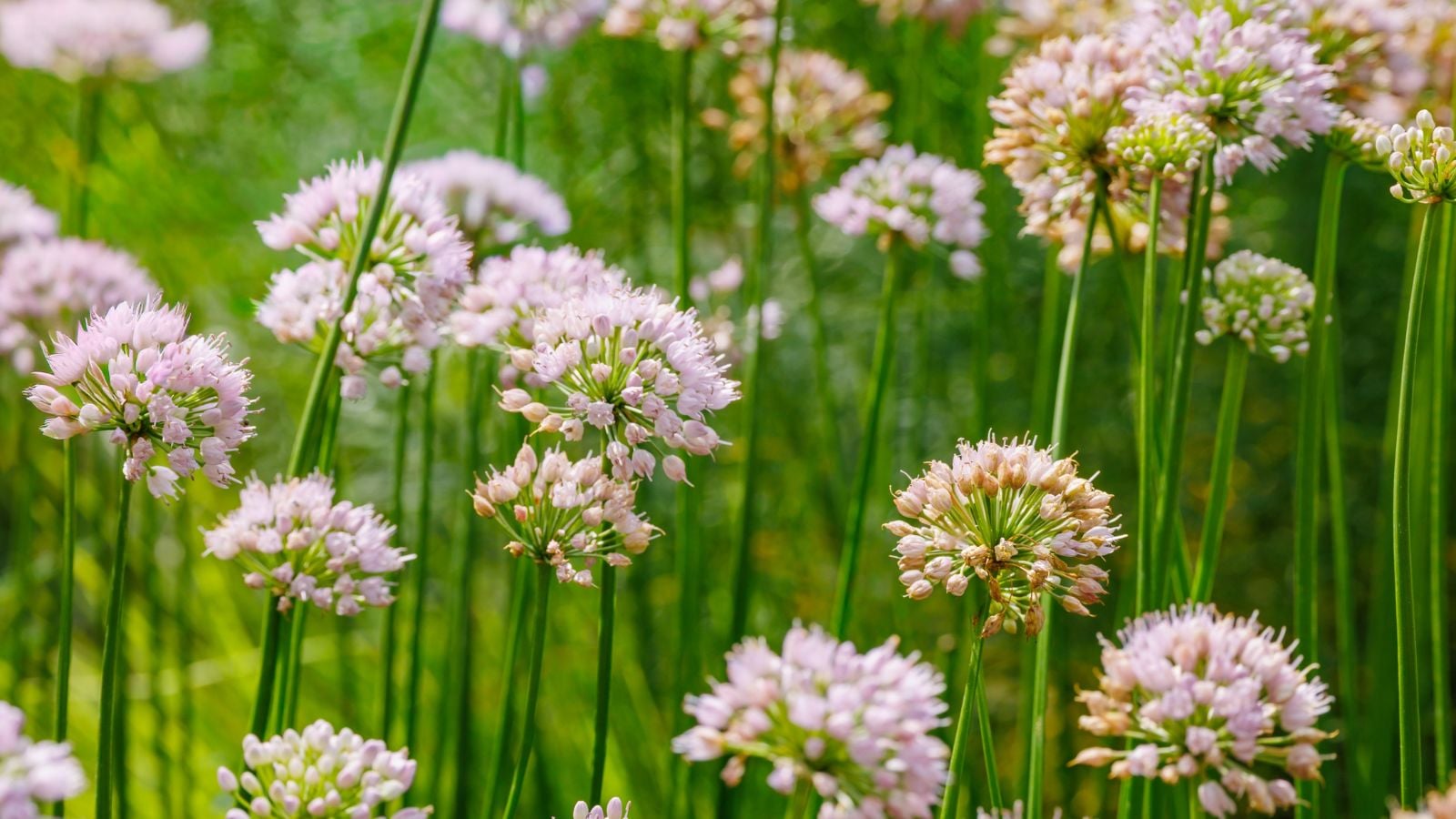
‘Summer Beauties’ are hardy in zones 4 through 10, and will perennialize in these areas. That range is a testament to their adaptability and their tendency to handle hot summers and cold winters with ease. Long freezes can be difficult for them, so they’ll need some protection in zone 4.
Fertilizing

You don’t need to fertilize this plant, but an annual side-dressing of compost and a little bit of full-spectrum organic fertilizer applied every few years will support your plants as they naturalize. In areas with naturally rich and well-draining soil, you may not need to fertilize at all.
Maintenance
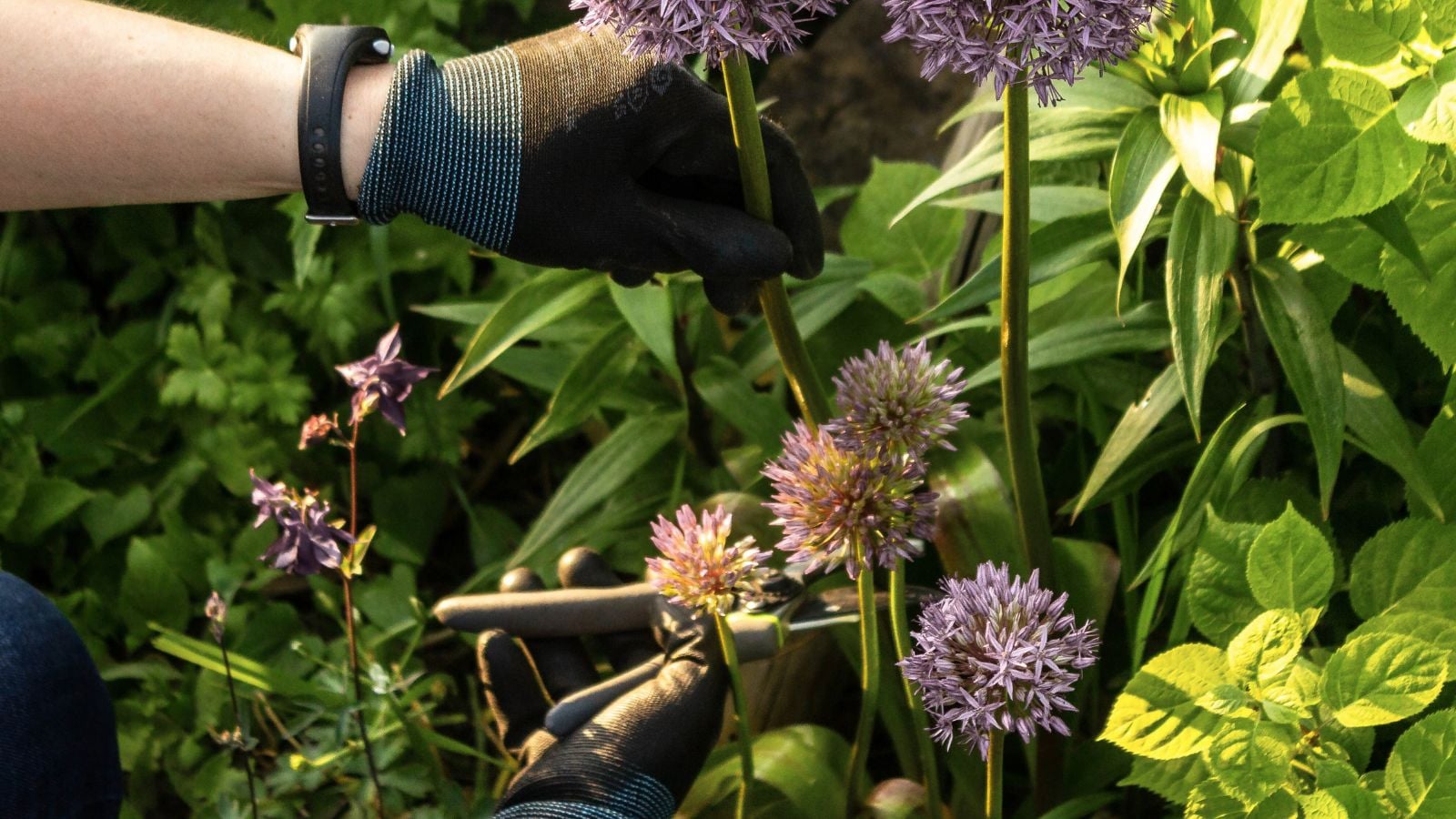
If you want to control their spread, you can snip back the stalks of your ‘Summer Beauty’ allium all the way to the base of the plant. This prevents self-seeding. Any deadheading is for aesthetic purposes, and doesn’t actually promote another set of blooms. Divide the plants annually to maintain their vigor.
Propagation
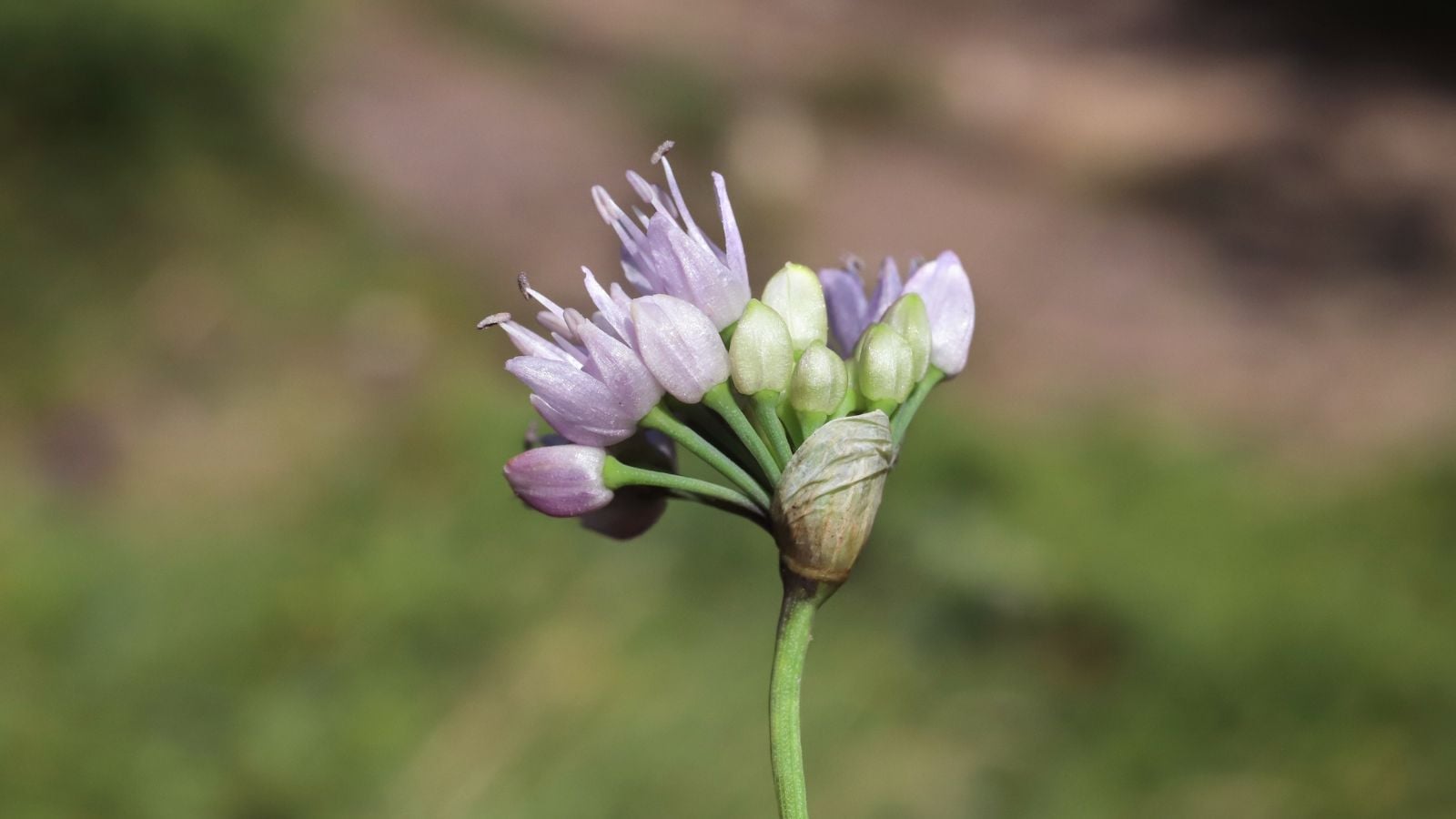
The best way to propagate established plants is via seed or by division of the bulbous rhizomes. We discussed how to propagate via seed above, but wait to collect seeds until after the first frost. Gather them on a dry day, and place them in opaque envelopes until you’re ready to sow them. Ripe seeds are dense and black.
To divide your plants, wait for the mild spring or fall. Use a trowel to unearth the clumps and locate areas where rhizomes are clumped together and have some above-ground growth. Gently separate them with your hands or use a garden knife to cut them apart. Then plant them in new areas, or pot them up. Give them to friends if you have enough!
Common Problems

The only problem you might encounter with this plant is bulb rot. And the only time you will encounter bulb rot is when your ‘Summer Beauty’ is planted in the wrong kind of soil. If you planted in heavy clay, unearth the plant, and amend the soil with compost, agricultural grit, or sand. Then replant, taking care to remove any rotted bulbs.
Frequently Asked Questions
Is ‘Summer Beauty’ allium an annual or a perennial?
This plant is a perennial in zones 4 through 10.
When to cut back ‘Summer Beauty’ allium?
Wait for flowers to fade in late summer to early fall, and cut the flower stem to the basal foliage.
What is the difference between ‘Summer Beauty’ and ‘Millennium’ allium?
‘Summer Beauty’ is a variety of Allium lusitanicum, whereas ‘Millennium’ is simply an allium hybrid. ‘Millennium’ is also slightly smaller than ‘Summer Beauty’.
Does ‘Summer Beauty’ allium spread?
Yes. This is an excellent candidate for naturalization in borders, rock gardens, and cottage gardens.