How to Grow a Perennial Garden in Pots and Containers
When you decide to grow a perennial garden, containers are an option! So many lovely plants remain root hardy in containers and return year after year. With the right care, it’s possible to maintain a thriving perennial garden in your favorite planters. Experienced gardener, Sarah Jay, shows you how here.

Contents
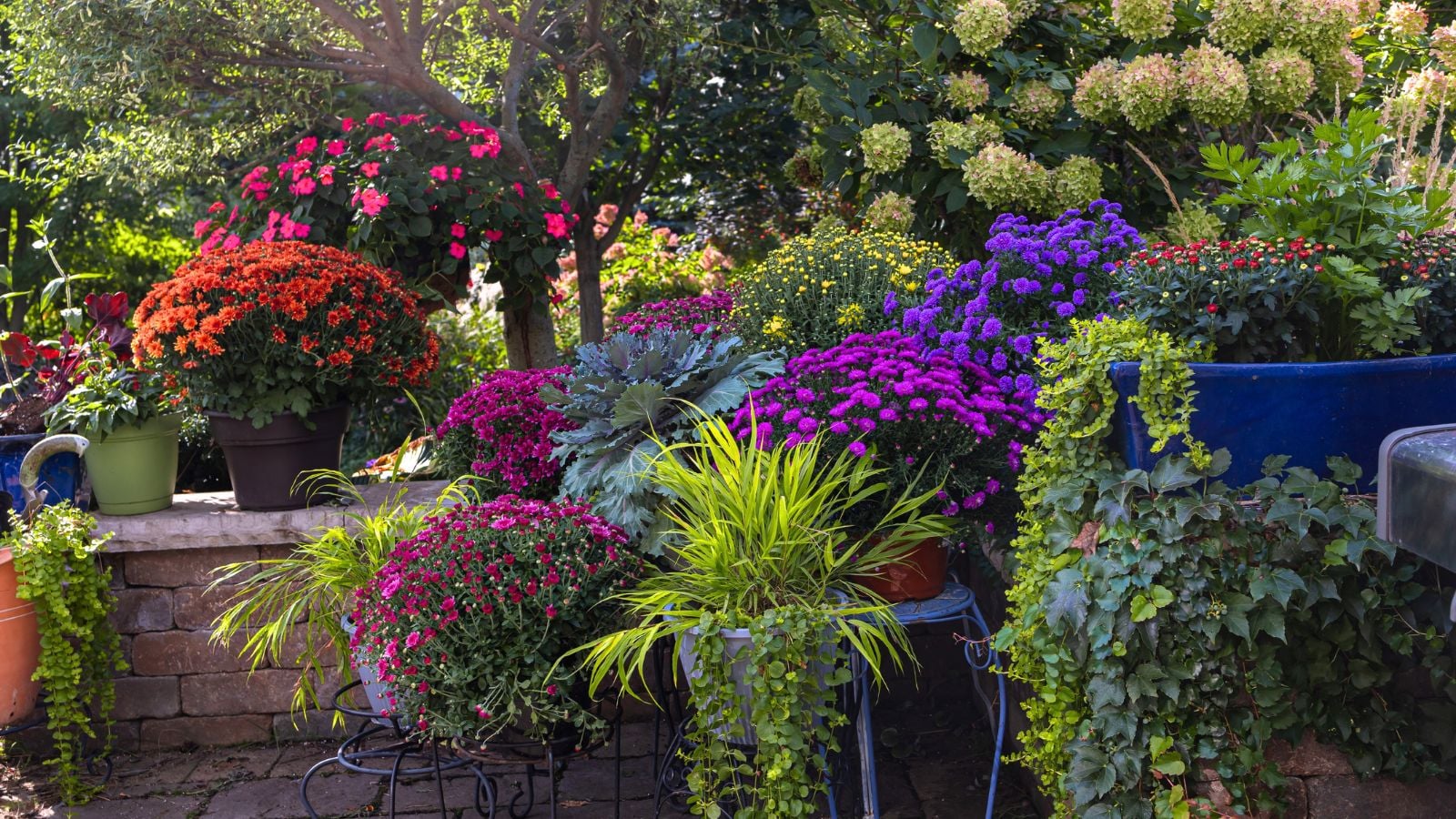
It’s easy and definitely possible to grow a perennial garden in containers. With careful selection and adequate preparation, your container garden will grow for years and years. Even if you’re growing in a cold climate, there are certainly plants that can weather the chill. And you can always overwinter them in a sheltered location.
Perennial gardening is a great way to really get to know your plants. By nurturing their growth year after year, you gain a better understanding of their habits and the cycles they go through as the seasons change. It’s also less wasteful, as plants don’t have to be replaced every year.
Patio and deck gardens get a nice refresh when a few perennials are installed. This goes no matter the size of the main growing space. It’s always worth throwing a few perennial plants in a lovely ceramic or clay pot to liven up a space. Even one brings more vibrance than none. If you don’t know where to get started, let’s discuss how you can and how to care for your container perennials.

Step 1: Select Smaller Perennials

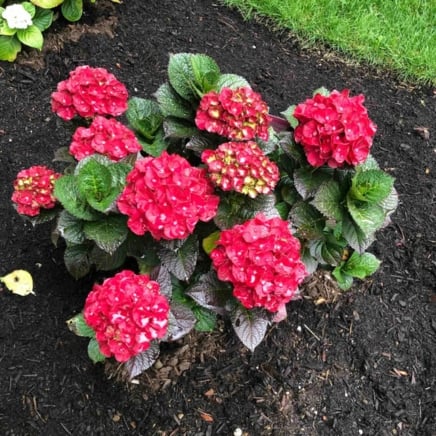
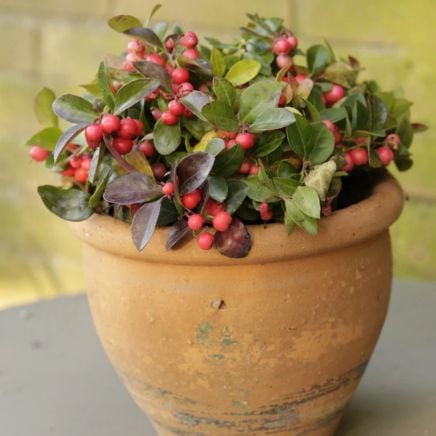
To start a perennial garden in containers, it’s easiest to choose smaller plants that will grow easily within your preferred planter or pot. Herbaceous perennials, like black-eyed Susans, blanketflower, and low-growing salvias, are great choices. Even smaller woody plants, like lavender, rosemary, and fragrant mistflower, are optimal for container growing.
The plants you pick are the basis of your container garden, and they’ll dictate the best kinds of containers and soil to use. So if you start here, start small. If you’re feeling more confident and you have larger containers, you can grow hedges and small trees as well. Just make sure they’re suitable for or adaptable to containers before you purchase and plant them.
Step 2: Choose Your Containers
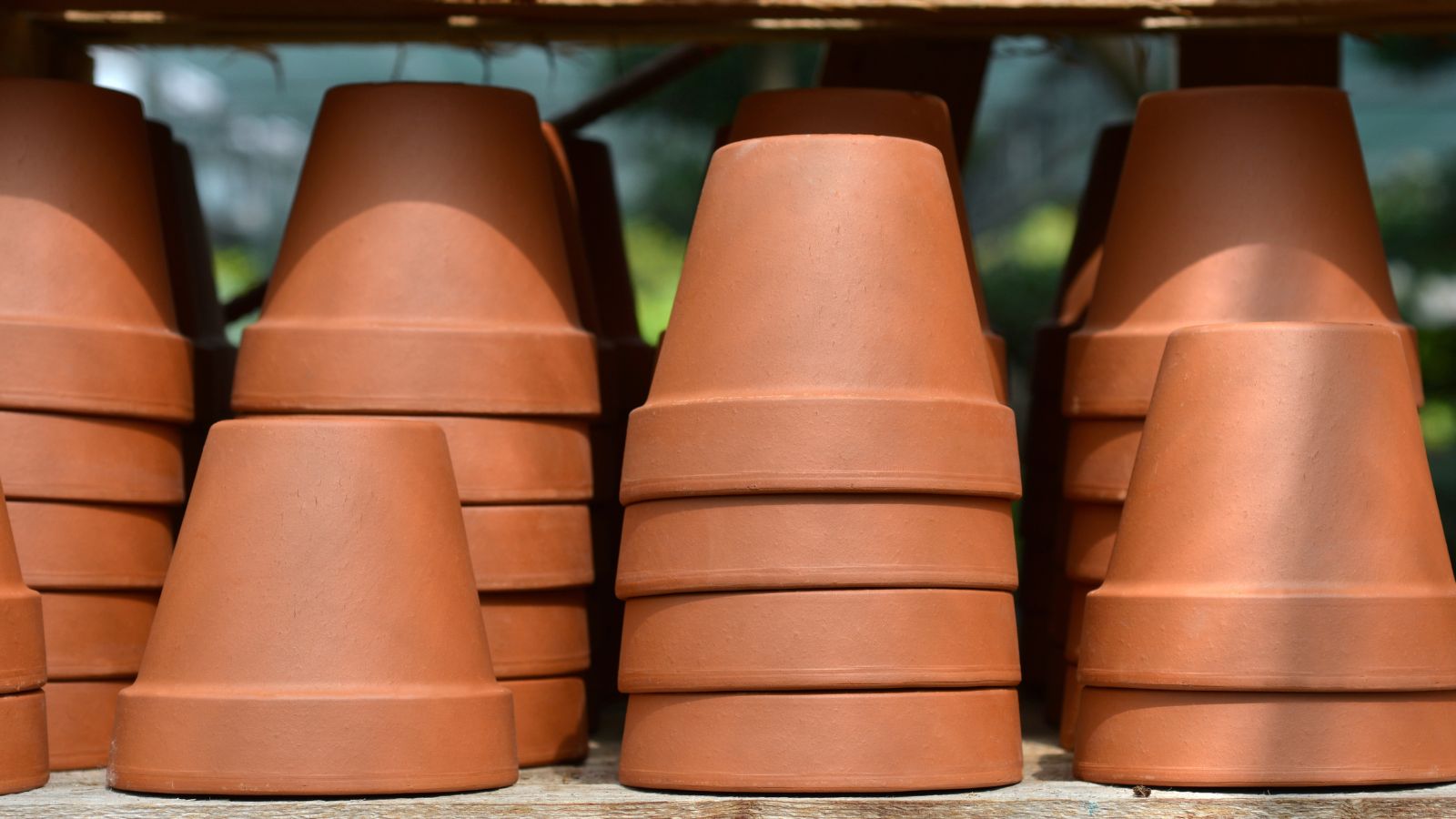
Not all planters are equal, and each plant has an ideal type. You can always repurpose old plastic pots, grow bags, and whiskey barrels. I find lots of planters at second-hand stores as well. But if you need to purchase new ones, select the best type for the perennials you’re growing. Ensure whatever you’re using has drainage holes, unless you’re going aquatic.
For those plants that need wet soil, a plastic planter is perfect. This plastic retains water better than other types. Ceramic is a great third option. In case you want something aesthetically coherent, know that these are often nicely decorated or glazed. Terracotta pots and grow bags are both good for plants that need less moisture in the soil, as excess water is wicked away from roots.
Before you get your containers together, do a little research on the plants you want to grow and determine what their needs are. This will help you as you proceed to the next step in growing a perennial garden in containers.
Step 3: Fill With Soil

Just as not all containers are equal, the same can be said for soil. If you’re growing desert plants, they won’t do well in a standard potting soil. If you decide to grow wildflowers, they may need a leaner mix to perform well. You can build your own tailor-made mix, or you can locate one of the many pre-formulated bagged soils out there and fill accordingly.
Try to emulate the environment your perennials would live in in their natural habitat. Then add a touch more richness. For plants that need a semi-rich, well-draining soil, a standard potting mix is great. For cacti and succulents, use a cacti or succulent mix. Purely native soil isn’t a great option, but a mix with a good potting soil could do the trick. Check to see what your plants need before filling your containers.
Step 4: Prune and Maintain

There are some differences between planting annuals in pots and growing a perennial garden in containers. Perennials need different kinds of maintenance. Yes, you’ll deadhead annuals to help them produce another round of blooms, and you should still scout for pests and diseases.
Perennials don’t usually require fertilizer in containers. Grasses should be cut back annually. Some perennials need staking or support to thrive and remain upright. Different shrubs need annual pruning to produce enough blooms for the season. Wintercare is different, as some perennials should be cut down to prevent disease proliferation in cold and rainy weather.
Take some time to learn about your plants and their seasonal care. Then, if lists are your thing, make one. You can even calendar tasks to ensure you’re on top of it. And you can always revise your list of perennials to plant if the ones you initially wanted to plant are too high-maintenance.
Step 5: Divide As Needed

Your spring and fall tasks for your perennial garden in containers should involve division, which is the process of separating roots into multiple, separate plantings. As perennials grow in one container over the course of multiple years, they’ll need to be divided to make room for even more root growth.
You don’t want your plants to get overcrowded, and start to reduce the amount of blooms. The nice thing about container growing is that it does not require extensive excavation. Instead, you can remove the entire root and soil mass from the container and locate areas where root nodes exist. Then separate them either with your hands or with sterile trowels or a garden knife.
Replant the divisions elsewhere. These could be part of an ever-growing perennial garden you tend, or they could be gifts for friends and family. Divisions of rare and semi-rare plants are extra special. For someone else who wants to start a garden, maybe any plant is wonderful.
Just make note of how your plants are doing, and if they show signs of becoming root-bound, do a quick search and see if they need to be divided.
Step 6: Protect the Roots
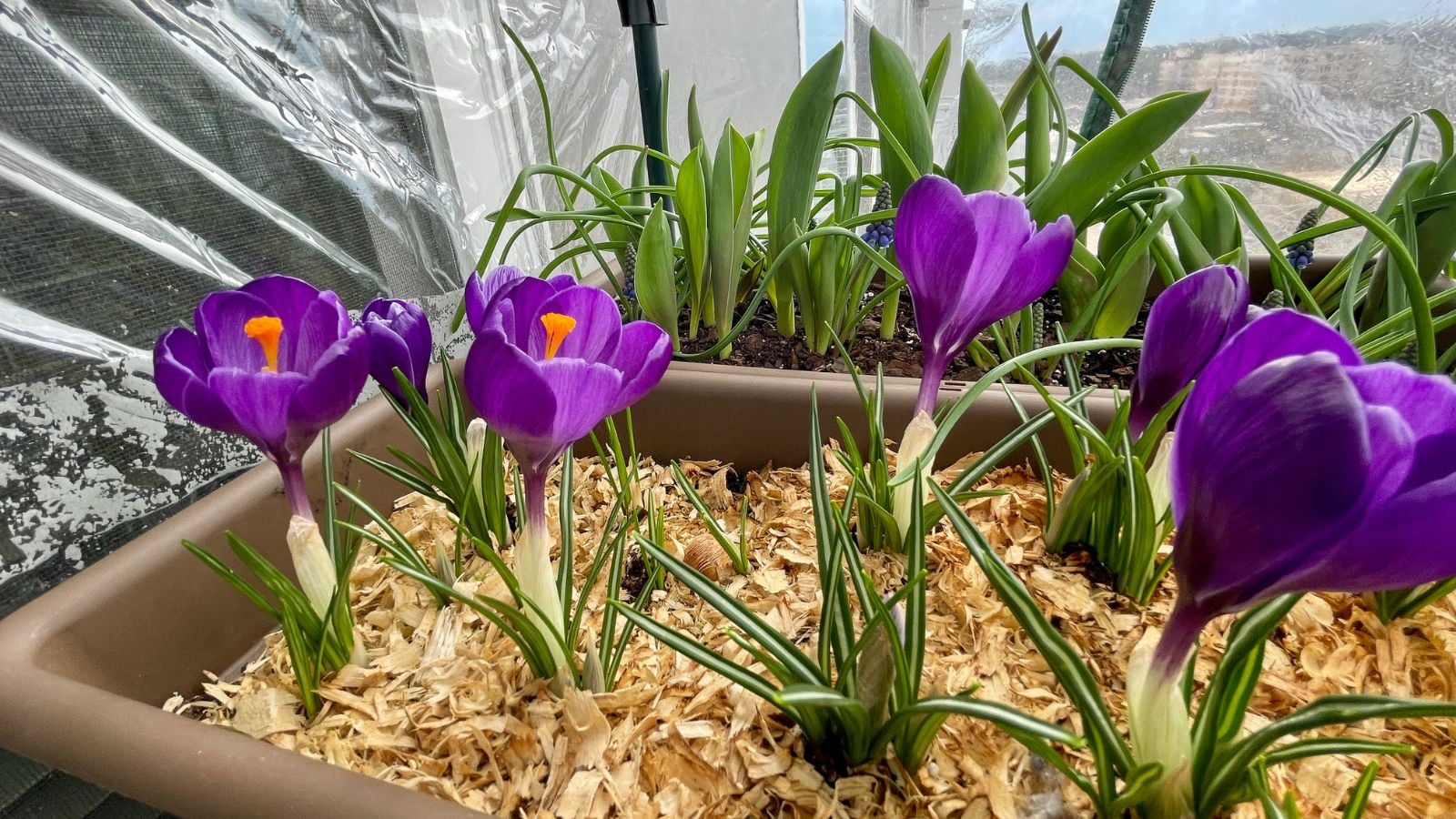
Annuals die back in winter and seed out to grow more plants next season. Some perennials do the same, but in containers, the existing plant needs to be protected from extremes outside its tolerance. In high heat, you need to water more. Some mulch would be good for those perennials that are sensitive to heat.
In the cold, group your perennials and wrap them in burlap. In more extreme cold, find a sheltered area to keep your perennial garden in containers. Wait until the cold passes to take them back outside. For those plants that like temperate weather, maybe the best option is to keep them indoors all the time.
If you’re sheltering plants through extreme heat or cold, don’t forget to water them. This is the main way to protect the roots, as dry soil exposed to extremes is more likely to cause harm to your perennials than a semi-moist soil. If your plants are dormant in winter, you won’t have to water as much, but pay attention to the soil surface to decide if you need to add more water.