5 Japanese Gardening Tools That Will Make Your Life Easier
Japanese gardening tools have a storied history and are exceptionally practical by design. Many of these useful implements were developed centuries ago, and are still effective in gardens all over the world. Experienced gardener Sarah Jay covers five of the best ones that will make your gardening tasks easier.

Contents
Many Japanese gardening tools were developed in the 17th century during the Edo Period. This period in Japanese history was marked by political stability, which led to increased cultural and economic exchange within the country’s bounds. The City of Edo (later Tokyo) was a hub of urbanization, and numerous cultural innovations emerged.
Farming was centered around cash crops, rather than local sustenance. This required new tools that improved the cultivation process and made farming jobs easier. These tools were effective on a large scale and were taken back to the smaller growing spaces to improve the work there.
Many of the tools developed in that time are still in play today, with some of the most famous ones considered essential to gardeners across the globe. If you don’t have any of these awesome tools in your arsenal, here are five that will massively improve your experience in the garden.
Hori Hori
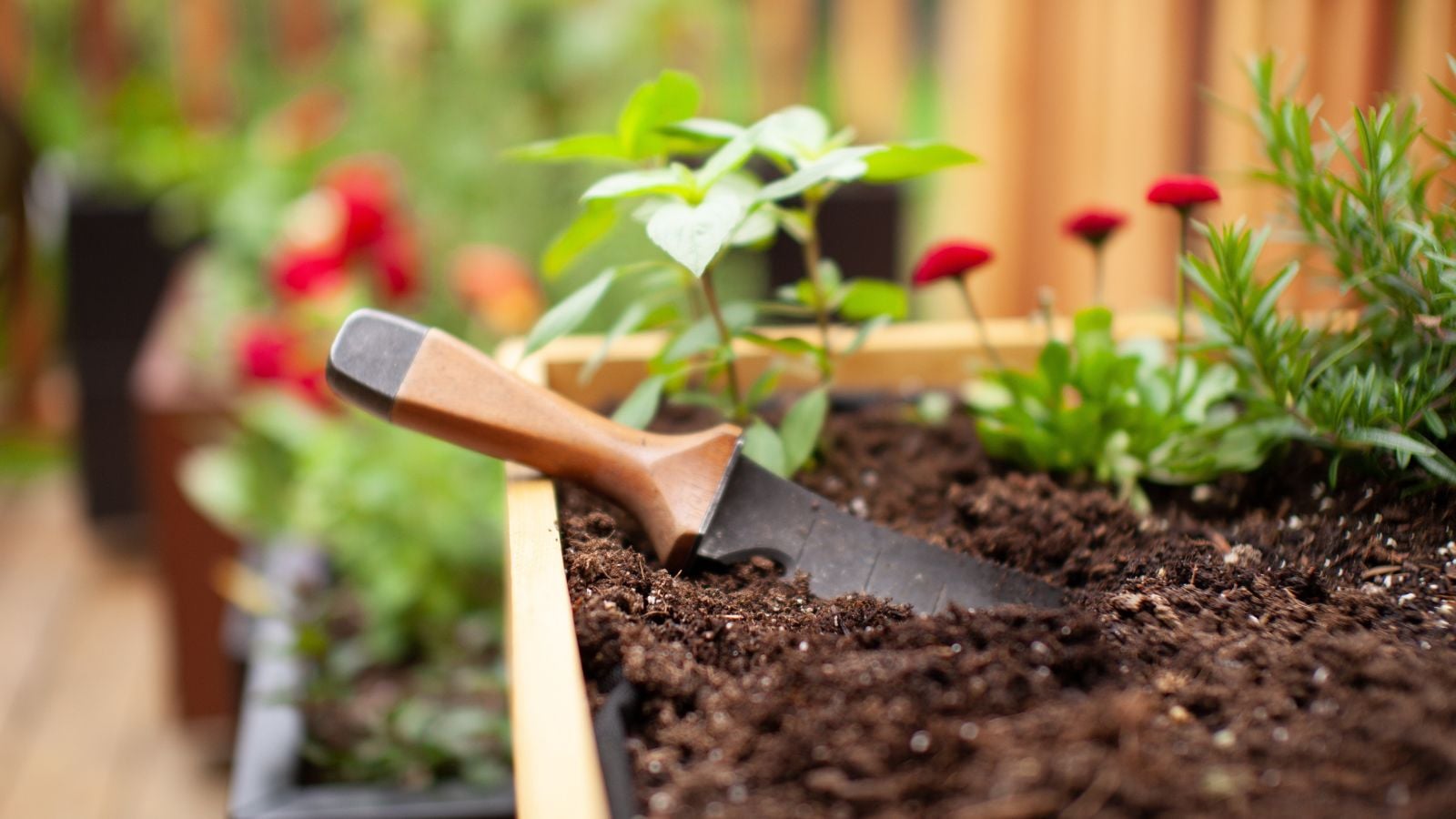
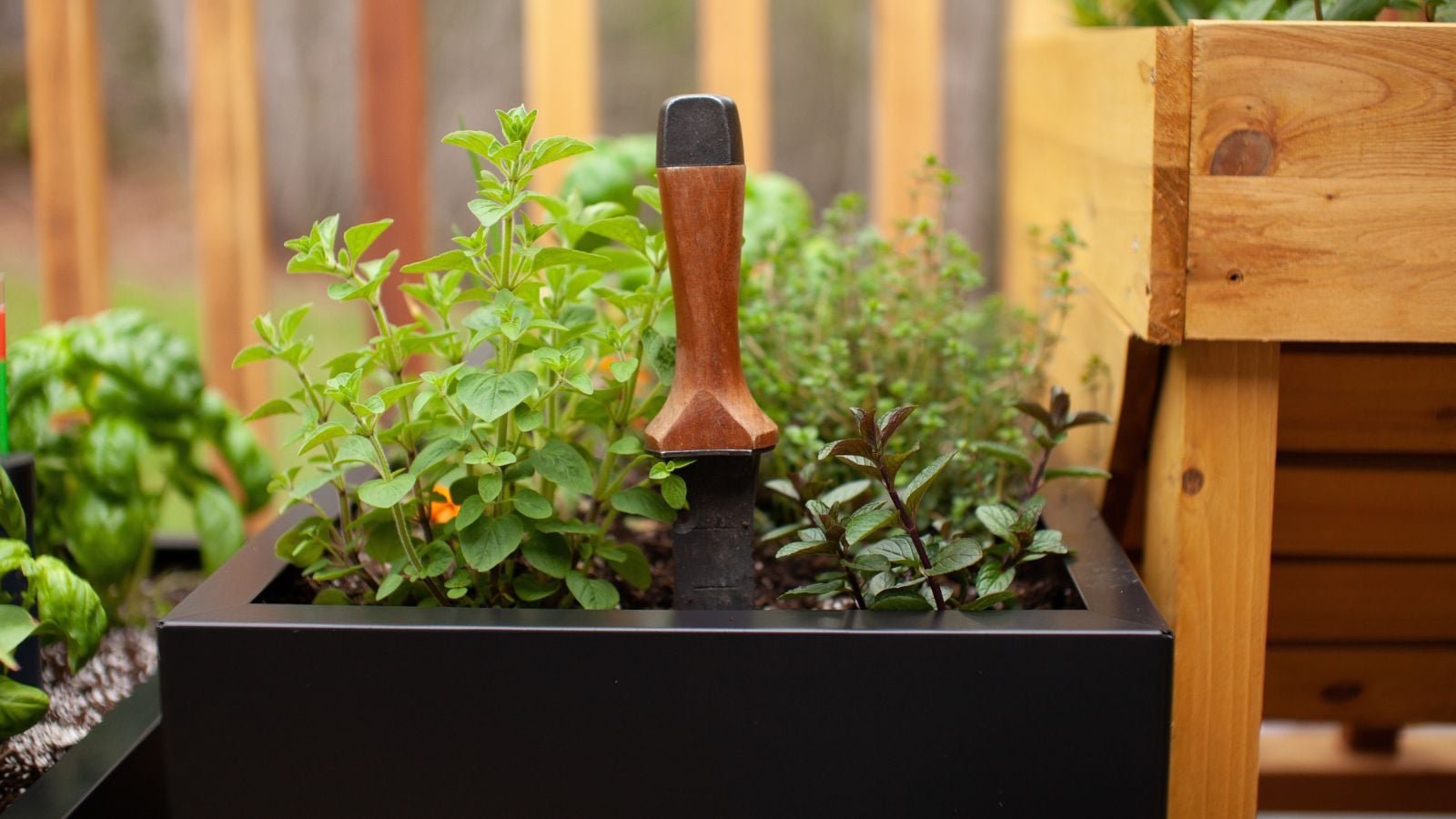
Chances are, you’ve heard of the hori hori. This knife was originally used for foraging, and the word “hori” reflects that usage, as it translates to “dig” in English. The main use for these Japanese gardening tools is digging and excavating. But it’s so much more than that!
Hori hori knives are perfect for dividing perennials in spring and fall, as the flat side and sharp tip of the blade extract plants, and the sharp, bladed side allows for swift and easy cuts that promote quick healing and stronger root development. Historically, this tool was useful for digging up small trees and perennials to replant elsewhere.
The tool is also perfect as a trowel or shovel. Use it to dig holes for planting or to scoop soil into containers. In a pinch, it will pierce and aerate soil, too. A nice holster keeps the hori hori sharp and keeps it away from gardeners too young to wield a blade.
Sickle
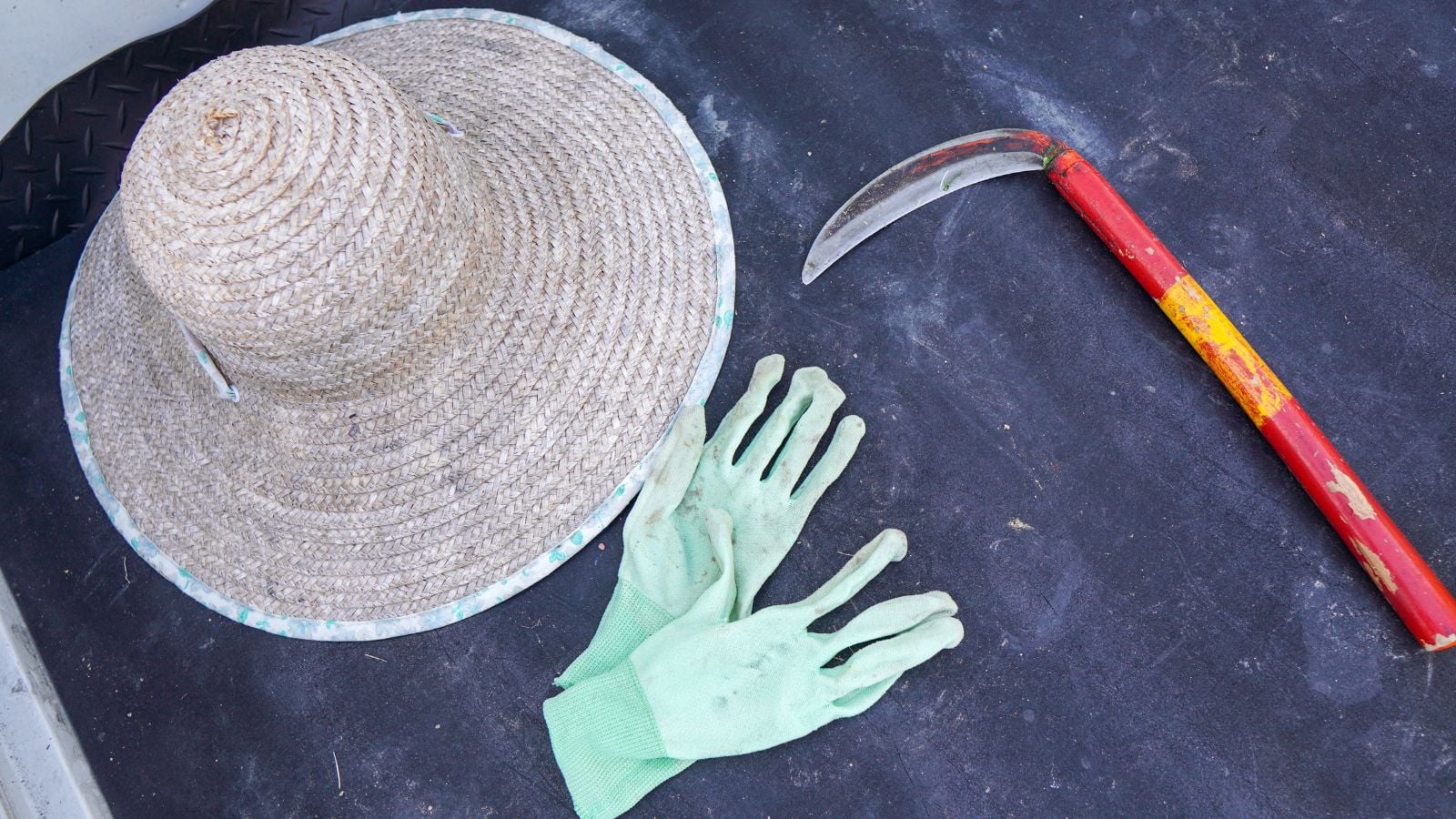
In Japan, the hand sickle is called a kama. This tool was primarily used to harvest rice, as farmers would grab bunches of rice blades and cut them with one swipe. And it doubled as a weapon. This is a testament to how sharp the blade is, and gardeners who use them should holster them when not in use.
In home gardens, these Japanese gardening tools are perfect for harvesting, cutting back grasses, and weeding. The blade tip allows for digging up more stubborn weeds, and the sharp inner curve makes cutting down taller weeds easy. Instead of springing for an electric hedge cutter, use a kama on your perennial grass clumps to prevent crown dieback.
Hedge Shears
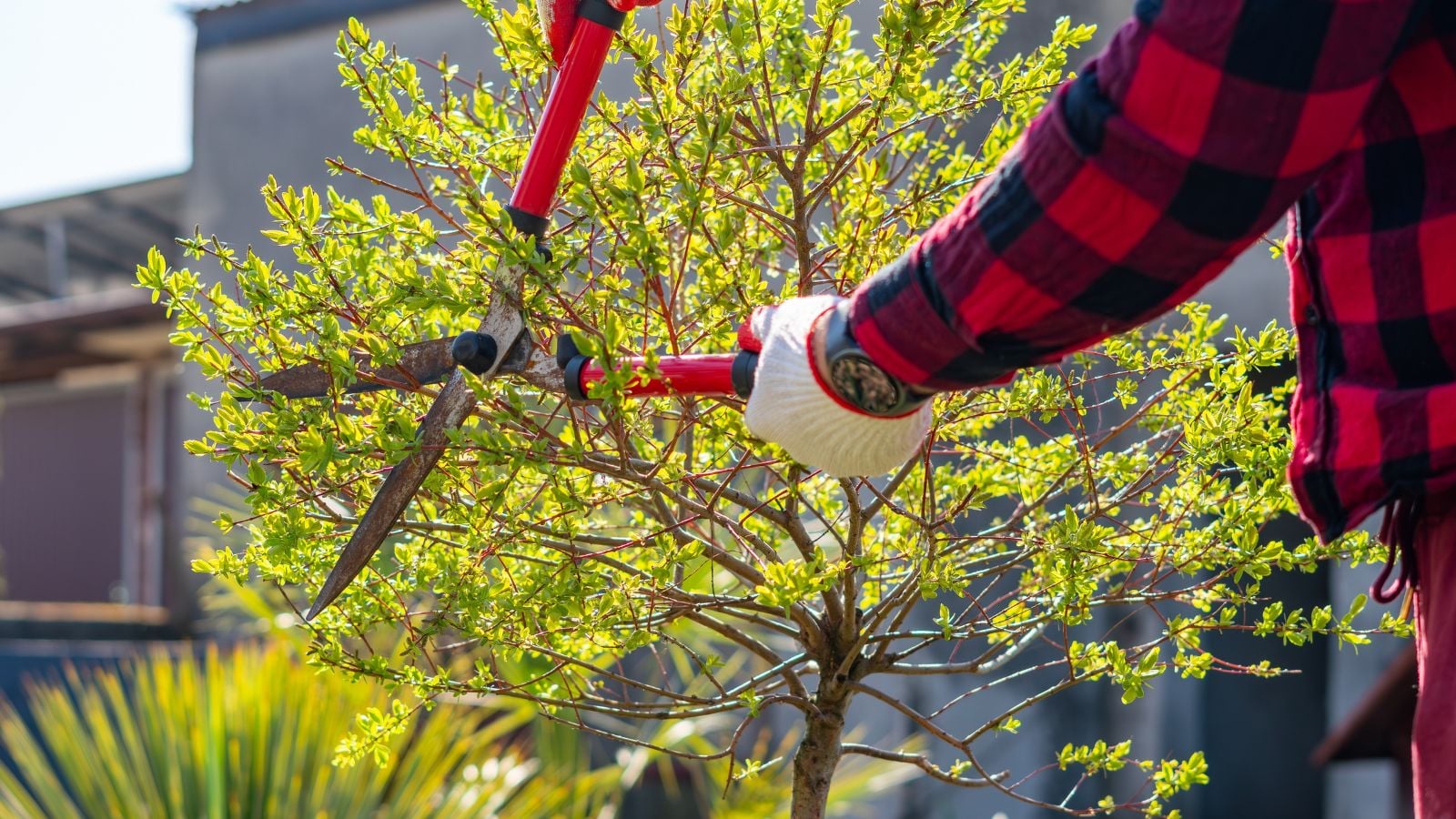
Japanese hedge shears are categorized among other ueki-basami, or “tree scissors”. All of the pruners and lopper-like tools in this category use a simple lever with razor-sharp blades to prune trees and woody perennials. Unlike secateurs, they do not rely on a spring to increase the force of the cut.
Hedge shears give gardeners the option to trim their hedges with more precision than an electric trimmer. Instead of wildly shaping a tree or hedge, you’ll have the option to make more intentional cuts that create exactly the shape you want. In the process, the trimmers are less likely to hurt insects nesting in your shrubs and trees.
Hand Saw
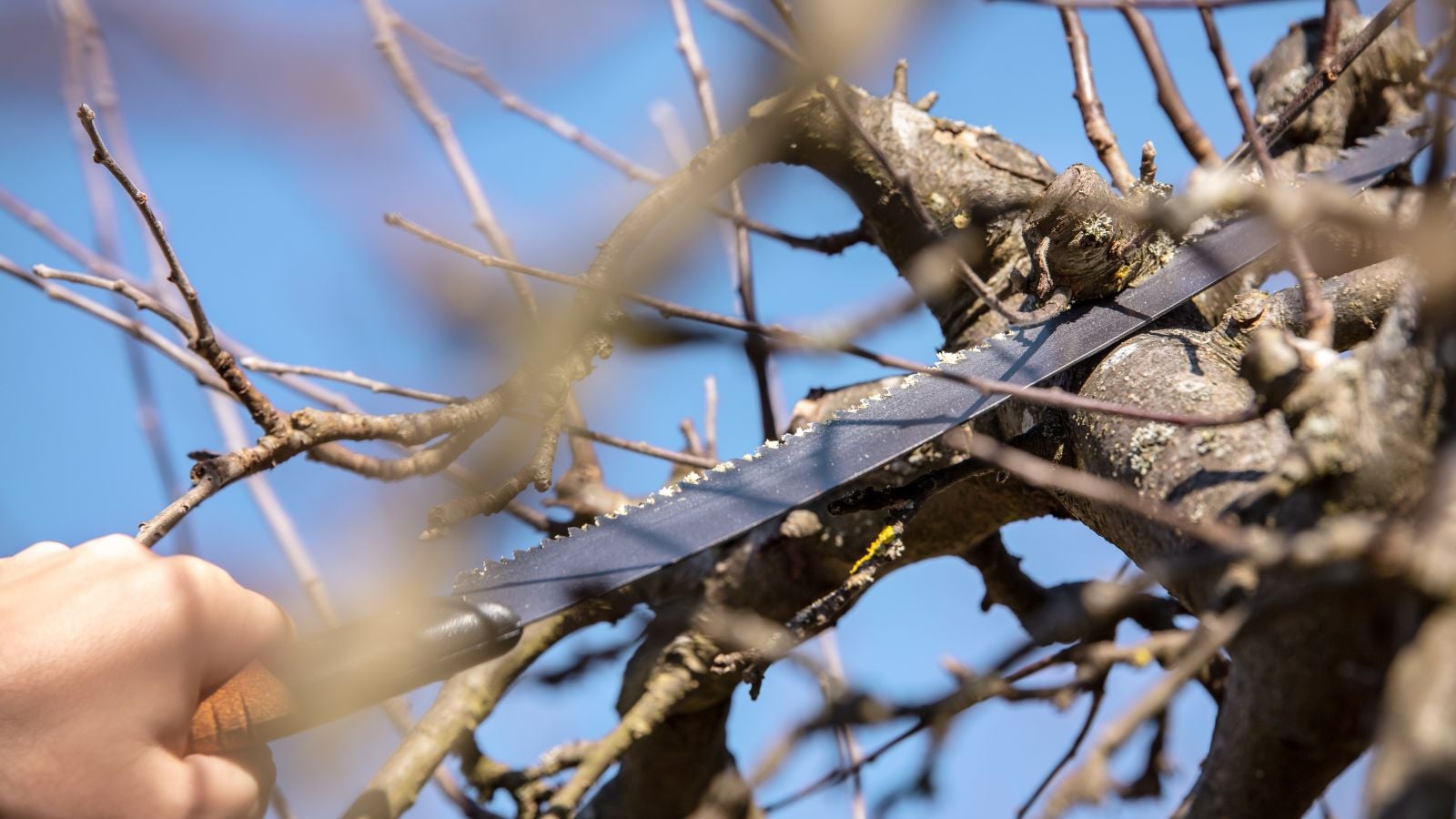
Typical Japanese handsaws developed in the Edo period were used mostly for carpentry. However, that also made them excellent for pruning woody material at a higher diameter than a hedge pruner. Today, models come in foldable and sheath style formats. Foldable hand saws are excellent tools to have in larger landscapes, where multiple trees and shrubs need pruning.
Those that require a sheath when not in use are just as useful, though they don’t have the same kind of portability as folding saws do. What makes these exceptional tools is their blades. The blade is hollow-ground, meaning it tapers from the teeth toward the spine, reducing friction and allowing faster, cleaner cuts.
Consistent cleaning after cuts is an important part of caring for these hand saws. Carefully remove sap, wood bits, and any buildup before storing yours. Then these Japanese gardening tools will be ready to go when it’s time to cut again.
Bonsai Pruners
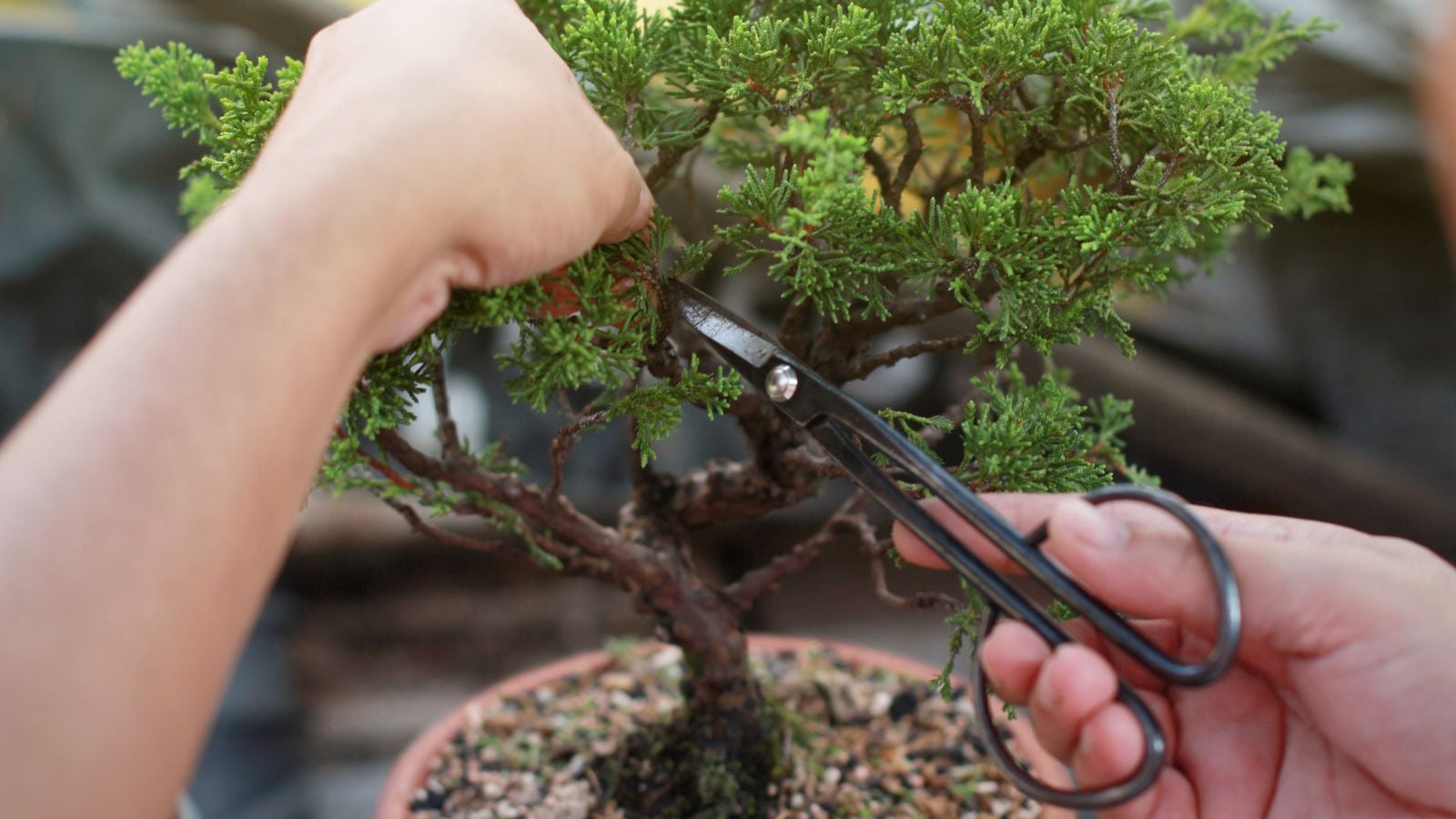
The art of Bonsai is even older than the Edo period, reaching all the way back to the 12th century (or further, according to some sources). Essential to Bonsai is pruning, and the scissor-like shears used to do this fall under the same category as hedge pruners (ueki-basami, or “tree scissors”), as they lack a spring.
In the home garden, outside of Bonsai, these pruners are excellent for shaping small perennials, harvesting herbs, and removing tiny woody branches. The pointed tips reach into dense growth and tight branch junctions. You can use them just as you would other hand pruners, limiting your snips to new growth and supple green branches at a small diameter.