

9 Simple and Stunning Combos for Height Layering in the Garden
Height layering garden combos distinguish standard gardens from exuberant ones. Experienced gardener and landscape designer Sarah Jay has 9 combos to make your garden a space of solace and beauty, and a place of visual interest.

Contents
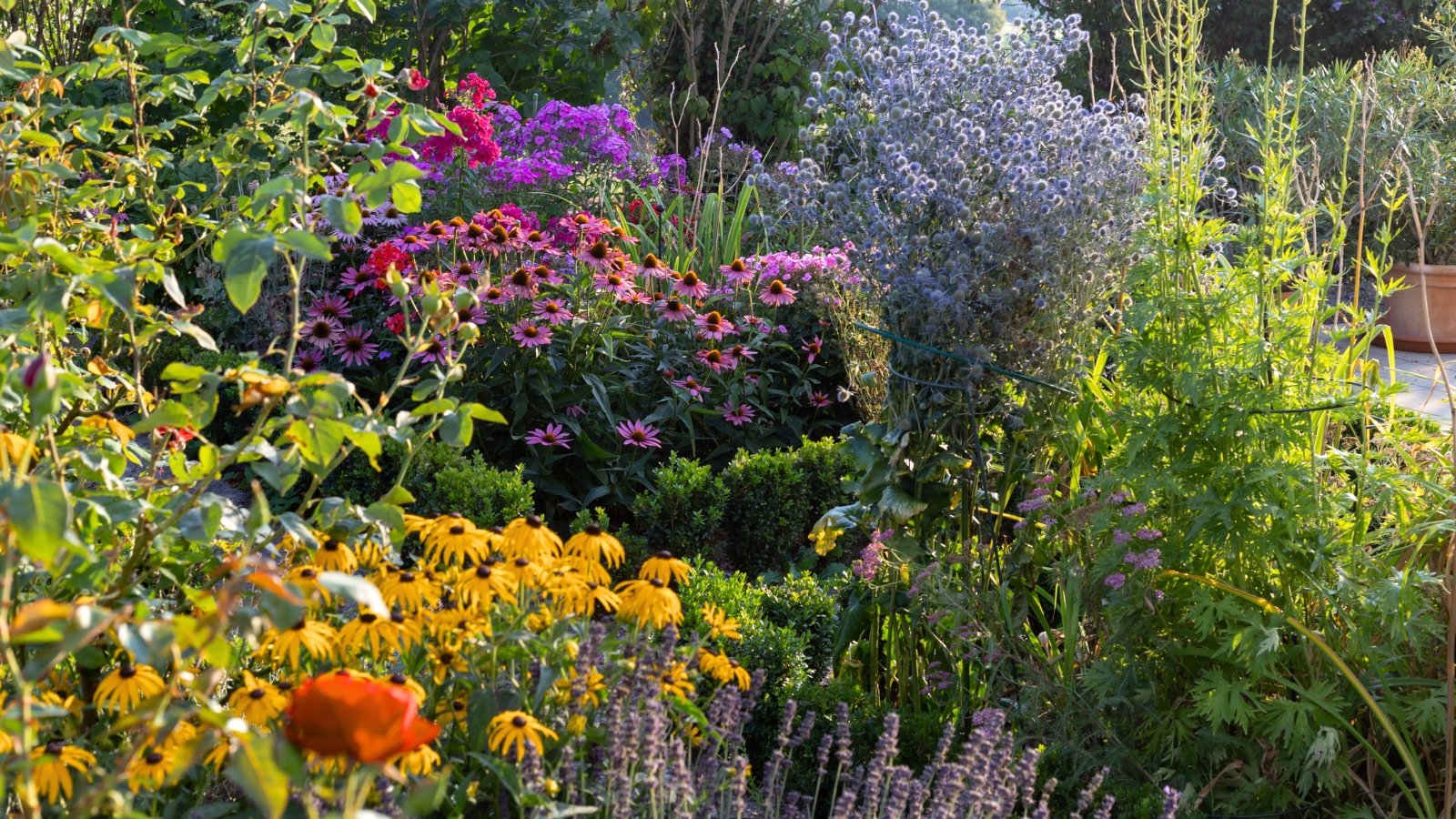
When it comes to garden design, dimension is key. Height layering garden combos provide that varying sense of proportion that dazzles our eyes and makes our gardens a place we want to be. Combinations that offer a focal point or balance the landscape are important for cohesion.
Larger gardens give us room to make more choices, but a coherent design doesn’t require a vast sweeping space. We can even create a layered container garden by choosing the right plants and being intentional about their placement.
It all starts with your parameters and your preferred plants. Consider their measurements and decide whether you want to invest money. Think about the planting space and how best to showcase the features that already exist there. Follow the path of least resistance to reflect that ease of cultivation into the experience of the garden.


Chrysanthemums Backed by Perennials
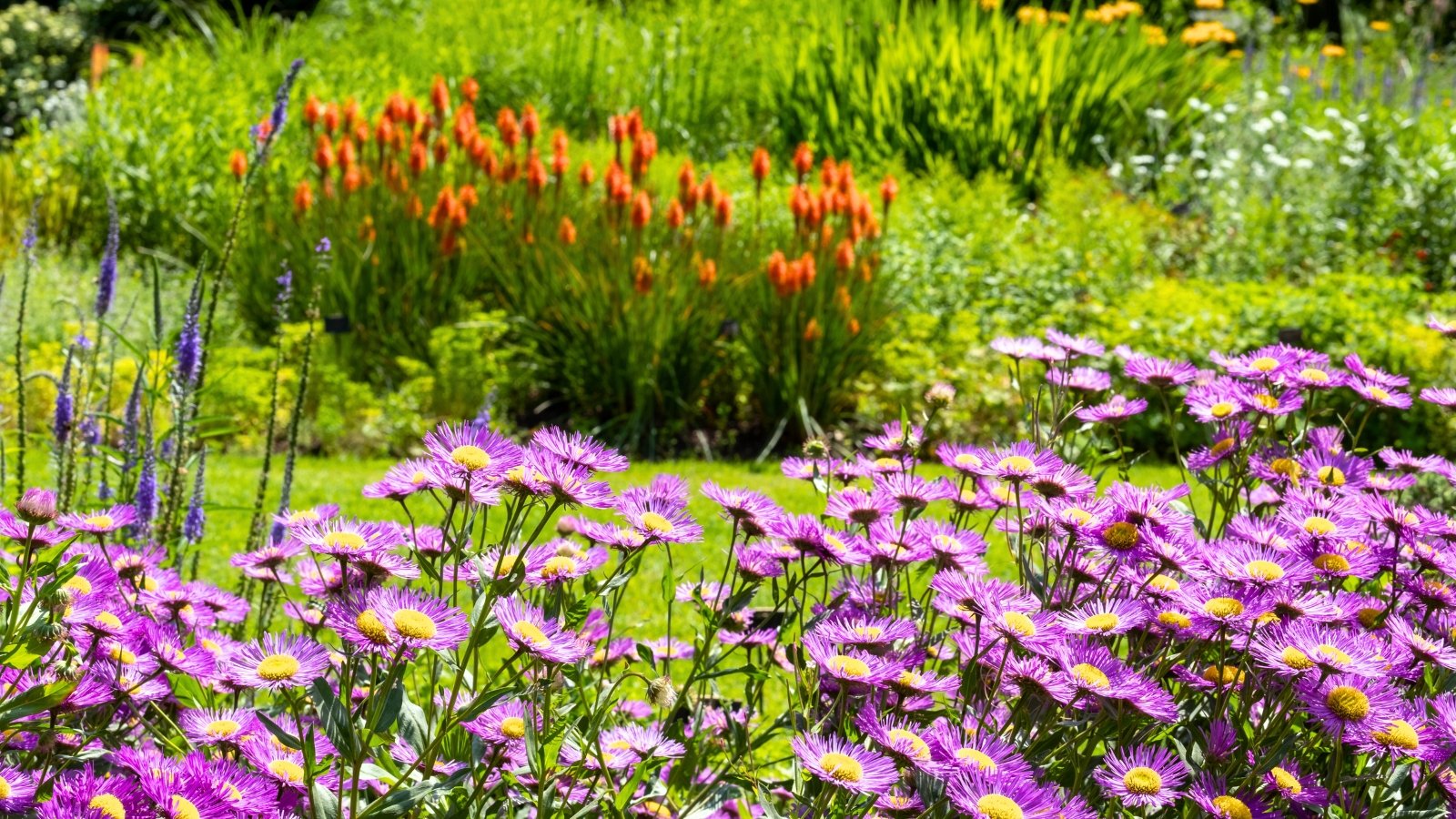
If you care about the ecosystem, a naturalistic garden based on New Perennial sensibilities is a viable way to design. Place lower-growing chrysanthemums in the front, and use tall forbs and grasses to create varying height in the background. In this way, pops of color from your border and background blooms become the star of the show and guide the eye backward.
This is one of those adaptable height layering garden combos. You don’t have to choose purple or blue-hued chrysanthemums, and there are many options for perennial grasses and woody plants. Find a color and shape combination that you like, and pair plants that enjoy growing together.
You don’t have to look far to gain inspiration! Check out the prairie gardens and meadows near you to draw in ideas.
Thyme and Lavender Rock Garden
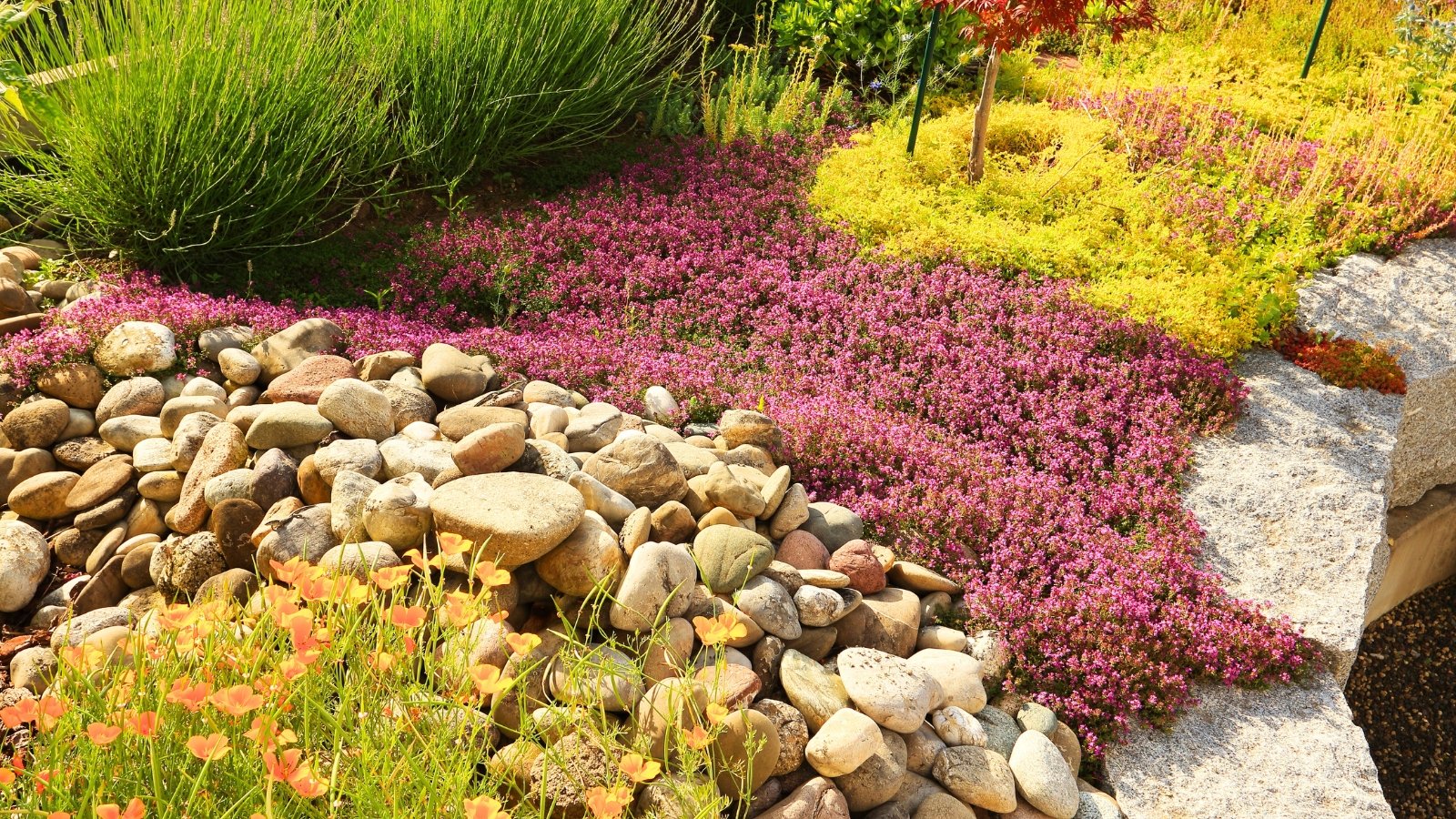
Gardens in dry areas require specimens that handle rocky, fast-draining soil with ease. Plant pink-flowering, low-growing thyme and lavender together to form the backbone for a garden with one of the most stunning height layering garden combos. Pop in a few creeping sedums and you have a set of plants that handle dry conditions easily after they’re established.
Plant thyme in front to develop a soft ground cover carpet that drapes over the rocks. Place lavender in the back, along a border to provide some silver greenery, and a relaxing aroma. These all have some cold tolerance and tend to provide color through fall in most zones.
If you have room for a few California poppies, place those next to the pairing to add a little more variation in height.
Barrel Cacti and Creeping Succulents
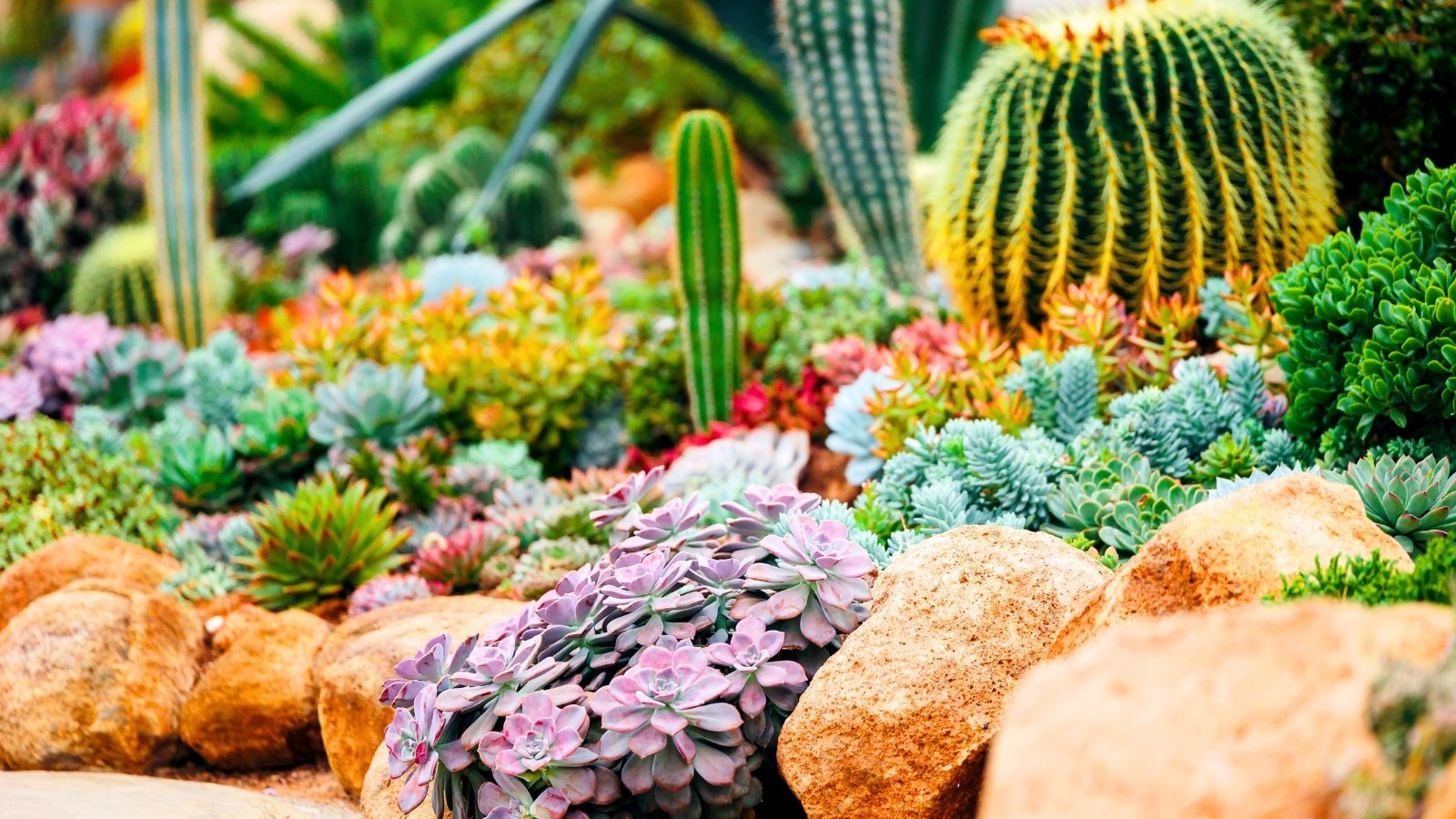
While we’re on a dry kick, why not opt for a low-lying cactus garden? Dense plantings of multicolored succulents look smooth and supple next to the stately (and spiky) barrel cactus. This is one of the best height layering garden combos for adding color and texture to the growing space.
Choose echeverias, aeoniums, euphorbias, and more. In this design, the more color, the better. As long as taller cacti are fairly uniform in color and shape, coherence remains.
Or go crazy! It’s your garden after all. But remember that this collection will do best in desert or dry climates. In humid areas, your specimens are more likely to suffer from fungal pathogens and rot.
If you’re up to the challenge and willing to be in it for the long haul, try propagating your own cacti via cuttings, offsets, or seeds.
Hydrangea and Conifer Fusion
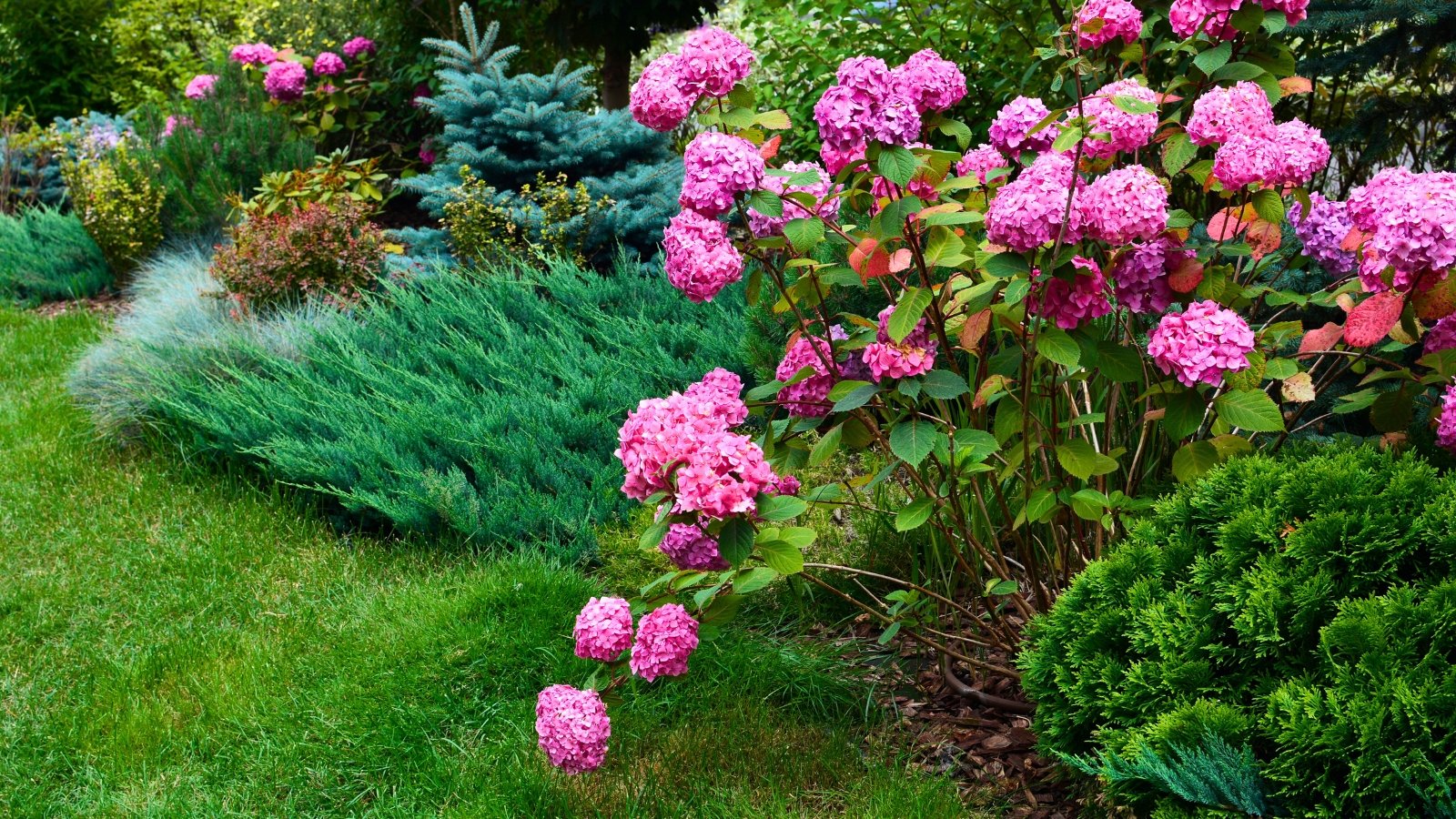
For a more traditional look, use taller hydrangeas and low-growing conifers to promote one of the most verdant height-layering garden combos. Alternate creeping juniper (Juniperus horizontalis) with a reblooming hydrangea for multiseason interest. If you have room, throw a deep red Japanese maple in the corner of the bed.
Include a blue spruce for even more color that lasts a long time. Juniper and spruce are evergreen and keep their color through the cold seasons, while hydrangeas fade. They produce lovely cones that diversify the texture of the garden. This arrangement does require space, but could easily be contained if you select dwarf cultivars.
In smaller spaces, dwarf Japanese junipers stand in for creeping juniper. Varieties of Hydrangea paniculata, like ‘Little Lime®’ and ‘Little Quick Fire®’, grow happily in containers. ‘Blue Globe’ spruce highlights the greenery. Or try a weeping Norway spruce.
Year-Round Splendor Cottage
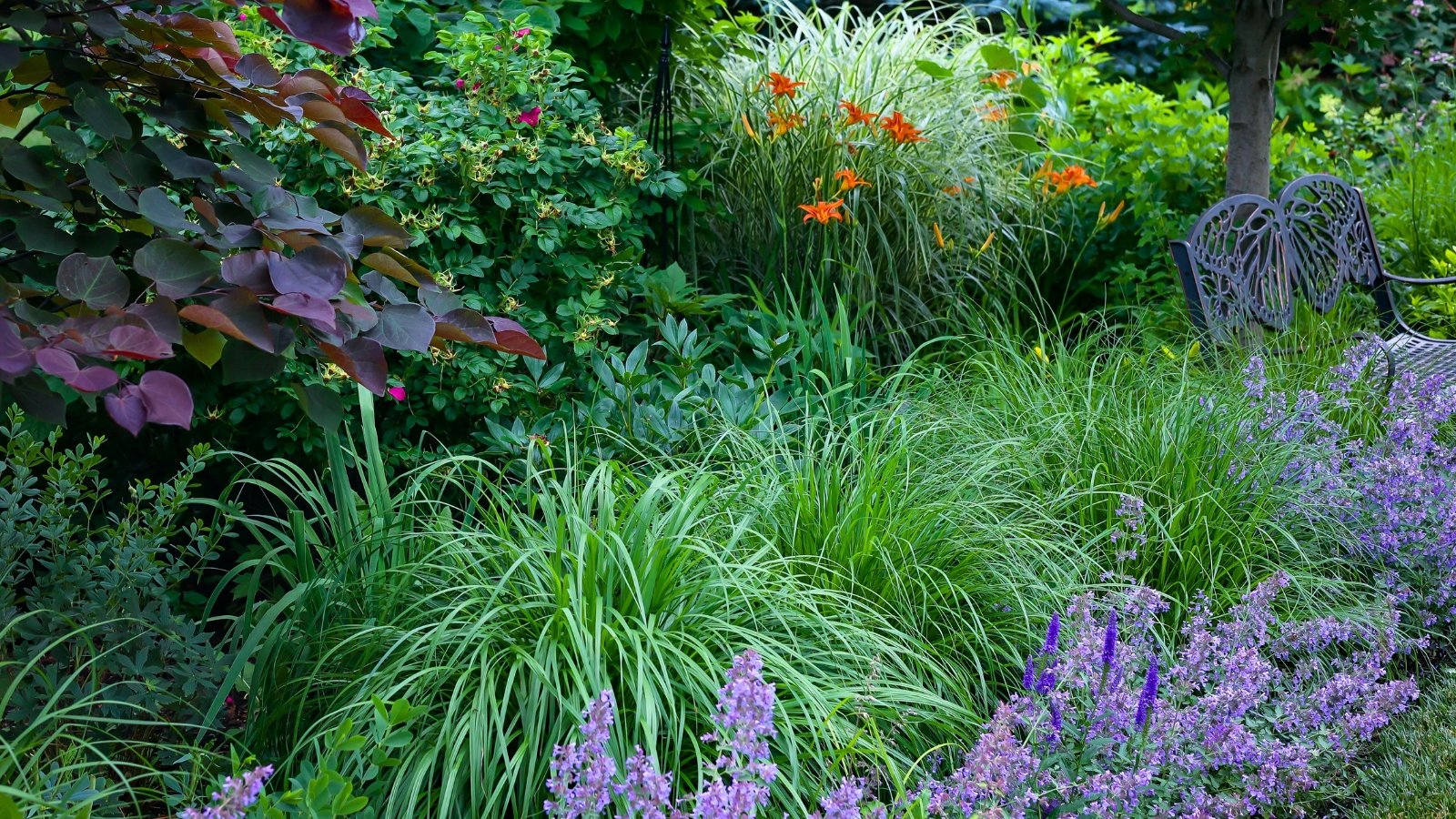
Plant a ‘Forest Pansy’ redbud tree at the back of your bed. Line the front with catmint, backed by zebra grass, and you have a cottagecore arrangement that provides interest year-round. In early spring, pink flowers adorn the redbud, just as catmint and zebra grass start to green up.
When the redbud blooms fade, catmint bursts with purple blooms. Meanwhile, zebra mounds flourish. Then the showcase sits with redbud’s deep purple leaves. In the fall, the leaves of the tree drop, and catmint stays green, while the grass develops silky red inflorescences.
Rosy Cottage Arbor
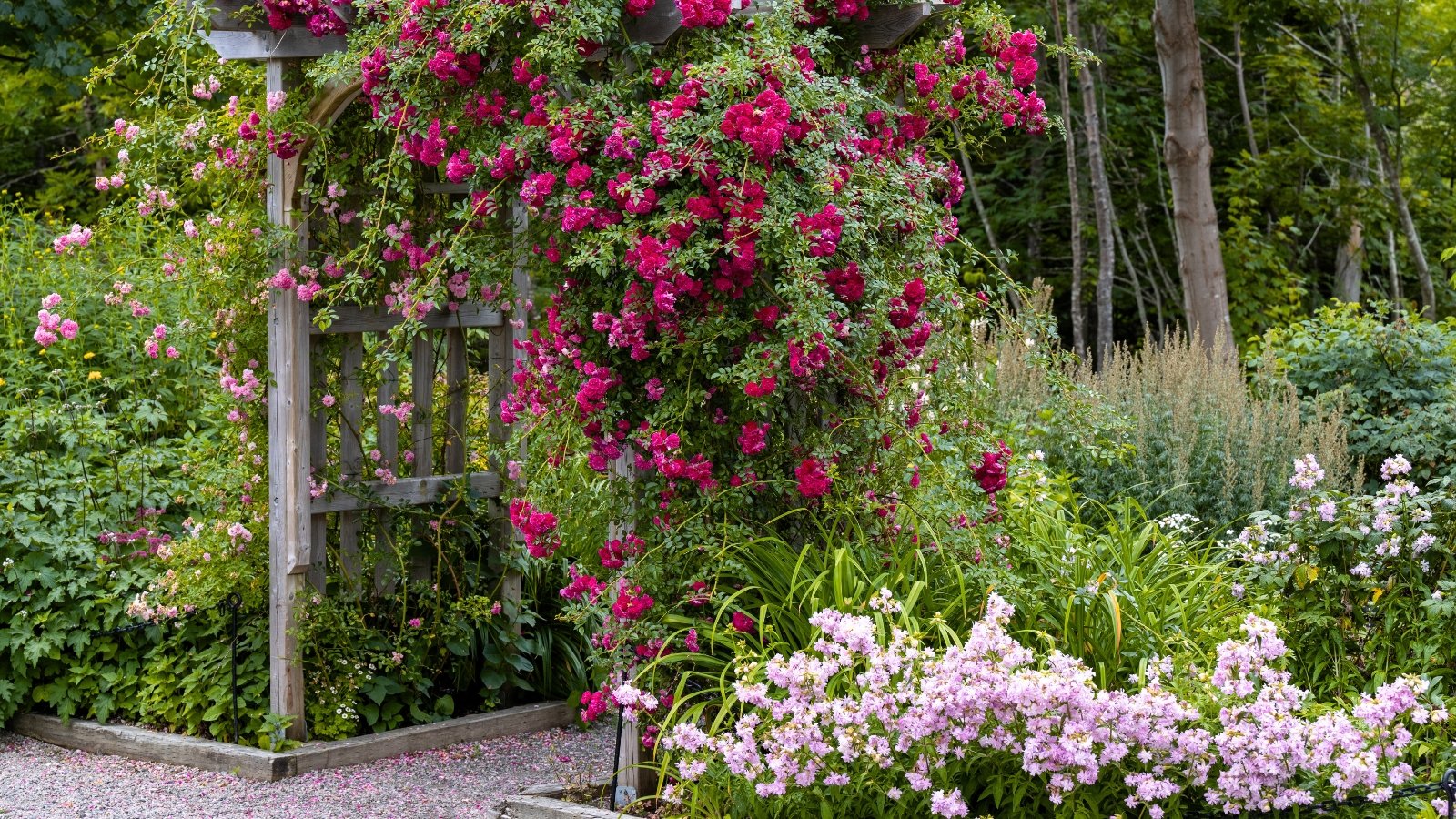
In an established garden with an arbor, a climbing rose is a perfect addition. The foliage that envelopes the arbor acts like a portal to another green world just outside your back door. Surround the arbor with a border of herbaceous perennials, like creeping phlox, short grasses, and astilbe, and you’re working with a powerhouse shade guild.
Height layering garden combos like this offer the site vertical and three-dimensional variation. Place a seating area behind the arbor, or simply enjoy the arch along the back border of the garden. If there’s room, think about a combination of climbing roses that play well together!
A Peggy Martin rose is a great choice for gardens in multiple zones, especially for those who have less experience training vines. It practically climbs on its own, and it’s thornless.
A Profusion of Wildflowers
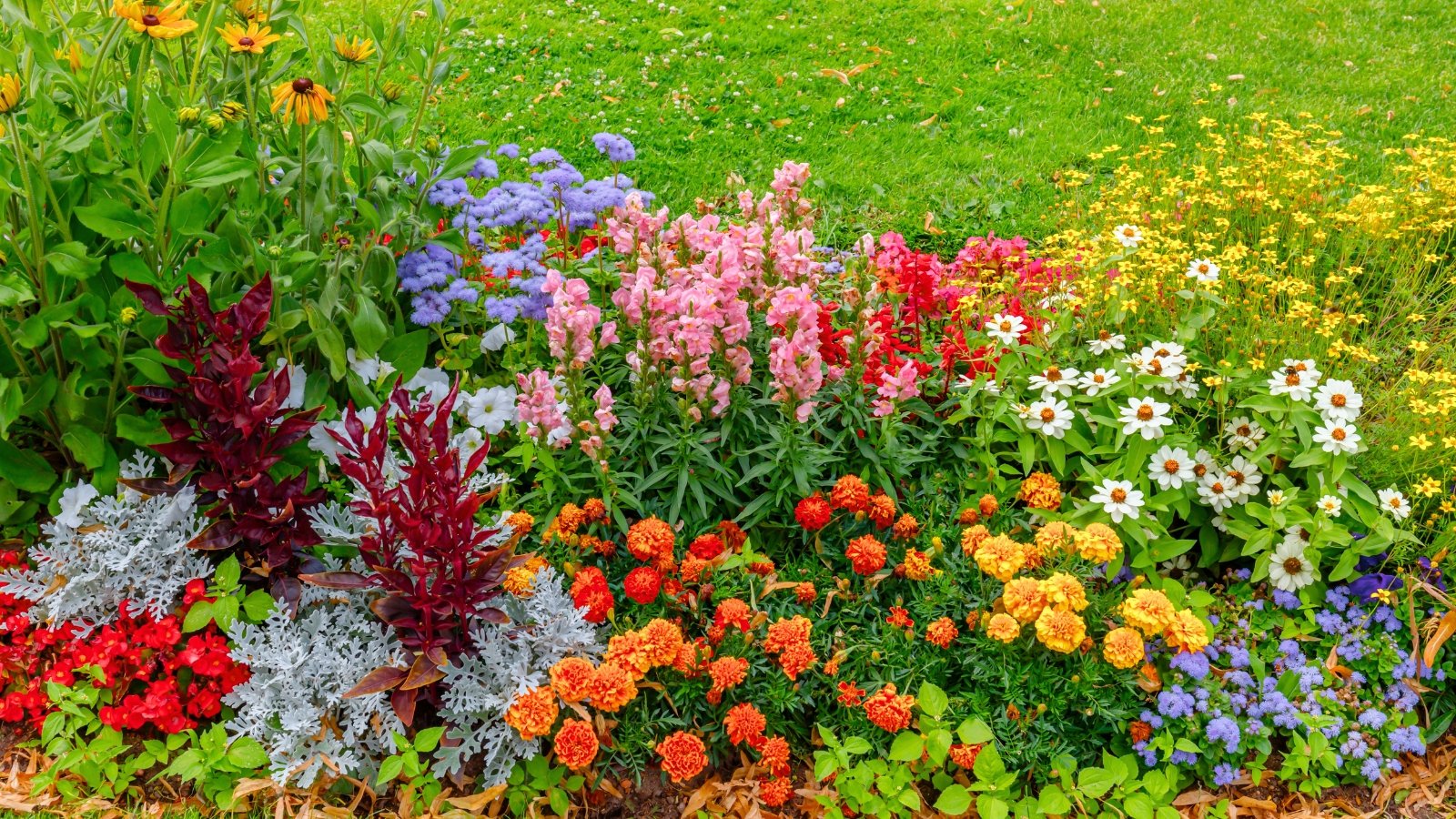
Height layering garden combos can be accomplished simply by artfully arranging your favorite wildflowers. Select annuals and perennials for the best all-year interest. Use taller rudbeckias and tickseed, planted next to mistflowers, snapdragons, and sages for a rainbow of hues.
Add subtle plantings of white daisies to give the eye a place to rest. Front the bed with marigolds for a long-blooming border. Pops of dusty miller neutralize the space, cohering the wide array of colors.
Native Prairie Flourish
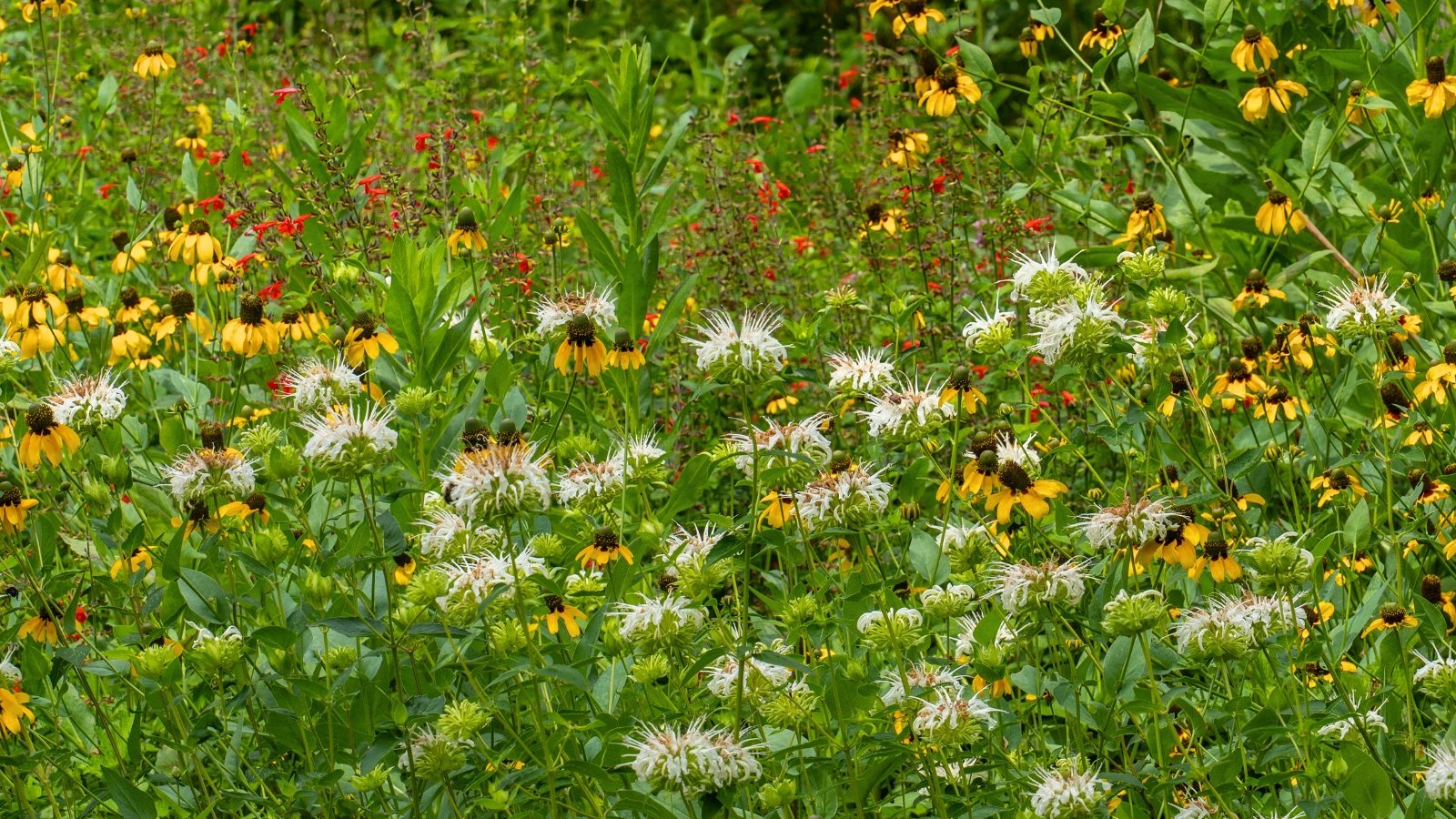
For gardeners who want an ecologically-friendly and easy-to-cultivate garden, try sowing seeds of native prairie plants together in one wild plot. This is among the easiest of the height layering garden combos.
Simply clear an area, removing turf and weeds. Add some compost, and sow seeds in the fall. Keep up with the weeding and you’re set in spring.
A combination of bee balm (Monarda fistulosa), prairie coneflower, and scarlet sage offers a varied color palette and multiple heights. All three bloom continuously through spring and summer, with bee balm and coneflower sometimes producing a second set of flowers in fall.
This specific combination is best suited for gardens in southeastern North America. But you can sow your own region’s best wildflowers instead. There’s a bee balm native to every part of the country, with various coneflowers and sages that fit right in as well.
Herbaceous Xeriscape
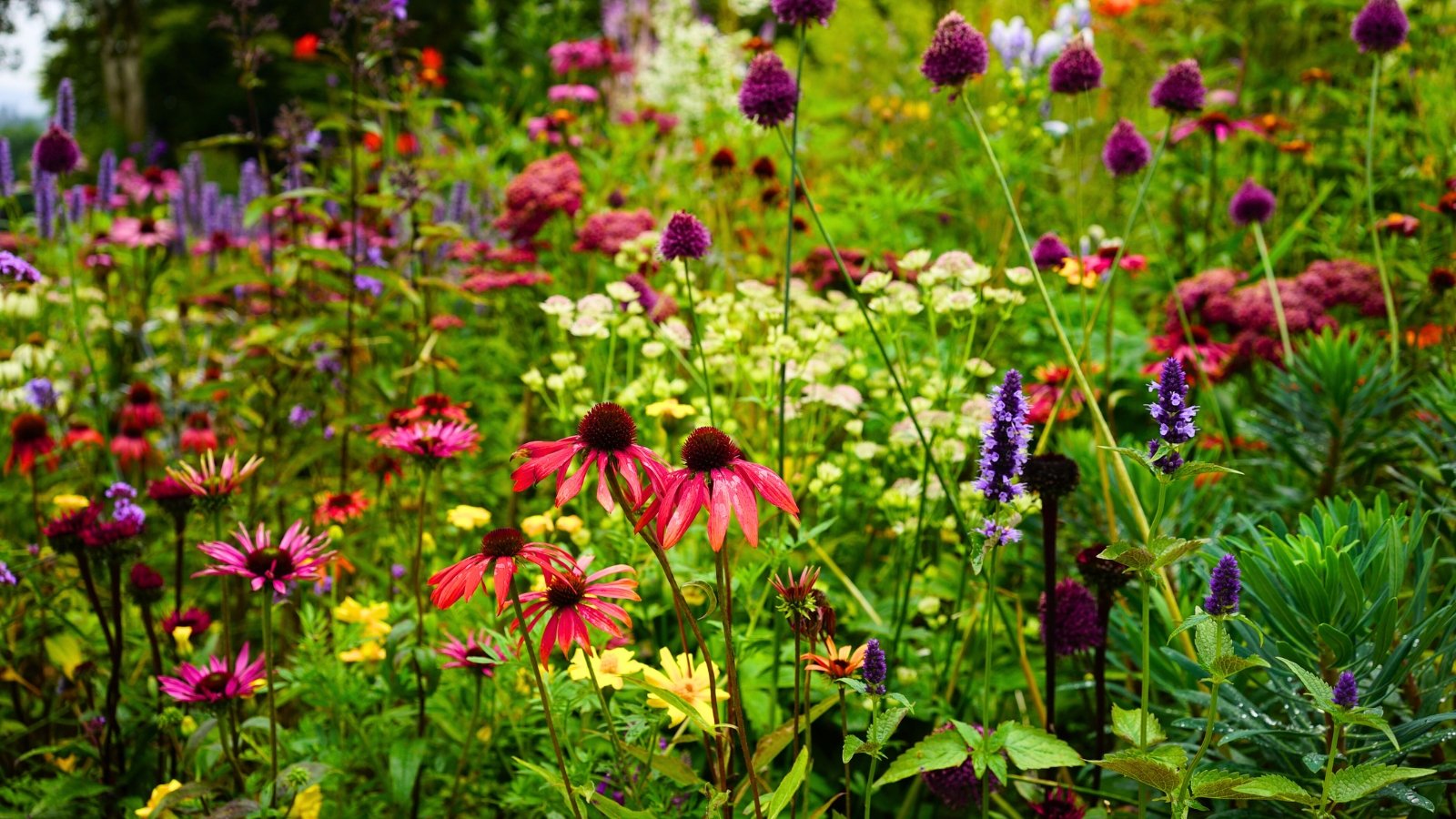
While a rock garden and a cactus garden are xeric, these aren’t the only options for a xeriscape. Many herbaceous wildflowers love dry sites and do best when precipitation is scarce. For the best of the height layering garden combos, choose a variety of plants with multiple colors.
Bring in agastache, ‘Hot Summer’ echinacea, vervain, and heliopsis for a stand of xeric perennials that last through multiple seasons. Add tall clover or dalea flowers to provide dimension with their slender stems and interesting puffed heads.


