

The Native Plant 70/30 Rule: Beautiful and Eco-Friendly Garden Design
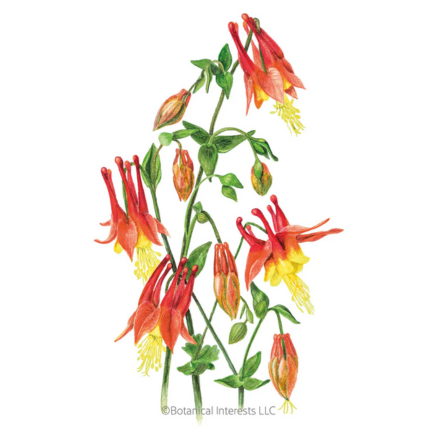
Native plants are all the rage, and for good reason. Planting local species will help the pollinators, birds, and other wildlife that desperately need our help. Use the 70/30 native plant to non-native plant ratio for eco-friendly garden design.

Contents
It’s no secret our environment needs some help. The Earth longs for native plants, and your garden is the best way to bring them back to life. Instead of forcing wildlife into the corners of state parks and abandoned lots, we can invite them into our backyards, balconies, and patios.
The native plant 70/30 rule allows some grace for the ornamental plant species not native to your area. It leaves room for the well-behaved exotic species, like lilacs and spring bulbs, that gardeners cherish.
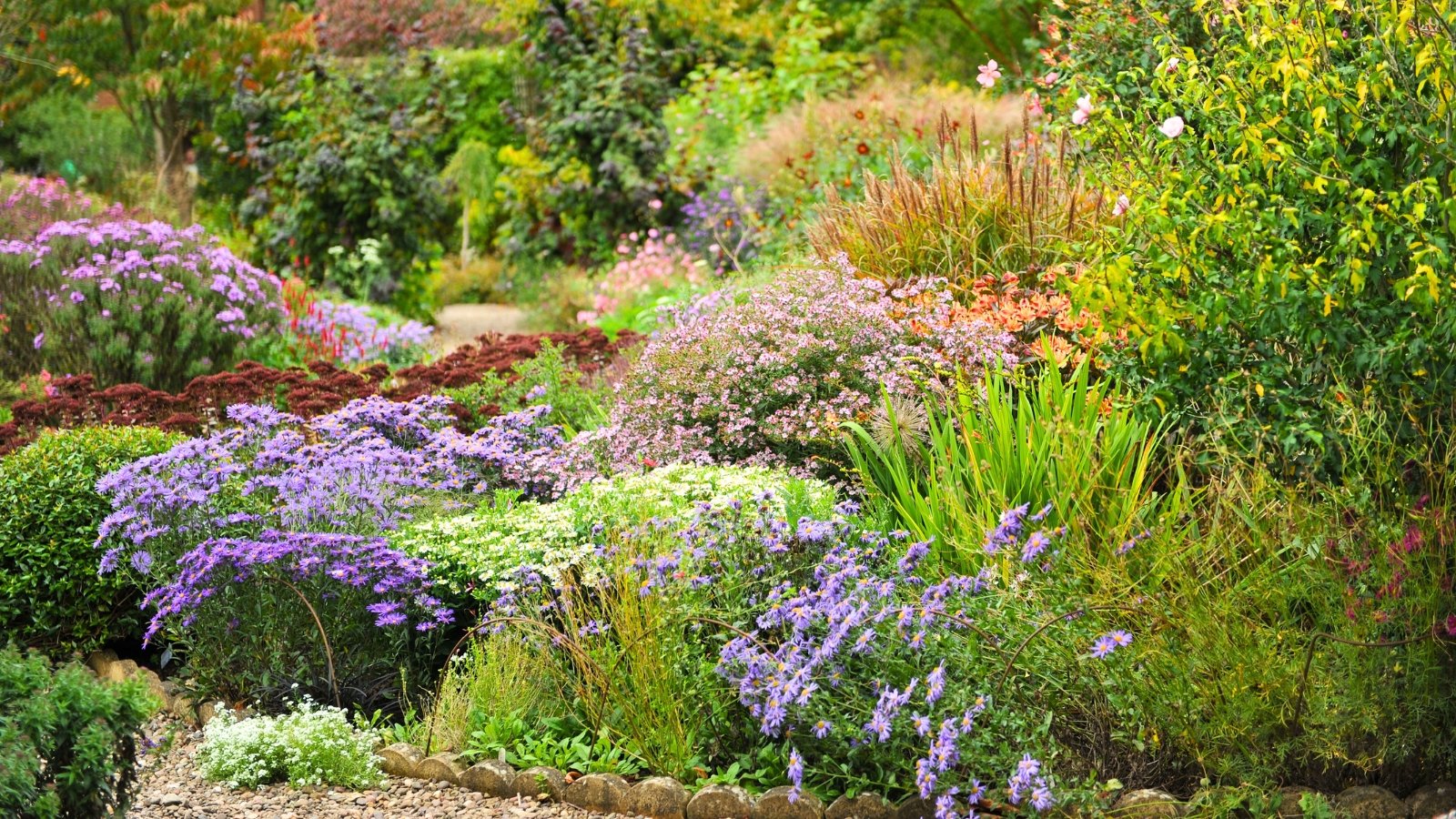
Using this rule, your garden design will enhance and beautify the landscape. It will invite, rather than repel, the birds and bugs that frequent wild areas. The fun part lies in discovering what grows near you. Our country is host to an incredible variety of ecosystems with thousands of native plant species.


Why Native Plants
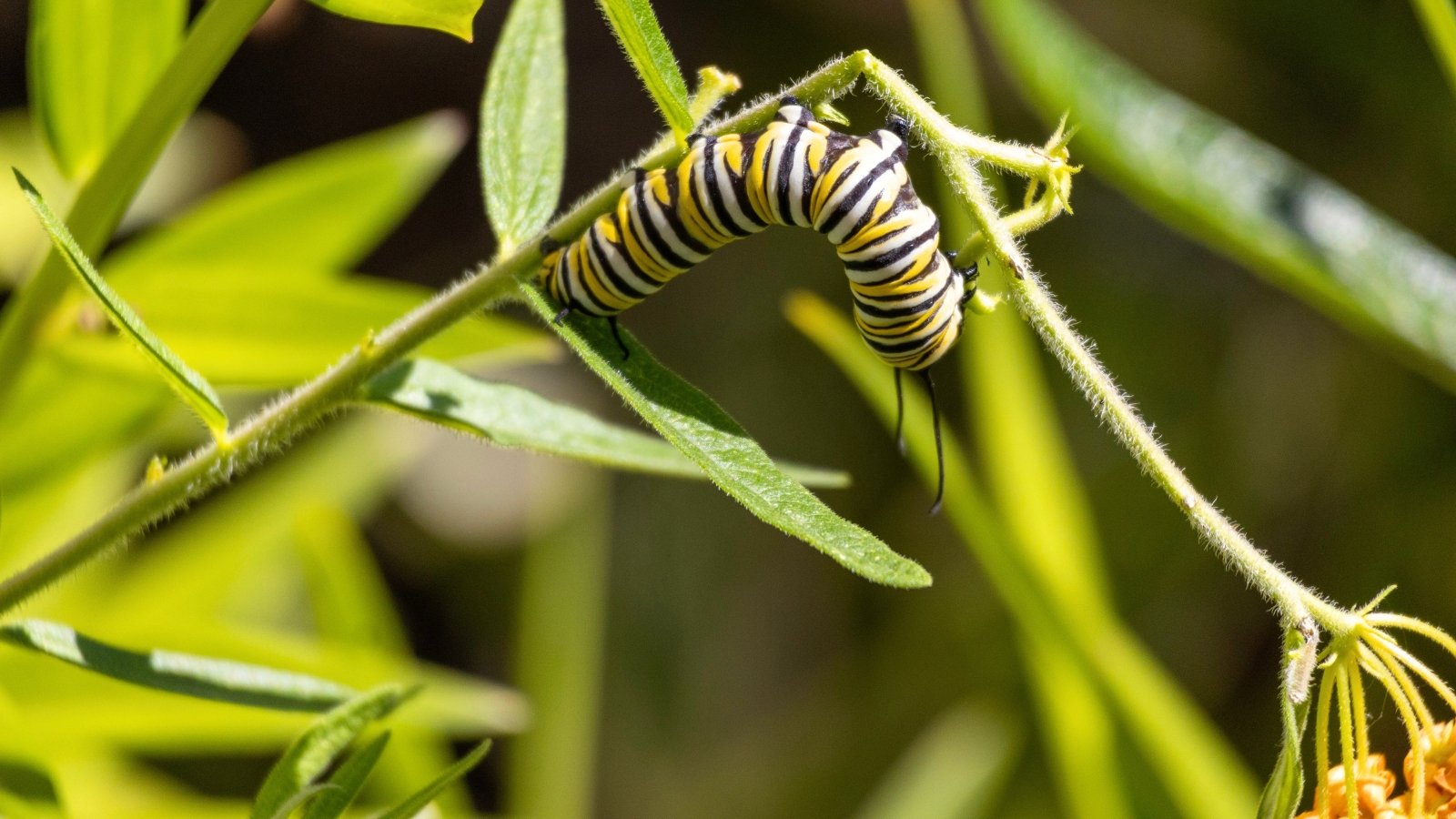
Plants pave the way for the animals that eat and interact with them. Moths lay eggs on plants, and they hatch into caterpillars that birds eat.
In some regions, larger mammals, reptiles, and birds eat the small birds. In this way, the actions you take in your home garden have lasting effects for the planet and its other, non-human inhabitants. The goal of the native plant 70/30 rule is to take advantage of the space gardeners have to make a difference.
The Ecosystem
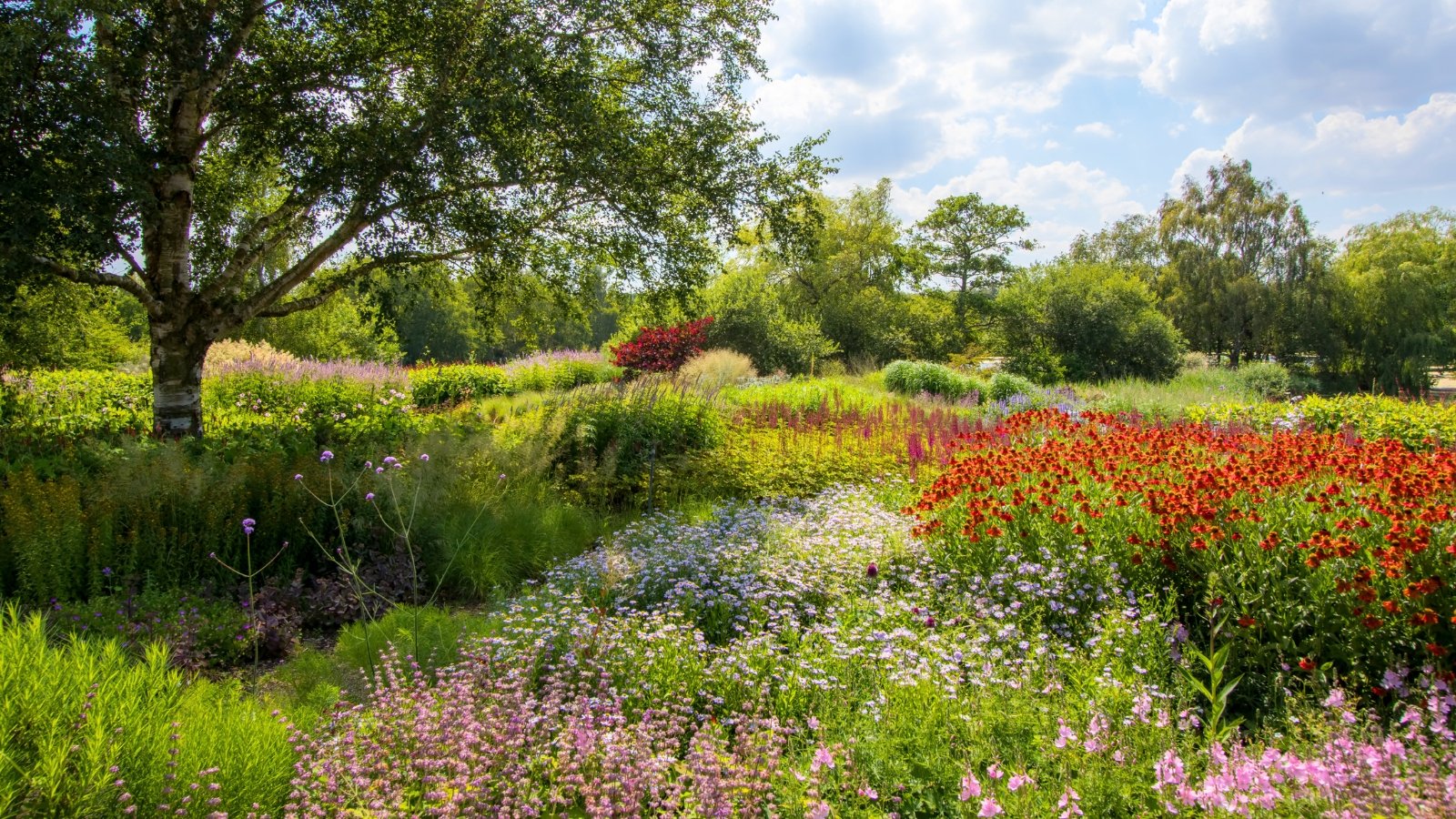
Each ecosystem varies depending on its composition. Coastal regions have salt spray, cool temperatures, and high winds. Forested areas are shady and moist, while grasslands are sunny and full of vegetation.
The plants, alongside the physical terrain and the weather, create unique environments. These special spaces give way to animals that fit the spaces. Seagulls frequent the coast, while ducks thrive in rivers and lakes.
Here’s the bad news: pollinators, birds, and mammals are on the decline. Their populations are rapidly dropping. Now for the good news: growing native plants is the best way to bring these populations back to thriving numbers.
Pollinators and Predators

A simple way a native plant helps is with its flowers. A flower contains nectar, pollen, or both. It lures insects with its floral rewards. Native bees, butterflies, moths, beetles, flies, and bats frequently visit flowers in the pollinator garden.
The impact is significant. Once flowers appear, bugs appear. After bugs rise in numbers, predators that eat these bugs begin to visit. From the small spiders to the large birds, our many wild predators love eating the crunchy, tasty insects.
A more concrete example is with the crab spider. I see crab spiders, with their long, grasping legs and camouflage, frequenting the many blooms on my native plants and vegetables. When a pollinator visits the flower, the crab spider lunges out and attacks the insect.
The 70/30 Rule
The native plant 70/30 rule comes from the great professor at the University of Delaware, Doug Tallamy. His research has led to the 70/30 rule that balances gardeners’ desires with the needs of our ecosystems. This blend creates stunning garden designs, from graceful meadows to imposing forests.
70% Native Plants
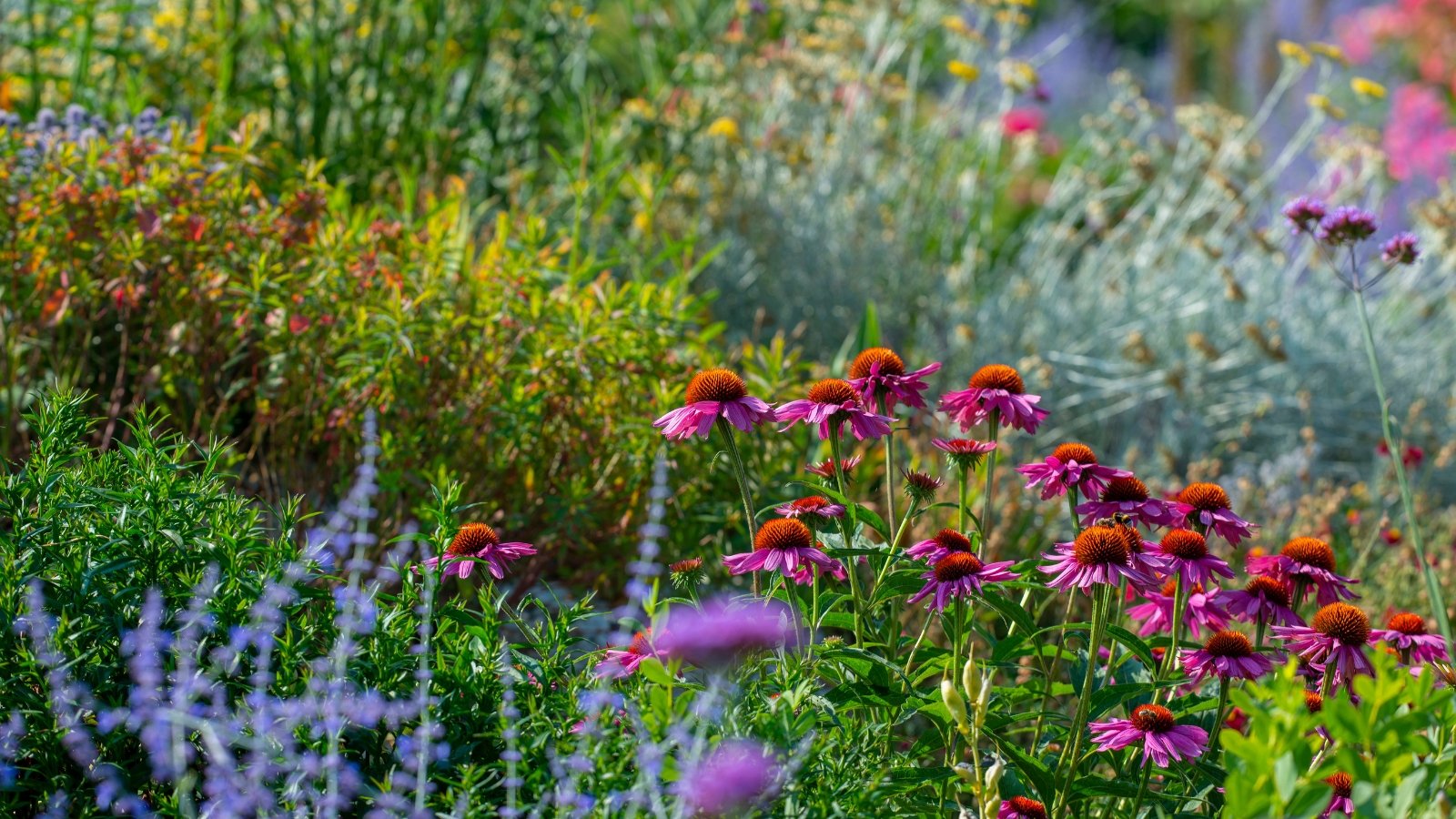
To follow the native plant 70/30 rule, dedicate the bulk of the garden to native plants. They should take up the majority of the spaces, from the trees to the annuals in ornamental beds. The more native species it hosts, the better your garden will be for the environment.
It shouldn’t be difficult for the plant species to grow. They’ll thrive, as long as you choose plants that match the conditions of your garden. Choose moisture-loving shrubs for areas with standing water, and go for drought-tolerant local perennials in sunny sites.
Also, what’s native in your state may not be in the next one. Look to local resources from state universities and nonprofit organizations for information on what grows near you. Or, take a walk! Look around hiking trails, walkways, and wild spaces to see the trees, shrubs, and herbaceous plants that grow.
In the city, research the plants that used to grow in the region, or ones that grow right outside the city. Mountainside species are excellent options for apartment balconies; look for alpine plants that thrive at high altitudes.
30% Well-Behaved Non-Native Plants

Not all non-native plants are bad! Many eco-friendly plant species work well in the hard-to-grow places of the garden. Spring bulbs, for example, provide beautiful blooms before any other plants. Daffodils, tulips, and crocuses are harmless and easy-growing.
If you have a garden full of raised beds for vegetables, consider converting your other ornamental plants to native plants. The veggies will make up the bulk of the 30% non-native species, while the surrounding trees and shrubs will provide habitat for wildlife.
Or, mix everything together! Plant native annual flowering plants in the veggie garden to invite insects to pollinate your crops. Grow a native maple tree next to your contorted Japanese maple.
The only plant species to avoid are invasive ones. Invasives outcompete others and spread out of control. Their seeds spread into wild areas, and their rooting stems ramble over the precious native plants of gardens and landscapes.
Other Ways to Help
There’s more than one way to be eco-friendly. Consider altering some of the other gardening habits to make a space that works well for you and your environment. Be brave and bold, and remember that if you’re the first person on your block to convert your garden, you’re a trailblazer!
Create Habitats

Oftentimes, the best thing you can do besides following the native plant 70/30 rule is to leave things alone. You’ll emulate the natural processes in your area. If a tree branch falls, move it and leave it in your ornamental beds. The wood will host beneficial bugs and fungi while it decays.
Or, make a stack of branches. Wood piles create habitats for garden snakes and spiders. Encourage these two, as they eat the bad bugs that harm crops.
Another way to help is with compost. A compost pile hosts fungi, bacteria, and worms that are essential in healthy soils. You can be doubly eco-friendly; you’ll divert waste from landfills, and you’ll enrich the soil in your garden.
Leave the Leaves

A terrible way to harm the garden is with the common tool, the rake. Landscapers and commercial gardeners often rake away leaves, mulch, and dirt as part of their cleanup routine. This practice has drastic effects on the environment.
Roots thrive when there’s a layer of mulch covering the soil. The layer protects, insulates, and feeds the ground beneath it. Without the layer, roots are more susceptible to diseases, and the ground dries quickly.
Rather than raking the leaves into piles and throwing them out, use them in your garden. Scatter them in layers two to three inches thick on your beds, and make piles of the stuff to create leaf mold. There’s more than one way to repurpose fall leaves without throwing them out!
Remove Invasive Species

And, of course, you should remove any invasive plant species growing in your garden. English ivy and Himalayan blackberry are among the many invasives that overrun local areas in Oregon. I’ve had to remove both from many wild areas, gardens, and landscapes.
Some invasives span the continent, like small weeds and annuals. Others are more regional in their populations, like butterfly bushes. If you’re unsure, begin with identification.
After identifying the plant, you should be able to search local and federal websites to see if it’s invasive. Federal and state lists provide a comprehensive collection of plant specimens to avoid at all costs. If it’s invasive, remove it!
Key Takeaways
- If your garden is currently 100% non-native, begin by adding native species to follow the native plant 70/30 rule. You don’t have to rip everything out, so long as you add some diversity.
- The lawn is the best place to start. Convert unused lawns into meadows or beds full of flowering perennials.
- This native plant 70/30 rule allows 30% room for your favorite, non-native species. Use well-behaved specimens that aren’t invasive.
- Leave the leaves in the fall to help overwintering critters. If no leaves fall in your area, cover the dirt with an organic mulch.


