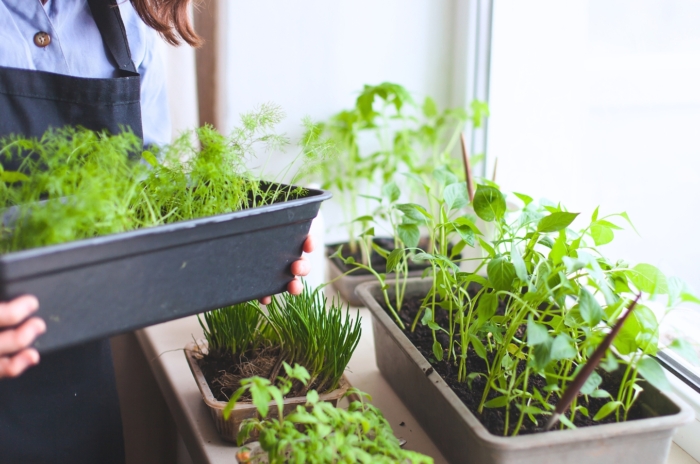
11 Indoor Food Forest Seeds to Sow in November
Creating an indoor food forest is no simple task, but it has some excellent benefits. Choosing the right plants can make all the difference. Join houseplant enthusiast Melissa Strauss for ideas on what you can add to your indoor food forest.

Contents
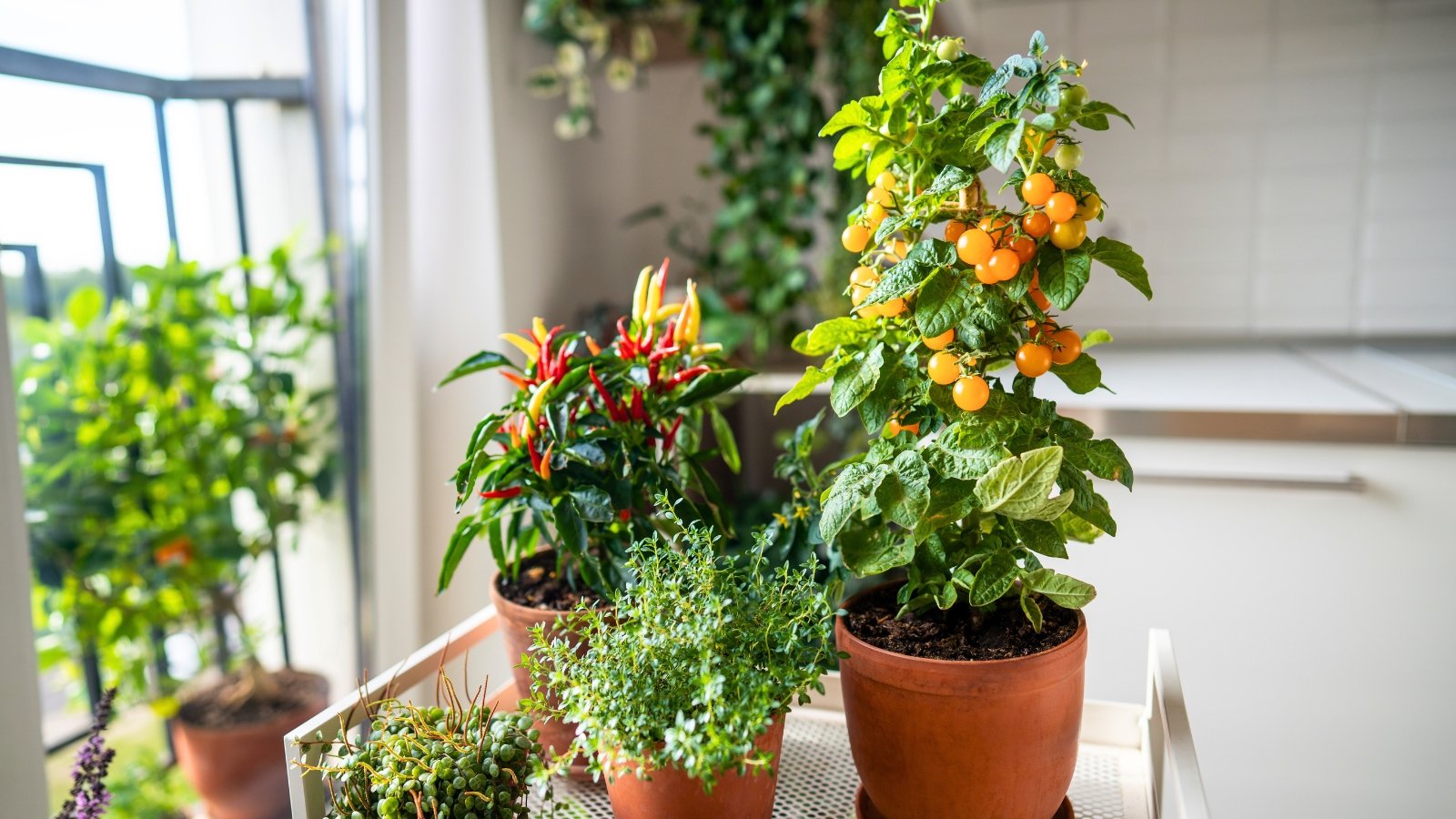
Growing an indoor food forest is a great way for urban dwellers to grow their own food. But it’s not limited to city gardeners; anyone can do it! It’s a creative way to bring nature into your home or greenhouse, and also grow some of your own food.
An indoor food forest mimics a natural forest with layers of edible plants. You can incorporate small trees and shrubs, greens, herbs, and even small root crops. By combining plants of different sizes, you can create an interestingly diverse ecosystem indoors.
Creating this type of garden does require quite a bit of thought and planning ahead. Lighting is a major factor, as you’ll either need a brightly lit space or plenty of grow lights to make it work. With the right care, your indoor food forest can produce fresh fruits and vegetables, and help clean the air, as well!
With careful planning and a good balance of moisture, light, and airflow, you can create an incredible ecosystem. Here are some indoor food forest seeds to plant this November.


Cherry Tomatoes ‘Cherry Falls’

|
botanical name Solanum lycopersicum ‘Cherry Falls’ |
|---|---|

|
sun requirements Full sun |

|
height Up to 18” |

|
hardiness zones 2-11 |
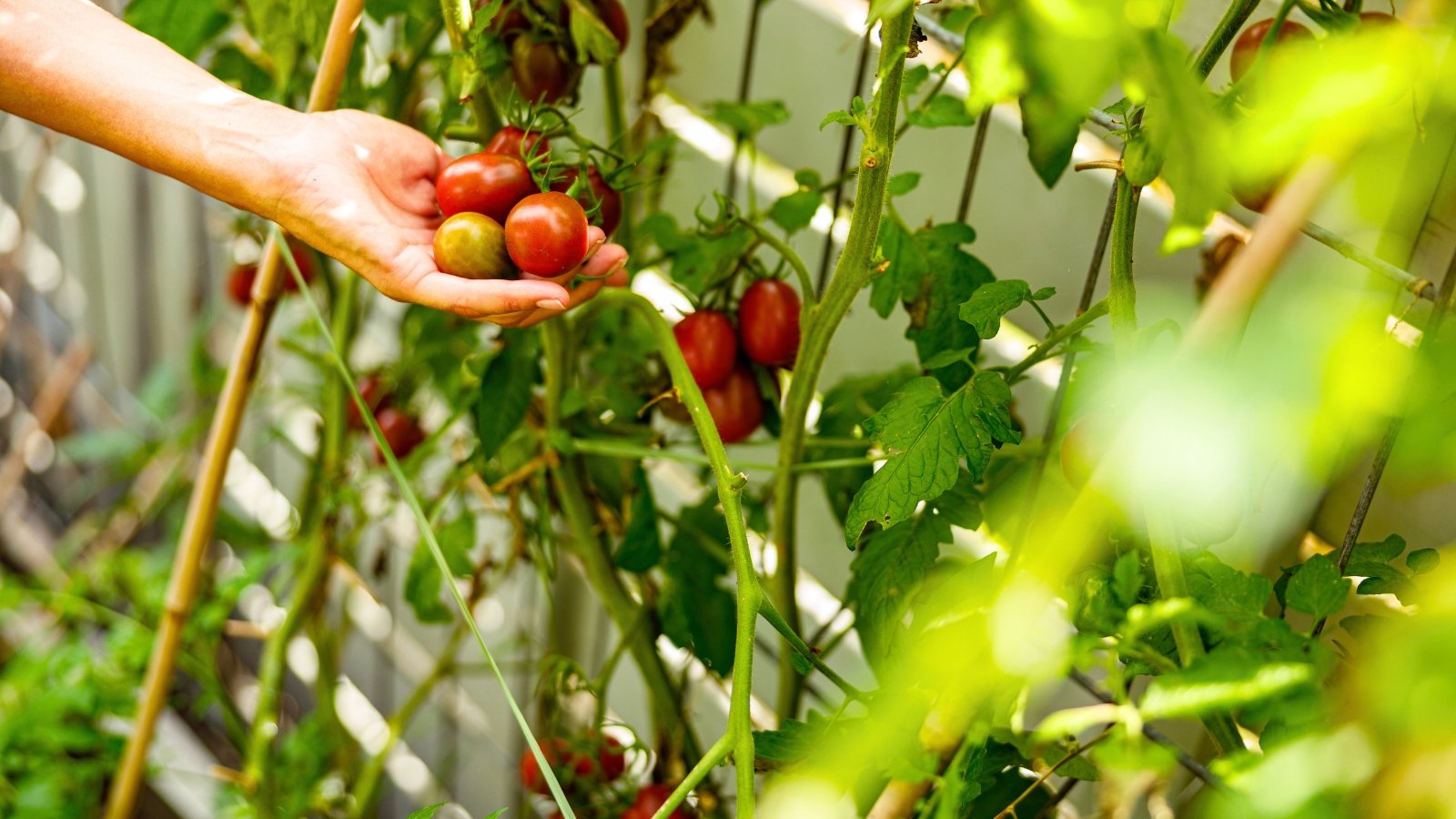
Cherry tomatoes, and especially bush types, are perfect indoor food forest seeds. They’re easy to grow and mature quickly. They take up less space than conventional tomatoes and are usually great producers. You can grow them year-round indoors, which is a bonus of indoor growing.
‘Cherry Falls’ is a great cultivar for container growing. It’s a bush type, so the vines only reach about 18 inches long. This is great for a hanging container or a large one on the floor. Tomatoes are light hungry, so place these in a location where they will get enough light.
Spinach
|
|
botanical name Spinacea oleraca ‘Matador’ |
|---|---|
|
|
sun requirements Full sun to partial shade |
|
|
height 6”-8” |
|
|
hardiness zones 2-11 |
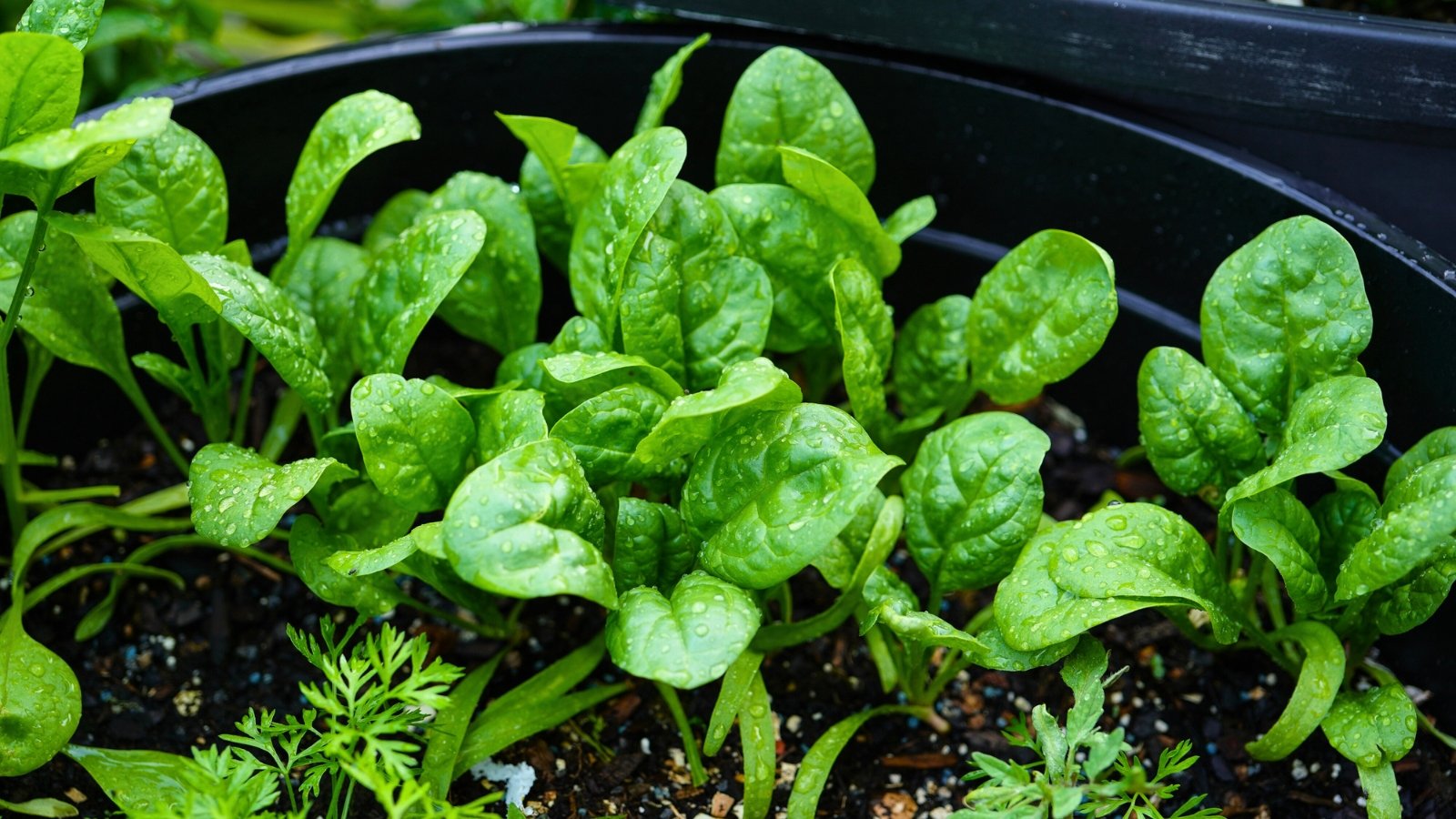
Spinach is fast, compact, and loves cooler temperatures, so growing it indoors in your food forest is a great idea. You can begin to harvest baby greens grown from seeds in just about one month. They’re excellent for eating raw, using in smoothies, sautéing, and any other way you like to prepare them.
‘Matador’ has a great flavor and an ideal texture for cooking. You can also harvest it young for raw, tender greens. Make sure to use a container that is at least six inches deep and has good drainage. Spinach doesn’t tolerate soggy roots.
Peas ‘Little Marvel’
|
|
botanical name Pisum sativum ‘Little Marvel’ |
|---|---|
|
|
sun requirements Full sun |
|
|
height 18”-24” |
|
|
hardiness zones 2-11 |
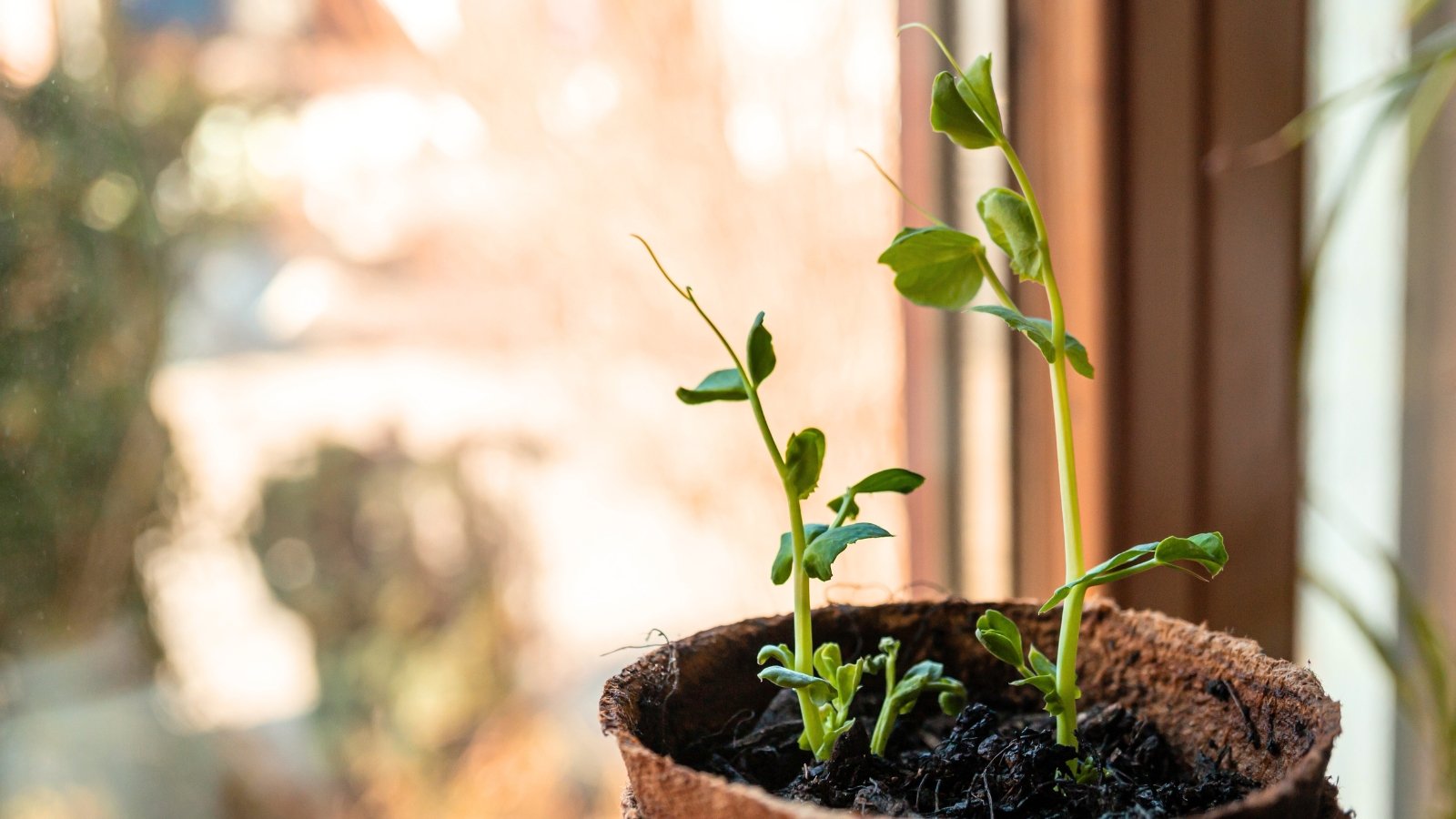
You can grow peas in your indoor food forest with some attention to detail. They need bright light and prefer cool temperatures. They also need something to climb, and their vertical growth habit saves floor space. Compact or dwarf varieties are best, as they take up even less space.
‘Little Marvel’ is a terrific choice, and you can grow these indoor food forest seeds in about 55 days. The plants are compact and high-yielding, so they’re great for limited spaces. Enjoy these for an extended picking period. They also freeze excellently.

Carrots ‘Little Finger’

|
|
botanical name Daucus carota ‘Little Finger’ |
|---|---|
|
|
sun requirements Full sun |
|
|
height 3” |
|
|
hardiness zones 2-11 |
Root vegetables are surprisingly good for growing in your indoor food forest. They grow easily from seeds and don’t require pollination unless you want them to set seeds. Short varieties are preferable, as you’ll be able to grow them in smaller containers. Longer varieties need substantially deep pots.
‘Little Finger’ carrots are the perfect type to grow indoors. They are mature at about three inches long, and have a tender core, sweet flavor, and short growing season. This is the perfect snacking carrot that you can grow in under two months.
Coffee Plant

|
|
botanical name Coffea arabica |
|---|---|
|
|
sun requirements Bright indirect light |
|
|
height 4’-6’ |
|
|
hardiness zones 10-12 |
Coffee plants are actually great for growing indoors. They make surprisingly good houseplants. One of the reasons for this is their low light needs. They prefer bright indirect light, which is easy to achieve indoors. They are also perennial shrubs, so there is no replanting year after year.
Coffee plants are attractive and useful, though you may need more than one if you want a decent supply of beans. The shrubs grow to between four and six feet tall and are long-lived. They do well at room temperature or slightly warmer.
Chili Peppers ‘Shishito’

|
|
botanical name Capsicum annuum ‘Shishito’ |
|---|---|
|
|
sun requirements Full sun |
|
|
height 24”-36” |
|
|
hardiness zones 2-11 |
While bell peppers take up more space, chili peppers are small and compact plants. This makes them excellent indoor food forest seeds. Under the right conditions, they produce year-round, and their colorful fruits make them a nice ornamental. It’s helpful to choose a small cultivar that is highly productive.
‘Shishito’ is a perfect variety. This heirloom is easy to grow from seeds, and the peppers are sweet with a spicy kick. Some will be spicier than others, but these are fairly well-balanced. The plants are productive, and you should begin to get ripe fruits after about two to three months.
Mint
|
|
botanical name Mentha spp. |
|---|---|
|
|
sun requirements Full sun to partial shade |
|
|
height 12-24” |
|
|
hardiness zones 2-10 |
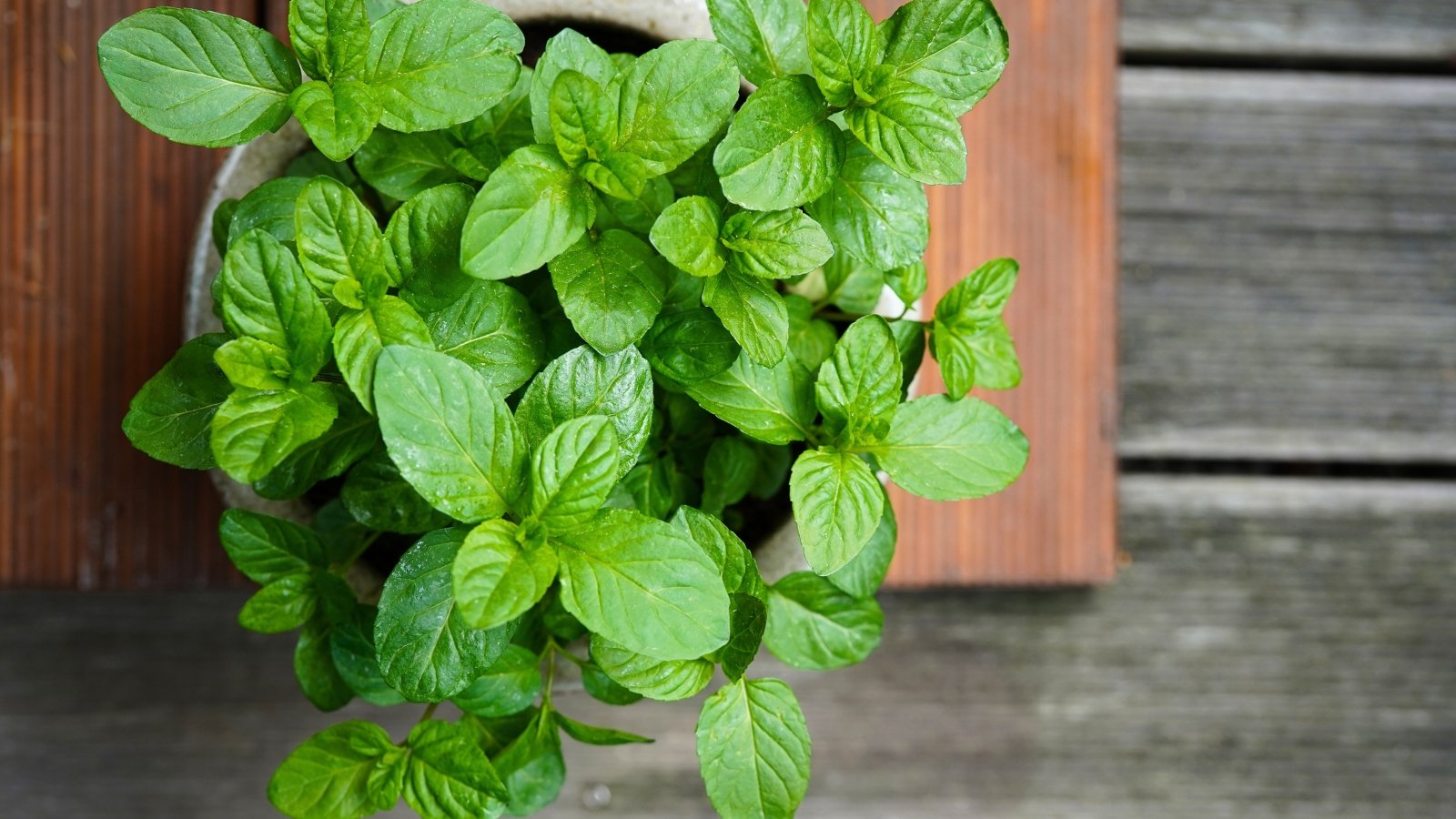
Herbs are great for your indoor food forest, and they are easy to grow from seeds. Mint is tolerant of partial shade conditions, which makes it even better for the home. It can also be invasive in the ground, so we recommend growing it in containers.
Common mint has tons of uses. It adds a cooling element to spicy dishes. It makes a comforting tea that settles the stomach. There are so many uses, and the aromatic quality adds another layer. It’s also a perennial in warmer climates, so you can grow it indoors indefinitely.
Thyme
|
|
botanical name Thymus vulgaris |
|---|---|
|
|
sun requirements Full sun to partial shade |
|
|
height 6”-12” |
|
|
hardiness zones 4-9 |
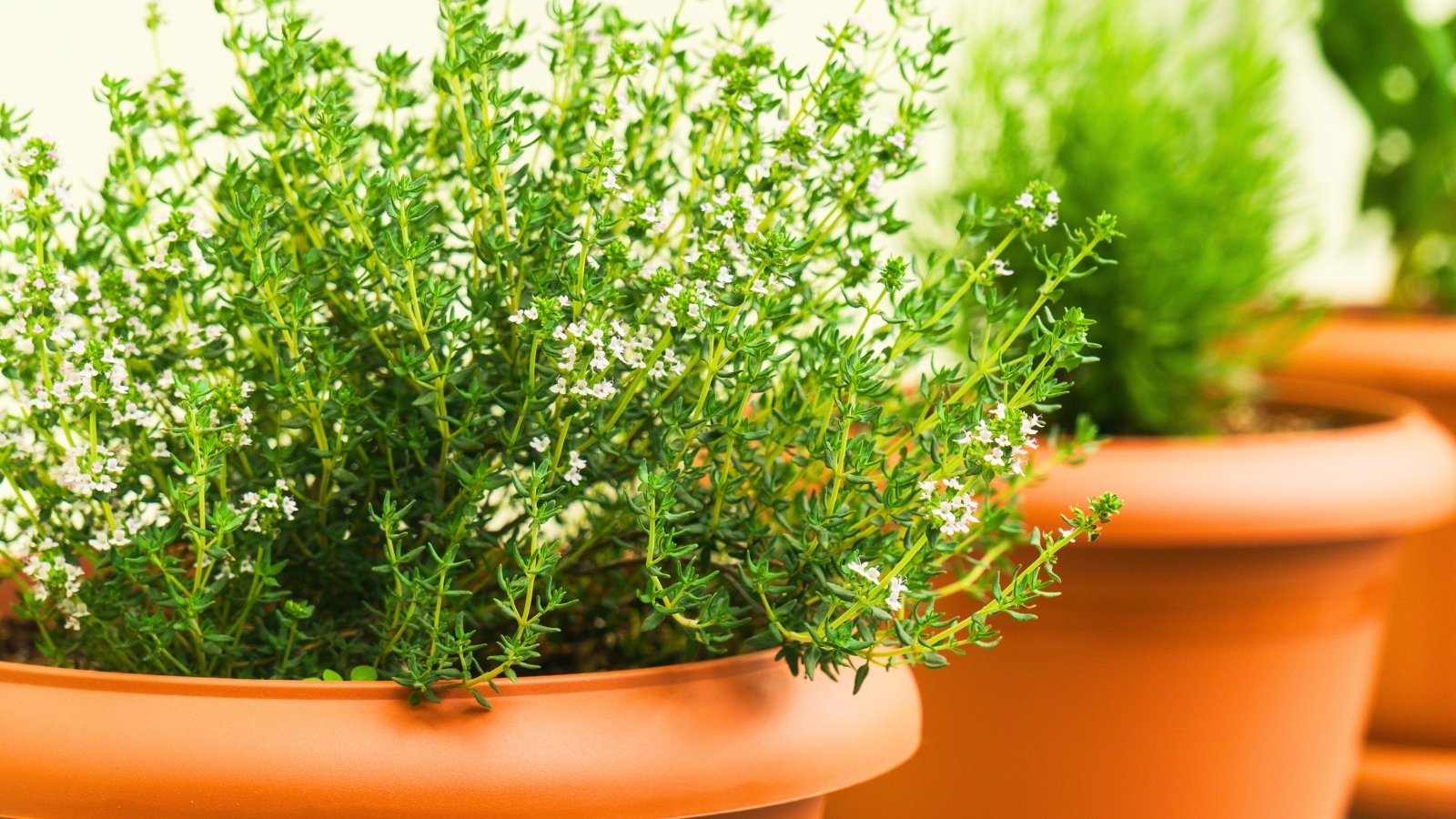
Thyme is another tasty and aromatic herb that is nice to have close at hand. It has many uses in the kitchen, and it smells wonderful. It’s also tolerant of some shade, which makes it good for your indoor food forest. It’s compact and perennial, and requires little effort from the gardener.
Thyme makes a nice ground cover and tends to have a trailing habit. You can grow it together with another plant and allow it to spill over the side of the container. Be patient growing your thyme from seeds; it can take up to two weeks for seeds to germinate.
Chives
|
|
botanical name Allium schoenoprasum |
|---|---|
|
|
sun requirements Full sun to partial shade |
|
|
height 12” |
|
|
hardiness zones 4-8 |
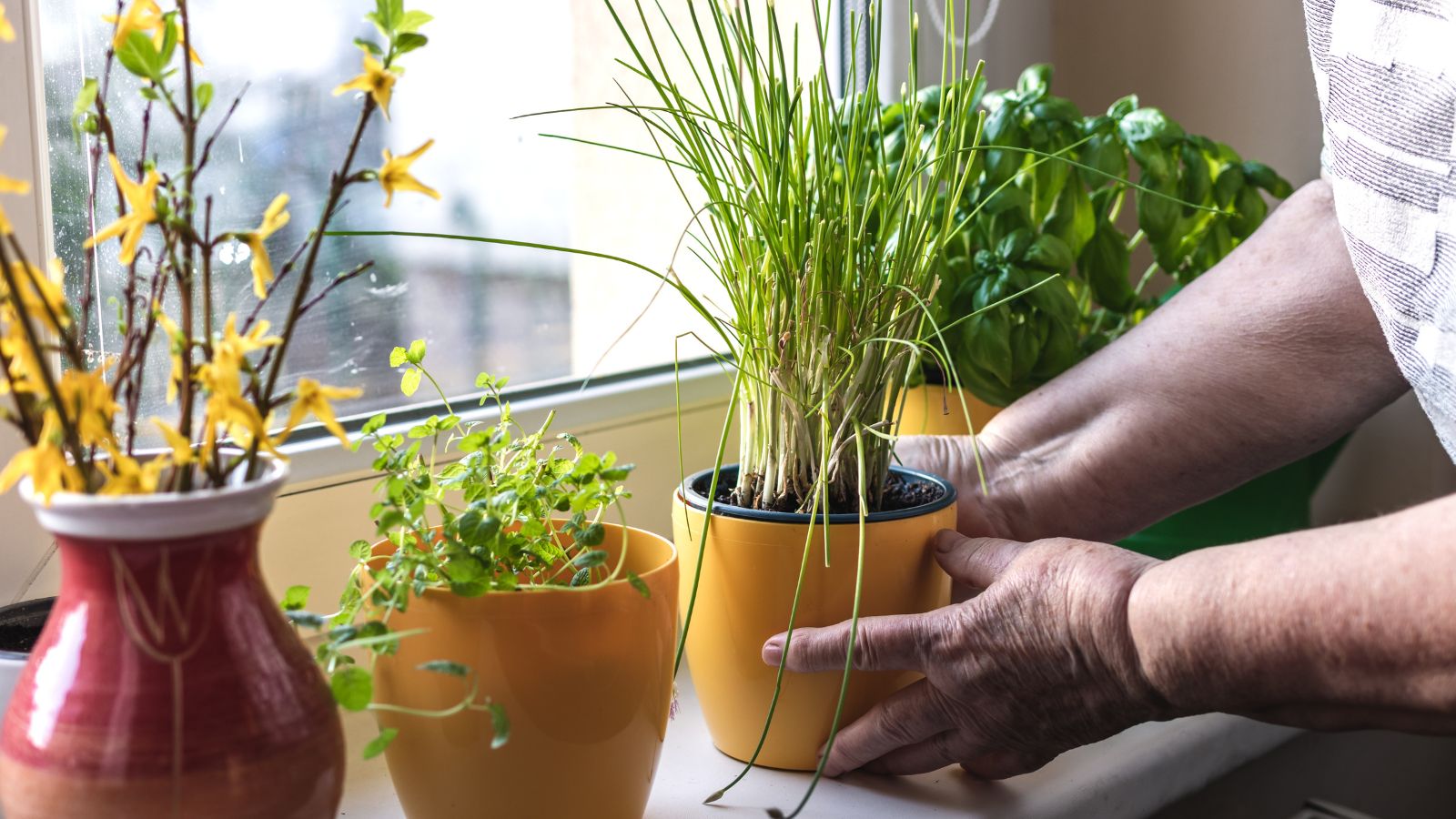
Chives are an easy and reliable choice for indoor food forest seeds. They don’t mind being in small containers and continuously produce year-round. They do need a fair amount of light, so keep that in mind when you choose a spot for them.
Chive seeds take up to two weeks to germinate, so they require a bit of patience. They’re useful for seasoning and improving the flavor of so many dishes. It’s almost too easy to grow these, even indoors.
Strawberries

|
|
botanical name Fragaria x ananassa |
|---|---|
|
|
sun requirements Full sun to partial shade |
|
|
height 6”-12” |
|
|
hardiness zones 5-9 |
Growing strawberries from seeds is a little more complicated than some of the others. Mainly because the process takes time. Strawberry seeds need a period of cold to induce germination. Wrap them in a damp paper towel and then a plastic bag. Store them in the refrigerator for two to four weeks before planting them.
They also need some assistance with pollination, but giving your plants a gentle shake is typically enough. The plants take about four to six months to go from seed to fruit. Once they mature, they are perennial and will bear fruit in flushes. If you are able to handle the wait, strawberries make an excellent addition to your indoor food forest.
Mini Cucumbers ‘Muncher’
|
|
botanical name Cucumis sativus ‘Muncher’ |
|---|---|
|
|
sun requirements Full sun |
|
|
height 4’ |
|
|
hardiness zones 2-11 |
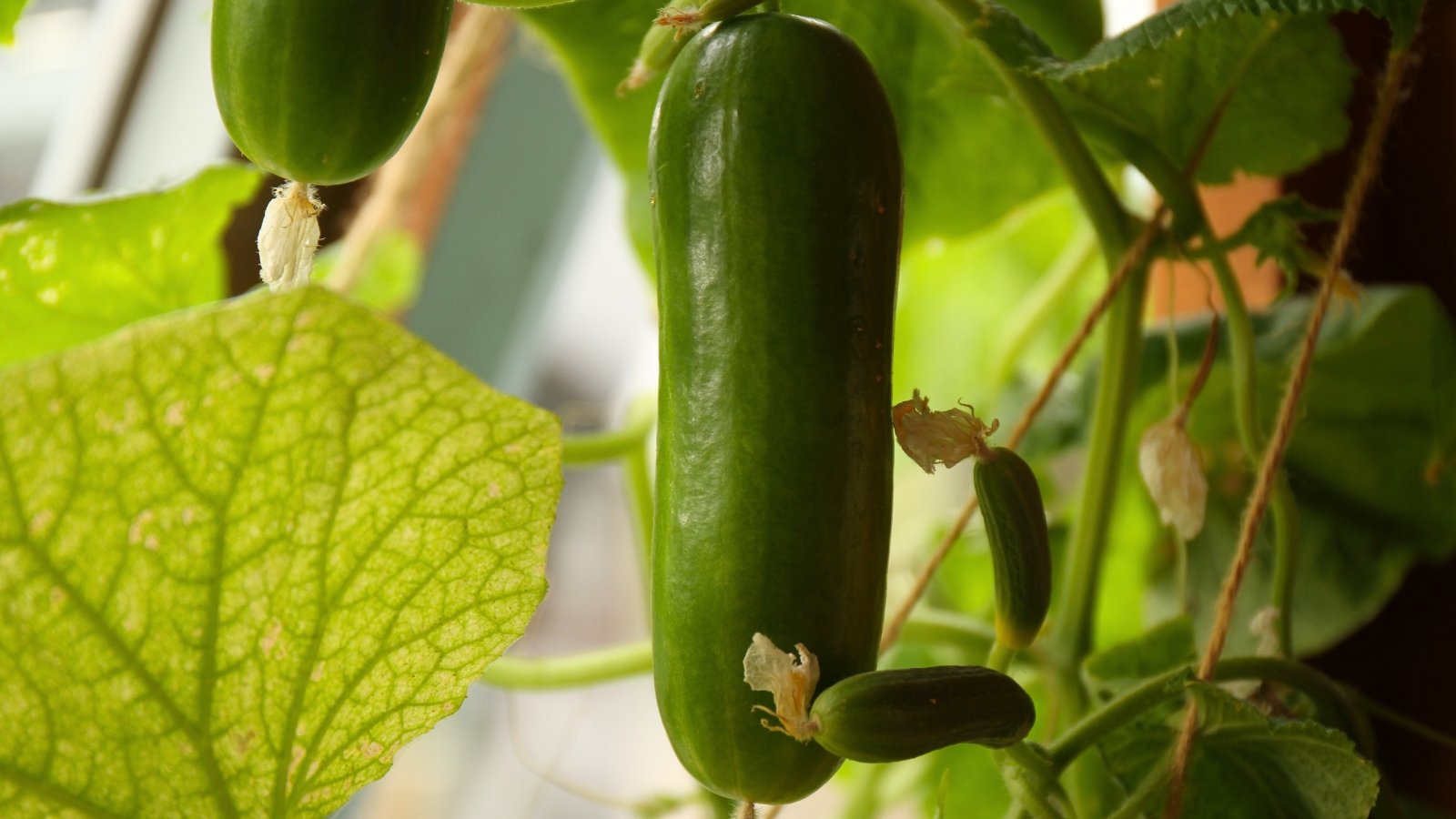
Mini cucumbers are perfect for an indoor food forest. They’re easy to grow from seeds; you can sow them directly in the pot. They do require some support, but a vertical support means a small footprint. Mini varieties don’t grow as large as full-sized varieties, which is ideal indoors.
‘Muncher’ is a miniature variety of tender, burpless cucumbers. The vines reach about four feet tall and produce a ton of five-inch fruits. From seeds, these take about two months to begin maturing. This is a Persian cucumber, so they are smooth and spineless. They’re resistant to fungal diseases as well.