

11 Traditional Fall Root Vegetables from Around the World
Fall is the ideal time for planting root vegetables, in the U.S. and many places around the globe. Here are some of the traditional fall root vegetables grown in other cultures that you can grow in your own garden!

Contents
Root vegetables are dietary staples, and they have been for as long as people have grown their own food. Most regions around the world have at least one signature root vegetable that plays a starring role in their cuisine. These are usually the ones that are best adapted to their climate, soil, and personal tastes.
In many cultures, fall root vegetables are much more than merely food. They are resilient crops that thrive in spite of environmental challenges. They survive underground through droughts, storms, and frosts. This makes them reliable, even when other crops suffer from these challenges.
Because of their resilience, root crops tend to play a significant role in the diets of many cultures. These reliable staples have a significant presence within the local cuisine.
In the United States, we are a melting pot of cultures. We grow many of the traditional root vegetables popular in the cultures we descended from. In many cases, these vegetables are either good for planting in the fall or harvesting this time of year.

France – Celeriac

|
botanical name Apium graveolens var. rapaceum |
|---|---|

|
sun requirements Full sun |

|
height 18”-36” |

|
hardiness zones 3-6 |
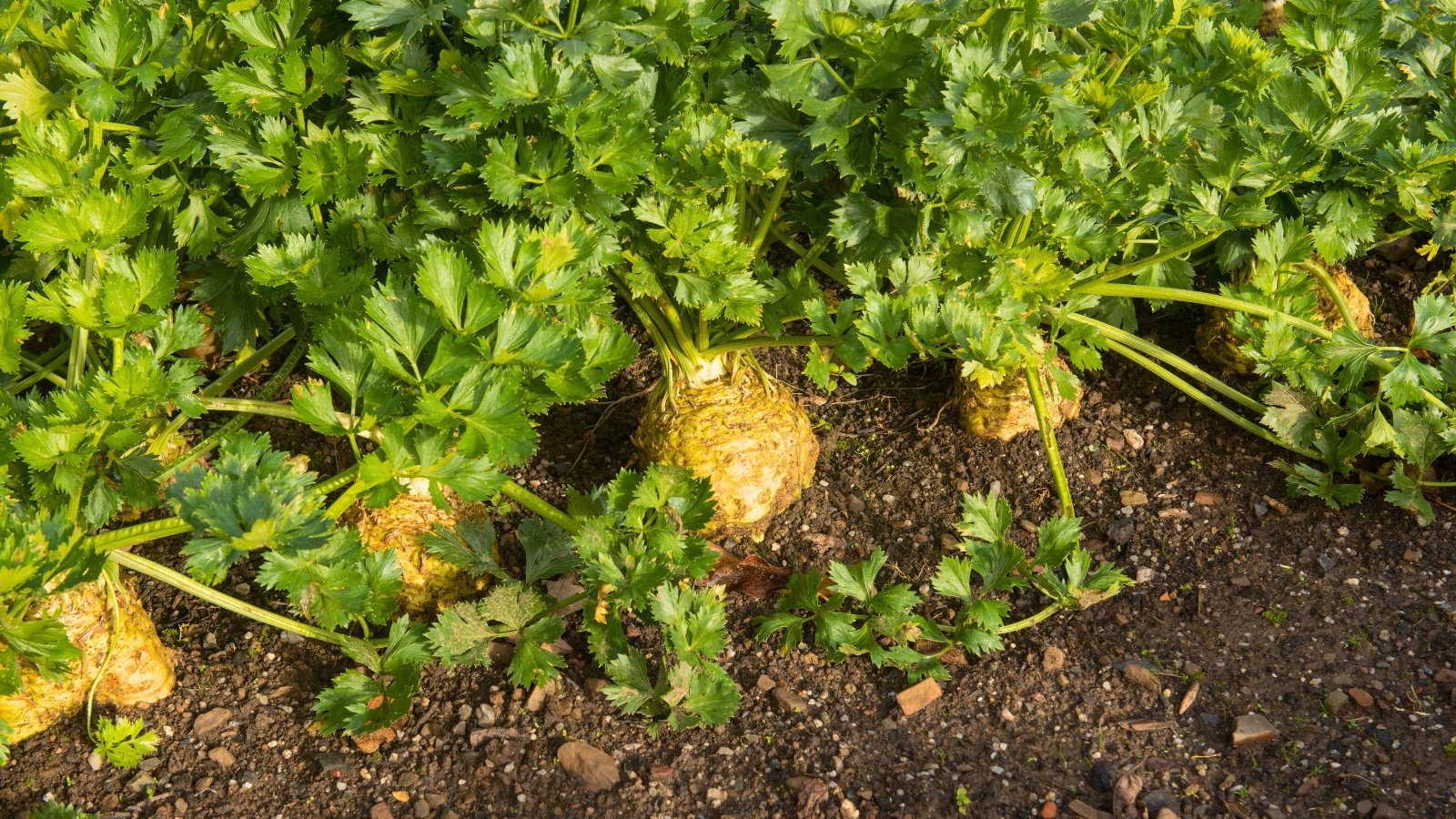
In French cuisine, celeriac holds a quiet but important role as a fall root vegetable. It’s a knobby, rough-skinned root with a slightly sweet and nutty flavor. It’s popular everywhere, from rustic home kitchens to Michelin-starred restaurants. A humble root vegetable, the French revel in elevating it with rich sauces or adding it to soups and stews.
Celeriac has a long growing season, so it needs to get started in early spring. The roots are ready to harvest around September and October. You can also plant them in the fall in warmer climates, for a late winter or early spring harvest. They store remarkably well in a cool cellar or refrigerator.
Germany – Black Salsify
|
|
botanical name Pseudopodospermum hispanicum |
|---|---|
|
|
sun requirements Full sun |
|
|
height 8”-36” |
|
|
hardiness zones 5-9 |
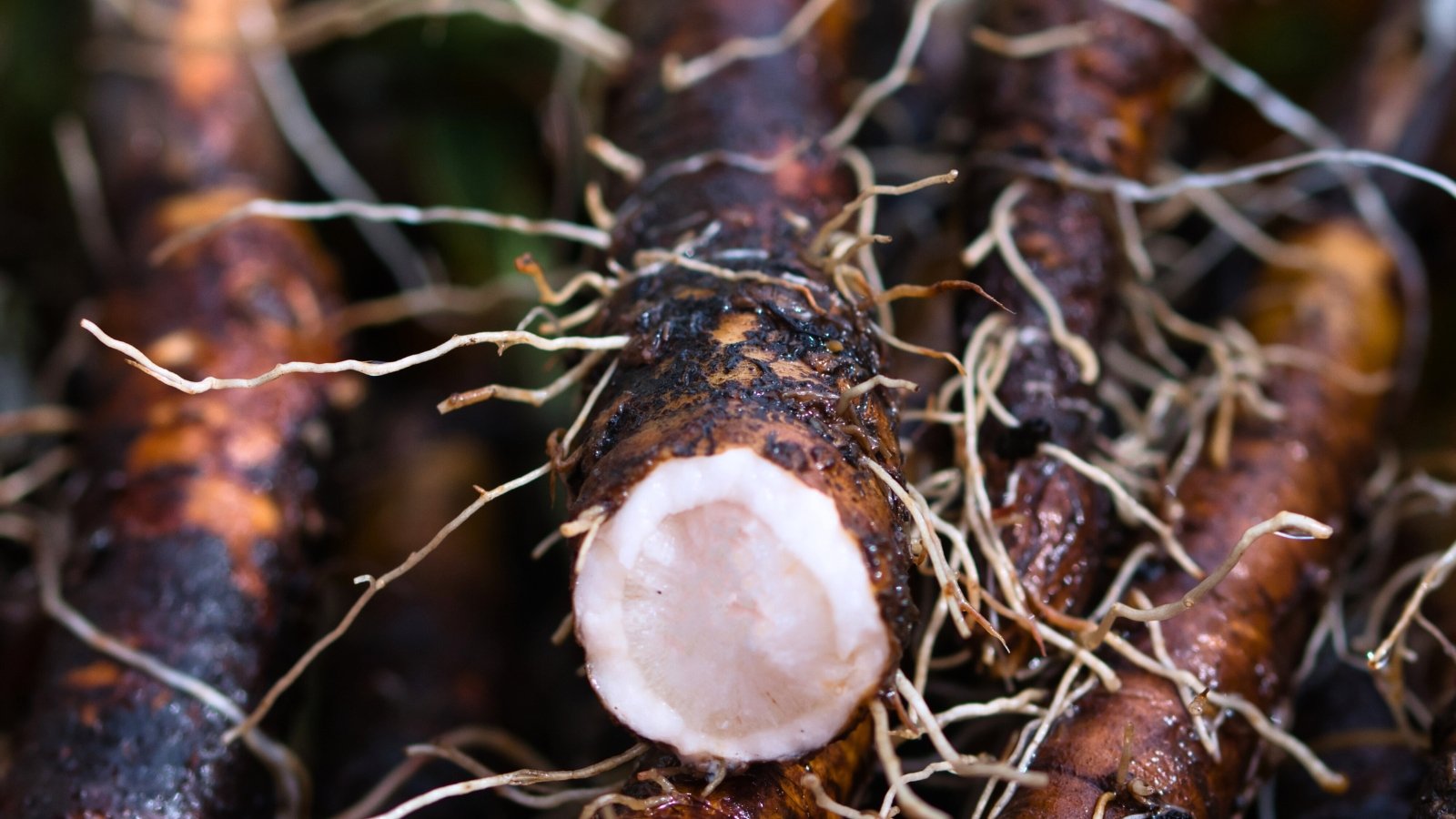
In Germany, black salsify, also called Schwarzwurzel, has a long history of cultural and culinary importance. It’s not grown as commonly today, but in the past it was an important crop during leaner times in the country. It has a mild, nutty flavor and is sometimes likened to asparagus. It’s used in soups, stews, and as a warm side dish.
While this fall root vegetable is less common today, it’s still available and nostalgic for many Germans. It’s a good crop for temperate climates. Planted in the spring, it’s harvested in late fall. They’re lightly frost-tolerant and store nicely.
Russia – Beets
|
|
botanical name Beta vulgaris |
|---|---|
|
|
sun requirements Full sun |
|
|
height 8”-24” |
|
|
hardiness zones 2-11 |
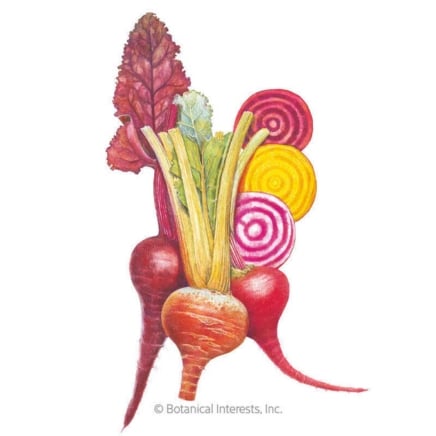
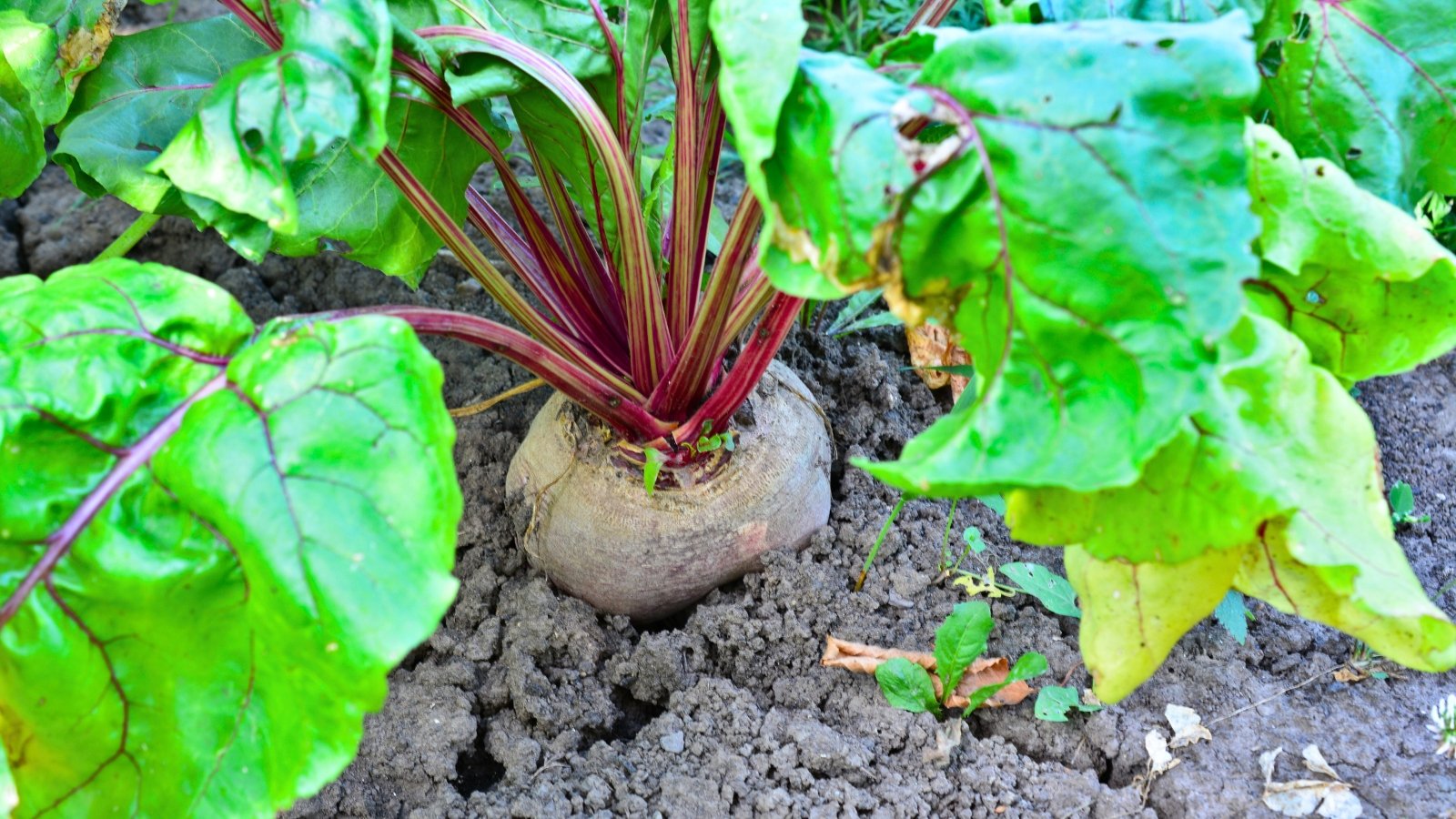
Beets are an important staple in Russian diets. These simple fall root vegetables are a symbol of resilience and national identity. It’s most commonly used to prepare a rich soup called borscht. It also plays a starring role in many salads and side dishes. They’re culturally associated with good health and vitality.
Beets are great for planting in the fall and harvesting in the winter. They store excellently in cellars, and provide important nutrients when many vegetables are scarce. The long, cold Russian winters can be a challenge when it comes to growing vegetables, and beets perform excellently there.
United Kingdom – Parsnips
|
|
botanical name Pastinaca sativa |
|---|---|
|
|
sun requirements Full sun |
|
|
height 12”-18” |
|
|
hardiness zones 2-11 |
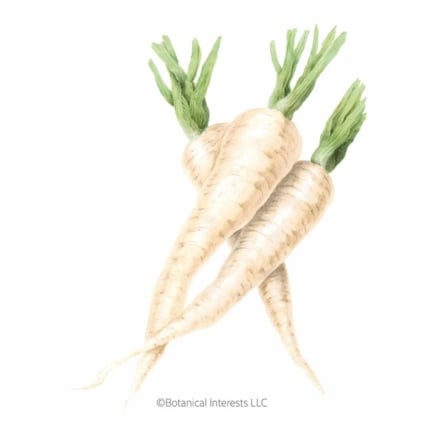
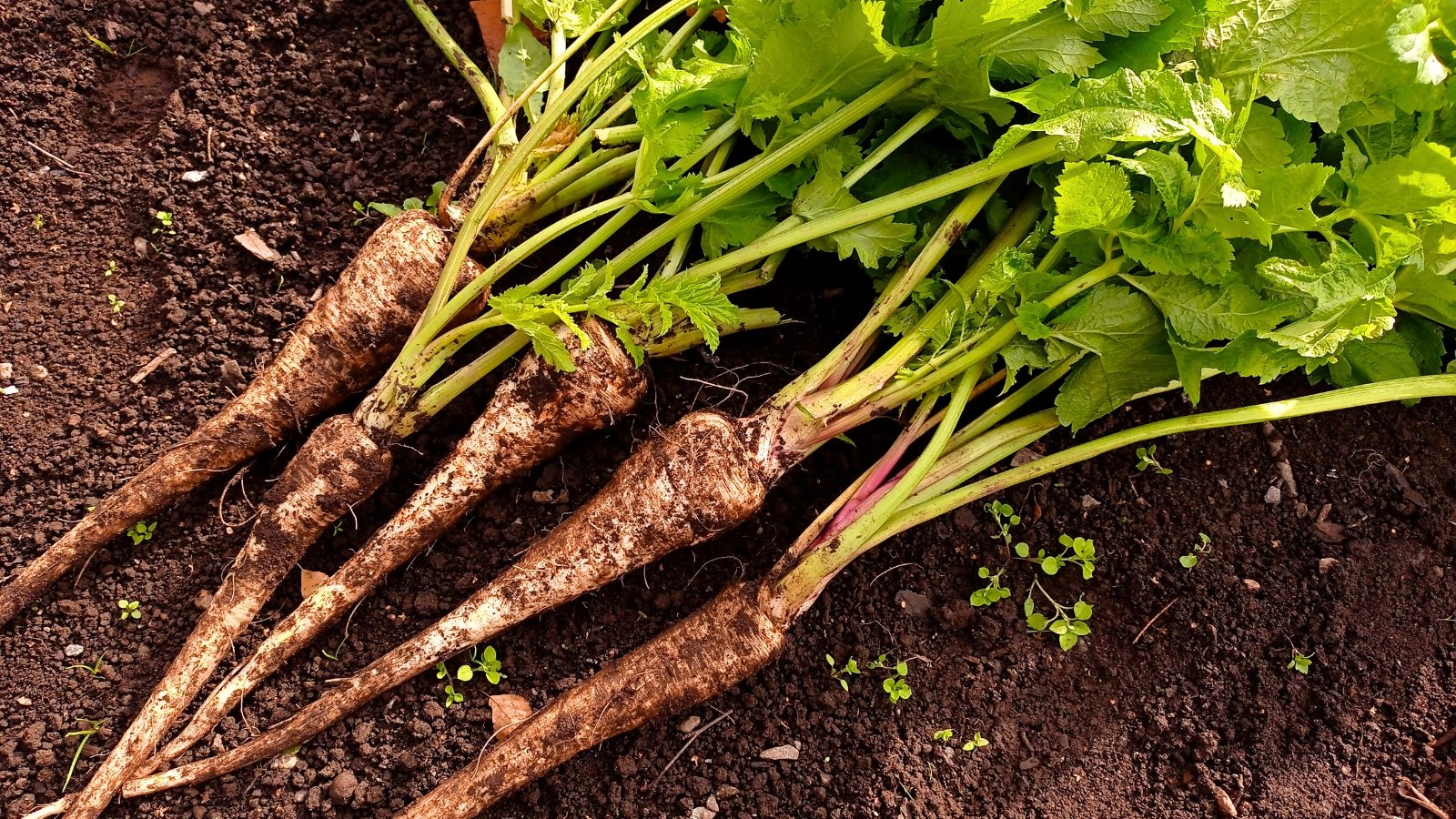
In the United Kingdom, parsnips play a significant role in culinary and cultural history. They predated potatoes as the most common starchy root vegetable. This fall root vegetable is tied to the Christmas Holiday, and most Brits consider it irreplaceable in this way. They’re used in soups and stews, roasted and mashed, and even added to desserts.
You can plant or harvest parsnips in the fall. For fall harvesting, plant them in spring. For winter and spring harvesting in milder climates, sow seeds in late summer or early fall. The seeds are best directly sown in the soil. Their long tap root doesn’t like disturbance.
Southeast Asia – Taro
|
|
botanical name Colocasia esculenta |
|---|---|
|
|
sun requirements Full sun to partial shade |
|
|
height 3’-8’ |
|
|
hardiness zones 7-11 |
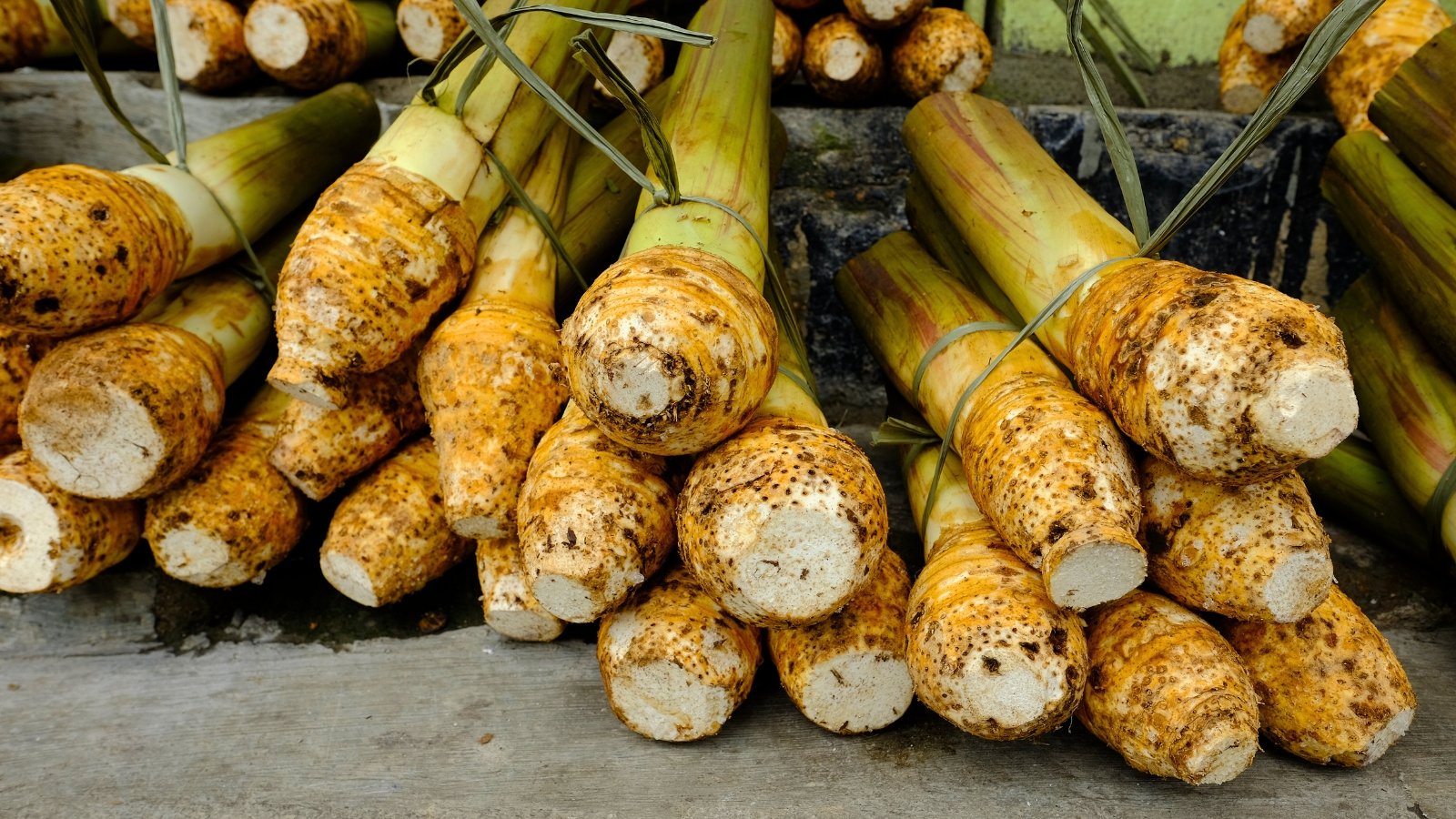
Moving on to an area with tropical climates, taro is an important staple to many cultures in Southeast Asia. It’s been cultivated here for thousands of years, and the starchy corms (or roots) are tied to both casual and ceremonial cuisine. Baked, steamed, or roasted, you can prepare these fall root vegetables in any way you would a potato.
Taro is believed to be one of the oldest domesticated crops. It needs seven to twelve months of frost-free weather to mature. You can grow it in a large container in cooler climates, but it needs protection from frost. It’s best harvested before any possible frost or cold temperatures. Mid-fall is a good time to harvest it, and it stores well over the winter.
West Africa – Yams
|
|
botanical name Dioscorea spp. |
|---|---|
|
|
sun requirements Full sun |
|
|
height 6’-15’ |
|
|
hardiness zones 9-12 |
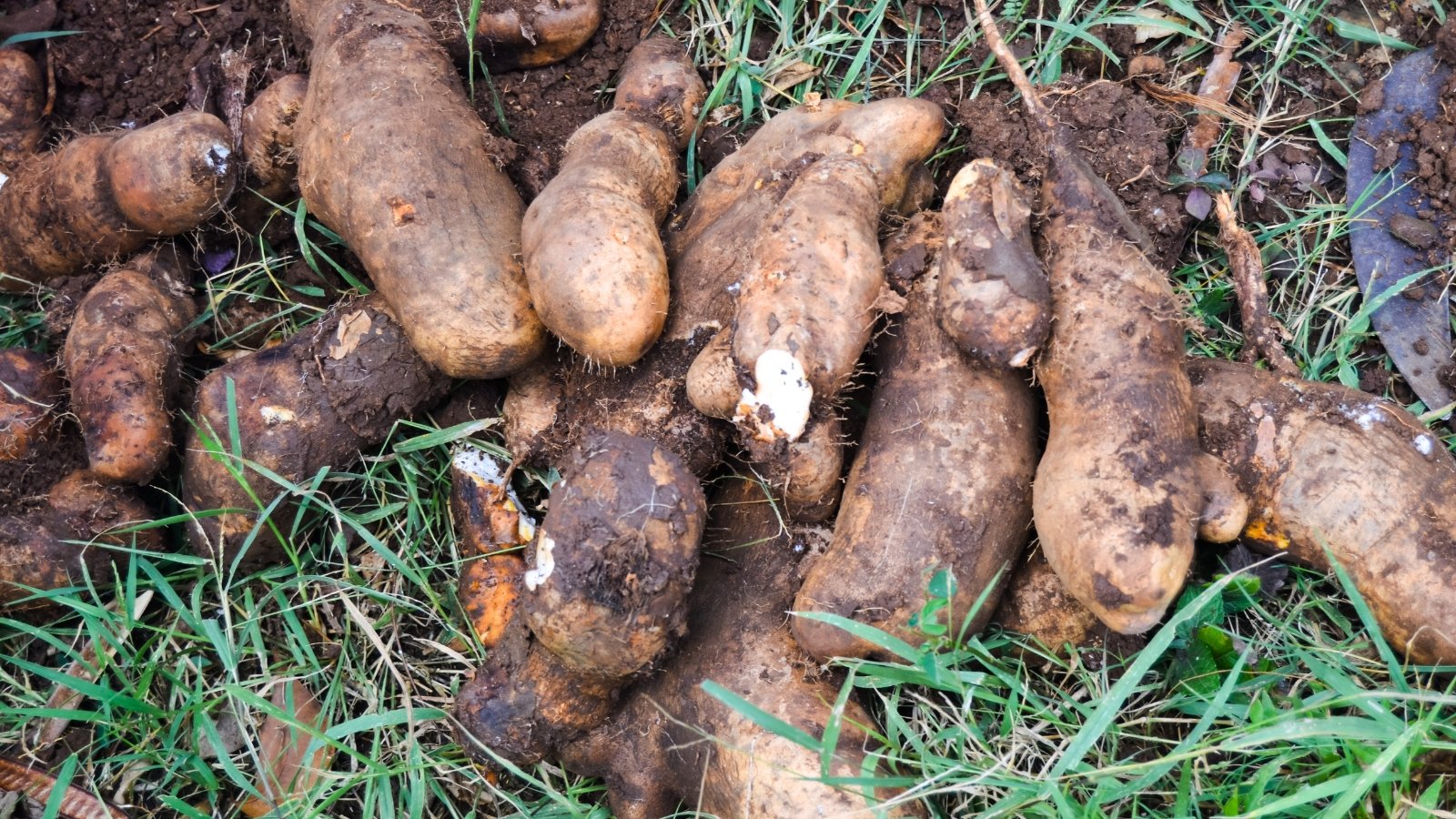
Yams are central to West African cuisine, but this root vegetable’s significance goes much deeper. This is where more than 90% of the world’s yams come from, so it’s also an important export for this area of the world. They’re used for a multitude of different dishes, and are even ground into flour and pounded into a smooth dough.
Yams go in the ground in spring, during the rainy season, and harvest takes place in the fall, a dry season. The end of the fall harvest season brings the New Yam Festival, where the roots are offered to gods and ancestors. They’re more than just food in this region, as they are tied to many stories, legends, and rituals.
Caribbean – Malanga
|
|
botanical name Xanthosoma undipes |
|---|---|
|
|
sun requirements Partial to full shade |
|
|
height 2’-6’ |
|
|
hardiness zones 8-11 |
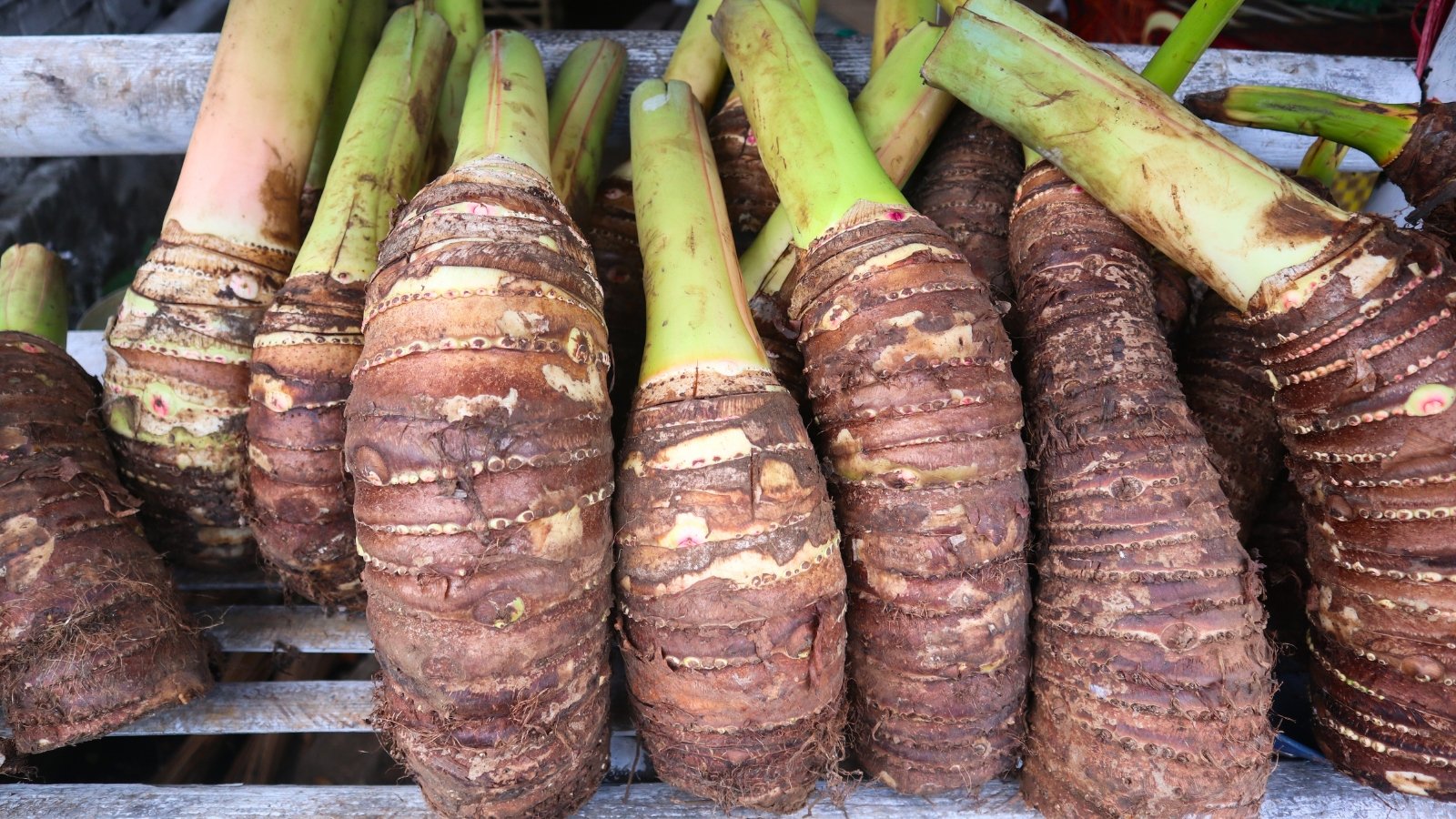
Malanga is a fall root vegetable that’s similar to taro, but comes from a different genus. It thrives in warm, humid climates and poor soil, making it ideal for the Caribbean climate and conditions. There, people grow it year-round as a staple crop, similar to cassava and yams. The roots and leaves are both edible.
Because it’s not frost-tolerant, in cooler climates, you can grow malanga through the warm months. Harvest it in late fall, close to your first frost date, to give it as long as possible to mature. It has West African origins and plays a significant role in Afro-Caribbean culture.
Latin America – Cassava
|
|
botanical name Manihot esculenta |
|---|---|
|
|
sun requirements Full sun to partial shade |
|
|
height 6’-12’ |
|
|
hardiness zones 10-12 |
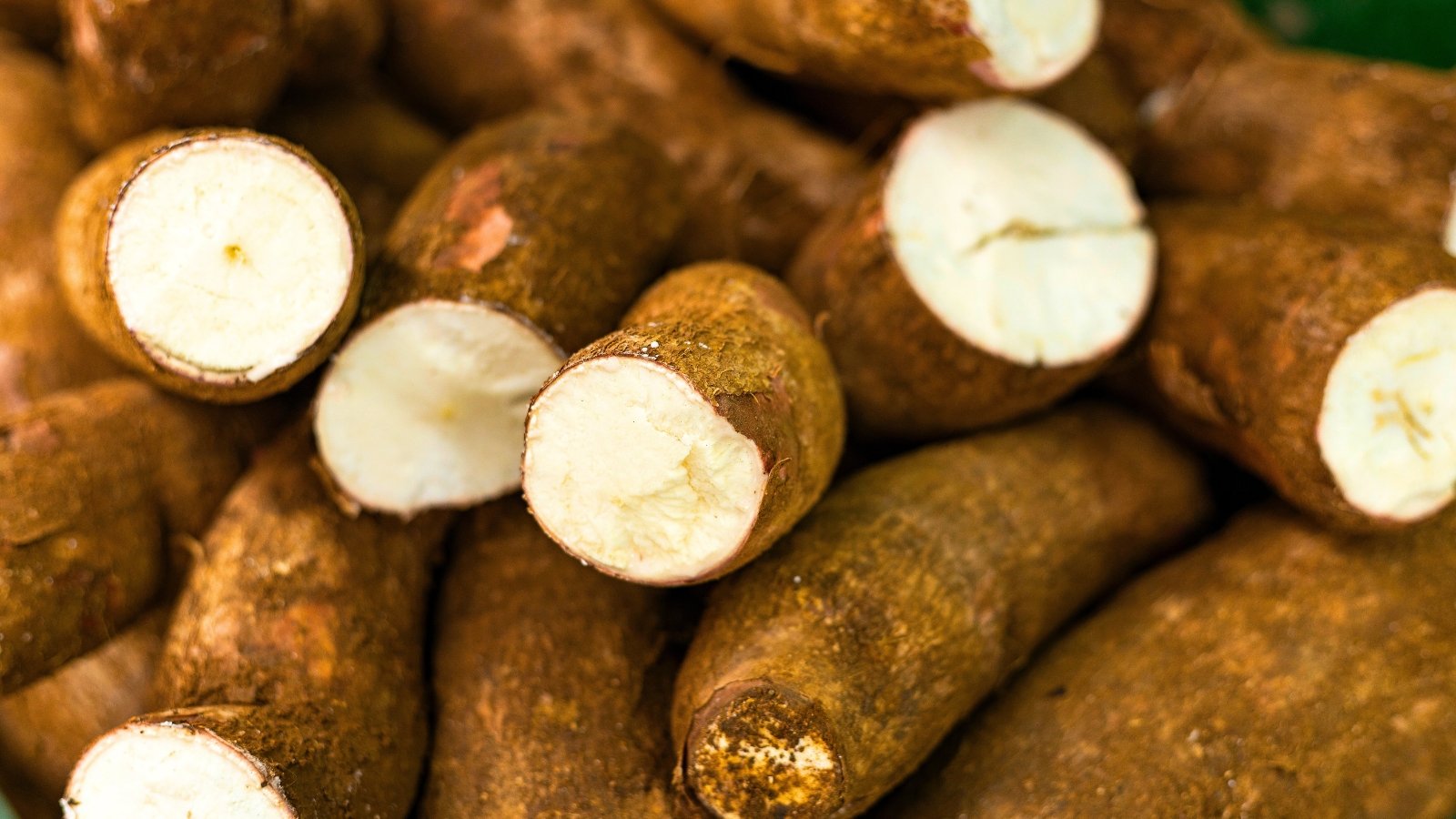
Cassava is one of the most important fall root vegetables in Latin America. It has Indigenous origins and grows well in poor soils. It’s also drought-tolerant, which makes it an important food-security crop. It’s a tropical plant, and in warm climates, you can leave it in the ground for up to two years to preserve it.
In Brazil, it’s made into a toasted flour and used to make bread. In other countries, it’s used to make cakes, fries, chips, fritters, and fermented beverages. It’s also an important export crop. To grow it in cooler climates, plant as soon as the ground thaws and harvest in the fall. This gives it as long as possible to mature.
Egypt – Tiger Nuts
|
|
botanical name Cyperus esculentus var. sativus |
|---|---|
|
|
sun requirements Full sun |
|
|
height 1’-3’ |
|
|
hardiness zones 8-10 |
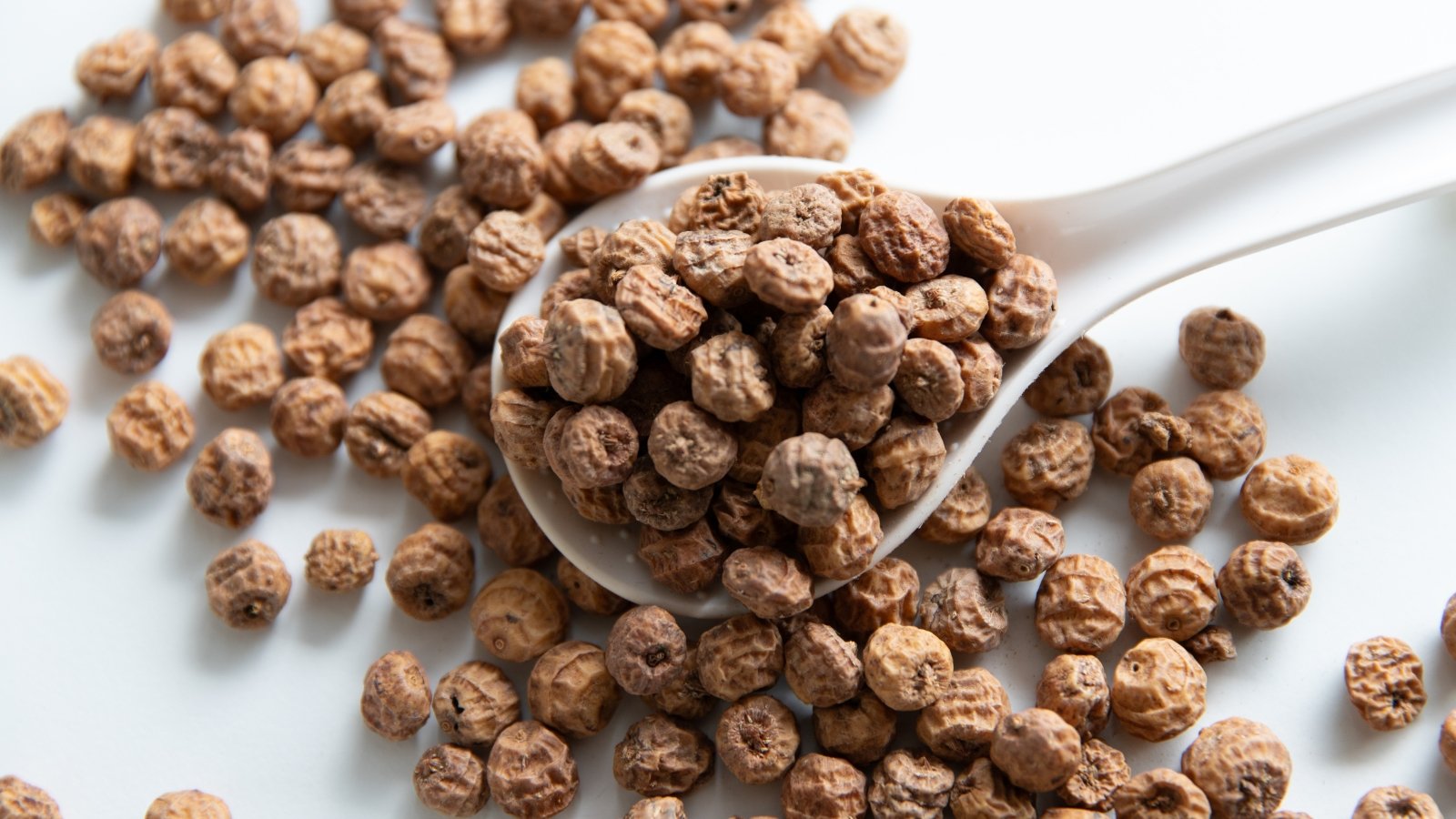
In Egypt, tiger nuts are an important root vegetable with ancient and medicinal uses. Historically, they’re eaten roasted, boiled, pressed for oil, and ground and mixed with honey as a sweet. They’ve been found in tombs of the elite and used for digestive health. They even have a history of use as an aphrodisiac.
Tiger nuts are the underground tubers of a sedge plant. They’re easy to grow in warm climates with sandy soil. Plant the tubers in spring after any danger of frost passes. They tolerate full sun or partial shade. They need five to seven months to mature, so harvest them in late summer or early fall, depending on your climate.
Middle East – Skirret
|
|
botanical name Sium sisarum |
|---|---|
|
|
sun requirements Full sun to partial shade |
|
|
height 3’-4’ |
|
|
hardiness zones 4-9 |
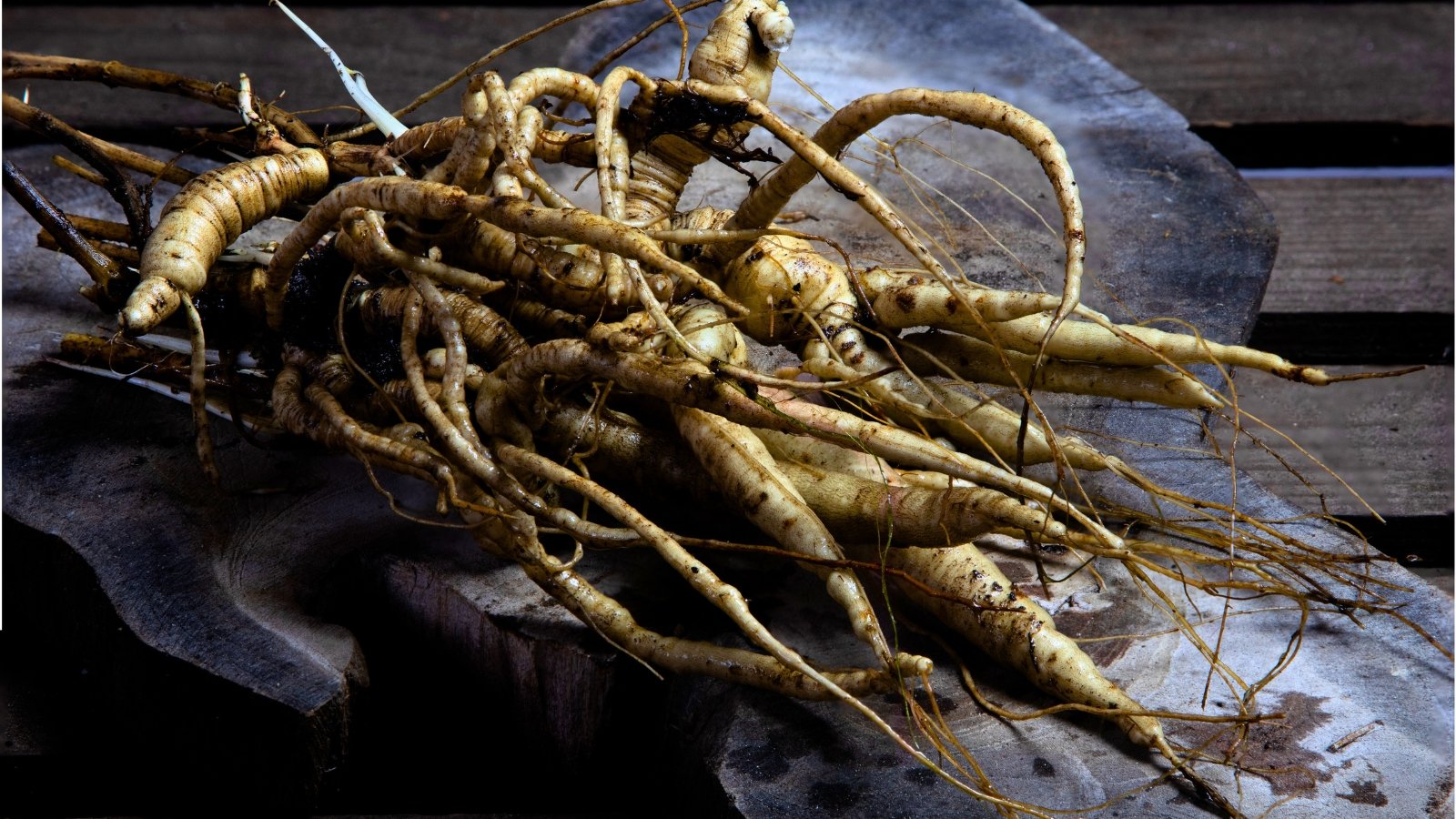
Skirret is a perennial root vegetable with origins that go back to Western Asia, including the Middle East. It’s valued for its sweet roots that are similar to a carrot or a parsnip and grow in clusters. It thrives in cool climates, and while it’s not as popular today, it was an important crop in Medieval times.
The significance of this fall root vegetable is more historical than modern. However, it’s still found in seed catalogs and appreciated for its sweetness and medicinal qualities. It’s best planted in the spring for a cool fall harvest.
Japan – Purple Sweet Potato
|
|
botanical name Ipomoea batatas (L.) Lam. |
|---|---|
|
|
sun requirements Full sun |
|
|
height 4’-6’ |
|
|
hardiness zones 9-11 |
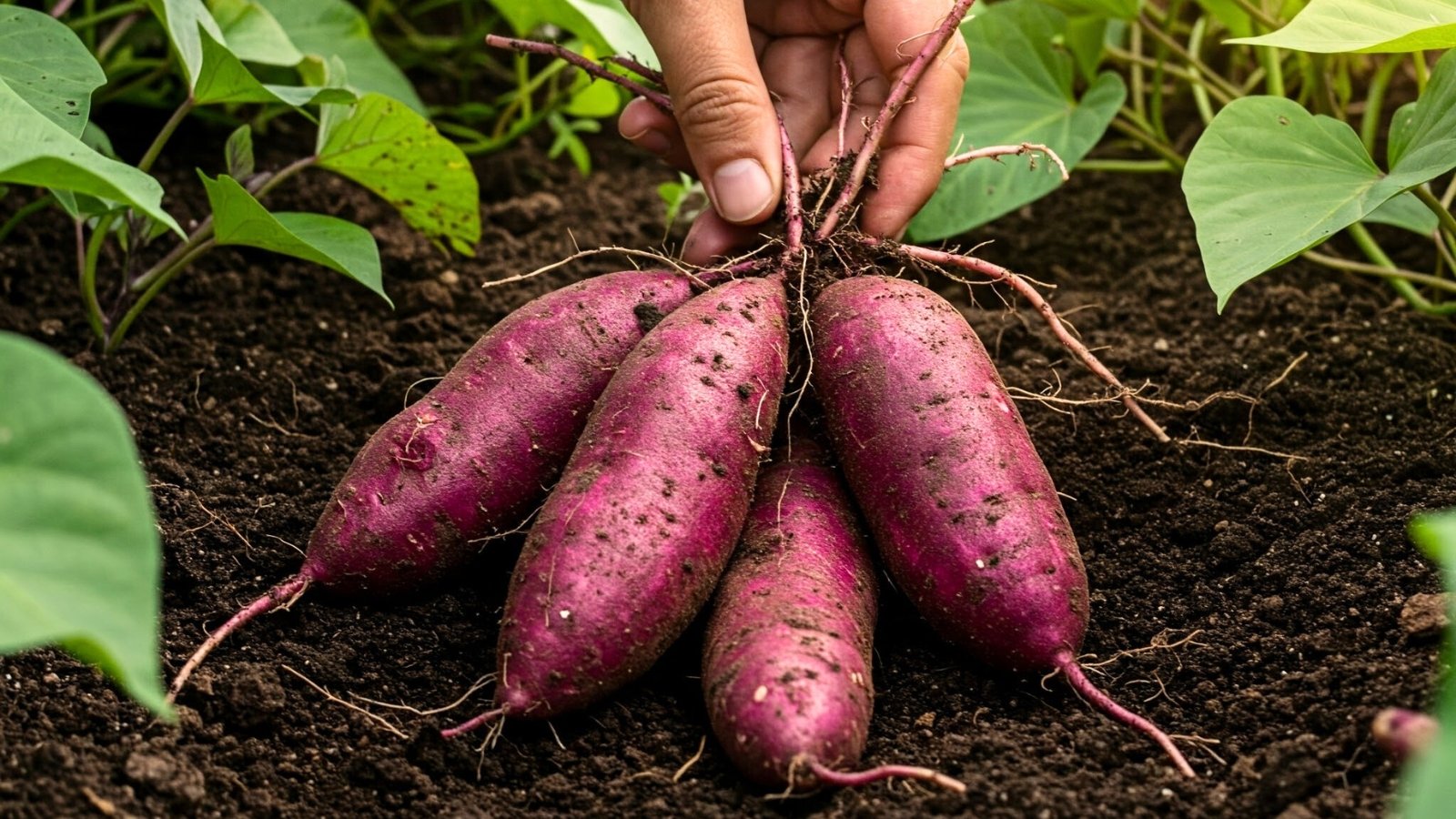
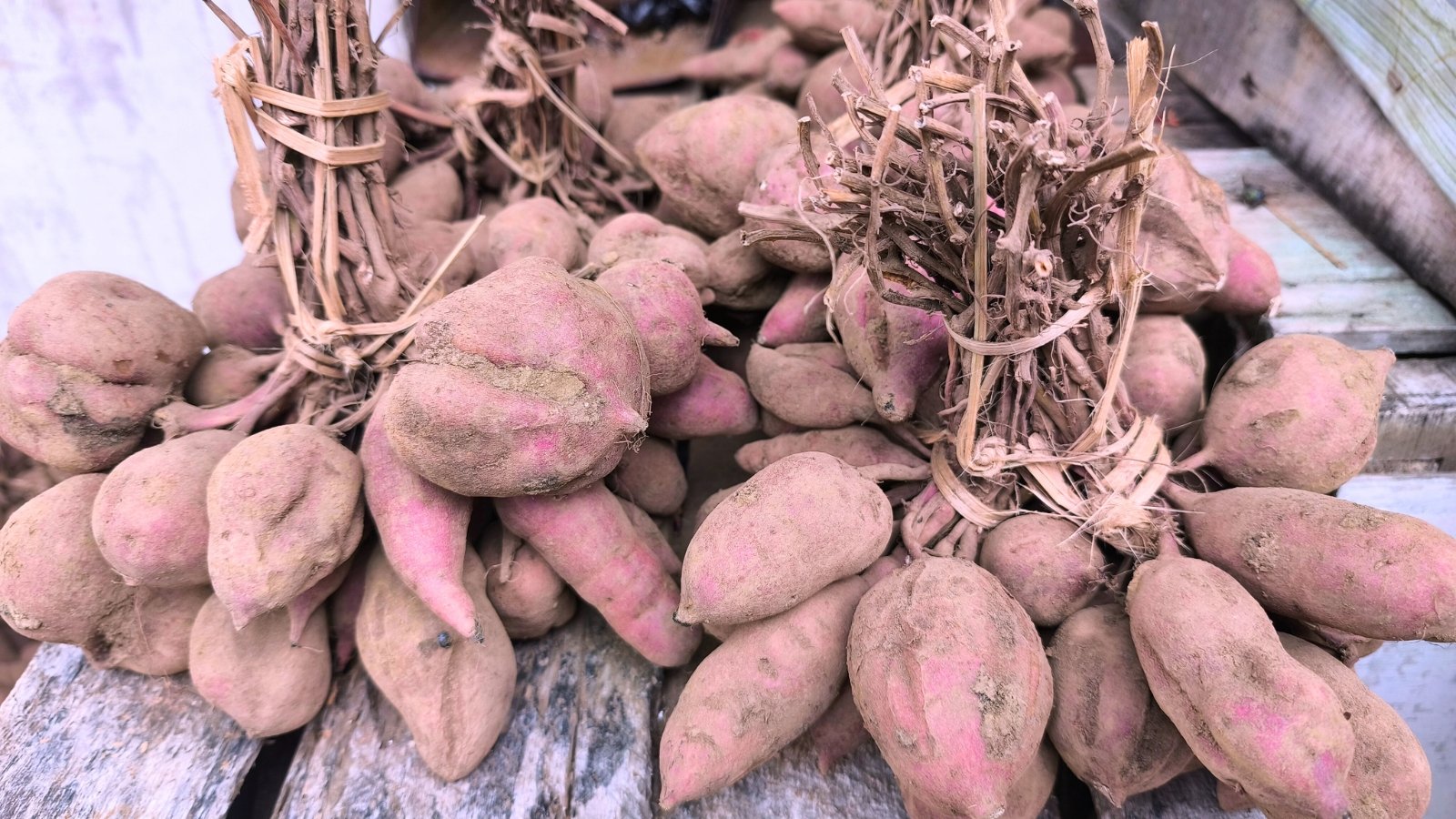
The purple sweet potato, also called murasaki imo, is incredibly important in Japanese cuisine. This beloved fall root vegetable makes up a significant part of the diet, especially in Okinawa. Okinawa is a Blue Zone, an area where an unusually high number of people live beyond 100 years. Their diet rich in this vegetable is a factor in their good health.
Purple sweet potatoes contain high levels of anthocyanins, important and valuable antioxidants. They’re also rich in fiber and vitamins A and C. Typically harvested in the fall, these vegetables store excellently, so growers can enjoy them throughout the winter.


