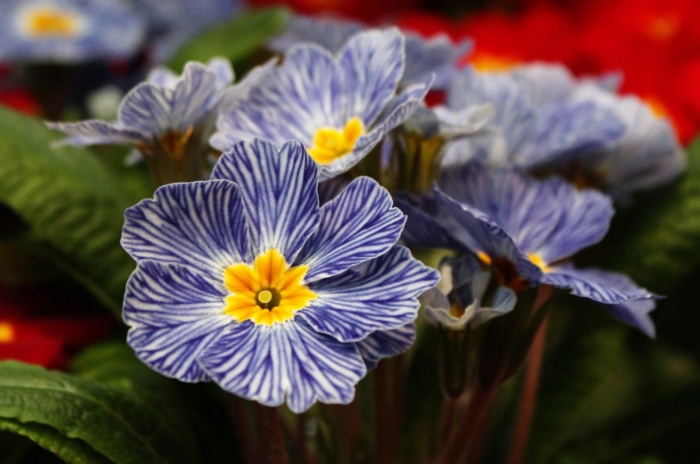
How to Attract Bees With Blue Flowers
If you plant blue flowers, bees will visit them. But there’s much more you can do to bring in bees! If you want a bee garden, use a few specific techniques to draw them in and even help them stay there. Experienced gardener and master naturalist Sarah Jay discusses how to attract bees to your garden with blue hues and more.

Contents
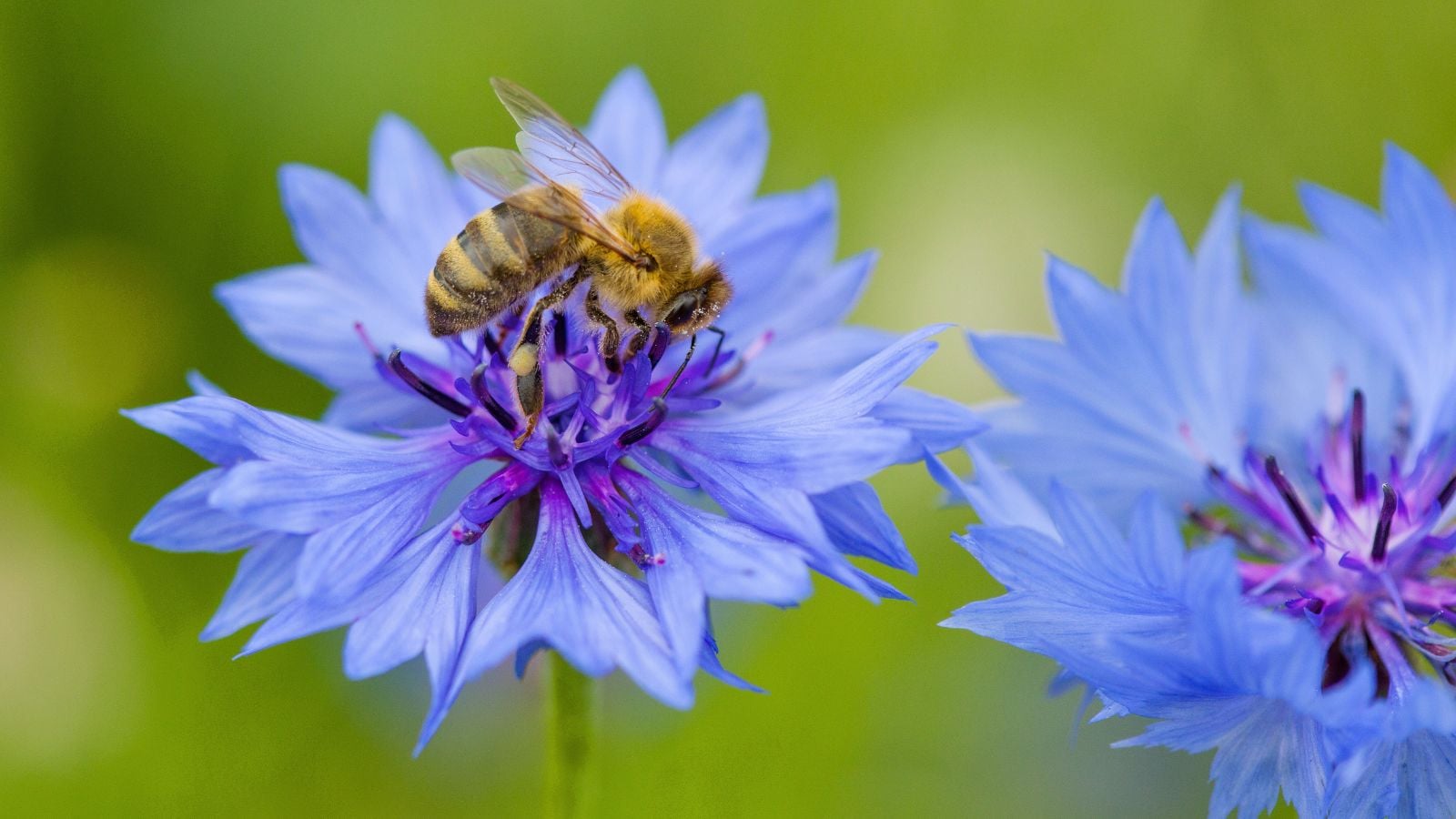
If you grow blue flowers, bees will make their way to the blooms and pollinate them. Choose the right color and shape, and you’re well on your way to a bee garden. Plant en masse, and you’re building a space where bees feel welcome and nourished. But even planting one blue flower helps!
Bees are attracted to blue and purple flowers because they can see ultraviolet light (note that humans can’t see UV rays). On the flip side, they aren’t attracted to red flowers because red is outside their visible range. While bees may pollinate red flowers, they’ll show a preference for violet and azure hues.
Before you start your bee garden, consider adding a few extra features that will really solidify their attraction to the space. When we think about attracting specific pollinators, the best thing we can do is consider the system and habitat we can build to reach our goal. Let’s bring in the bees!


Step 1: Pick the Right Color and Shape

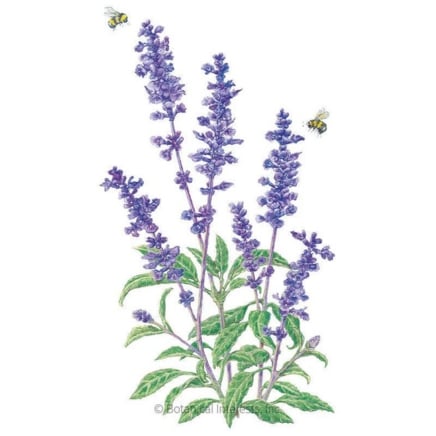
Of course, blue is the best color for bees, but so are purple, lavender, and periwinkle-colored petals. If you want some diversity in your garden, remember that bees don’t see red, so skip the red flowers for your bee space. Instead, add white, yellows, and oranges, which are still in their visible spectrum.
Another important consideration is flower shape. Every pollinator has a preferred petal arrangement that allows it access to the nectar and pollen they need to survive. Bees prefer disc-shaped flowers with easy access to the stamens and pistils, as well as nectar sources.
Step 2: Go Native

While you can simply plant blue flowers, bees native to your ecosystem will appreciate native blue flowers most. This also brings the greatest diversity of bees to your garden and increases the rate of pollination. If you like to grow vegetables next to your ornamentals, you should expect increased yields. This is also beneficial to gardeners who like to collect their own seeds.
Remember, blue-hued flowers with disc shapes are some of the best options. Here are some of the best North American natives to choose when you’re deciding which plants will go in your bee garden. Remember to focus on ecotype plants first, and if you can’t find them, look for those that are naturalized in your area.
| Botanical Name | Common species |
| Aster spp. | Douglas Aster (Symphyotrichum subspicatum), New England Aster (Symphyotrichum novae-angliae), Fall Aromatic Aster (Symphyotrichum oblongifolium) |
| Lupinus spp. | Big Leaf Lupine (Lupinus polyphyllus), Wild Perennial Lupine (Lupinus perennis), Bluebonnet (Lupinus texensis) |
| Campanula spp. | Tall Bellflower (Campanula americana), American Harebell (Campanula rotundifolia), Clustered Bellflower (Campanula glomerata) |
Step 3: Plant In Drifts

If you want bees wafting through the garden from spring to summer, plant your blue flowers en masse in patches, focusing on just a few species at a time. The bees will truly appreciate the effect these drifts provide, as they won’t have to use up a bunch of energy going from one patch to another on the opposite side of your garden.
If your space is small, you can plant drifts on a limited scale. The point is to fill in the space as much as possible. Keep the soil covered with as many plants as you can fit, without sacrificing their ability to proliferate and thrive. Start with the recommended spacing, and then plant them slightly closer. If needed, you can always move plants around to give them more space.
When you’re seeding blue flowers, try to concentrate the seeds in one area.
Step 4: Employ Containers

Where you’re unable to grow in the ground, or you have a little bit of space to fill in, a container is a great option for planting blue flowers. Bees need multiple flowers to visit in multiple areas. If you have room for a grow bag or a large planter, pop them in the open spaces and plant your flowers there.
Hanging baskets, vertical gardens, and more apply here. Use your imagination, and work toward growing something that fits into your garden aesthetic, or simply use what you have on hand.
Step 5: Build a Corridor
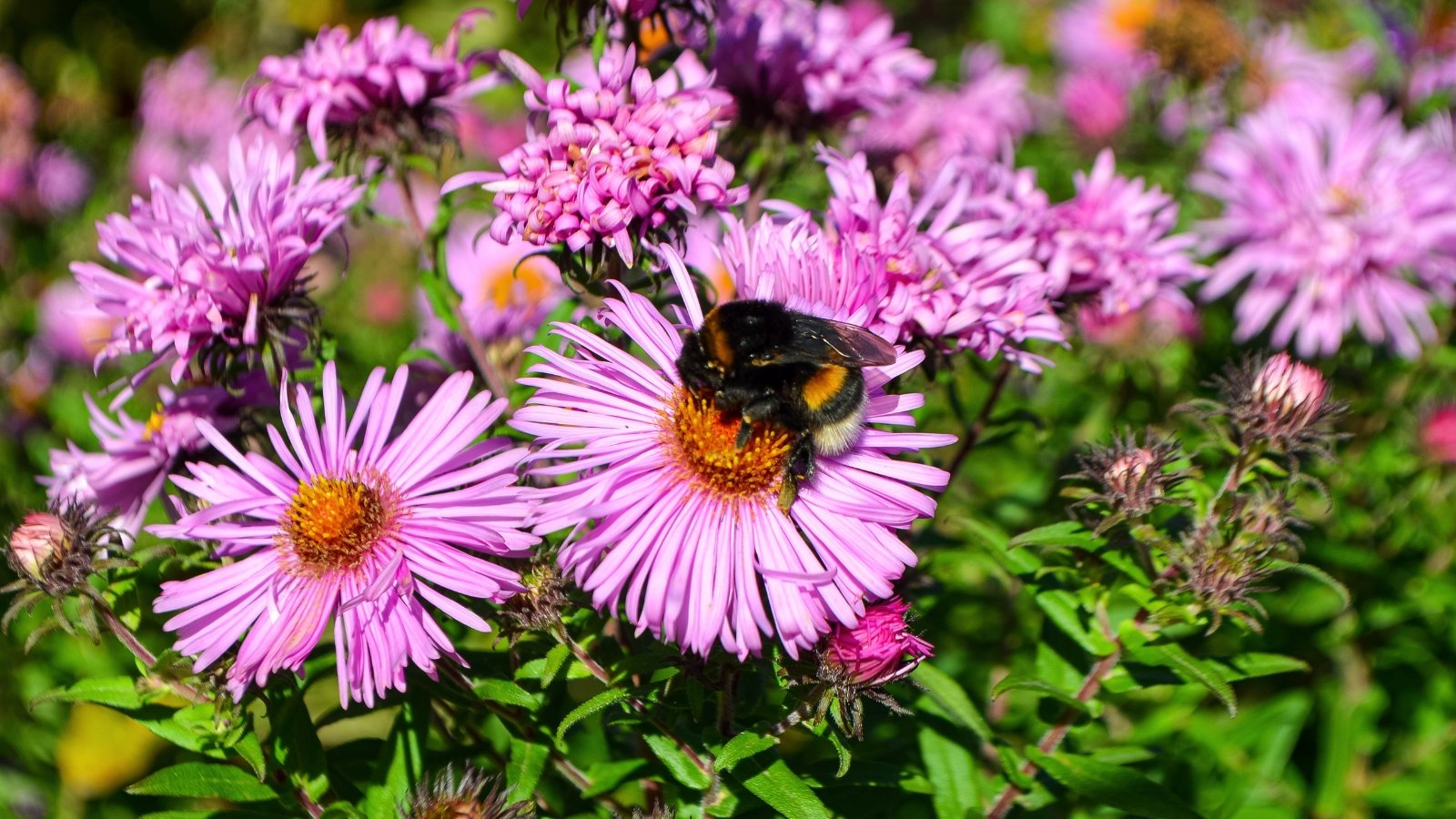
All of what we’ve discussed up to this point culminates here, in building a pollinator corridor for your bee friends. Think drifts on a larger scale. Corridors span across the growing space and often incorporate plants that flower in stages or in multiple seasons. If you have corridors of blue flowers, bees will certainly come, and they will often stay.
A corridor could be an in-ground garden with shrubs, trees, and herbaceous perennials that provide nectar and pollen throughout the year. It could also be in raised beds or completely in containers. Typical corridors are at least six feet in length, but you can adapt the concept to your space and needs.
Step 6: Add Habitat
If you want bees that stick around for multiple years, include some habitat in your garden. In wild gardens, dried stems that remain standing after frost harbor next year’s bee population. Fallen logs provide nesting habitat for carpenter bees and other species that bore into wood. Brush piles also offer a home to native species.
If you don’t have room for brush piles and logs, a bee hotel is a smaller and tidier option. You can make your own or buy a professionally made one. Just note that you’ll have to clean it out and maintain it annually.
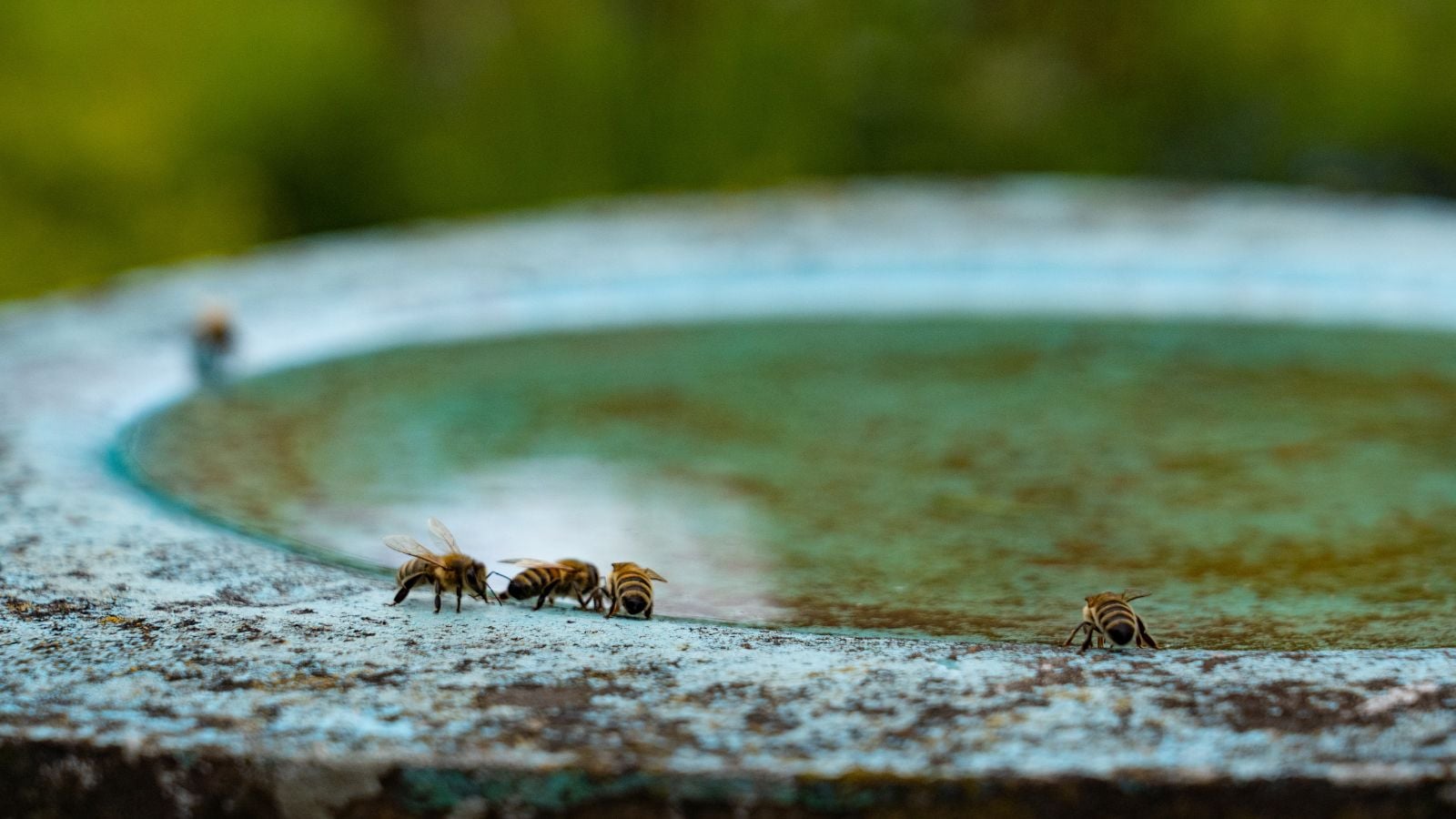
One very important habitat note: you need a water source. This could be as simple as a terracotta saucer placed somewhere in the garden, or as elaborate as a pond. Bird baths are easy to install, and including a cheap solar-powered fountain keeps the water moving and clean.
Key Takeaways
Having a garden for bees can be more than just planting blue flowers. Bees appreciate the flowers on their own, but a little extra effort goes a long way to host and help the bees in your region. As you’re planning your blue garden, remember the following:
- Pick disc-shaped flowers with blue and violet hues first, then incorporate whites, yellows, and oranges. Bees love blue, violet, and white the most.
- Choose natives for the greatest diversity of bee species.
- Plant in drifts, where a few species are grouped in a large space.
- No matter the size of your space, containers are always fun and easy to incorporate.
- Build a blue flower corridor to bring in bees, and provide habitat to make them stay.