

The Best Spring Flowers to Plant This Weekend for Instant Color
There are many spring flowers worth picking up this weekend for immediate garden color. From cool-weather staples to underused options, Gardening expert Madison Moulton lists the plants that handle early April conditions and start performing right away.

Contents
Instant color is not always easy to achieve in a garden. It’s very much based on the season and what’s available near you. But sometimes you just get that itch to plant something bright and exciting, especially after a long winter. And in April, you have a couple of options.
While it is possible to plant many of these from seed, that obviously won’t give you instant color. For that, you’ll need to head to your local nursery to see what is in flower. All of these spring flowers for color are widely available, so you shouldn’t have trouble finding a few picks perfect for you.
Zeolights Calendula (Pot Marigold)

Zeolights Calendula (Pot Marigold) Seeds


Pansies
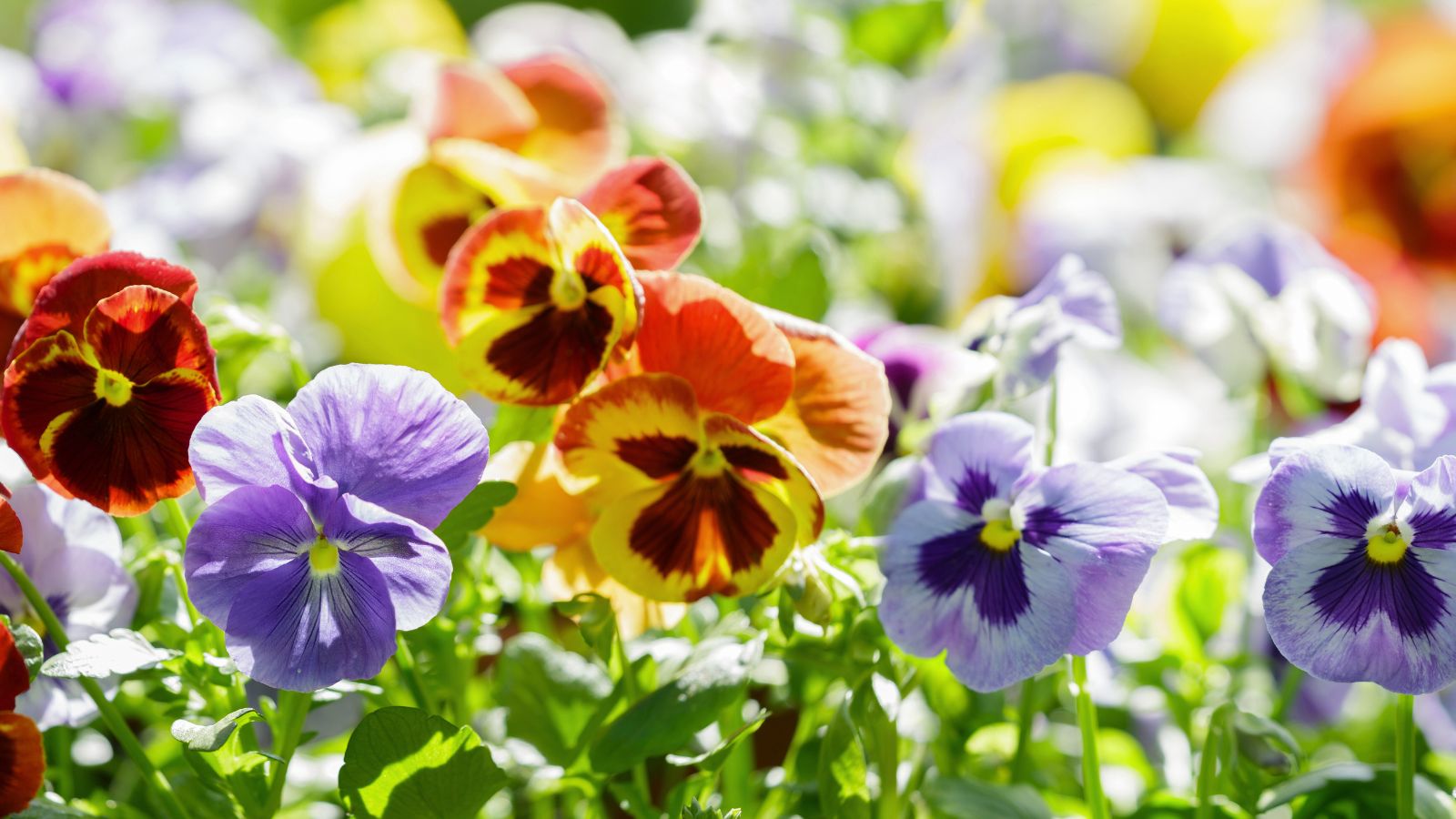
If you’ve walked through any garden center in the past few weeks, you’ve probably already seen tons of pansies stacked near the entrance. The ultimate spring flowers for color, pansies handle light frost without flinching, and they tend to bloom continuously for weeks as long as temperatures stay below about 75°F (24°C). That makes early April one of the best times to plant them.
Plant them in full sun to part shade, in soil that drains well. They’re not fussy about soil quality, but they do sulk in waterlogged ground. Deadheading helps keep them going, though most modern varieties are bred to keep flowering without much intervention. They’re also great for pots, either on their own or paired with other blooms.
Snapdragons
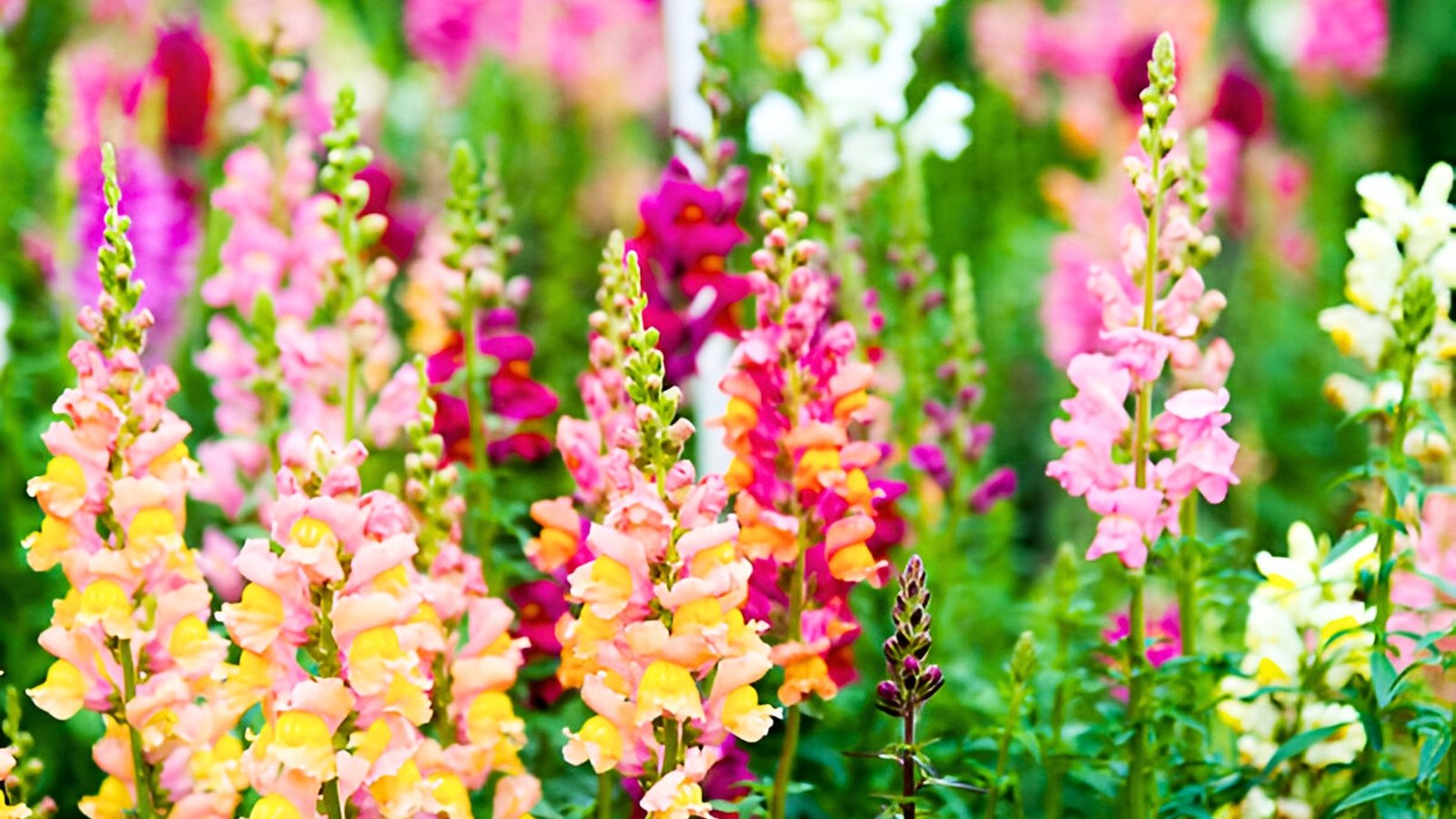
Snapdragons look structured and almost architectural in a garden bed, with tall spires of color that give height to beds and containers. And most importantly for an April weekend, they don’t mind the cold either.
Give them full sun and reasonably fertile soil. Most varieties reach about two feet tall, though dwarf types stay closer to the ground if you need something for the front of a border or a container.
Once summer heat sets in, snapdragons tend to slow down or stop blooming. But if you cut them back hard when that happens, most will push out a second flush of flowers in fall.
Osteospermum

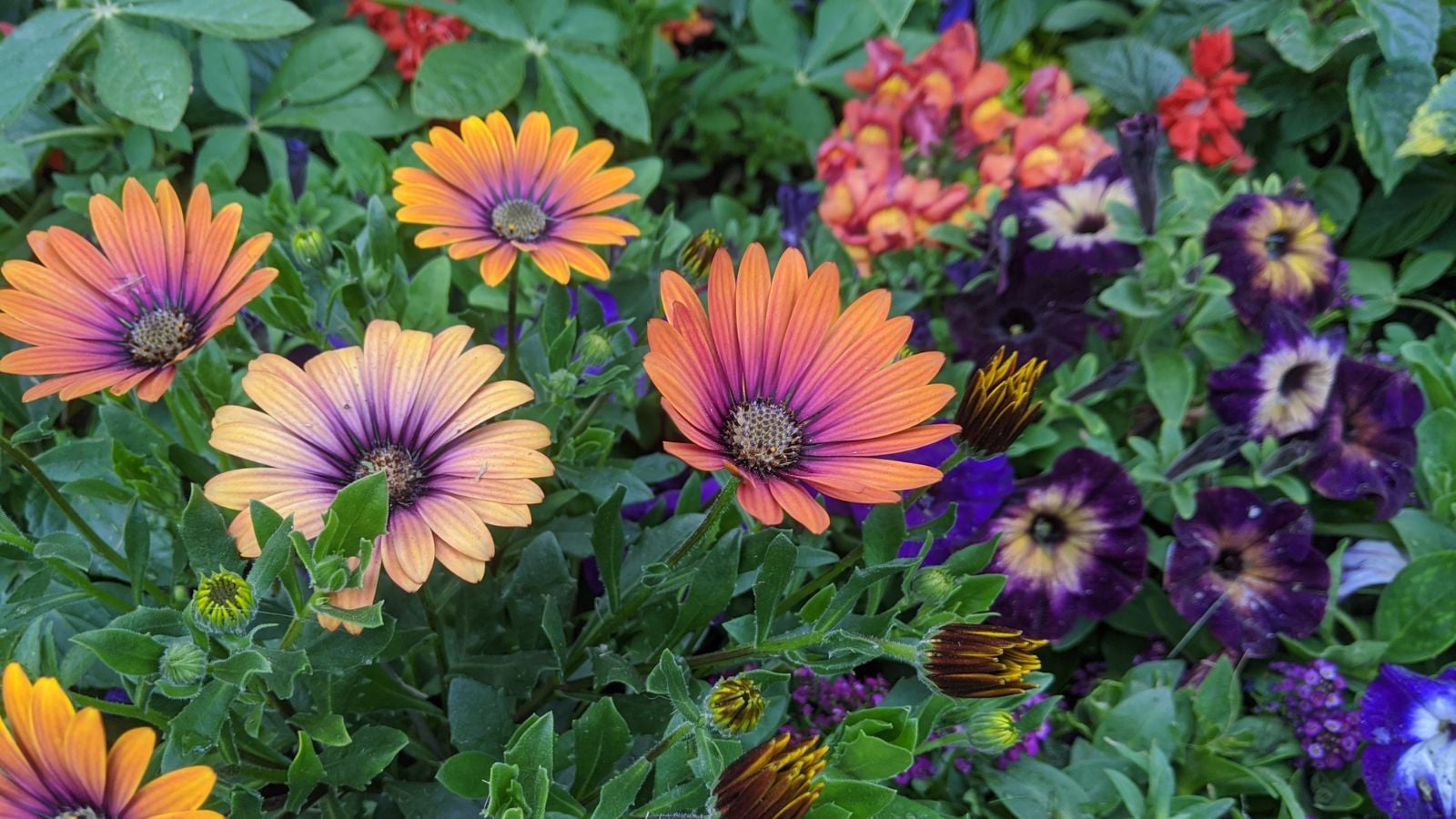
You may have seen these labeled as Cape daisies or African daisies at the nursery. Osteospermum is one of the most underused spring flowers for containers and beds, probably because people assume daisy-type flowers need full summer heat.
These prefer cooler conditions. They bloom heavily in spring and early summer, and the colors are often more interesting than most spring annuals offer.
Give them a spot in full sun with well-drained soil. They handle light frost, though they’re not as tough as pansies if temperatures dip into the mid-20s°F (around -4°C). In warmer regions, they’ll keep going well into early summer before the heat slows them down.
These are a great pick if you want something that looks a little different from what everyone else is planting this month.
Sweet Alyssum

For filling in gaps, edging a bed, or spilling over the sides of a container, sweet alyssum is hard to beat. The individual flowers are tiny, but they grow in dense clusters that create a carpet of color that smells amazing.
Sweet alyssum is cool-season by nature and grows in April without any fuss. It tolerates light frost, grows quickly from transplants, and tends to self-sow if conditions are right (so you may get a repeat performance next year without trying). It stays low, usually under six inches tall, so it works well tucked in around taller flowers.
As a bonus, the flowers attract beneficial insects. Pollinators and hoverflies both tend to love it, which makes it a useful companion plant for a vegetable garden, too.
Dianthus
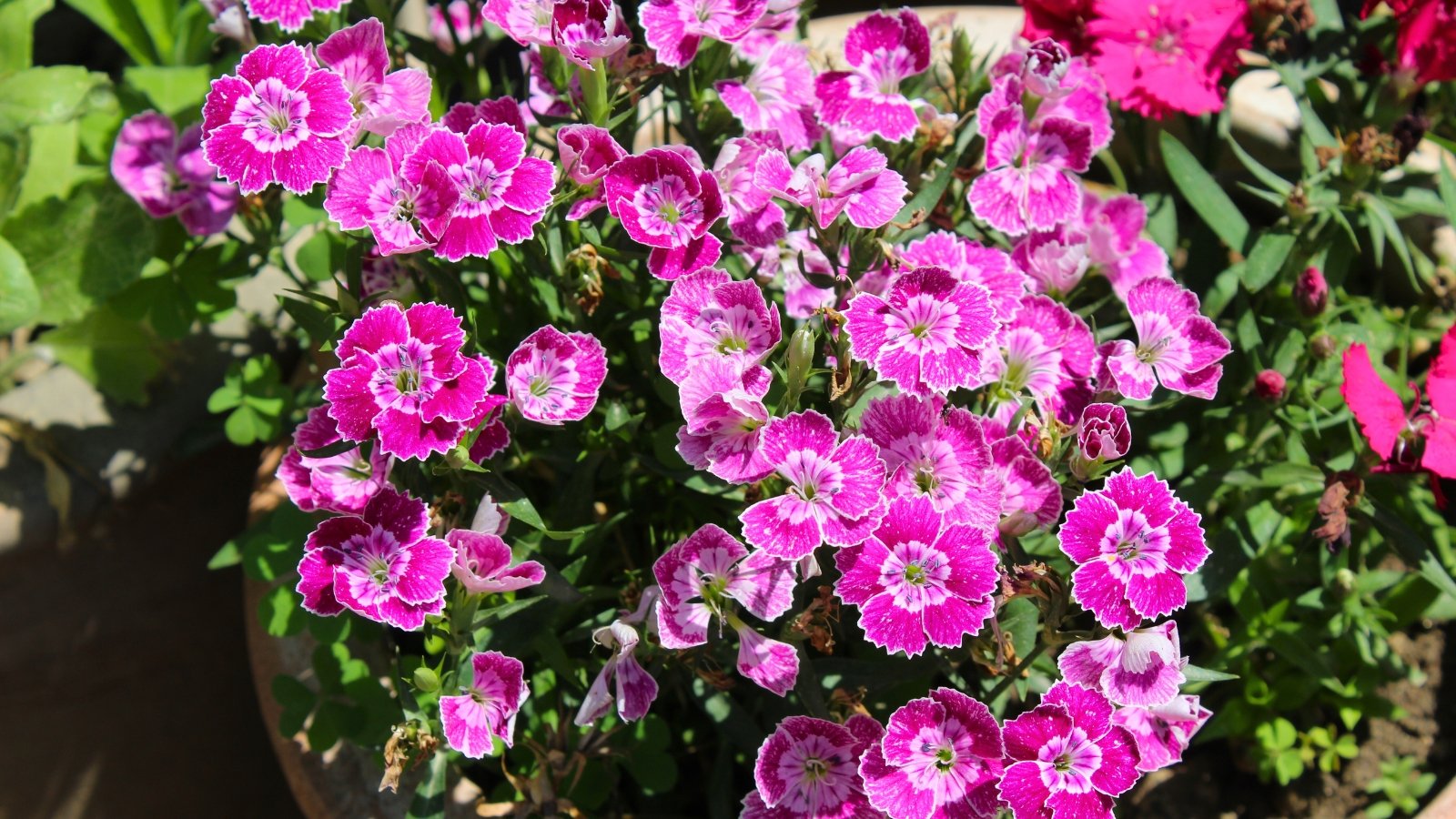
Dianthus has a bit of an old-fashioned reputation, but the newer varieties have more range than you might expect. The flowers come in deep reds, bright pinks, white, and bicolors, often with a fringed or ruffled edge that catches your eye up close.
This is a plant that does well in cool to mild temperatures and handles light frost without trouble. Give it full sun and soil that drains well. Dianthus tends to be a reliable performer in containers, border edges, and rock gardens, blooming steadily through spring and into early summer. It doesn’t ask for much beyond occasional deadheading and a light feed.
Ranunculus

If you’re after something that looks more high-end than a typical spring bedding plant, ranunculus is probably your best option. The layered, papery petals give each flower the look of a miniature peony, and they come in a wonderful range of warm tones.
Ranunculus prefers cool weather and should go into the ground while nighttime temperatures are still reliably below about 60°F (15°C). They need full sun and well-drained soil. The most common mistake is overwatering, which tends to rot the corms. Water at planting, then let the soil dry out a bit between waterings.
They’re not as widely available as pansies or snapdragons, so it’s worth calling ahead to check stock. But when you find them, they’re one of the most rewarding spring flowers you can grow.
Calendula
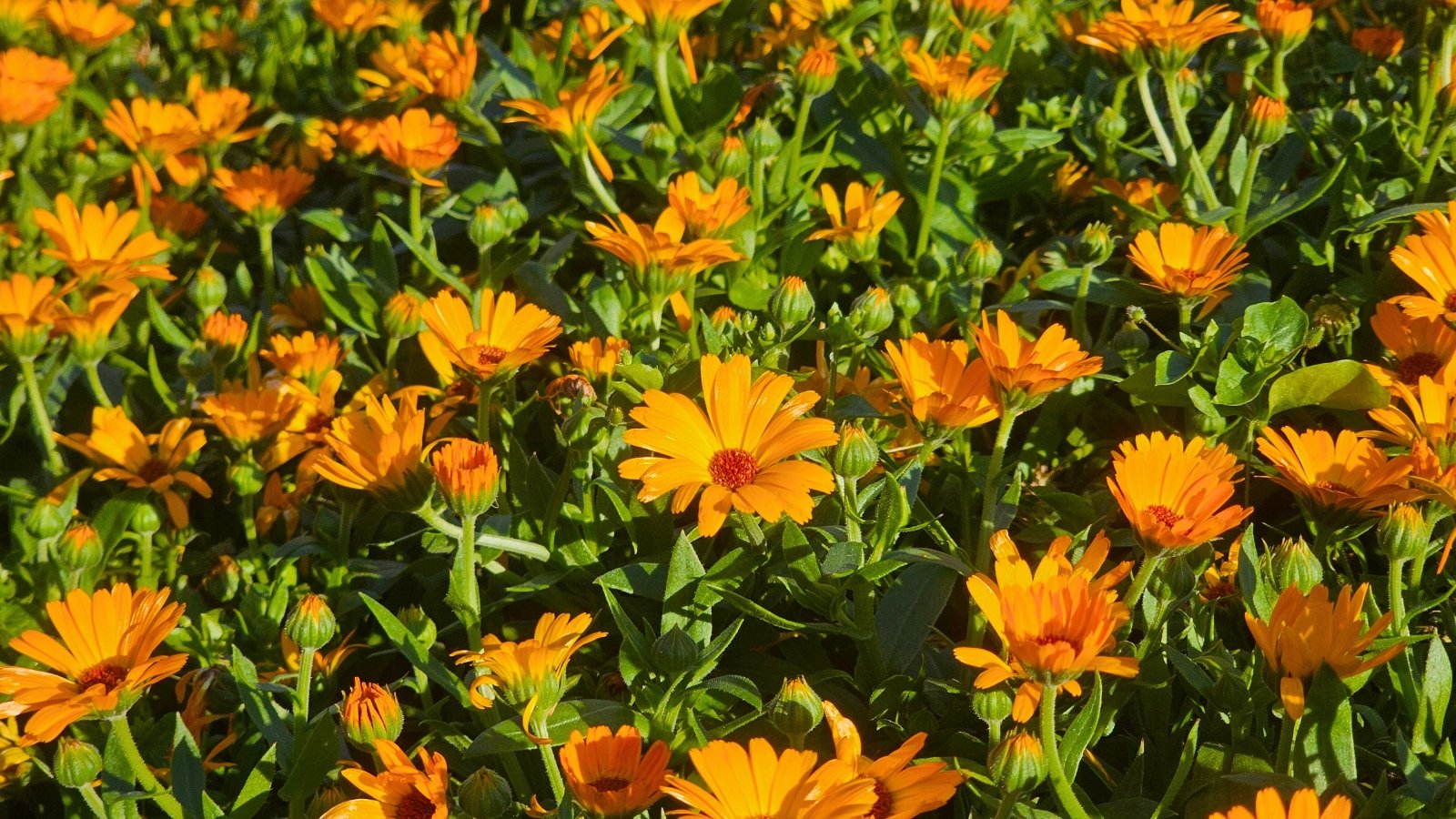
Calendula doesn’t always get the attention it deserves as a spring flower. Most people associate it with herb gardens or natural skincare, but it’s also a dependable source of warm orange and yellow color from early spring right through until the heat shuts it down.
It handles frost well and prefers the cool end of the growing season. You can direct sow seeds now if you’d rather skip the transplant route, as germination tends to be fast and reliable. Give it full sun and average soil. Calendula isn’t picky, but it does best when it’s not competing with aggressive neighbors for light.
The petals are edible, too. Toss them into a salad for a pop of color.


