

First Frost vs. Hard Freeze: What They Mean for Your Garden
Winter is quickly approaching, and caring for your plants means knowing when to expect certain conditions. Join gardening expert Melissa Strauss to discuss the difference between your first frost date and first hard freeze.

Contents
If you live north of zone 10, the words frost and freeze come into play often in the fall. This is the time of year we plant for the winter and carry out the tasks that will take our garden through the colder months. The question is, what do these terms mean for your plants, and how do they differ?
Many plants that we grow in our gardens are frost-tender. This means that they won’t tolerate a certain degree of cold weather. We most commonly associate this with annuals and summer vegetables. Sometimes it’s important for our potted plants as well.
While the words frost and freeze may seem as though they should be interchangeable, they are not. When it comes to the gardening world, these two are distinct, and the distinction can be quite vital. It can mean the difference between life and death for some plants.


First Frost vs. Hard Freeze
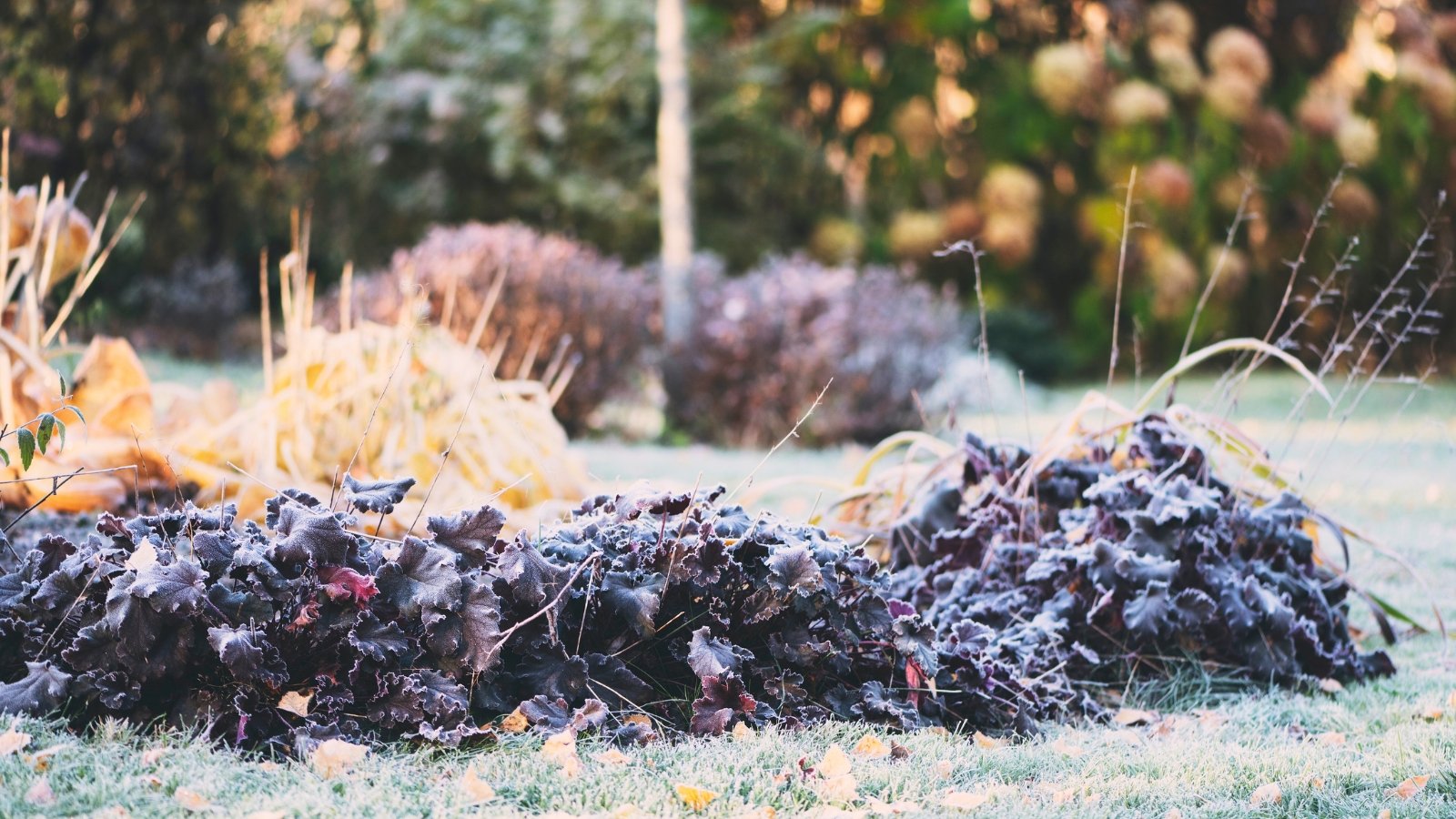
While first frost and hard freeze both refer to cold weather, they differ in nature. Your first frost will happen earlier in the season, and simply means that the air temperature falls below 32° F (0°C). This is when water droplets, including dew, freeze. This affects primarily the top growth of tender plants.
A hard freeze comes later in the season, and tends to be longer-lasting and more severe. It happens when the temperature drops below 28°F (-2°C) for an extended time, hours or more. It causes the ground to freeze, which has different implications for your garden.
Understanding Winter Weather
First frost and hard freeze both refer to something that occurs when the temperature drops below a specific temperature. Where they differ is the exact temperature when they occur and the duration of the drop. The two events have significantly different effects in the garden, so we prepare for them accordingly.
First Frost

When it comes to fall gardening, we talk a lot about the first anticipated frost date and the first frost in general. The two are essentially the same, but one is a projection, while the other is the occurrence.
The first anticipated frost date is the average date on which the first frost happens in a specific region. Here in North Florida, it usually happens around the last week of November. The farther north you live, the earlier you’ll find your anticipated first frost date falls.
The actual first frost is the event that occurs, and it doesn’t always align with the anticipated time frame. However, it typically falls relatively close to it. A frost happens when the air temperature dips below 32°F (0°C), and the moisture in the air condenses into ice crystals.
The first frost date marks the end of the growing season for many of our favorite seasonal plants. This is when we say goodbye to things like zinnias, basil, and frost-tender vegetables. Being able to anticipate this date is useful for a few reasons.
First, knowing when to anticipate that first frost is helpful in harvesting your warm-weather crops. If you leave your tomatoes on the vine and it happens, you’re likely to miss out on some prime fruits. It’s best to schedule your harvest at least a week ahead of that anticipated range.
Second, it helps with scheduling your cool-season crops. Many of the crops we plant in the fall benefit from cooler soil. Many vegetables like brassicas, carrots, and lettuce are frost-tolerant. But they need time to mature before the first frost arrives. You can use this date to dictate your fall planting schedule.
Finally, it lets you know when you’ll need to bring in your potted plants that are not cold-hardy. For some of these, covering them with frost cloth is sufficient. Here in zone 9, we don’t always experience a hard freeze. So, as long as we protect the tops of potted plants, they tend to survive outdoors.
How to Prepare for Your First Frost

Preparing for this first frost is one of the most important tasks of the gardening year. It can make or break many of your favorite plants and determine their longevity. When it gets close to that first anticipated frost date range, pay close attention to the weather forecast.
The day or several days ahead of an expected frost, you can prepare by bringing potted plants indoors. Some will be fine under cover at this point, while most tropicals need to come in. Water everything deeply, both potted plants and those in the ground. Moist soil buffers against cold and holds heat better.
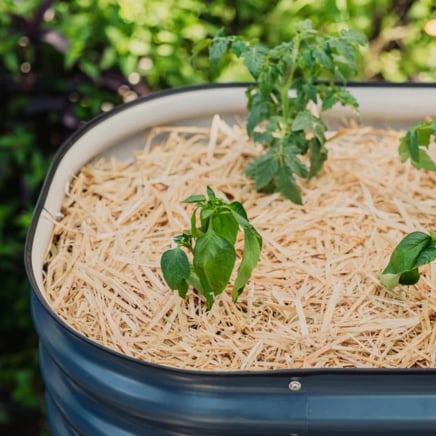
For outdoor tender plants that you aren’t ready to part with, cover them with frost cloth. Make sure to give them a layer of mulch before the temperature drops. This will insulate the roots, which makes the plant more resilient. Remove the covers in the morning so that the sun can warm them back up. Pay attention to plants in slightly lower elevations, which will be affected by frost before plants slightly higher up.
Hard Freeze

A hard freeze is the next step beyond a frost, so it has farther-reaching effects. This is when temperatures fall well below freezing and remain that way for an extended period. A frost can often last a mere hour or two. A freeze lasts long enough for the soil to freeze.
At this point, tender growth will die back completely. Protection typically won’t save it. Ice forms inside the plant tissues and can even damage some frost-tolerant plants. Where a frost may only nip the leaves, a freeze will end the foliage entirely.
How to Prepare for a Hard Freeze

By this time, you’ve probably done most of the preparation you can. Make sure you cover the ground around your plants with mulch before the ground freezes. Mulch helps to lock some heat and moisture into the soil, and it buffers the fluctuations. Essentially, it eases the blow of freezing and regulates the temperature of the soil.
Any tender container plants that are still outdoors will need to come in. Covering them will not suffice in a hard freeze. The internal plant tissues will freeze, and it will kill the foliage and potentially damage the roots.
Another task to complete before a hard freeze is digging up tender bulbs and tubers. Some of these may survive in warmer climates, but it tends to be a toss-up, even here in zone 9. Plants like dahlias, elephant ears, caladiums, and other tropical and sub-tropical tuberous roots need to come out of the ground. Dig them up, clean them, and store them for the remainder of the winter.
For trees and shrubs, water deeply the day before a hard freeze. This will keep the soil warmer to a certain point, but it also hydrates the plant. A hydrated tree is more resilient against the cold than a dehydrated one.
For small shrubs that are on the border of being cold-hardy, use frost cloth or old sheets to cover them. Make sure they touch the ground all the way around to hold in the heat. You can also wrap the trunks of trees with thin bark to help prevent splitting.
Aftercare
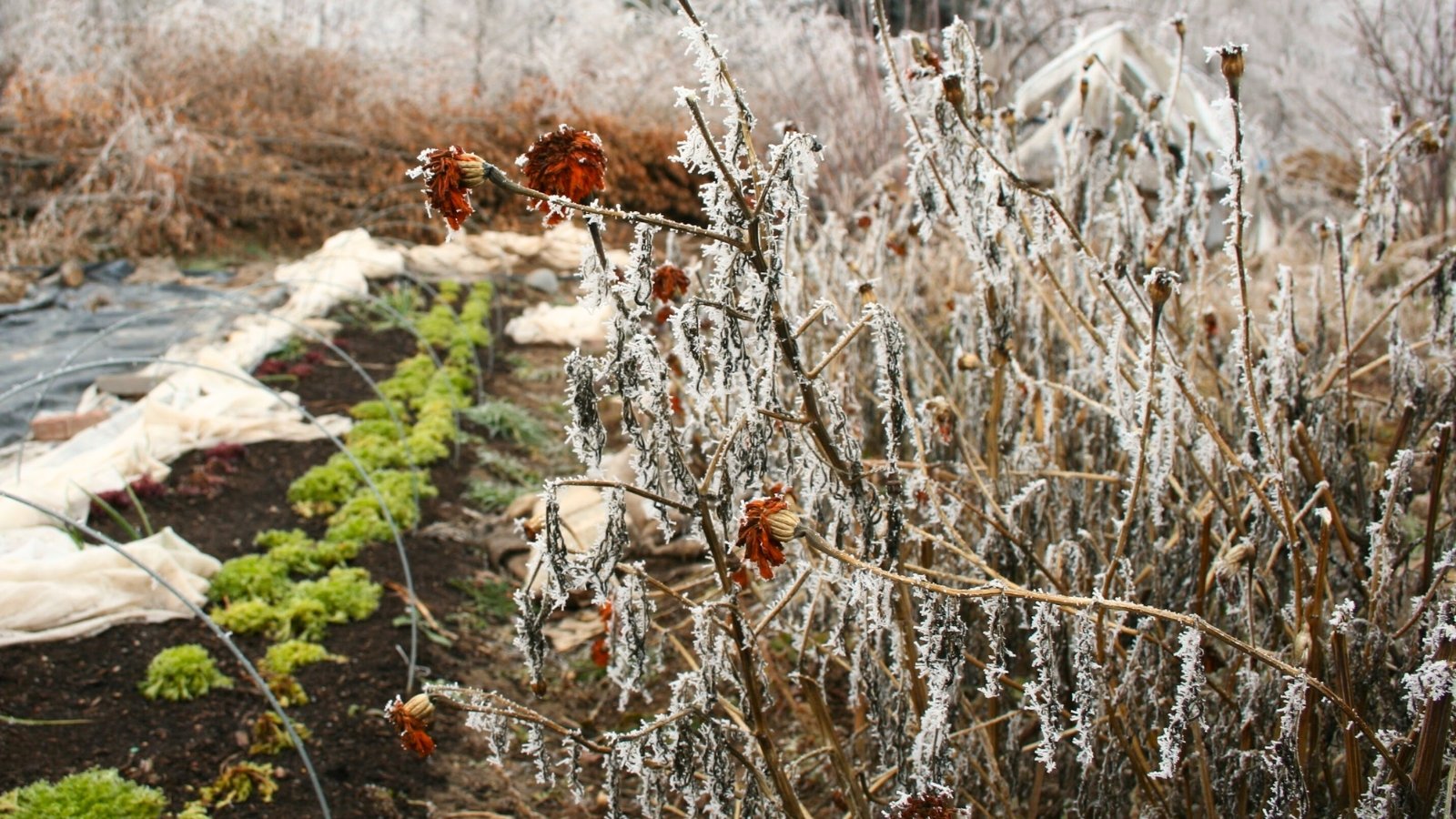
For both types of weather, how you care for plants afterward is as important as the preparation. The key is to leave things alone as much as possible. Your garden may look a bit sad and wilted after a frost or freeze. However, many plants recover completely once the weather stabilizes.
Resist the urge to cut back any dead foliage for the time being. This foliage protects the rest of the plant, including the crown and roots, which are vital to survival. Wait until spring, when the chance of frost has passed, to do any major pruning.
Once the ground thaws, it’s a good idea to water everything thoroughly. A freeze can cause dehydration. Once the daytime temperature reaches 40°F (4°C), it’s ok to water again. Don’t water while the ground is still frozen, as it can damage the roots.
It’s fine to clean up collapsed and cold-damaged plants, as these won’t recover. They can attract pests and harbor fungal diseases that will harm other plants. Otherwise, leave your plants alone and wait for new growth to appear before you assess and clean up the damage.


