

A Comprehensive Guide to Extending the Gardening Season
The arrival of cold weather makes many people think that it’s time to throw in the towel on the garden, but this isn’t always true. Farmer Briana Yablonski shares information and practices that can help you extend the gardening season past your first frost.

Contents
As a vegetable farmer, people often ask me what I do in the late fall and winter. And while these cold periods are certainly slower than the busy days of spring and summer, they are still filled with lots of plants!
Growing after your first frost arrives can be challenging, but it’s not impossible. With the correct information and tools, you can ensure a garden season extension well into the fall.
The first step is to learn more about your plants and ways to keep them cozy during cooler weather. I’ll share which plants are best suited to cooler weather, how to use the weather forecast to guide your garden care, and tools you can use to protect your plants.
Know Each Plant’s Cold Tolerance
For a successful garden season extension, it’s essential to know which plants can tolerate below-freezing temperatures. Planting cold-tolerant crops in your garden makes fall growing easy, and knowing which crops will be killed by frost allows you to skip the unnecessary work of trying to save them.
Frost Tolerance vs. Hardiness
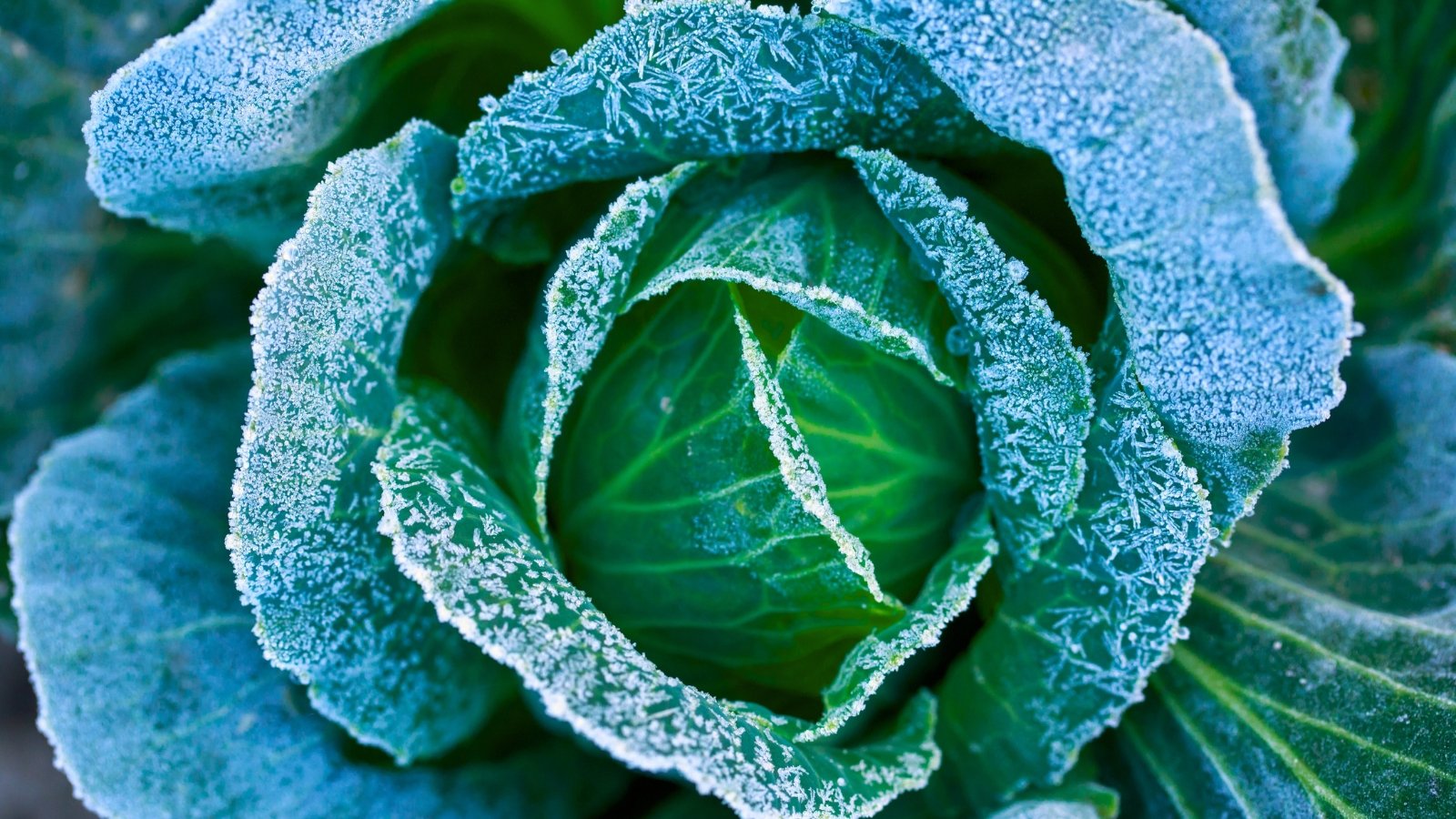
When you’re aiming for a garden season extension, it’s essential to understand the distinction between frost tolerance and general hardiness.
Frost tolerance refers to a plant’s ability to survive below-freezing temperatures. Some crops, such as kale and cabbage, can survive a frost and continue growing, while tender crops like basil and tomatoes will be killed by frost. The blooms of perennials like echinacea and flowering sedum will die back with a frost, but the plants will survive and return the following year.
Hardiness explains a plant’s ability to grow in a particular area. The USDA hardiness zones are based on the average minimum winter temperature, so they don’t necessarily tell us anything about the length of the growing season or summer temperatures. They’re helpful for determining whether perennials will survive the winter, but they aren’t super useful when it comes to figuring out when annuals will die in the fall.
The moral of the story? Consider the frost tolerance and plant hardiness of each garden crop to help determine which plants are best suited for garden season extension.
Cold-Hardy Crops for Extending the Gardening Season
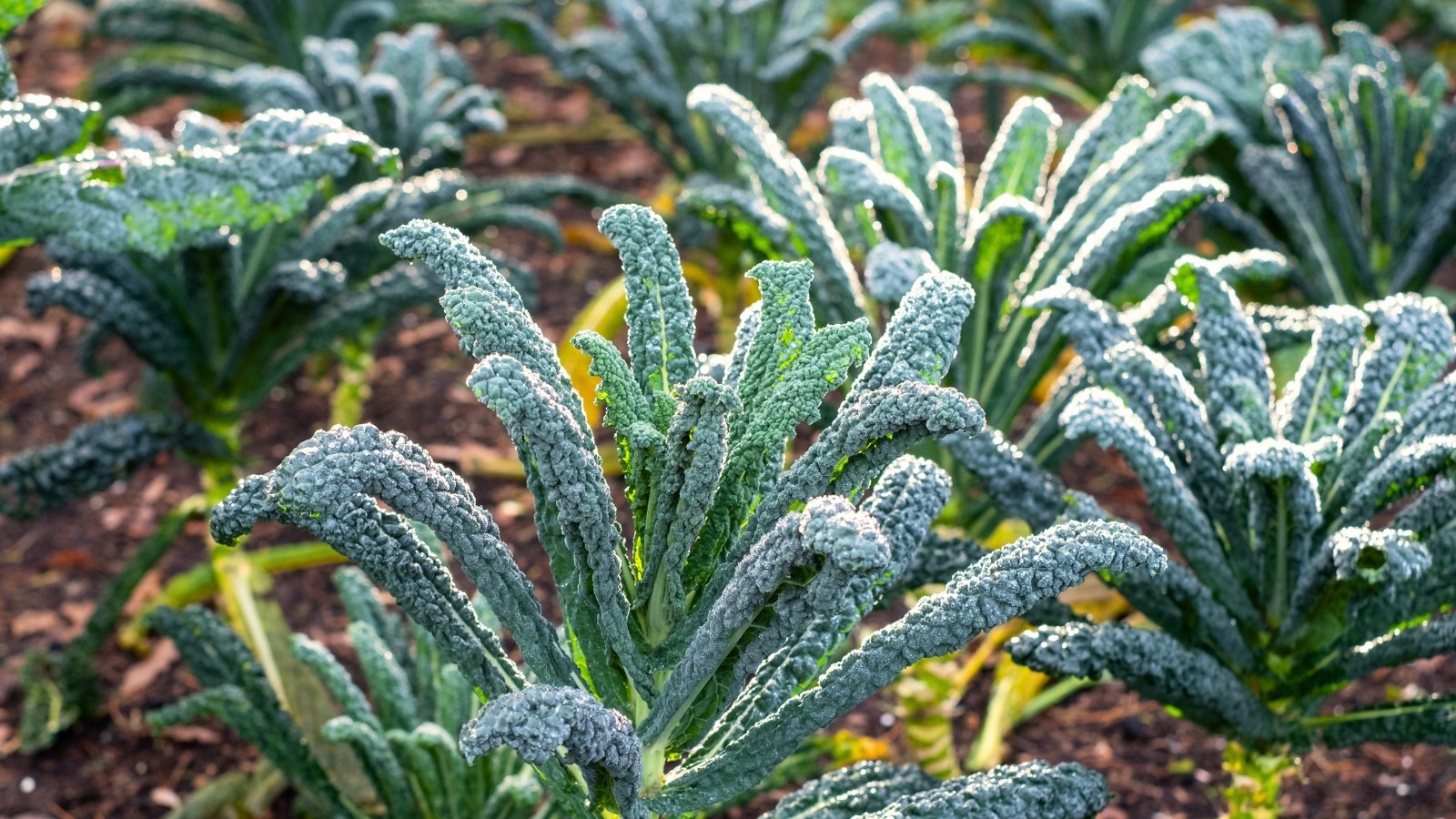
If you want to enjoy healthy crops after your first frost arrives, selecting the right plants is crucial.
Vegetable gardeners can choose from a variety of greens and roots that can tolerate below-freezing temperatures. Here are a few cold-hardy vegetables you can plant in September and October and enjoy into the early winter:
- Kale
- Collard greens
- Boy choy
- Carrots
- Spinach
- Scallions
- Lettuce
- Parsnips
- Mache
Most flowering plants will die back after the first hard frost, but you can find ornamental plants that will beautify the landscape after freezing temperatures arrive. These plants produce berries, flaking bark, and other features that provide intrigue and beauty to the winter garden and containers:
- Winterberry
- Ornamental kale
- Beautyberry
- Camellia
- Pansies
- Red twig dogwood
- Rosemary
Track the Weather
Knowing when cold weather will arrive is a key part of any garden season extension. The first below-freezing day is one crucial date to keep in mind, but you should also consider how suddenly cold temperatures arrive and how microclimates impact your garden.
Know Your Predicted First Frost

The first frost will kill most tender crops, making this an important date to note. While it’s impossible to determine when your first fall frost will arrive, you can use past data to give you a good idea of when your plants will become covered with icy crystals.
Use your zip code to determine your average first fall frost. Remember that this date is an average, so the first frost may arrive a few weeks before or after this date. I like to start checking the weather forecast about two weeks before my predicted first frost date.
When the weather indicates that a frost is likely, you can start taking the necessary steps, such as bringing tender crops indoors or protecting outdoor plants with row cover.
Be Aware of Microclimates

Have you ever walked outside after a cold night to see part of your yard covered in frost and another section frost-free? This experience is a perfect example of microclimates in action.
Elevation, heat-trapping structures, vegetative windbreaks, and other factors create variations in temperature and humidity in small spaces, resulting in what is known as microclimates. That’s why the area next to a south-facing wall may remain a few degrees warmer than the open garden area twenty feet away.
Studying and utilizing the microclimates present in your garden can help you with your garden season extension. Areas near south-facing walls, beneath dense vegetation, or on south-facing slopes often remain warmer than the rest of your garden, so you can use these areas to help protect sensitive crops.
Allow Plants to Experience Cold
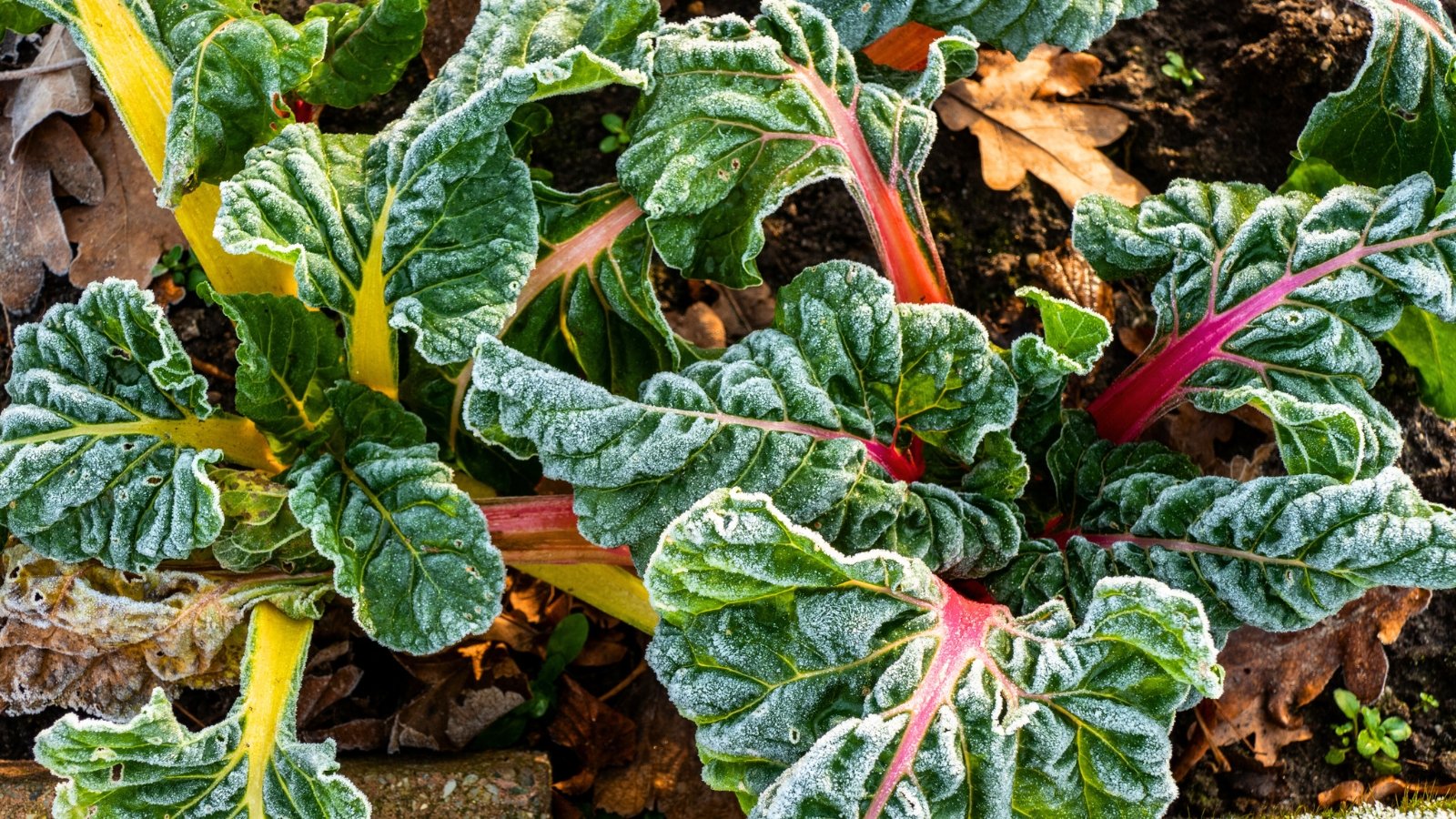
Some gardeners are keen to blanket their plants with row cover or other protective coverings as soon as temperatures dip below 40°F (4°C). While covering frost-sensitive crops like basil and peppers may help them survive a few more weeks, it is best to avoid protecting cold-tolerant plants like kale and cabbage early in the season.
Allowing frost-tolerant crops to experience temperatures in the upper 30s (around 2-3°C) will help them establish cold tolerance. I like to leave my fall greens and roots unprotected during the first few frosts, then begin covering them when the weather forecast predicts temperatures will drop below 28°F (-2°C).
Implement Cold Protection
Once you have cold-tolerant crops in the ground and know when temperatures will dip into dangerous levels, you can focus on protecting your crops. Some cold-tolerant plants can survive temperatures as low as 20°F (-7°C) without protection, but most vegetables and herbs will benefit from a protective layer when air temperatures drop below 28°F (-2°C).
Numerous tools are available to protect your plants for a garden season extension. Read through the options, then determine which one works best for your context.
Row Cover
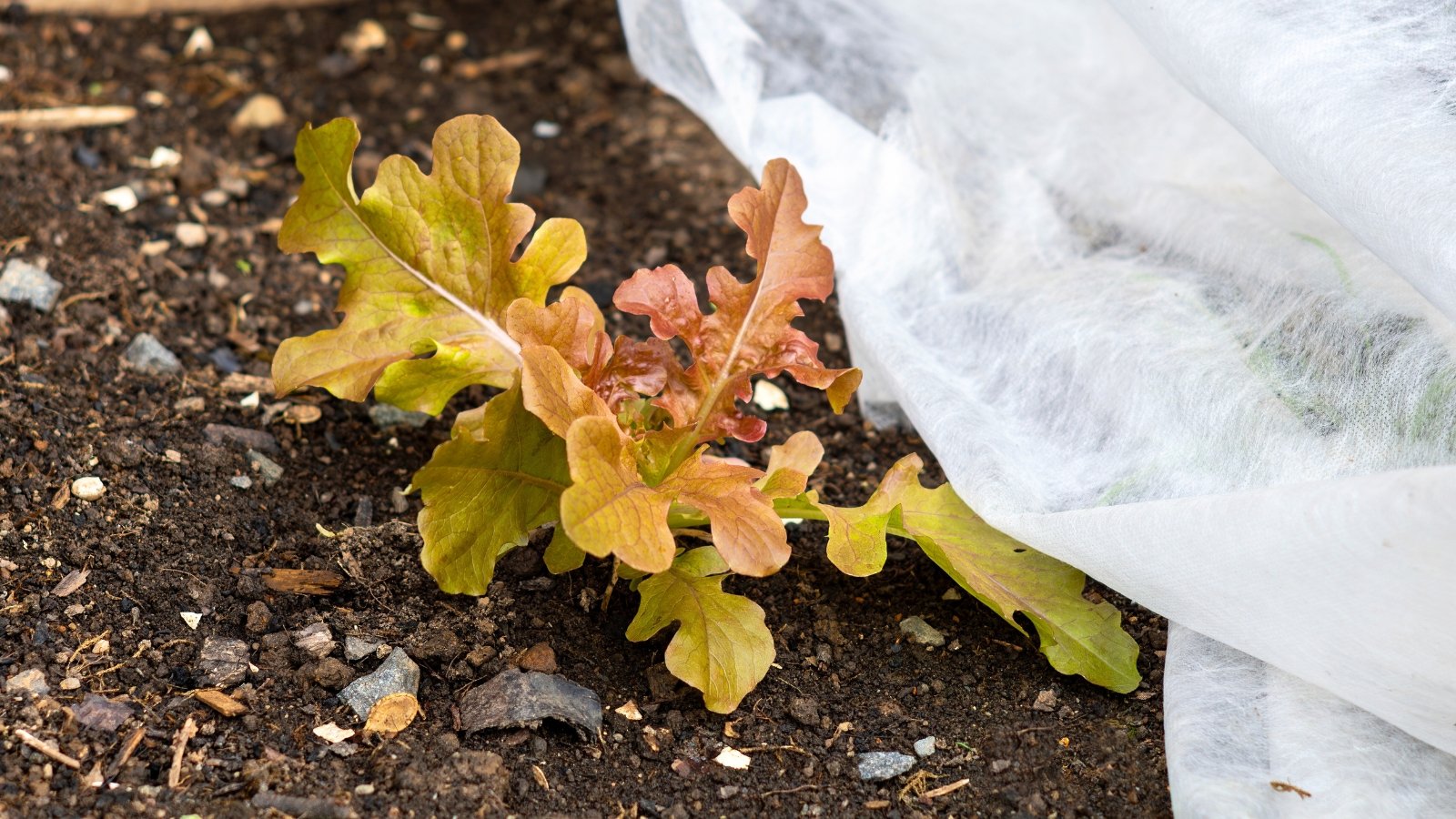
Floating row covers are pieces of fabric that allow light and water to pass through while trapping heat and excluding pests. Layering a row cover over your plants is an easy way to provide extra protection from cold air.
Row covers are available in various weights, each offering different levels of cold protection. Lightweight covers (0.45 oz/square yard to 0.55 oz/square yard) provide the least cold protection, but they let in the most light. These covers are best suited for insect protection, but they will provide frost protection when temperatures dip just below freezing.
Heavier row covers (0.9 oz/square yard to 2 oz/square yard) provide greater frost protection but let in less light. These covers are great for protecting your plants from harsh temperatures, but you should remove them when temperatures rise above freezing to let in light and allow for airflow.
Regardless of the type of row cover you choose, proper application is crucial for effective cold protection. You can lay the covers directly on the crops, but you risk the covers freezing to the plants. A better option is to install metal or PVC hoops over your plants, then drape the covers over these supports.
After the row covers are over your plants, thoroughly secure all sides with weights. Sandbags, rocks, and cement blocks can all work well, but be careful with sharp edges that can quickly tear the fragile covers.
Place the covers over your plants in the late afternoon so they can trap heat before nightfall. Remove the covers the following day once temperatures rise above freezing. You can leave your covers on the plants during cold periods, but aim to vent them at least a few times a week to encourage airflow and prevent disease.
Low Tunnels

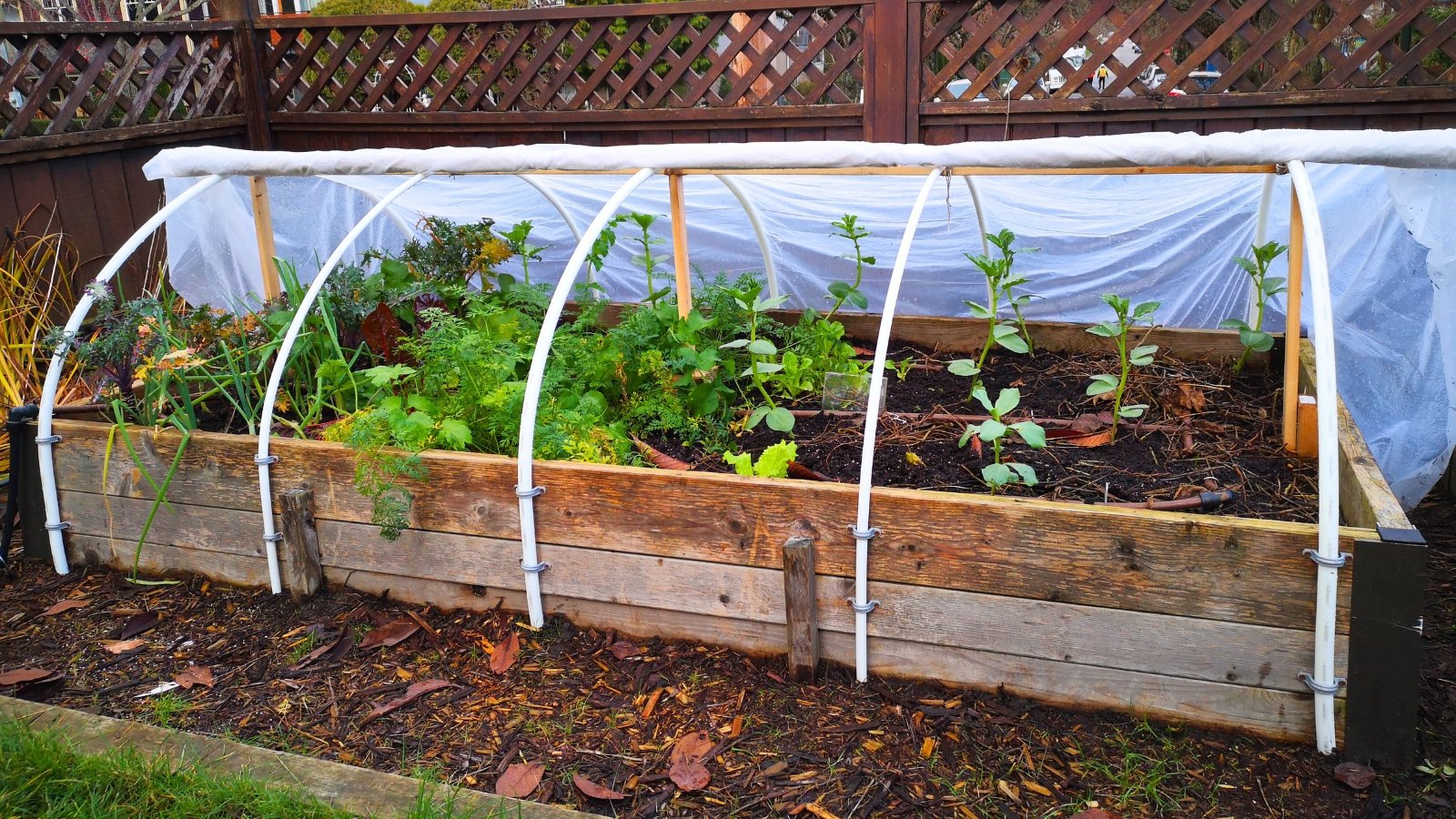
If you want to protect your crops but don’t have the money or space for a high tunnel, a low tunnel is a great option. These tunnels are made from small PVC or wire hoops that extend over sections of your garden or raised beds.
Once the hoops are set up, you can drape protective coverings over them. Row covers are one option, but greenhouse plastic allows in more light and traps heat. You can use pipe clamps to attach the material to the hoops or secure it to the ground with weights.
High Tunnels
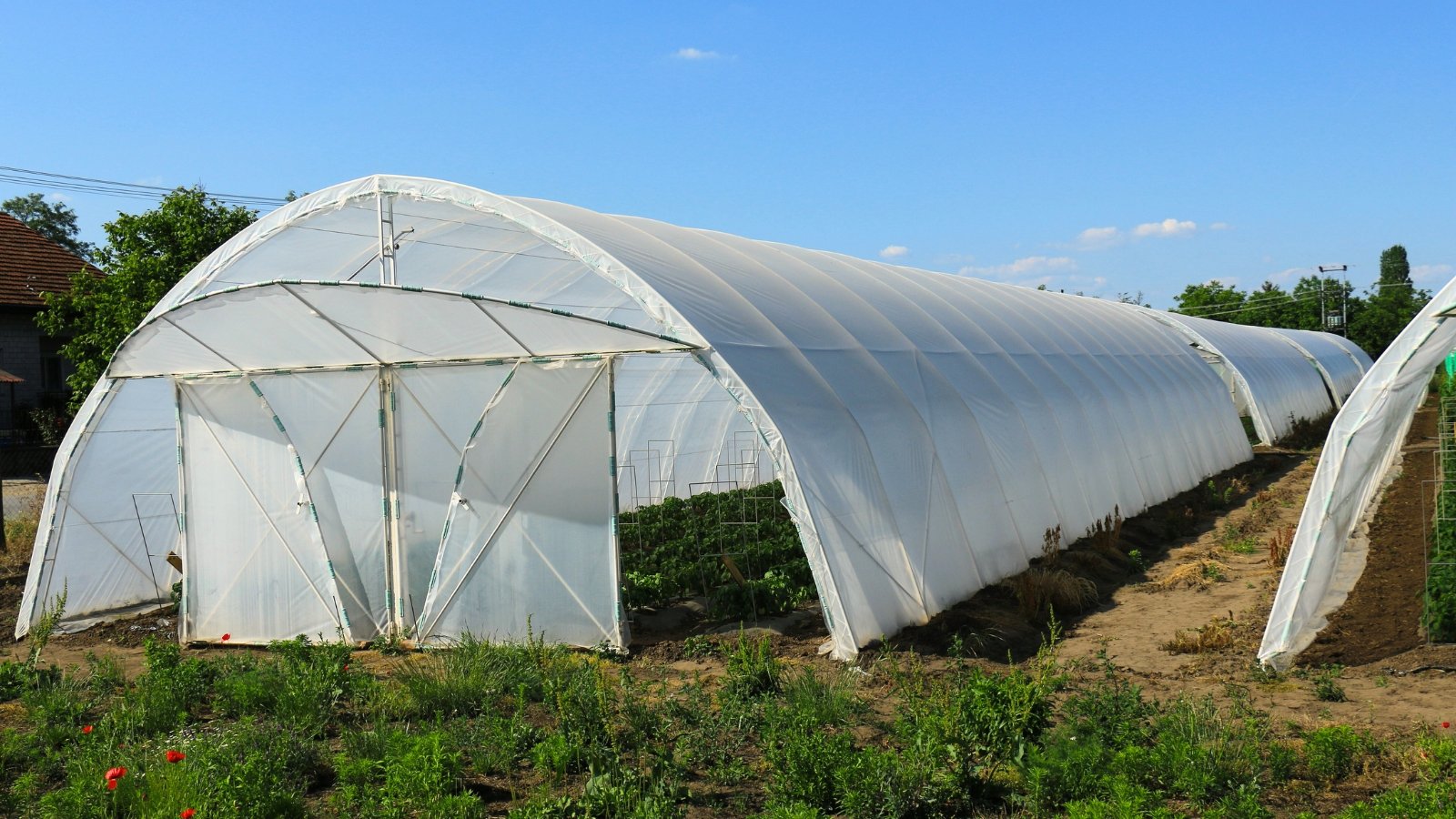
High tunnels are essentially larger low tunnels. They are made from hoops and plastic, but they’re tall enough that you can comfortably walk through them standing up. They’re larger size also allows for improved airflow and decreased disease pressure, although fungal and bacterial pathogens can still be a challenge in winter high tunnels.
You can find high tunnels of various sizes and shapes, ranging from 8’x12’ all the way to 50’x100’. If you’re serious about winter growing, a high tunnel is a worthwhile investment.
Cold Frames

If you’re looking for a small, permanent option for garden season extension, consider cold frames. These structures typically consist of solid sides and a clear, hinged top that’s easy to open. Closing the top helps trap heat, and venting it allows heat to escape and promotes airflow.
You can build your own cold frame or purchase a prebuilt structure. Placing the frame against a south-facing wall utilizes this warm microclimate, allowing the plants to remain extra cozy.
Consider Moving Crops Indoors
If you’re growing crops that are susceptible to cold, you don’t have to say goodbye when the first frost arrives. Moving the plants indoors helps save them from freezing temperatures, and growing plants indoors year-round helps you flex your green thumb even when it’s dark and cold outdoors.
Overwintering Outdoor Plants
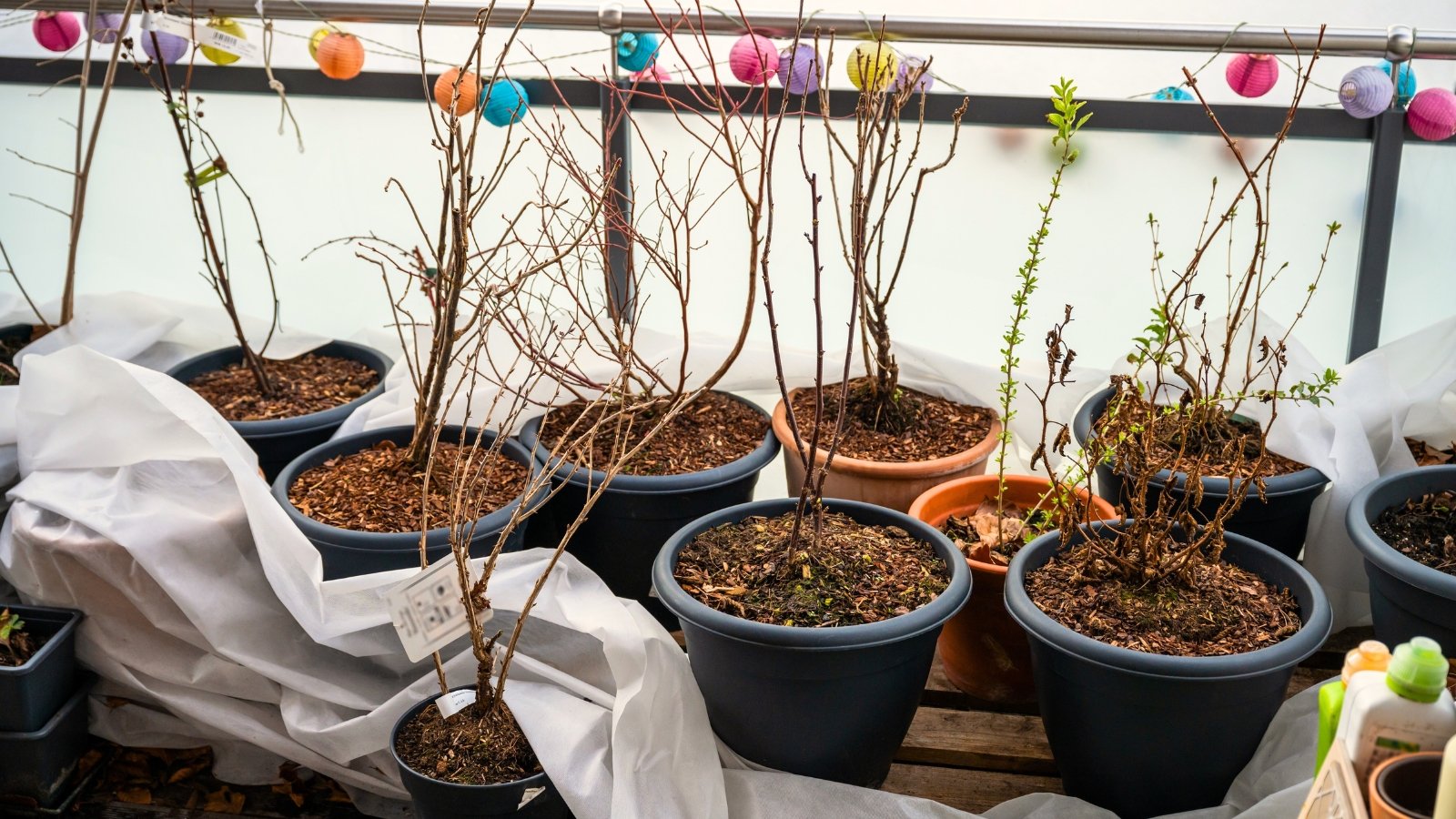
Moving tender perennials indoors during the winter helps protect them from the cold and allows them to survive until the following spring. Don’t expect the plants to grow much over the winter; the decreased light levels lead to a naturally slowed growth rate. However, once the long days of spring return, they’ll start producing new leaves and buds.
If your plants are in pots, it’s easy to move them indoors. In-ground plants are more challenging, but digging them up and placing them in a pot prepares them for life indoors.
Rather than moving your plants from the frigid outdoors to a warm and cozy home, ease the transition as much as possible. Aim to move the plants indoors when nights are still above 45°F (7°C), and place them on a cool porch or in a basement rather than a warm living room. Your goal is to help the plants survive the winter so they can rebound the following spring.
Grow Indoor Plants
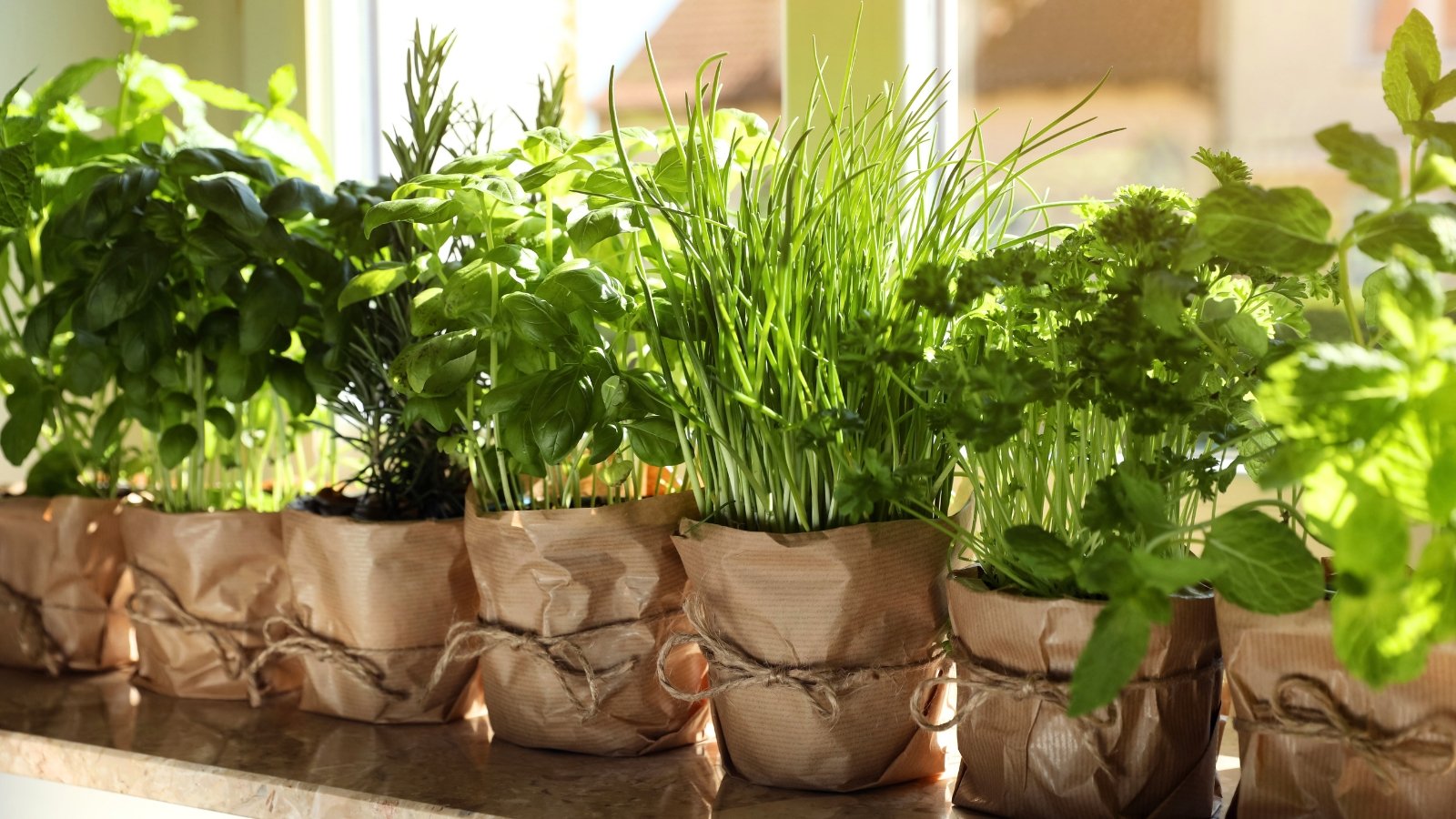
If you want to enjoy actively growing plants in the winter, it’s best to keep your plants indoors year-round, or at least bring them indoors before the temperatures dip below 50°F (10°C). Not all plants are well-suited for growing indoors, so choose crops that thrive in this environment.
Indoor herbs make a great addition to a kitchen windowsill, allowing you to enjoy fresh flavor throughout the winter. If you don’t have a bright window, adding a grow light will provide the herbs with the necessary light to grow.
Tropical houseplants, such as pothos and philodendrons, brighten up the home and thrive in indirect sunlight. If you want to grow a plant that adds beauty and produces an edible treat, look at potted fruits like lemons, limes, and kumquats.


