Reduce Next Season’s Pest and Disease Issues with These Garden Cleanup Practices
Don’t let pests and diseases fester over the winter. Use expert cleanup practices to rid them from the garden so they stay away this season and the next. Join seasoned grower Jerad Bryant in tackling the essential fall garden cleanup chores.

Contents
Pests aren’t the only critters overwintering in your garden. Beneficial predators, pollinators, and at-risk insects use wild spaces to stay cozy through the cold months. Cleaning the garden in the fall relies on a gentle balance between preventing pests and protecting beneficial wildlife.
Use destructive garden cleanup practices, and you may inflict lasting damage to the garden and its soil. It’s better to employ precise techniques that target pests and diseases while leaving the rest of the area to flourish.
Fear not if your plants have signs of pests and diseases—there are easy ways to recycle crop debris, and anyone with some garden space can do them. Gather your tools, put on some gloves, and get ready to eliminate next season’s pest and disease issues with these garden cleanup practices.
Soil Builder Peas and Oats Cover Crop

Soil Builder Peas and Oats Cover Crop Seeds


Clean Up Infected Debris

The first of the garden cleanup practices is setting aside infected debris, isolating it from the rest of your healthy crop waste. How to process the debris depends on whether it’s infected or not.
If you have non-infected debris, use cold composting to recycle it. Or, set it on the soil as mulch using the chop-and-drop technique.
Make Hot Compost

Stems and leaves with fungi or bacteria on them will need additional processing to ensure the diseases don’t overwinter. Heating them is one way to kill the pathogens. Using hot compost, you can repurpose diseased debris into a nutritious soil amendment for next spring.
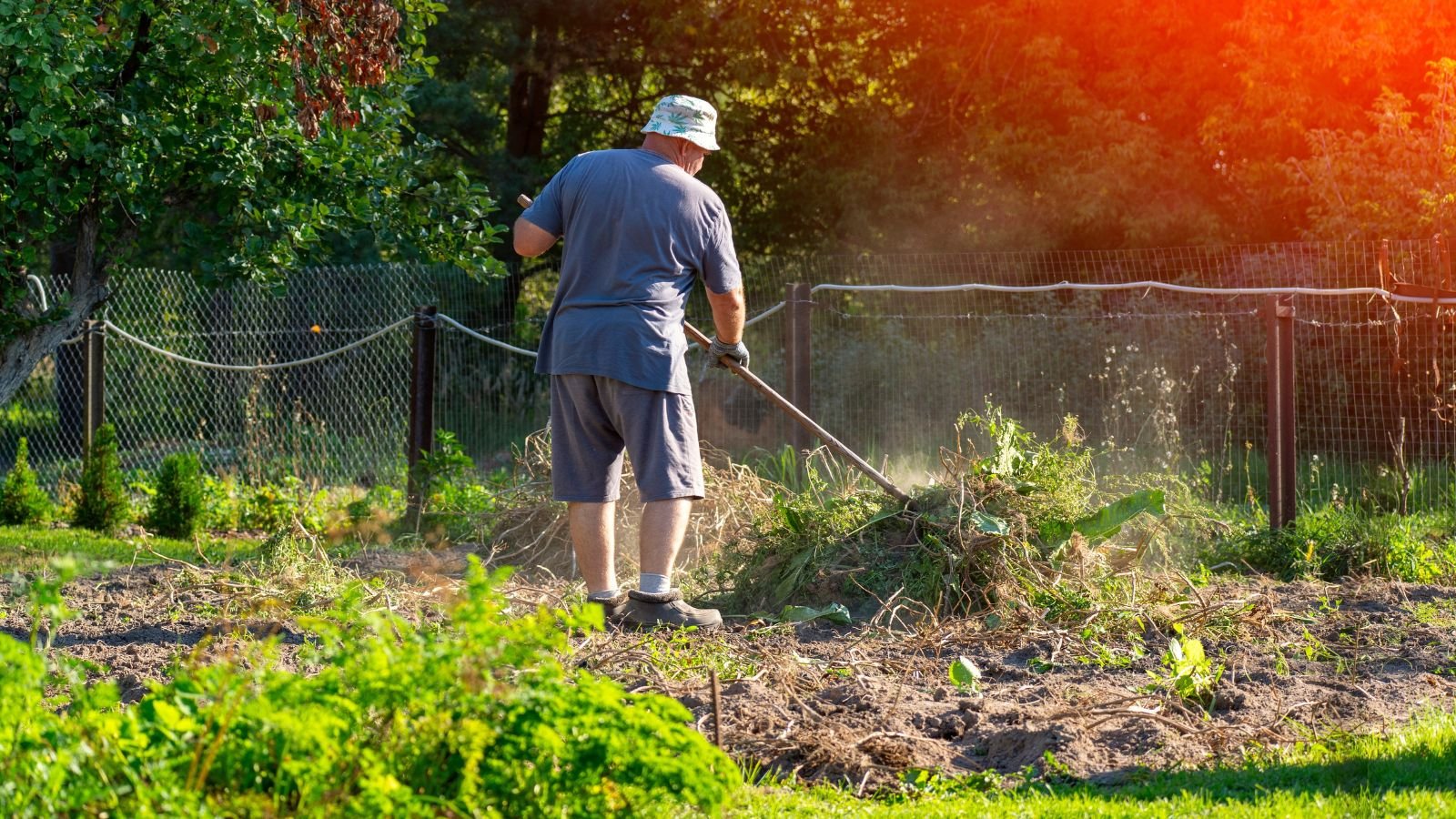
Hot compost reaches high temperatures, killing pests, diseases, and weed seeds. You can make it with a simple pile, alternating greens and browns to create a stack three feet tall and wide. Turn the pile daily and keep it 50% moist, like a wrung-out sponge.
With daily turning and regular maintenance, hot compost turns into disease-free soil. Without upkeep, it turns into cold compost. It won’t reduce the disease issues, and the pathogens may spread if you use the cold compost in the garden.
Use a soil thermometer when hot composting to ensure the pile reaches 140°F (60°C). Otherwise, the disease issues will remain in the pile.
Bury Diseased Plants

Instead of composting, you may use burying to conceal the pest and disease issues. Most aboveground pests die when faced with a foot’s worth of dirt on top of them. It’ll take some time for them to disappear, but they will eventually succumb without their host plants.
Bury the diseased parts a foot below the ground, or bury them deeper if you can dig further. Do so far from the gardening site, away from any beds where healthy crops will grow next year. You’ll want to avoid planting susceptible plants for three to four years while the diseases dissipate.
Practice burying and crop rotation to reap the benefits of both techniques. Rotate crops every year, and bury the diseased parts in beds of plants that aren’t susceptible. Bury powdery mildew-infected squash vines, plant squash in a new bed, and plant corn in the old squash bed, for example.
Dispose of Debris
It’s best to keep organic resources contained within the yard in a closed-loop garden. A closed-loop implies that no organic matter leaves the area. It relies on composting, no tilling, and not throwing things away.
When you dispose of debris in the trash, you throw away organic matter. This matter is rich with nutrients, and it feeds microbes as it breaks down. The only way to get the nutrients back is to purchase fertilizer or soil amendments from garden centers and nurseries.
Use burying, crop rotation, and hot composting to repurpose diseased debris. If you can’t use these garden cleanup practices, consult local resources to see if your city has a composting program. Throw it away in the trash as a last resort.
Pull Weeds
Cleaning up waste isn’t the only way to reduce pest and disease issues. It’s also helpful to maintain a tidy site with regular maintenance. The more time you spend in your garden, the more things you’ll notice in it. One of those things you’ll see is weeds!
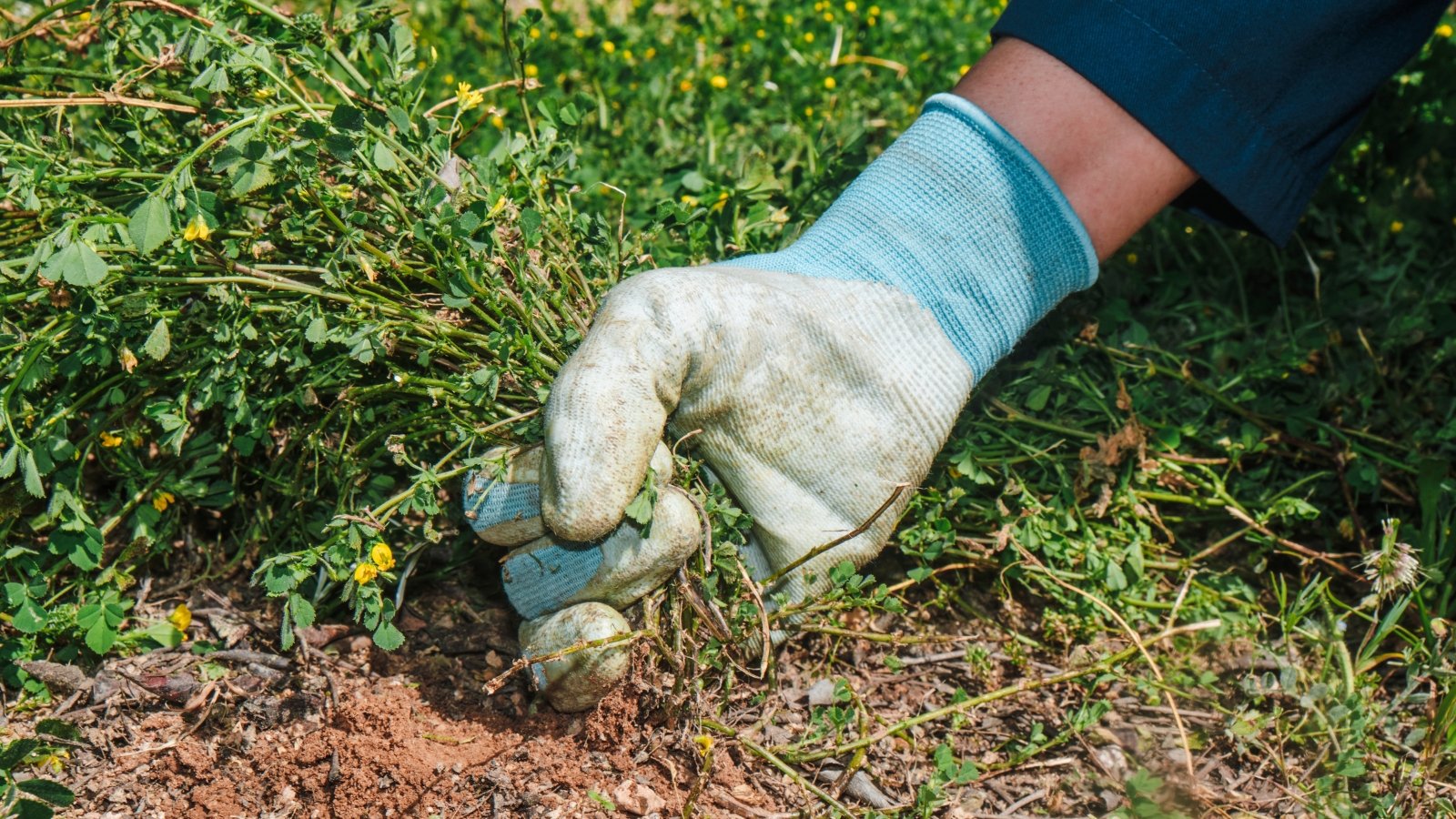
Weeds sprout quickly under the cool of fall and spring, and those seasons are good times to remove them. The ground is soft and moist, and young roots pull easily out of the soil. Wear gloves, and use your hands to remove young weeds from your flower and vegetable beds. Or, use a tool like the CobraHead weeder.
Weeds act as vectors for diseases and habitats for pests. They may spread mildews, fungi, and bacteria to your healthy plants. Don’t take any risks, and protect your tender plants by pulling any weeds you see in your yard this season. The more you pull now during garden cleanup practices, the less you’ll have to deal with in the future!
Mulch with Compost

Compost isn’t just a means for recycling organic matter. It’s also an incredibly beneficial soil amendment for exposed areas. It insulates the ground, protecting plant roots and preserving moisture by preventing evaporation.
It also inoculates the area with beneficial organisms. These good microbes battle with the bad ones underground. With repeat additions of compost, you’ll cultivate an active soil food web full of protective microbes.
For best results, add compost in layers two to three inches thick. Cover the soil, and leave some space between plant stems and the compost. Water the site well, and keep it moist to help the compost break down into the soil.
Prune the 3 D’s

Pruning is another way to remove infected plant tissue from the garden as part of your garden cleanup practices. Woody perennials, like trees and shrubs, often have galls, broken stems, or dead branches. A quick pruning session removes the old wood so that new wood can replace it.
The 3 D’s stand for dead, damaged, and diseased wood. These three categories are grounds for removal, and you may prune them off during any season.
Use sharp, sterile pruners, and wear gloves during the process. Sharp pruners cut small branches, while loppers and handsaws work well for larger ones. Avoid cutting thick limbs with small pruners, as you may hack the area trying to do so. Use loppers or a handsaw instead.
Plant Cover Crops

What do plants have to do with pests? Well, the more plants you have, the healthier your soil will be. Planting cover crops is a great way to insulate, protect, and feed the ground during the seasons you’re not growing crops.
In the fall, for example, sow fava bean seeds. These will sprout and remain in place through the cold months, and their roots will anchor the dirt in place. Other cover crops include rye, oats, peas, vetch, and other frost-resistant species. For a summer cover crop, choose heat-loving plants like cowpeas, millet, or sunflowers.
When you’re ready to plant crops, you’ll remove the cover crops and sow seeds in the soil. Some growers till the cover crops into the ground, while others bend them over and let them decay in place.
You may also remove the tops and compost them, then plant seeds in their place. Leave the underground roots to decay, as they’ll provide nutrients for the flowers and vegetables you’re cultivating.
Leave the Leaves

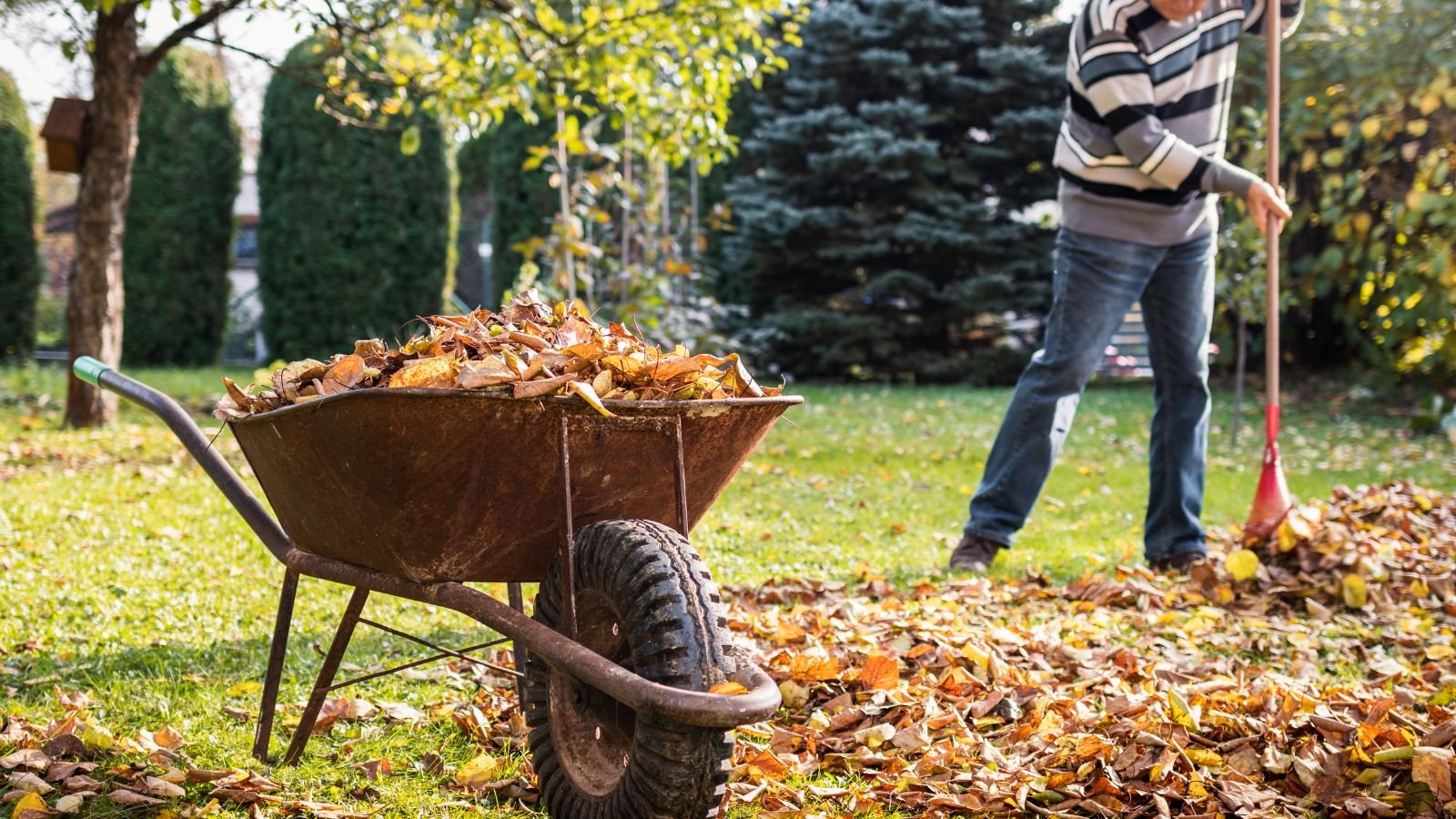
Leaf cleanup will kill the good bugs and the bad ones, upsetting the delicate balance in your garden’s ecosystem. Leave the leaves instead, and let them decay in place.
Obviously, you don’t want to smother your lawn or your perennials. Rake or blow the leaves off your plants, and let them sit on top of bare soil. Move them into layers two to three inches thick for the winter.
The leaf litter will house insects and worms for birds and garden snakes to eat. The more predators you invite, the more help you’ll have next season when pests arrive. Birds, snakes, and insect predators eat pests, and they rely on them for food.
Leaving the leaves also helps the plants in your yard stay strong. Fallen leaves contain carbon, which woody perennials need to grow their wood. The more leaves you leave, the more carbon your trees and shrubs will be able to access.
Test the Soil

Some pests, like aphids, thrive when there are nutritional imbalances in the garden. When there’s too much nitrogen, plants grow leaves in excess. These leaves act as habitats for pests like aphids and thrips, as well as diseases like powdery mildew.
Rather than blindly guessing how much fertilizer to add each season, it’s best to do a soil test every once in a while during garden cleanup practices. A soil test will tell you the pH, the nutrient levels, and the organic matter content of your garden’s soil.
After taking the test, use the results to inform your fertilizing regimen. Amend the soil, shift the pH, and add more compost to make the best garden soil you possibly can!
Sharpen and Sterilize Tools

As one season transitions to the next, it’s a good time to consider the state of your tools. Are they in good shape, or would they benefit from some care? Use extra downtime to sharpen and clean your tools for next season.
Pruners and loppers are easy to care for. Use a handheld sharpener to sharpen their blades, then use rubbing alcohol to sterilize them. Scrub them with a metal scrubber if there’s plant gunk and residue stuck to them.
Lawn mower blades, saws, and chainsaws require special sharpening. Take them to a sharpening shop or visit a home improvement store that specializes in tools for further care. You may take care of them at home. Note that they require special care, and it may be too difficult to treat them without the proper know-how or sharpening tools.
Key Takeaways
- Don’t clean up too drastically! You want to balance being tidy with protecting wildlife. Too much tidiness can harm the critters that live in your yard.
- Cleaning up diseased debris is the best way to reduce pest issues next season. Hot compost it, bury it, or dispose of it in a yard waste bin.
- Pull weeds, mulch the yard, and prune the 3 D’s as part of your garden cleanup practices.
- Prepare for next season by sharpening and sterilizing your tools and by testing the soil.