How to Plant, Grow, and Care for ‘Chocolate Sprinkles’ Tomatoes
‘Chocolate Sprinkles’ tomatoes sound adorable, and they look it, too. These delicious cherry tomatoes are a great addition to any vegetable garden. Gardening expert Madison Moulton shares why you should grow them.

Contents
Cherry tomatoes are a must-have in any home garden. They produce early, and most importantly, they produce a lot. But if you want some variety, most grocery store cherry tomatoes are sort of the same when it comes down to color or even taste. Luckily, ‘Chocolate Sprinkles’ is definitely not.
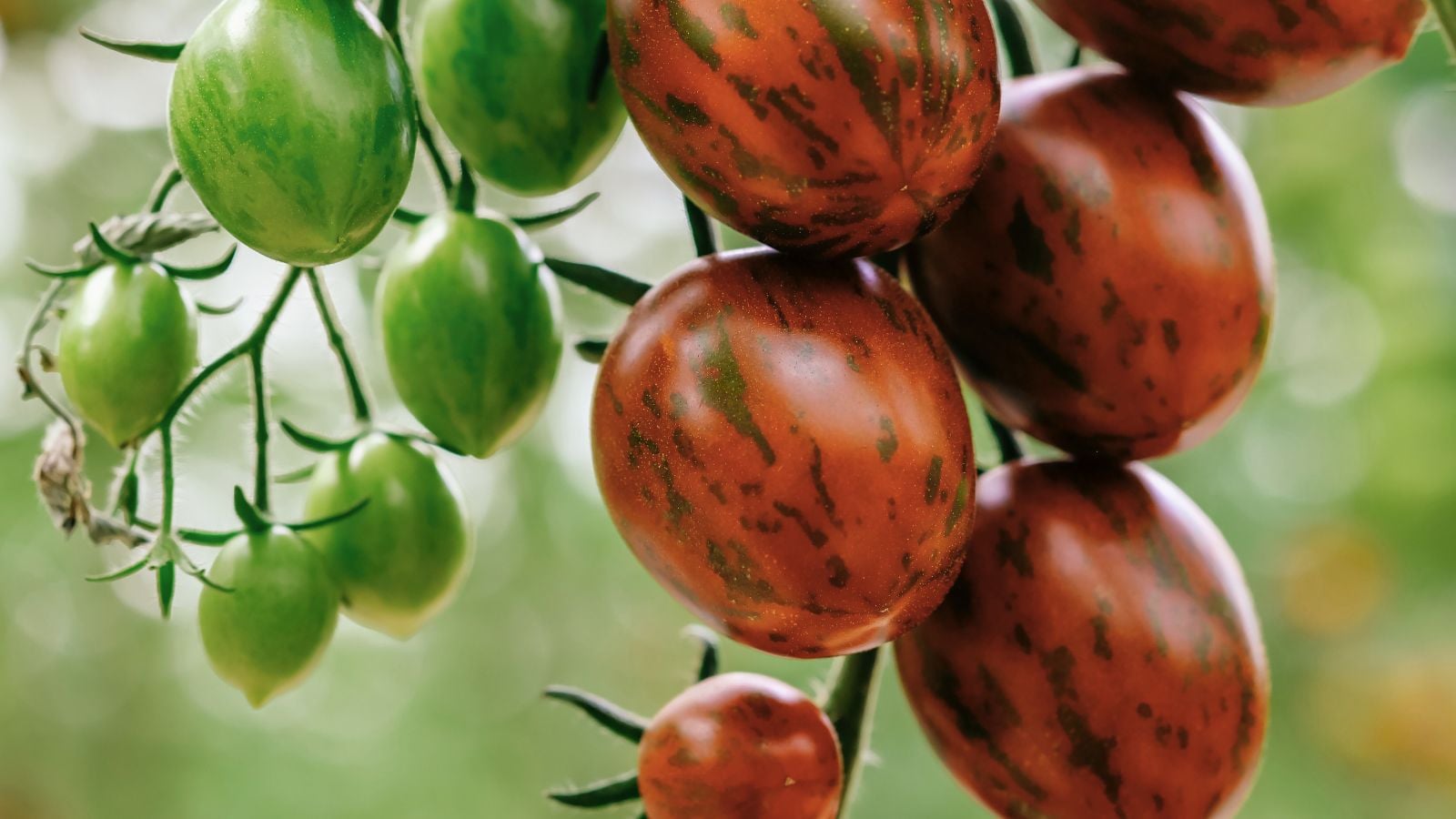
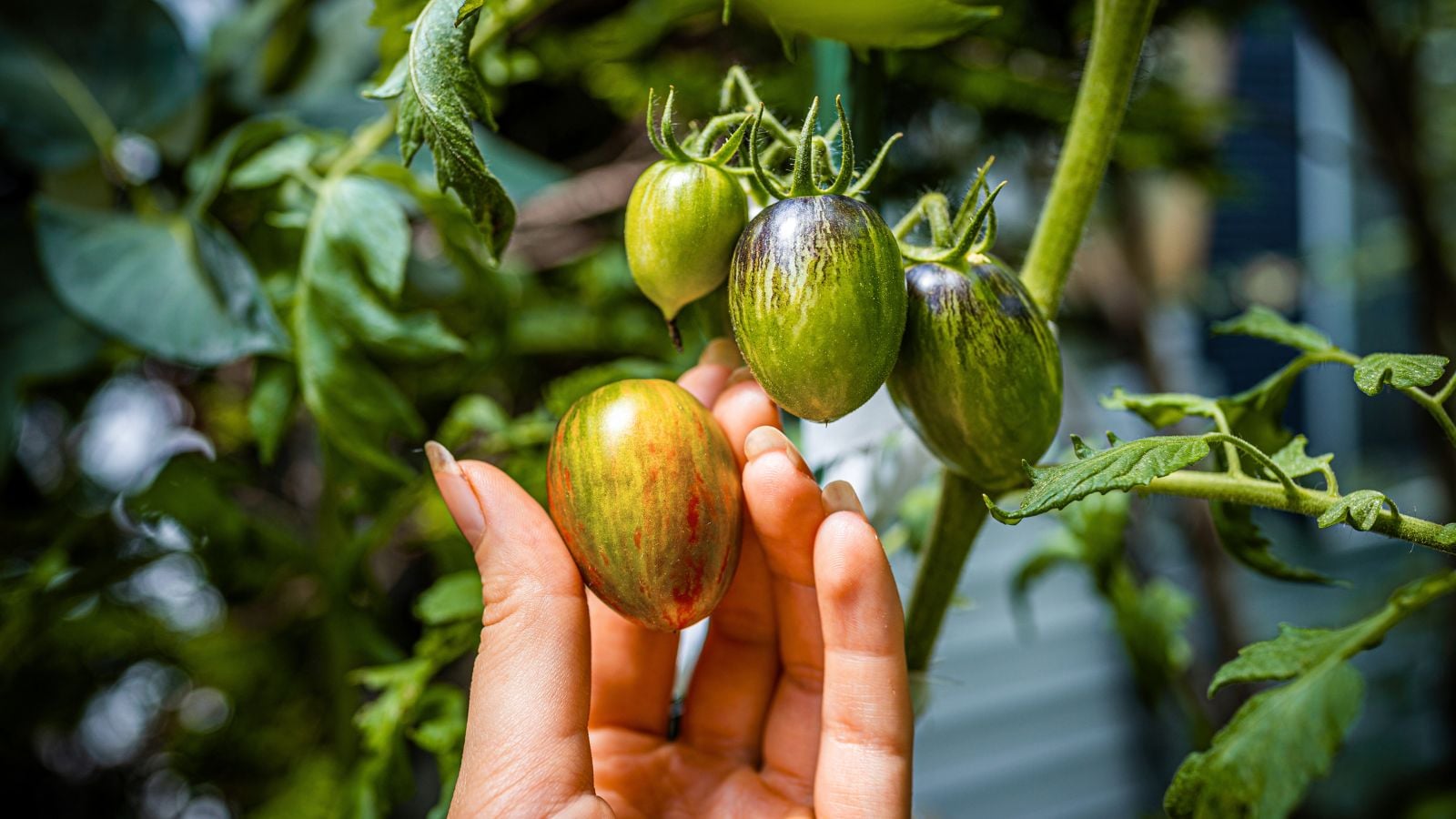
These fruits are elongated with deep coppery-red skin covered in forest green and brown stripes. No two look exactly alike, which makes them much more exciting in salads. Despite their unique look, these tomatoes are not hard to grow. Follow these easy steps and they are bound to become your favorite summer harvest.
Chocolate Sprinkles Pole Cherry Tomato Seeds

Chocolate Sprinkles Pole Cherry Tomato Seeds
As sweet as its name, ‘Chocolate Sprinkles’ was an employee favorite at Botanical Interests! Deep-red, large, elongated, cherry tomatoes with green and brown striping are so delicious, you’ll be glad they are extraordinarily prolific plants. The tomatoes will just keep coming all season long! Crack resistant and disease resistant to Fusarium wilt and nematodes.
Buy at Botanical Interests Shop‘Chocolate Sprinkles’ Tomato Overview

|
Plant Type
Annual
Family
Solanaceae
Genus
Solanum
Species
lycopersicum
|
Native Area
South America
Exposure
Full sun
Height
48–72″
Watering Requirements
Moderate
|
Pests & Diseases
Aphids, hornworms, early blight, late blight, blossom end rot
Maintenance
Moderate
Soil Type
Moist, well-draining
Hardiness Zone
3–11
|
What Is It?
‘Chocolate Sprinkles’ is a hybrid cherry tomato bred for flavor, appearance, and disease-resistance. That last point is probably the most exciting one. ‘Chocolate Sprinkles’ carries resistance to Fusarium wilt and root-knot nematodes. For a tomato this visually distinctive, that’s an unusual combination.
The plants are indeterminate, producing fruit continuously from midsummer through frost. They’re vigorous growers that reach five to seven feet tall and need sturdy support.
Characteristics
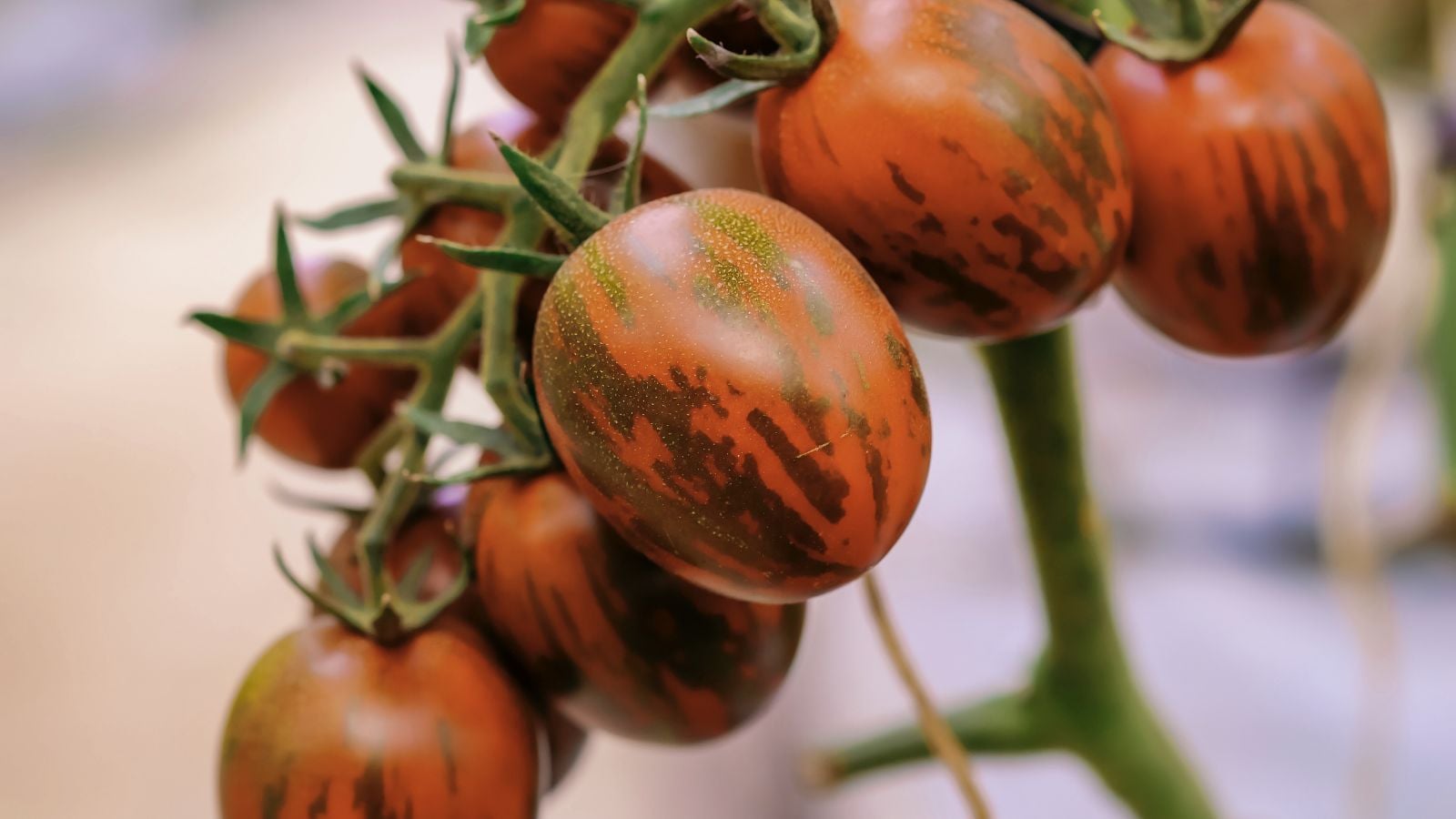
Each fruit has its own pattern of green and brown over that coppery base. Fruits are produced in clusters of a dozen or more, and the yield is high. One healthy plant can produce hundreds of tomatoes over the course of a season, and the plants don’t tend to slow down in the peak of summer heat.
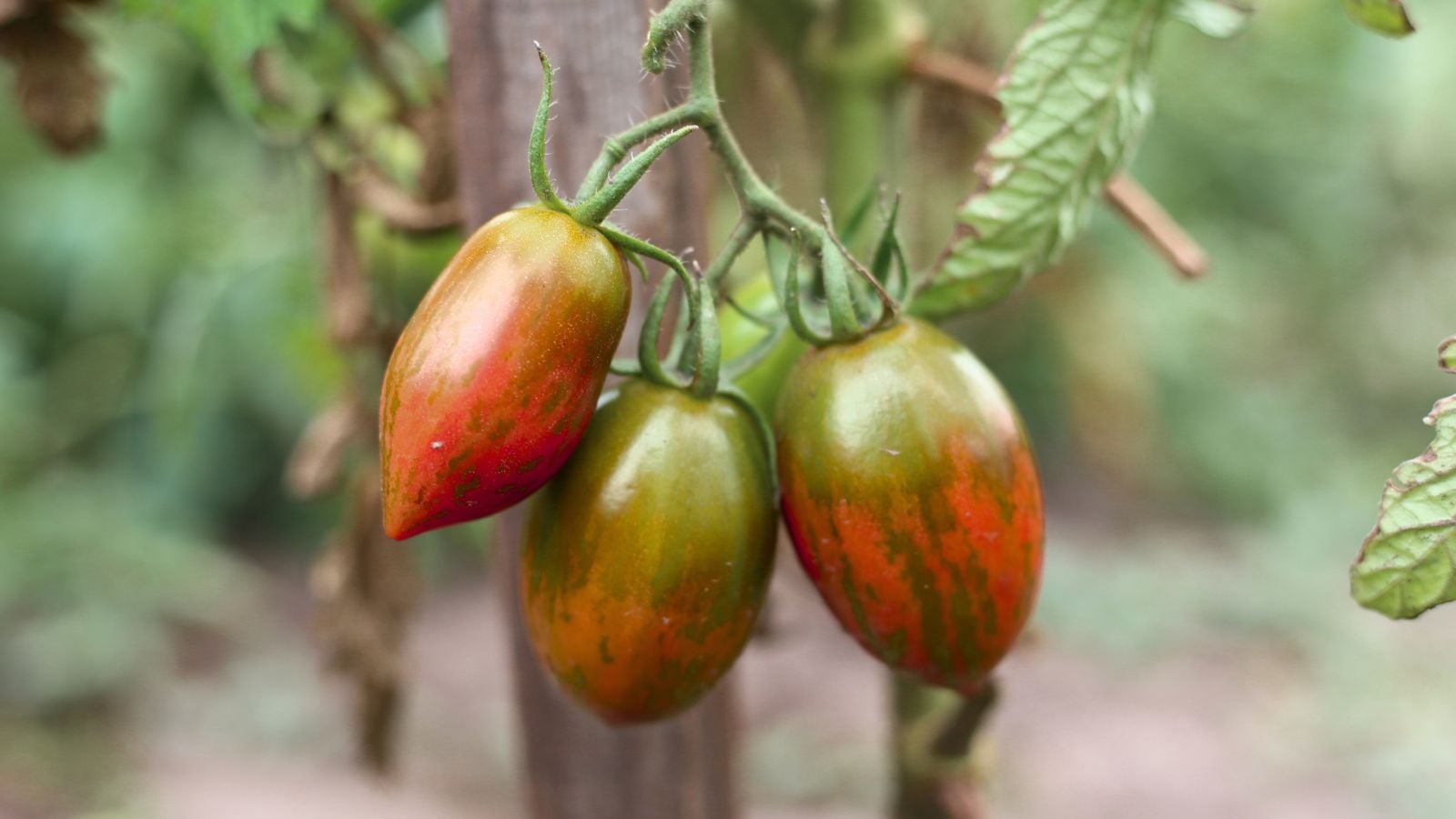
The green stripes don’t disappear completely when the fruit is ripe. If you’re waiting for solid red, you’ll be waiting too long. Harvest when the background color has deepened to a dark coppery-red and the fruit gives slightly when you squeeze it gently. A few will still show green striping at full ripeness.
Planting

Seeds need warmth to germinate. Start them indoors about eight weeks before you plan to transplant, in a seed-starting mix at 75 to 85°F. A heat mat is helpful if your indoor temperatures run cool.
Pot seedlings up once they have a couple of true leaves, and keep them under strong light until outdoor conditions are right. Tomatoes shouldn’t go out until nights are consistently above 50°F and the soil has warmed to at least 60°F. Hardening off over a week or so (gradually increasing outdoor exposure) prevents the shock of moving from a controlled indoor environment to the variable conditions outside.
These vines get tall and heavy with fruit, so put your supports in at planting time rather than trying to wrangle a sprawling plant later in the season.
How to Grow
This is a hybrid built for production, and it responds well to good growing conditions. The basics are the same as for any tomato, but ‘Chocolate Sprinkles’ is more forgiving than many heirloom cherries thanks to its disease resistance package.
Light
Full sun is essential. Eight hours is ideal, and the more consistent the exposure, the better. Cherry tomatoes grown in partial shade produce fewer flowers, less fruit, and leggier growth. If your garden has a range of sun exposures, give the sunniest spot to your tomatoes and let the lettuce have the shade.
Water

Water at the base of the plant, not from above. This is the most useful habit for preventing the fungal diseases that tomatoes are prone to. Keeping the foliage dry doesn’t guarantee you’ll avoid blight, but it reduces the risk considerably.
‘Chocolate Sprinkles’ tomato is less prone to cracking than many cherry tomatoes, but consistent watering still helps fruit quality. Deep, regular soakings are better than frequent light sprinkling, which encourages shallow roots. Mulch around the base of the plant to keep soil moisture steady and reduce the temperature swings that can stress roots in midsummer.
Soil

Tomatoes are heavy feeders and do best in soil that’s been enriched with compost or aged organic matter before planting. If your soil is heavy clay, raised beds or mounded rows usually improve drainage enough.
Temperature & Humidity
‘Chocolate Sprinkles’ tomato handles heat well. Fruit set does slow when nighttime temperatures stay below 55°F or climb above 75°F for extended periods. In most climates, this means a natural dip in midsummer production that picks up again as nights cool toward the end of the season.
Average humidity is fine. In areas with high humidity, spacing plants generously and pruning for airflow helps prevent fungal problems.
Fertilizer

A balanced, slow-release fertilizer at planting time provides a good base. Once flowering starts, shift to a formula with more phosphorus and potassium to support fruit production. Too much nitrogen at this stage pushes leaf growth at the expense of fruit.
Cherry tomatoes in general are less demanding feeders than large-fruited varieties, and ‘Chocolate Sprinkles’ is no exception. Feed every two to three weeks with a liquid fertilizer during the growing season and watch the plant’s response. Lush leaves and few flowers means back off the nitrogen.
Maintenance

Indeterminate cherry tomatoes can turn into a jungle by August if you don’t manage them. ‘Chocolate Sprinkles’ is vigorous, and the plants will benefit from some sucker removal, especially lower on the stem, where air circulation is essential. Removing the suckers below the first flower cluster opens up the base of the plant and reduces the humid, still conditions where disease takes hold.
Above the first cluster, you can be more relaxed about pruning. Cherry tomatoes produce on side shoots, so removing too many suckers reduces your overall yield. The balance is about keeping the plant open enough for air to move through without stripping away productive growth.
Remove any leaves that show signs of disease as soon as you spot them, and keep the ground below the plants clear of fallen debris. A layer of mulch on the soil surface prevents rain from splashing soil-borne spores up onto the lower foliage.
Propagation

‘Chocolate Sprinkles’ is a hybrid, which means seeds saved from the fruit won’t produce plants identical to the parent. The offspring will show a mix of traits from the two parent varieties used to create the cross, and the results are unpredictable. If you want the same plant next year, you’ll need to buy new seed.
This is one of the trade-offs of growing hybrids rather than open-pollinated varieties. You get the disease resistance and uniformity, but you give up the ability to save seed reliably.
Common Problems
The most common frustration with this variety isn’t a disease or a pest. It’s figuring out when the fruit is ripe. The green stripes stay visible at maturity, so there’s no clear visual cue the way there is with a red tomato that simply turns red. If you wait too long, the fruit softens and splits. It takes a few harvests to get a feel for the right moment, but the color shift in the background (from bright red to deep copper) and a slight give when pressed are your best indicators.
Blossom end rot can appear if watering is inconsistent, especially during hot, dry stretches. It’s a calcium uptake issue related to moisture stress, not a deficiency in the soil. Keep water levels steady to avoid this problem.
Pests
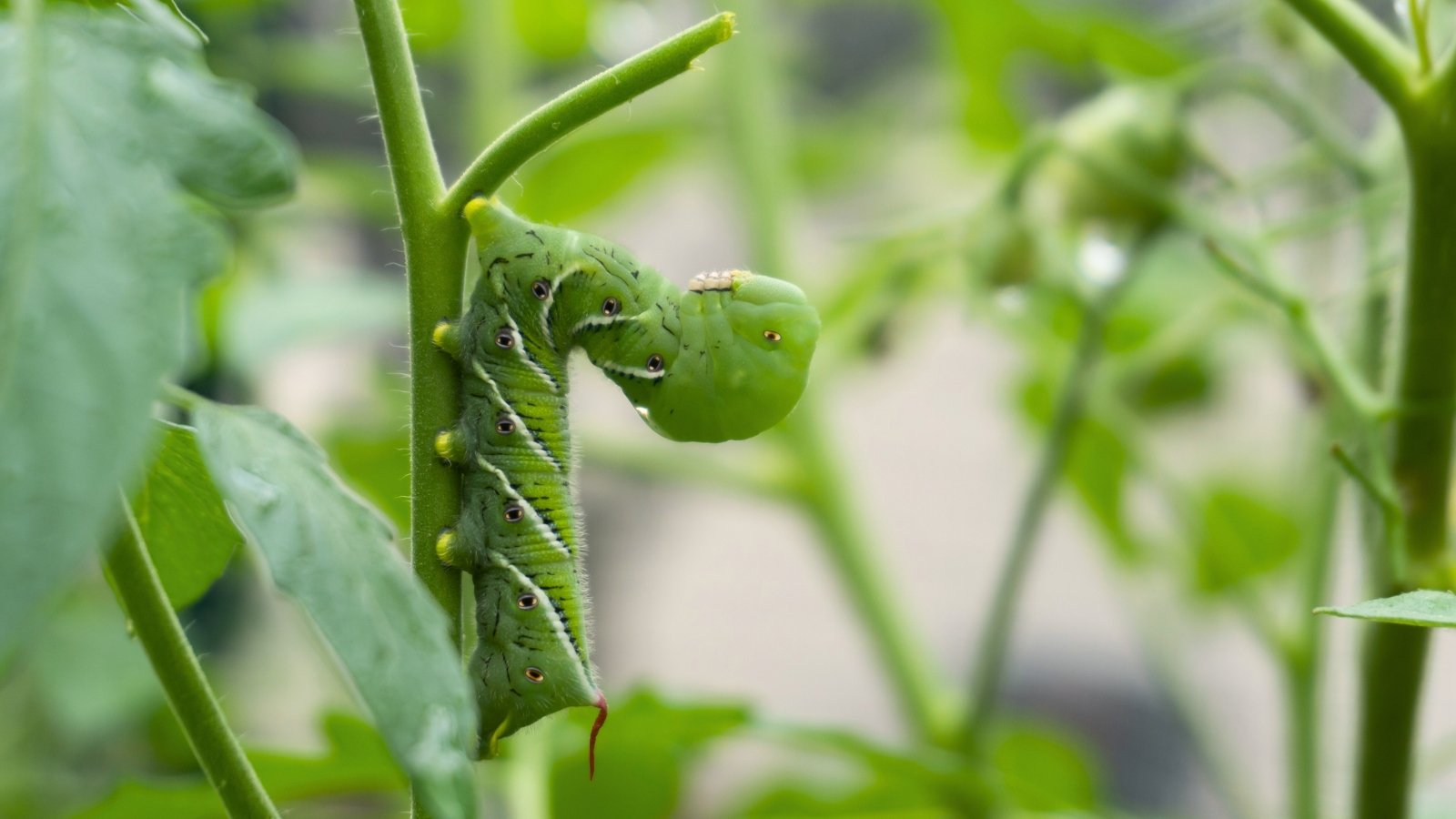
Tomato hornworms are the biggest single threat. They feed voraciously and can strip a branch overnight. Their green color makes them difficult to spot, so look for dark droppings on the leaves below their feeding site. Handpick them off the plant, or use Bt (Bacillus thuringiensis) spray on your plants to prevent further feeding by caterpillars.
Aphids can colonize new growth, particularly in warm weather. A sharp stream of water knocks them off. Neem oil or insecticidal soap handles anything persistent. Whiteflies occasionally show up on the undersides of leaves. Yellow sticky traps help monitor and reduce populations.
Diseases

The built-in resistance to fusarium wilt and nematodes gives ‘Chocolate Sprinkles’ an advantage over many tomato varieties. These two problems account for a significant number of tomato losses, particularly in warmer climates and in gardens without strict crop rotation.
Early blight is still possible. It starts as dark, ringed spots on the lower leaves and progresses upward. Remove affected foliage promptly, mulch to reduce soil splash, and water at the base. Copper-based fungicides can slow the spread if needed.
Late blight is less common but more destructive. It spreads fast in cool, wet weather and causes large, water-soaked lesions on both leaves and fruit. There’s no saving a plant once it’s heavily infected. Remove and destroy it (don’t compost it) to protect other plants nearby.
Frequently Asked Questions
Is ‘Chocolate Sprinkles’ an heirloom?
No, it’s a hybrid. It combines the complex color and flavor of heirloom types with the disease resistance and productivity of a modern hybrid. That combination is part of what makes it perform so well.
How do I know when the fruit is ripe?
Don’t wait for the green stripes to vanish. They won’t. Harvest when the background color has shifted from bright red to a deeper copper and the fruit gives slightly when pressed. The flavor is best when picked fully ripe on the vine.
Can I save seed from this tomato?
You can, but the resulting plants won’t be identical to the parent because this is a hybrid. For the same variety next season, buy fresh seed.
Does it grow well in containers?
Yes, in a large container (at least five gallons). Indeterminate tomatoes in pots need consistent watering and feeding, and they’ll still need staking or a cage. A deck railing or wall-mounted trellis can help if space is limited.