

Plant These 11 Bulbs if Deer Always Eat Your Plants
Deer are pesky pests in ornamental gardens! They’ll eat everything in sight and turn a blooming garden into a wasteland. Don’t try to protect your choice plants; instead, grow bulbs that deer dislike to discourage them from entering the garden. Former nurseryman Jerad Bryant shares 11 bulbs that deer tend to avoid.

Contents
Deer can’t read! That’s what I tell gardeners when they explain that deer ate their “deer-proof” plants. Though a label may claim a plant is resistant to foraging, this is not always the case. However, there are some that are more deer-resistant than others.
Deer have seasonal plant preferences, and often these preferences shift from year to year and season to season. Their persistence makes them particularly troublesome. If they haven’t eaten a tasty plant yet, you know they will in the future!
The best thing to do is to discourage them from entering your space by keeping your garden protected and sticking to plants that deer don’t enjoy as much. If they learn that there aren’t any tasty plants for them to eat, they’ll skip your yard and head over to your neighbor’s. Not all bulbs are deer-resistant, but these 11 are.
Decorative Double Blend Dahlia Seeds
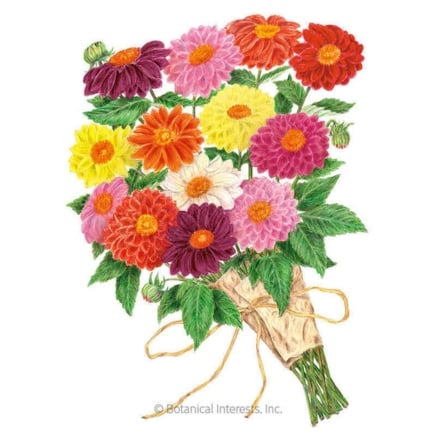
- Tall plants with vibrant, colorful blooms for borders
- Strong stems ideal for cut flowers
- Blooms in about 90 days
- Perennial in zones 7–10; lift tubers in colder areas
- Edible petals and tubers for garnish or mild flavor
African Corn Lily


|
botanical name Ixia spp. |
|---|---|

|
sun requirements Full sun to partial shade |

|
height 10-20” |

|
hardiness zones 8-10 |
African corn lilies are corm-forming perennials that thrive in warm climates. They’re perfect in southern gardens where cold-loving bulbs like daffodils and tulips struggle. They have long, sword-like leaves and densely packed flowering clusters on the ends of their stems.
When to plant the bulb-like corms depends on where you live. Plant them in early fall if winter temperatures remain above 20°F (-7°C), and in late fall if the temperatures remain above 10°F (-12°C). Add mulch over the corms to keep them safe and warm over the winter.
If you live in a region with harsh winters, treat these deer-resistant bulbs as annuals. Plant them in spring for an early summer flowering season. Let the leaves and flowers fade, then dig up the corms and save them in a dark, dry location. Or, leave them in pots with dry soil, and begin watering them when fall returns.
Calla Lily

|
|
botanical name Zantedeschia spp. |
|---|---|
|
|
sun requirements Full sun to partial shade |
|
|
height 1-3’ |
|
|
hardiness zones 7-10 |
Calla lilies fill the gardens of California with white, cup-shaped blooms. They’re not true lilies, though they grow from bulbs that sit below ground. They appreciate a long, warm growing season and regular watering.
Deer won’t eat your callas. They contain toxins in their leaves, and the deer learn to pass them up for more tender plants.
Many different types of callas exist, offering you the ultimate selection when stylizing your garden. Choose the classic white-flowering species Zantedeschia aethiopica, or select a yellow, orange, pink, or red flowering variety.
Crocosmia

|
|
botanical name Crocosmia spp. |
|---|---|
|
|
sun requirements Full sun to partial shade |
|
|
height 1-5’ |
|
|
hardiness zones 6-10 |
Crocosmia are hardy and vigorous perennials that grow from corms that look like bulbs. Plant these corms in spring after the final frost, and keep them moist while they sprout. You may keep them in the ground if the plant is hardy in your region. Otherwise, dig the corms in the fall and store them until planting next spring.
Crocosmia is generally considered a deer-resistant bulb. The plants will thrive and spread each year, forming large clumps. Divide a clump to limit its spread, and plant the divisions in pots or beds around your yard.
There are cultivars with red, orange, yellow, and multicolored flowers. Choose your favorite color, or go for a mix of multiple varieties for an explosion of tropical hues.
Crocus
|
|
botanical name Crocus spp. |
|---|---|
|
|
sun requirements Full sun to partial shade |
|
|
height 2-6” |
|
|
hardiness zones 3-8 |
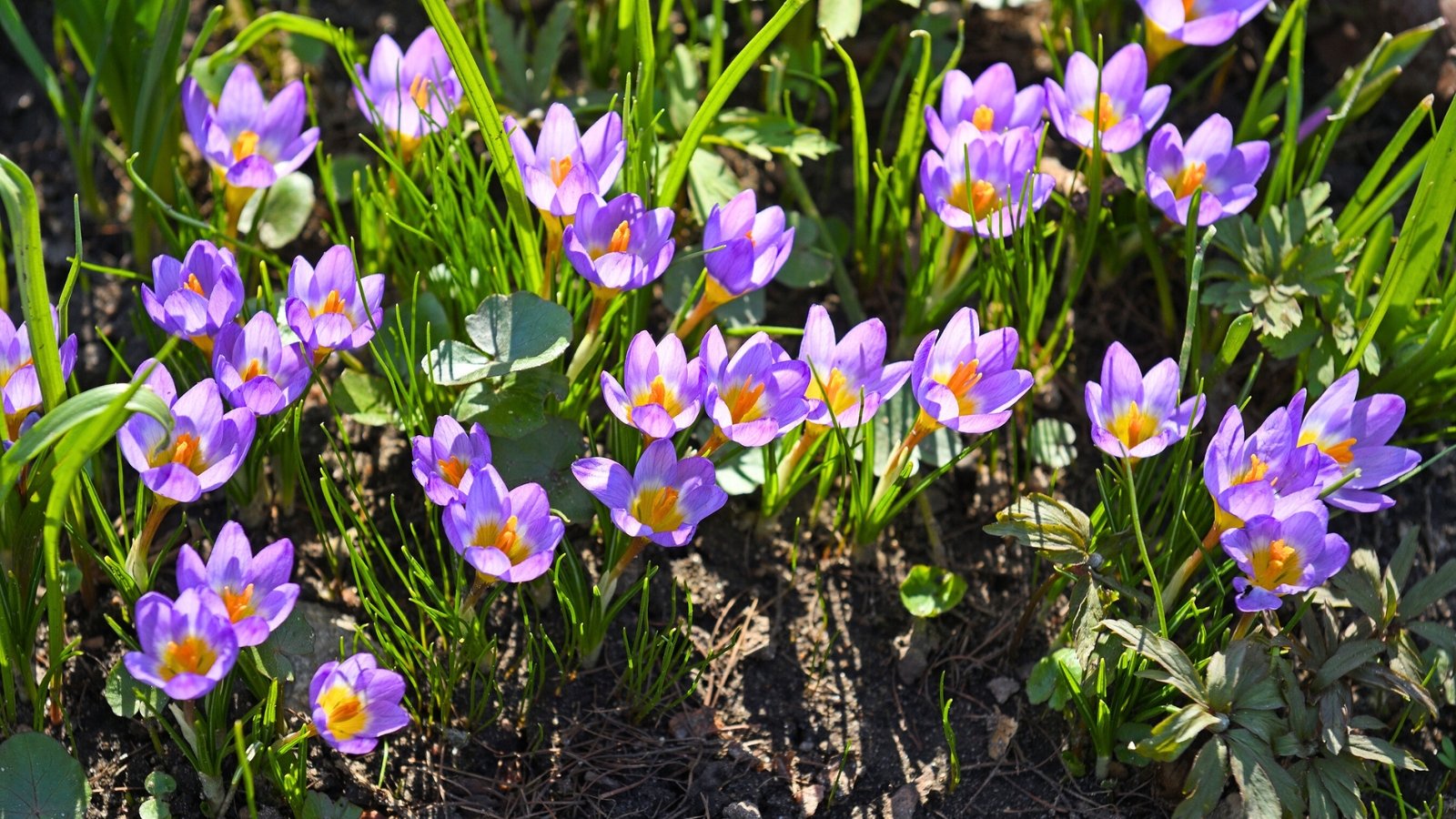
Crocus sprout from the soil in winter, spring, or fall, depending on the species. Most crocus bloom from late winter through early spring alongside daffodils, tulips, and snowdrops. They come in colors like purple, orange, white, and yellow, and their thin green leaves have a white stripe down the middle.
Crocus bulbs are actually corms, like those of crocosmia. They sit in the soil dormant during the summer, and they sprout roots and shoots when the weather cools and moistens.
Crocus are deer-resistant bulbs, and they’re sure to impress in your ornamental beds. Plant spring-blooming crocus in the fall, and get autumn-blooming crocus in the soil by September.
Daffodil

|
|
botanical name Narcissus spp. |
|---|---|
|
|
sun requirements Full sun to partial shade |
|
|
height 6”-2.5’ |
|
|
hardiness zones 4-8 |
Daffodils are iconic bulbs of spring! They push lush green leaves out of the soil, and tall, dangling flowers with two rows of petals. Most are yellow, though new varieties come in shades of peach, white, and lemon-yellow.
Plant daffodils in the fall alongside your other spring-blooming bulbs. They grow well in many different soil types, though they thrive in garden loam. The bulbs appreciate good drainage and regular moisture during the growing season.
Deer won’t eat your daffodils because of the toxins in the plants. They’ll pass over them and browse your vegetables instead. The best way to keep them out of the veggie plot is with a tall fence!
Dahlia

|
|
botanical name Dahlia spp. |
|---|---|
|
|
sun requirements Full sun to partial shade |
|
|
height 1-6’ |
|
|
hardiness zones 7-10 |
Dahlias sprout from bulb-like structures that are actually tubers! They prefer warm conditions year-round, and they have flowers of all shapes, hues, and sizes. Find dahlias with multiple rows of pink petals, or go for single-petal types with sunflower-sized blooms. The possibilities are endless when it comes to dahlias.
Dahlias are toxic to humans and pets, and they seem to discourage deer, but not always. If deer are really hungry, they’ll go for dahlias, but they seem to prefer other plants before dahlias.
If dahlias aren’t winter hardy in your garden, consider overwintering them indoors. Lift them after the blooming period, dust them off, and store them in dark, humid, and cool conditions indoors.
Lily-of-the-Nile

|
|
botanical name Agapanthus spp. |
|---|---|
|
|
sun requirements Full sun to partial shade |
|
|
height 1-5’ |
|
|
hardiness zones 7-11 |
You’ll find these deer-resistant bulbs growing all over Southern California, with their bright purple flower heads and strappy leaves.
Drought-tolerant, lily-of-the-nile plants are perfect for gardens with warm climates and frost-free winters. Some species will survive the cold, though they don’t appreciate winter moisture. Mulch them heavily in fall, or consider overwintering the bulbs indoors.
Some types are evergreen. Use these as houseplants in frosty regions, then place them outdoors for the growing season.
Siberian Squill

|
|
botanical name Scilla siberica |
|---|---|
|
|
sun requirements Full sun to partial shade |
|
|
height 3-6” |
|
|
hardiness zones 2-8 |
Siberian squills poke out of the ground in early spring, right after snowdrops. They have blue-lavender blooms that stand out in the garden, and their short green leaves are perky and lush. Plant squill bulbs in the fall for early spring blooms.
To ensure they survive the winter, cover these deer-resistant bulbs with plenty of mulch in autumn. Use compost, leaf mold, or fallen leaves, and place them in a layer two to three inches thick.
These are highly invasive in the Midwest, so avoid planting them there. Other squills exist for the curious gardener. Try ‘Spring Beauty’ for bigger, longer-lasting blooms. Or, grow Peruvian squill in climates with frost-free winters.
Society Garlic

|
|
botanical name Tulbaghia violacea |
|---|---|
|
|
sun requirements Full sun to partial shade |
|
|
height 1-2’ |
|
|
hardiness zones 7-10 |
Society garlic, despite its common name, is not true garlic. It gives off a pungent smell that resembles garlic, though it is not the same. The strong smell deters deer from the site.
The flowers and leaves are edible like garlic, and they work well in a variety of home-cooked dishes. Use the pink blossoms as garnishes on fancy plates, or chop the leaves into a stir-fry.
Society garlic needs warm year-round temperatures to thrive, like dahlias. Overwinter them in place with plenty of mulch, lift them up for overwintering, or consider growing them as summer annuals. They’re drought-tolerant and perfect in rock gardens.
Spring Snowflake
|
|
botanical name Leucojum vernum |
|---|---|
|
|
sun requirements Full sun to partial shade |
|
|
height 8”-1.5’ |
|
|
hardiness zones 4-8 |
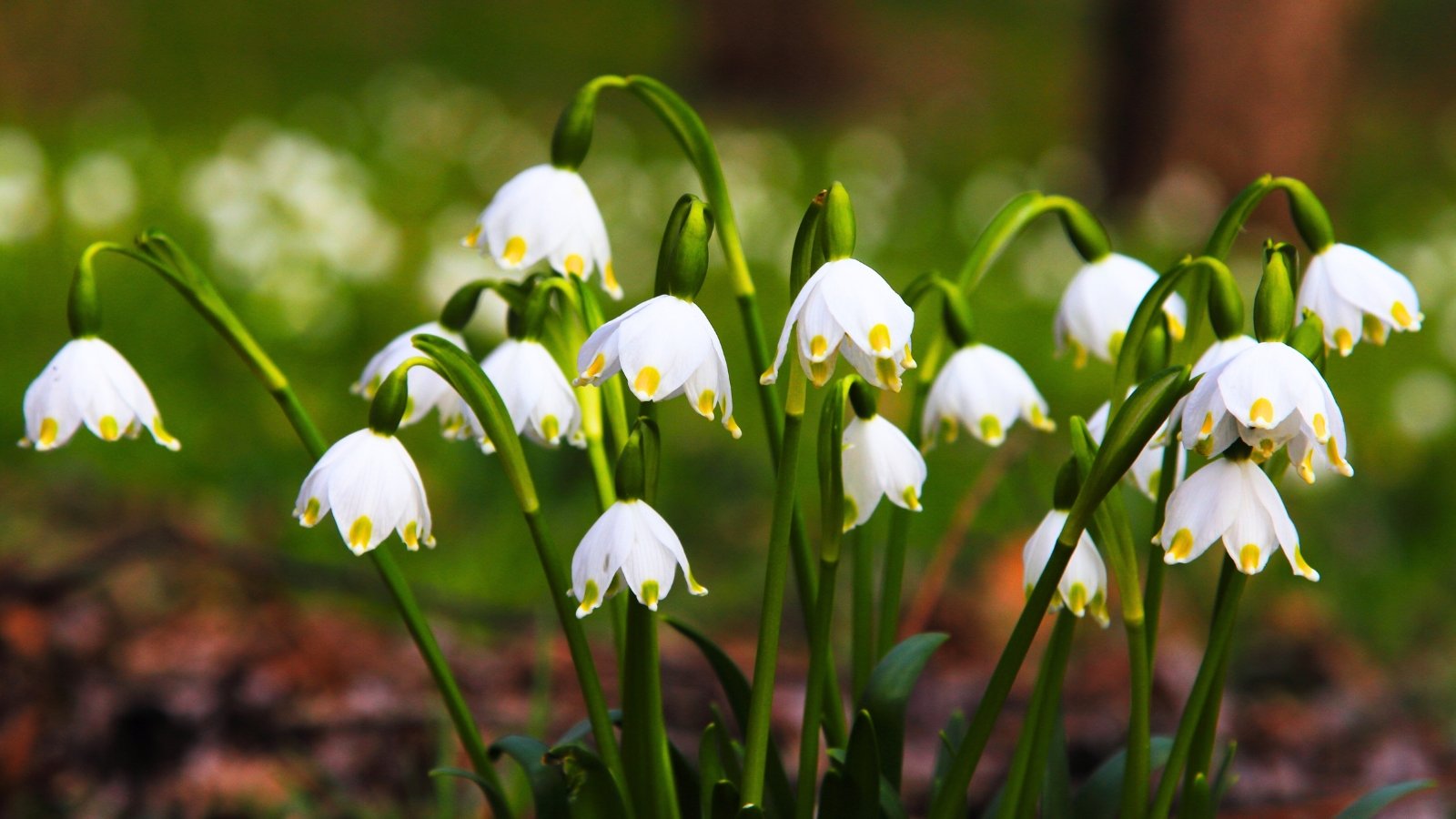
Spring snowflakes closely resemble snowdrops, making them the perfect deer-resistant bulb alternative if deer eat all your snowdrop plants. Grow snowflakes instead, and let them flourish and spread in your yard.
Spring snowflakes sprout from bulbs in late winter or early spring. They have thin green leaves and nodding, white, bell-shaped blooms. They create a lovely, neutral backdrop for other low-growing perennials, and they work well in containers with other deer-resistant bulbs.
Unlike many of the bulbs on this list, spring snowflakes tolerate wet conditions. They’ll thrive in the sun or shade, and they adapt well to many gardens. Divide them every three or four years to propagate them further.
Tuberous Begonia

|
|
botanical name Begonia spp. |
|---|---|
|
|
sun requirements Partial shade |
|
|
height 1-1.5’ |
|
|
hardiness zones 9-11 |
No garden is complete without begonias! These classic flowers are showstoppers at the end of the growing season, and some bloom all summer long. Tuberous begonias are treasures in home gardens, as they overwinter well indoors.
Many growers treat tuberous begonias like they do dahlias. They let them go dormant, dig them up, and overwinter them in proper storage conditions indoors.
Unlike spring-blooming bulbs, plant tuberous begonias in the spring after the last frost date. They appreciate shady conditions, lots of moisture, and plenty of nutrients from fertilizer or compost.


