Growing Brandywine Tomatoes: What to Do in April for a Bumper Crop
Brandywine tomatoes are one of the most rewarding heirlooms you can grow, beloved for years for their delicious flavor. Gardening expert Madison Moulton explains what to do in April to set your Brandywine plants up for their best season.

Contents
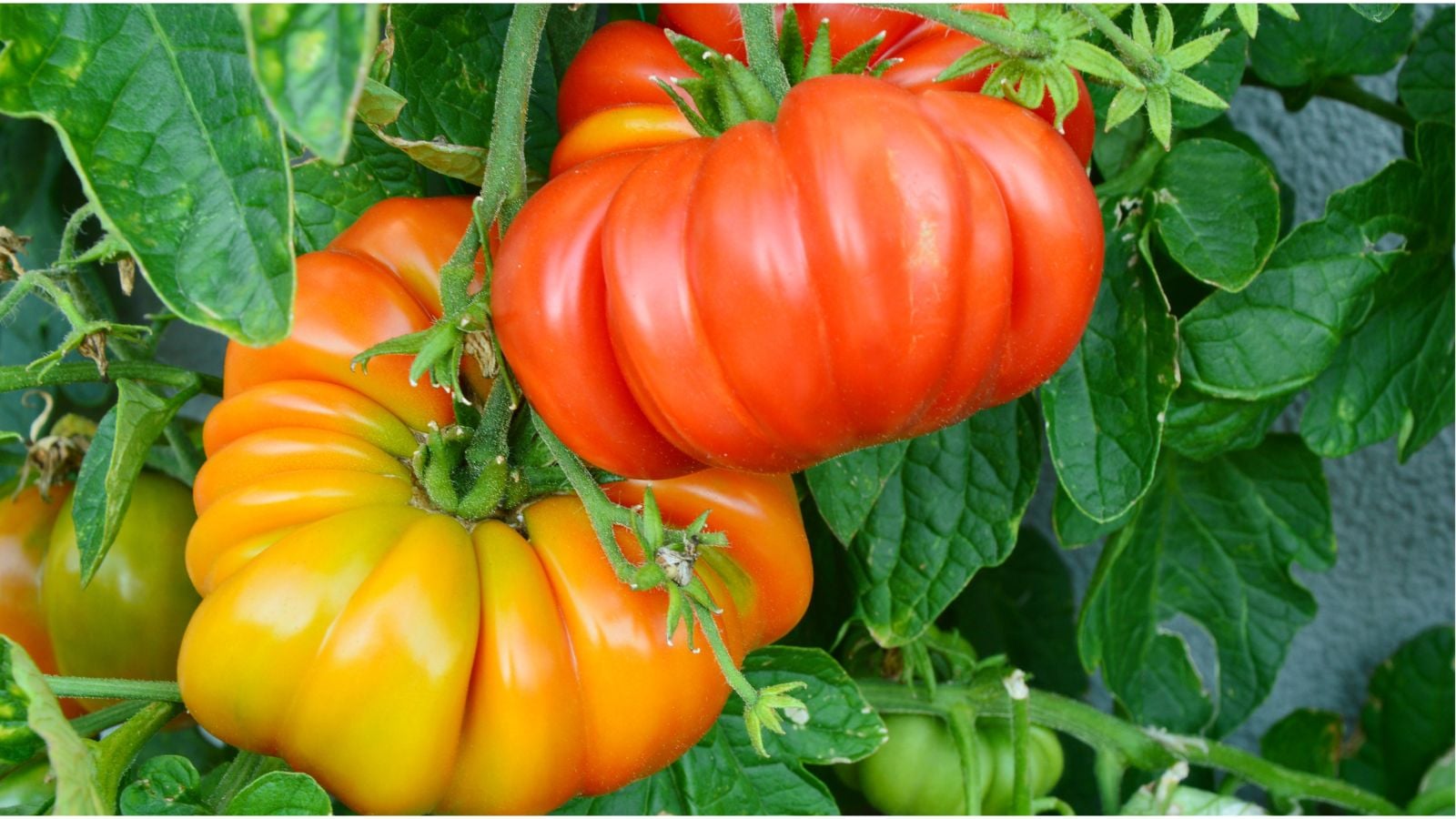
Brandywine is the tomato that made heirlooms famous. The flavor is consistently rated among the best of any variety, and one ripe fruit can weigh well over a pound.
But Brandywine is also one of the more demanding tomatoes to grow. It takes 80 to 100 days from transplant to produce ripe fruit, and in that time, they need regular care to perform their best. Luckily, with that, you’ll get the best tomato you’ll eat all summer.
What you need to do in April when growing Brandywine tomatoes will differ depending on your climate. This is the month when you should be either starting seeds, potting up seedlings, transplanting, or providing initial care. Follow along to see what tasks you should check off this month.
Brandywine Red & Yellow Blend Pole Tomato Seeds

Brandywine Red & Yellow Blend Pole Tomato Seeds
Brandywines have been favored by tomato lovers for more than 100 years. Fruits often weigh around a pound but can weigh close to 2 pounds! ‘Yellow Brandywine’ turns golden yellow when ripe, with a balance of sweet and tart; ‘Red Brandywine’ has a rich, well-balanced tomato flavor. Red seeds are stained with organic coloring to indicate the red tomato, while the yellow tomato seeds are their natural color.
Buy at Epic Gardening Shop
Start Seeds if You Haven’t Already

Brandywine needs to be started early because of its long maturity time. If you haven’t sown seeds yet, early April is your last practical window in most climates. If you’re growing in zones 3 to 5, it’s an ideal time to start indoors.
Sow indoors in a seed-starting mix, keep the soil around 75°F to 80°F (24-27°C) for germination, and provide strong light (a grow light running about 14 hours a day) as soon as the seedlings emerge.
If you started seeds in March, your seedlings should have their first set of true leaves by now. This is the time to pot them up into larger containers (about four inches) so the roots have room to develop before transplanting.
For gardeners in warmer climates where the last frost has already passed, buying transplants from a nursery is a practical alternative if the seed-starting window has closed.
Build Strong Stems
Leggy, thin-stemmed seedlings are common with indoor-grown Brandywine tomatoes. The plants grow fast and stretch toward whatever light is available, and if the light source isn’t strong or close enough, you end up with tall, weak stems that struggle to support themselves after transplanting.
If you’re in zones 5 or lower, you’ll need to keep your seedlings under grow lights this month. Keep the light two to three inches above the tops of the seedlings and raise it as they grow. If the stems are already stretched, burying them deeper when you pot up helps compensate.
A gentle fan set on low for a few hours a day also strengthens stems by simulating wind. The movement triggers the plant to produce thicker, sturdier tissue. At this stage, a diluted balanced fertilizer applied every week or two supports steady growth without pushing the seedlings too hard.
Plan Your Support System

Brandywine tomatoes get tall and heavy, requiring support early on to grow to their full potential. It’s best to install your support structure at planting time. Driving stakes or setting up cages after the plant is established risks damaging the root system.
You can either plan and buy your materials now if you’ll only be transplanting next month, or you can set up the supports now if you’ll be transplanting soon. Use sturdy wooden or metal stakes at least six feet tall, driven well into the ground, or build a cage from heavy-gauge wire that can handle the weight of multiple one-pound fruits.
If you’re growing several plants in a row, a Florida weave (running twine between posts on either side of the plants) works well and is easier to set up than individual cages. Whatever method you use, plan to tie the main stem to the support every eight to ten inches as the plant grows.
Transplant

If you’re in zones 6 or 7 and your seedlings are big enough (six to eight inches tall with several sets of true leaves), begin hardening them off. Set them outside in a sheltered spot for a couple of hours on the first day, then gradually increase their time outdoors and their exposure to direct sun over about a week.
Don’t transplant until nighttime temperatures are reliably above 50°F (10°C) and the soil has warmed to at least 60°F (16°C). In cooler areas, the actual transplant happens in May, but hardening off should start in late April for Brandywine tomatoes so the plants are ready the moment conditions are right.
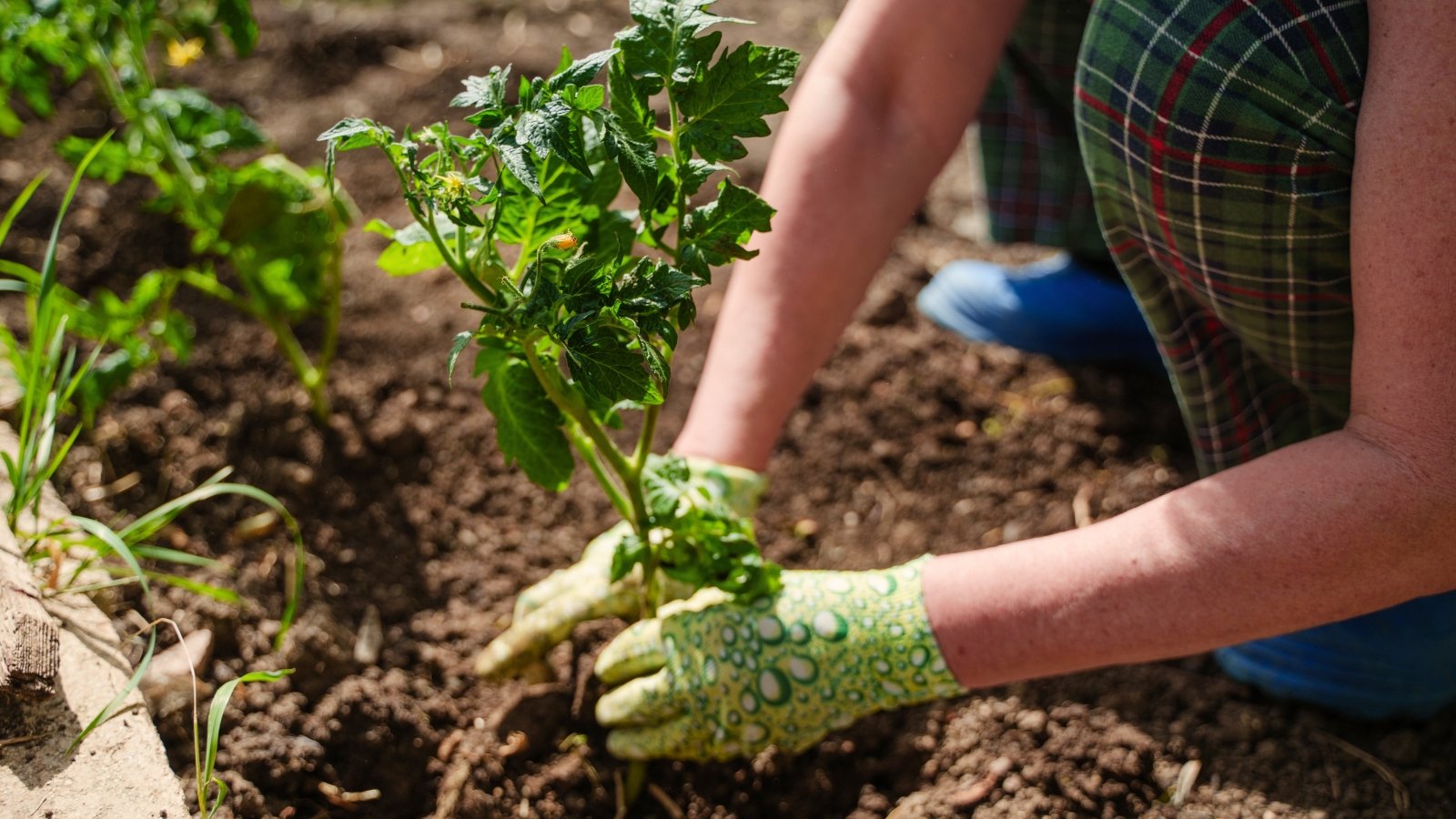
When you do plant, bury two-thirds of the stem. Tomatoes will root along the entire buried portion, building the kind of deep, extensive root system that supports six feet of vine and a season’s worth of heavy fruit.
Pinch Suckers Early
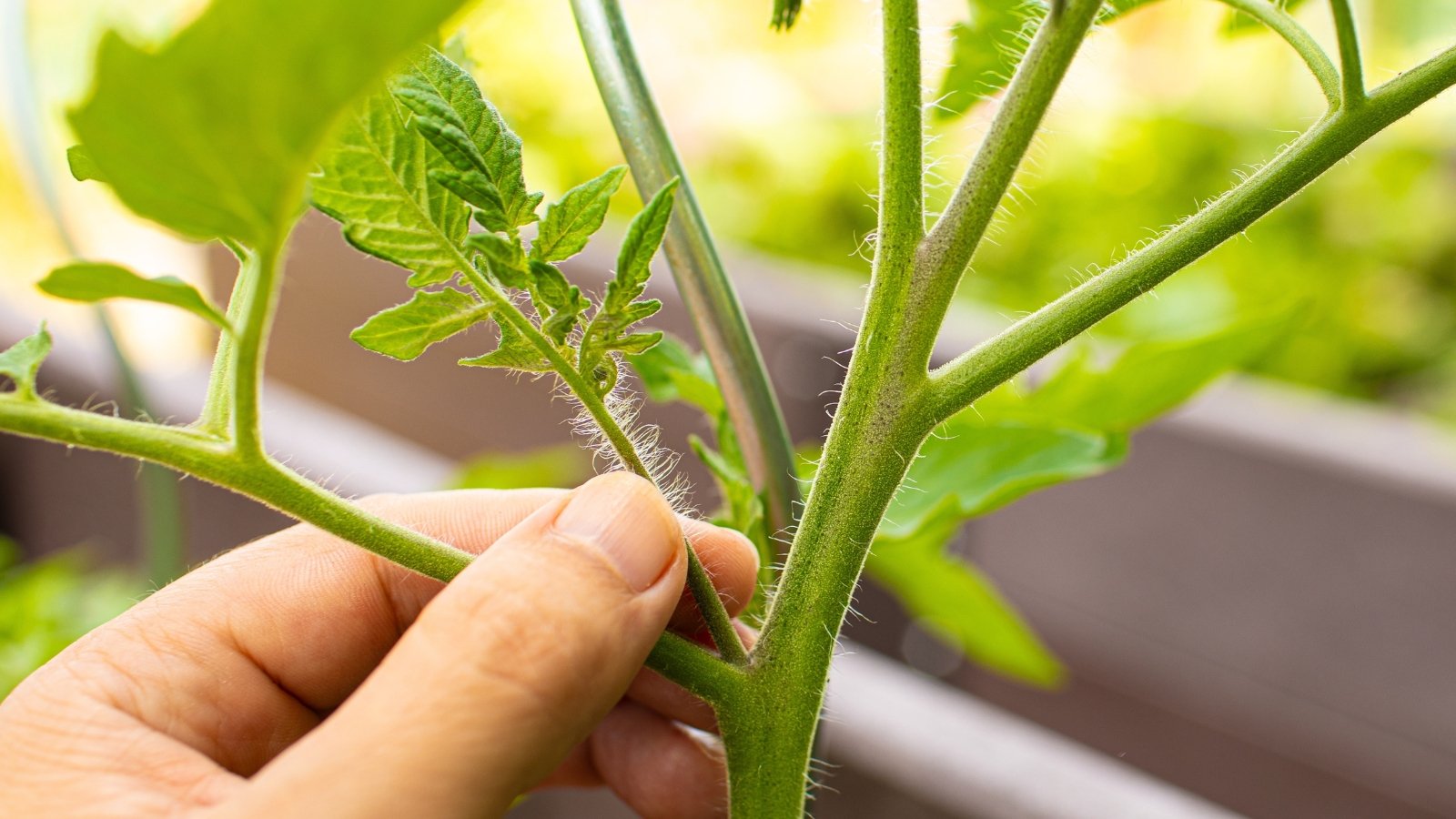
Brandywine is an indeterminate variety, which means it keeps growing and producing new stems all season. Left unpruned, the dense growth restricts airflow, which is a real problem for a variety that’s already prone to fungal disease.
If you’re in zone 8 or 9 and transplanted in March, start removing suckers. These are the small shoots that grow in the joint between the main stem and a side branch. Pinch them off when they’re small (an inch or two) so the wound heals quickly. For Brandywine tomatoes in April, pruning to two or three main stems tends to produce the best balance between plant size and fruit production.
Leave the lower pruning until the plant is established and growing actively after transplant. Removing suckers from a plant that’s still recovering from transplant shock adds stress it doesn’t need.
Watch for Early Pests

Aphids are usually the first pest to show up on young tomato plants, clustering on new growth and the undersides of leaves. A strong spray of water knocks them off, and they’re rarely a serious problem unless populations build unchecked.
Flea beetles can be an issue in the first few weeks after transplanting, chewing tiny holes in the foliage. A row cover placed over newly transplanted seedlings keeps them out during the vulnerable establishment period. Remove it once the plants are growing vigorously and the beetles have moved on.
Brandywine’s bigger pest concerns (hornworms, stink bugs, and whiteflies) tend to arrive later in the season, but getting into the habit of inspecting your plants now means you’ll catch problems early when they’re easier to manage.
Water Consistently
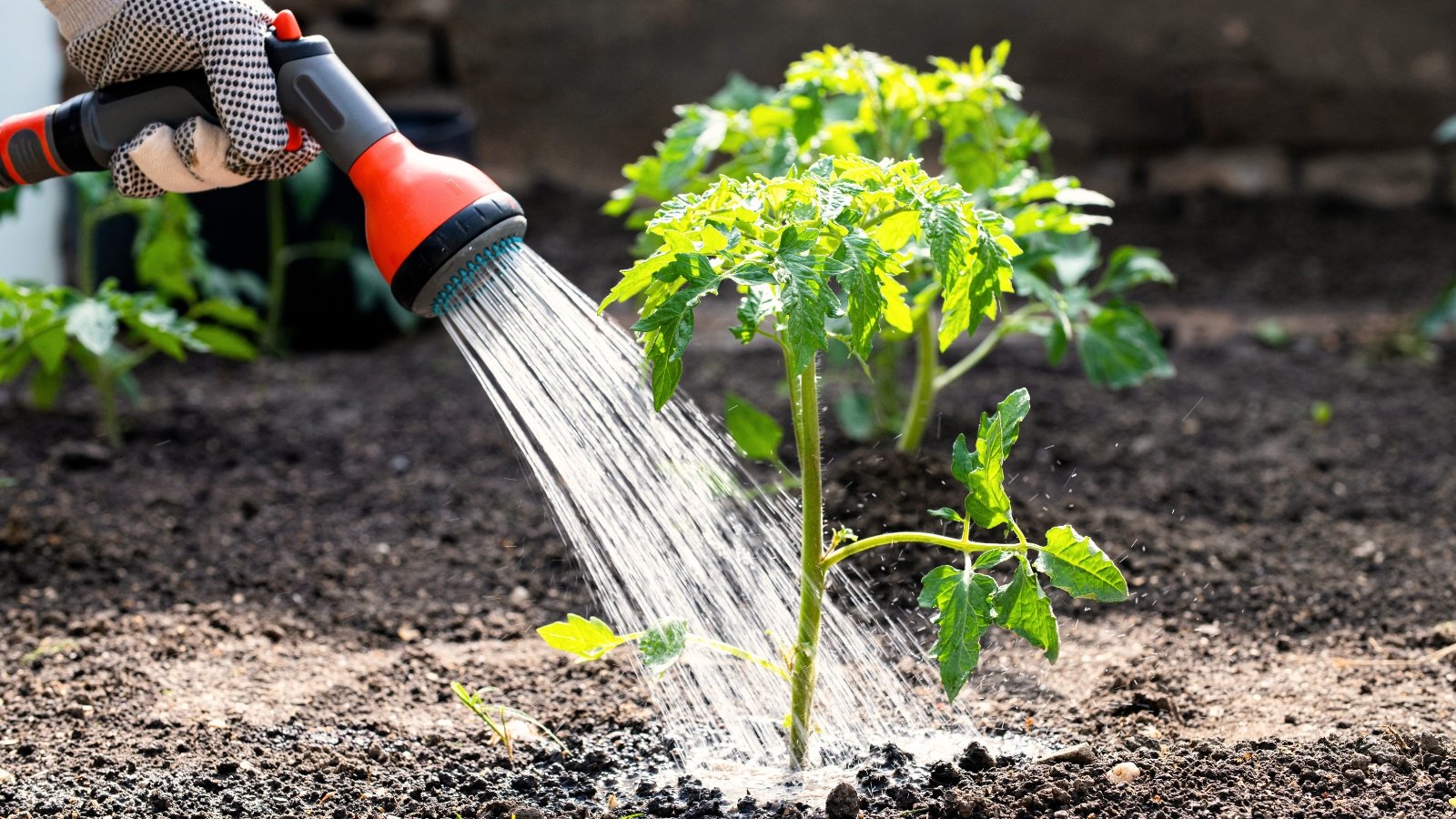
Inconsistent watering is one of the most common causes of cracked fruit and blossom end rot in Brandywine, and both problems tend to start with habits established early in the season. Water at the base of the plant, not overhead. Drip irrigation or a soaker hose is ideal. If you’re watering by hand, direct the water at the soil line.
After transplanting, the plants need about an inch of water per week, adjusted for rainfall and temperature. Mulching around the base (straw or shredded leaves, kept a few inches from the stem) helps hold moisture between waterings and reduces the temperature swings in the soil that can contribute to blossom end rot.