How to Plant, Grow, and Care for ‘Berkeley Tie Dye’ Tomatoes
'Berkeley Tie Dye' tomatoes are popular heirlooms grown for their impressive flavor and large fruits. Gardening expert Madison Moulton explains everything you need to know to grow these tomatoes.


Contents
You don’t see ‘Berkeley Tie Dye’ tomatoes at the grocery store. You won’t find them at most farmers’ markets either. This is a variety you have to grow yourself, and once you cut one open and see the marbled interior, you’ll understand why gardeners love it.
‘Berkeley Tie Dye’ is an open-pollinated heirloom beefsteak with a flavor profile that goes beyond what most red slicers can offer. It’s tangy and sweet with a flavor that’s hard to describe until you taste it.
The plants are compact for an indeterminate variety and well adapted to a range of climates, though like all heirloom tomatoes, they ask for a bit more attention than a hybrid would. In this guide, you’ll find everything you need to keep them happy.
‘Berkeley Tie Dye’ Tomato Overview

|
Plant Type
Annual
Family
Solanaceae
Genus
Solanum
Species
lycopersicum
|
Native Area
South America
Exposure
Full sun
Height
48–72″
Watering Requirements
Moderate
|
Pests & Diseases
Aphids, hornworms, early blight, late blight, blossom end rot
Maintenance
Moderate
Soil Type
Moist, well-draining
Hardiness Zone
3–11
|
What Is It?
‘Berkeley Tie Dye’ (Solanum lycopersicum) is an indeterminate, open-pollinated tomato bred for both appearance and flavor. The original selection produces fruits with deep red skin overlaid with metallic green stripes. Fruits weigh in at eight to 12 ounces, sometimes more, and mature in roughly 68 to 80 days from transplant, depending on conditions.
The plant is part of Brad Gates’s “Boar Series,” a group of heirloom varieties selected at Wild Boar Farms for color, flavor, and productivity. It’s open-pollinated, so you can save seed from year to year if you want to keep your own stock going.
Characteristics
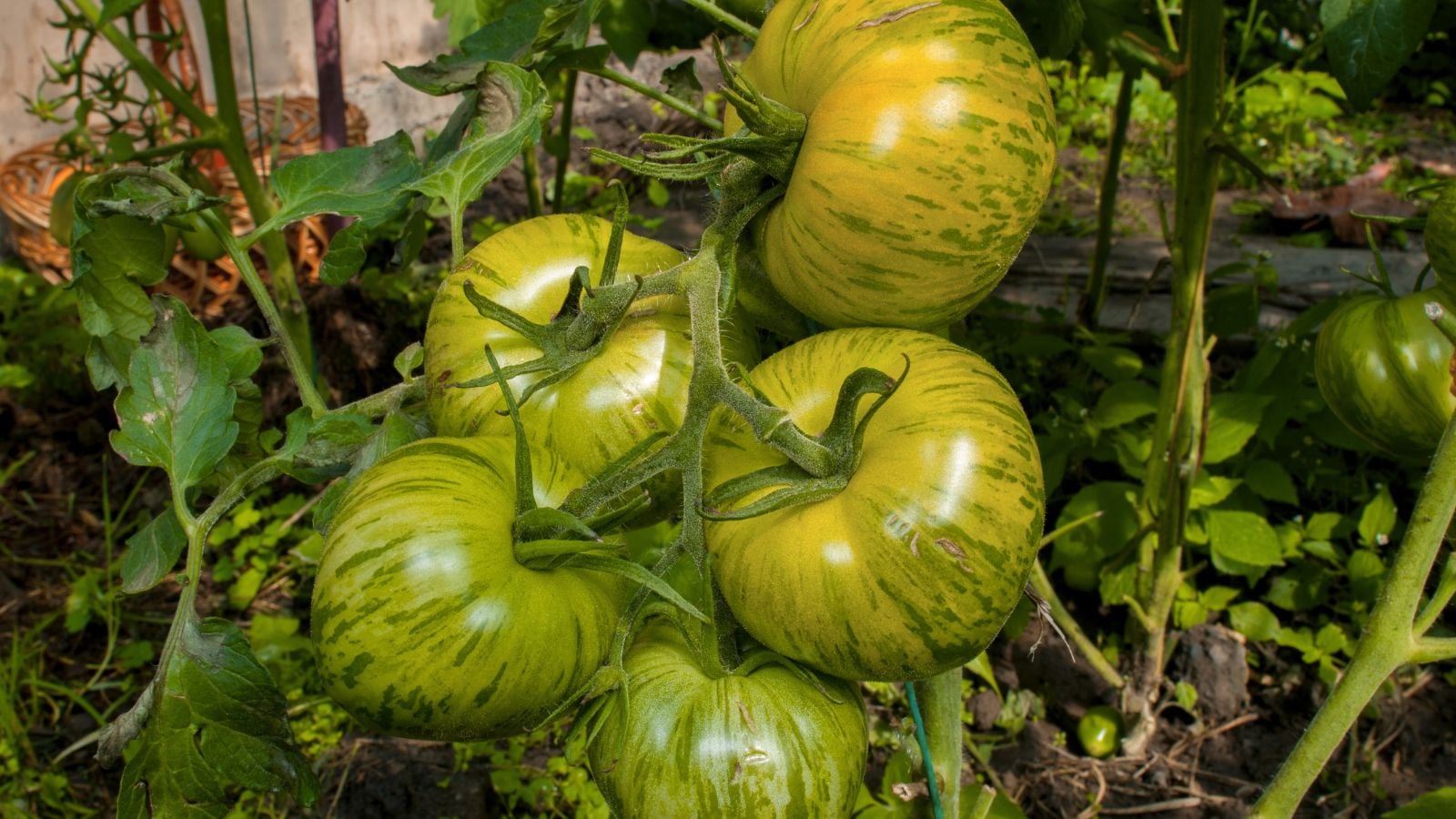
The exterior color is the first thing people notice. The skin is a dark, wine-like red with iridescent green stripes that catch the light. But the real show is inside. Slice through one and the flesh is a kaleidoscope of red, pink, yellow, and green, varying from fruit to fruit.
The plants are described as compact indeterminate, meaning they keep growing and producing all season but don’t get as sprawling as some other indeterminate types. Expect heights of four to six feet with a spread of two to three feet. They produce fruit in clusters and tend to start bearing earlier than many heirloom beefsteaks.
Like most heirlooms, the fruit can be irregular in shape. Some will be perfectly round. Others will be lobed or slightly flattened. That’s normal and doesn’t affect the flavor.
Planting
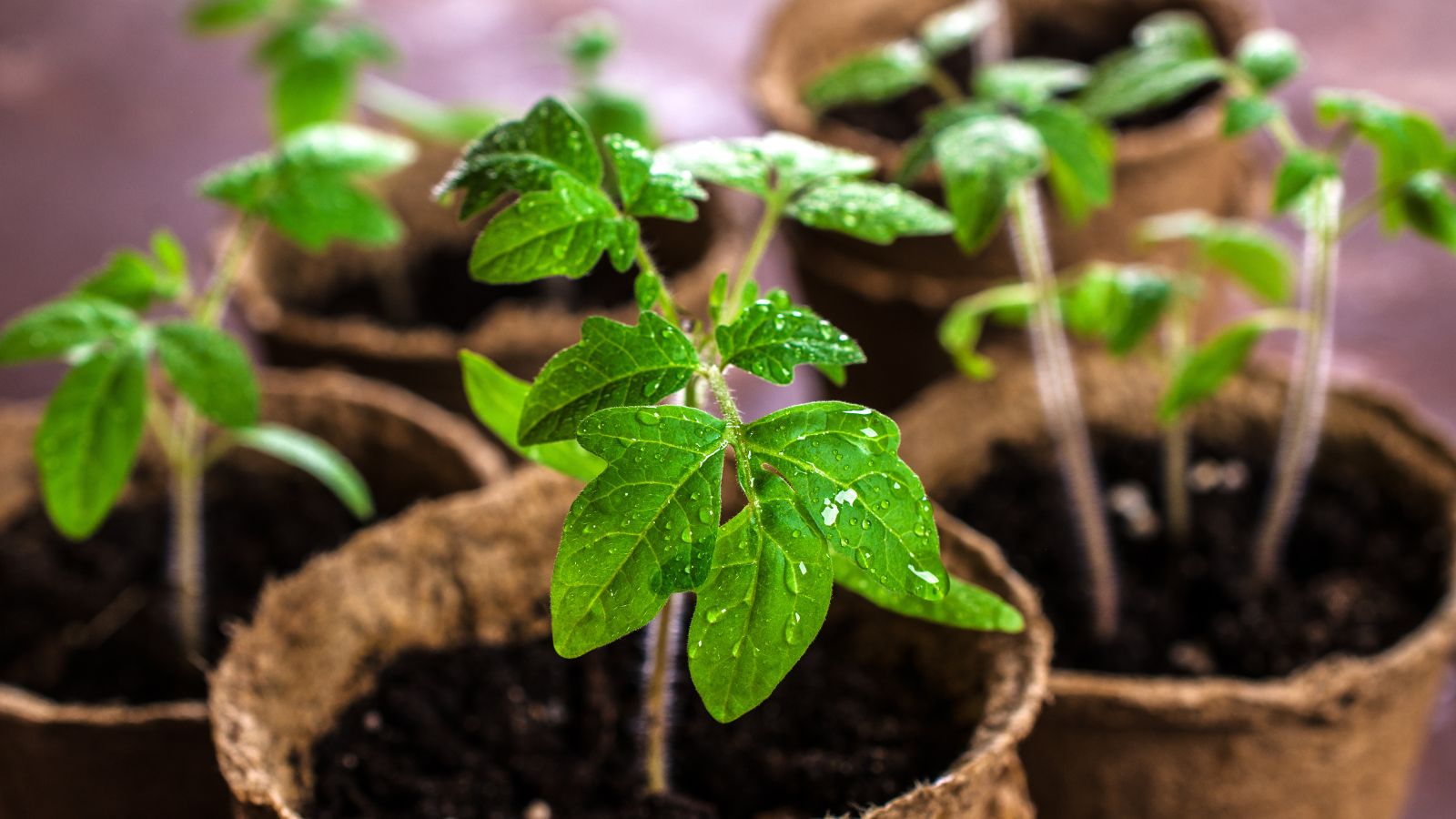
Start seeds indoors about six weeks before your last frost date. Tomato seeds germinate best at soil temperatures between 75 and 85°F, so a heat mat helps if you’re starting them in a cool room. Sow a quarter inch deep in a seed-starting mix and expect sprouts within a week.
Once seedlings have their first true leaves, move them into individual pots. Bury the stem slightly deeper than it was growing before. Tomatoes root along buried stems, and this builds a sturdier plant. Grow them on under strong light until you’re ready to harden off and transplant outside.
Don’t rush them outdoors. Wait until the soil has warmed to at least 60°F and nighttime temperatures are staying above 50°F. Cold soil stalls tomato growth in a way that takes weeks to recover from. When you transplant, space plants about 24 inches apart and provide a sturdy cage or stake at planting time. These plants will need support as the fruit sets.
How to Grow
‘Berkeley Tie Dye’ tomato is well adapted to different climates and produces reliably as long as the basics are covered. The main thing to keep in mind is that heirloom varieties don’t come with the built-in disease resistance of modern hybrids, so getting the growing conditions right matters more than it would with a tougher, bred-for-resilience type.
Light
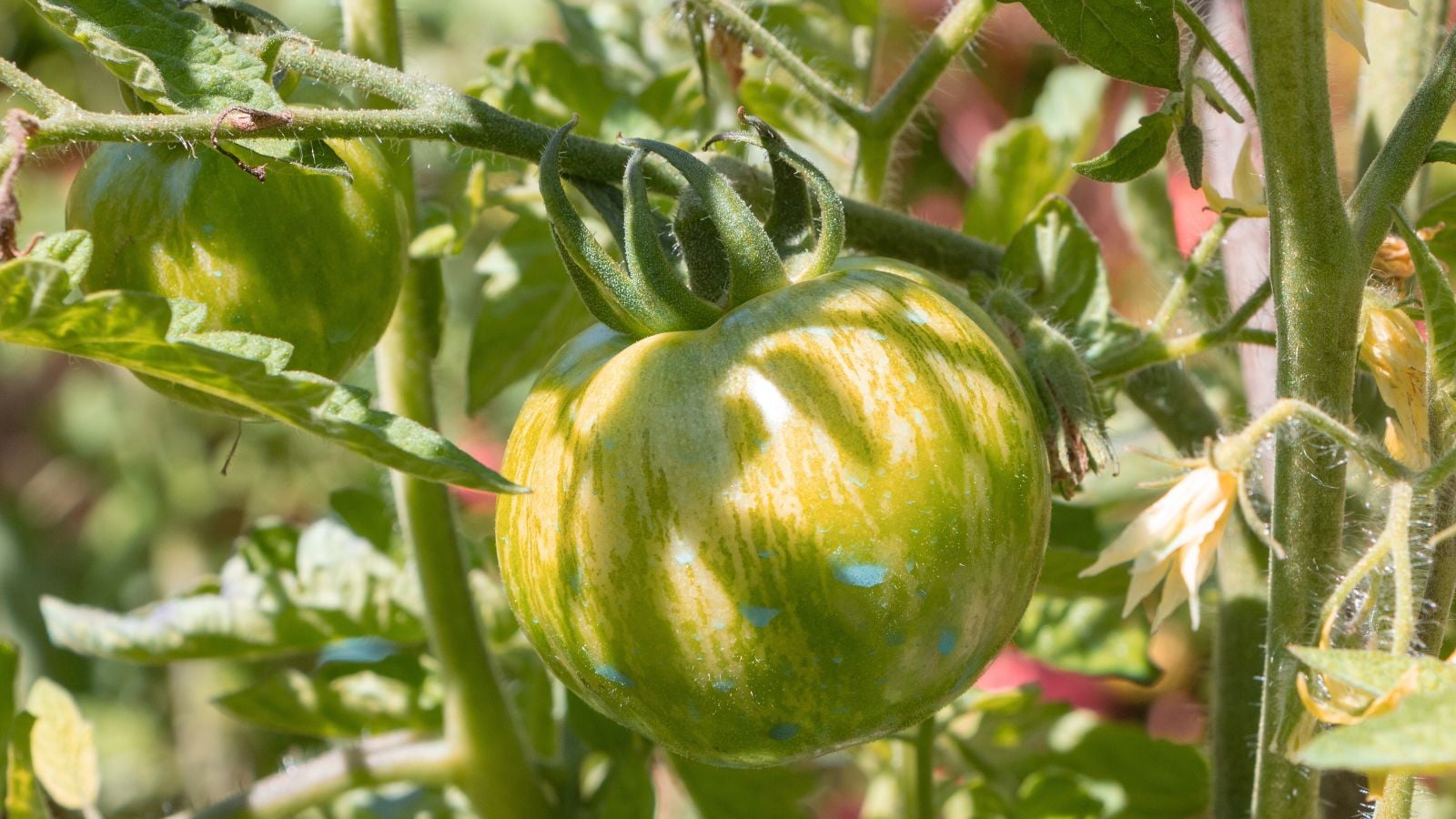
Tomatoes want as much direct sun as you can give them. Six hours is the minimum, but ‘Berkeley Tie Dye’ will produce more and better fruit with eight to ten. If you’re choosing between two spots, pick the one with the most consistent sun exposure even if it’s slightly more exposed.
In very hot climates, afternoon shade can actually help by reducing heat stress during the peak of summer, when temperatures above 95°F can cause blossoms to drop without setting fruit. But in most regions, full sun all day is what you’re aiming for.
Water
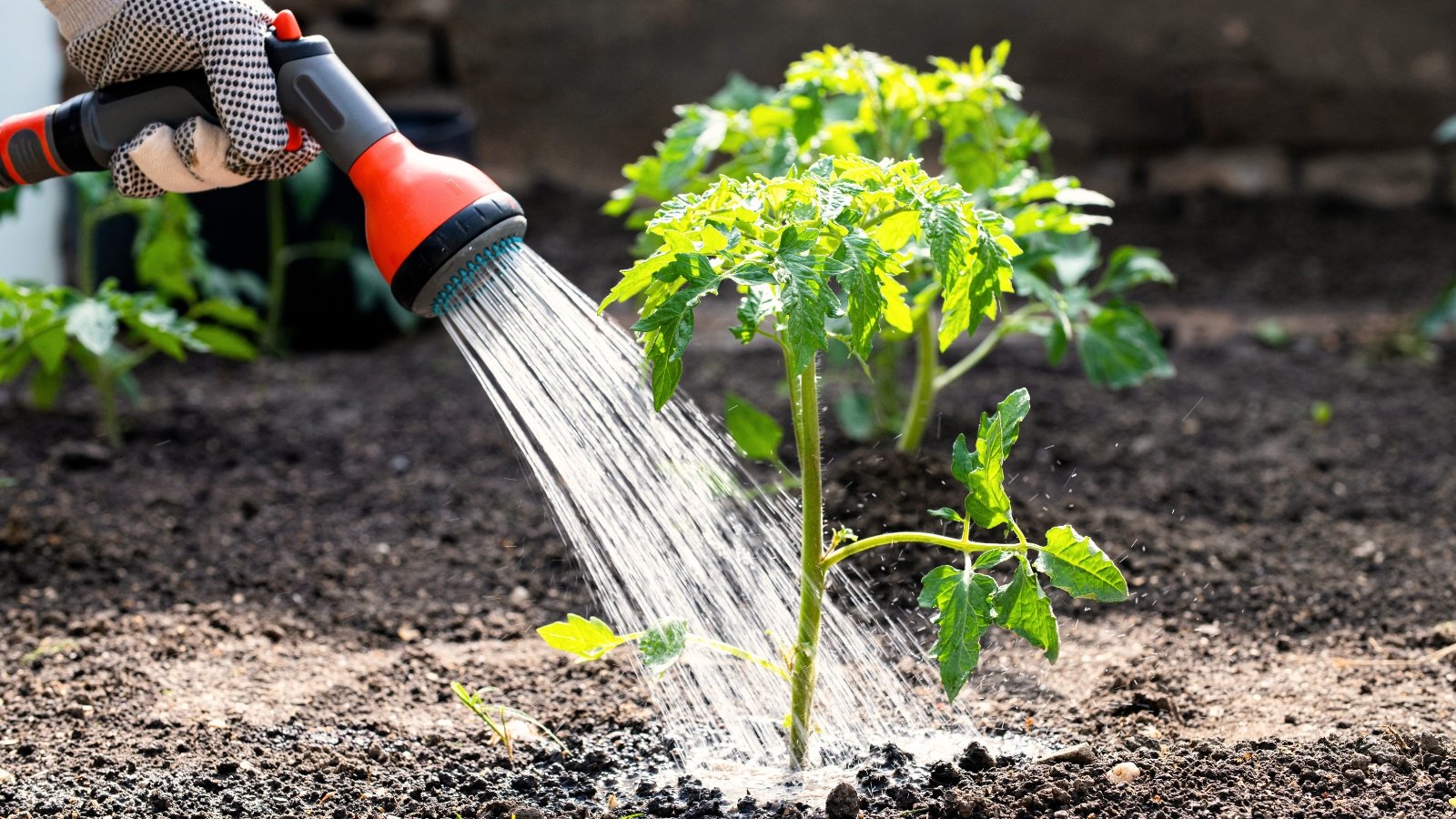
Consistent moisture matters more with heirloom tomatoes than with hybrids, because heirlooms are more prone to cracking when watering is uneven. ‘Berkeley Tie Dye’ will split if the soil goes dry and then gets soaked, which is common when summer thunderstorms follow a dry spell.
Water deeply at the base of the plant rather than overhead. Drip irrigation or a soaker hose works well and keeps the foliage dry, which reduces fungal issues. Once the plants are established and fruiting, aim to keep the soil evenly moist without it being waterlogged. Mulching around the base helps steady things out between waterings.
Soil

Rich, well-drained soil with a pH between 6.0 and 6.8 suits most tomatoes, and ‘Berkeley Tie Dye’ is no exception. Work compost or aged manure into the planting area before transplanting. Tomatoes are heavy feeders with roots that can reach several feet deep in good conditions, so investing in soil preparation upfront pays off throughout the season.
Avoid planting where tomatoes, peppers, eggplant, or potatoes have grown in the past two to four years. These crops are all in the same family and share diseases that persist in the soil. Rotating away from nightshade crops is one of the simplest ways to keep your tomatoes healthy.
Temperature & Humidity
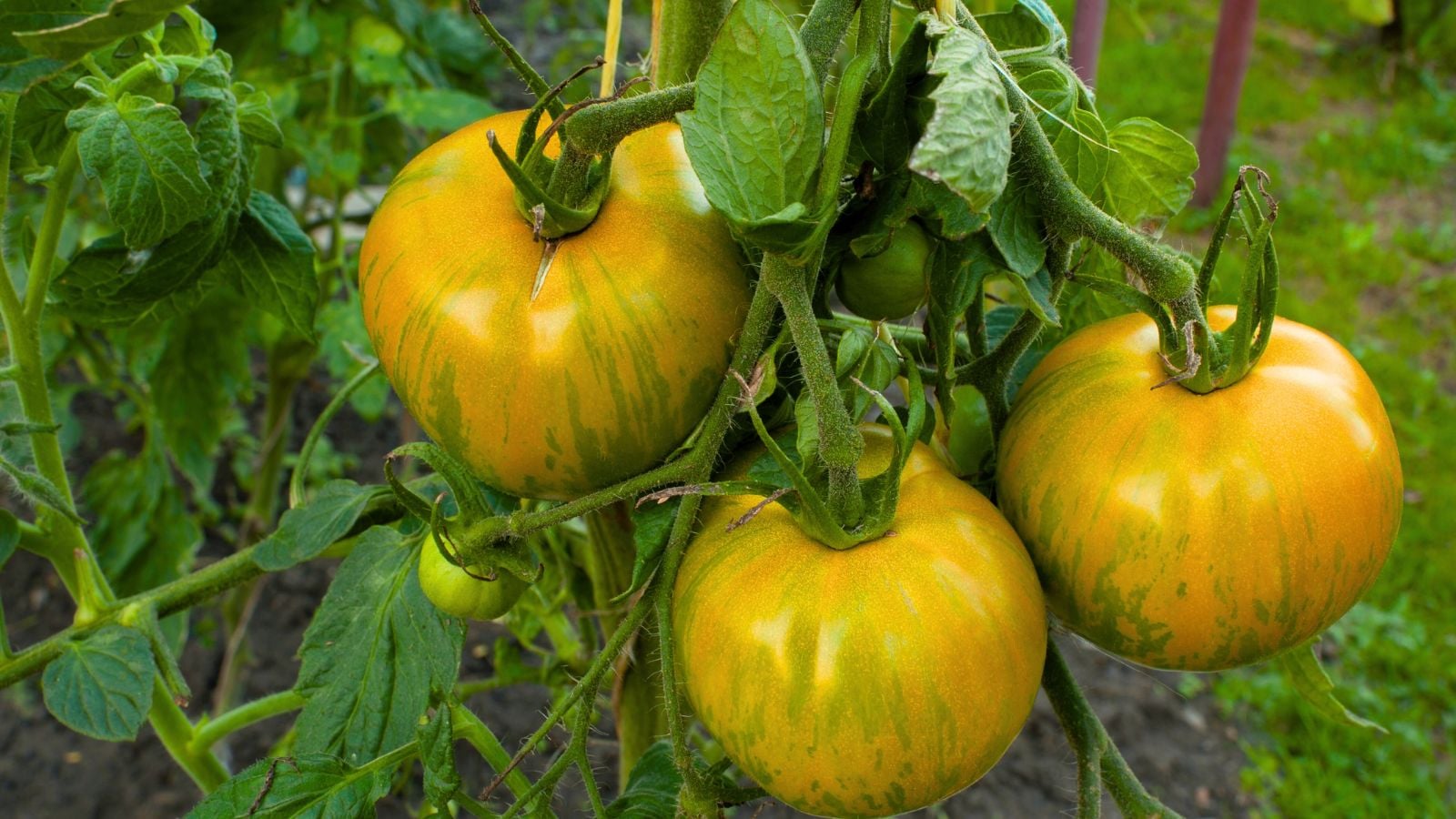
‘Berkeley Tie Dye’ tomatoes are well adapted to a range of climates, which is part of what makes them a good pick for home gardeners.
Fruit set slows when nighttime temperatures consistently stay above 75°F or drop below 55°F. In hot regions, this can create a gap in production during peak summer that fills back in as nights cool in early fall. Average humidity is fine. High humidity combined with poor air circulation invites fungal diseases, so spacing and pruning become more important in those conditions.
Fertilizer

Tomatoes are heavy feeders, but with ‘Berkeley Tie Dye’, it’s worth being careful about nitrogen. Too much pushes leafy growth at the expense of fruit and can delay ripening. A balanced fertilizer at planting time, followed by a shift toward higher phosphorus and potassium once the first flowers appear, encourages fruit production without excessive vine growth.
Feed every two to three weeks during the growing season with a liquid fertilizer, or apply a single round of slow-release granules at planting and supplement as needed. If the leaves are dark green and lush but flowers aren’t setting fruit, back off the nitrogen.
Maintenance

Because ‘Berkeley Tie Dye’ is indeterminate, the vines keep growing all season. Without support, they’ll sprawl across the ground, and the fruit will sit on damp soil where it’s more likely to rot or attract pests. A sturdy cage, a stake-and-weave system, or a trellis keeps things manageable.
Pruning suckers (the shoots that emerge in the joint between the main stem and a branch) is optional but helps with airflow and can direct more energy toward fruit. For this variety, I’d remove suckers below the first flower cluster and leave the ones above. This gives you a balance between production and plant health.
Remove any leaves that touch the ground, especially as the season progresses. Soil-borne diseases like early blight splash up onto lower foliage first, and keeping a gap between the bottom leaves and the soil surface is an easy preventive step.
Propagation
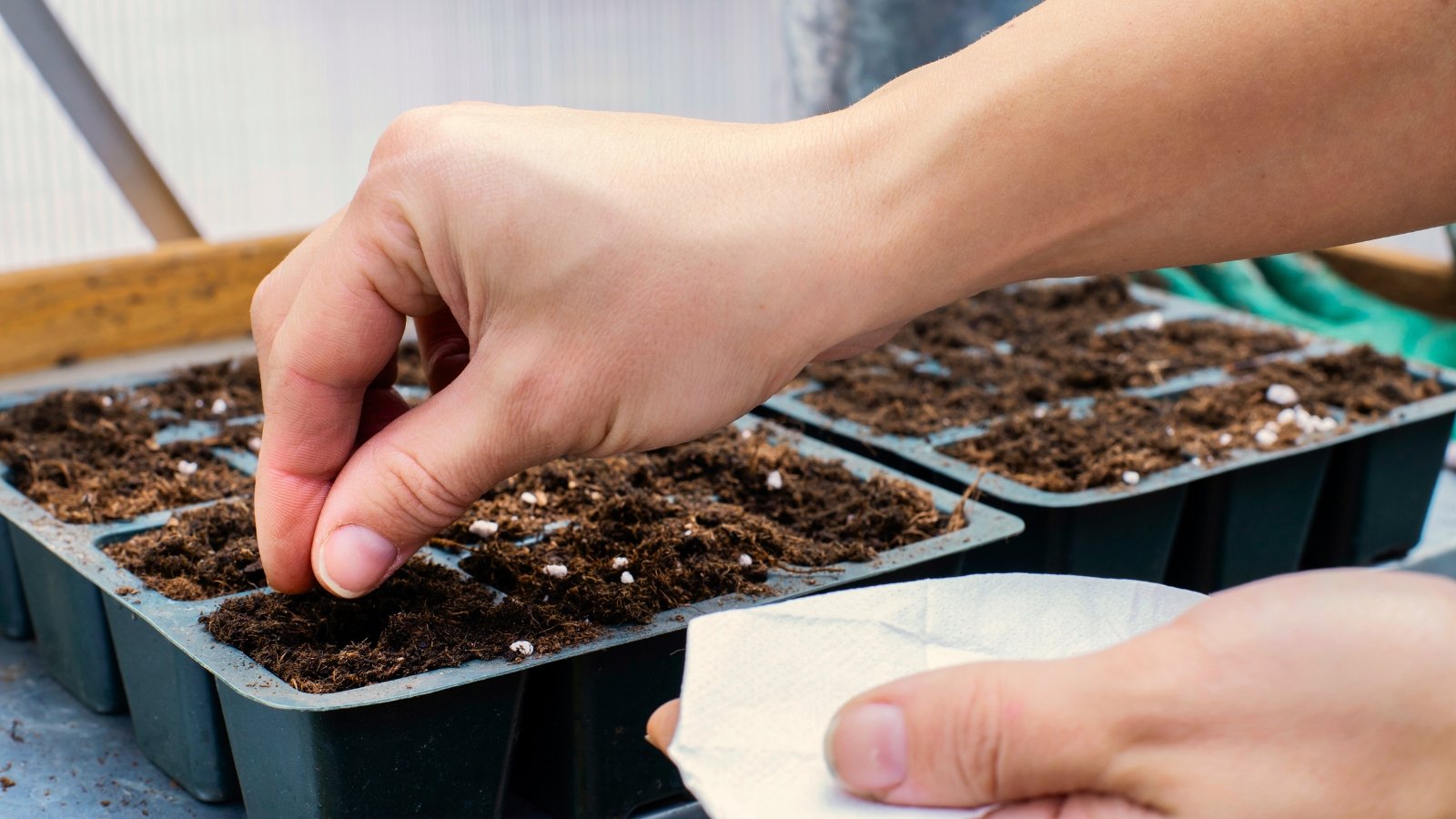
‘Berkeley Tie Dye’ tomato is open-pollinated, which means you can save seed and get plants that are true to the parent. Let a few of your best fruits ripen fully on the vine, then scoop the seeds into a jar with a bit of water. Let the mixture ferment for two to four days (it will smell unpleasant), which breaks down the gel coating around the seeds. Rinse, dry on a paper towel, and store in a cool, dry place for next season.
If you’re growing other tomato varieties nearby, there’s a small chance of cross-pollination, though tomatoes are mostly self-pollinating.
Common Problems
Cracking is the most frequent issue with this variety. Uneven watering is usually the cause. Consistent moisture (and mulch to buffer the soil between waterings) reduces it significantly, but some cracking is normal with heirloom beefsteaks, especially after heavy rain.
Blossom end rot (a dark, sunken spot on the bottom of the fruit) is a calcium uptake issue, not necessarily a soil calcium deficiency. It’s triggered by inconsistent watering. Keeping moisture steady is the fix, not adding more calcium in most cases.
Catfacing (misshapen, scarred fruit) tends to show up on the earliest tomatoes of the season, when cool temperatures during flowering cause uneven pollination. Pinching off those early, deformed fruits lets the plant focus on producing clean fruit as temperatures stabilize.
Pests

The usual tomato pests apply. Tomato hornworms are the most destructive and can strip a branch of leaves overnight. They’re large enough to handpick but well camouflaged, so look for dark droppings (frass) on the leaves below where they’re feeding. Bacillus thuringiensis (Bt) spray on your plant helps with control.
Aphids cluster on new growth and can build up quickly in warm weather. A strong blast of water from the hose knocks most of them off. For persistent populations, insecticidal soap or neem oil is effective.
Flea beetles leave tiny, round holes in the foliage, mostly on young plants. The damage is usually cosmetic on established plants and doesn’t warrant treatment unless the infestation is severe.
Diseases

Early blight is the most common disease on tomatoes in most regions. It starts as dark, concentric-ring lesions on the lower leaves and works upward. Remove affected foliage, mulch to prevent soil splash, rotate crops, and avoid overhead watering.
Late blight is more destructive and spreads fast in cool, humid conditions. It causes large, water-soaked lesions on leaves and fruit. If you see it, remove and destroy affected plants immediately. Don’t compost them.
Fusarium and verticillium wilt cause yellowing and wilting, often on one side of the plant first. There’s no treatment once a plant is infected. Remove it, and don’t plant tomatoes in that spot for several years. Heirloom varieties like ‘Berkeley Tie Dye’ don’t carry the disease resistance bred into many hybrids, so crop rotation and good cultural practices are your main defense.
Frequently Asked Questions
What does ‘Berkeley Tie Dye’ taste like?
Complex. There’s sweetness, a noticeable tanginess, and a spiced quality that’s unusual in tomatoes. The flavor has been compared to what you’d expect from a top-tier cherry tomato but in a full-sized beefsteak. It’s consistently rated above ‘Cherokee Purple’ in taste comparisons.
Can I grow it in a container?
Yes, though you’ll need a large one. At least five gallons, and bigger is better. The plant is compact for an indeterminate type, but it still needs room for its root system and will need consistent watering and feeding in a container.
How long until harvest?
About 68 to 80 days from transplanting, depending on your climate and growing conditions. In cooler areas, expect the longer end of that range.
Why are my fruits misshapen?
Catfacing is common on heirloom beefsteaks, especially early in the season. It’s caused by cool temperatures during flowering and doesn’t affect flavor. Pinch off deformed fruit when it’s small to redirect energy to later, cleaner fruit.