5 Foolproof Vegetable Garden Pairings That Thrive in Spring
A good pair of veggies growing together can make all the difference in your garden – even if you’re growing in rows. Plant a few spring vegetable pairings this spring, and you’ll keep planting them every year. Experienced gardener Sarah Jay covers five select pairings and the science behind why they work.

Contents
I love planting spring vegetable pairings to give my garden a boost at the beginning of the season. Many of these align with how those same pairings work together in the kitchen, and in the ground, they collaborate so well. Some bolster growth, while others keep pests away. Others have multiple benefits to offer their partner crop.
A good practice of interplanting improves the garden in multiple ways. Not only do interplanted areas lack bare soil, which can experience erosion, but they are also more biodiverse and bolster local insects and soil microflora. While a bed full of one kind of plant is uniformly attractive, it alone won’t do much for the surrounding environment.
This is why it’s important to combine plantings where we can, as cultivated plants are sometimes not the friendliest to the ecosystem. But we humans have bred them over time for the flavors and textures we love in the kitchen. While we can’t cover all the best companions here, we can discuss a few. As you’re planting this spring, pop a few of these in your beds.
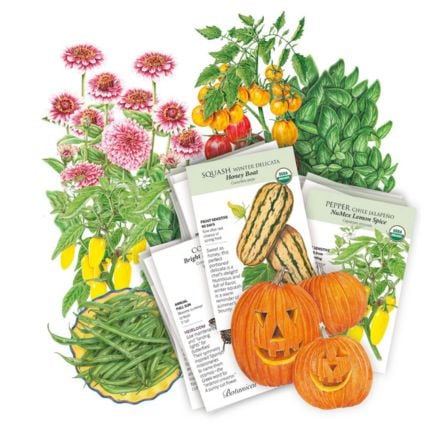
Small Space, Big Harvests Starter Mix
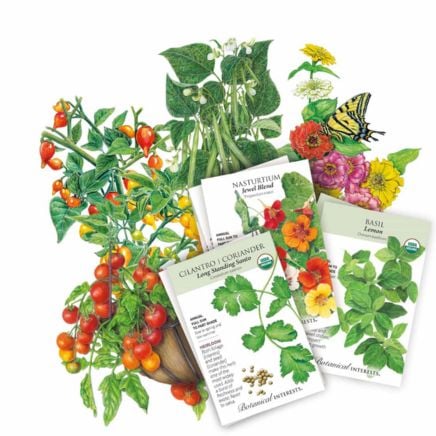
Small Space, Big Harvests Starter Mix
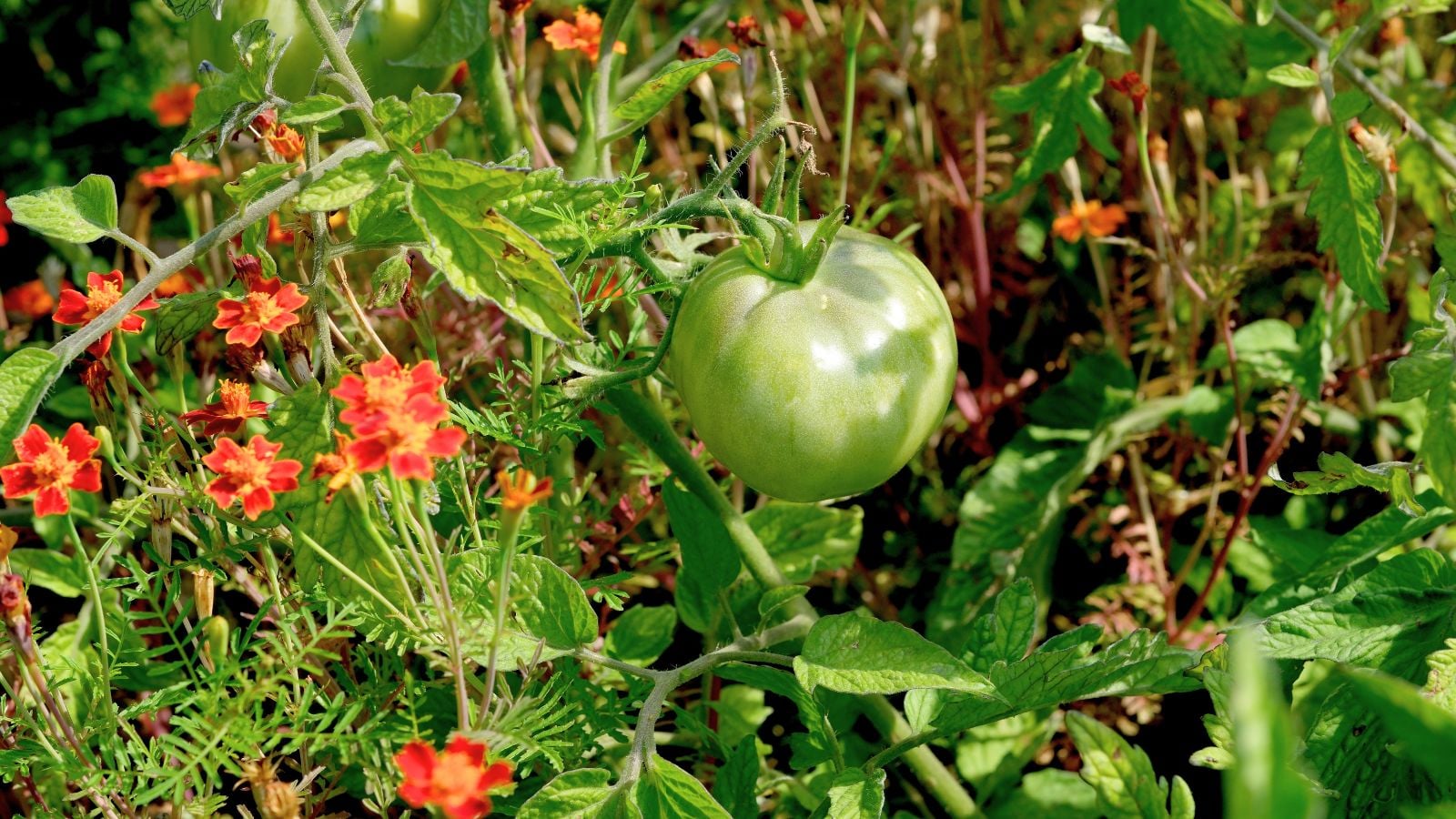
Tomatoes and Marigolds
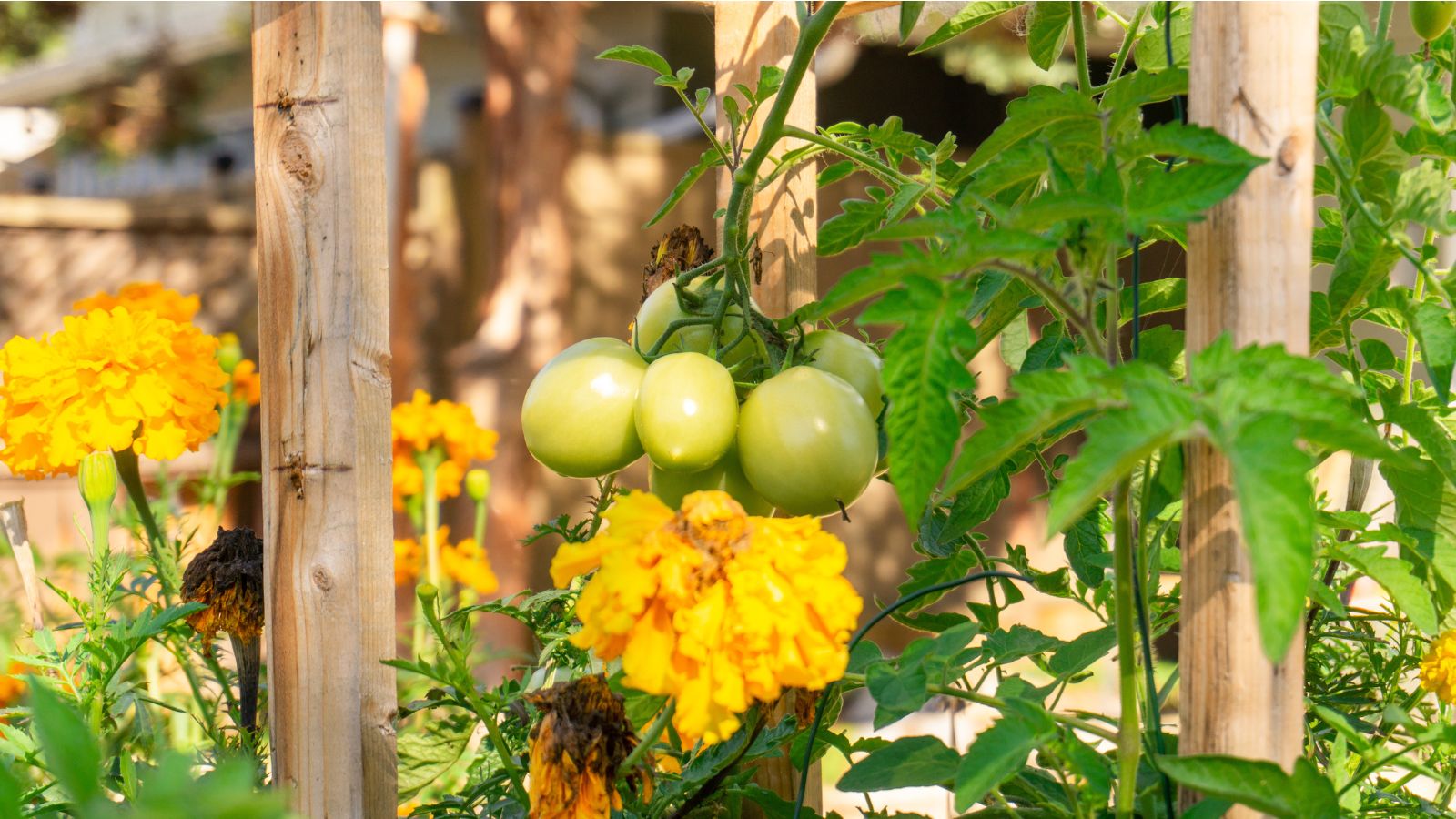
We’ll start with one of the favorite spring vegetable pairings. Everyone loves tomatoes, but people who have grown them in the same spot multiple years in a row have likely had experience with root knot nematodes. That’s where marigolds come in. African marigolds, in particular, have a compound called α-terthienyl, which blocks root knot nematodes.
The compound is effective against the adult and larval stages of this soil-dwelling pest, and is most effective when marigolds have had a chance to grow in full sunlight for at least a season. However, studies show they are still effective even without this period. Plant them close to your toms, and protect them.
Trap crops are those you grow next to more sensitive ones and then terminate as soon as pests take hold. Marigolds can also act as a trap crop for aphids, thrips, and mites. Orange and yellow-flowering varieties tend to be most effective. Because you’re going to take some marigolds out as they get covered in pests, plant multiple so you can enjoy them through the fall.
While marigolds are not the most effective for improving pollination, this is one of the side benefits they provide to tomatoes. Especially if you grow single-petaled varieties, you’ll see a boost in fruit set.
Beans and Nasturtium
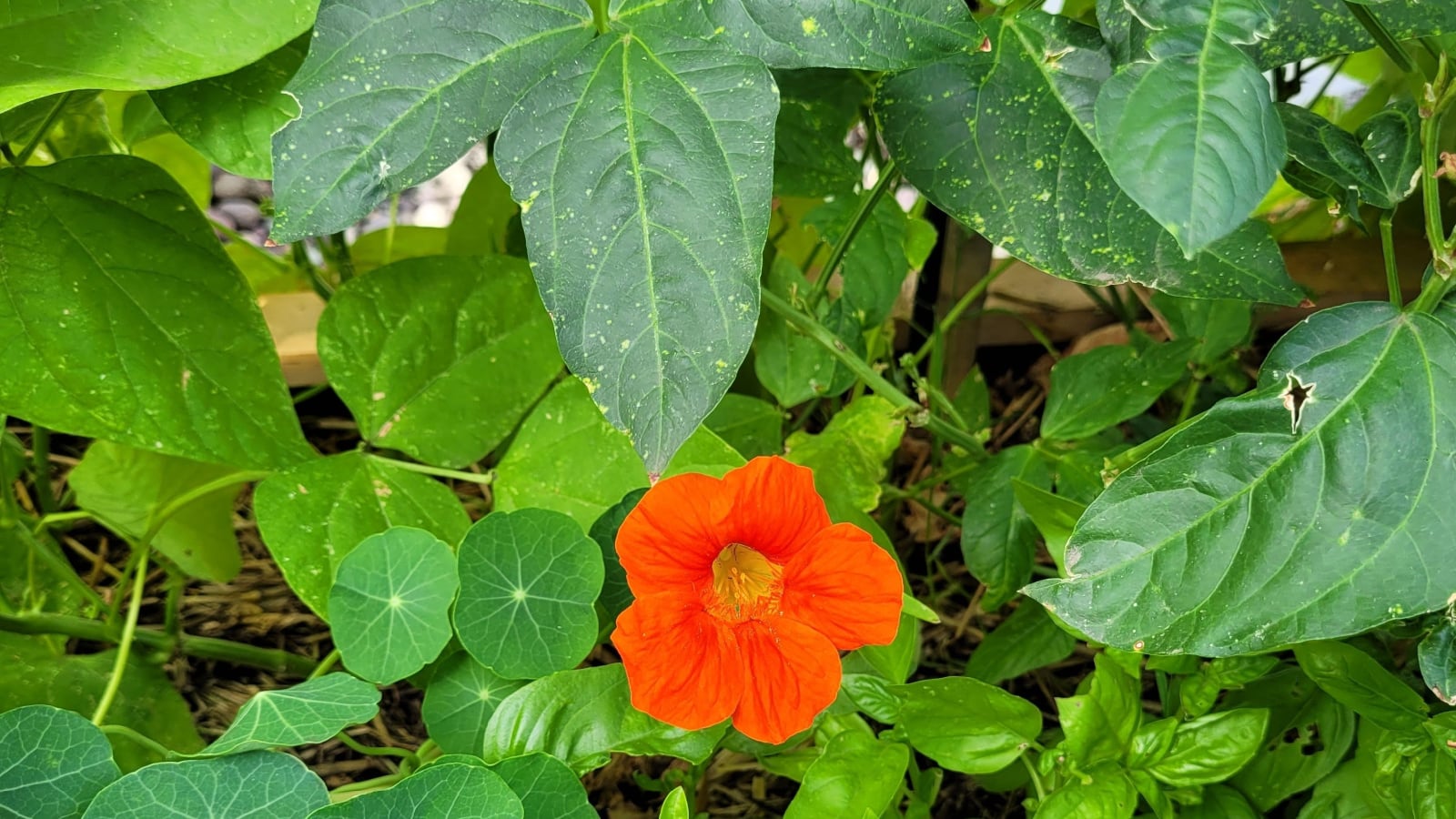
Just as marigolds trap pests for tomatoes, nasturtiums do the same for beans. They lure aphids, beanflies, and bean beetles away from bean plants and toward them. When pests aren’t around, they offer a source of pollination for bean plants, attracting bees that pollinate both.
Nasturtiums are also edible from the ground up. Their peppery leaves and flowers are delicious in salads, and they are a fun plant to grow for teaching children about edible flowers. They’re an excellent ground cover for early spring gardens, and where the weather remains cool through summer.
Soak your nasturtiums for a day before you plant them to help the seeds germinate more easily. Then plant them about an inch or two apart, at least six inches away from your beans. Then let them take off! One note: they can be invasive in certain regions. In areas where nasturtiums are invasive, plant dill, borage, or chamomile.
Cabbage and Thyme

Not only do cabbage and thyme taste delicious when you cook them together, but they’re also one of the most beneficial spring vegetable pairings. It’s a pest-repeller for all brassicas, actually, which are highly sensitive to pest attacks. Like us, tons of hungry insects love to feast on the supple leaves of kales, cabbages, cauliflowers, and more.
The specific pests thyme is known to repel are cabbage loopers, cabbage maggots, and cabbage worms. These can take hold of your crop and decimate it in a matter of a few days. Thymol is the compound responsible for this repelling action. This compound is a key ingredient in certain insect repellents as well.
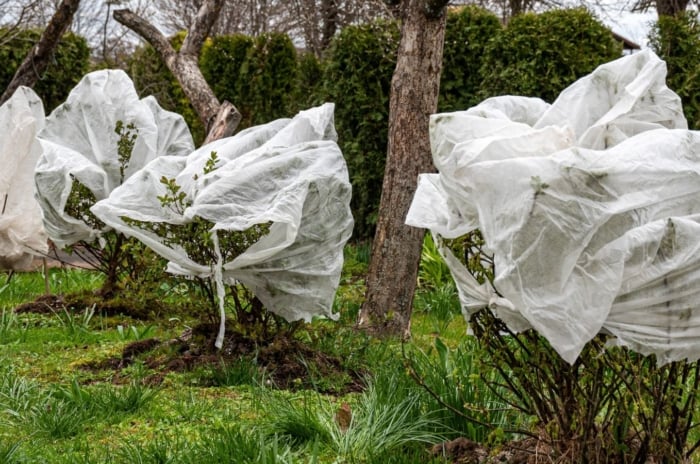
While thyme plants won’t completely get rid of these cabbage pests, they will deter many of them. Along with pairing these two plants in your garden, you can cover your cabbages with a permeable cloth that blocks insects from accessing them. You should also scout your cabbages regularly for pests, just in case.
Peppers and Cilantro
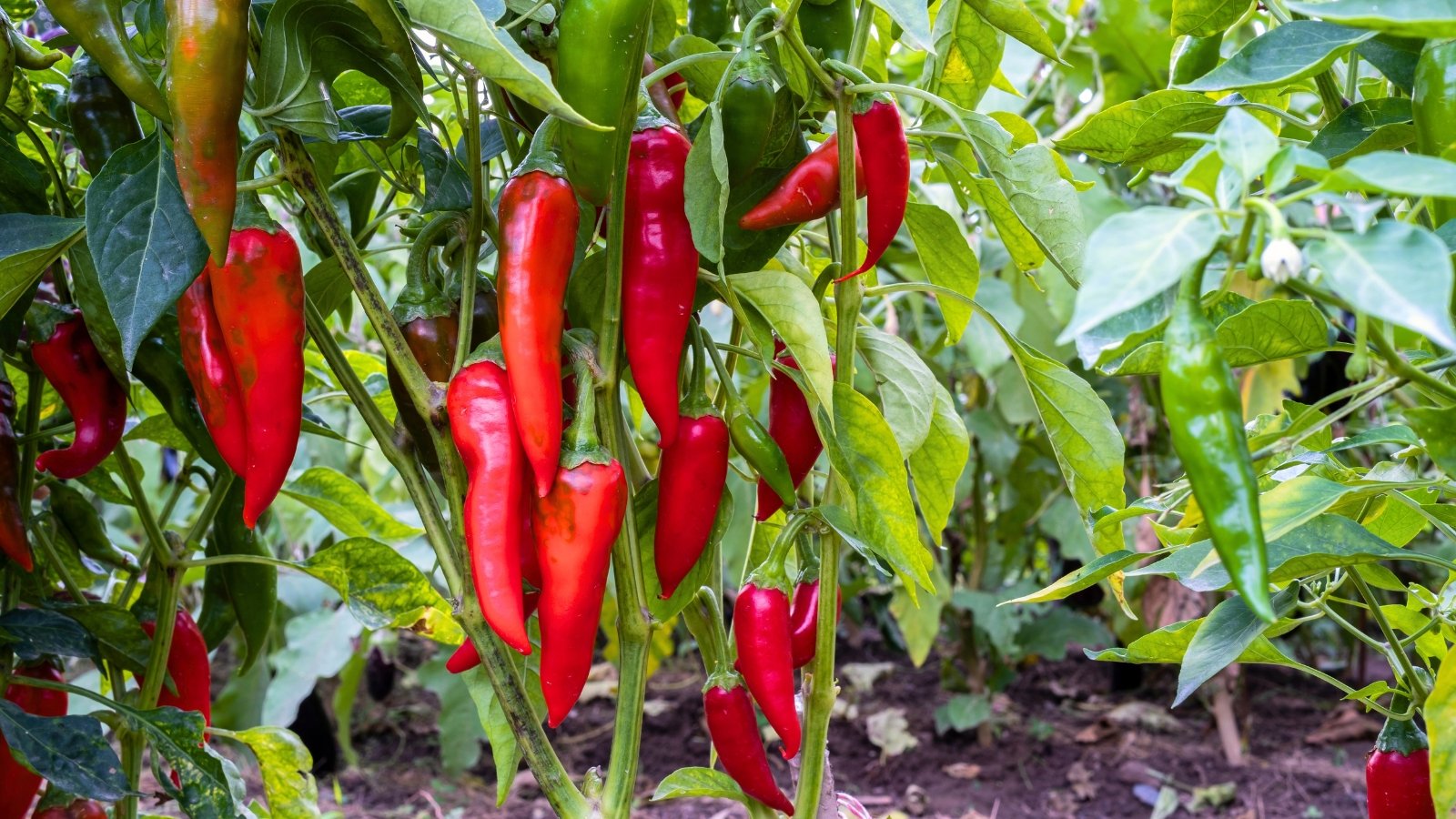
Similar to cabbage and thyme, peppers and cilantro are a no-brainer for combining in the kitchen. They’re also a great spring vegetable pairing to grow this year. Cilantro has fragrant leaves that tend to repel pests, like aphids and mites. It is not, however, immune to attacks from pests, so check the leaves often.
Thankfully, peppers help out. They shade cilantro in warm weather when it’s likely to bolt, keeping it growing those tasty leaves that keep the pests away. Peppers also attract hoverflies, which lay their eggs on host plants or nearby plants with aphids on them. The eggs hatch, and their larvae get to work, consuming as many pests as possible before growing into adults.
If you’re salsa gardening, include both of these plants in your spring garden. Your peppers will produce up until temperatures drop below 50°F (10°C), and the cilantro will be done once summer heats up. At this point, some basil will offer assistance to your peppers, so have that handy!
Potatoes and Onions
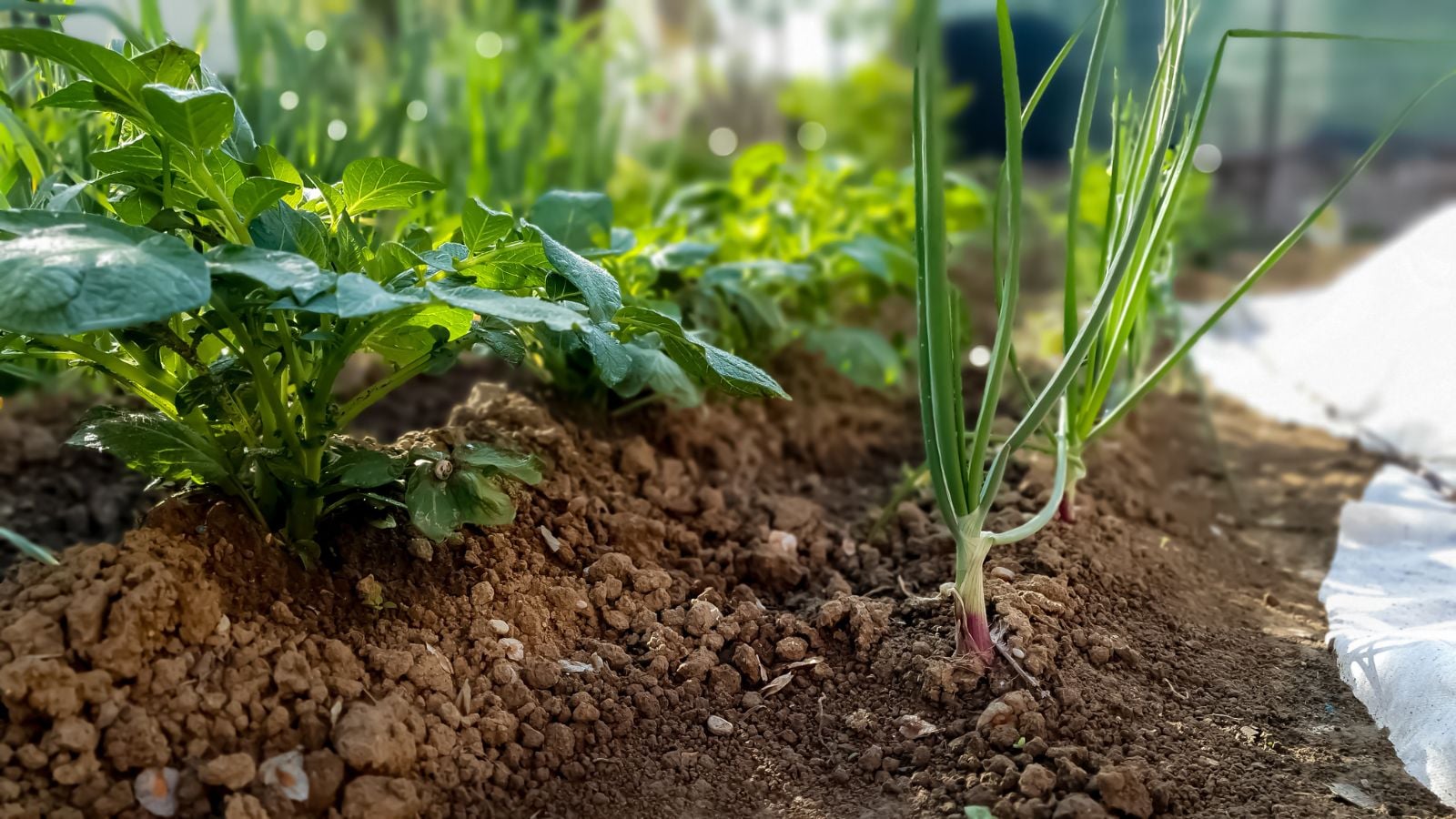
Yet another pairing that works amazingly in a cooked dish, potatoes and onions of any standard kind are one of those really great spring vegetable pairings. Onions have sulfurous compounds that repel one of the worst potato pests: the Colorado potato beetle. They also repel aphids and leafhoppers.
Potatoes are highly cultivated and have been bred again and again over centuries. Because of this, the beloved varieties we know and love tend to be vulnerable to pests. That’s why keeping them interplanted with onions is so important.
If you’re working with sets, it’s very easy to tuck onions in here and there between your potato plants. Provide a few inches of room between plants for the best growth. Thankfully, potatoes grow at a much deeper level than onions, so root competition isn’t a concern with proper spacing.