

What to Plant in March For an Established Garden Look, Fast
March is the perfect time to get seeds in the ground (or in trays) for a garden that looks full and productive by early summer. Gardening expert Madison Moulton shares 13 plants to start from seed in March for fast, impressive results.

Contents
There’s a point in early spring where the gap between your plans and your actual garden feels especially wide. You know what you want it to look like by summer. But right now it’s mostly bare soil.
March is the month to close that gap. Many vegetables, herbs, and flowers can be started from seed in March, either sown directly outdoors or started in trays indoors. A surprising number of them grow quickly enough to make your garden look established well before midsummer.
The plants on this list were chosen specifically for speed and visual impact. Some are fast-maturing crops that fill beds with foliage in weeks. Others are flowers that bloom prolifically in their first season from seed.
All of these plants can be started in March in most climates (whether indoors or out), giving you a head start on a garden that looks like it’s been growing for much longer than it has.


Radishes
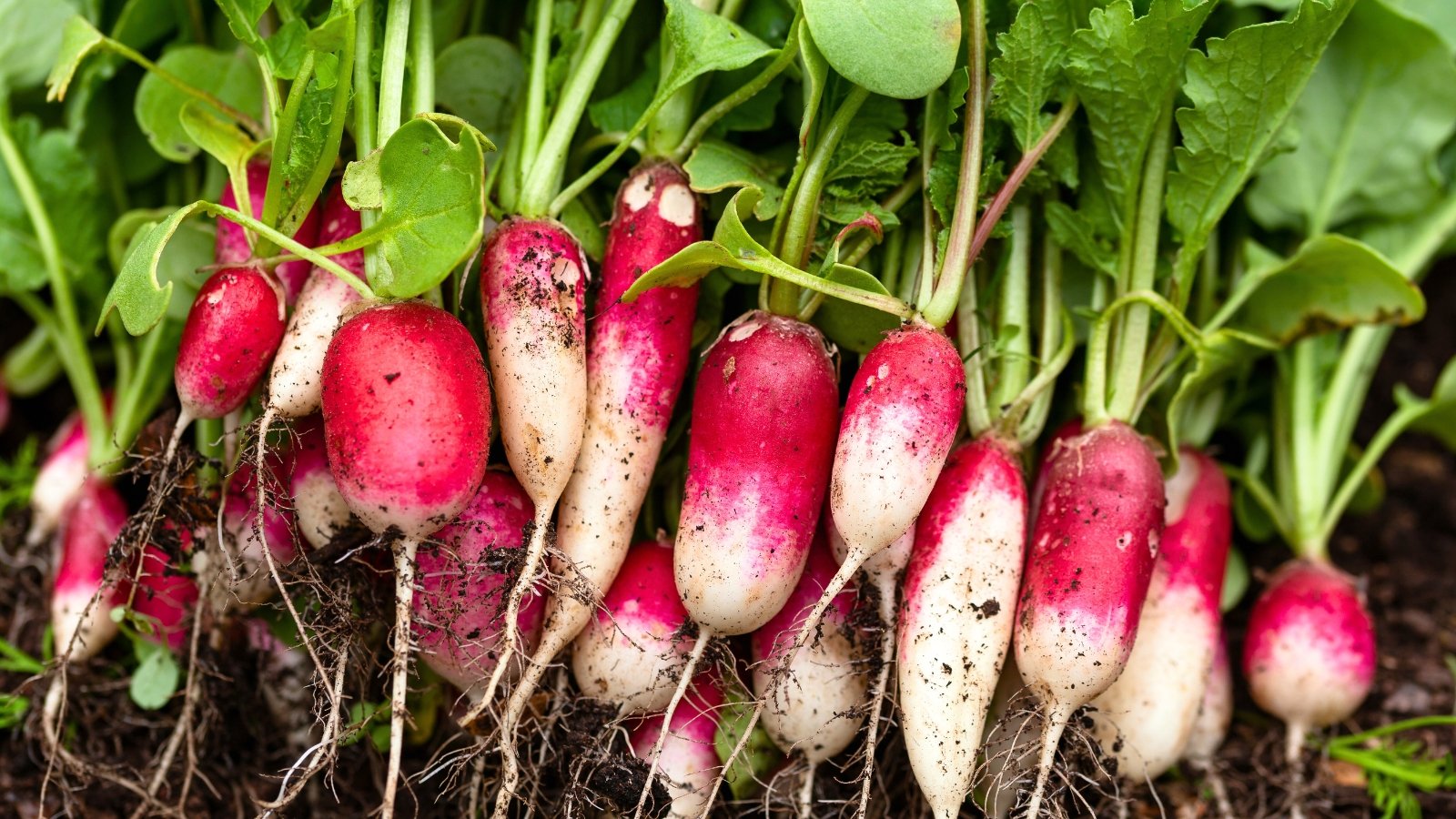
If you want something growing visibly in your garden as soon as possible, radishes are the best plants for March. They germinate in days and can be harvested in as little as three to four weeks. They’re the fastest crop on this list by a significant margin.
Sow radish seeds directly outdoors four to six weeks before your last frost date, which falls in March for many gardeners. They handle cool soil and light frost without issue. Sow every one to two weeks for continuous harvests rather than planting everything at once, which avoids the common problem of 30 radishes all ready on the same day.
Radishes also make surprisingly attractive garden plants while they’re growing. The leafy green tops fill out quickly and look lush in beds or containers. For something beyond the standard red globe, try ‘French Breakfast’ with its elongated roots, or ‘Easter Egg Blend‘ for a colorful mix of red, purple, pink, and white.
Beets
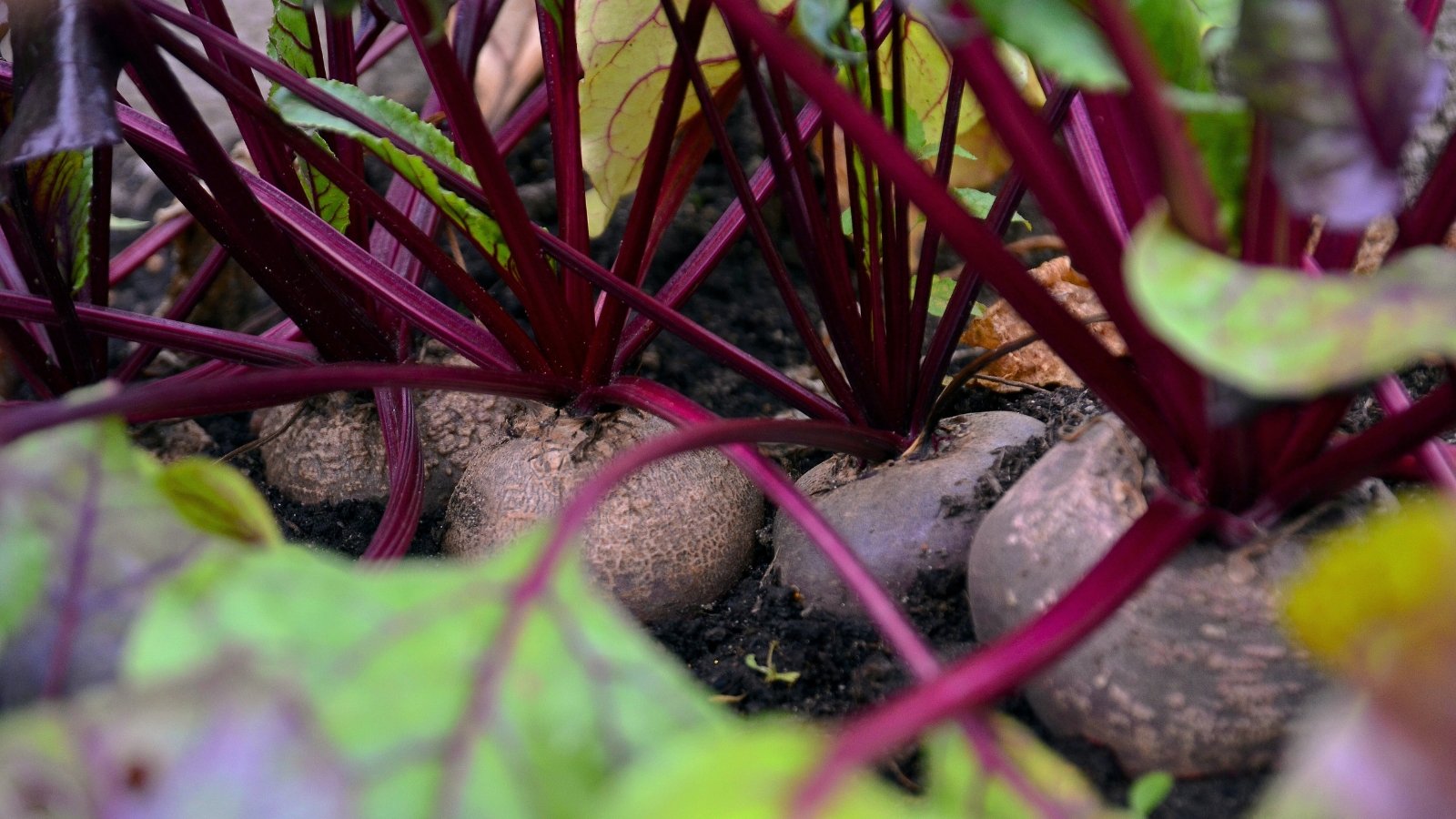
Beets are another cool-season crop that you can plant in March. Plus, the plants are useful for more than their tasty roots. The leafy tops are just as edible and just as attractive, adding color and texture to beds while you wait for the roots to size up.
You’ll need to thin seedlings once they emerge. Luckily, the thinnings make excellent baby greens for salads while you wait for the full root harvest, which doesn’t take that long in vegetable gardening terms.
‘Bull’s Blood‘ is worth growing for its foliage alone. The deep burgundy leaves are ornamental enough to hold their own alongside flowers, and the roots are sweet and flavorful when harvested small. ‘Chioggia‘ is another standout, with candy-striped interiors that look stunning sliced on a plate.
Mustard

Mustard greens are one of the fastest leafy crops you can grow, and the foliage adds immediate visual interest to spring beds. Some varieties are ready to harvest as baby greens in as little as three weeks, making them one of the quickest ways to fill an empty garden bed with something that looks intentional.
Mustard handles cold well and germinates quickly even in cool soil, so March is an ideal time to plant. It also grows well in containers and makes an attractive filler alongside spring flowers.
‘Red Giant‘ is my pick for visual impact. The large leaves are a deep maroon with lime green veins, striking enough to work as an ornamental in flower beds as well as an edible crop. ‘Mizuna’ is a good option if you prefer something more delicate, with fine, serrated leaves that look graceful in mixed plantings.
Basil
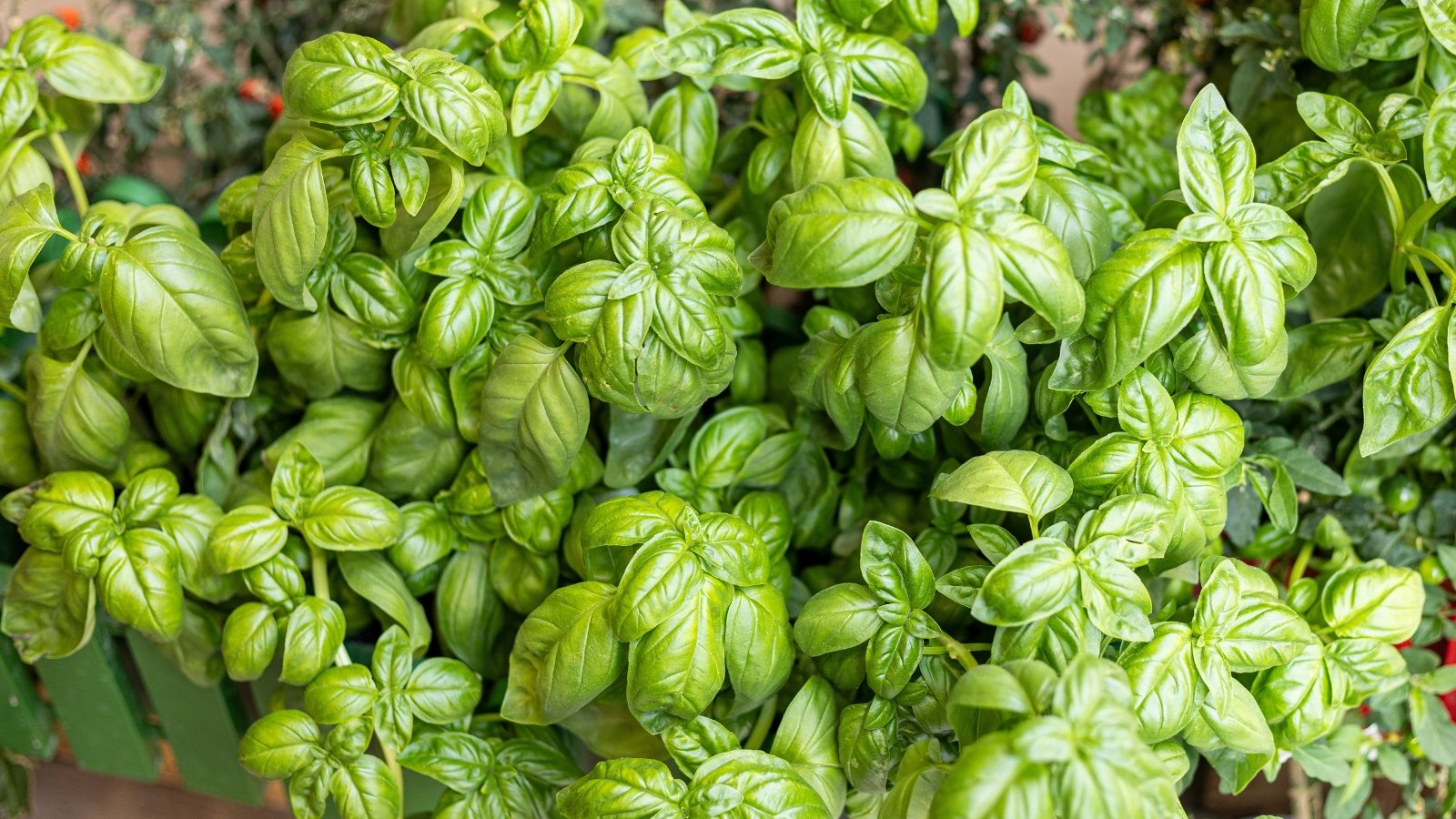
Basil needs warmth to thrive, which means March is the time to start seeds indoors rather than sowing directly outside. Starting now gives your plants a solid head start. They’ll be ready to transplant into the garden as soon as the soil warms up after your last frost date.
Basil germinates best with soil temperatures around 70°F to 80°F. A heat mat helps if your indoor space is cool. Once seedlings have a few sets of true leaves and outdoor temperatures are consistently warm, harden them off and transplant.
Basil grows quickly once conditions are right. A well-established basil plant adds lush, aromatic foliage to any garden. It also looks far more impressive when transplanted as a sturdy seedling rather than direct sown, which is another reason starting these plants indoors in March pays off.
Sweet Pea

Sweet peas are a spring staple, and they actually need the cool weather of early spring to establish well. They resent heat, so the earlier you get them going, the longer your bloom window before summer temperatures shut them down.
Nicking or soaking the seeds overnight before planting helps speed up germination. The hard seed coat can slow things down otherwise. Provide a trellis, fence, or other support at planting time so the vines have something to climb as they grow.
Sweet peas grow vigorously in cool conditions and produce fragrant, ruffled blooms that are perfect for cutting. ‘High Scent’ lives up to its name with intensely fragrant cream and lavender flowers. ‘Mammoth Blend‘ produces extra-large blooms on long stems in a range of colors, ideal if you want a dramatic display.
Pansy

Pansies are cold-weather staples that bloom when very little else is flowering, making them one of the fastest ways to add color to a spring garden. They handle frost without flinching and bloom more heavily in cool conditions.
Plant in March indoors (eight to ten weeks before your last frost date for spring transplanting), or sow directly outdoors in early spring if you’re in a mild climate. They prefer cool soil temperatures for germination, so don’t use a heat mat.
Because pansies bloom so early and so prolifically, they’re useful March plants for making new garden beds look established immediately. Tuck them into borders, along pathways, or into containers. They’ll flower from early spring through late spring, taking a break in summer heat and often returning in fall. ‘Swiss Giants Blend‘ is a classic variety with large, velvety blooms in a range of rich colors.
Poppies

Poppies are among the easiest flowers to grow from seed, and they prefer to be sown early in cool soil. You can plant in March in most climates. Because they don’t respond well to transplanting, direct sowing outdoors is the way to go.
Scatter seeds on prepared soil in a sunny spot two to four weeks before your last frost date. Poppy seeds are tiny and need light to germinate, so don’t bury them. Press them lightly into the soil surface. Keep the soil moist until germination, which usually takes 10 to 14 days.
Poppies grow quickly in cool spring weather and produce delicate, papery blooms that look stunning in drifts. They self-seed, so a single spring sowing can establish a patch that returns year after year with minimal effort. ‘Peony Double Blend’ produces fully double flowers in a range of colors that look far more elaborate than you’d expect from such an easy plant.
Milkweed

Milkweed is essential for monarch butterflies, whose caterpillars feed exclusively on it. It’s also a beautiful garden plant in its own right, with fragrant flower clusters that attract a wide range of pollinators.
March is a good time to plant indoors or to sow them outdoors. Many species benefit from cold stratification (a period of cold, moist conditions that breaks seed dormancy), which can be achieved naturally by sowing outdoors in early spring while temperatures are still cool, or artificially by refrigerating seeds in damp paper towels for a few weeks before indoor sowing.
Common milkweed (Asclepias syriaca) is the most widely recognized species, but it spreads aggressively through underground rhizomes, so it’s best in wilder areas of the garden where it has room to expand.
Sunflowers
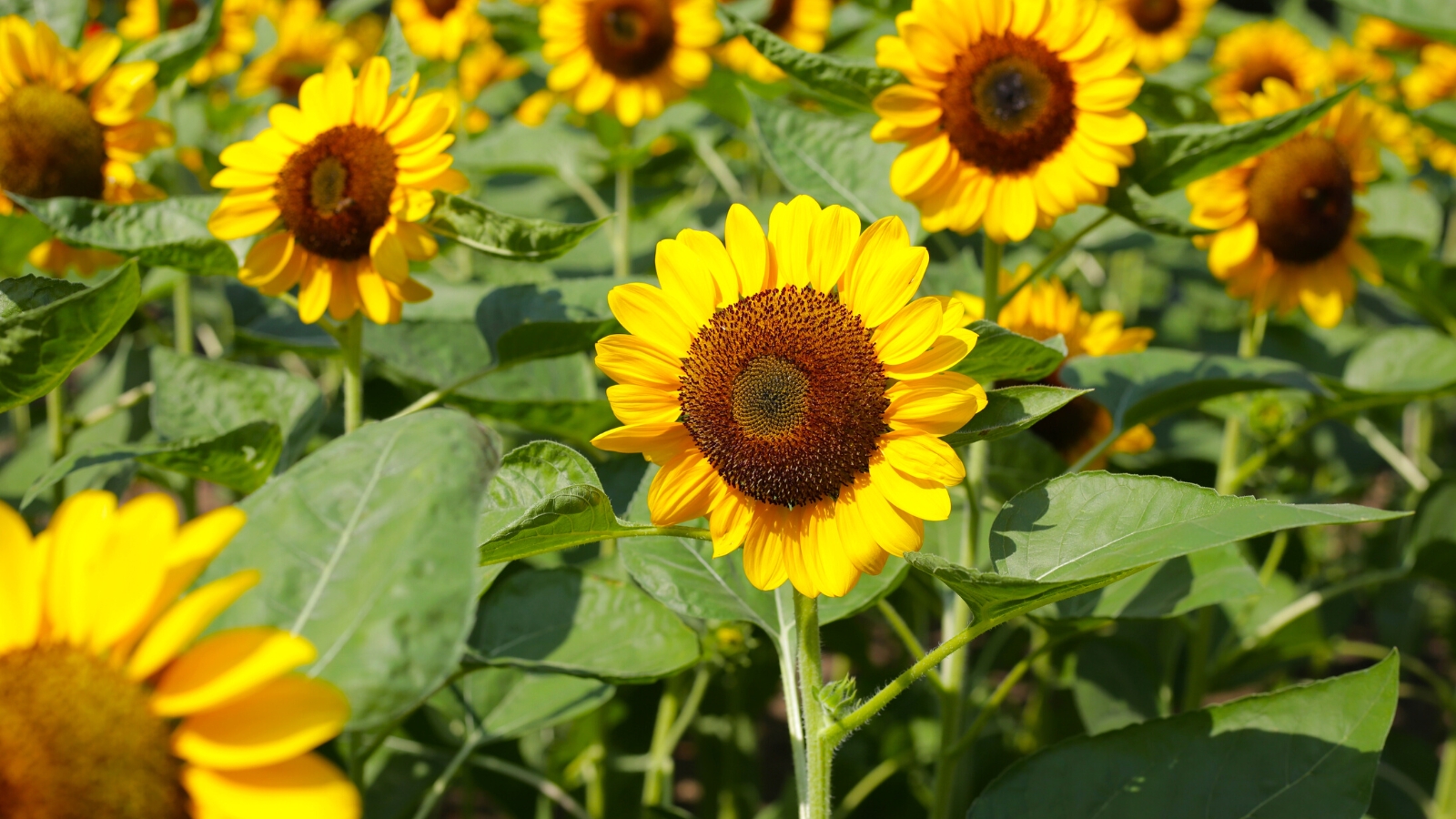
Few plants make a garden look full and established faster than sunflowers. They grow astonishingly quickly, and even a small patch of seedlings is visible from across the yard within weeks of sowing.
Sow sunflower seeds directly outdoors one to two weeks after your last frost date, or start them in large pots indoors a few weeks earlier if you want a head start. They don’t love root disturbance, so if starting indoors, use pots large enough to avoid transplanting more than once.
The variety range is enormous, from towering single-stem giants to shorter branching types that produce dozens of smaller blooms for cutting. For maximum visual impact from March plants, look for multi-branching varieties that produce flowers over a longer period rather than a single bloom.
Calendula
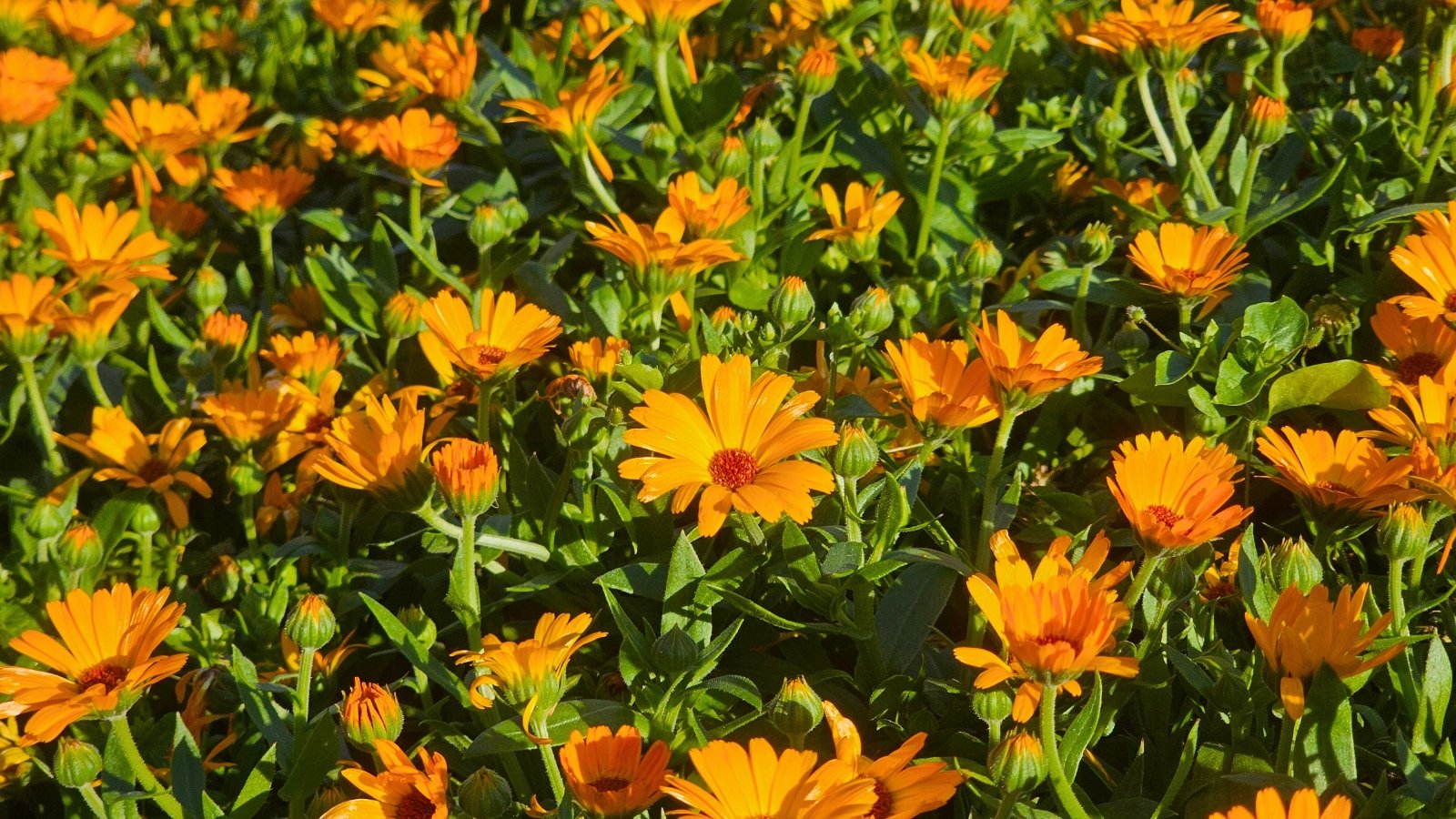
Calendula is one of the most reliable flowers you can grow from seed, blooming quickly and continuously with almost no fuss. It’s frost-tolerant, drought-tolerant, deer-resistant, and edible. For a plant that asks so little and delivers so much, it’s surprisingly underused.
Plant in March directly outdoors two to four weeks before your last frost date, or start them indoors a few weeks earlier. Calendula germinates quickly and grows fast in cool weather, often producing its first flowers within two months of sowing.
The blooms are warm-toned, ranging from bright yellow to deep orange depending on the variety, and they keep coming as long as you deadhead regularly. ‘Resina’ is an excellent choice with bright yellow petals, popular for both ornamental and herbal use. ‘Zeolights‘ offers something more unusual, with bronzy-orange petals that fade to soft pink.
Yarrow

Yarrow is a perennial, which means March plants are an investment that pays off for years rather than a single season. It won’t necessarily bloom in its first year, though some plants started early enough will produce flowers by late summer.
The seeds need light to germinate, so sow them on the surface of moist seed starting mix. Germination takes one to two weeks, and the seedlings can be transplanted outdoors after hardening off once the risk of hard frost has passed.
Once established, yarrow is one of the toughest, most drought-tolerant perennials you can grow. It spreads readily to fill gaps, produces flat-topped flower clusters that pollinators love, and requires almost no maintenance. ‘Colorado Blend‘ gives you a mix of colors from soft pastels to vibrant pinks and yellows, all from a single seed packet.


