How to Plant, Grow, and Care for ‘Paris Market’ Carrots
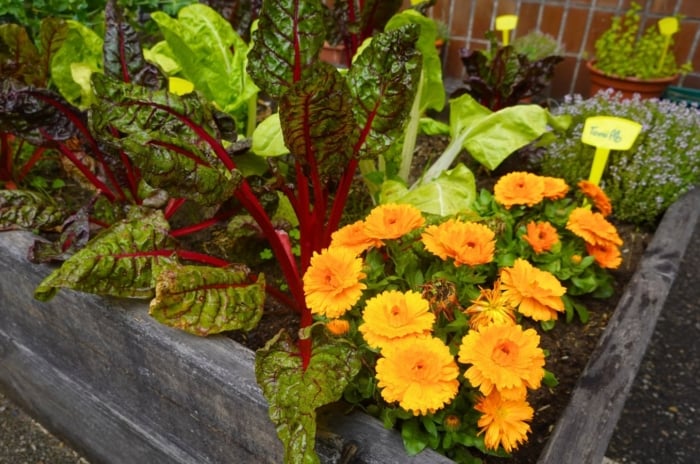
Adorable 'Paris Market' carrots are ideal for growing in containers or slotting between other crops in your bed. They are deliciously sweet and perfect for snacking. Gardening expert Madison Moulton shares how to grow them.

Contents
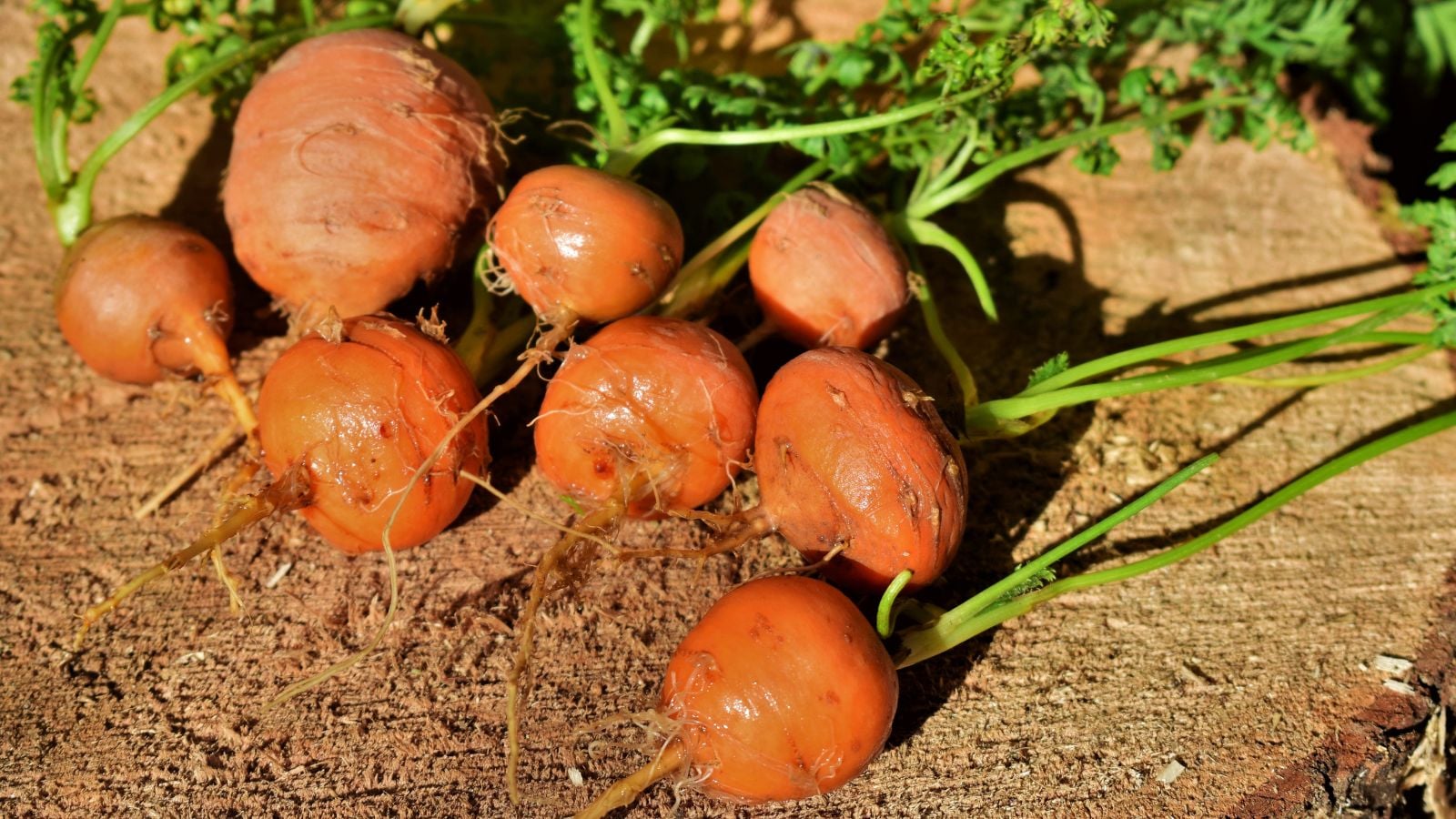
‘Paris Market’ carrots don’t look quite like the regular carrots you may be picturing. These are round, about the size of a golf ball, deep orange, and sweet enough to eat straight from the ground. They’re a 19th-century French heirloom that doesn’t fit neatly into any of the standard carrot categories.
The round shape is what makes this variety so practical for gardeners who’ve struggled with carrots before. The roots are shallow and grow only an inch or two deep, which means they grow better in heavy soil, rocky soil, shallow raised beds, and containers than regular carrots.
If you want to add this adorable variety to your garden this season, follow this easy guide to keep them happy.
What Are ‘Paris Market’ Carrots?
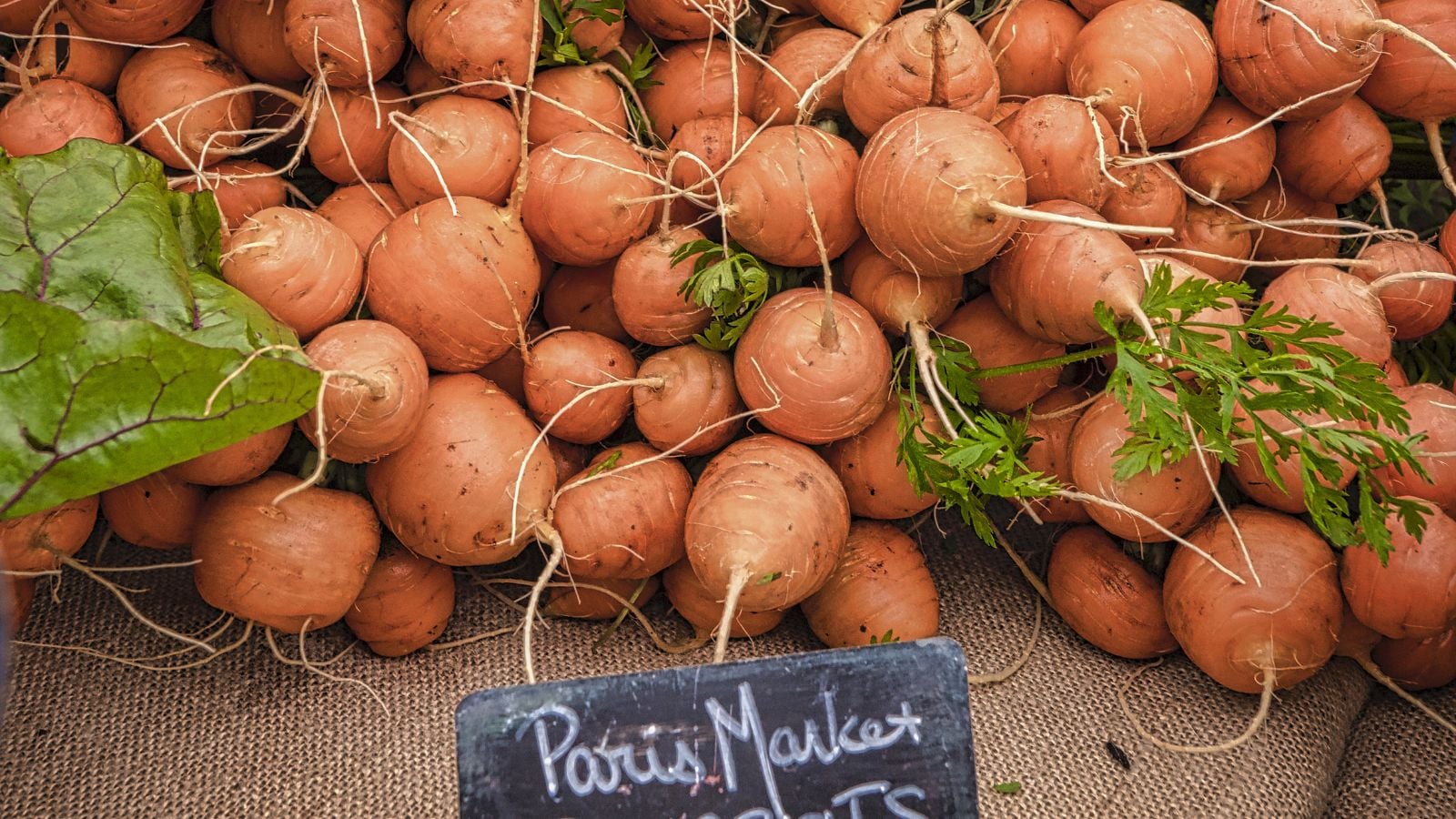
‘Paris Market’ is an heirloom carrot variety that produces small, round to slightly flattened roots. The variety dates back to the 1800s and was a staple of Parisian markets, where it was sold in bunches as a snacking carrot and a gourmet ingredient.
It matures in about 65 days, which is faster than most standard carrot varieties. That quick turnaround, combined with its compact root system, makes it one of the better carrots for succession sowing throughout the season.
Characteristics

The roots are dark orange, round, and typically reach about two inches in diameter at peak size. The flesh is tender, crisp, and notably sweet. The tops are feathery and relatively short compared to long-rooted varieties, which makes them less likely to flop over in wind or when crowded.
Because the roots don’t need to push deep into the soil, ‘Paris Market’ performs well in conditions that would stunt or deform longer carrot varieties. Container gardeners, in particular, can grow these in surprisingly shallow pots, as long as the container is at least four inches deep.
Planting

Carrots don’t transplant well because any root disturbance stunts growth, and with a root vegetable, that’s the whole part you want. That’s why starting seeds indoors isn’t recommended.
Instead, sow outdoors two to four weeks before your last frost date, once the soil temperature is at least 45°F (7°C). Carrots germinate faster in warmer soil, but they can handle cool conditions as long as the ground isn’t frozen.
Carrot seeds are tiny and slow to germinate, sometimes taking up to three weeks. Keep the soil consistently moist during that period. If the surface dries out and crusts over, the seedlings may not be able to push through. Watering gently and frequently in those first few weeks is essential.
For a continuous harvest, sow a new batch every three weeks until about 10 to 12 weeks before your first fall frost. In warm climates, carrots grow better as a fall, winter, and spring crop since they prefer cooler temperatures.
How to Grow
These compact carrots develop quickly and aren’t difficult to grow. Provide the right conditions and you won’t have to do much before harvest.
Light

Full sun is best. Six or more hours of direct light produces the strongest tops and the most developed roots.
That said, ‘Paris Market’ can handle partial shade better than long-rooted varieties due to their smaller stature. If you only have a spot that gets four to five hours of direct sun, it’s still worth trying. The roots may be slightly smaller, but you’ll likely still get a harvest.
Water

Consistent moisture is the most important factor for growing good carrots. Irregular watering causes the roots to crack or develop a woody texture, and letting the soil dry out completely can stall growth altogether.
Water deeply and regularly, aiming for about an inch per week. Mulching after the seedlings are established helps retain moisture and keeps the soil temperature even.
Soil
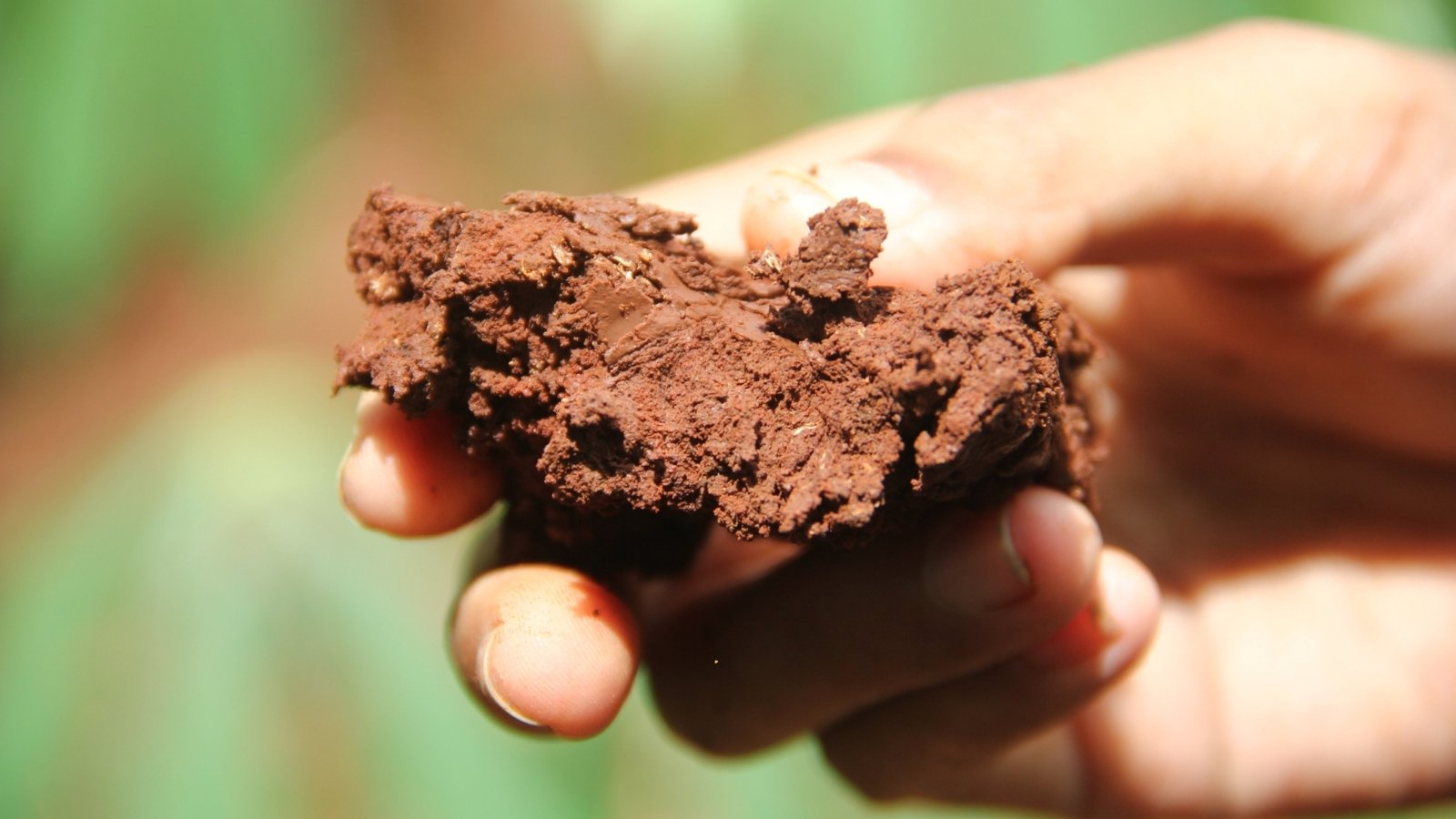
Loose, well-drained soil with plenty of organic matter is ideal. That’s the standard advice for all carrots, but ‘Paris Market’ is more forgiving than most. Its shallow roots mean it handles clay soil and rocky ground better than any long-rooted variety. If your soil is heavy, it’s still best to work in compost before planting to improve drainage and texture.
The one thing to avoid is high-nitrogen amendments. Too much nitrogen encourages leafy top growth at the expense of the roots and can cause the carrots to fork.
Temperature

Carrots are a cool-season crop. They germinate in soil as cool as 45°F (7°C) and grow best when daytime temperatures are between 60 and 75°F (15 to 24°C). Growth slows significantly in heat above 85°F (29°C), and prolonged hot weather can make the roots taste bitter.
A fall crop is often sweeter than a spring crop. Carrots exposed to light frost convert their starches to sugar, which concentrates the flavor. If you’re in zone 5 or warmer, you can leave fall-sown carrots in the ground under a thick layer of mulch and harvest them through winter as needed, as long as the ground doesn’t freeze solid.
Fertilizer

Carrots are light feeders. If you’ve worked compost into the soil before planting, that’s usually enough to carry them through to harvest. If your soil is poor, a balanced fertilizer applied at planting time works, but lean toward one with higher phosphorus and potassium rather than nitrogen. Those two nutrients support root development, which is the whole point with a root vegetable.
Maintenance

Beyond thinning and consistent watering, carrots don’t ask for much. Keep the bed weeded, especially in the early stages when the seedlings are small and easily outcompeted. Once the foliage fills in, it shades the soil enough to suppress most weeds on its own.
If the tops of the roots start to push above the soil surface as they grow, mound a little soil or mulch over them. Exposed carrot shoulders turn green from sun exposure. It’s not harmful, but it tastes bitter.
Propagation

Carrots are grown from seed. Save seed from your best plants if you want to continue the variety. Carrots are biennials, so they produce seed in their second year. Leave a few roots in the ground over winter, let them bolt and flower, and collect the seed once the flower heads dry out.
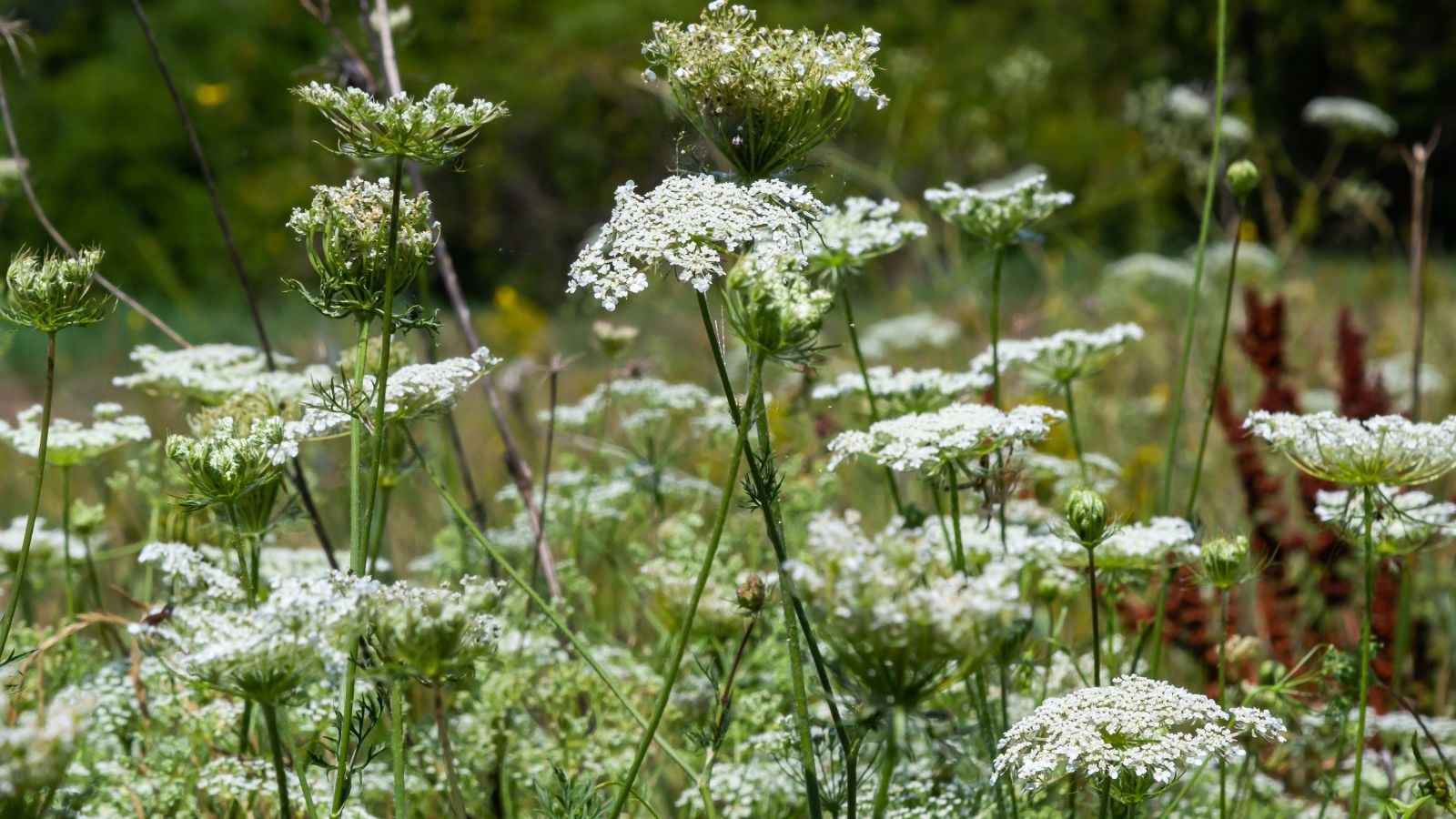
Keep in mind that carrots cross-pollinate easily with other carrot varieties and with wild Queen Anne’s lace, so isolate your seed crop.
Harvesting

Start checking your carrots at about 50 days. The roots are at their best when they’re one to two inches in diameter. The peak harvest window lasts about three weeks. After that, the texture can become woody.
With ‘Paris Market,’ harvesting is easier than with long-rooted varieties. Grasp the tops firmly and pull. Most of the time, the shallow roots come up without resistance. If the soil is dry or compacted, loosen it first with a garden fork to avoid snapping the tops off.
Storage
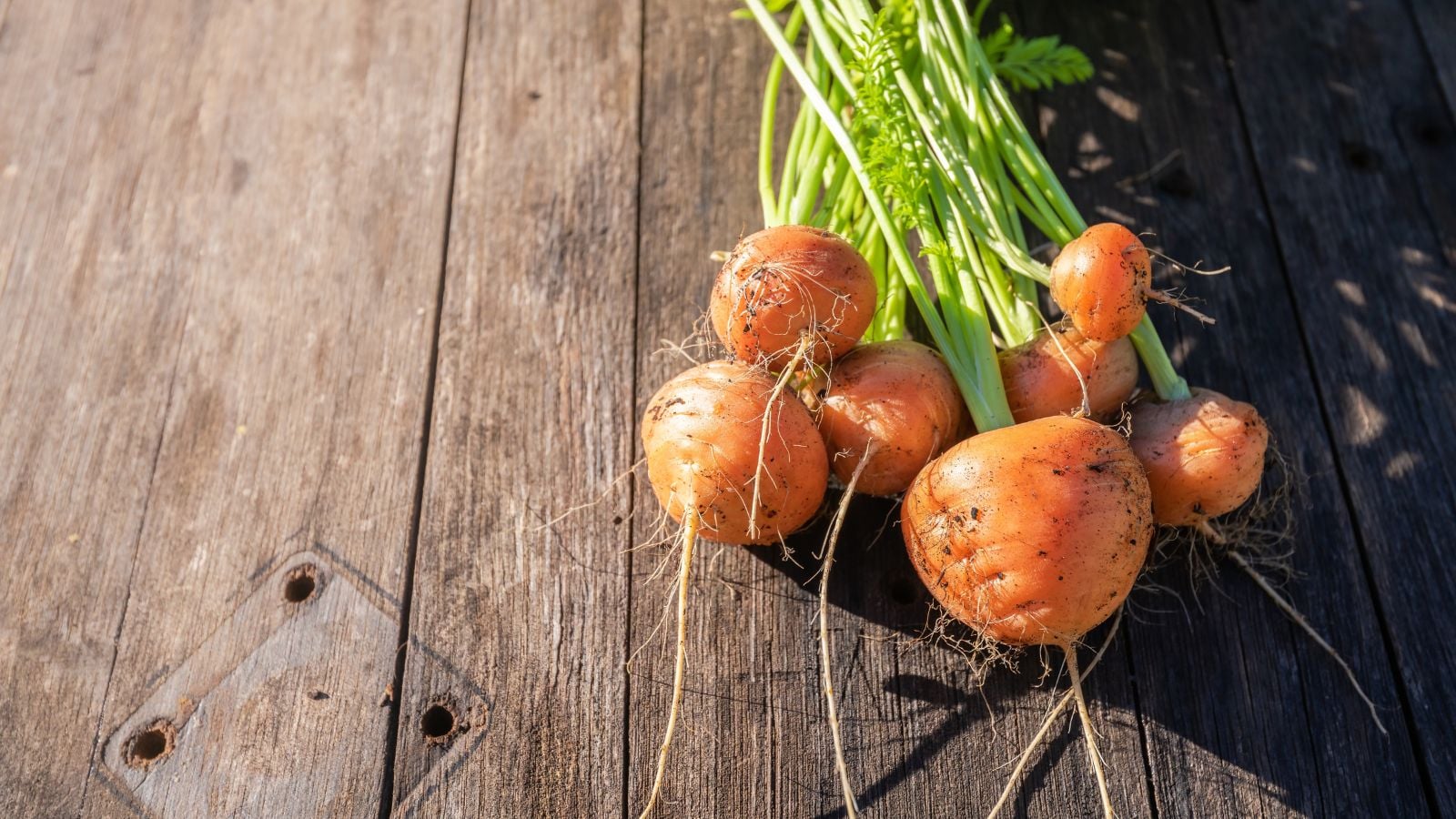
Twist or cut the green tops off after harvesting. If you leave them attached, the greens continue pulling moisture from the root and the carrots go limp quickly. Store unwashed roots in the refrigerator in a plastic bag or container with a damp paper towel. They’ll keep for several weeks this way.
For longer storage, pack harvested carrots in sand in a cool, dark location like a cellar, garage, or unheated basement. The ideal temperature is just above freezing. In zone 5 or warmer, you can also store them in the ground under heavy mulch and pull them as needed through winter.
Preservation and Uses
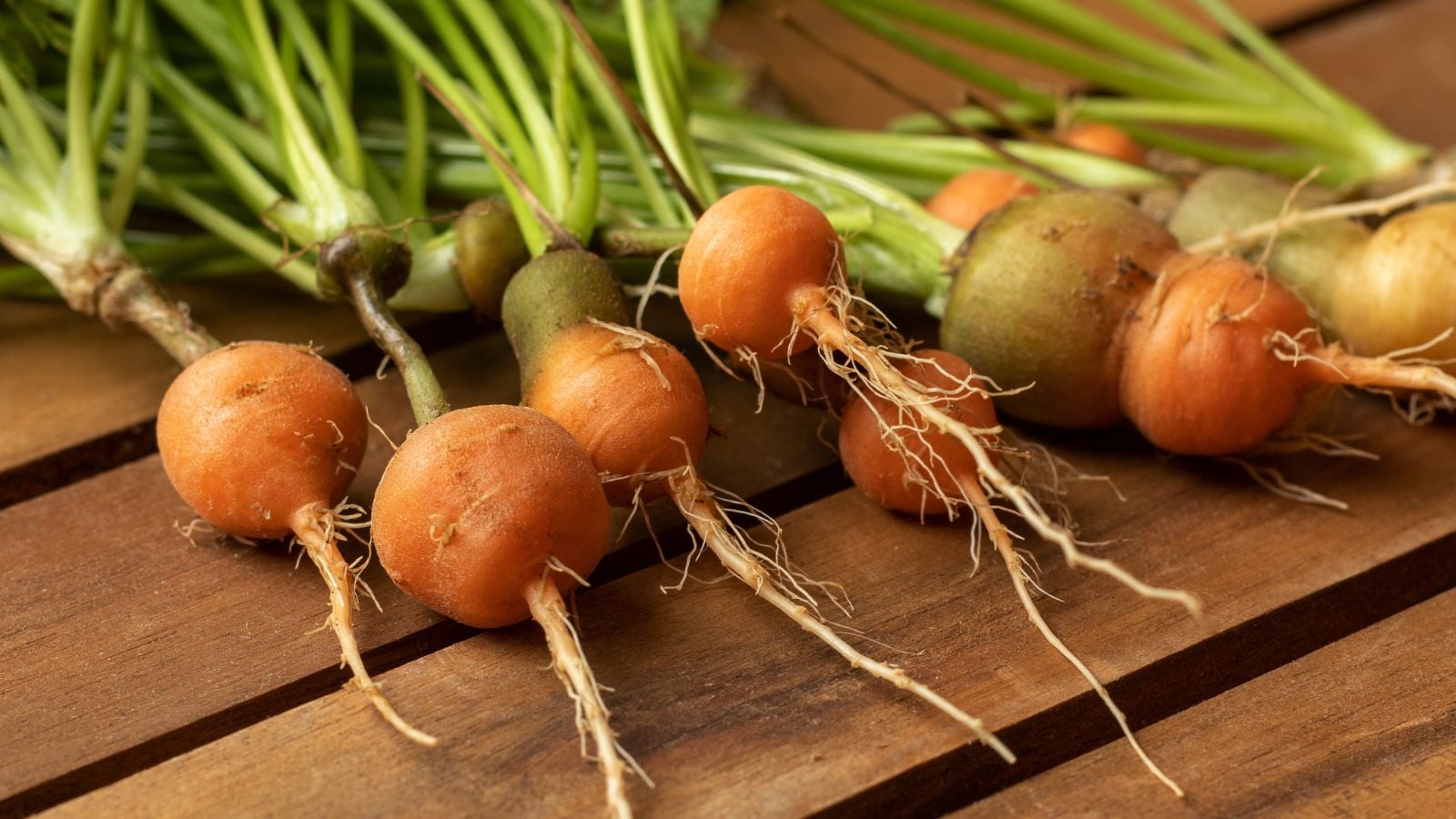
‘Paris Market’ carrots are sweet enough to eat raw, and their round shape makes them a natural snacking carrot. Halved and roasted, they’re arguably better than any long variety because the flesh stays tender all the way through.
They pickle well, work in soups and stews, and hold up to braising. The size makes them convenient for cooking whole. For longer preservation, blanch and freeze them, or slice and dehydrate them into chips.
Common Problems
Forked or misshapen roots are the most common complaint with carrots in general, but ‘Paris Market’ is less prone to this than long varieties because the roots don’t need to navigate deep into the soil. When it does happen, it’s usually caused by rocky soil, fresh manure, or not thinning seedlings enough.
Bolting (going to flower in the first year) can occur if young plants are exposed to an extended cold spell below 50°F (10°C) followed by sudden warm weather. Row covers help protect early sowings from temperature swings that trigger bolting.
Cracking happens when the soil goes from very dry to very wet suddenly. Consistent watering prevents it.
Pests

Carrot fly is the most serious pest. The adult fly lays eggs near the base of the plant, and the larvae tunnel into the roots, leaving rusty brown tracks. You won’t know they’re there until you harvest.
Row covers placed over the bed right after germination are the most reliable prevention. Crop rotation helps too, and avoid planting near other Apiaceae family members like parsley, dill, or celery, which attract the same flies.
Diseases

Alternaria leaf blight is the most common carrot disease. It starts as dark brown or black spots with yellow margins on the older leaves and can spread until the foliage looks scorched. It’s a fungal disease that thrives in warm, humid conditions with prolonged leaf wetness. Space plants well, water at soil level rather than overhead, and remove any infected foliage promptly.
Aster yellows is a disease spread by aster leafhoppers. Infected plants develop yellow, twisted foliage and hairy, bitter-tasting roots. There’s no cure once a plant is infected. Remove and destroy affected plants to prevent spread. Row covers prevent the leafhoppers from reaching the carrots in the first place, which is the most effective control.
Frequently Asked Questions
Can I grow ‘Paris Market’ carrots in a container?
Yes, and they’re one of the best varieties for it. The roots only need a few inches of depth, so even a shallow pot or window box works. Use a good-quality potting mix, water consistently, and give them as much sun as you can.
How do ‘Paris Market’ carrots taste compared to regular carrots?
Sweeter and more tender than most grocery store carrots. The flavor is concentrated because the root is small and dense. Fall-harvested carrots that have been through a light frost are even sweeter.
Why are my ‘Paris Market’ carrots small?
Most likely, they weren’t thinned enough. Even though these are naturally small carrots, crowding prevents them from reaching their full size. Thin to two inches apart once the seedlings are about an inch tall.