How to Grow Black-Eyed Susans From Seed
Black-eyed Susans are beautiful native flowers that fit seamlessly into any garden style. They are also easy to grow from seed. Gardening expert Madison Moulton shares how to give them the best start.

Contents
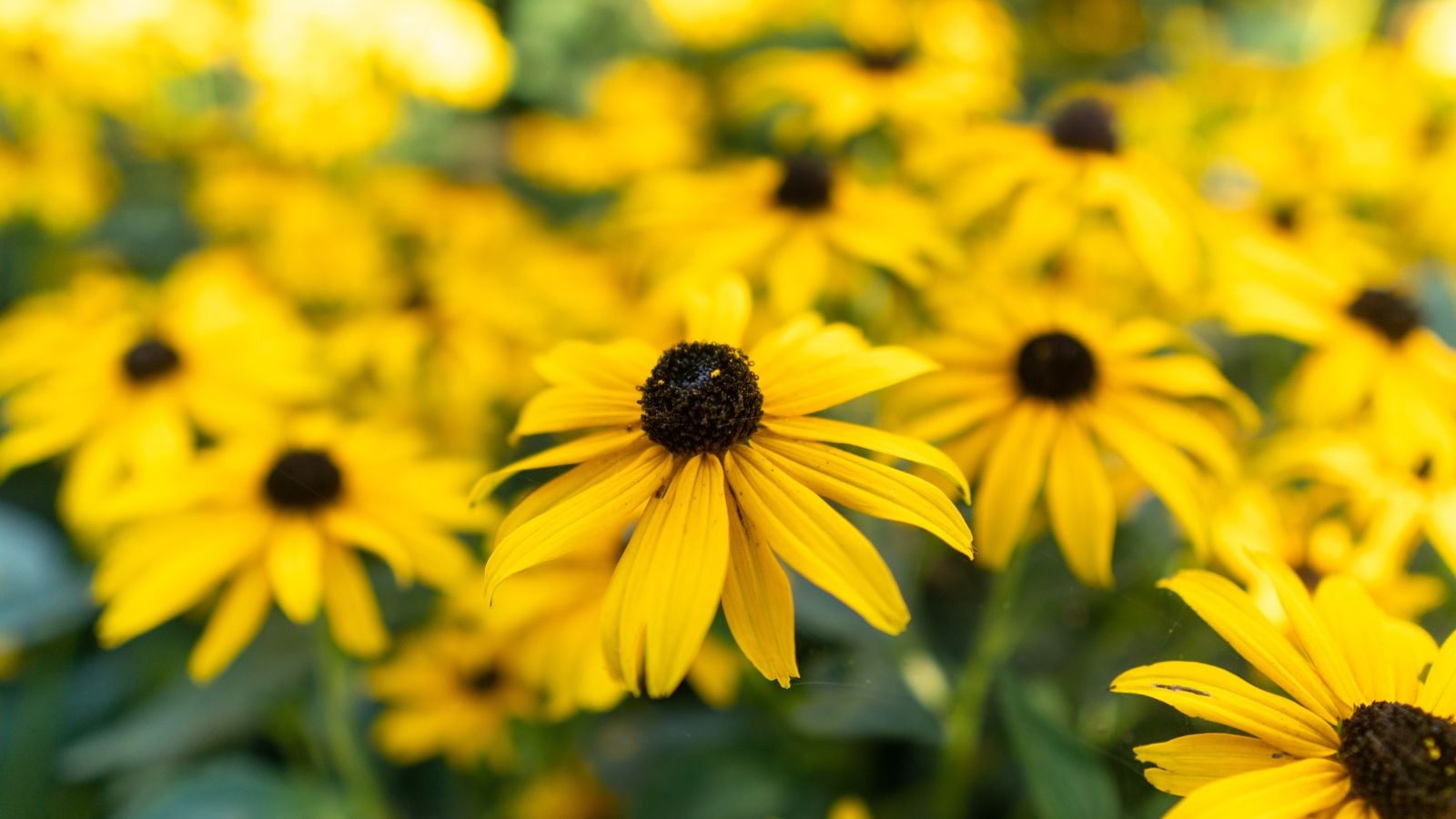
Black-eyed Susans appear along roadsides across most of North America, thriving in conditions that would stress out fussier flowers. That makes them seem effortless to grow. And once they’re established, they mostly are. But that usually involves starting them from seed.
The seeds need light to germinate, and in most cases, they benefit from a period of cold before sowing. Beyond that, these flowers are some of the most reliable, low-maintenance, pollinator-friendly flowers you can grow.
They bloom for at least eight weeks, make excellent cut flowers, tolerate heat and drought once established, and leave seed heads that feed birds through fall and winter. Follow these steps to grow black-eyed Susan from seed.


Choose a Cultivar
All the cultivars below are Rudbeckia hirta, the species most commonly grown from seed. They’re short-lived perennials, technically, but they don’t reliably come back year after year the way a true perennial does. Most gardeners treat them as annuals or biennials and let them self-sow to maintain the patch.
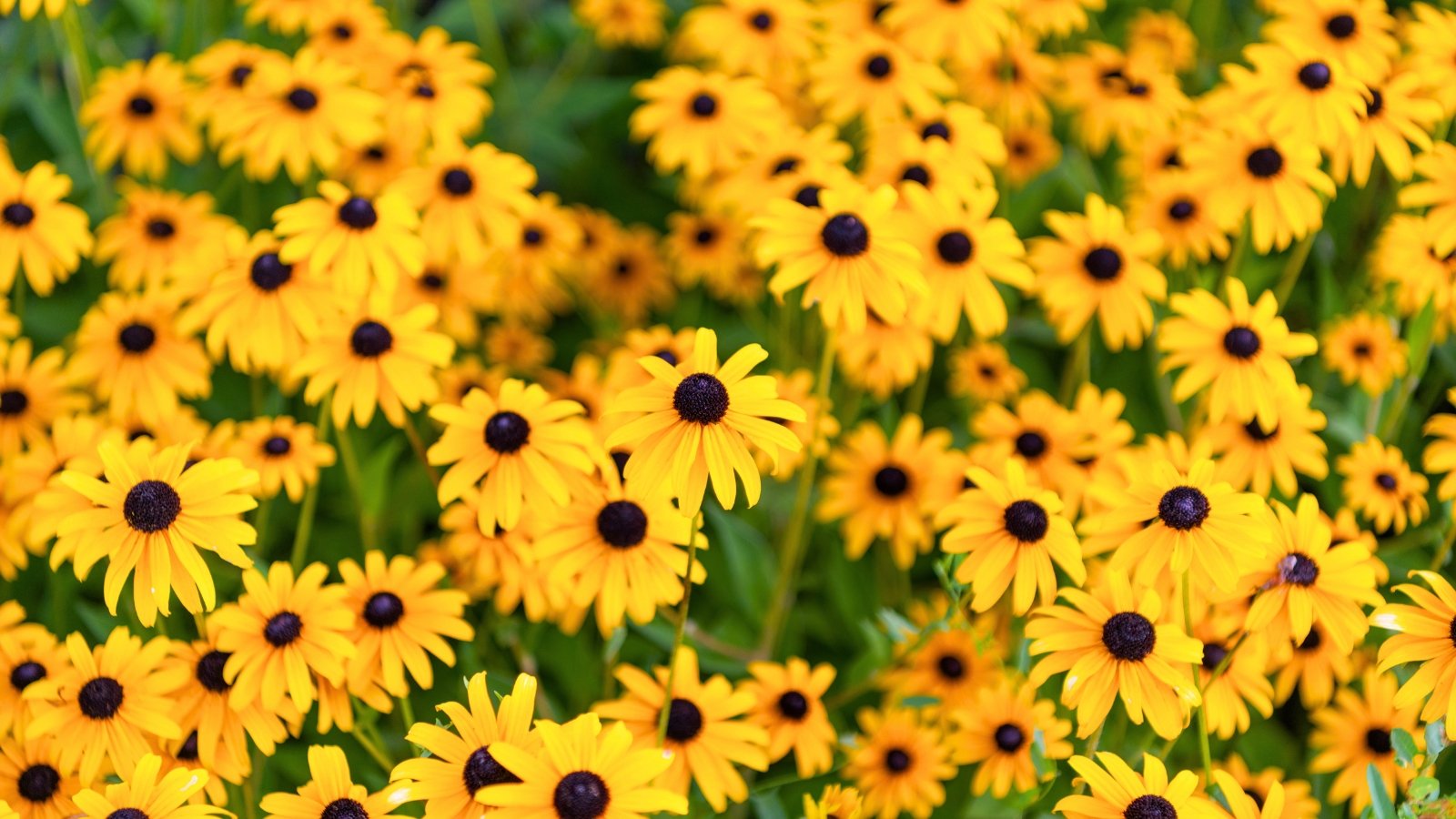
The straight species is the classic. Yellow-orange petals with dark purplish-brown center flowers appear on sturdy stems. It’s the state flower of Maryland and the one you’re picturing when you think of a black-eyed Susan. It blooms for at least eight weeks and is an excellent addition to wildflower or naturalized areas.
‘Indian Summer’ produces much larger flowers, up to nine inches across, on strong stems that hold up well in wind and rain. The blooms are single or semi-double in bright golden-yellow. It won an All-America Selections award in 1995 and the Royal Horticultural Society’s Award of Garden Merit in 2000. If you want the biggest, showiest flowers for cutting, this is the cultivar to grow.
‘Cherokee Sunset‘ is what you grow if you want color beyond yellow. It features double and semi-double blooms in burnt orange, gold, warm red, bronze, and mahogany, often with several tones on a single flower. Sturdy stems make it a good cut flower.
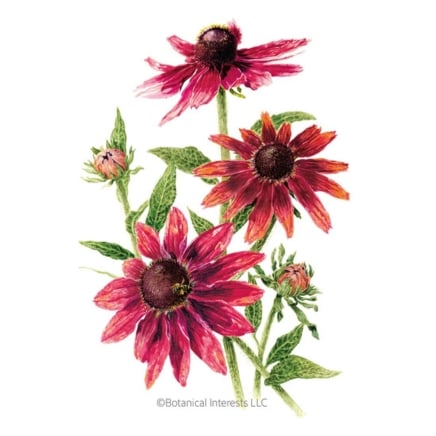
‘Cherry Brandy’ is the outlier, with maroon-red petals and a dark chocolate center. It’s one of the only true red rudbeckias available and it won a Fleuroselect Novelty Award in 2007. If started indoors early enough, it can bloom in its first year.
Check Your Climate

Your growing zone and the calendar determine whether to start black-eyed Susan seed indoors or sow them straight outside.
If it’s late winter or early spring (roughly February through early April for most zones), starting indoors gives you the best control. You can manage temperature, light, and moisture, and have transplant-ready seedlings by the time the ground has warmed. This is the route to take if you want flowers the first summer, since seeds started indoors early enough will bloom the same year.
If it’s mid-spring and your soil is workable, direct sowing outdoors is the simpler option. Sow two to four weeks before your last frost date. The seeds can handle light frost, so there’s no need to wait until all danger has passed. You can also continue sowing as late as two months before your first fall frost date and still have time for the plants to establish.
If it’s fall, direct sowing is excellent. The seeds will sit through winter, get their cold period naturally, and germinate on their own in spring. This is the closest to how black-eyed Susans spread in the wild and is a good approach for meadow plantings or large naturalized areas where precise timing isn’t critical.
Prepare the Seeds
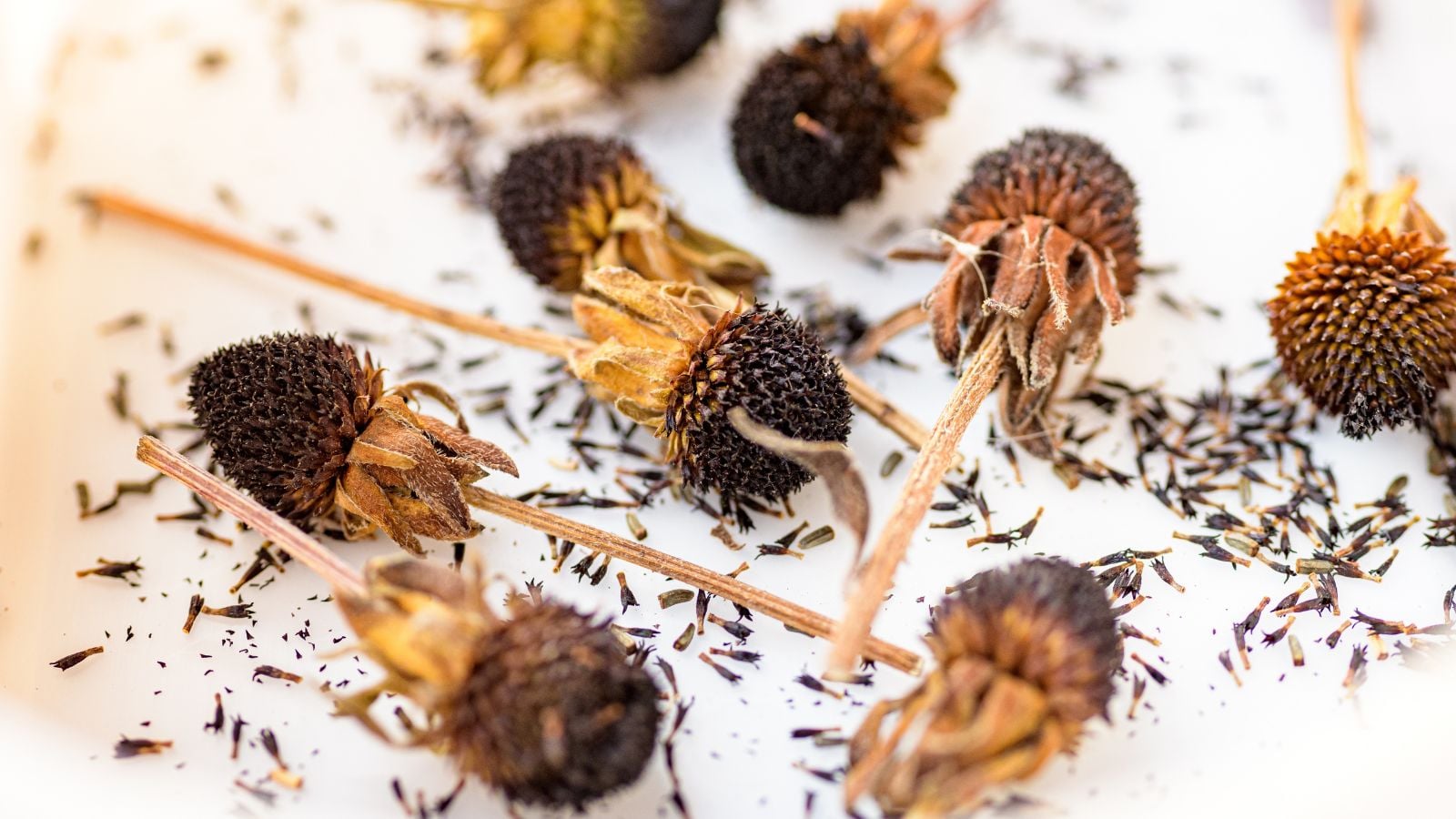
If you’re starting indoors and haven’t fall-sown or winter-sown, cold stratification improves germination noticeably. It’s not essential, but it’s worth doing. Place the seeds on a damp paper towel, seal it in a plastic bag, and refrigerate for about 30 days. This mimics the winter cold the seeds would experience outdoors. After stratification, they’re ready to sow.
If you’re direct sowing outdoors in fall or early spring, you can skip artificial stratification. The seeds will get the cold treatment from the weather itself.
How to Grow Indoors

Start seeds eight to ten weeks before your last frost date. Fill trays or small pots with a seed-starting mix and moisten it before sowing. Scatter seeds on the surface and press them in lightly. Don’t cover with soil.
A thin layer of vermiculite over the seeds helps retain moisture without blocking light, which is useful since the surface of seed trays can dry out quickly under grow lights. Expect sprouts in about seven to 14 days at room temperature (65 to 75°F or 18 to 24°C).
Once seedlings have a few sets of true leaves, harden them off over a week or so by gradually increasing their time outdoors. Transplant into the garden after the risk of hard frost has passed, spacing plants 12 to 18 inches apart. They settle in quickly and tolerate the transition well.
How to Grow Outdoors
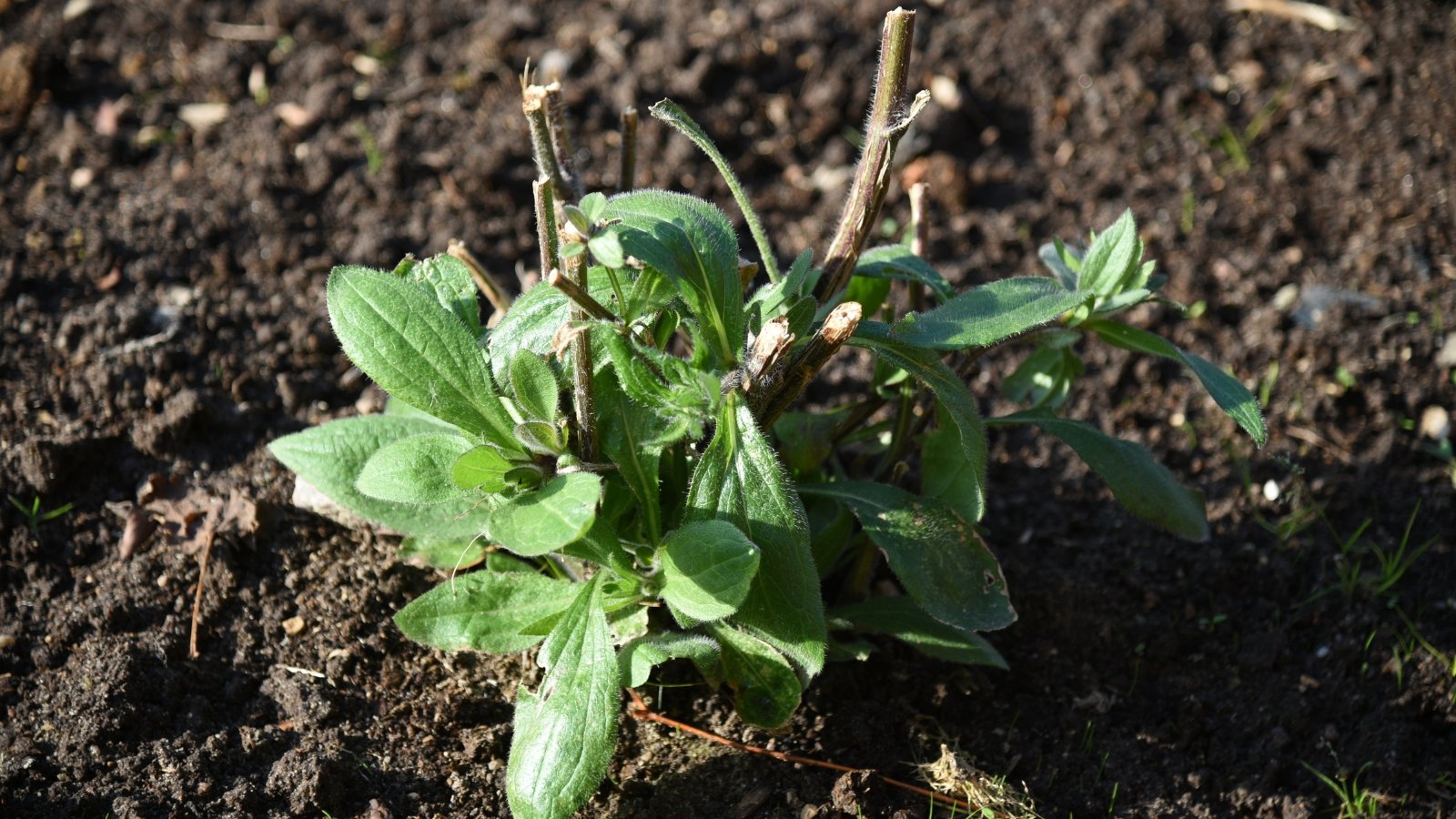
For direct sowing, loosen the soil and clear competing weeds from the planting area. Scatter seeds over the surface and press them into the soil. Water gently to avoid washing them away, and keep the area moist until germination, which typically takes two to three weeks.
Full sun produces the most flowers. Black-eyed Susan seeds can grow in partial shade, but bloom count drops and the plants are more prone to powdery mildew when they don’t get enough light. They’re not fussy about soil. Average, well-drained ground is fine. They’ll tolerate clay, sand, and poor soil without complaint, though moderately fertile soil produces the best display.
If seedlings come up too thick, thin to 12 to 18 inches apart. Good air circulation between plants helps prevent disease later in the season.
Maintenance
Established black-eyed Susans are low-maintenance. They’re drought-tolerant once their roots are down, rarely need supplemental feeding, and have few serious pest problems. Deer also leave them alone.
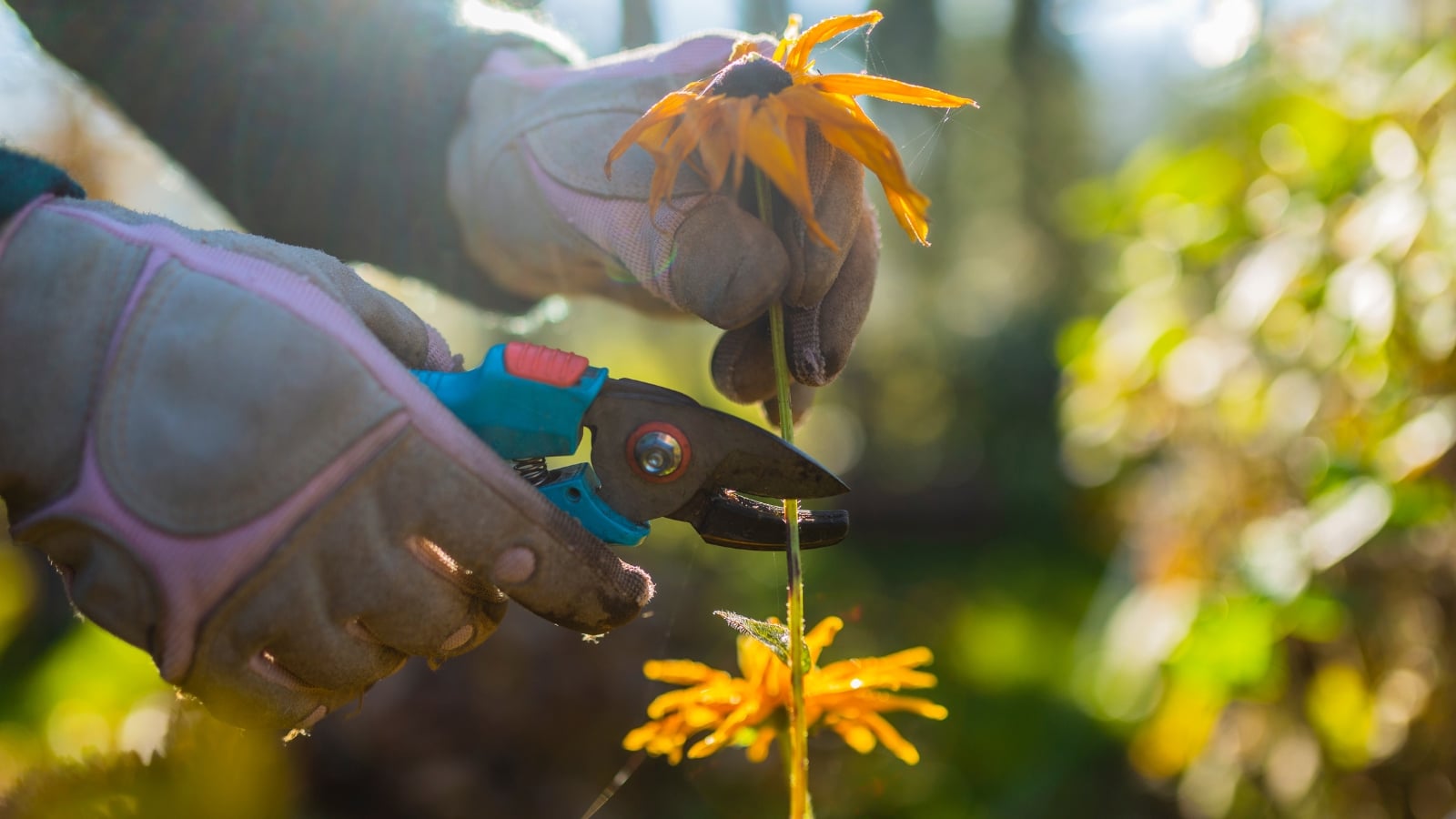
Deadheading spent flowers encourages more blooms and extends the season. If you want the plants to self-sow and come back the following year, leave some flower heads intact at the end of the season. The seed cones also provide food for birds through fall and winter, so there’s good reason to leave them standing.
Powdery mildew can show up as a white coating on leaves in late summer. It’s mostly cosmetic and doesn’t seriously harm established plants. Spacing plants well and avoiding overhead watering helps prevent it.
These plants can spread enthusiastically through self-seeding, which is either a feature or a problem depending on what you want. If you’d rather keep them contained, deadhead consistently to prevent seed from forming. If you’re happy to let them naturalize, step back and let them fill in. Either approach works.