How to Prune Knockout Roses in Spring
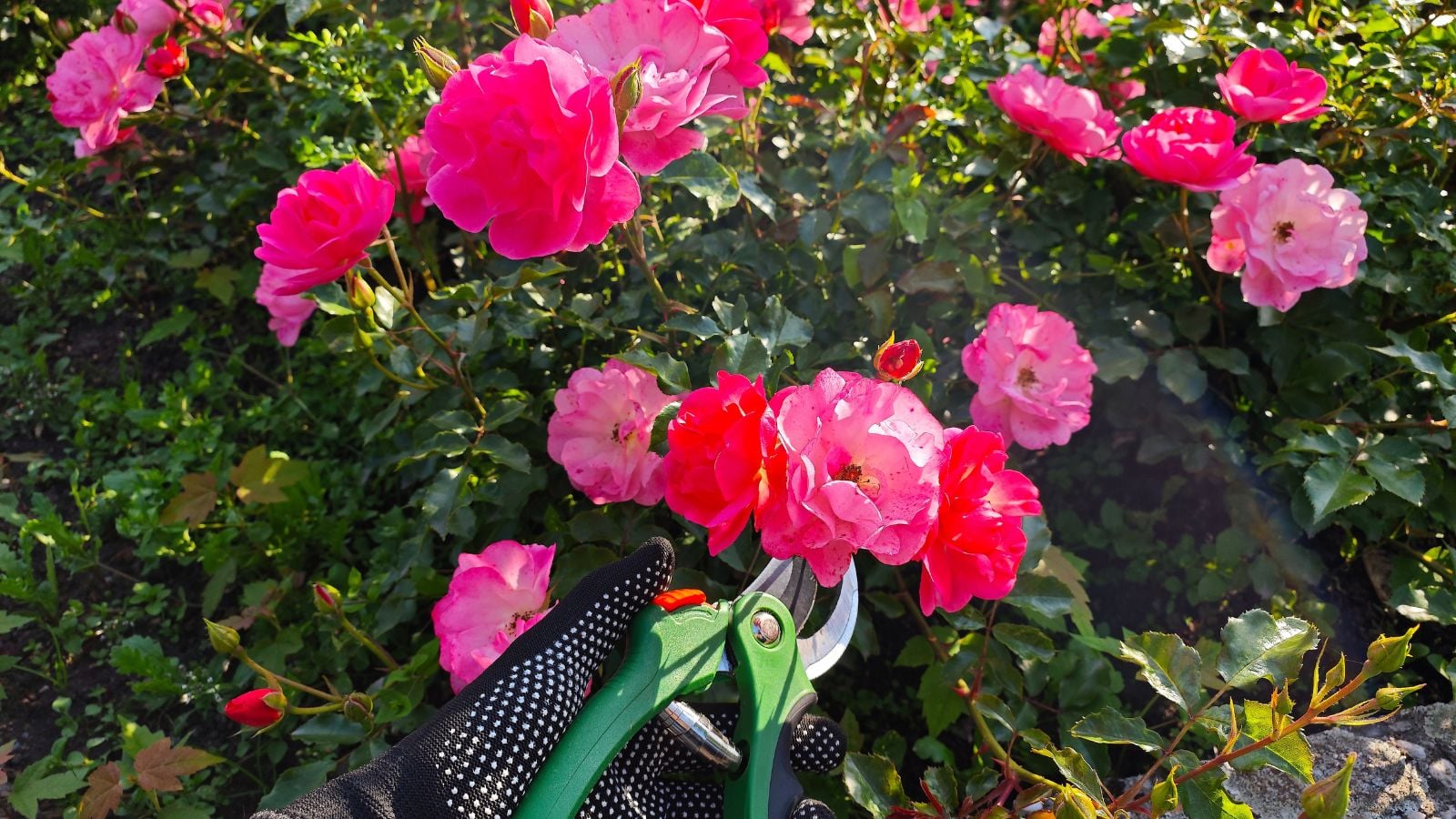
If you want to prune Knockout roses, spring is a great time to do it. Establish an annual pruning session, and your Knockouts will bloom profusely every year from spring through to the first frost. Experienced gardener Sarah Jay walks you through the steps to prune your shrub roses the right way.

Contents
There are a couple of times each year you should prune Knockout roses. Spring prunings are much more intensive than those winter prep prunings you may choose to do in fall, and there are specific techniques to use as you’re shaping up the shrub for another floriferous season.
It can be difficult to carry out this task if it’s your first time doing it. So here at Epic Gardening, we’ll break it down for you. By separating this larger task into smaller steps, it will be easier to learn how to do this very essential rose care job each spring.
This guide doesn’t just apply to Knockouts, the series of rose varieties bred for their resilience and repeat blooming habit. This also applies to all shrub roses, or those roses that have an open, round shape, and a long bloom period (from spring through fall). Use this to guide you through the process of pruning Knockouts and other shrub roses.
Double Knock Out® Rose
Double Knock Out® Rose
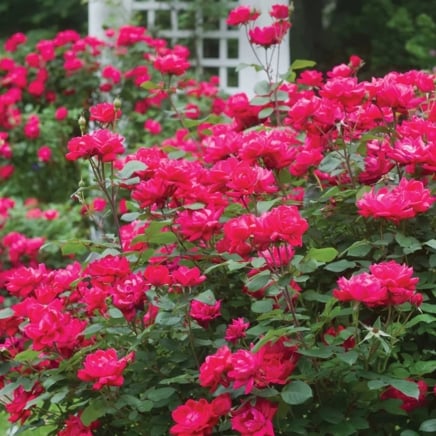
Meet the Unstoppable Double Knock Out® Rose! Ready to add a punch of vibrant color to your garden that keeps on swinging all season long? The Double Knock Out® Rose is your champion bloomer, boasting not just one, but two layers of fiery red petals.
Buy at Botanical Interests ShopStep 1: Know Your Rose
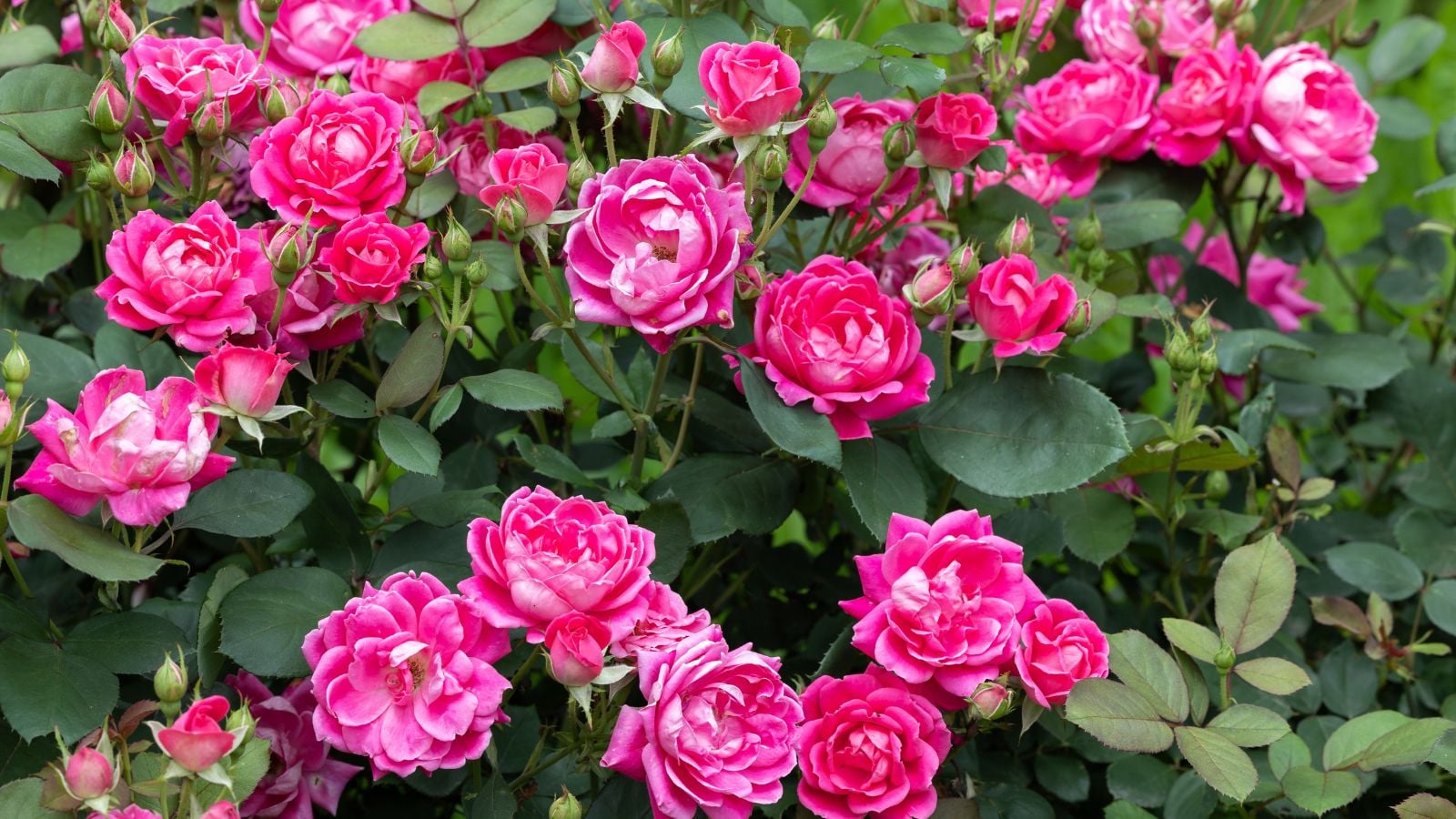
Before we get started, let’s cover in more detail what characteristics define shrub roses. We mentioned the round, branching shape and their repeated blooms. It’s then important to determine if your shrub rose is a modern shrub rose, like Knockouts, or if it’s an old-fashioned shrub rose.
If your rose variety originated before the 18th century, you’re working with an old-fashioned shrub. Modern shrubs date to the 20th century and continue to the present. In general, shrub roses are often chosen for their shrub-like form, which is preferable for many landscapes.
Modern roses were bred for their disease-resistance, hardiness, and continuous blooming. Some have thorns, and others don’t, but all shrub roses are either single-petaled or double-petaled. Their color palette is all over the map. Scent is sometimes present, and other times not. Strong scent is not common among modern shrub roses.
Step 2: Start With the Three D’s

Now that we’ve identified the characteristics of modern shrub roses, such as Knockouts, let’s discuss how to actually prune them. Make sure your pruning shears are clean and sterile. Note that it is best to prune your roses toward the end of their dormant period in late winter to early spring.
Pruning during this period keeps summer-proliferating diseases and pests away, protecting pruning cuts and allowing them to heal over. It is also close enough to the early spring that new buds can form, and new growth can be put on just after the prune.
Begin by looking for dead, diseased, and damaged canes. These should be the first to go. Cut them back to healthy, green parts of the stem, and always cut at a 45° angle to promote the best healing. If you can cut above an outward-facing bud, do so about ¼ inch above. Note that some canes need to be completely removed.
After you’ve taken out any canes in the ‘Three D’s’ category, remove any crossing branches that will rub together, opening them up to pests and diseases. Use the same method mentioned above.
Step 3: Trim Smaller and Older Canes

Next, take out the canes that are smaller than most other canes. These are likely to be unproductive and will only direct energy away from healthier branches. If you’re working with a younger rose, and all your canes are roughly the size of a pencil, you can skip this step.
If you’re growing a shrub that’s been in your landscape for multiple years, it’s likely there are old, less productive canes that could be cut back. Locate the super-thick and woody stems, and cut one-third of them back as close to the crown as you can.
Step 4: Reduce Height
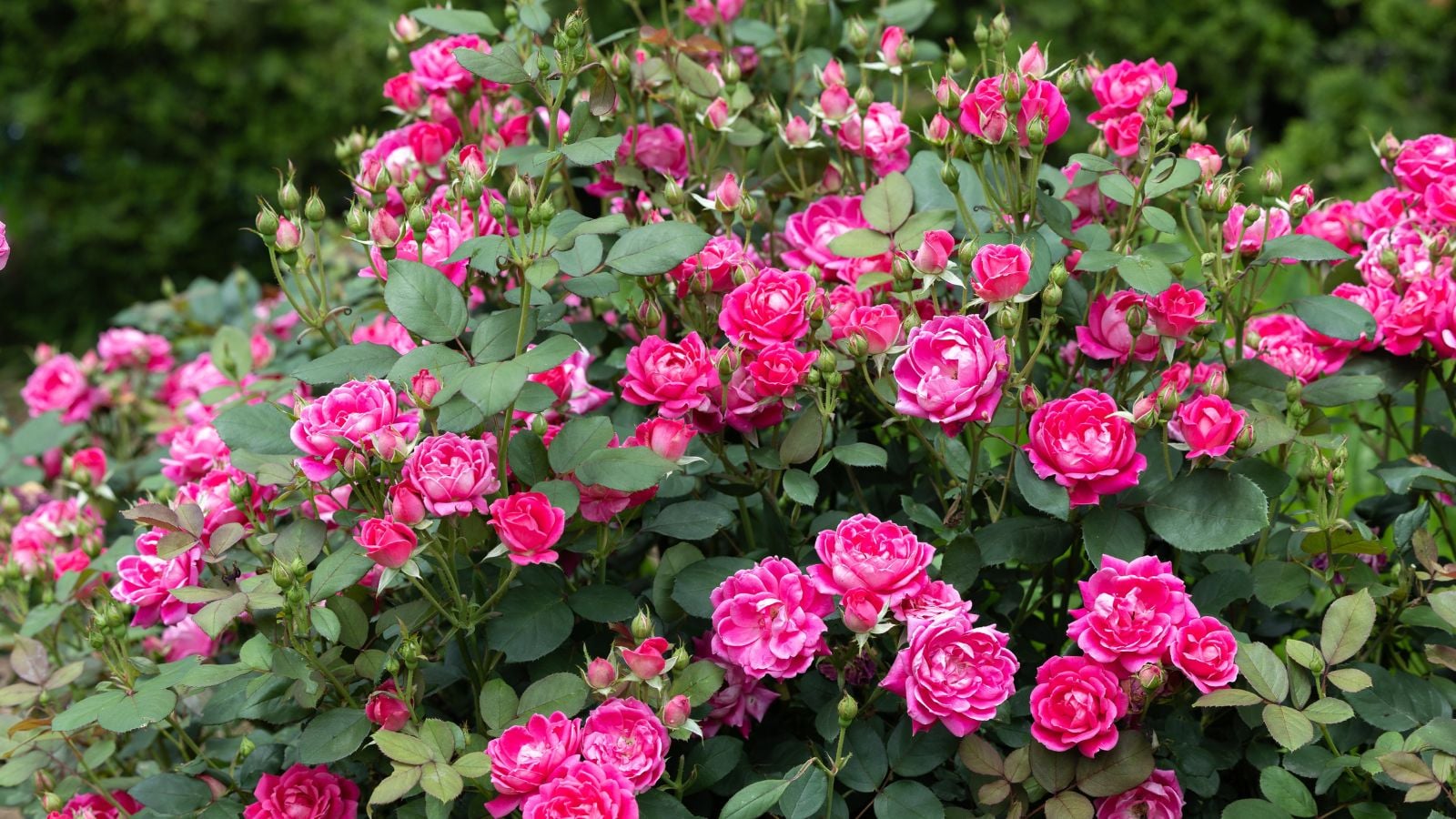
Then it’s time for the major reshape. Now that you’ve taken care of the less productive branches, cut the entire shrub back to one-third of its height. Most Knockouts top out at three to four feet, max. That means your finished height should be somewhere around 12 inches.
Remember to cut at a 45° angle about a quarter inch from the nearest outward-facing bud. This gets you the best repeating blooms and prevents infiltration by pests and diseases. While this is the most concise of your directions, it’s the most time-consuming. But it’s also an important part of your prune, so don’t skip it!
Step 5: Remove Suckers and Clean Up
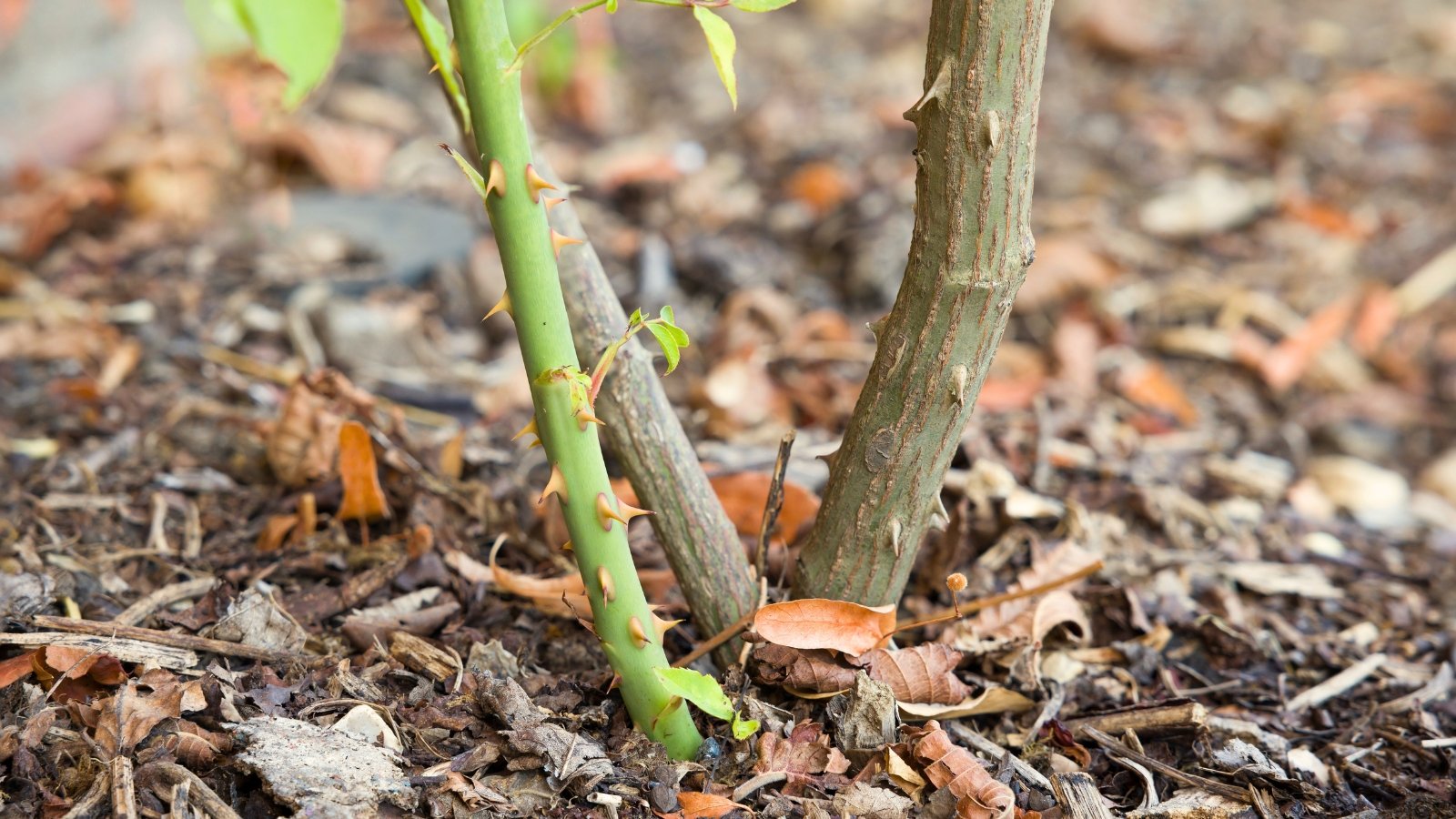
Sometimes, Knockouts are grafted with other roses, and the rootstock can produce suckers, which are small rose bushes that grow from the ground around the base of the plant. You should remove these to prevent them from stealing vigor from the rest of the rose. It should be obvious if you’re dealing with suckers or not.
Gather all your prunings, and feel free to compost the non-diseased parts. Cut them into smaller pieces so they break down easily in the compost pile. For diseased areas, simply throw them in the trash. If your municipal composter is hot enough, the yard waste bin is a safe option, too.
Step 6: Water and Fertilize

Follow up after pruning with a good, slow, deep watering from a drip line or soaker hose. This sets the shrub up for a burst of growth once conditions are right. If you’re well outside the frost range of your region, you can also fertilize. Use an organic fertilizer, or simply side dress your rose with a good dose of well-rotted compost. If you’re still expecting freezing weather, skip this step. And pat yourself on the back for a well-done prune.