Our Favorite Tomato Varieties for Raised Beds
Tomatoes are one of the first things gardeners reach for when growing in raised beds. Gardening expert Madison Moulton shares her picks for the best tomato varieties to grow in raised beds, from reliable slicers and rich heirloom beefsteaks to cherry tomatoes you'll eat faster than you can harvest them.

Contents
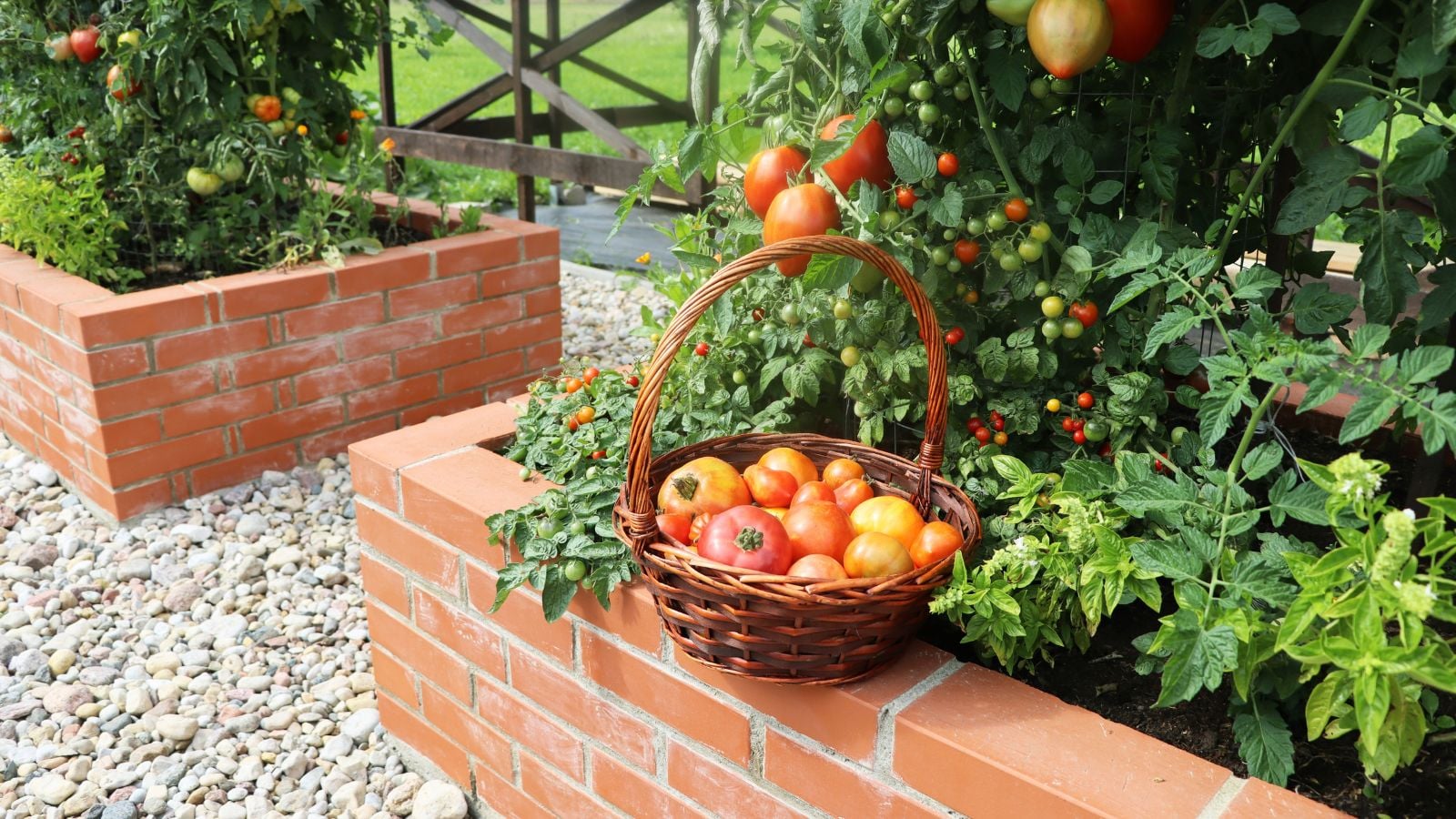
If you’ve ever struggled to grow tomatoes in your garden, raised beds might just be the solution. The drainage is better, and you have more control over the soil composition to maximize yield (which is vital when you’re growing something as hungry as a tomato plant). With dozens of varieties to choose from, the question isn’t whether tomatoes will do well in a raised bed. It’s how to decide which of the many delicious options to grow.
The varieties on this list cover a range of sizes, flavors, and uses. Some are workhorses that will fill your kitchen with fruit all summer. Others are slower or fussier but produce flavors you won’t find at any grocery store. A few are here because they look stunning on a plate and happen to taste great, too.
If you’re working with a standard bed, you probably have room for three or four indeterminate plants (maybe five if you’re good about pruning and staking). Choose a mix of types and you’ll have tomatoes for slicing, saucing, snacking, and showing off.


Moneymaker

There’s a reason this variety has been around since the mid-20th century. ‘Moneymaker’ earned its name from growers who valued it for heavy, consistent yields of uniform fruit, and that reliability translates well to a home garden. The medium-sized fruits come in at about four ounces each, with a sweet, meaty texture that works well sliced fresh or cooked into a simple sauce.
If you garden anywhere with sweltering summers, this is one of the tomato varieties for raised beds that will perform well. The indeterminate vines reach six feet or more, so plan for a sturdy stake or cage. Expect your first harvest about 75 days after transplanting.
Pineapple

If you’ve never grown a bicolor tomato, ‘Pineapple‘ is a good place to start. The fruits ripen to a deep yellow-orange streaked with red, both on the outside and through the interior. They’re beefsteak-sized, often reaching a pound or more.
The flavor is complex and low-acid, with a hint of fruitiness. The flesh is dense and meaty with few seeds, which makes it excellent for thick slices on sandwiches or layered into a summer salad. That said, ‘Pineapple’ takes its time. You’re looking at about 90 days from transplanting to harvest, and the plants need serious support.
These heavy fruits will pull an unsupported vine right to the ground. They are worth the wait and the staking, but set your expectations for a late-season reward.
Cherokee Carbon

This is a hybrid, but it doesn’t grow like one. ‘Cherokee Carbon’ is a cross between beloved heirlooms, and it was bred to solve the problems those parent varieties tend to have while keeping the flavor that made them famous. The result is a 10- to 12-ounce purple beefsteak that produces earlier in the season, with fewer cracks and blemishes.
The flavor is what you’d expect from the Cherokee lineage: rich, complex, with sweetness balanced by a slight tanginess. In a raised bed, the indeterminate vines need the same staking as any full-sized tomato, but you’ll probably notice that the plants are more productive than the heirlooms. If you’ve grown ‘Cherokee Purple’ and loved the flavor but lost too many fruits to cracking, this is one of the best tomato varieties for raised beds.
Cherokee Purple
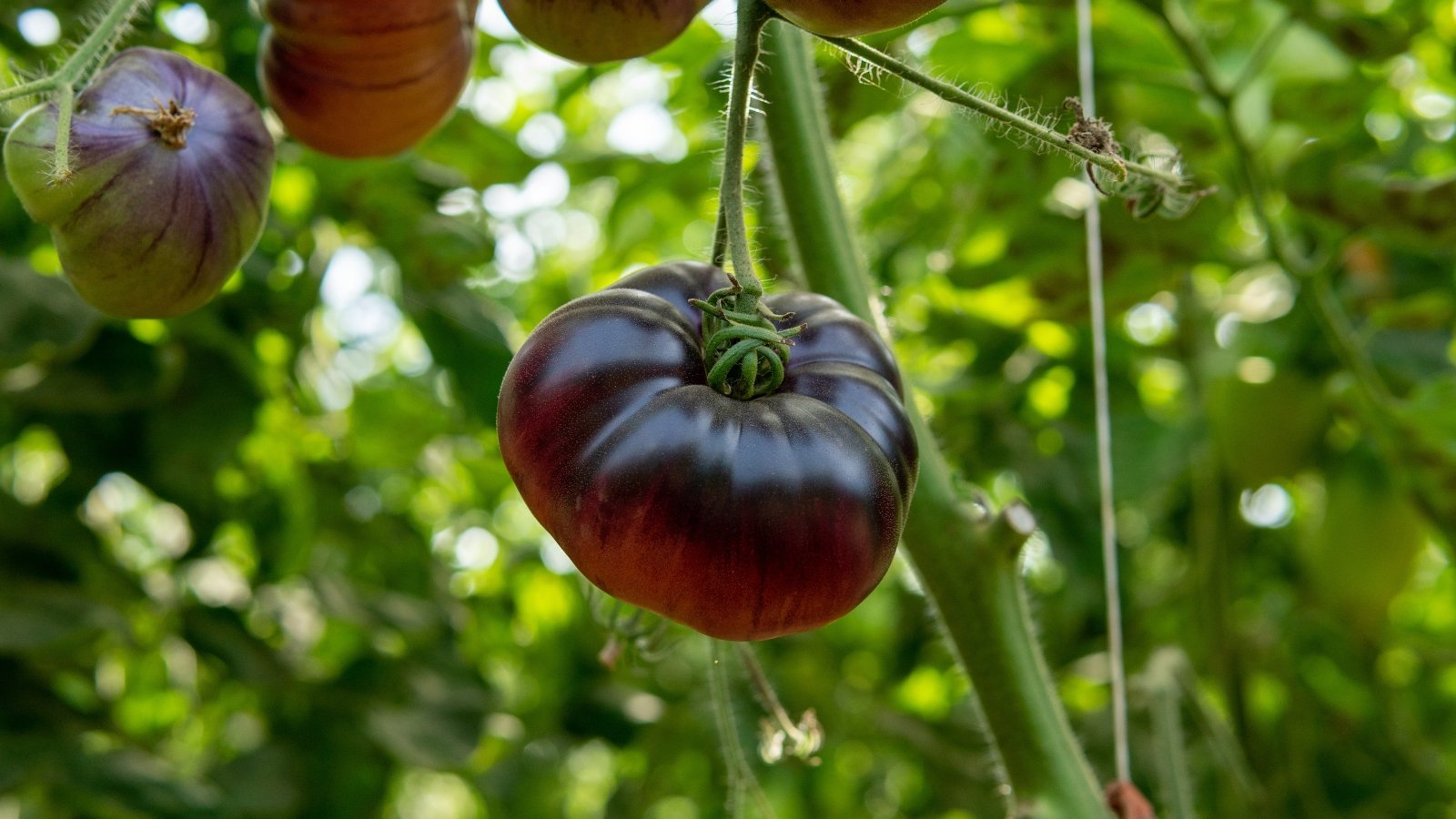
Speaking of the original. ‘Cherokee Purple‘ is one of those varieties that turns people into tomato snobs, and for good reason. The flavor is deep and sweet with an underlying smokiness that’s difficult to describe and impossible to replicate with any other variety.
This is a thin-skinned tomato. It bruises if you look at it sideways, and the fruits tend to crack in wet weather. In a raised bed, the improved drainage helps with that second problem. Handle the fruits gently at harvest, use them within a day or two, and you’ll understand why this heirloom has been winning taste tests for decades.
The vines are vigorous and reach six feet or more, so give them room. Expect about 80 days from transplanting to your first ripe fruit.
Italian Roma

Not every tomato in a raised bed needs to be a slicer. ‘Italian Roma’ is a paste tomato, and it’s one of the best for anyone who makes their own sauce, salsa, or canned tomatoes. The fruits are oblong, about three inches long, with dense flesh, few seeds, and a meaty interior that cooks down into a thick, rich sauce without a lot of excess liquid.
Unlike most of the other varieties on this list, ‘Italian Roma’ is determinate, which means the plant stays compact (about three feet tall) and the fruits tend to ripen around the same time. That concentrated harvest is ideal if you’re doing a big batch of canning or want to make a year’s worth of sauce in a weekend.
In a raised bed, the compact habit also means you can tuck a couple of plants into the edges without them competing with taller indeterminate neighbors.
Oxheart
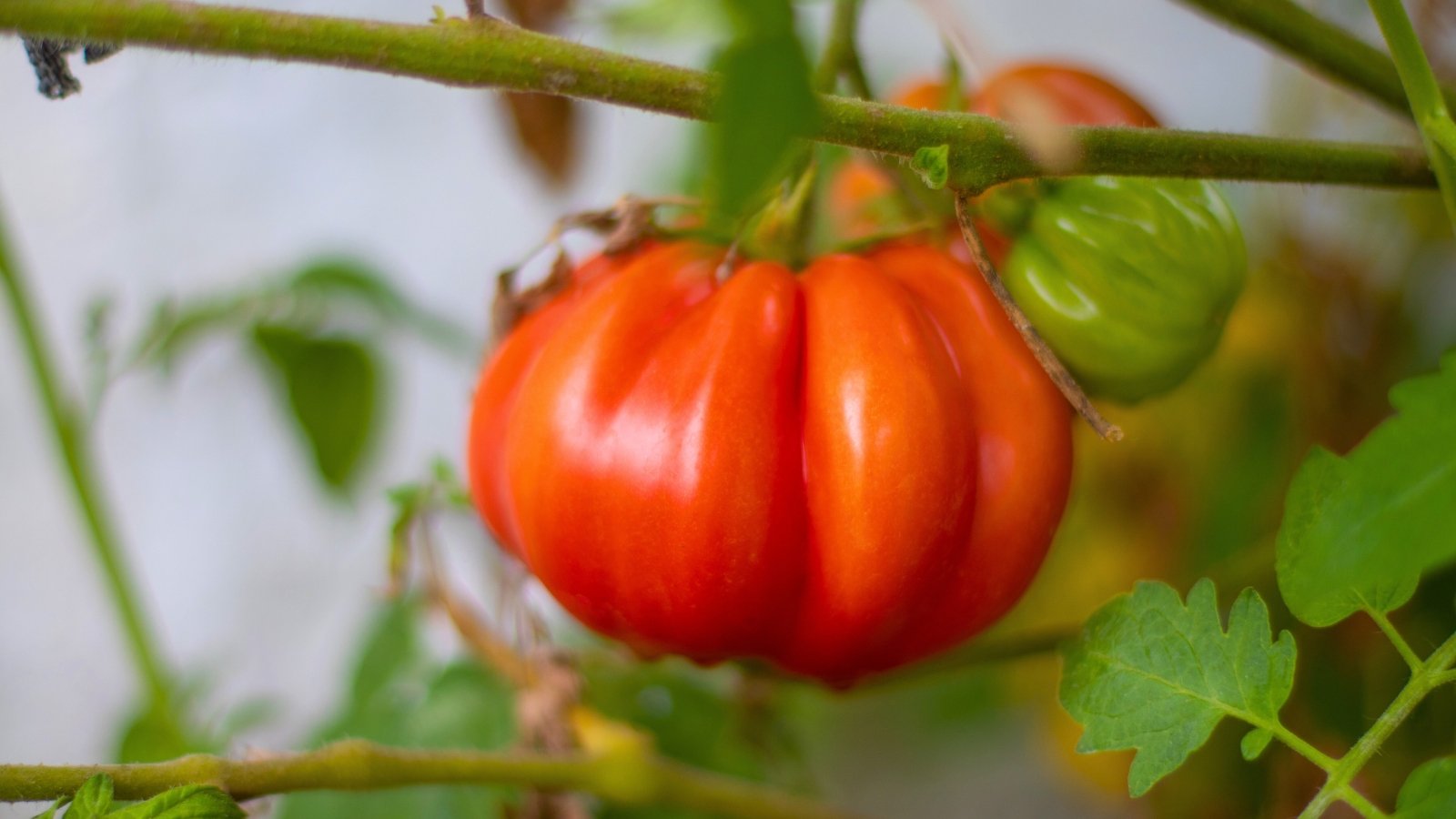
‘Oxheart‘ (or ‘Cuore Di Bue,’ as it’s known in the northern Italian region where it’s been grown for generations) produces large, heart-shaped fruits that weigh between six and 12 ounces. The flesh is dense with very few seeds, which makes it unusually versatile.
‘Oxheart’ tends to produce fewer fruits per plant than some of the more prolific varieties on this list, so keep that in mind when planning. What you lose in volume you gain in character. Each fruit feels substantial and looks distinctive, and the flavor has a depth that rewards slow cooking.
The indeterminate vines need standard support and should produce their first ripe fruits between 70 and 85 days after transplanting.
Sweetie

Every raised bed should have at least one cherry tomato, and ‘Sweetie‘ is a strong contender for that spot. These small, round fruits (about an inch across) grow in grape-like clusters and have a sweetness that borders on candy-like. They’re low-acid, which makes them popular with people who find tomatoes too tart.
The vines are vigorous and will easily reach six feet, so don’t be fooled by the small fruit size into thinking this is a compact plant. It’s not. But the productivity makes up for the sprawl. A single ‘Sweetie’ plant in a raised bed will give you cherry tomatoes from about 65 days after transplanting until the first frost.
Gardener’s Delight
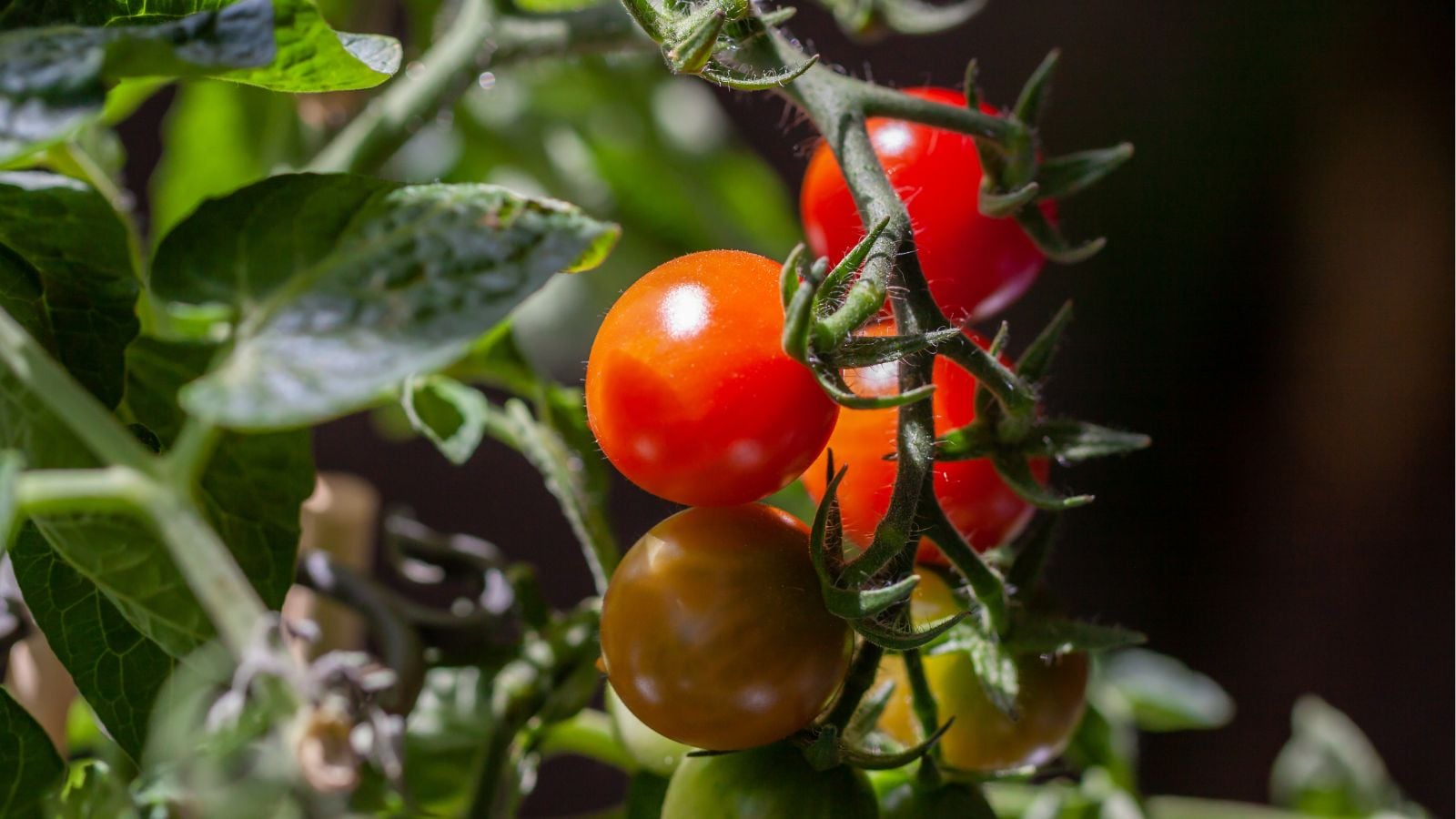
If ‘Sweetie’ is the snacking cherry, ‘Gardener’s Delight‘ is the one for gardeners who want a slightly larger fruit with more complex flavor. This 1950s heirloom produces bright red, bite-sized tomatoes (a little smaller than a golf ball) in clusters of six to 12, and it keeps producing all summer long.
‘Gardener’s Delight’ tends to crack, especially after heavy rain. Picking at the first blush of color and letting them ripen on the counter helps prevent that. The vines reach six feet easily, so give them a tall stake or trellis and let them climb.
Indigo Rose

The color of ‘Indigo Rose’ is just as exciting as the flavor. The fruits develop a deep purplish-black skin where sunlight hits them. The color comes from anthocyanins (the same antioxidants found in blueberries), and ‘Indigo Rose’ was the first tomato variety bred specifically to include high levels of them.
The fruits are small, about two ounces each, and grow in clusters of six to eight. The flavor is balanced between sweet and acidic. Knowing when to harvest takes a little practice because the color change is different from a standard tomato. You’re looking for the shiny purple to turn a dull, brownish purple with a slight softness when squeezed.
The vines are shorter than most indeterminates (about five feet). The plants show some disease resistance to early blight and powdery mildew, which is a welcome trait for tomato varieties in a raised bed where you might be growing the same crop in the same spot year after year.
Fortamino
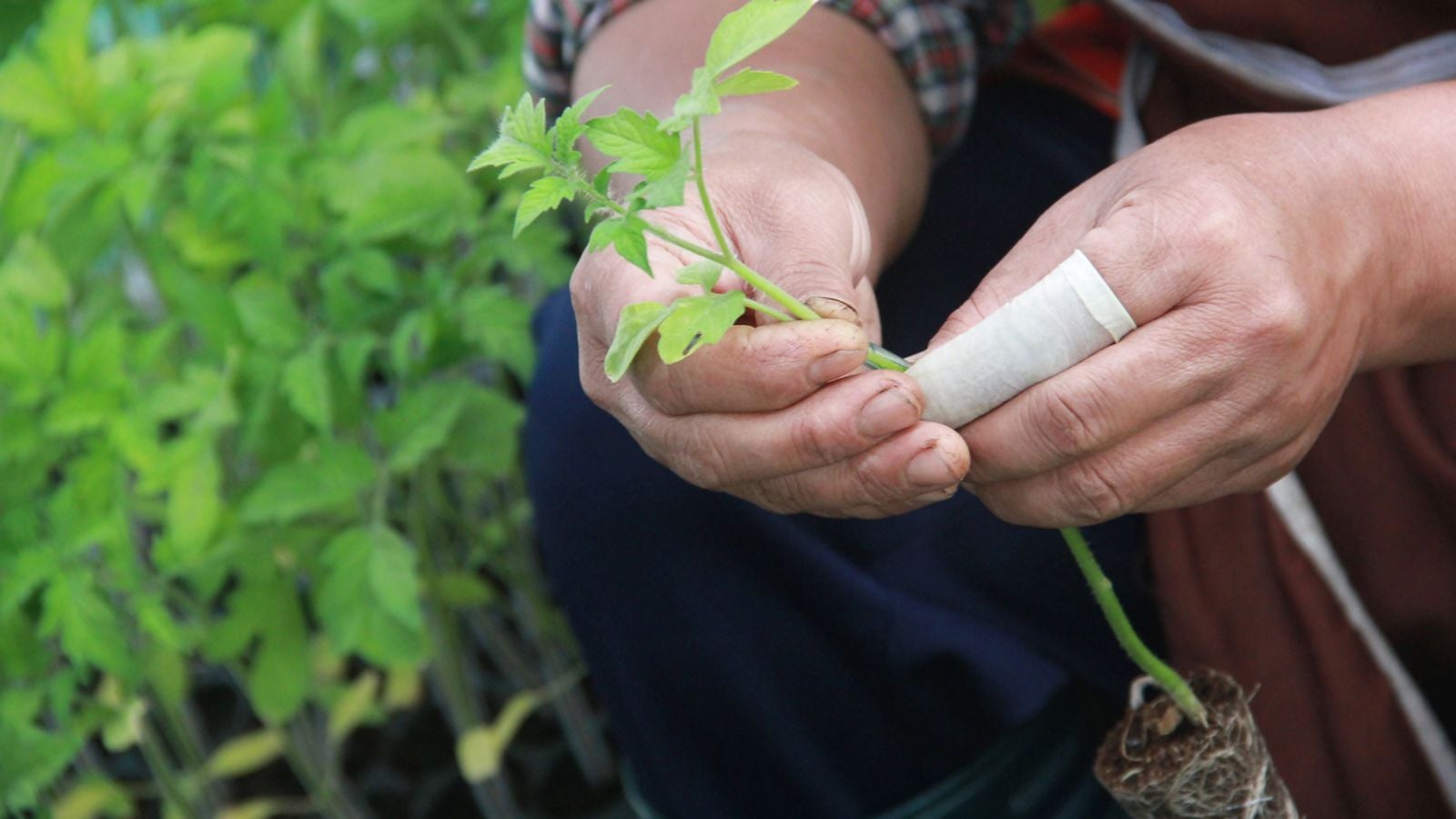
This one isn’t a tomato you eat. ‘Fortamino‘ is a rootstock variety for gardeners who want to take their raised bed tomatoes to the next level. Graft your favorite heirloom (say, ‘Cherokee Purple’ or ‘Pineapple’) onto ‘Fortamino’ rootstock, and the grafted plant benefits from improved disease resistance, better heat tolerance, more flowers per cluster, and larger fruit.
Grafting sounds intimidating, but the technique is simpler than most people think. If you’ve struggled with fusarium wilt, root-knot nematodes, or tomato spotted wilt virus, grafting onto ‘Fortamino’ addresses all of those problems without giving up the variety you want to grow.
Start the rootstock seeds at the same time as your variety, graft when the stems are about the same diameter, and give the graft a week to heal in humid, low-light conditions. If you’ve been growing tomatoes in the same raised bed for several seasons and noticed declining plant health, this is worth trying.