How to Prepare Perennial Beds for Winter Dormancy
As perennials prepare to overwinter, there are a few gardening activities to foster a thriving foundation for spring’s regeneration. With a casual approach to winter prep, nature continues the work for us while we appreciate the details the seasonal transition reveals.

Contents
Late fall marks a turn toward the quieter cool-season landscape, when the garden takes a rest but nature continues regeneration underneath it all. As heavy frosts set in (except for those in balmy, frost-free climates), winter dormancy ensues for our perennial beds and borders.
Fall doesn’t have to be an intensive clean sweep of perennial beds. It’s better for the gardener and the landscape if it’s a casual combination of thoughtful site prep and natural processes. That organic debris, drying and dropping, provides services like winter protection, pollinator habitat, and soil enrichment.
With a few fall tasks to prepare perennial beds for winter, we set the foundation for an abundant spring.


Water Through Frost

The first step to prepare perennial beds for winter is to support robust root systems. For new plantings and established specimens alike, fall’s moderate conditions allow them to direct energy into root development before cold weather.
Fall can bring moisture fluctuations with warm days and dry spells, or, conversely, a deluge of rain. Keeping up with watering schedules and increasing or reducing them accordingly helps overall health. As temperatures cool and evaporation decreases, watering sessions lessen.
Perennials continue to absorb water as they grow until the ground freezes. Once heavy frosts set in and the soil freezes, they stop actively growing as roots decrease water and nutrient uptake. Herbaceous perennials rely on moisture leading into winter to support turgidity (water-filled roots, stems, and leaves). Water strengthens tissues against frost damage by allowing natural plant processes to continue until dormancy.
Less stress ahead of the off-season promotes winter survival. Watering through frost also activates healthy soil microbes before they slow down in cold soils. Microorganisms like beneficial bacteria work to break down organic matter and minerals into nutrient forms that roots absorb. Dry spells inhibit microbial activity, and continued moisture supports their work for healthy soils.
Cut Back Selectively

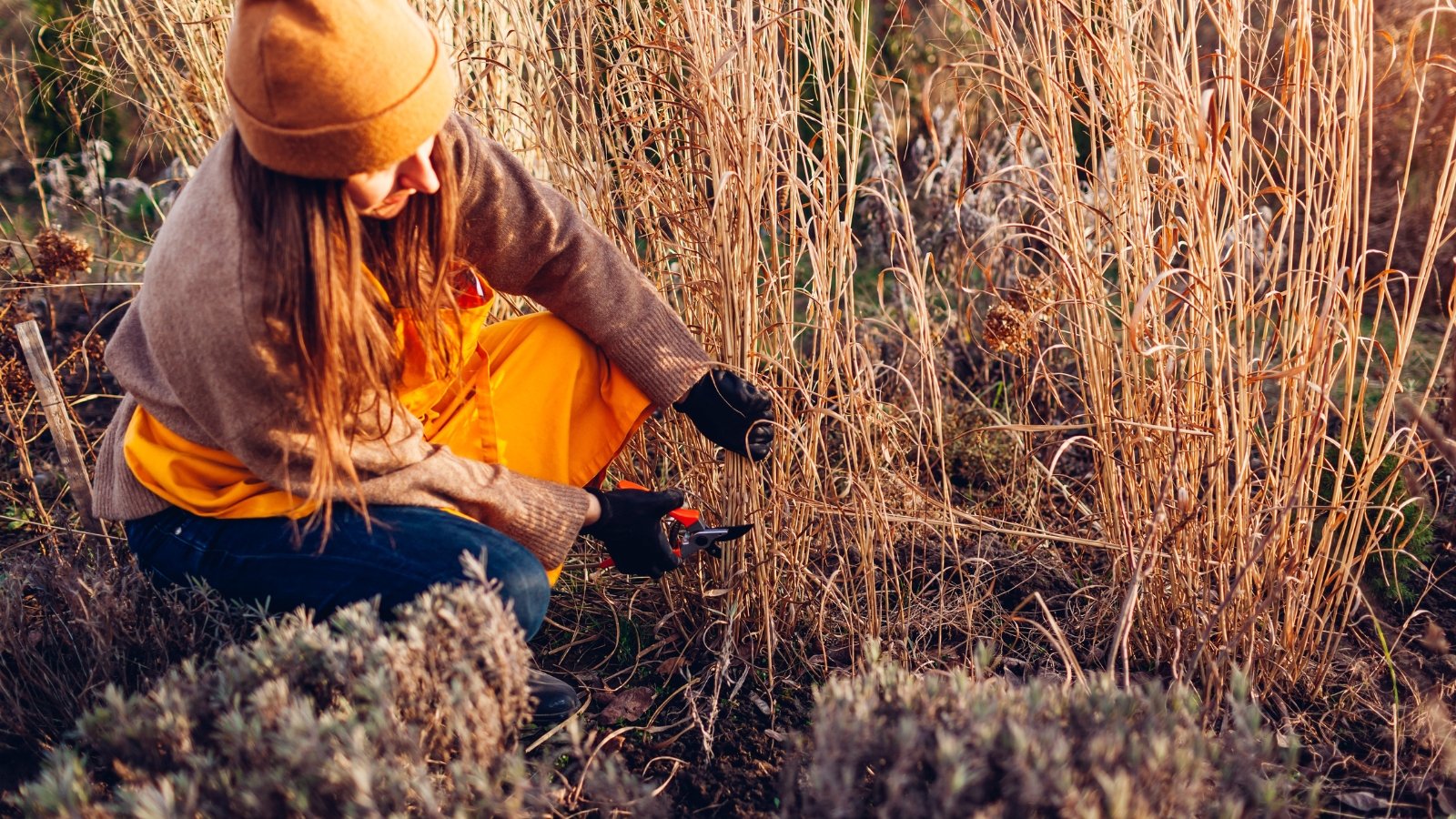
Cutting back perennials to prepare beds for winter is primarily about aesthetics. We may be accustomed to clipping everything for a tidy appearance. With a clean sweep, though, we’ll miss winter interest through seedpods and bare branches. Pollinators, beneficial insects, and other garden inhabitants lose valuable habitat and nesting sites. Stripping the organic material removes a resource that can build soil. So, leaving the majority of perennials standing has its benefits.
To time a selective cut back, wait until after a few frosts as perennials enter full winter dormancy. Those that benefit from cutback include any prone to fungal problems that may overwinter in damp conditions (hostas, beebalm, garden phlox). Cut back any plants afflicted by disease problems during the growing season to prevent harboring the pathogens.
Perennials best left standing throughout dormancy include those with hollow stems for pollinator nesting. Keep seedheads for bird and wildlife forage, for winter interest, and potential reseeding. Woody stems and leafy crowns also offer extra winter protection in cold climates. Evergreen and semi-evergreen growers add a bit of color to the quiet landscape.
Aim for a balance that appeals to your aesthetic, prevents fungal disease when cutting back herbaceous perennials, and leaves woody specimens standing.
Light Clean Up

For diseased or pest-damaged perennials, a sweep of debris in beds promotes healthy overwintering. Dropped material harbors existing pests and diseases, even through the winter.
Removing fallen leaves and petals around plants improves growing conditions for the spring. A light rake sweeps the material, and the end-of-season spruce-up tidies the area. Discard the material, keeping it out of the garden and compost pile to prevent further spread.
Weeding is another best practice to rid any cool-season weeds that crop up. They compete with our garden selections for growing space, nutrients, moisture, and sunlight, and also host pests and diseases over the winter.
Do a Soil Test and Add Amendments

Fall is a prime time for a soil test and to add amendments. Applying them now lets them work into the soils for added benefits during warm-season growth.
A soil test from an at-home kit or your local university extension office requires samples and usually offers results within a few weeks. They’ll outline existing nutrient and pH levels, soil type, and any deficiencies to promote the best growth and health.
Amend soil to prepare perennial beds for winter to improve soil structure, boost microorganisms, regulate pH, and add nutrition. Soils adjust before spring emergence and planting.
Mulch
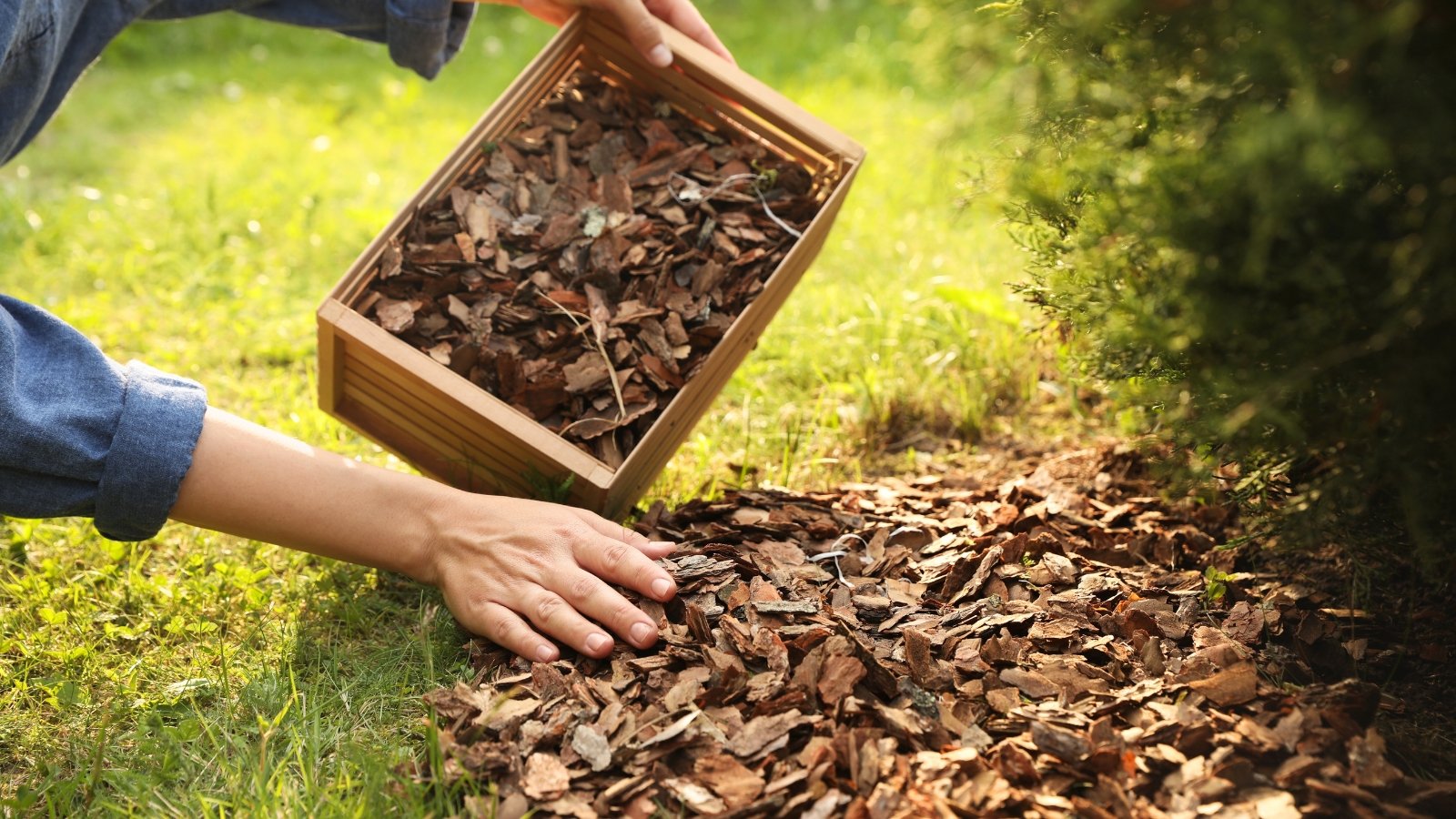
Mulch plays a valuable role in protecting perennials from winter fluctuations. A two to three-inch layer of compost, bark chips, leaves, or clean straw protects against seasonal extremes like frost heaving as soils naturally freeze and thaw with temperature and moisture changes. Mulch insulates roots and retains moisture across varying conditions.
Mulch also provides nutrition as it breaks down. Those all-important microorganisms get to work harnessing their nutrients for healthy soils and growth.
Wait until after a heavy frost to add mulch to prevent fungal problems and maintain air circulation until full dormancy.
Utilize Leaves
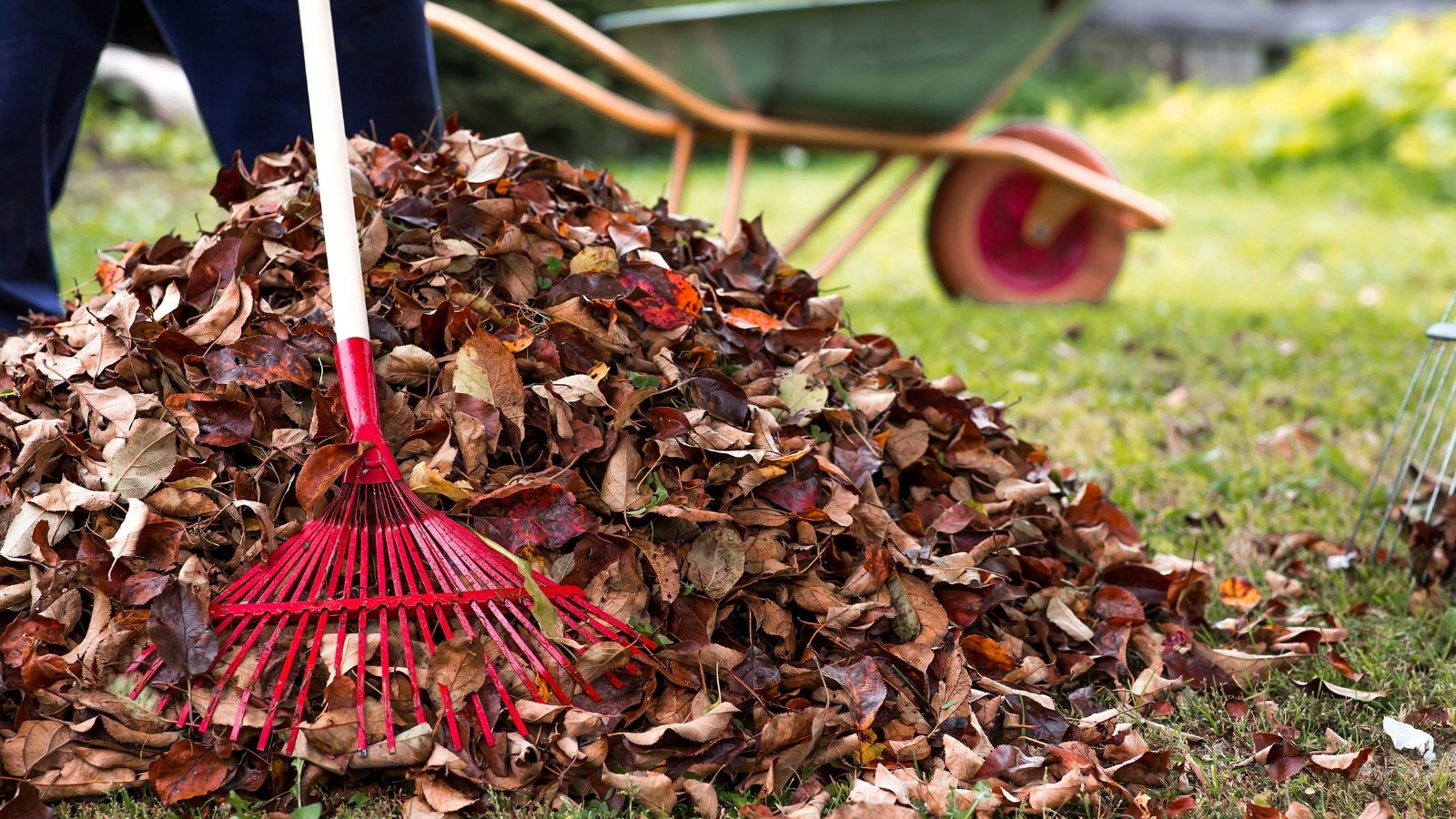
Fall leaves are a ready resource with long-term benefits when you prepare perennial beds for winter. They provide a natural mulch and nourish soils as they decompose. They also house pollinators and other creatures that use them to nest, lay eggs, and overwinter.
To use leaves as mulch, situate them as a cover for bare soils across beds. Leave them where they drop or lightly rake whole leaves into beds to add insulation for roots as temperatures drop.
If you have extra leaves, pile them to make leaf mold. As leaves break down in about six months, they become a prime soil conditioner and topdress material.
Winterize Borderline Specimens

Borderline specimens may benefit from extra insulation around their crowns and roots. To overwinter these selections, the primary goal is to protect the roots and crown from extreme temperatures, frost heaving, drying winds, and winter sun.
Shrubs like roses and hydrangeas benefit from added protection in zones 6 and lower. Some of our favorite smaller selections vulnerable to frost heaving include coral bells and chrysanthemums.
Protect the roots and crown with 8 to 12 inches of mulch, covering the lower stems and roots in a mound of soil, compost, leaves, or straw. Evergreen boughs also work well for a blanket of insulation. Remove the extra protection in early spring as temperatures warm to expose roots to the sun’s warmth and promote new growth.
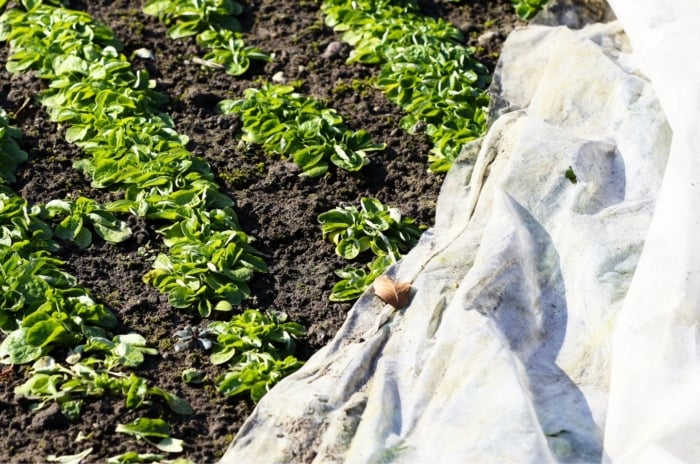
For large specimens, a wire cage (chicken wire or a similar flexible material) filled with leaves forms a cylindrical frame with insulation to last all season. Wrapping with frost cloth can help during temperature extremes and cold snaps.
To preserve tender perennials that aren’t hardy in our growing zone, it’s safest to lift them and pot them for overwintering in a sheltered spot. An unheated space, like a cold frame, garage, basement, or shed, is a protective option. The potted specimens require occasional watering (about once a month) so roots don’t dry out completely. Check the soil moisture every few weeks, taking care not to overwater for soggy conditions that increase root rot.
Sow Perennial Seeds

With beds prepped for winter, it’s a great time to add to our collection with direct sowing. Many perennial seeds, including favorite natives, benefit from cold stratification, and fall/winter sowing gives them the chill they need.
Exposure to cold and moist weather, followed by warming temperatures in spring, triggers germination. Seeds lie in place, even under snowpack, until conditions are right for sprouting.
Cold stratification is a chill time that varies by species (usually temperatures near 35 to 40°F or 2 to 4°C for a month or two). The cold, followed by warming conditions, breaks internal dormancy for germination.
To add to our perennial beds in fall and winter, look to species with seeds that naturally dry and drop in fall. Direct sow the seeds, scattering according to planting guidelines. Often, scattering with a light tamping is all they need at planting.